ASHOK AHLAWAT. retweetledi
ASHOK AHLAWAT.
2.6K posts
@AshokHoratius
The best thing you can do is tobe exceptionally good at something.


This is the one who runs this account.


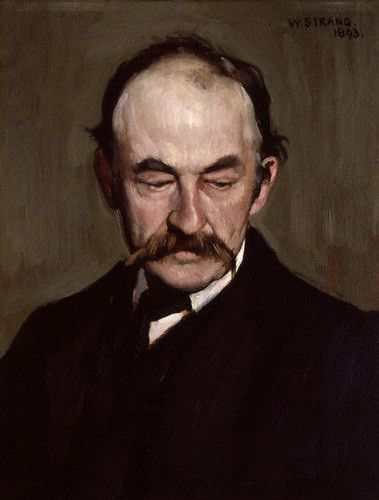
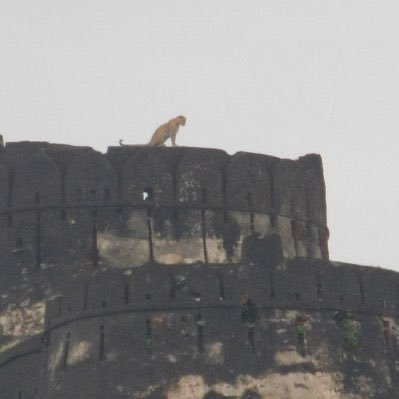
In 1800, James Skinner was left for dead on a battlefield. He survived, went on to raise a cavalry regiment that outlived the East India Company, the British Raj and entered the army of independent India. Read: open.substack.com/pub/sarngarava…

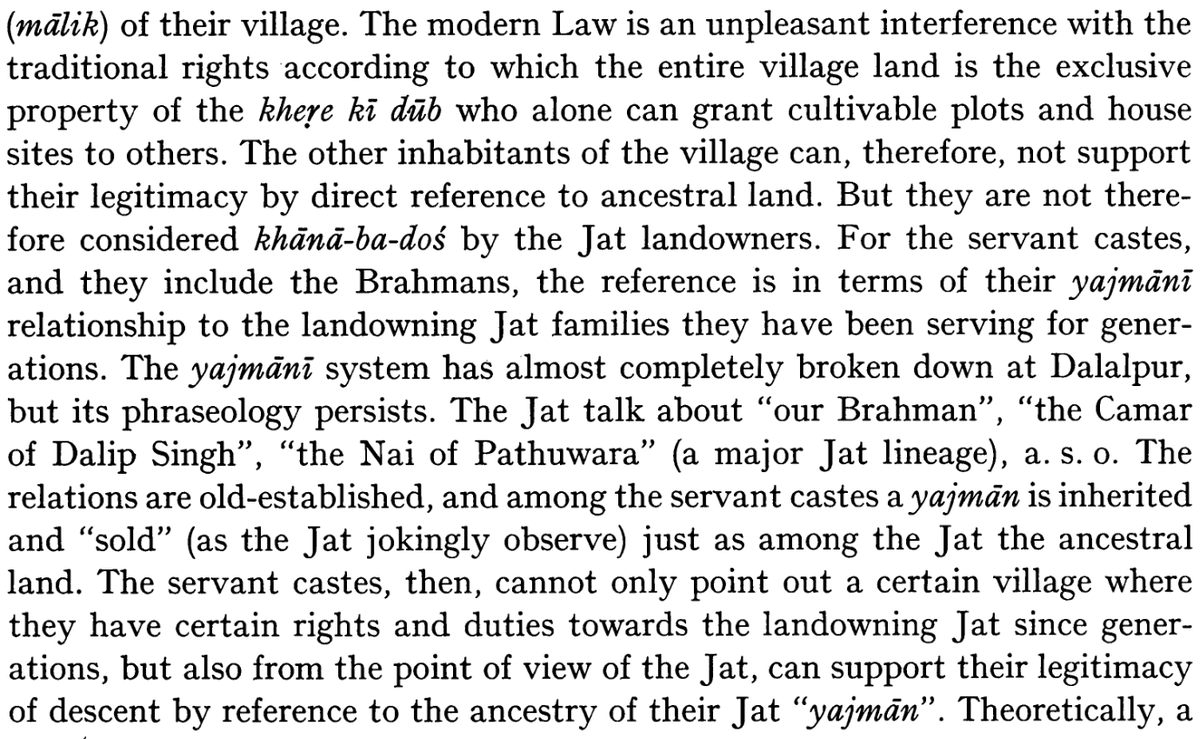
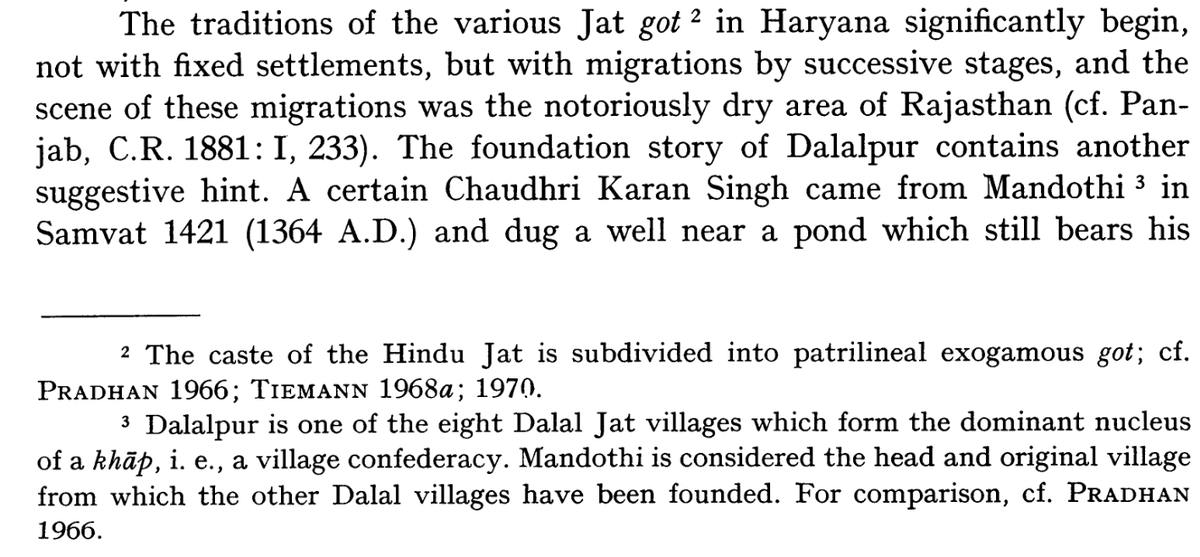
In 1972, social anthropologist Paul Hershman carried out fieldwork in Jullundur District, Punjab. He identified the Randhawa Jats as the Jajmans (patrons) of Randhawa village. His findings were consistent with studies by scholars such as J. Wilder in the Jat villages of Haryana and Western U.P. Hershman describes the Jats as the dominant land-owning caste of Punjab, noting that in almost every village it was Jat farmers who occupied the role of Jajman, standing at the centre of a complex network of economic and ritual relationships with other communities. • The village was originally founded and settled by the Randhawa Jat clan, after whom it was named. • The founding Jats originally owned all of the village land, including the present residential site. • The village was divided into five pattis (lineage divisions) of the Randhawa clan, each corresponding to a division of the village land. • Each patti maintained its own artisan and service castes under the Jajmani system. • Carpenters, Water-Carriers, Brahmins and other service communities were invited into the village by the founding Jats, granted house sites, and became hereditary service groups attached to the Jat pattis. • Even generations later, each Jat patti retained its associated service castes, while separate quarters of the village were occupied by communities such as Carpenters, Brahmins and Tailors.