Śāsana Sevaka ࿗
9.8K posts

Śāsana Sevaka ࿗
@AspiringSravaka
श्री जिनशासन आराधक | Jaina Extremist | प्रधानं सर्व धर्माणां, जैनं जयति शासनम्


शंकराचार्य ने भारत में चार स्थानों पर मठ की स्थापना की. देश से बाहर एक भी मठ की स्थापना नही हुई. जबकि बौद्ध मठ चीन ही नही, बल्कि तुर्की तक में स्थापित हुए थे. असली जगतगुरु कौन है. तथागत बुद्ध या शंकराचार्य ?


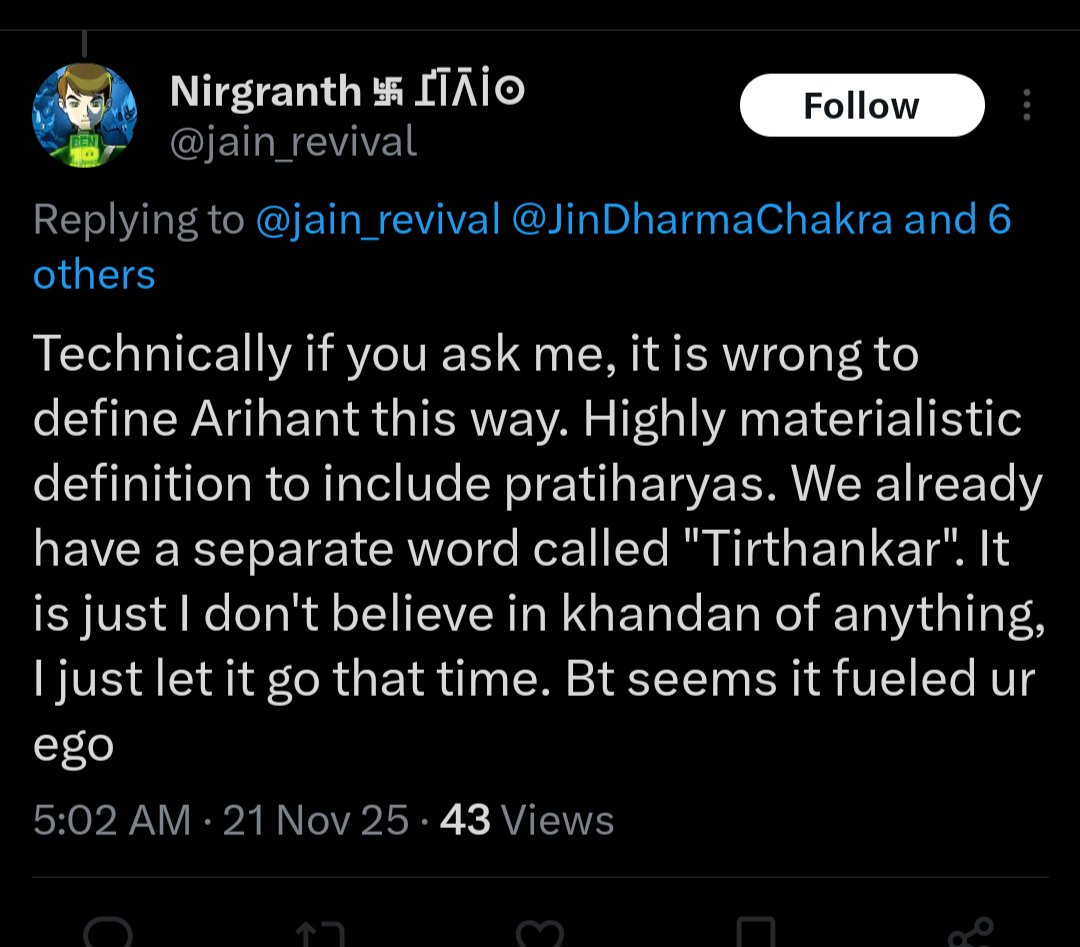
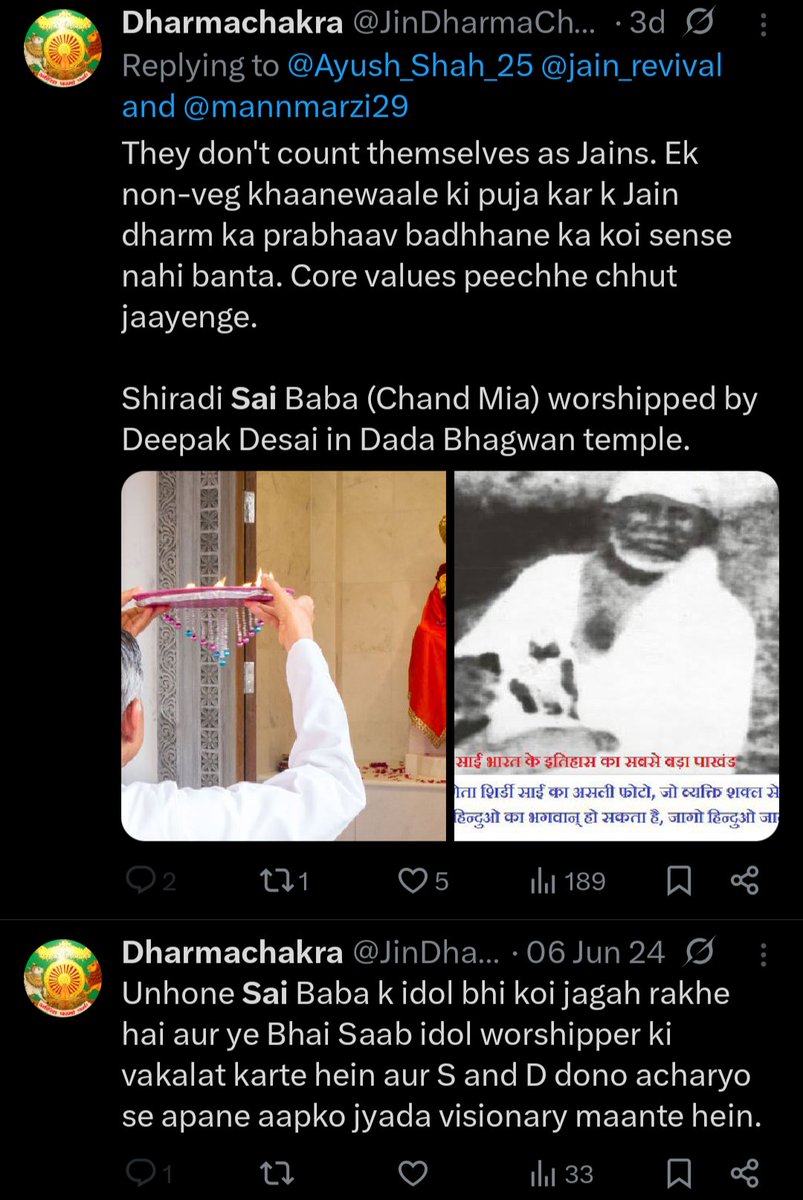
@jain_revival @mannmarzi29 @CurlingFreeKick @Shasanraagi @paschimbharti @jainpratham2211 @Ayush_Shah_25 Don't take shield of Shabd Naya and Amekantvada. Yr views r different and not representing meaning of Shwetambar scriptures thts well known.


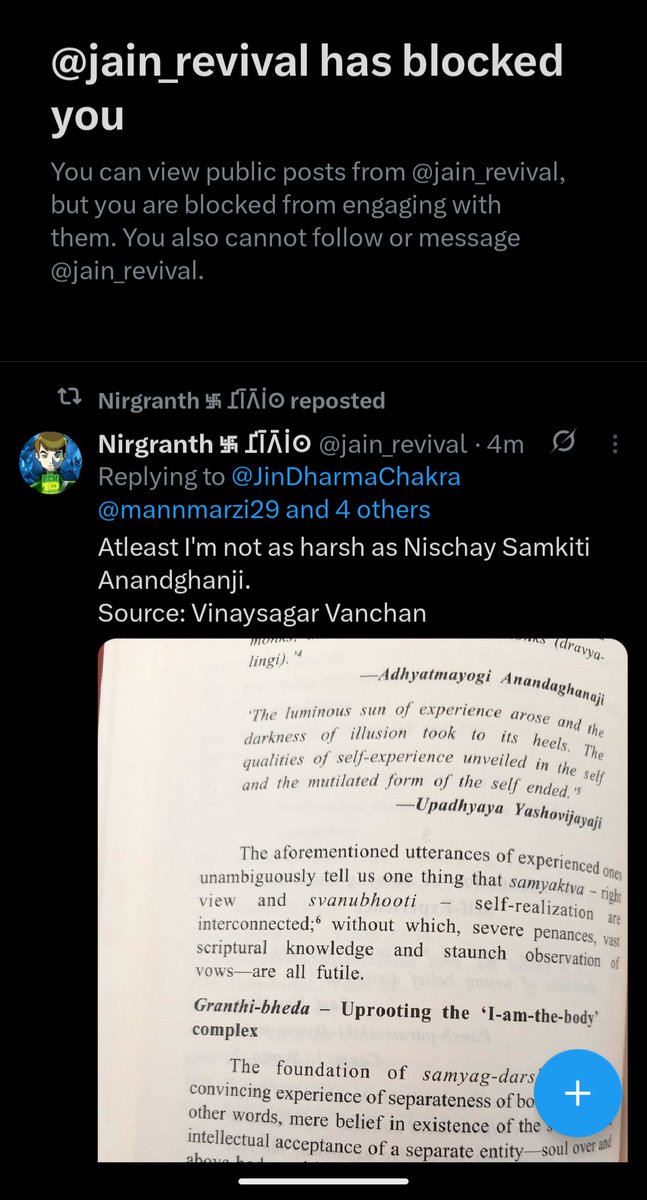
It has become common practice for disciples of Rajchandra/Dada Bhagwan to counter with references of taking some extracts of Anadghanji m.s. and Yashovijayji m.s. (meant for specific purpose &/ saadhaks). They cnt tolerate opposite thought but can talk on "Samatva"endlessly.😊

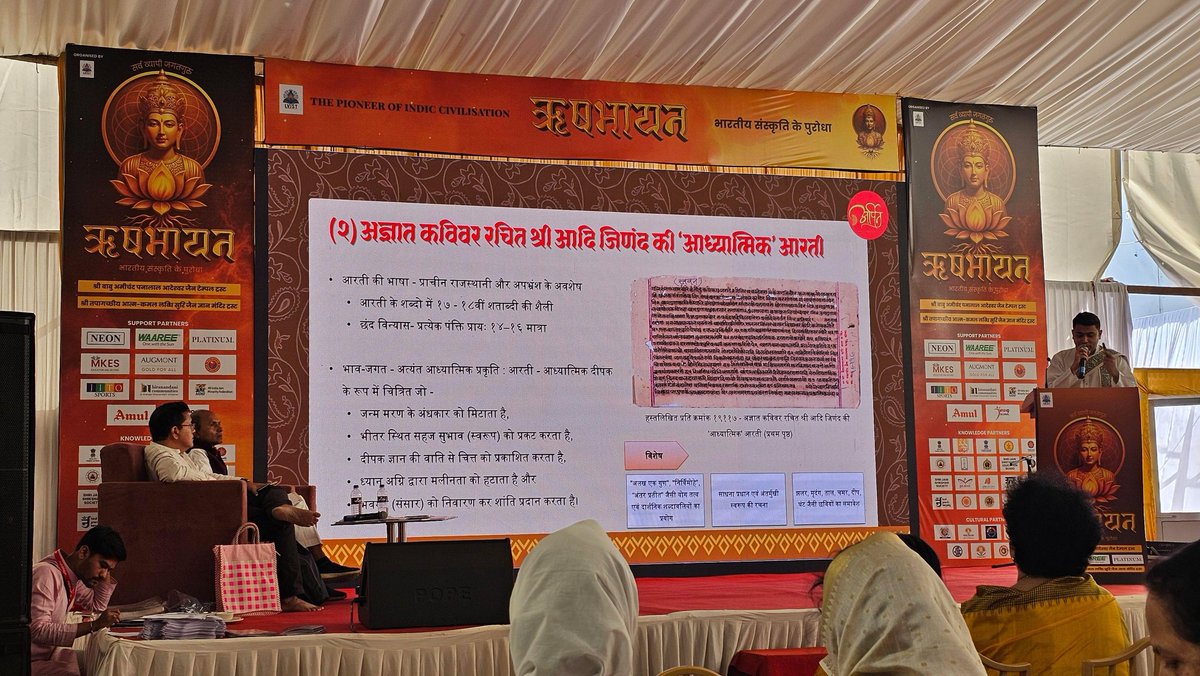
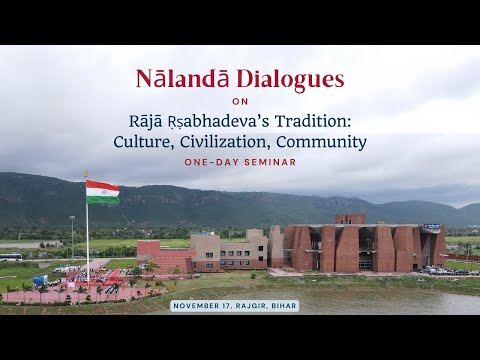
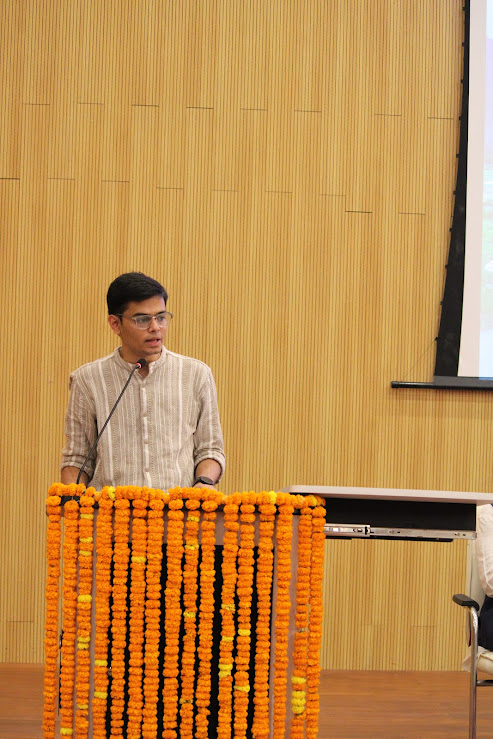
Nālandā Dialogues on Rājā Ṛṣabhadeva’s Tradition: Culture, Civilization, Community | Session 1 Session titled “Rājā Ṛṣabhadeva: Historical Context and Civilisational Significance,” unfolded featuring a series of scholarly presentations. It brought together four speakers, each offering a distinct lens on Rājā Ṛṣabhadeva’s multifaceted legacy. Dr. Lata Bothara opened with “Adinātha Anuśīlana,” followed by Dr. Pranshu Samdarshi’s presentation on “Rājā Ṛṣabhadeva as an Incarnation of Viṣṇu: A Study of Purāṇic Sources.” Prof. Abhay K. Singh then explored “Tīrthaṅkara Adinātha and His Legacy: Clues to Indian History,” and Dr. Tosabanta Padhan concluded with insights into the Jain archaeological heritage of Rājgir and its surrounding areas. Presentations were followed by a lively 15-minute Q&A session for deeper engagement. The session was chaired by Dr. Sejal Shah, Head of the Gujarati Department at MNWC College and Trustee of the Jain Sahitya Academy Trust, whose thoughtful moderation added coherence and depth to the proceedings. Watch the complete session here at our YouTube channel; youtube.com/live/UN4H1sdOP…

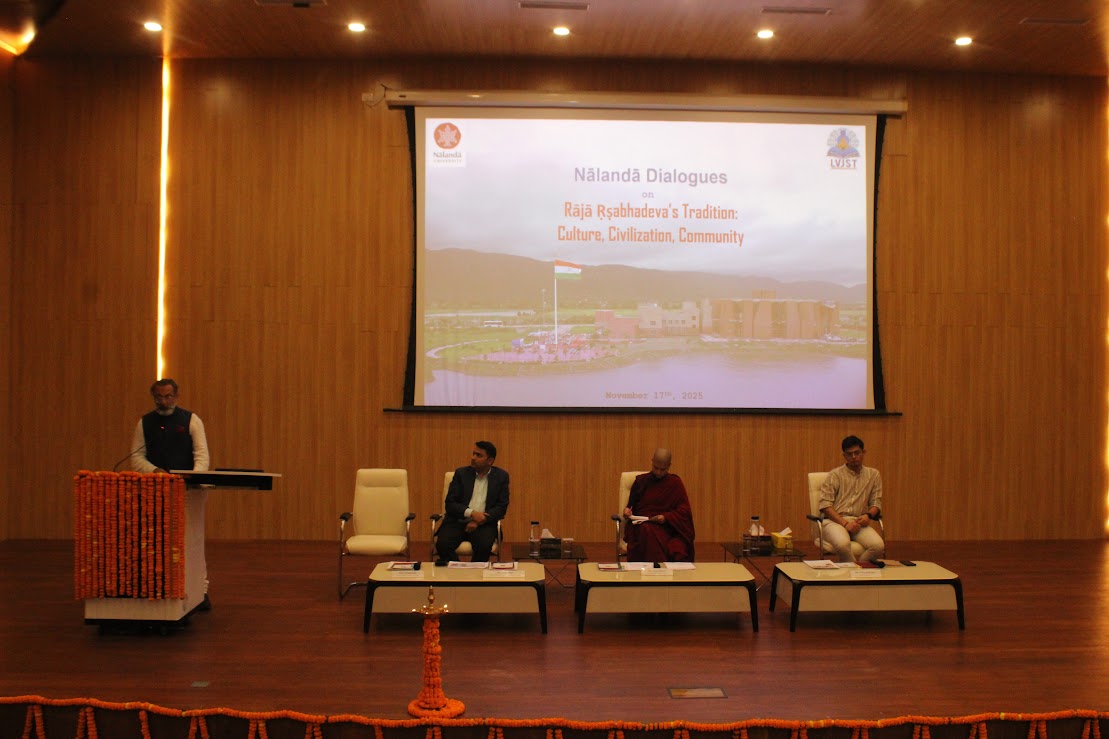
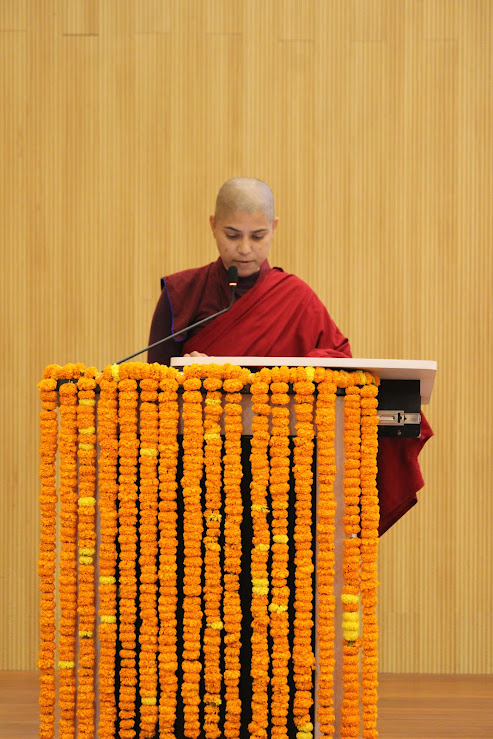
An inspiring opening marked the seminar Nālandā Dialogues on Rājā Ṛṣabhadeva’s Tradition: Culture, Civilization, Community at Nālandā University this morning. The inaugural session began with the traditional lamp-lighting ceremony. Hon’ble Vice Chancellor Professor @Sachin_Chat highlighted Rājā Ṛṣabhadeva as the first philosopher of the world. Prof. Abhay Kumar Singh, Dean, School of Historical Studies; Shri Jainesh Shah of LVJST; and keynote speaker Dr. B. K. Tiwary of Mithila University enriched the occasion with their thoughtful and insightful remarks, setting an inspiring tone for the day. #NalandaDialogues #NalandaUniversitySeminar @PMOIndia @MEAIndia @IndianDiplomacy @APanagariya @PIB_Patna @iccr_hq

Nalanda Dialogues | Session II Titled “Social Structure and Governance Frameworks in Bhartiya Śāstras: Perspectives on Rājā Ṛṣabhadeva,” offered a rich exploration of early social organisation and knowledge traditions associated with Ṛṣabhadeva. It featured three presentations. Prof. Venus Jain opened with “The Kulkar System and Ṣaḍvidyā: Rājā Ṛṣabhadeva’s Foundational Contributions to Governance and Knowledge Systems,” providing a nuanced examination of institutional and epistemic frameworks in early Bhartiya thought. Dr. Sejal Shah followed with “An Inquiry into the Origins of Social Principles and Customs: Perspectives from Rājā Ṛṣabhadeva,” highlighting the formative role of Ṛṣabhadeva in shaping enduring social norms. The final talk by Dr. Azad Hind Gulshan Nanda, “Rājā Ṛṣabhadeva: Cultural Traces and Jain Heritage in South Bihar,” shed light on the regional cultural memory and archaeological resonances of his legacy. A dedicated Q&A session encouraged thoughtful dialogue among participants. The proceedings were chaired by Dr. Kashshaf Ghani of the School of Historical Studies, Nālandā University. Here's the YouTube Link for complete session; youtube.com/live/UN4H1sdOP…

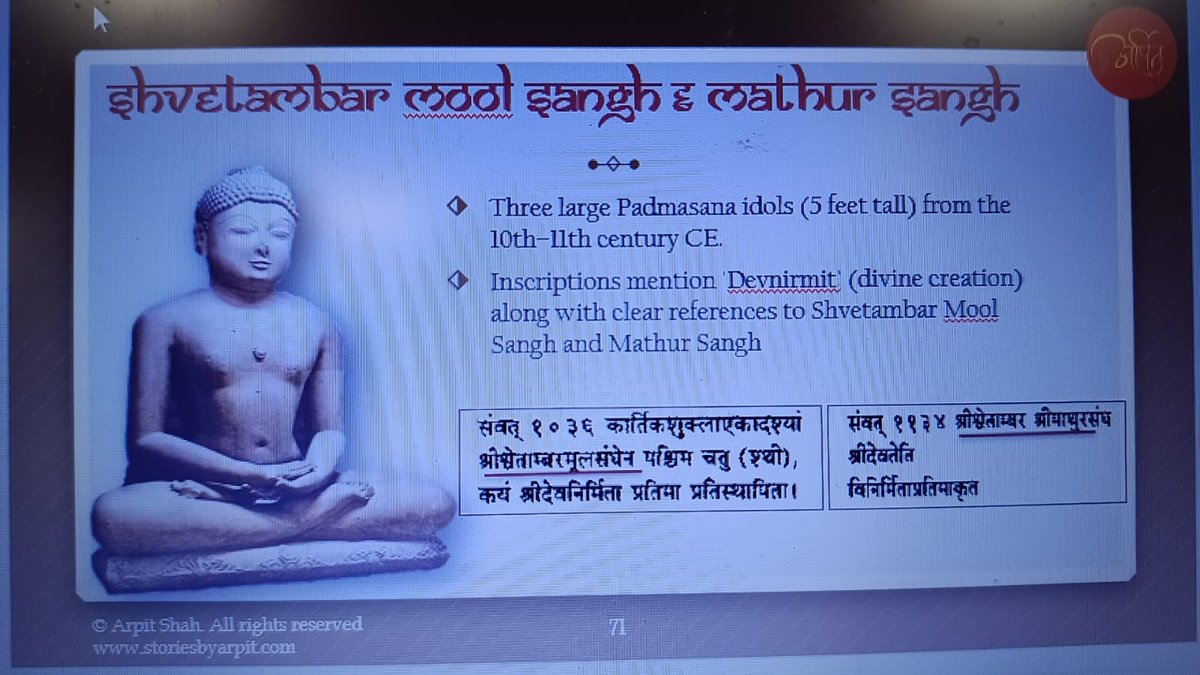
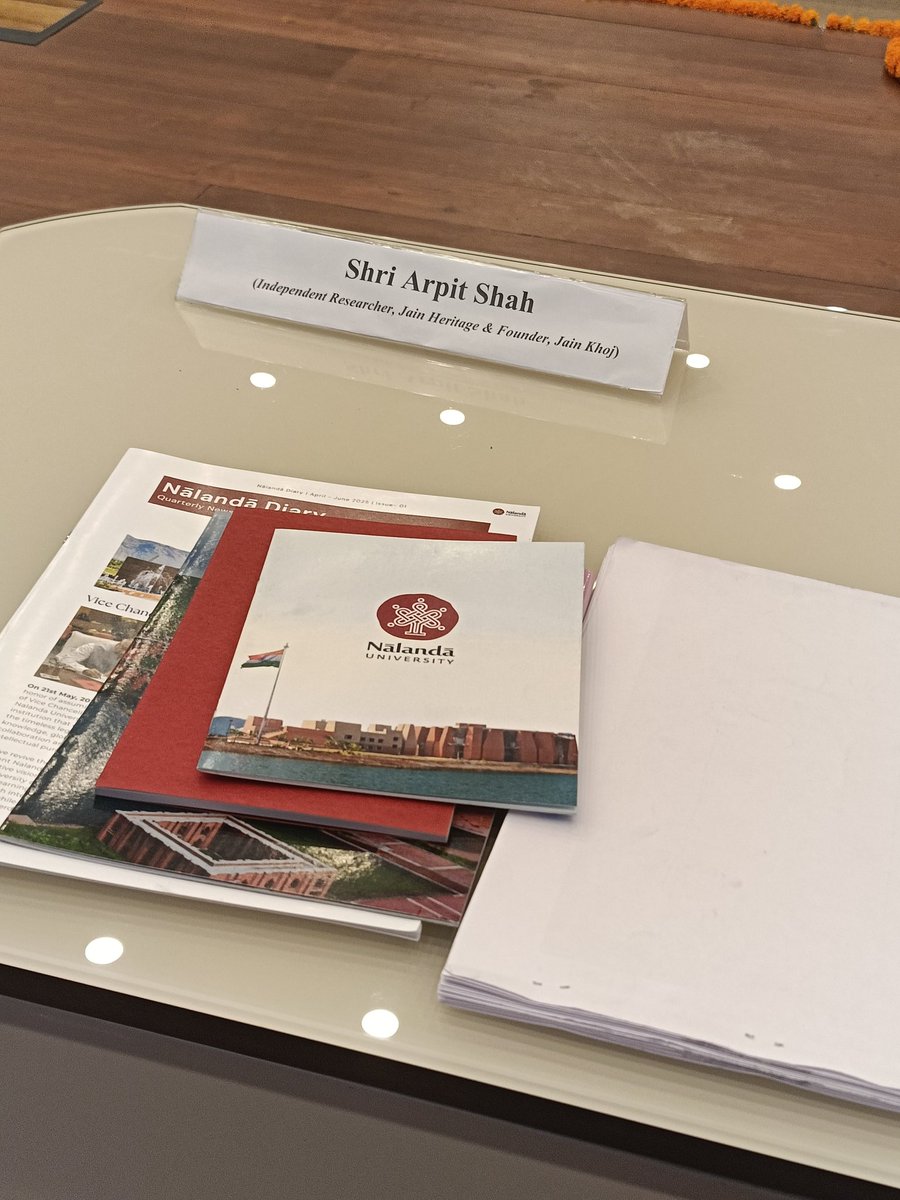
Nalanda Dialogues | Session III Themed “Ethics and Skill Development Paradigms in Discourse with Rājā Ṛṣabhadeva,” brought forward a stimulating set of reflections on ethical frameworks, institutional beginnings and the cultural geographies associated with Ṛṣabhadeva. Session opened with Shri Varun Jain’s presentation, “Applying the Saptabhaṅgī Philosophy of Jainism to Permeate Ethical Harmony Across Individual, Organizational, and International Domains,” which offered an insightful articulation of Jain logical principles as foundations for holistic ethical conduct. Shri Arpit Shah followed with “Tracing the Sacred Itineraries of Lord Ṛṣabhadeva: Historical Vicharaṇa Regions and Their Modern Identifications,” mapping the significant pilgrimage landscapes tied to Ṛṣabhadeva’s life and their continued relevance. The final paper, delivered by Shri Shreyansh Jain, “The Birth of Institutions and Ethics: The Dhārmik Architecture of Artha and Kāma by Rājā Ṛṣabhadeva,” examined the civilisational origins of institutional ethics and value-oriented social organisation. The session was chaired by Dr. Pooja Dabral, whose steady moderation lent coherence and depth to the proceedings. Here's the YouTube Link for complete session; youtube.com/live/UN4H1sdOP…