raj awatramani

932 posts

raj awatramani

raj awatramani

@AwatramaniRaj

Neuroscientist

Katılım Nisan 2019
169 Takip Edilen151 Takipçiler
raj awatramani retweetledi
Rui Costa
Rui Costa@ruimcosta·
Today, we’re sharing a new brand for the @AllenInstitute that reflects our mission: accelerating science for a healthier world. This brand is not a new logo. It is a language that tells who we are, our process, our values, and our commitment to enabling others—scientists, partners, and communities—to build on the knowledge and tools we make free for all. This video captures the creative journey that led to the new brand. I invite you to watch and reflect with us.
English
2
10
26
45.6K
@jason
@jason@Jason·
Can any of you upscaling geniuses clean up this video and audio track for “Tunnel of Love” by Dire Straits from 1986 for me? It’s my favorite version. youtu.be/rmUFX8PUMKI?si…
YouTube video
YouTube
English
9
2
30
75.5K
raj awatramani retweetledi
The Science of Parkinson's
The Science of Parkinson's@ScienceofPD·
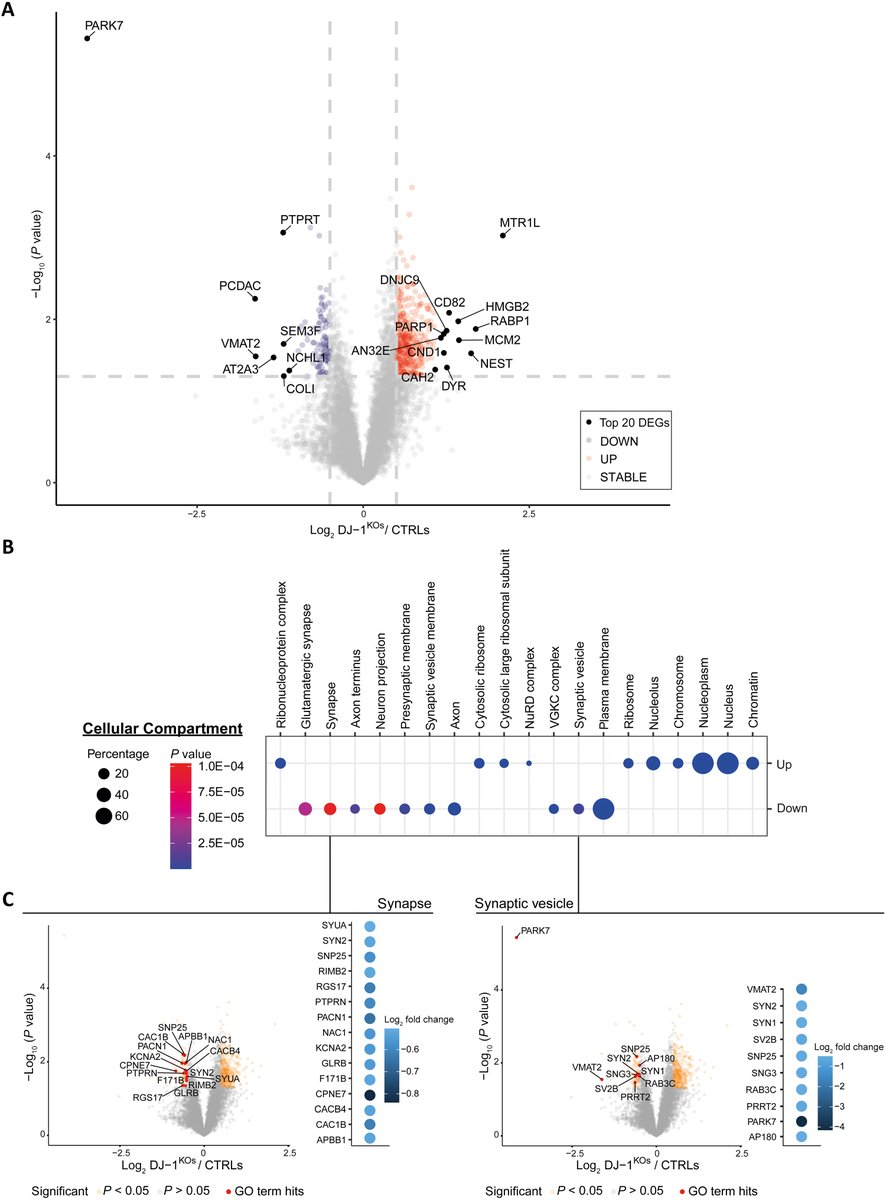
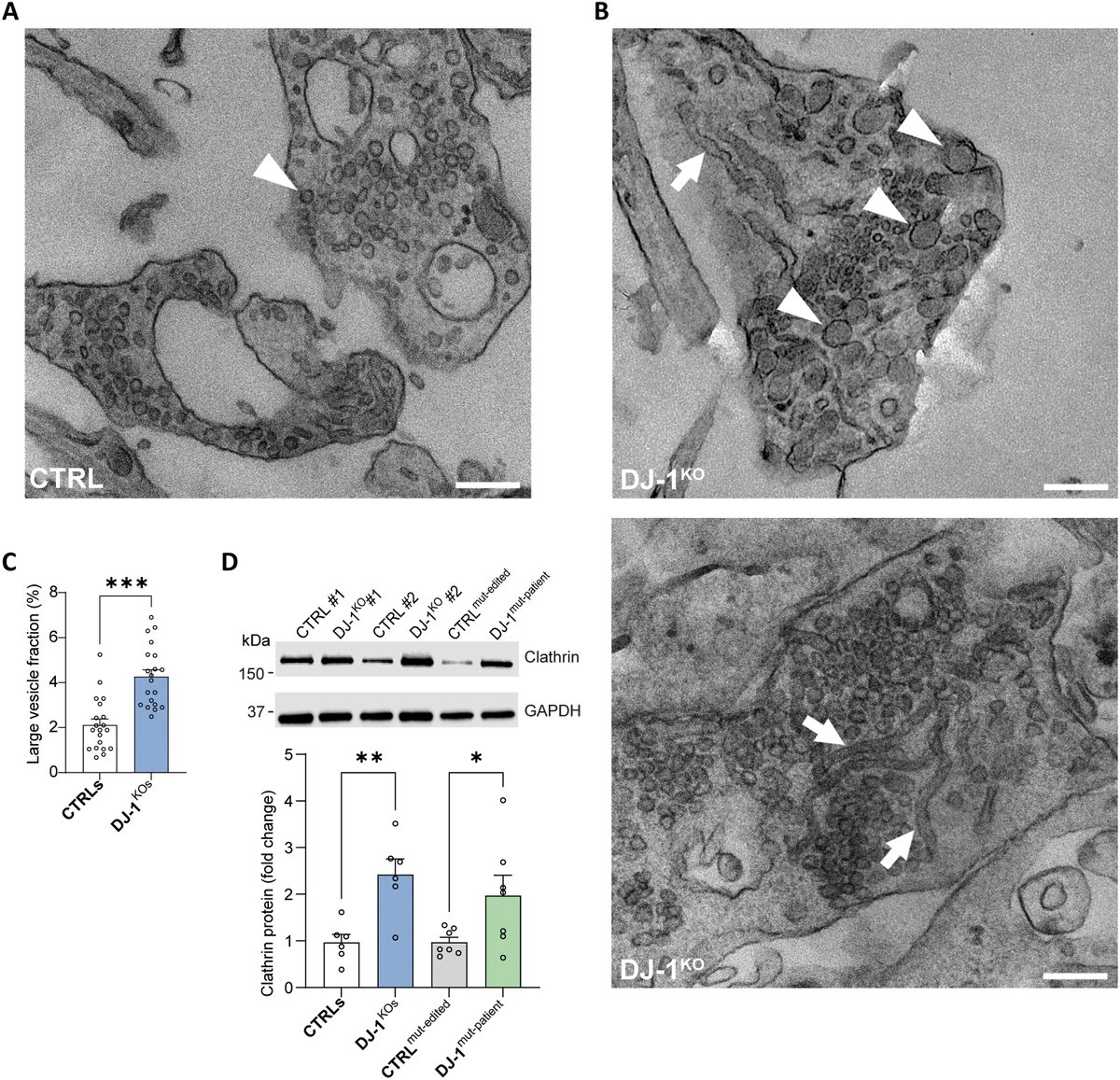
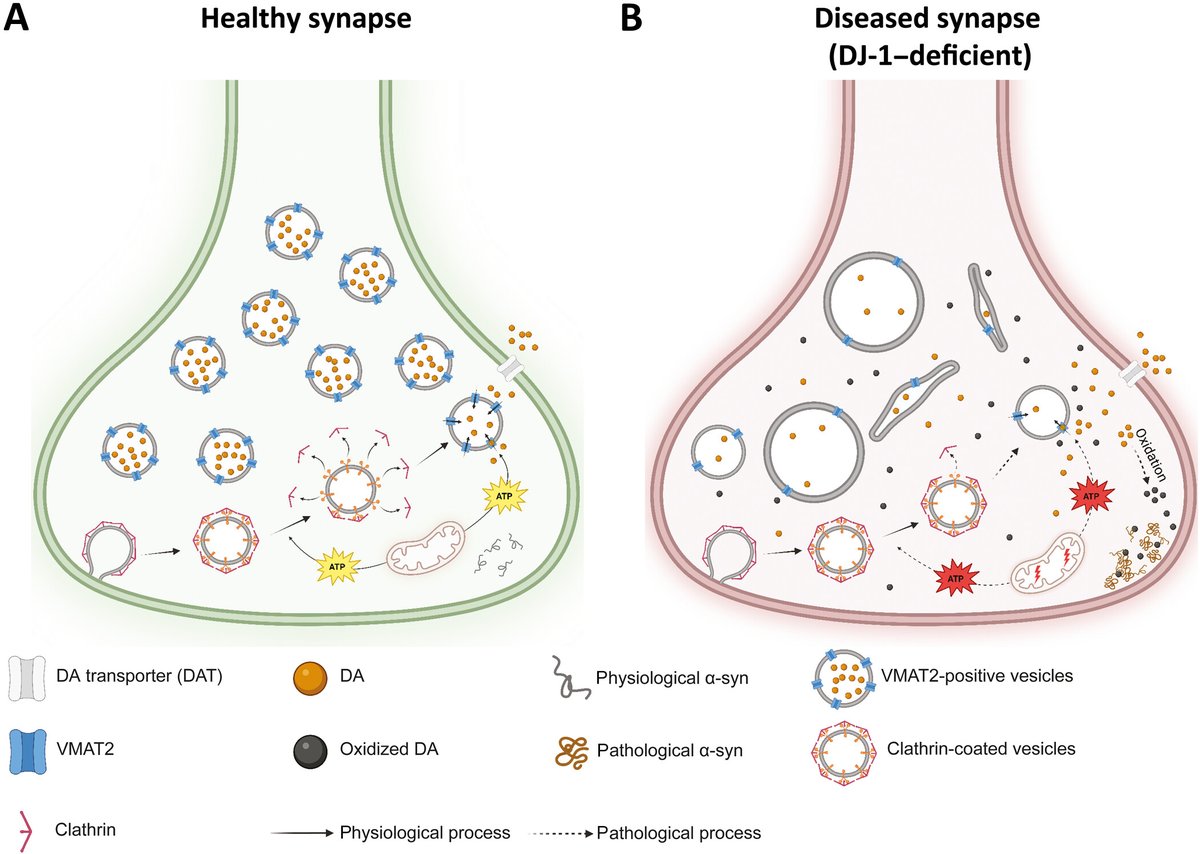
Interesting: @LBurbulla & colleagues report that defective sequestration of cytosolic dopamine into synaptic vesicles in DJ-1–deficient dopaminergic neurons, leading to oxidation & α-synuclein pathology; ATP supplementation restored vesicular function science.org/doi/10.1126/sc…
The Science of Parkinson's tweet mediaThe Science of Parkinson's tweet mediaThe Science of Parkinson's tweet mediaThe Science of Parkinson's tweet media
English
1
2
9
480
raj awatramani retweetledi
Rebekah Evans
Rebekah Evans@cellularscale·
Excited to share our new findings on how chronic nicotine changes dopaminergic and cholinergic neural activity. biorxiv.org/content/10.648…
English
1
4
11
1.3K
raj awatramani retweetledi
Changyang Linghu
Changyang Linghu@ChangyangLinghu·
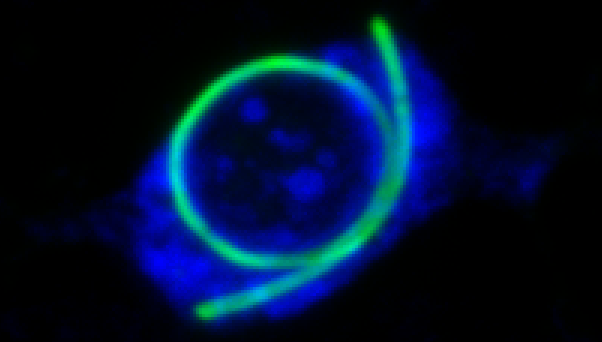
Our CytoTape work is published today in @Nature! CytoTape is a genetically encoded, flexible, intracellular protein tape recorder for spatiotemporally scalable and multiplexed recording of cellular activities continuously across weeks in vitro and in vivo. nature.com/articles/s4158…
Changyang Linghu tweet media
English
10
110
426
47.2K
raj awatramani retweetledi
⚡️GREG_CORDER⚡️
⚡️GREG_CORDER⚡️@FlyBottleEscape·
🧠⚡️💊New @Nature publication ! Mimicking opioid analgesia in cortical pain circuits We built a brain-behavior framework to decode spontaneous chronic pain in mice—and to biologically mimic morphine with a synthetic opioid gene therapy nature.com/articles/s4158… @PennMedicine
nature@Nature

Researchers identify the neurons involved in the emotional distress associated with pain go.nature.com/3NkL1SB

English
11
16
78
10.4K
raj awatramani retweetledi
The Science of Parkinson's
The Science of Parkinson's@ScienceofPD·
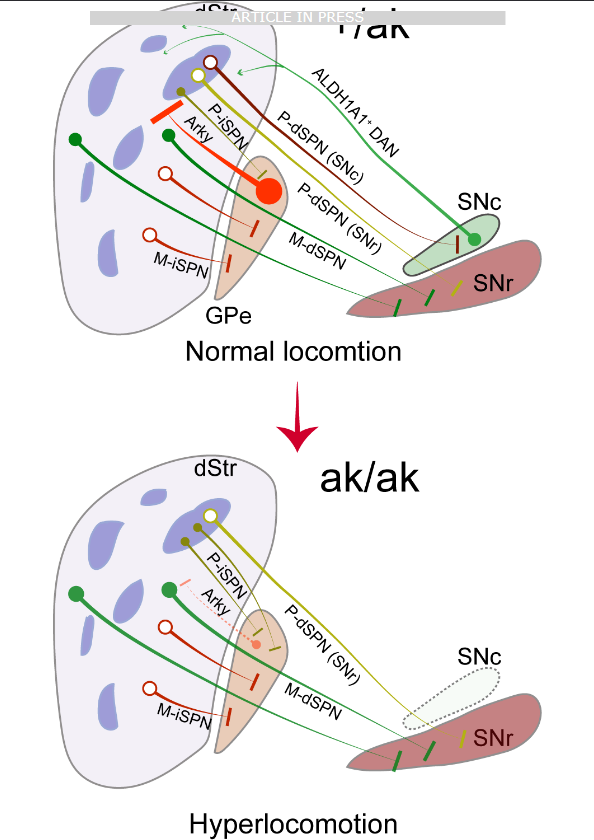
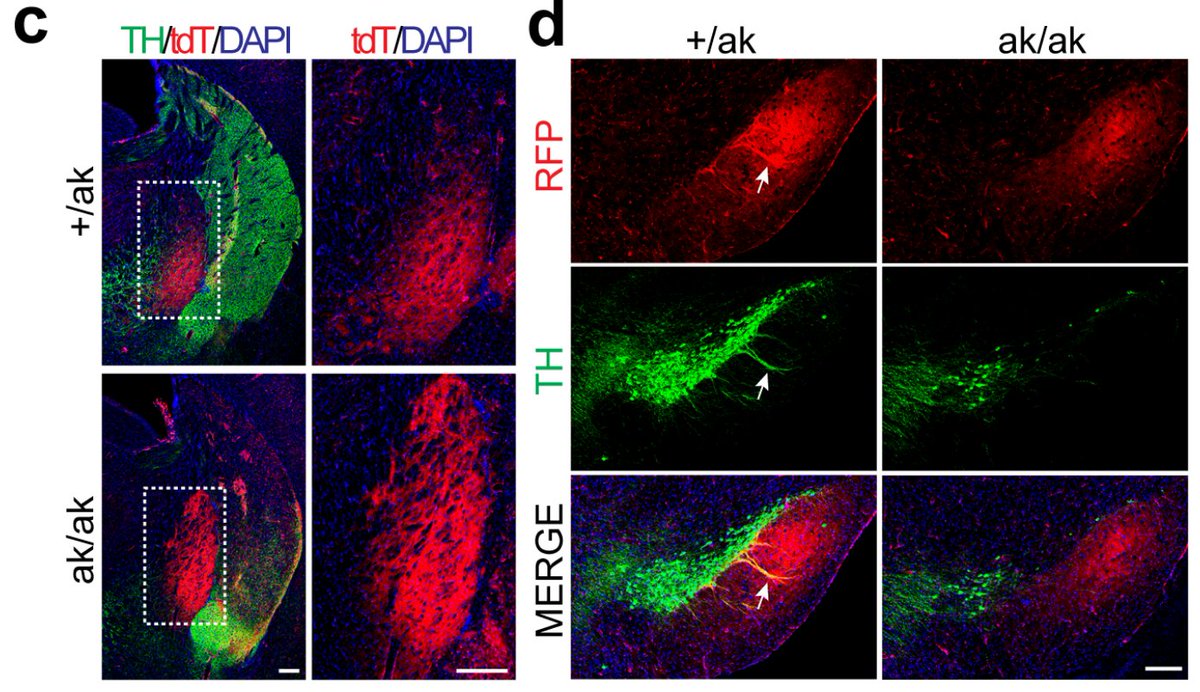
Pitx3-deficient mice a selective reorganization of patch spiny projection neurons in response to developmental loss of ALDH1A1⁺ dopamine neurons; May underlie the paradoxical hyperlocomotion observed in these mice link.springer.com/article/10.118…
The Science of Parkinson's tweet mediaThe Science of Parkinson's tweet mediaThe Science of Parkinson's tweet mediaThe Science of Parkinson's tweet media
English
0
1
2
478
raj awatramani retweetledi
Patrick Hsu
Patrick Hsu@pdhsu·
Private and public science funding have a deeply symbiotic relationship. It's great to see government efforts to propagate and scale successful elements of the DeepMind, HHMI, Arc, Fast Grants, FRO, and other models
Caleb Watney@calebwatney

NSF is launching one of the most ambitious experiments in federal science funding in 75 years. The program is called Tech Labs, and the goal is to invest ~$1 billion to seed new institutions of science and technology for the 21st century. Instead of funding projects, the NSF will fund teams. I’m in the @WSJ today with a piece on why this matters (gift link): wsj.com/opinion/scienc… Here’s the basic case: 1) Most federal science funding takes the form of small, incremental, project-based grants to individual scientists at universities. 2) The typical NSF grant is ~$250k/year to a professor with a couple of grad students and modest equipment over a few years. This is a perfectly reasonable way to fund some science, but it's not the only way. 3) A healthy portfolio needs more than one instrument. Project-based grants are like bonds: low-risk, steady, safe. But no one trying to maximize long-run returns would put 70% of their portfolio in bonds. 4) Yet that's basically what our civilian science funding portfolio looks like. Around 3/4ths of NSF and NIH grant funding is project-based. 5) Tech Labs is NSF's attempt to diversify that portfolio. The Tech Labs program is aiming for: - $10-50 million/year awards per team - 5+ year commitments - Measuring impact through advancement up the Tech Readiness Level scale rather than papers published - Up to ~$1 billion for the program - Supporting research orgs outside traditional university structures 6) Scientific production looks very different than it did when the NSF launched 75 years ago. The lone genius at the chalkboard can only do so much. Frontier science + tech today is increasingly team-based, interdisciplinary, and infrastructure-intensive. 7) The team behind AlphaFold just won the Nobel Prize in Chemistry. It came from DeepMind, an AI lab with sustained institutional funding and full-time research teams. It would be near-impossible to fund this kind of work on a 3-year academic grant. 8) Same pattern at the @arcinstitute (8-year appointments, cross-cutting technical support teams) and @HHMIJanelia (massive infrastructure investments to map the complete fly brain). Ambitious science increasingly needs core institutional support, not a series of project grants stapled together. 9) Similarly, Focused Research Organizations (@Convergent_FROs) have showcased a new model supporting teams with concrete missions and predefined milestones to unlock new funding. 10) There’s a whole ecosystem of philanthropically-supported centers doing amazing research, like the Institute for Protein Design, the Allen Institute, the Flatiron Institute, the Whitehead Institute, the Wyss Institute, the Broad — the list goes on. 11) But philanthropy can’t reshape American science alone. The federal government spends close to $200 billion each year on research and development, an order of magnitude more than even the largest foundations. 12) If we want to change how science gets done at scale, federal funding has to evolve. And the NSF and NIH don’t have dedicated funding mechanisms to support or seed these sorts of organizations. 13) Earlier this year, I started working on a related framework called “X-Labs” that built on all this exciting institutional experimentation that’s been happening within the private and philanthropic sectors. It’s time for the federal government to step into the arena: rebuilding.tech/posts/launchin… 14) Traditional university grants are still important for training the next generation of scientists and for certain kinds of curiosity-driven work. But after 75 years of putting nearly everything into one model, we should try something different. 15) And key program details are still being developed! You can reply to the Request for Information with suggestions or feedback on how to design this program here: nsf.gov/news/nsf-annou… 16) Science is supposed to be about experimentation. Science funding should be too.

English
3
20
152
28.1K
raj awatramani retweetledi
Michael Okun
Michael Okun@MichaelOkun·
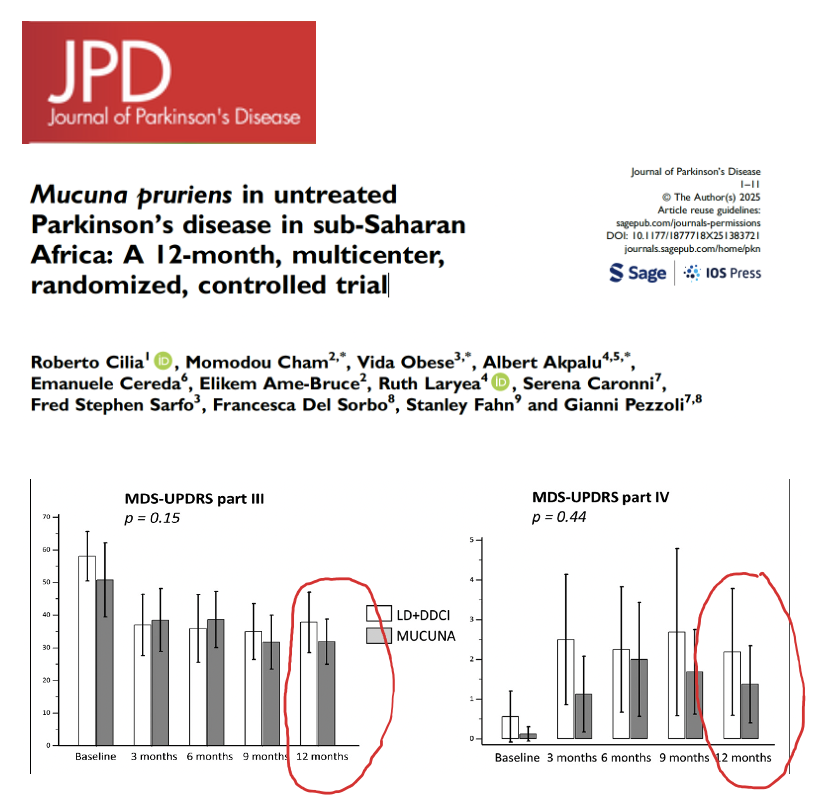
Mucuna as a dopamine replacement in sub-Saharan Africa? Could it reshape early Parkinson care? Spoiler: We now have a positive randomized trial. A randomized trial is a study design where participants are assigned by chance to receive one treatment or another and they compare outcomes in a fair and hopefully unbiased way. Roberto Cilia and colleagues describe in a new paper in the Journal of Parkinson’s Disease how Mucuna pruriens powder performed over 12 months compared to standard levodopa (LD) plus a dopamine decarboxylase inhibitor (DDCI) in newly diagnosed folks living w/ Parkinson’s across sub-Saharan Africa. Key Points: - Mucuna pruriens delivered similar benefits on motor symptoms, non motor symptoms and quality of life compared to LD plus DDCI over 12 months. - Mucuna was generally well tolerated, however mild gastrointestinal issues were more frequent w/ Mucuna, though few discontinued therapy. - Mucuna may be a sustainable local option for regions where access to commercial levodopa is limited, however larger long term multi-center trials will be needed. My take: These trials are hard to pull off and though the sample size of 32 is small we should pay attention. Our plan pdplan.org calls for dopamine for all, so this article resonated w/ me. Here are 5 points to keep in mind based on the data: 1- Access matters and Mucuna pruriens could help fill treatment gaps when standard LD plus DDCI is unavailable. 2- Quality of life improved for folks taking either Mucuna or LD plus DDCI suggesting both can meaningfully reduce daily symptoms. 3- Motor symptoms responded to Mucuna in a way similar to commercial levodopa even in individuals w/ more advanced features. 4- Side effects were manageable, however some nausea or stomach issues were a bit more frequent w/ Mucuna. 5- The hope is rising for low cost local therapies that can expand access while we continue working toward equitable Parkinson care across the globe. journals.sagepub.com/doi/full/10.11… #parkinson @ParkinsonDotOrg @movedisorder @journal_PD @PdAvengers @ParkinsonAfrica
Michael Okun tweet media
English
2
14
51
3.7K
raj awatramani retweetledi
Cornelius Gati
Cornelius Gati@CorneliusGati·
Excited to share @Nature: How does naloxone (Narcan) stop an opioid overdose? We determined the first GDP-bound μ-opioid receptor–G protein (wt) structures and found naloxone traps a novel "latent” state, preventing GDP release and G protein activation. 🧵 nature.com/articles/s4158…
English
5
108
475
33.5K
raj awatramani retweetledi
RANME
RANME@ranm_es·
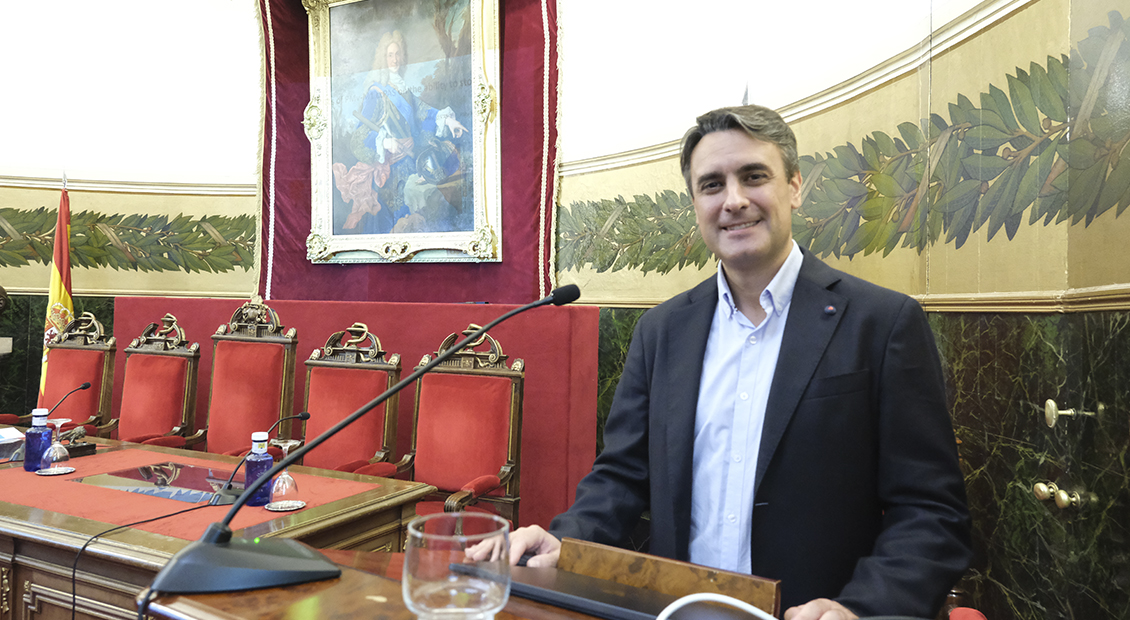
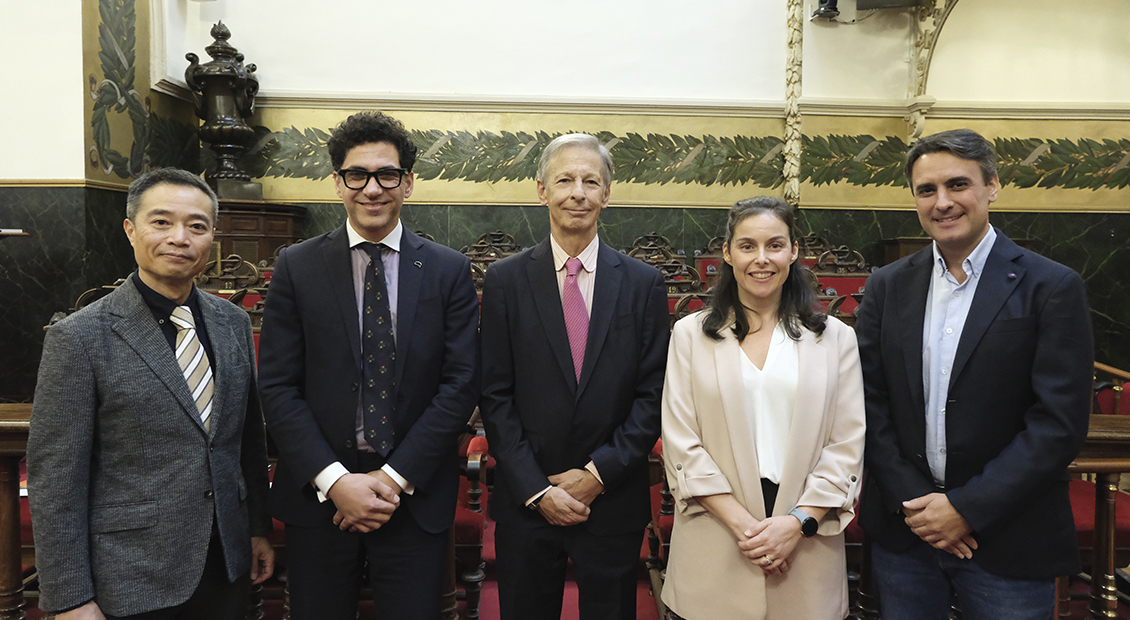
"Analizar las neuronas dopaminérgicas en subtipos tendrá un gran impacto en la comprensión de enfermedades neurológicas y en el desarrollo de nuevas terapias", afirmó el Prof. Javier Blesa, investigador del HM CINAC en el simposio Boston Scientific de la Semana Cajal de la RANME.
RANME tweet mediaRANME tweet media
Español
0
5
7
341
raj awatramani retweetledi
Rui Costa
Rui Costa@ruimcosta·
Open Science Accelerates Discovery and is Critical for Trust in Science. Science has been a driving force behind major advances in health, technology, and the quality of our everyday lives. From life-saving medical treatments to innovations that shape our daily experiences, the contributions of scientific research are vast and impactful. We find ourselves at a time when trust in science is being tested. Skepticism around scientific results and the scientific process, along with misinformation, have made it challenging for many to discern credible studies from unverified claims, underscoring the importance of fostering confidence in the scientific process. Ensuring that science and scientific data are trustworthy is a responsibility of all scientists, and a must for society. As a scientist and leader of a scientific institution, I’ve spent a lot of time thinking about how we can increase public trust in science. One of the core values that excites me most at the Allen Institute is our dedication to open science. Since our founding more than two decades ago, we have demonstrated that science should not exist behind closed doors but should be shared openly with the world. This approach not only accelerates discovery in an exponential way but also builds transparency and trust. Our commitment to open science goes beyond simply publishing our findings openly in scholarly journals. We share all our data publicly, making vast datasets available for anyone to access, explore, and use in their own studies. But we don’t stop there. We also share the complete set of protocols, tools, technologies, and analytical algorithms that we use in our research. All this information is made accessible via user-friendly online platforms where scientists, students, educators, and curious minds can use the data, perform their own analyses, and draw their own conclusions. Now we’re taking the next step in expanding our commitment to open science. Recently, we introduced reproducibility certificates (royalsocietypublishing.org/doi/epdf/10.10…), which will allow folks to follow and reproduce every step of the scientific process and analyses. We’re also exploring ways to add a digital signature to all data coming out of our scientific instruments, so that there is always verifiable original data.  We’re also interested in detailing the financial cost of our studies, how many people were involved, for how long, and who did what. This openness is a powerful tool for science, allowing everyone to build on top of each other’s discoveries, creating a powerful flywheel in this disruptive age of artificial intelligence. Collectively, these efforts create transparency and make the research generated by the scientific community public knowledge. We are proud to be leading this charge towards openness and collaboration in science with an increasing number of like-minded institutions. We believe that by continuing to make all data and tools freely available, we are not only contributing to disruptive research but also building a foundation of trust. #ScienceMatters
Rui Costa tweet media
English
2
8
50
4.4K
raj awatramani retweetledi
The Nobel Prize
The Nobel Prize@NobelPrize·
Who is receiving exciting news from Thomas Perlmann, the secretary of the medicine committee? Find out who will be awarded this year’s #NobelPrize in Physiology or Medicine – we’re moments away from breaking the news.
The Nobel Prize tweet media
English
19
111
760
87.2K
raj awatramani retweetledi
The Science of Parkinson's
The Science of Parkinson's@ScienceofPD·
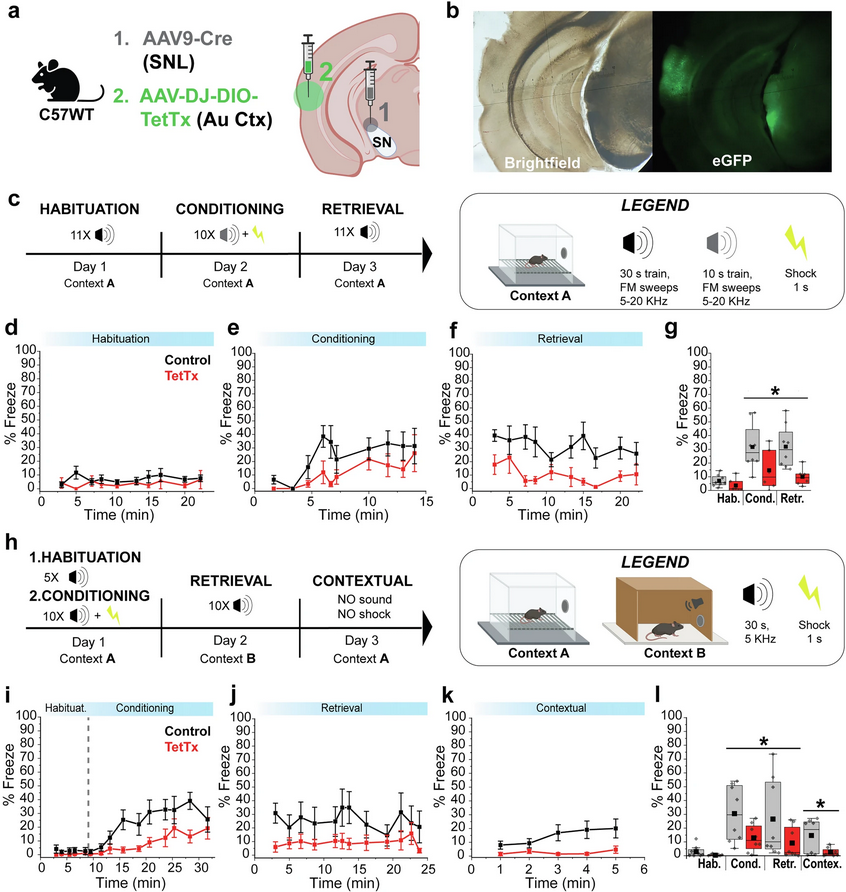
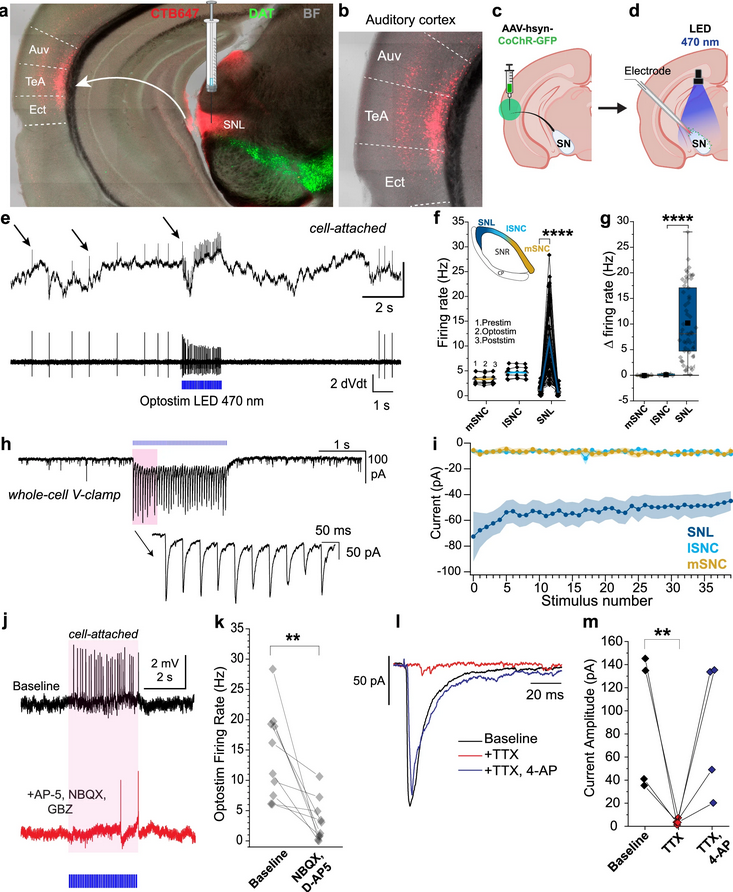
Functional mapping studies reveal robust excitatory input from auditory & temporal association cortices to substantia nigra pars lateralis dopamine neurons, but not substantia nigra pars compacta dopamine neurons, directly regulate threat behaviors nature.com/articles/s4146…
The Science of Parkinson's tweet mediaThe Science of Parkinson's tweet mediaThe Science of Parkinson's tweet media
English
1
2
6
542
raj awatramani retweetledi
Nicholas Fabiano, MD
Nicholas Fabiano, MD@NTFabiano·
Huntington's disease was successfully treated for the first time with gene therapy. 75% reduction in symptoms & 113% protection of cognition. This is what a real medical breakthrough looks like.
Nicholas Fabiano, MD tweet media
English
66
527
3.4K
155.3K
raj awatramani retweetledi
Patrick Hsu
Patrick Hsu@pdhsu·
Today in @ScienceMagazine, we report a new DNA editing technology to seamlessly write massive changes into the right place in the human genome. The reason gene editing hasn't transformed human health is that current gene editing technologies like CRISPR are very limited. The problem with CRISPR is that it cuts up your DNA, and then hopes that unreliable cellular DNA repair will make the wanted edit. @geochurch famously called it genome vandalism. More precise versions of CRISPR only edit less than 100 bases - often only a single base. Therefore, it's not suited to make large changes safely. However, most diseases are not the result of mutations in one location. Instead, their causes are spread all across the 3 billion base pairs in the genome. We found bridge RNAs in bacterial “jumping genes” that allow us to make safe and arbitrary changes (insert, cut out, or flip) to every nucleotide within (up to) a 1 million bp sequence in your DNA. In the paper, we show that we can correct the disease-causing DNA repeats that cause Friedreich's ataxia (which is a rare neurological disease). The same approach could be applied to Huntington’s and other repeat expansion disorders. At @arcinstitute, we're working towards a full Turing machine for biology. Evo, our DNA foundation model, helps us design the optimal healthy DNA sequences. And Bridge recombination gives us the ability to seamlessly write these changes into the right place in the genome. This work was a wonderful collaboration with my @arcinstitute cofounder @SKonermann and led by the indefatigable @ntperry13, alongside our amazing bridge editing team: @BartieLiam @dhruvakatrekar @Gabogonzalez515 @mgdurrant @james_jw_pai @AlisonFanton Juliana Martins Masa Hiraizumi @chiaroscurale @hnisimasu
Patrick Hsu tweet mediaPatrick Hsu tweet media
Patrick Hsu@pdhsu

What if we could universally recombine, insert, delete, or invert any two pieces of DNA? In back-to-back @Nature papers, we report the discovery of bridge RNAs and 3 atomic structures of the first natural RNA-guided recombinase - a new mechanism for programmable genome design

English
76
668
3K
677.2K
raj awatramani retweetledi
Michael Okun
Michael Okun@MichaelOkun·
Chronic pain is one of the most under-recognized burdens for folks with Parkinson’s disease. It is time we bring chronic pain in Parkinson’s out of the shadows and address it as a central part of a care plan. Ogonowski and colleagues tackle this topic head on in a new article in Annals of Clinical and Translational Neurology. Key Points: - Two thirds of people living w/ Parkinson’s experience chronic pain. - Women report more frequent and more severe pain than males. - Pain is strongly linked w/ depression, sleep disorders and osteoarthritis My take: Most neurologists and healthcare providers skirt around chronic pain in Parkinson’s and fail to address it. This needs to change. Here are 5 points that resonated w/ me about this article. 1- Chronic pain is common in Parkinson’s however it is frequently underdiagnosed. 2- Pain may appear in many body regions including the back, neck, buttocks and knees. 3- Pain can be related to motor symptoms however it can also be related to mood, sleep and other conditions. 4- Environmental exposures like pesticides may possibly increase pain risk. 5- Managing pain requires a team approach including medical care, mental health and addressing lifestyle factors. onlinelibrary.wiley.com/doi/10.1002/ac… @FixelInstitute @ParkinsonDotOrg @SfNtweets @movedisorder
Michael Okun tweet media
English
2
55
187
10K
raj awatramani retweetledi
Rebekah Evans
Rebekah Evans@cellularscale·
Excited to share our version of record in eLife! We find that two ways of inhibiting a brainstem structure (PPN) actually result in completely different and even opposite behaviors. One inhibitory connection is rewarding and one is aversive. doi.org/10.7554/eLife.…
English
2
4
12
674
raj awatramani retweetledi
Loukia Parisiadou
Loukia Parisiadou@parisiadoulab1·
🎇🎇I’m thrilled to share our lab's latest preprint on LRRK2 dysfunctions in the most vulnerable dopamine neurons in Parkinson's disease, a collaborative effort among several labs. Thank you to my colleagues, trainees, and ASAP!! @lrrk2 @Parkinson's biorxiv.org/content/10.110…
English
1
6
16
1.2K