@MrPitbull07 This story is totally implausible clickbait. Hives moved 11 miles would reorient, not fly back. Young bees and queens would not leave their hives when moved.
English
Duck River Honey
115 posts
@BeekeeperDRH
Christian, Husband, Father, American, Beekeeper.








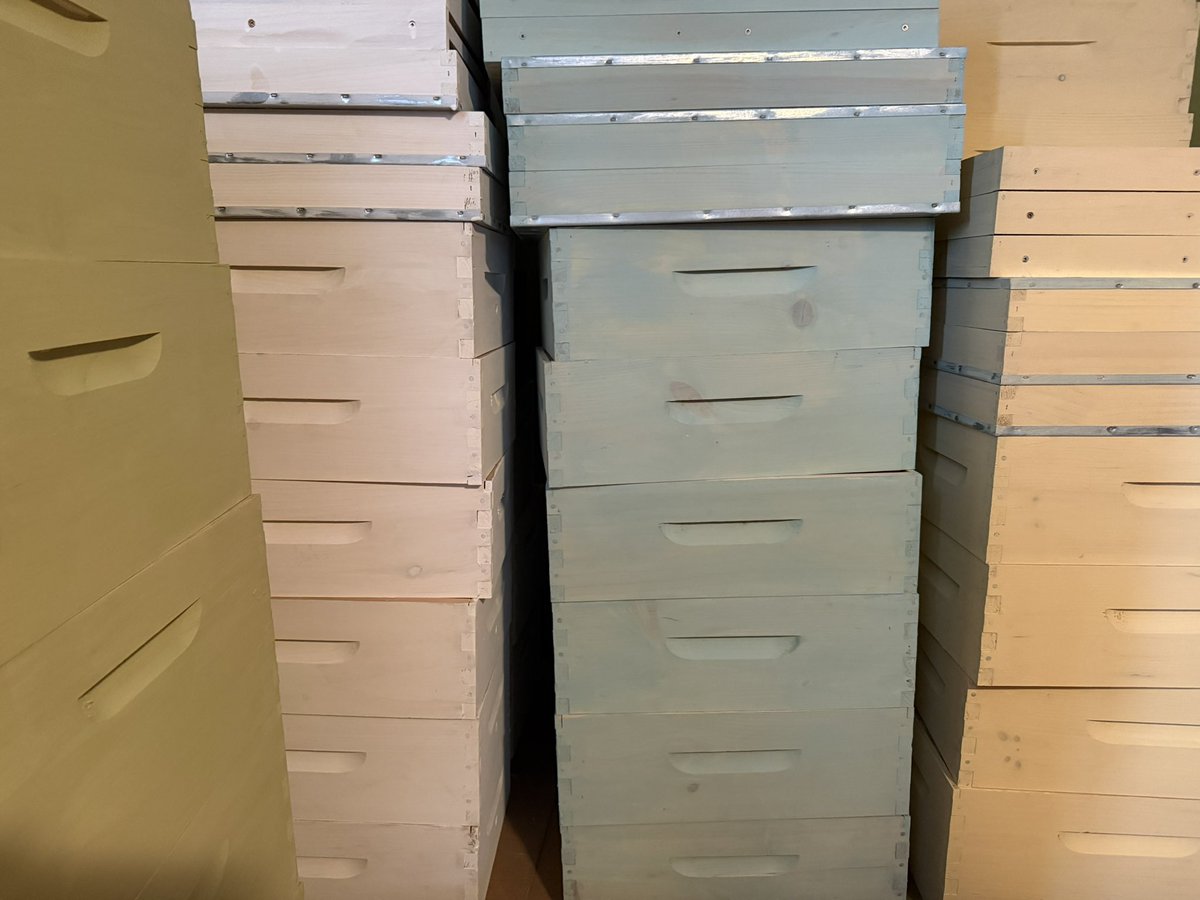
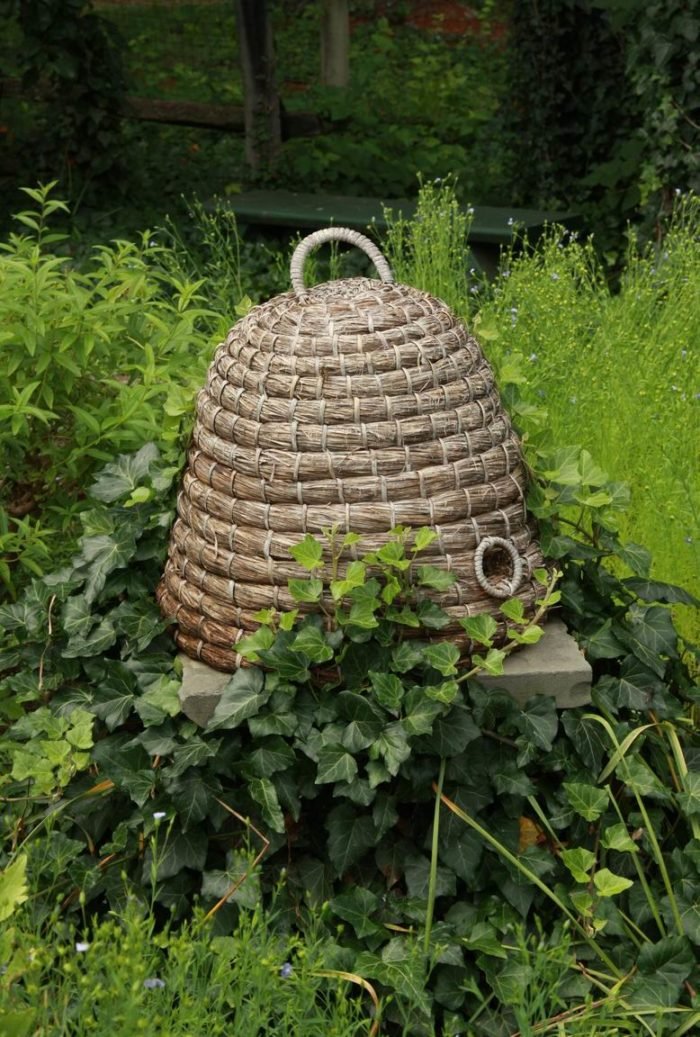

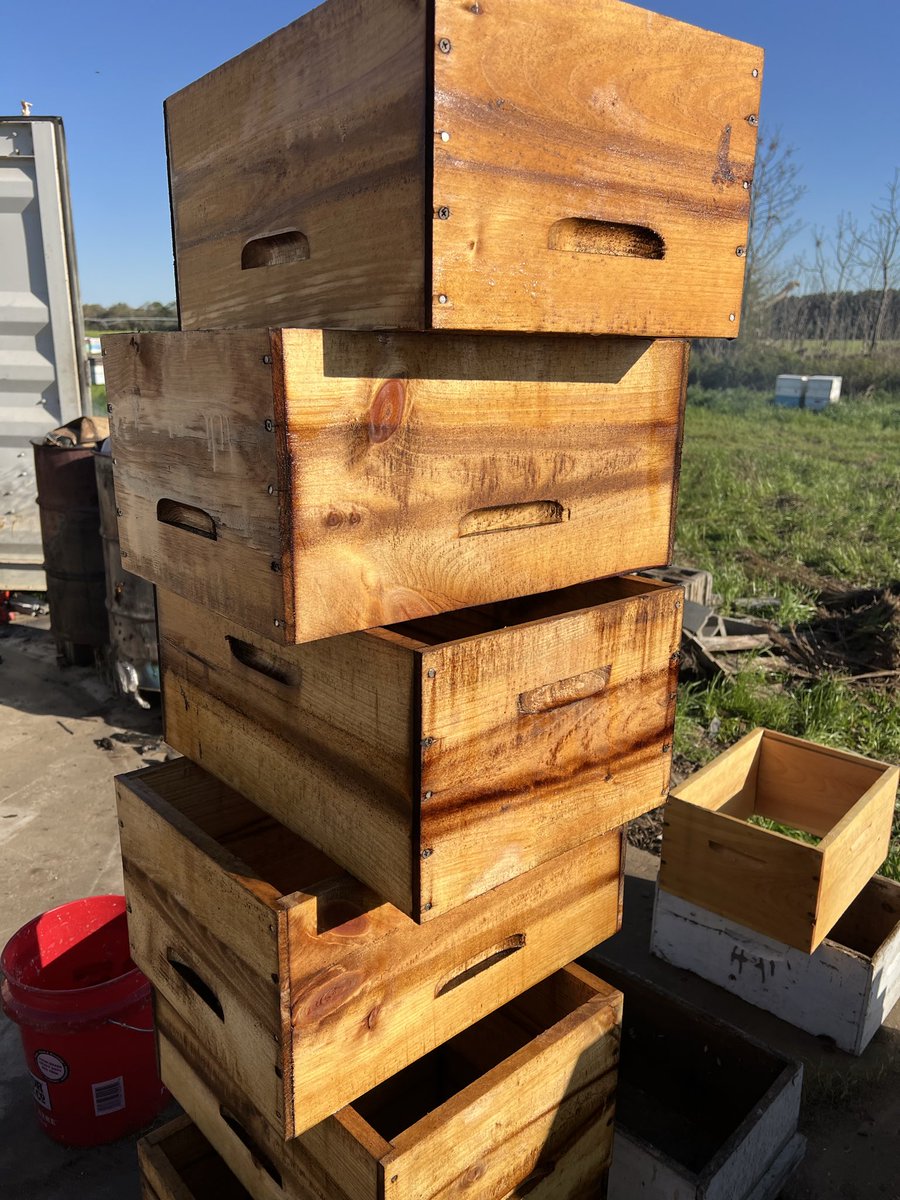





Around the year 907, a Viking force of Danes and Norwegians descended on the walled city of Chester in what is now northwest England. The city's Roman-built walls had stood for eight centuries, and the Vikings quickly realised that a frontal assault wasn't going to work. So they adapted. They drove wooden hurdles into the ground at the base of the walls, creating covered corridors that shielded their men from above, and began tunnelling underneath the foundations. The defenders hurled boulders down onto the hurdles. The Vikings propped them up with timber columns. The Saxons, advised by the lord Æthelred and his formidable wife Lady Æthelflaed, boiled every barrel of ale and water they could find in the city and poured it through the gaps, scalding the men below until their skin came away. The Vikings responded by laying animal hides across the top of the hurdles to seal them. Every move had a counter-move, and the tunnels kept advancing. What happened next was recorded in the 11th-century Fragmentary Annals of Ireland, one of the most vivid accounts of early medieval siege warfare that survives. The Saxons had run out of obvious options. Boiling liquid had failed. Rocks had failed. So the defenders of Chester gathered every beehive in the city, carried them to the walls, and scattered them directly onto the besiegers below. The effect was immediate. According to the Annals, the bees prevented the Viking soldiers from moving their feet or their hands because of the sheer number of stings. Warriors who had withstood scalding beer, crushing boulders, and months of siege warfare were brought to a complete standstill by a swarm of insects. The Vikings abandoned the tunnels and withdrew from Chester. The city held. What makes this more than just a strange footnote is that it wasn't a desperate improvisation that vanished from history. It was the beginning of a documented military tradition. Medieval castle builders across England, Scotland, and Wales began constructing specific recesses into their interior walls called bee boles, designed to permanently house beehive colonies. In peacetime the bees produced honey and wax. In wartime they were a standing weapon. By the 14th century, military engineers had developed a windmill-like device capable of launching straw hives from rapidly rotating arms in rapid succession, the closest thing the medieval world had to an automatic weapon. The Romans had already been so enthusiastic about bee bombs that historians have noted a documented decline in hive numbers across the late Roman Empire from battlefield demand alone. Lady Æthelflaed, who advised the defence of Chester alongside her dying husband, went on to become one of the most effective military commanders in early medieval England, personally directing the construction of fortified towns across Mercia and leading campaigns against the Vikings for years after Æthelred's death. She is recorded in the Anglo-Saxon Chronicle as the Lady of the Mercians. The siege of Chester is one of dozens of engagements she helped win. History tends to remember the warriors who carried swords into battle. It is considerably less interested in the woman who figured out that, when every other option fails, you send in the bees. #drthehistories