Sabitlenmiş Tweet

🧵 $SUI 𝗕𝗹𝗼𝗰𝗸𝗰𝗵𝗮𝗶𝗻: 𝗧𝗵𝗲 𝗙𝘂𝘁𝘂𝗿𝗲 𝗼𝗳 𝗦𝗰𝗮𝗹𝗮𝗯𝗶𝗹𝗶𝘁𝘆 𝗮𝗻𝗱 𝗦𝗽𝗲𝗲𝗱 𝘁𝗵𝗿𝗲𝗮𝗱 𝗯𝘆 𝗕𝗹𝗮𝗰𝗸𝗡𝗼𝗱𝗲 🌐
// 𝗜𝗻𝘁𝗿𝗼𝗱𝘂𝗰𝘁𝗶𝗼𝗻
▪️ 𝗦𝘂𝗶 𝗡𝗲𝘁𝘄𝗼𝗿𝗸 is a highly scalable, low-latency blockchain platform designed to bring Web3 to the masses. 𝗗𝗲𝘃𝗲𝗹𝗼𝗽𝗲𝗱 𝗯𝘆 𝗠𝘆𝘀𝘁𝗲𝗻 𝗟𝗮𝗯𝘀, Sui focuses on enabling fast, secure, and cost-efficient transactions, making it particularly suitable for a wide range of decentralized applications (dApps). Its unique architecture and consensus mechanism allow it to process transactions in parallel, significantly increasing throughput and reducing latency.
🧵 /// 𝗦𝘂𝗶 𝗡𝗲𝘁𝘄𝗼𝗿𝗸: 𝗖𝗼𝗿𝗲 𝗙𝗲𝗮𝘁𝘂𝗿𝗲𝘀 𝗗𝗲𝘁𝗮𝗶𝗹𝗲𝗱
𝟭. 𝗦𝗰𝗮𝗹𝗮𝗯𝗶𝗹𝗶𝘁𝘆 𝗮𝗻𝗱 𝗧𝗵𝗿𝗼𝘂𝗴𝗵𝗽𝘂𝘁
▪️ 𝗣𝗮𝗿𝗮𝗹𝗹𝗲𝗹 𝗘𝘅𝗲𝗰𝘂𝘁𝗶𝗼𝗻: 𝗦𝘂𝗶 𝗡𝗲𝘁𝘄𝗼𝗿𝗸 introduces a revolutionary approach to transaction processing through parallel execution. Unlike traditional blockchains, where transactions are processed sequentially, Sui’s architecture allows multiple transactions to be processed simultaneously.
▪️ This parallelization dramatically increases throughput, enabling the network to handle a significantly higher volume of transactions per second (TPS). This feature is particularly advantageous for decentralized applications (dApps) that require rapid and frequent interactions, such as gaming, real-time bidding, and high-frequency trading platforms.
▪️ Uses a unique data model that allows for horizontal scaling, which means the network can increase its throughput by adding more resources. This is a significant improvement over traditional blockchains where each node processes every transaction.
𝟮. 𝗢𝗯𝗷𝗲𝗰𝘁-𝗖𝗲𝗻𝘁𝗿𝗶𝗰 𝗗𝗮𝘁𝗮 𝗠𝗼𝗱𝗲𝗹
▪️ 𝗠𝗼𝘃𝗲 𝗣𝗿𝗼𝗴𝗿𝗮𝗺𝗺𝗶𝗻𝗴 𝗟𝗮𝗻𝗴𝘂𝗮𝗴𝗲: At the heart of Sui’s smart contract functionality is the Move programming language. Initially developed as part of Facebook's Diem (Libra) project, Move is a resource-oriented programming language designed to be safe, expressive, and efficient.
Move allows developers to define custom resource types and ensures that these resources cannot be duplicated or lost, which is crucial for creating secure digital assets and smart contracts. The language’s built-in protections against common programming errors, such as reentrancy attacks, make it a robust choice for developing reliable and secure decentralized applications.
▪️ 𝗢𝗯𝗷𝗲𝗰𝘁𝘀 𝗮𝗻𝗱 𝗢𝘄𝗻𝗲𝗿𝘀𝗵𝗶𝗽: 𝗦𝘂𝗶 introduces an object-centric model where each asset or piece of data is treated as an object. These objects have unique IDs and can be owned or transferred. This model allows for more granular control over data and assets, which can be useful for applications like gaming, NFTs, and more.
𝟯. 𝗗𝗲𝗹𝗲𝗴𝗮𝘁𝗲𝗱 𝗣𝗿𝗼𝗼𝗳-𝗼𝗳-𝗦𝘁𝗮𝗸𝗲 (𝗗𝗣𝗼𝗦):
▪️ 𝗦𝘂𝗶 𝗡𝗲𝘁𝘄𝗼𝗿𝗸 utilizes a 𝗗𝗲𝗹𝗲𝗴𝗮𝘁𝗲𝗱 𝗣𝗿𝗼𝗼𝗳-𝗼𝗳-𝗦𝘁𝗮𝗸𝗲 (𝗗𝗣𝗼𝗦) consensus mechanism to secure the network and validate transactions. In this system, SUI token holders can delegate their tokens to validators, who are responsible for processing transactions and maintaining the blockchain. The more tokens a validator has staked, the more influence they have in the consensus process. This method not only enhances security but also ensures that the network remains decentralized. Validators are incentivized to act in the best interest of the network through rewards, which are distributed based on their performance and the amount of stake they control.
𝟰. 𝗟𝗼𝘄-𝗟𝗮𝘁𝗲𝗻𝗰𝘆 𝗮𝗻𝗱 𝗛𝗶𝗴𝗵 𝗦𝗰𝗮𝗹𝗮𝗯𝗶𝗹𝗶𝘁𝘆:
▪️ 𝗦𝘂𝗶’𝘀 𝗮𝗿𝗰𝗵𝗶𝘁𝗲𝗰𝘁𝘂𝗿𝗲 is designed to minimize latency and maximize scalability. By allowing transactions to be processed in parallel and avoiding global consensus for simple transactions, Sui achieves low-latency confirmation times. This means that users can expect faster transaction finality compared to traditional blockchains. The network’s ability to scale efficiently with increased usage makes it well-suited for applications with large user bases or those requiring high transaction throughput, such as social media platforms, supply chain management systems, and financial services.
𝟱. 𝗙𝗹𝗲𝘅𝗶𝗯𝗶𝗹𝗶𝘁𝘆 𝗮𝗻𝗱 𝗠𝗼𝗱𝘂𝗹𝗮𝗿𝗶𝘁𝘆:
▪️ 𝗦𝘂𝗶 𝗡𝗲𝘁𝘄𝗼𝗿𝗸 is built with a modular architecture, allowing developers to customize various aspects of the blockchain to suit their specific needs. This flexibility makes Sui a versatile platform capable of supporting a wide range of use cases, from decentralized finance (DeFi) and NFTs to enterprise-level applications. The modularity also simplifies the process of upgrading and maintaining the network, ensuring that Sui can evolve over time to meet the changing needs of its users.
𝟲. 𝗖𝗼𝗺𝗽𝗿𝗲𝗵𝗲𝗻𝘀𝗶𝘃𝗲 𝗗𝗲𝘃𝗲𝗹𝗼𝗽𝗲𝗿 𝗦𝘂𝗽𝗽𝗼𝗿𝘁:
▪️ 𝗦𝘂𝗶 offers extensive tools and resources to support developers in building on the platform. This includes detailed documentation, SDKs, and APIs, as well as community support through forums and developer grants. The Sui Foundation actively fosters innovation by providing technical assistance and financial incentives to developers who contribute to the ecosystem, helping to grow the network’s dApp offerings and overall utility.
🧵 /// 𝗦𝘂𝗶 𝗦𝗮𝗳𝗲𝘁𝘆 𝗮𝗻𝗱 𝗦𝗲𝗰𝘂𝗿𝗶𝘁𝘆
𝟭. 𝗢𝗯𝗷𝗲𝗰𝘁-𝗖𝗲𝗻𝘁𝗿𝗶𝗰 𝗠𝗼𝗱𝗲𝗹 𝗳𝗼𝗿 𝗦𝗲𝗰𝘂𝗿𝗶𝘁𝘆
▪️ 𝗢𝗯𝗷𝗲𝗰𝘁 𝗖𝗮𝗽𝗮𝗯𝗶𝗹𝗶𝘁𝗶𝗲𝘀: Sui's object-centric model means that all data and assets on the network are represented as distinct objects with specific ownership and access rights. This model ensures that objects can only be accessed or modified according to predefined rules, reducing the risk of unauthorized access or manipulation.
▪️ 𝗢𝘄𝗻𝗲𝗿𝘀𝗵𝗶𝗽 𝗮𝗻𝗱 𝗣𝗲𝗿𝗺𝗶𝘀𝘀𝗶𝗼𝗻𝘀: Each object on Sui is owned by an account and has associated permissions. These permissions define who can transfer or modify the object, which adds an extra layer of security to prevent unauthorized transactions.
𝟮. 𝗠𝗼𝘃𝗲 𝗣𝗿𝗼𝗴𝗿𝗮𝗺𝗺𝗶𝗻𝗴 𝗟𝗮𝗻𝗴𝘂𝗮𝗴𝗲
▪️ 𝗥𝗲𝘀𝗼𝘂𝗿𝗰𝗲-𝗢𝗿𝗶𝗲𝗻𝘁𝗲𝗱 𝗣𝗿𝗼𝗴𝗿𝗮𝗺𝗺𝗶𝗻𝗴: Move is a resource-oriented programming language that ensures assets cannot be duplicated or destroyed unless explicitly allowed. This helps prevent common bugs and vulnerabilities associated with traditional smart contract languages.
▪️ 𝗠𝗲𝗺𝗼𝗿𝘆 𝗦𝗮𝗳𝗲𝘁𝘆: Move is designed with memory safety in mind. It ensures that smart contracts do not encounter issues like buffer overflows or memory corruption, which are common attack vectors in other programming languages.
▪️ 𝗙𝗼𝗿𝗺𝗮𝗹 𝗩𝗲𝗿𝗶𝗳𝗶𝗰𝗮𝘁𝗶𝗼𝗻: Move allows developers to formally verify the correctness of their smart contracts, ensuring that they behave as intended under all possible conditions. This reduces the likelihood of vulnerabilities and bugs that could be exploited.
𝟯. 𝗕𝘆𝘇𝗮𝗻𝘁𝗶𝗻𝗲 𝗙𝗮𝘂𝗹𝘁 𝗧𝗼𝗹𝗲𝗿𝗮𝗻𝘁 (𝗕𝗙𝗧) 𝗖𝗼𝗻𝘀𝗲𝗻𝘀𝘂𝘀 𝗠𝗲𝗰𝗵𝗮𝗻𝗶𝘀𝗺
▪️ 𝗦𝗲𝗰𝘂𝗿𝗶𝘁𝘆 𝗔𝗴𝗮𝗶𝗻𝘀𝘁 𝗠𝗮𝗹𝗶𝗰𝗶𝗼𝘂𝘀 𝗔𝗰𝘁𝗼𝗿𝘀: Sui uses a Byzantine Fault Tolerant consensus mechanism that allows the network to achieve consensus even if some nodes behave maliciously. This ensures that the network remains secure and reliable in the presence of faulty or compromised nodes.
▪️ 𝗧𝗼𝗹𝗲𝗿𝗮𝗻𝗰𝗲 𝘁𝗼 𝗡𝗲𝘁𝘄𝗼𝗿𝗸 𝗙𝗮𝗶𝗹𝘂𝗿𝗲𝘀: The BFT mechanism is designed to tolerate network failures and partitions, ensuring that the network continues to function securely even under adverse conditions.
𝟰. 𝗧𝗿𝗮𝗻𝘀𝗮𝗰𝘁𝗶𝗼𝗻 𝗢𝗿𝗱𝗲𝗿𝗶𝗻𝗴 𝗮𝗻𝗱 𝗘𝘅𝗲𝗰𝘂𝘁𝗶𝗼𝗻
▪️ 𝗗𝗲𝗰𝗼𝘂𝗽𝗹𝗶𝗻𝗴 𝗢𝗿𝗱𝗲𝗿𝗶𝗻𝗴 𝗳𝗿𝗼𝗺 𝗘𝘅𝗲𝗰𝘂𝘁𝗶𝗼𝗻: Sui's architecture separates the process of ordering transactions from their execution, using the Narwhal and Tusk protocols. This separation reduces the complexity of the consensus process and improves the overall security of transaction processing.
▪️ 𝗣𝗿𝗲𝘃𝗲𝗻𝘁𝗶𝗻𝗴 𝗗𝗼𝘂𝗯𝗹𝗲-𝗦𝗽𝗲𝗻𝗱𝗶𝗻𝗴: By decoupling transaction ordering, Sui reduces the risk of double-spending attacks, where the same asset is spent more than once. The network ensures that transactions are processed in a secure and consistent order.
𝟱. 𝗔𝘂𝗱𝗶𝘁𝗮𝗯𝗹𝗲 𝗮𝗻𝗱 𝗧𝗿𝗮𝗻𝘀𝗽𝗮𝗿𝗲𝗻𝘁 𝗧𝗿𝗮𝗻𝘀𝗮𝗰𝘁𝗶𝗼𝗻𝘀
▪️ 𝗙𝘂𝗹𝗹 𝗧𝗿𝗮𝗻𝘀𝗮𝗰𝘁𝗶𝗼𝗻 𝗔𝘂𝗱𝗶𝘁𝗮𝗯𝗶𝗹𝗶𝘁𝘆: Sui ensures that all transactions and smart contract executions are fully auditable. This transparency allows for the verification of transaction integrity and the detection of any suspicious or unauthorized activities.
▪️ 𝗜𝗺𝗺𝘂𝘁𝗮𝗯𝗹𝗲 𝗟𝗲𝗱𝗴𝗲𝗿: Like other blockchains, Sui maintains an immutable ledger of all transactions, ensuring that once a transaction is confirmed, it cannot be altered or deleted. This immutability is crucial for maintaining trust and security on the network.
𝟲. 𝗣𝗿𝗼𝘁𝗲𝗰𝘁𝗶𝗼𝗻 𝗔𝗴𝗮𝗶𝗻𝘀𝘁 𝗖𝗼𝗺𝗺𝗼𝗻 𝗔𝘁𝘁𝗮𝗰𝗸𝘀
▪️ 𝗦𝘆𝗯𝗶𝗹 𝗔𝘁𝘁𝗮𝗰𝗸 𝗥𝗲𝘀𝗶𝘀𝘁𝗮𝗻𝗰𝗲: Sui's consensus mechanism and staking model help protect the network against Sybil attacks, where an attacker attempts to overwhelm the network with fake identities or nodes.
▪️ 𝗙𝗿𝗼𝗻𝘁-𝗥𝘂𝗻𝗻𝗶𝗻𝗴 𝗣𝗿𝗼𝘁𝗲𝗰𝘁𝗶𝗼𝗻: The architecture of Sui is designed to mitigate front-running attacks, where an attacker exploits their knowledge of a pending transaction to execute a transaction ahead of it, gaining an unfair advantage.
𝟳. 𝗩𝗮𝗹𝗶𝗱𝗮𝘁𝗼𝗿 𝗦𝗲𝗰𝘂𝗿𝗶𝘁𝘆
▪️ 𝗩𝗮𝗹𝗶𝗱𝗮𝘁𝗼𝗿 𝗔𝗰𝗰𝗼𝘂𝗻𝘁𝗮𝗯𝗶𝗹𝗶𝘁𝘆: Validators on the Sui Network are held accountable for their actions. If a validator acts maliciously or negligently, it can be penalized by having its stake slashed or being removed from the network. This incentivizes validators to behave honestly and follow the protocol.
Decentralized Validator Set: Sui ensures that the network is secured by a decentralized set of validators, reducing the risk of collusion or centralized control that could compromise the network's security.
𝟴. 𝗚𝗼𝘃𝗲𝗿𝗻𝗮𝗻𝗰𝗲 𝗮𝗻𝗱 𝗨𝗽𝗴𝗿𝗮𝗱𝗮𝗯𝗶𝗹𝗶𝘁𝘆
▪️ 𝗢𝗻-𝗖𝗵𝗮𝗶𝗻 𝗚𝗼𝘃𝗲𝗿𝗻𝗮𝗻𝗰𝗲: Sui's on-chain governance model allows token holders to vote on network upgrades and changes. This decentralized governance ensures that no single entity can unilaterally make decisions that could compromise the network's security.
▪️ 𝗦𝗮𝗳𝗲 𝗨𝗽𝗴𝗿𝗮𝗱𝗲𝘀: The network supports safe and secure upgrades to the protocol and smart contracts. Upgrades are thoroughly tested and reviewed by the community before being implemented, minimizing the risk of introducing vulnerabilities.
𝟵. 𝗘𝗰𝗼𝗻𝗼𝗺𝗶𝗰 𝗦𝗲𝗰𝘂𝗿𝗶𝘁𝘆
▪️ 𝗦𝘁𝗮𝗸𝗶𝗻𝗴 𝗮𝗻𝗱 𝗘𝗰𝗼𝗻𝗼𝗺𝗶𝗰 𝗜𝗻𝗰𝗲𝗻𝘁𝗶𝘃𝗲𝘀:SUI token holders can stake their tokens to participate in securing the network. This staking mechanism aligns the economic incentives of validators with the network's security, as validators have a financial interest in maintaining the integrity of the network.
▪️ 𝗦𝗹𝗮𝘀𝗵𝗶𝗻𝗴 𝗣𝗲𝗻𝗮𝗹𝘁𝗶𝗲𝘀:To further enhance security, Sui implements slashing penalties for validators who engage in malicious behavior. This ensures that validators have a strong economic disincentive to attack the network.
𝟭𝟬. 𝗜𝗻𝘁𝗲𝗿𝗼𝗽𝗲𝗿𝗮𝗯𝗶𝗹𝗶𝘁𝘆 𝗮𝗻𝗱 𝗖𝗿𝗼𝘀𝘀-𝗖𝗵𝗮𝗶𝗻 𝗦𝗲𝗰𝘂𝗿𝗶𝘁𝘆
▪️ 𝗦𝗲𝗰𝘂𝗿𝗲 𝗕𝗿𝗶𝗱𝗴𝗲𝘀: Sui supports secure interoperability with other blockchains through cross-chain bridges. These bridges are designed with security in mind to prevent attacks during asset transfers between different networks.
▪️ 𝗟𝗮𝘆𝗲𝗿 𝟮 𝗦𝗲𝗰𝘂𝗿𝗶𝘁𝘆: Sui can integrate with Layer 2 solutions to enhance scalability while maintaining security. These solutions are designed to ensure that the security of the underlying Layer 1 network is not compromised.
/// 𝗦𝘂𝗶 𝗡𝗲𝘁𝘄𝗼𝗿𝗸'𝘀 𝗮𝗽𝗽𝗿𝗼𝗮𝗰𝗵 𝘁𝗼 𝘀𝗮𝗳𝗲𝘁𝘆 𝗮𝗻𝗱 𝘀𝗲𝗰𝘂𝗿𝗶𝘁𝘆 𝗰𝗼𝗺𝗯𝗶𝗻𝗲𝘀 𝗰𝘂𝘁𝘁𝗶𝗻𝗴-𝗲𝗱𝗴𝗲 𝘁𝗲𝗰𝗵𝗻𝗼𝗹𝗼𝗴𝘆, 𝗿𝗼𝗯𝘂𝘀𝘁 𝗮𝗿𝗰𝗵𝗶𝘁𝗲𝗰𝘁𝘂𝗿𝗲, 𝗮𝗻𝗱 𝗲𝗰𝗼𝗻𝗼𝗺𝗶𝗰 𝗶𝗻𝗰𝗲𝗻𝘁𝗶𝘃𝗲𝘀 𝘁𝗼 𝗰𝗿𝗲𝗮𝘁𝗲 𝗮 𝘀𝗲𝗰𝘂𝗿𝗲 𝗲𝗻𝘃𝗶𝗿𝗼𝗻𝗺𝗲𝗻𝘁 𝗳𝗼𝗿 𝘂𝘀𝗲𝗿𝘀, 𝗱𝗲𝘃𝗲𝗹𝗼𝗽𝗲𝗿𝘀, 𝗮𝗻𝗱 𝘃𝗮𝗹𝗶𝗱𝗮𝘁𝗼𝗿𝘀. 𝗧𝗵𝗲 𝗻𝗲𝘁𝘄𝗼𝗿𝗸'𝘀 𝗲𝗺𝗽𝗵𝗮𝘀𝗶𝘀 𝗼𝗻 𝗳𝗼𝗿𝗺𝗮𝗹 𝘃𝗲𝗿𝗶𝗳𝗶𝗰𝗮𝘁𝗶𝗼𝗻, 𝗰𝗼𝗻𝘀𝗲𝗻𝘀𝘂𝘀 𝘀𝗲𝗰𝘂𝗿𝗶𝘁𝘆, 𝗮𝗻𝗱 𝘁𝗿𝗮𝗻𝘀𝗽𝗮𝗿𝗲𝗻𝘁 𝗴𝗼𝘃𝗲𝗿𝗻𝗮𝗻𝗰𝗲 𝗺𝗮𝗸𝗲𝘀 𝗶𝘁 𝗮 𝘀𝘁𝗿𝗼𝗻𝗴 𝗰𝗼𝗻𝘁𝗲𝗻𝗱𝗲𝗿 𝗶𝗻 𝘁𝗵𝗲 𝗿𝗮𝗽𝗶𝗱𝗹𝘆 𝗲𝘃𝗼𝗹𝘃𝗶𝗻𝗴 𝗯𝗹𝗼𝗰𝗸𝗰𝗵𝗮𝗶𝗻 𝘀𝗽𝗮𝗰𝗲.
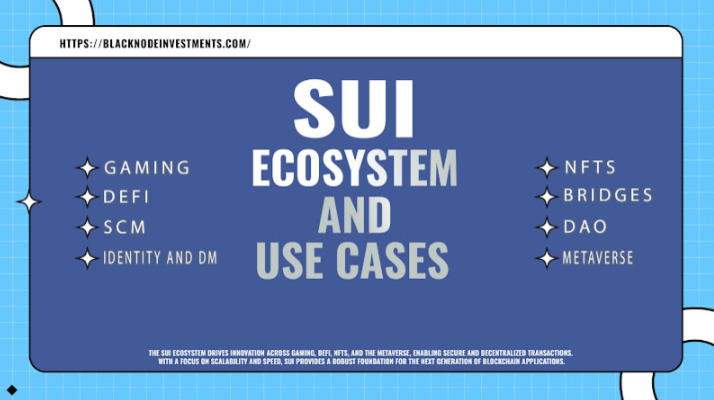
🧵/// 𝗦𝘂𝗶 𝗡𝗲𝘁𝘄𝗼𝗿𝗸: 𝗘𝗰𝗼𝘀𝘆𝘀𝘁𝗲𝗺 𝗮𝗻𝗱 𝗨𝘀𝗲 𝗖𝗮𝘀𝗲𝘀
/// 𝟭. 𝗚𝗮𝗺𝗶𝗻𝗴:
▪️ 𝗦𝘁𝗲𝗹𝗹𝗮 𝗙𝗮𝗻𝘁𝗮𝘀𝘆, 𝗢𝘃𝗲𝗿𝘄𝗼𝗿𝗹𝗱, and 𝗕𝘂𝘀𝗵𝗶 are games that utilize blockchain technology to provide true ownership of in-game assets and play-to-earn mechanisms, leveraging Sui's object model, which allows players to own, trade, and transfer in-game assets represented as objects on the blockchain, ensuring true ownership and provenance, while the network's parallel transaction execution supports real-time interactions crucial for delivering smooth, responsive multiplayer gaming experiences.
/// 𝟮. 𝗗𝗲𝗙𝗶:
▪️ 𝗗𝗲𝗙𝗶 applications on the 𝗦𝘂𝗶 𝗻𝗲𝘁𝘄𝗼𝗿𝗸, such as 𝗘𝘁𝗵𝗼𝘀, a customizable wallet interface, and Kriya, a decentralized finance protocol for earning rewards through liquidity mining and staking, benefit from Sui's architecture, which is optimized for high transaction throughput and low latency, making it ideal for DeFi use cases where speed and efficiency are critical, including DEXs, lending platforms, and yield farming protocols, while the network’s stable gas fees ensure that users can perform transactions without worrying about extreme fee volatility.
/// 𝟯. 𝗡𝗙𝗧𝘀:
▪️ 𝗦𝗨𝗜 𝗡𝗙𝗧𝘀 (𝗡𝗼𝗻-𝗙𝘂𝗻𝗴𝗶𝗯𝗹𝗲 𝗧𝗼𝗸𝗲𝗻𝘀) 𝗼𝗻 𝘁𝗵𝗲 𝗦𝘂𝗶 𝗯𝗹𝗼𝗰𝗸𝗰𝗵𝗮𝗶𝗻 𝗹𝗲𝘃𝗲𝗿𝗮𝗴𝗲 𝘁𝗵𝗲 𝘂𝗻𝗶𝗾𝘂𝗲 𝗳𝗲𝗮𝘁𝘂𝗿𝗲𝘀 𝗼𝗳 𝘁𝗵𝗲 𝗦𝘂𝗶 𝗲𝗰𝗼𝘀𝘆𝘀𝘁𝗲𝗺, 𝘀𝘂𝗰𝗵 𝗮𝘀 𝗶𝘁𝘀 𝗽𝗮𝗿𝗮𝗹𝗹𝗲𝗹 𝗲𝘅𝗲𝗰𝘂𝘁𝗶𝗼𝗻 𝗺𝗼𝗱𝗲𝗹, 𝘄𝗵𝗶𝗰𝗵 𝗮𝗹𝗹𝗼𝘄𝘀 𝗳𝗼𝗿 𝗵𝗶𝗴𝗵 𝘁𝗿𝗮𝗻𝘀𝗮𝗰𝘁𝗶𝗼𝗻 𝘁𝗵𝗿𝗼𝘂𝗴𝗵𝗽𝘂𝘁 𝗮𝗻𝗱 𝗹𝗼𝘄 𝗴𝗮𝘀 𝗳𝗲𝗲𝘀, 𝗺𝗮𝗸𝗶𝗻𝗴 𝗶𝘁 𝗮 𝗽𝗼𝘄𝗲𝗿𝗳𝘂𝗹 𝗽𝗹𝗮𝘁𝗳𝗼𝗿𝗺 𝗳𝗼𝗿 𝗮 𝘃𝗮𝗿𝗶𝗲𝘁𝘆 𝗼𝗳 𝗶𝗻𝗻𝗼𝘃𝗮𝘁𝗶𝘃𝗲 𝗡𝗙𝗧 𝘂𝘀𝗲 𝗰𝗮𝘀𝗲𝘀.
▪️ ▪️ ▪️ 𝗗𝗲𝘁𝗮𝗶𝗹𝗲𝗱 𝗨𝘀𝗲 𝗖𝗮𝘀𝗲𝘀 𝗳𝗼𝗿 𝗦𝗨𝗜 𝗡𝗙𝗧𝘀
▪️ ▪️ 𝟭. 𝗗𝗶𝗴𝗶𝘁𝗮𝗹 𝗔𝗿𝘁 𝗮𝗻𝗱 𝗖𝗼𝗹𝗹𝗲𝗰𝘁𝗶𝗯𝗹𝗲𝘀
▪️ 𝗢𝘄𝗻𝗲𝗿𝘀𝗵𝗶𝗽 𝗮𝗻𝗱 𝗣𝗿𝗼𝘃𝗲𝗻𝗮𝗻𝗰𝗲: Artists can mint their work as NFTs on Sui, ensuring authenticity and clear ownership, with the blockchain's efficiency making it cost-effective to tokenize art.
▪️ 𝗗𝘆𝗻𝗮𝗺𝗶𝗰 𝗡𝗙𝗧𝘀: Sui supports dynamic NFTs, where the content can change over time based on external conditions or user interactions, offering evolving art pieces.
▪️ 𝗙𝗿𝗮𝗰𝘁𝗶𝗼𝗻𝗮𝗹 𝗢𝘄𝗻𝗲𝗿𝘀𝗵𝗶𝗽: High-value digital art and collectibles can be fractionalized, allowing multiple users to own shares of a valuable NFT, making it more accessible.
▪️ ▪️ ▪️ /// 𝟮. 𝗚𝗮𝗺𝗶𝗻𝗴
▪️ ▪️ 𝗜𝗻-𝗚𝗮𝗺𝗲 𝗔𝘀𝘀𝗲𝘁𝘀 𝗮𝗻𝗱 𝗢𝘄𝗻𝗲𝗿𝘀𝗵𝗶𝗽: Sui’s high transaction speeds are ideal for gaming NFTs, enabling real-time buying, selling, and trading of items such as skins, characters, and virtual land. Players benefit from true ownership and the ability to trade or transfer assets outside the game environment.
▪️ ▪️ 𝗜𝗻𝘁𝗲𝗿𝗼𝗽𝗲𝗿𝗮𝗯𝗶𝗹𝗶𝘁𝘆 𝗕𝗲𝘁𝘄𝗲𝗲𝗻 𝗚𝗮𝗺𝗲𝘀: Sui’s design facilitates the use of NFTs across different games, enhancing liquidity and utility, allowing in-game assets to be utilized in multiple games.
▪️ ▪️ 𝗣𝗹𝗮𝘆-𝘁𝗼-𝗘𝗮𝗿𝗻 𝗠𝗲𝗰𝗵𝗮𝗻𝗶𝘀𝗺𝘀: Games can implement models where players earn NFTs or cryptocurrency for in-game achievements, enabling monetization of gameplay.
▪️ ▪️ ▪️ /// 𝟯. 𝗘𝘃𝗲𝗻𝘁 𝗧𝗶𝗰𝗸𝗲𝘁𝘀 𝗮𝗻𝗱 𝗠𝗲𝗺𝗯𝗲𝗿𝘀𝗵𝗶𝗽𝘀
▪️ ▪️ 𝗦𝗰𝗮𝗹𝗮𝗯𝗶𝗹𝗶𝘁𝘆 𝗮𝗻𝗱 𝗦𝗲𝗰𝘂𝗿𝗶𝘁𝘆: Sui’s ability to handle high transaction volumes makes it ideal for issuing event tickets as NFTs, reducing fraud and scalping through unique, verifiable digital tickets.
▪️ ▪️ 𝗠𝗲𝗺𝗯𝗲𝗿𝘀𝗵𝗶𝗽 𝗮𝗻𝗱 𝗔𝗰𝗰𝗲𝘀𝘀: NFTs can represent membership to exclusive clubs or events, unlocking physical or digital access, and providing benefits such as voting rights or exclusive merchandise.
▪️ ▪️ ▪️ /// 𝟰. 𝗜𝗱𝗲𝗻𝘁𝗶𝘁𝘆 𝗮𝗻𝗱 𝗩𝗲𝗿𝗶𝗳𝗶𝗰𝗮𝘁𝗶𝗼𝗻
▪️ ▪️ 𝗗𝗶𝗴𝗶𝘁𝗮𝗹 𝗜𝗱𝗲𝗻𝘁𝗶𝘁𝘆: Sui NFTs can serve as a form of digital identity or credentials, where each NFT represents a unique identity or certification, useful in education, employment, or professional settings.
▪️ ▪️ 𝗣𝗿𝗼𝗼𝗳 𝗼𝗳 𝗢𝘄𝗻𝗲𝗿𝘀𝗵𝗶𝗽: For physical assets like real estate or luxury goods, NFTs can serve as title deeds or certificates of authenticity, ensuring secure ownership and transfer.
▪️ ▪️ ▪️ /// 𝟱. 𝗖𝘂𝗹𝘁𝘂𝗿𝗮𝗹 𝗮𝗻𝗱 𝗛𝗶𝘀𝘁𝗼𝗿𝗶𝗰𝗮𝗹 𝗔𝗿𝘁𝗶𝗳𝗮𝗰𝘁𝘀
▪️ ▪️ 𝗣𝗿𝗲𝘀𝗲𝗿𝘃𝗮𝘁𝗶𝗼𝗻: Museums and cultural institutions can use NFTs to represent artifacts or historical documents, allowing for digital ownership or access rights while preserving the physical items.
▪️ ▪️ 𝗗𝗶𝗴𝗶𝘁𝗮𝗹 𝗠𝘂𝘀𝗲𝘂𝗺𝘀:Sui enables the creation of digital museums where NFTs represent historical artifacts, offering new ways to interact with and preserve cultural heritage.
▪️ ▪️ ▪️ /// 𝟲. 𝗗𝗲𝗰𝗲𝗻𝘁𝗿𝗮𝗹𝗶𝘇𝗲𝗱 𝗙𝗶𝗻𝗮𝗻𝗰𝗲 (𝗗𝗲𝗙𝗶)
▪️ ▪️ 𝗖𝗼𝗹𝗹𝗮𝘁𝗲𝗿𝗮𝗹 𝗮𝗻𝗱 𝗬𝗶𝗲𝗹𝗱 𝗚𝗲𝗻𝗲𝗿𝗮𝘁𝗶𝗼𝗻: NFTs on Sui can be used as collateral for loans within DeFi platforms. Fractional NFTs or NFT-backed tokens can also be used in yield farming, where multiple parties can own parts of an NFT, increasing liquidity and investment opportunities.
▪️ ▪️ ▪️ /// 𝟳. 𝗘𝗱𝘂𝗰𝗮𝘁𝗶𝗼𝗻𝗮𝗹 𝗮𝗻𝗱 𝗟𝗲𝗮𝗿𝗻𝗶𝗻𝗴 𝗧𝗼𝗼𝗹𝘀
▪️▪️ 𝗖𝗲𝗿𝘁𝗶𝗳𝗶𝗰𝗮𝘁𝗲𝘀 𝗮𝗻𝗱 𝗕𝗮𝗱𝗴𝗲𝘀: Educational institutions can issue NFTs for degrees, courses, or achievements, which are verifiable and immutable, ensuring the authenticity of academic credentials.
▪️ ▪️ 𝗜𝗻𝘁𝗲𝗿𝗮𝗰𝘁𝗶𝘃𝗲 𝗟𝗲𝗮𝗿𝗻𝗶𝗻𝗴: Dynamic NFTs can be used for educational content, evolving as the learner progresses, offering a personalized learning experience.
▪️ ▪️ ▪️ /// 𝟴. 𝗥𝗲𝗮𝗹 𝗘𝘀𝘁𝗮𝘁𝗲 𝗮𝗻𝗱 𝗩𝗶𝗿𝘁𝘂𝗮𝗹 𝗪𝗼𝗿𝗹𝗱𝘀
▪️ ▪️ 𝗩𝗶𝗿𝘁𝘂𝗮𝗹 𝗥𝗲𝗮𝗹 𝗘𝘀𝘁𝗮𝘁𝗲: Sui can host virtual worlds where land or buildings are represented by NFTs, allowing for ownership, development, and trading, similar to platforms like Decentraland or The Sandbox.
▪️ ▪️ 𝗧𝗼𝗸𝗲𝗻𝗶𝘇𝗮𝘁𝗶𝗼𝗻 𝗼𝗳 𝗥𝗲𝗮𝗹-𝗪𝗼𝗿𝗹𝗱 𝗥𝗲𝗮𝗹 𝗘𝘀𝘁𝗮𝘁𝗲: Real-world properties can be tokenized as NFTs, facilitating fractional ownership and easier transfer of real estate assets.
▪️ ▪️ ▪️ /// 𝟵. 𝗖𝗵𝗮𝗿𝗶𝘁𝘆 𝗮𝗻𝗱 𝗙𝘂𝗻𝗱𝗿𝗮𝗶𝘀𝗶𝗻𝗴
▪️ ▪️ 𝗗𝗼𝗻𝗮𝘁𝗶𝗼𝗻 𝗧𝗿𝗮𝗰𝗸𝗶𝗻𝗴: NFTs can be used to track donations, ensuring transparency and providing donors with unique tokens that represent their contributions, which can also unlock exclusive content or rewards.
▪️ ▪️ ▪️ /// 𝟭𝟬. 𝗟𝗼𝘆𝗮𝗹𝘁𝘆 𝗣𝗿𝗼𝗴𝗿𝗮𝗺𝘀
▪️ ▪️ 𝗟𝗼𝘆𝗮𝗹𝘁𝘆 𝗣𝗼𝗶𝗻𝘁𝘀 𝗮𝗻𝗱 𝗖𝘂𝘀𝘁𝗼𝗺𝗲𝗿 𝗘𝗻𝗴𝗮𝗴𝗲𝗺𝗲𝗻𝘁: Brands can issue NFTs as part of loyalty programs, where these tokens offer exclusive access, discounts, or experiences, enhancing customer engagement and brand loyalty.
𝟰. 𝗕𝗿𝗶𝗱𝗴𝗲𝘀:
▪️ The 𝗦𝘂𝗶 𝗡𝗲𝘁𝘄𝗼𝗿𝗸 is designed to be a high-performance blockchain that leverages the Move programming language, similar to what's used in the Diem (formerly Libra) project. Here's a general overview of how bridges might work or be conceptualized within such a network:
▪ 𝗜𝗻𝘁𝗲𝗿𝗼𝗽𝗲𝗿𝗮𝗯𝗶𝗹𝗶𝘁𝘆: Sui Network, like many modern blockchains, aims for interoperability. Bridges in this context would allow assets and data to move between Sui and other blockchains like Ethereum, Solana, or even traditional financial systems.
▪️ 𝗔𝘀𝘀𝗲𝘁 𝗕𝗿𝗶𝗱𝗴𝗶𝗻𝗴: This involves transferring tokens or assets from one blockchain to another. For instance, you might bridge Ethereum's ETH or ERC-20 tokens to Sui, or vice versa. This process typically involves locking the assets on the source chain and minting equivalent tokens on the destination chain.
▪️ 𝗗𝗮𝘁𝗮 𝗕𝗿𝗶𝗱𝗴𝗶𝗻𝗴: Beyond assets, bridges can also transfer data or smart contract interactions. This could be useful for cross-chain DeFi applications where a transaction on Sui might trigger an event or a smart contract execution on another blockchain.
𝗧𝘆𝗽𝗲𝘀 𝗼𝗳 𝗕𝗿𝗶𝗱𝗴𝗲𝘀:
▪️ ▪️ ▪️ Wrapped Tokens: Tokens from one blockchain are represented on another blockchain with a wrapper, like how WBTC (Wrapped Bitcoin) functions on Ethereum.
▪️ ▪️ ▪️ Generic Bridges: These are more flexible, allowing for the transfer of any type of asset or data, often through a standardized protocol.
▪️ Security and Trust: Bridges are often points of vulnerability due to their complexity. Sui, being designed with security in mind, would likely implement robust mechanisms for bridge security, possibly involving multi-signature wallets, governance, or decentralized control mechanisms.
▪️ Examples and Implementations: Specific implementations or partnerships for Sui Network bridges might follow similar principles as other blockchain bridges. For instance, if Sui wanted to bridge with Ethereum, they might:
▪️ ▪️ ▪️ Use a trustless bridge where validators or a decentralized network of nodes handle the locking and minting of assets.
▪️ ▪️ ▪️ Implement a sidechain or layer-2 solution where Sui could act as a sidechain to Ethereum for specific use cases.
Future Developments: Given Sui's focus on scalability and performance, any bridge solution would aim to maintain these qualities, possibly through optimized consensus mechanisms or by leveraging Sui's unique object-centric data model for more efficient cross-chain interactions.
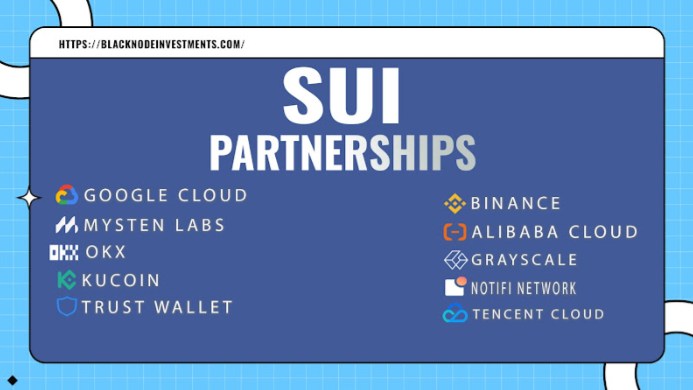
/// 🧵 SUI Partnerships:
1. Google Cloud: SUI has partnered with Google Cloud to leverage its powerful infrastructure for enhancing network scalability and performance. This partnership allows SUI to utilize Google Cloud's vast computing resources, ensuring that decentralized applications (DApps) on the SUI blockchain can operate with high availability and minimal latency. The integration with Google Cloud also supports SUI's goal of achieving scalable, cloud-like efficiency, further solidifying its position as a leading blockchain network.
2. Mysten Labs: the creators of SUI, have played a crucial role in shaping the network’s partnerships and overall direction. As a technology-first organization, Mysten Labs collaborates with various partners to drive innovation within the SUI ecosystem. These collaborations focus on enhancing SUI's capabilities in areas like decentralized finance (DeFi), gaming, and NFTs, pushing the boundaries of what blockchain technology can achieve.
3. OKX: One of the significant exchanges, OKX, has listed the SUI token, making it accessible to a broad user base. This partnership with OKX not only increases the liquidity of the SUI token but also integrates SUI into the larger cryptocurrency market, facilitating easier trading and investment opportunities for users. This listing is a testament to SUI's growing importance in the crypto space.
4. KuCoin is another major exchange that has listed the SUI token. Through this partnership, SUI gains further exposure and liquidity, making it available to millions of KuCoin users. This collaboration aligns with SUI's strategy to make its token more accessible and to build a robust trading ecosystem around it. KuCoin's support for SUI also includes staking options, enabling users to participate actively in the network's governance and consensus mechanisms.
5. Trust Wallet: One of the most popular decentralized wallets, supports the SUI token, allowing users to securely store, send, and receive SUI. This partnership with Trust Wallet is crucial for SUI's adoption, as it provides a safe and user-friendly way for people to manage their SUI holdings. Trust Wallet's extensive user base and reputation for security make it a valuable partner for SUI as it seeks to expand its ecosystem.
6. Move by Diem: The partnership with the Move programming language, originally developed by Facebook's Diem project, is another strategic collaboration. SUI has adopted Move as its smart contract language, benefiting from its security features and resource-efficient design. This partnership not only enhances the safety and reliability of applications built on SUI but also positions the network as a prime choice for developers looking to create sophisticated decentralized applications.
7. Oracle Red Bull Racing: Sui Network became the official blockchain partner for Oracle Red Bull Racing in a multi-year deal announced in 2023. This partnership aims to leverage Sui's blockchain technology to develop new digital fan experiences, showcasing Sui's potential in real-world applications beyond traditional finance and into sports and fan engagement.

English