𝐂𝐚𝐦𝐦𝐲 𝐁𝐚𝐫𝐧𝐞𝐬

1.4K posts

𝐂𝐚𝐦𝐦𝐲 𝐁𝐚𝐫𝐧𝐞𝐬 banner
𝐂𝐚𝐦𝐦𝐲 𝐁𝐚𝐫𝐧𝐞𝐬

𝐂𝐚𝐦𝐦𝐲 𝐁𝐚𝐫𝐧𝐞𝐬

@Blocbross

Singer-Songwriter 🏴󠁧󠁢󠁳󠁣󠁴󠁿 | Bookings - [email protected]

Katılım Eylül 2024
223 Takip Edilen252 Takipçiler
Sabitlenmiş Tweet
𝐂𝐚𝐦𝐦𝐲 𝐁𝐚𝐫𝐧𝐞𝐬
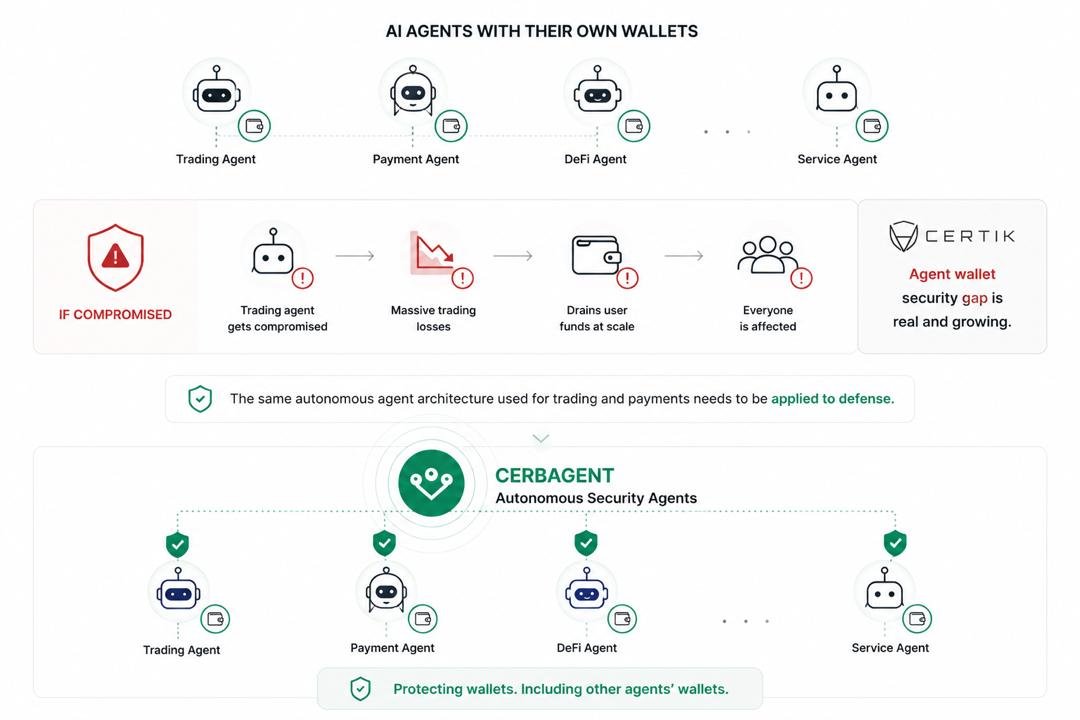
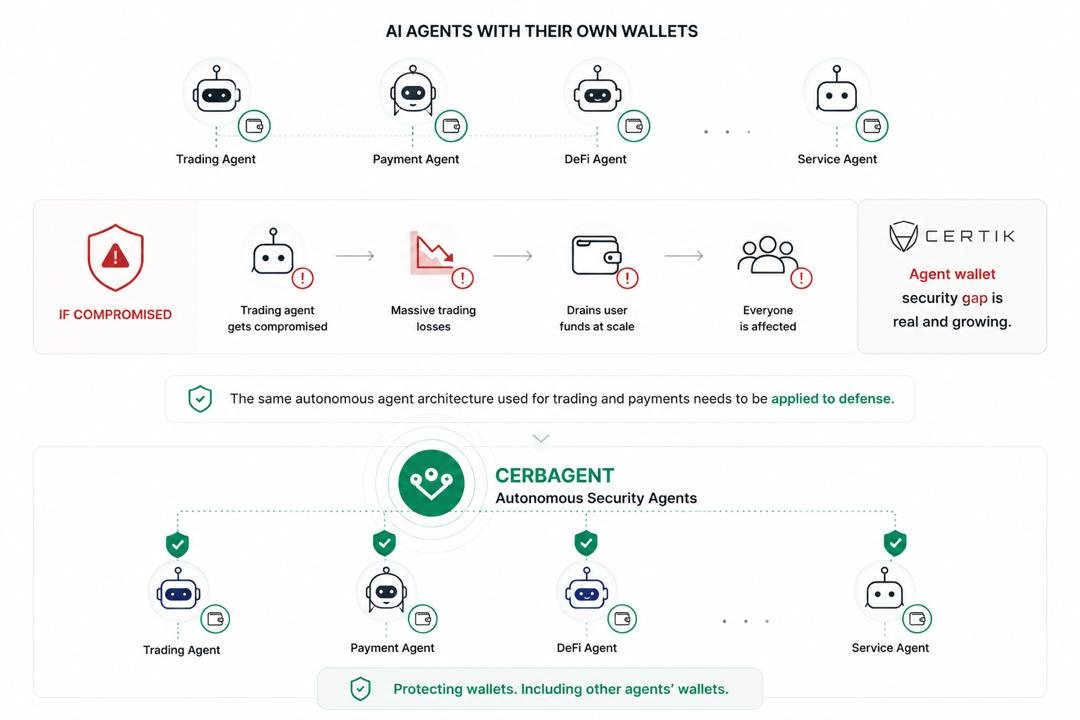
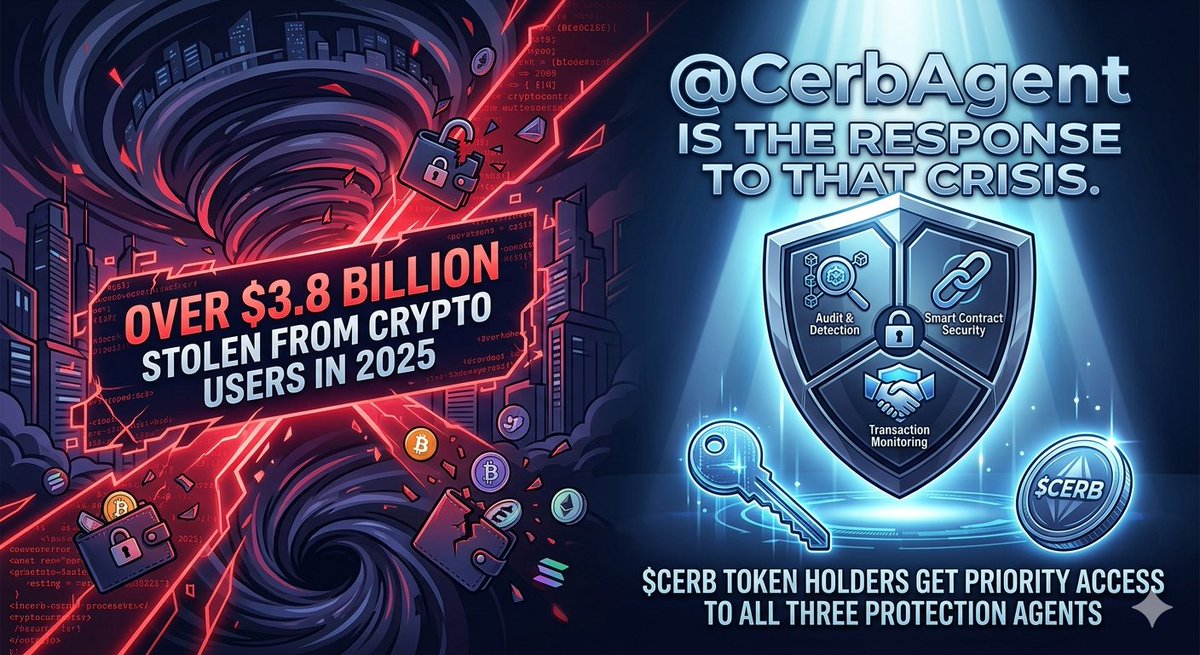
The @CerbAgent Recovery agent doesn't promise miracles but it gives you the best shot at tracing and recovering stolen assets, $CERB funds the forensic AI that makes this possible
𝐂𝐚𝐦𝐦𝐲 𝐁𝐚𝐫𝐧𝐞𝐬 tweet media
English
2
25
24
223
𝐂𝐚𝐦𝐦𝐲 𝐁𝐚𝐫𝐧𝐞𝐬 retweetledi
3ROY
3ROY@IAM_3ROY·
you hate seeing @dango on your TL, I’ve got some bad news for you - the next 6 months are about to get way worse - More affiliates - More integrations - More UGC (PnL cards next) - More podcast appearances from @larry0x The regret from those who doubted us will be palpable.
3ROY tweet media
English
0
21
24
101
𝐂𝐚𝐦𝐦𝐲 𝐁𝐚𝐫𝐧𝐞𝐬 retweetledi
Idris Adamz
Idris Adamz@Idris_Adamz·
@Kiwi_Nod ...@Kiwi_Nod A new signal for a new era ⚡️ Pharos Network is where vision meets utility, powered by $PROS. Build, earn, and grow in a system designed for real impact. One beacon. Infinite possibilities. The future is ours 🚀 0x45d303029bcC1DfAD57f3365F94f101200301E9B
Idris Adamz tweet media
English
1
1
1
138
𝐂𝐚𝐦𝐦𝐲 𝐁𝐚𝐫𝐧𝐞𝐬
0x2957E5336D3F5f037b2E0C0ca542A47592923cac @Kiwi_Nod ​🌊 The wait is OVER! Pharos Pacific Ocean Mainnet is now LIVE. ⚓ ​We aren't just another L1. We are the hyper-parallel, institutional-grade engine built to unlock $50 TRILLION in Real-World Assets (RWAs). ​$PROS is the fuel.
𝐂𝐚𝐦𝐦𝐲 𝐁𝐚𝐫𝐧𝐞𝐬 tweet media
English
0
0
0
4
𝐂𝐚𝐦𝐦𝐲 𝐁𝐚𝐫𝐧𝐞𝐬 retweetledi
Oluwafemi👑❤️🚀
The gap in Web3 security isn’t about tools not existing, it’s about when they act. Revoke_cash is built for control. It helps you scan and revoke token approvals that could be exploited later. That’s important, but it’s fundamentally reactive. The risk already exists, and you’re manually removing it after exposure. It protects you from what you might have already done wrong. Pocket Universe moves a step ahead by focusing on transaction simulation. Before you sign, it shows you what could happen and flags suspicious interactions. That reduces blind signing, which is one of the biggest causes of wallet drains. But even here, the model still depends on user awareness in a critical moment. You are still the decision engine. Both approaches are useful, but they share the same weakness: security is event-based and user-dependent. CerbAgent changes that model entirely. Instead of reacting to approvals or single transactions, it operates as a real-time AI security agent that continuously monitors wallet and contract behavior. It doesn’t wait for you to check or confirm anything. It analyzes patterns, detects anomalies, and responds as threats develop, not after they’ve already been triggered. This is the difference between checking snapshots and understanding behavioral flow. Modern attacks are no longer simple one-step exploits. They are sequences — approvals today, exploitation tomorrow, social engineering layered in between. Static tools like revoke systems or transaction simulators struggle because they only evaluate isolated actions. CerbAgent evaluates continuity. It sees when something doesn’t feel right across time, not just in a single click. That’s where the real edge is. With $CERB, this model scales into an ecosystem where security isn’t just a feature but a continuous layer of intelligence. It enables a system that is always learning, always watching, and always adapting to new attack patterns. So the distinction becomes clear. Revoke_cash helps you fix exposure. Pocket Universe helps you avoid bad signatures. @CerbAgent works to ensure the threat doesn’t successfully evolve in the first place. And in a space losing billions to increasingly sophisticated exploits, the future of security isn’t more warnings or better cleanup, it’s real-time, autonomous defense.
Oluwafemi👑❤️🚀 tweet media
Oluwafemi👑❤️🚀@TheFemog

Wallets were supposed to give users full control. Instead, they’ve quietly become the weakest link in crypto. Most losses today don’t come from “breaking the blockchain.” They come from exploiting the human layer around wallets—phishing links, malicious approvals, signature traps, and invisible contract interactions. Attackers don’t need to hack code when they can trick users into signing away access. Once a wallet signs the wrong transaction, it’s already too late. There’s no reversal, no support line, no undo button. This is the core wallet security problem: blind trust in actions users don’t fully understand. Every day, users approve contracts they can’t read, interact with dApps they haven’t verified, and sign messages that look harmless but grant full asset control. Traditional security tools don’t solve this because they are reactive. They alert after risk appears, not before a decision is made. And in crypto, one wrong signature equals total loss. That’s where @CerbAgent shifts the model completely. Instead of leaving users alone at the point of decision, CerbAgent introduces an AI security layer that actively interprets, analyzes, and challenges every wallet interaction in real time. It doesn’t just scan transactions—it understands behavior. It flags abnormal patterns, detects malicious intent in contracts, and prevents users from approving dangerous permissions before they execute. This aligns with a broader evolution in security architecture: moving from passive detection to continuous, real-time verification and enforcement, where every action is analyzed before it’s trusted . The real breakthrough is that CerbAgent doesn’t rely on static rules. Attackers evolve too fast for that. Instead, it operates like an intelligent agent, learning patterns, adapting to new threats, and monitoring wallet activity as a dynamic system rather than isolated transactions. This closes the gap where most exploits happen: the milliseconds between user approval and execution. Then comes $CERB. The token isn’t just a financial layer—it’s what turns security into a coordinated system. It can power incentives, validation layers, and participation in a network where threat detection and response scale with usage. Because wallet security isn’t a single tool problem, it’s an ecosystem problem. And that’s the real insight: Crypto wallets were built for ownership, not safety. CerbAgent is building for ownership with intelligence. Until wallets can think, users will keep getting exploited. AI agents like CerbAgent are how that changes.


English
72
21
84
1.9K
𝐂𝐚𝐦𝐦𝐲 𝐁𝐚𝐫𝐧𝐞𝐬 retweetledi
Daniel ØG
Daniel ØG@Danzzy327·
Most people think exploits happen in a single transaction. They don’t. They happen across sequences. Case: Cream Finance (multiple exploits, ~$130M+ total) - Flash loans used to manipulate markets - Collateral values distorted across steps - Borrowing + liquidation loops abused Each individual transaction? Valid. The sequence? Catastrophic. This is where static security completely breaks. CerbAgent’s promise only makes sense if it handles temporal context: → tracking state across multiple txs → recognizing exploit patterns forming over time → predicting where the sequence leads—not just where it is A real $CERB agent would need: - memory - state tracking - forward simulation That’s not a plugin. That’s a system. If @CerbAgent can’t model sequences, it misses entire classes of exploits. And most serious attacks today are sequences.
Daniel ØG tweet media
Daniel ØG@Danzzy327

“Safe signature” is one of the most dangerous illusions in crypto. You can sign something that looks completely normal, and still lose everything. Case: Curve Finance pool exploit (Vyper reentrancy bug, 2023) - Bug in Vyper compiler enabled reentrancy - Attackers drained multiple pools (~$70M+) - Users interacting with affected pools weren’t doing anything unusual The vulnerability lived below the user layer. This is where the thesis of @CerbAgent gets interesting: It’s not about spotting scams. It’s about detecting broken environments. A $CERB agent, in theory, could: → recognize abnormal contract behavior patterns (reentrancy loops) → simulate repeated calls within a single execution context → detect that funds can be recursively extracted → warn users interacting with affected pools in real time But here’s the catch: Detecting reentrancy before it’s widely known is extremely hard without: - deep bytecode analysis - behavioral anomaly detection - fast pattern recognition across contracts So again, CerbAgent sits on a knife edge: If it can generalize exploit patterns → powerful If it relies on known signatures → reactive Security is only valuable before the exploit is obvious.

English
21
24
37
643
𝐂𝐚𝐦𝐦𝐲 𝐁𝐚𝐫𝐧𝐞𝐬 retweetledi
sweeT.moon
sweeT.moon@STsweet007·
Good Morning Web3 🏞️ Consistency is quietly becoming the biggest differentiator in the space While many are still chasing quick wins and short bursts of attention real builders are focused on something deeper showing up every single day even when there is no immediate reward @XOOBNetwork is not designed for noise it is designed for proof of presence Every post every interaction every refinement of your approach adds another layer to your onchain identity This is where discipline starts to compound This is where quality begins to separate you from the crowd As more participants enter the arena the gap does not close it widens Because most will fade when it gets repetitive Most will slow down when results are not instant But the ones who stay consistent The ones who adapt learn and keep building They become impossible to ignore So the real question is not are you active It is are you intentional with your activity Because in the long run Consistency is not just effort It is leverage Stay active $XOOB Stay consistent : $XoobNetwork Let your footprint compound : xoob.link/?ref=acc9113056
sweeT.moon tweet media
English
133
71
172
1.1K
𝐂𝐚𝐦𝐦𝐲 𝐁𝐚𝐫𝐧𝐞𝐬 retweetledi
Alexis
Alexis@Alexxx636·
Happy New weeks guys 𝐒𝐓𝐑𝐈𝐊𝐄𝐑𝐎𝐁𝐎𝐓_𝐀𝐈 𝐂𝐇𝐑𝐎𝐍𝐈𝐂𝐋𝐄𝐒 🚥 𝐄𝐏𝐈𝐒𝐎𝐃𝐄 𝟒: 𝐄𝐌𝐁𝐎𝐃𝐈𝐄𝐃 𝐀𝐈 𝐈𝐒 𝐓𝐇𝐄 𝐍𝐄𝐗𝐓 𝐈𝐍𝐓𝐄𝐑𝐅𝐀𝐂𝐄 The first wave of AI lived on screens. The next wave moves through the real world. A Thread 🧵👇 1️⃣ From Screen AI to World AI 🚦 chat interfaces 🚦 image generation 🚦 digital assistants 🚦 software-only outputs 🚦 no physical presence Useful intelligence. Limited reach. 2️⃣ What Embodied AI Changes 🚦 perception through sensors 🚦 movement through robotics 🚦 task execution in space 🚦 real-time environment response 🚦 physical autonomy AI gains a body. 3️⃣ Why This Matters Now 🚦 labor shortages 🚦 repetitive task demand 🚦 rising operational costs 🚦 need for 24/7 systems 🚦 faster hardware progress The world needs operators. 4️⃣ Where @StrikeRobot_ai Comes In 🚦 embodied AI systems 🚦 simulation-trained robotics 🚦 real-world deployment loops 🚦 adaptive execution models AI leaves the screen. 5️⃣ New Forms of Interaction 🚦 warehouse coordination 🚦 security patrol systems 🚦 logistics handling 🚦 facility operations Interfaces become actions. 6️⃣ Intelligence You Can Measure 🚦 tasks completed 🚦 errors reduced 🚦 uptime increased 🚦 costs lowered Impact becomes visible. 7️⃣ Why This Wins 🚦 scalable labor capacity 🚦 continuous operations 🚦 compounding efficiency 🚦 real-world ROI Embodiment creates utility. 8️⃣ What This Unlocks 🚦 autonomous workforces 🚦 physical AI networks 🚦 adaptive machines 🚦 operational intelligence Without a body, AI stays limited ✅ TL;DR 🚦 First AI lived on screens 🚦 Next AI acts in reality 🚦 Embodiment creates utility 🚦 Robotics multiplies impact 🚦 Execution is the interface @StrikeRobot_ai is building AI you can actually deploy.
Alexis tweet media
Alexis@Alexxx636

Happy New week guys let's keep showing up for each other 𝐂𝐄𝐑𝐁𝐀𝐆𝐄𝐍𝐓 𝐂𝐇𝐑𝐎𝐍𝐈𝐂𝐋𝐄𝐒 🚥 𝐄𝐏𝐈𝐒𝐎𝐃𝐄 𝟐𝟔: 𝐅𝐀𝐊𝐄 𝐒𝐔𝐏𝐏𝐎𝐑𝐓 𝐒𝐄𝐑𝐕𝐄𝐑𝐒 𝐀𝐑𝐄 𝐇𝐀𝐂𝐊𝐄𝐑 𝐇𝐔𝐁𝐒 You joined for help. You left without your wallet. A Thread 🧵🧵 1️⃣ Real Hack Breakdown: Fake Community Server 🚦 user has wallet issue 🚦 searches Telegram/Discord help group 🚦 joins fake “official” server 🚦 scam admin DMs instantly 🚦 asks to verify / sync wallet 🚦 user signs request or shares seed 🚦 funds drained fast The help desk was the attack. 2️⃣ Why This Attack Works 🚦 urgency when funds are stuck 🚦 fake branding + copied logos 🚦 large member counts (bots) 🚦 instant responses feel professional 🚦 trust in community spaces Panic creates vulnerability. 3️⃣ Why Existing Tools Fail 🚦 platforms don’t verify every server 🚦 fake admins impersonate staff 🚦 wallets can’t detect social scams 🚦 DMs bypass normal warnings 🚦 users trust appearance over proof The scam happens before tools matter. 4️⃣ Where @CerbAgent Comes In 🚦 incentivized support scam breakdowns 🚦 AI-scored security education 🚦 real exploit case studies 🚦 rewards for clarity Awareness becomes protection. 5️⃣ How $CERB Agents Protect Users 🚦 expose fake support tactics 🚦 teach verification habits 🚦 highlight DM red flags 🚦 share real victim stories Clarity blocks panic traps. 6️⃣ How to Stay Safe 🚦 never trust unsolicited DMs 🚦 use links from official websites only 🚦 no real support asks for seed phrase 🚦 verify admins publicly Help should never cost your wallet. 7️⃣ Why This Content Wins 🚦 real scam stories = high impact 🚦 clear warnings = higher score 🚦 practical tips = real value 🚦 consistency = leaderboard growth Security insight earns more. 8️⃣ What This Prevents 🚦 fake support drains 🚦 seed phrase theft 🚦 rushed mistakes 🚦 repeated social scams Without awareness, help becomes harm. ✅ TL;DR 🚦 Fake support servers steal wallets 🚦 Panic drives bad decisions 🚦 Tools can’t stop social traps 🚦 Awareness is defense 🚦 $CERB rewards real insight @CerbAgent turns fake help into real warnings.

English
67
49
105
2.8K
𝐂𝐚𝐦𝐦𝐲 𝐁𝐚𝐫𝐧𝐞𝐬 retweetledi
Umar Muhammad Sani
Umar Muhammad Sani@umar_msani·
Dango brings logic to collaboration,turning scattered actions into clear, state-driven progress. No confusion, no guesswork,just structured steps you can track and verify.
Umar Muhammad Sani@umar_msani

Dango turns collaboration into a system you can actually trust,every step defined, every transition verifiable. It removes ambiguity from teamwork, replacing guesswork with clarity and structure.

English
0
27
27
293
𝐂𝐚𝐦𝐦𝐲 𝐁𝐚𝐫𝐧𝐞𝐬 retweetledi
Grace Iwuchukwu
Grace Iwuchukwu@Ahmazingammahhh·
Happy Monday ladies and gentlemen may the odds favour us this week... 𝐂𝐄𝐑𝐁𝐀𝐆𝐄𝐍𝐓 𝐂𝐇𝐑𝐎𝐍𝐈𝐂𝐋𝐄𝐒 🚥 𝐄𝐏𝐈𝐒𝐎𝐃𝐄 𝟏: 𝐓𝐇𝐄 𝐈𝐋𝐋𝐔𝐒𝐈𝐎𝐍 𝐎𝐅 𝐒𝐄𝐂𝐔𝐑𝐈𝐓𝐘 “Everything looks normal… until it’s not.” That’s usually how wallet drains begin. A Thread 🧵👇 1️⃣ The Setup 🚦 user connects wallet to a “trusted” dApp 🚦 interface looks clean and familiar 🚦 no warning signs, no urgency 🚦 everything feels safe That’s the first trap comfort. 2️⃣ The Hidden Action 🚦 user signs a “harmless” transaction 🚦 approval gets granted silently 🚦 permissions expand beyond intent 🚦 attacker gains future access Nothing breaks immediately so nothing feels wrong. 3️⃣ The Delay Trick 🚦 funds are not stolen instantly 🚦 attacker waits for the perfect moment 🚦 user forgets the approval exists 🚦 then the drain happens later This delay is the weapon. 4️⃣ Why People Miss It 🚦 signatures look routine 🚦 wallets don’t explain intent 🚦 interfaces normalize approvals 🚦 users assume “connected = safe” Safety feels like a checkbox not a process. 5️⃣ Where Systems Fail 🚦 no real-time approval intelligence 🚦 no context on what is being signed 🚦 no memory of risky permissions 🚦 no post-signature monitoring The gap is not visibility it’s understanding. 6️⃣ Where @CerbAgent Changes the Game 🚦 interprets transaction intent before approval 🚦 flags abnormal permission patterns 🚦 monitors post-signing behavior 🚦 removes silent exploit windows Security becomes active, not passive. 7️⃣ The Core Insight 🚦 most wallet drains don’t start with hacks 🚦 they start with approved access 🚦 and forgotten permissions The danger is not the click it’s what the click enables later. 8️⃣ How to Stay Safer 🚦 always review approvals, not just transactions 🚦 disconnect unused dApps regularly 🚦 separate wallets for different actions 🚦 treat every signature like long-term access Awareness is the first firewall. ✅ TL;DR 🚦 nothing looks dangerous at first 🚦 approvals create future risk 🚦 delays hide exploitation 🚦 wallets lack context 🚦 $CERB builds real-time protection intelligence @CerbAgent security starts before the attack begins.
Grace Iwuchukwu tweet media
Grace Iwuchukwu@Ahmazingammahhh

I used to think wallet security was just about being careful. “Don’t click bad links. Don’t sign shady transactions.” Then I ran the @CerbAgent demo. And that assumption fell apart instantly. “Security tools just alert you. You still have to act” That’s the normal flow. You get a notification. You panic. You try to react before it’s too late. But that’s already failure, just delayed. In this case, there was no reaction needed. The agent detected compromised approvals, revoked them, and secured the wallet… before I even processed what was happening. 4.2 seconds. “Okay, but alerts are still useful” Not when speed is the problem. By the time most alerts reach you, the damage is already done. That’s the gap people underestimate. Detection isn’t enough. Notification isn’t enough. Execution is what matters. And that’s the shift here. From: “Something is wrong, go fix it” To: “It’s already handled” Three approvals cleared. Funds intact. Full audit trail. No scramble. No damage control. Just a system that acts. At some point, you realize The real risk isn’t exploits. It’s relying on systems that wait for you to respond.

English
44
20
78
862
𝐂𝐚𝐦𝐦𝐲 𝐁𝐚𝐫𝐧𝐞𝐬 retweetledi
kudex 🥶
kudex 🥶@Kudex_1·
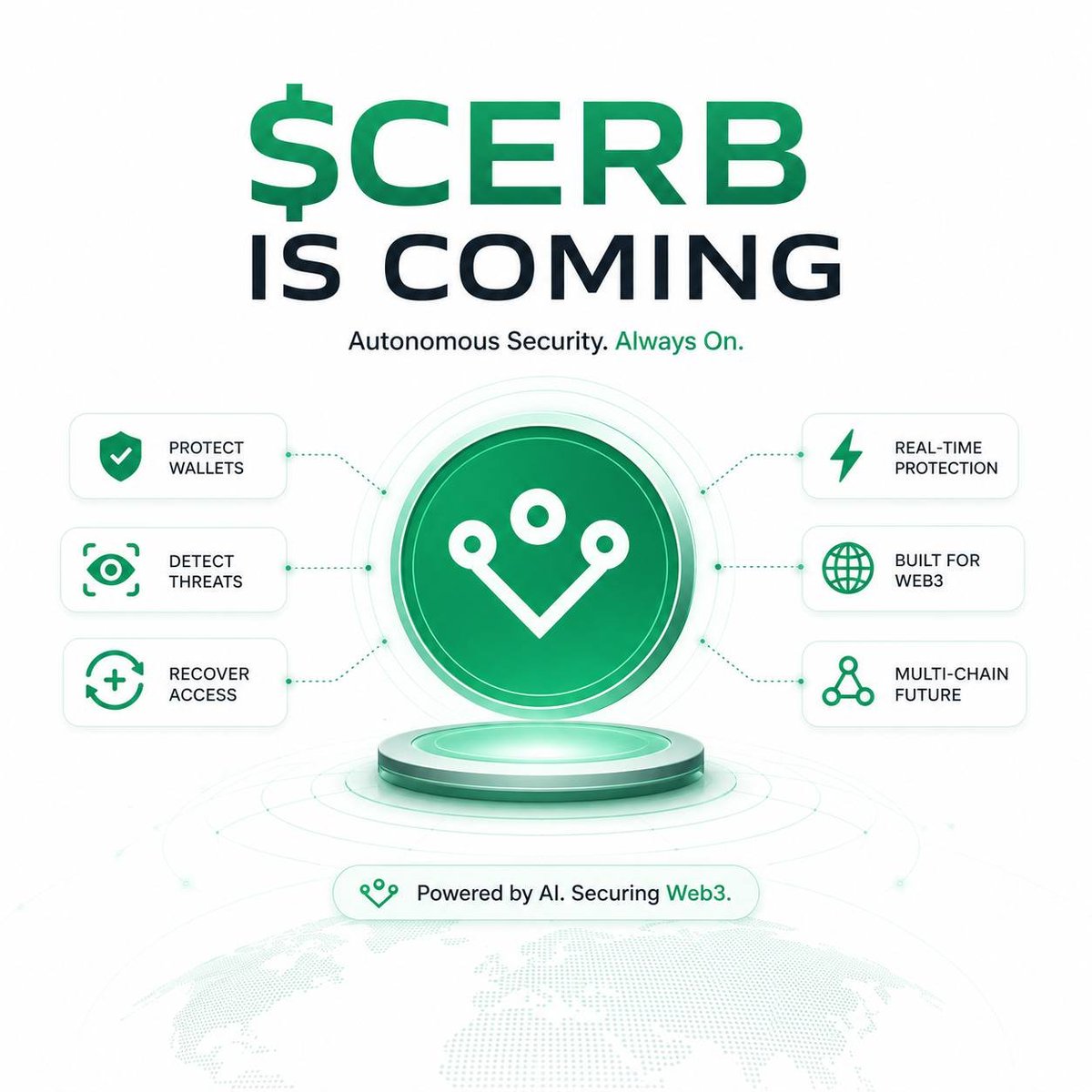
As decentralized ecosystems continue to expand, wallet security is becoming increasingly difficult to manage. Users are expected to track approvals, verify transactions, and detect threats across multiple chains and protocols. This growing complexity is creating gaps that are easy to exploit. In this context, @CerbAgent is exploring approaches focused on automated, AI-driven security systems, where protection is no longer dependent on manual checks but operates continuously across user activity. Developments in this area could influence how security evolves beyond fragmented tools, with $CERB acting as a core coordination layer. Today’s model relies on separate solutions like revoke dashboards, transaction simulators, and browser warnings. Each tool works in isolation, at different moments, with the assumption that users will always act correctly. In reality, this creates delays, confusion, and missed signals, something $CERB aims to address at a system level. As interactions increase, this model becomes harder to sustain. Users cannot realistically monitor every approval, every signature, and every contract interaction in real time. The system is scaling faster than human awareness, which is where $CERB introduces a shift toward continuous oversight. By moving toward coordinated agents that monitor, evaluate, and respond across different layers, security becomes less about reaction and more about persistent presence. Instead of waiting for user input, systems built around $CERB reduce risk as activity happens. In this model, $CERB connects different security roles into a unified framework, allowing them to operate together rather than as isolated tools. As decentralized systems continue to grow, approaches like this could redefine how security is experienced shifting from something users must constantly manage to something that exists by default through $CERB
kudex 🥶 tweet media
kudex 🥶@Kudex_1

As decentralized ecosystems continue to expand, managing security across multiple layers is becoming increasingly complex. The growing number of interactions, protocols, and user actions makes it harder to maintain consistent protection over time. In this context, @CerbAgent is exploring approaches focused on coordinated security systems and continuous monitoring, where protection is not limited to isolated tools but operates as an integrated layer across different environments. Developments in this area could influence how security is structured at scale. Rather than relying on fragmented solutions that activate at specific moments, this model shifts toward persistent systems that observe, evaluate, and respond in real time. The emphasis moves from reactive checks to ongoing coordination across interactions. By introducing roles such as transaction evaluation, behavioral monitoring, and recovery mechanisms, the system moves beyond single-point tools toward a more unified framework. Each component contributes to a broader understanding of activity across networks. As decentralized systems grow more complex, approaches like this could reshape how users interact with security, reducing dependence on constant manual oversight while maintaining awareness across multiple layers.

English
31
87
115
426
𝐂𝐚𝐦𝐦𝐲 𝐁𝐚𝐫𝐧𝐞𝐬 retweetledi
KING DAVID
KING DAVID@cfcornerstone7·
In a sea of projects, @CerbAgent stands out by focusing on the 'Guardian' layer of the decentralized web. It’s about more than just transactions; it’s about creating a robust, multi-layered ecosystem that rewards its active builders. Proud to be part of this pack! #Web3
KING DAVID tweet media
English
1
14
16
53
𝐂𝐚𝐦𝐦𝐲 𝐁𝐚𝐫𝐧𝐞𝐬 retweetledi
cryptobaby 😍$XAGE 'ZETARIUM '
Day 1 Rebound doesn’t just absorb impact it converts it into continuation. Where most systems stall at failure points, Rebound treats disruption as flow, not a stop signal. It recovers in motion, not after the fact. Study @get_optimum — this is what adaptive systems look like.
cryptobaby 😍$XAGE 'ZETARIUM ' tweet media
English
1
13
13
149
𝐂𝐚𝐦𝐦𝐲 𝐁𝐚𝐫𝐧𝐞𝐬 retweetledi
web3 gamer
web3 gamer@web3gamer7·
DeFi isn’t broken it’s exposed. The issue isn’t a lack of innovation it’s the absence of defense. @CerbAgent is building AI agent that: $CERB → monitor activity 24/7 → detect anomalies as they happen → act instantly to stop threat → learn and improve every events.
web3 gamer tweet media
English
3
31
35
154
𝐂𝐚𝐦𝐦𝐲 𝐁𝐚𝐫𝐧𝐞𝐬 retweetledi
Ⓜ️ega Ⓜ️ind🤯(❖,❖)
Just reading the threat intel reports from this morning (April 27). We are seeing a highly coordinated malvertising campaign abusing Google Ads to spoof major platforms like Uniswap and Ledger. It’s actively deploying wallet drainers straight to the top of search results. Users are losing millions simply because they clicked what appeared to be the official, legitimate protocol link. Let’s break down the exact mechanics of this exploit. The malicious frontend doesn't blatantly prompt a transfer. It executes a surgical phishing vector by serving a setApprovalForAll or Permit2 signature, entirely disguised as a routine connection verification. When you are rushing to execute a quick counter-trade in a volatile market, your guard drops. You sign the prompt, and you instantly grant infinite withdrawal access to a rogue smart contract. We constantly share the same basic security infographics and preach the standard tools. Revoke Cash is essential for post-transaction hygiene, and Pocket Universe provides solid transaction simulation. But the administrative failure of this current setup is that it relies entirely on human interpretation. If you are rapidly executing trades, you will eventually click past a dense warning pop-up. We are fighting algorithmic, machine-speed exploitation with manual human reaction times. This is exactly why the decentralized AI architecture @CerbAgent is building is so critical. As someone heavily focused on DeAI and crypto-infrastructure research, I see this shift from passive warnings to active defense as a strict necessity. $CERB deploys autonomous AI agents directly at the transaction layer. If you unknowingly connect to that spoofed Uniswap ad, the agent doesn't just display a warning label. It actively parses the destination contract logic in real-time, identifies the unverified drainer architecture, and physically intercepts the signature before it ever hits the mempool. It provides a hard-block on malicious execution. We need robust, real-time protection that operates at the exact speed of the attackers. Stop relying on reactive safety nets and upgrade your execution layer. $CERB Fair launch. 100% liquidity. 0.1% creator fund. That is the CerbAgent tokenomics. No VC allocation. No insider dumping. $CERB on Solana.
Ⓜ️ega Ⓜ️ind🤯(❖,❖) tweet media
Ⓜ️ega Ⓜ️ind🤯(❖,❖)@themegamind24

We’ve all seen the meme of the guy sweating over two buttons, in crypto, it’s choosing between missing out on a massive airdrop and getting your entire net worth drained. During peak FOMO, our critical thinking turns off and that's exactly what modern scammers prey on. Let’s break down one of the most common live exploit vectors right now: the fake claim portal. Hackers spin up a pixel-perfect clone of a trending protocol's UI. When you rush to connect and hit Claim Token, you aren't actually calling a distribution function. Instead, the drainer mechanics slip in a setApprovalForAll request hidden in the data. Because you're rushing to beat a gas war or secure your allocation, you blind-sign it. In one click, they have full access to move your NFTs and ERC-20s. We always tell each other to rely on the standard stack. Pocket Universe is great for simulating the transaction and Revoke Cash is essential hygiene. But let’s be entirely honest, in the heat of an airdrop claim, people routinely click right past simulator warnings, and Revoke is just the cleanup crew you call after your wallet is already empty. It's a fundamentally flawed, human-dependent security model. As someone deeply interested in the evolution of DeAI infrastructure, this is why I'm looking at $CERB from a completely different angle. What @CerbAgent is building isn't just another layer of friction, it's the exact evolution the space needs. They aren't building a louder warning label; they are deploying autonomous AI agents at the execution layer. If you trigger a hidden approval on a known drainer contract, the $CERB agent doesn't just ask if you're sure, it actively intercepts and neutralizes the threat based on real-time on-chain intelligence before the transaction is ever broadcasted. Sentinel is the 24/7 monitoring agent from CerbAgent that watches chain activity around your wallet, it never sleeps and it never misses, $CERB token powers the compute behind it It’s the difference between wearing a seatbelt and driving a car that automatically hits the brakes before a crash. The future of Web3 isn't forcing users to manually decode hex data; it's deploying AI agents to defend our wallets in the background. Stop trusting your FOMO and get actual, active protection. $CERB

English
19
17
32
1.2K
𝐂𝐚𝐦𝐦𝐲 𝐁𝐚𝐫𝐧𝐞𝐬 retweetledi
Mr.L
Mr.L@Mr_L_5·
Wallet security is broken — not because users are careless, but because the stack was never designed for adversarial environments. A thread 🧵 1/ Most wallet hacks today don’t “break crypto.” They break you. Attackers target: – Signing behavior – Blind approvals – Session hijacks – Social engineering Not the chain. 2/ Real case: phishing + malicious contract approval User connects wallet → signs “harmless” transaction → unknowingly grants unlimited token approval. Funds drained hours later. No alert. No friction. No defense. Why? Because wallets treat signatures as binary: valid or invalid. No context. No intent verification. 3/ Another case: wallet drainer kits Attackers deploy prebuilt scripts that: – Detect wallet type – Simulate UI prompts – Trigger multi-step signing flows Users think they’re minting. They’re actually authorizing asset transfers. Existing tools? They don’t simulate outcomes before signing. 4/ Session hijacks are worse. Once you connect to a dApp: – Your session can persist – Malicious scripts can reuse permissions – No real-time monitoring exists You don’t even need to sign again. 5/ Why current security tools fail: – Static analysis (too slow, outdated) – Blacklists (reactive, always late) – Wallet UX (no risk visibility) – Alerts (post-incident, not preventive) They assume attacks are known. Attackers evolve faster. 6/ The core problem: Wallets lack behavioral intelligence They don’t ask: – What does this transaction actually do? – Is this pattern suspicious? – Has this contract shown malicious intent before? 7/ This is where @CerbAgent changes the model. Not another wallet. Not another alert system. An active security layer. 8/ CerbAgent simulates transactions before you sign. It answers: – What assets will move? – What permissions are granted? – What’s the worst-case outcome? No more blind signing. 9/ It also introduces real-time behavioral analysis: – Detects unusual contract interactions – Flags abnormal approval patterns – Identifies wallet-drainer signatures Not from a static list — from live intelligence. 10/ Session protection is critical. CerbAgent monitors active connections: – Tracks permission reuse – Detects hidden calls – Revokes suspicious access automatically Something wallets don’t do today. 11/ Another key layer: intent verification Instead of “Sign this” You get: “This action allows contract X to spend ALL your tokens” Clarity changes behavior. 12/ Why this matters: Most users don’t lose funds due to “hacks” They lose funds due to misleading interactions Security needs to move: From reactive → predictive From passive → active 13/ The shift: Old model: User signs → hope it's safe CerbAgent model: Simulate → analyze → warn/block → then sign Security becomes part of the flow, not an afterthought. 14/ Bottom line: Attackers are automating exploits. Defense must automate protection. Static tools can’t keep up. Behavioral agents can. TLDR: Wallet security fails at the interaction layer — blind signing, approvals, and sessions. @CerbAgent fixes this by simulating transactions, analyzing behavior in real-time, and preventing malicious actions before they happen.
Mr.L tweet media
English
1
16
17
344