A cosmic masterpiece: the Pillars of Creation illuminated by newborn stars, their brilliance piercing through clouds of dust and gas in breathtaking infrared detail.
Credit: NASA, ESA, and the Hubble Heritage Team
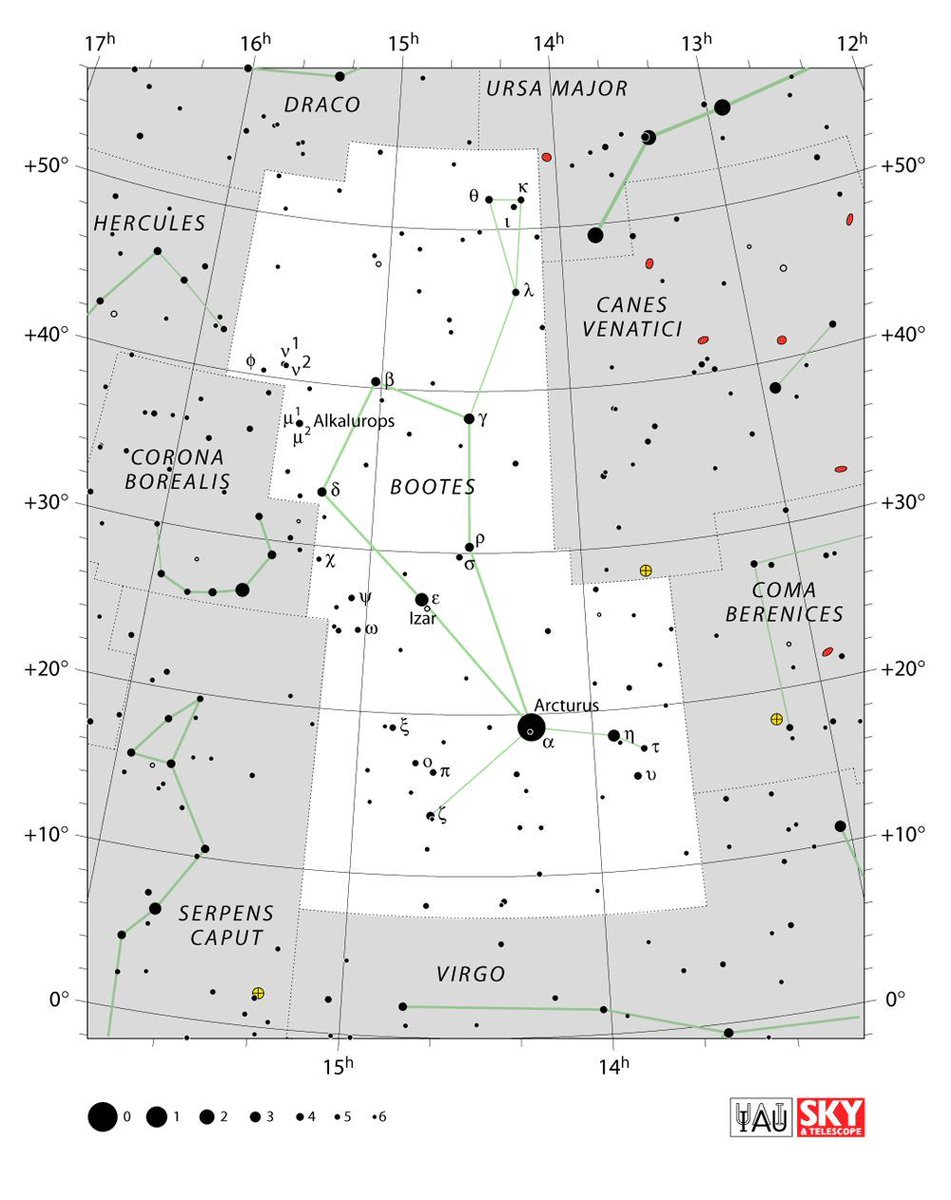
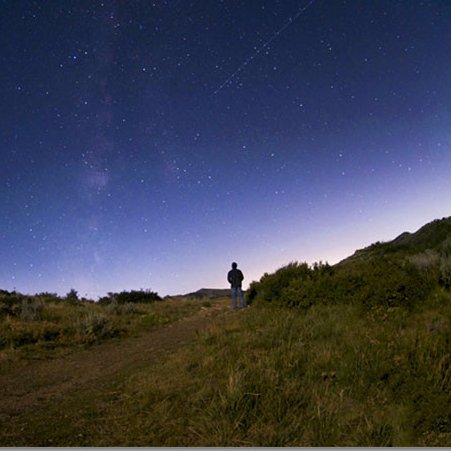
As summer progresses, bright Arcturus moves down the western side of the evening sky. Its pale ginger-ale tint always helps identify it. Arcturus forms the bottom point of the Kite of Boötes. The Kite extends upper right from Arcturus.
buff.ly/6g7dgAu#stargazing
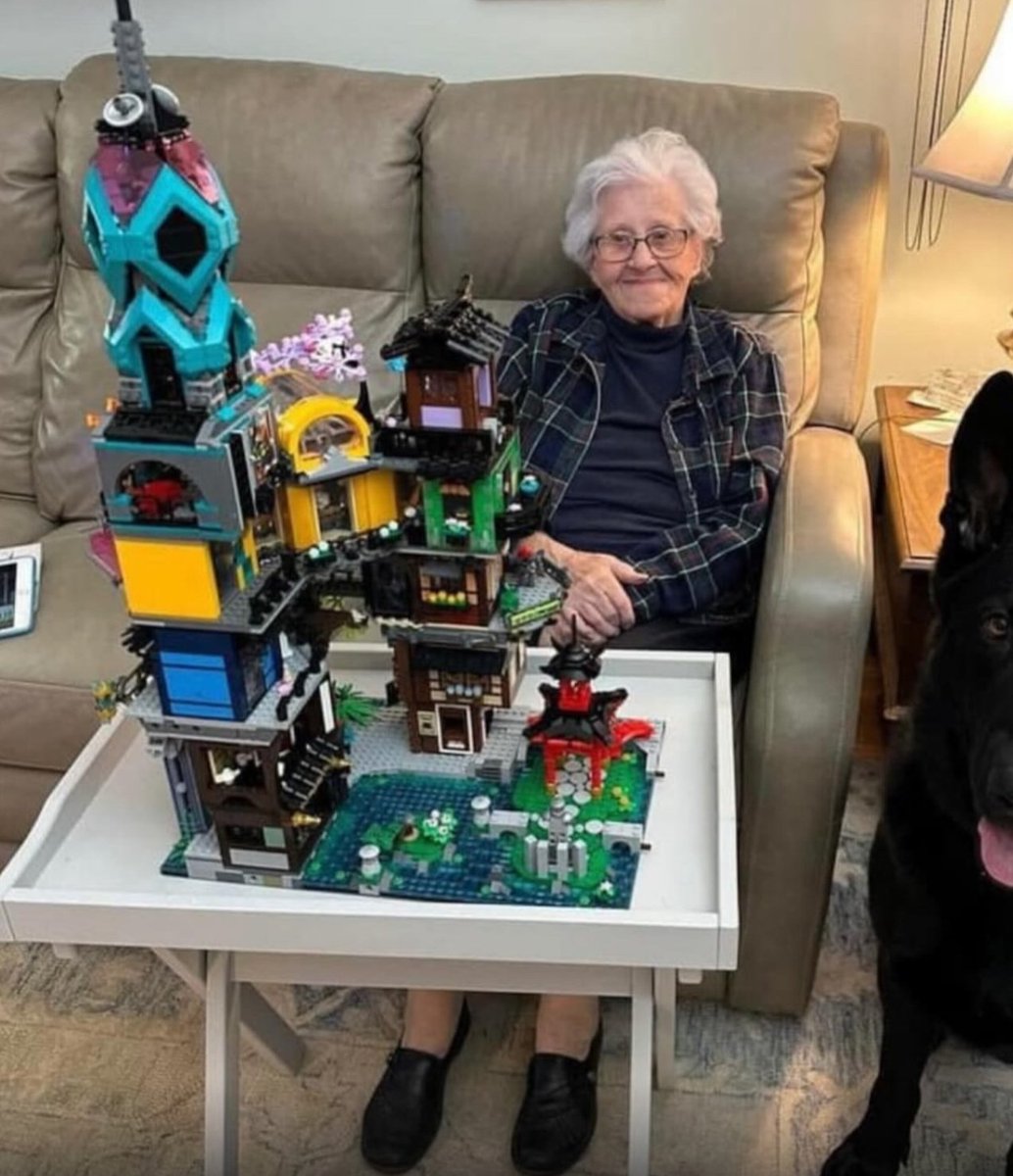
Mary didn't grow up with LEGO.
She discovered the hobby much later in life, long after most people would have assumed it was too late to start something new. What began as simple curiosity slowly turned into a weekly ritual. Even at 97 years old, she still spends around four to six hours building, one brick at a time, patiently bringing enormous LEGO creations to life.
Her collection includes some of the most demanding sets LEGO has ever produced. The LEGO Titanic alone contains 9,090 pieces and stretches more than 135 centimeters long. She has also completed the LEGO Colosseum, another masterpiece made from over 9,000 pieces, along with several other highly detailed display models.
Photographer Steven Farrel has documented her journey, often capturing her building in her cozy living room with her dog resting nearby. Those photos introduced millions of people to the woman now affectionately known as "LEGO Grandma."
There is no rush in the way she builds. No race to finish. Just steady hands, quiet focus, and the satisfaction of watching thousands of tiny pieces slowly become something extraordinary.
At an age when many people believe their best years of learning are behind them, Mary continues to prove that curiosity never grows old. Every completed model is a reminder that it's never too late to begin something new, and that passion doesn't measure time by birthdays.
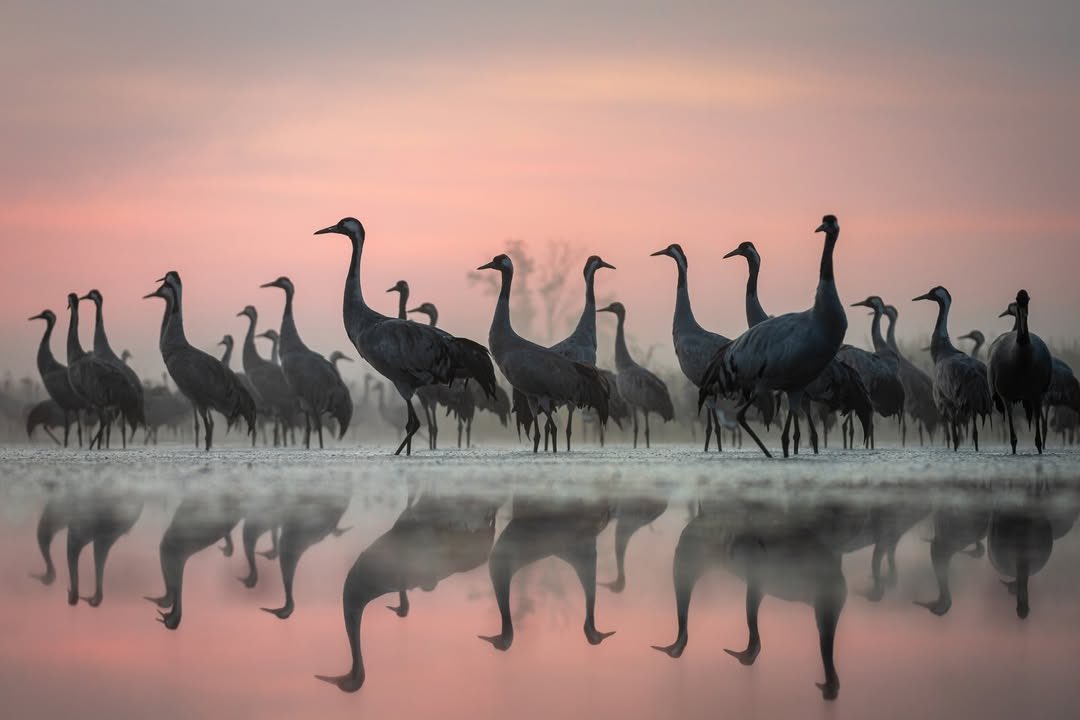
Before dawn, the photographer lay concealed in a mud hide, waiting. As the first light broke through the mist, Common Cranes emerged in eerie symmetry. Not AI.
📷 Łukasz Gwiździel
Every sheep in the UK has to be shorn for its welfare. There is no choice. Yet the heartbreaking reality is that it often costs more to shear a sheep than the fleece is worth.
So tonnes of beautiful British wool are treated as waste, burned, buried or composted, while we fill our wardrobes with synthetic fibres made from oil that shed microplastics into our rivers and seas.
It feels as though somewhere along the way we’ve forgotten the value of the things nature gives us so generously.
British wool is warm, breathable, biodegradable, renewable and grown every single year by animals already grazing our countryside. It deserves to be treasured, not thrown away.
Perhaps the answer isn’t to produce more. Perhaps it’s to remember what we’ve always had, and start valuing natural materials, skilled craftsmanship and the people who produce them once again.
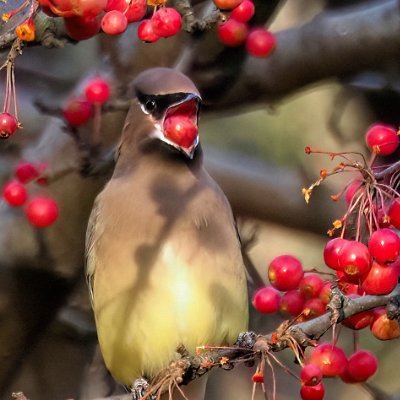
Among the thousands of Avocets, California Gulls and phalaropes along the Great Salt Lake were a couple of Long-billed Curlews. I've never seen one open its beak. My gawd! 😮😮😮 #Curlew#GreatSaltLake#birdcpp
Sound up for this!
Probably the deepest cave I’ve explored in my kayak. This can be found on the island of Wiay in Loch Bracadale, the Isle of Skye. The sea conditions were calm with hardly any swell. I explored deeper than I expected and wonder how many other humans have seen the depths of this sea cave before. I didn’t manage to see the end of it and by the sound, it went much further than I reached. I doubt if the conditions will often allow me to explore the depths again. It’s wonderful that this cave is in my kayaking back yard, so to speak.
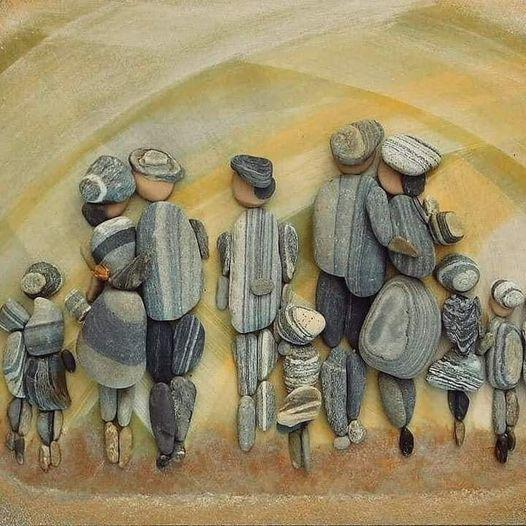
Suiseki (水石) are small naturally occurring or shaped rocks which are appreciated for their aesthetic or decorative value.
It's also the name of the art of arranging them into meaningful forms.
[📸 Szilajka Erzsébet]