

Bruce Patterson
3.6K posts
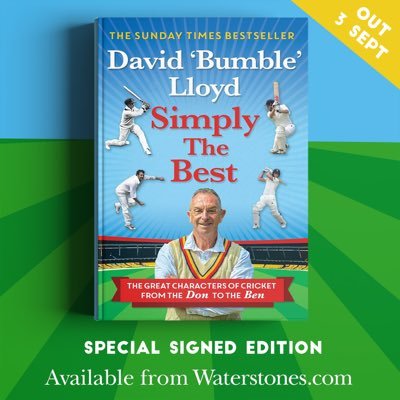

I can't speak all time but Jack Russell is clearly the best i've seen . No one close
No Context County Cricket@NoContextCounty
Who is the greatest wicketkeeper of all time?
English
When Mum and Dad passed away last year, I found this letter in their bedroom. I’m pretty sure it kick-started their 60 year relationship - Mum was clearly besotted.

English
@jayrayner1 There’s those that do and those that criticise - Ramsay started with nothing and built an empire creating thousands of jobs - and you ? An intellectual snob shouting from the cheap seats - pathetic
English
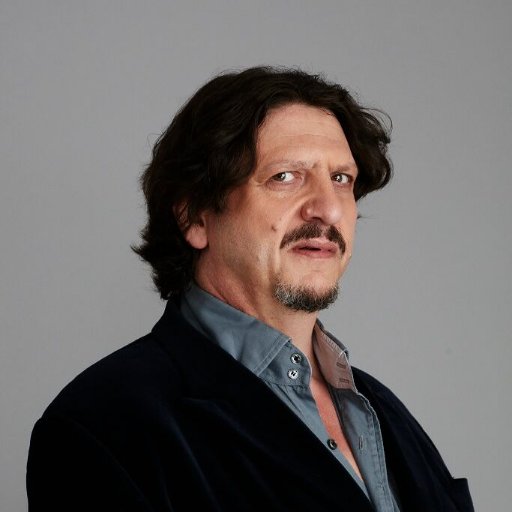
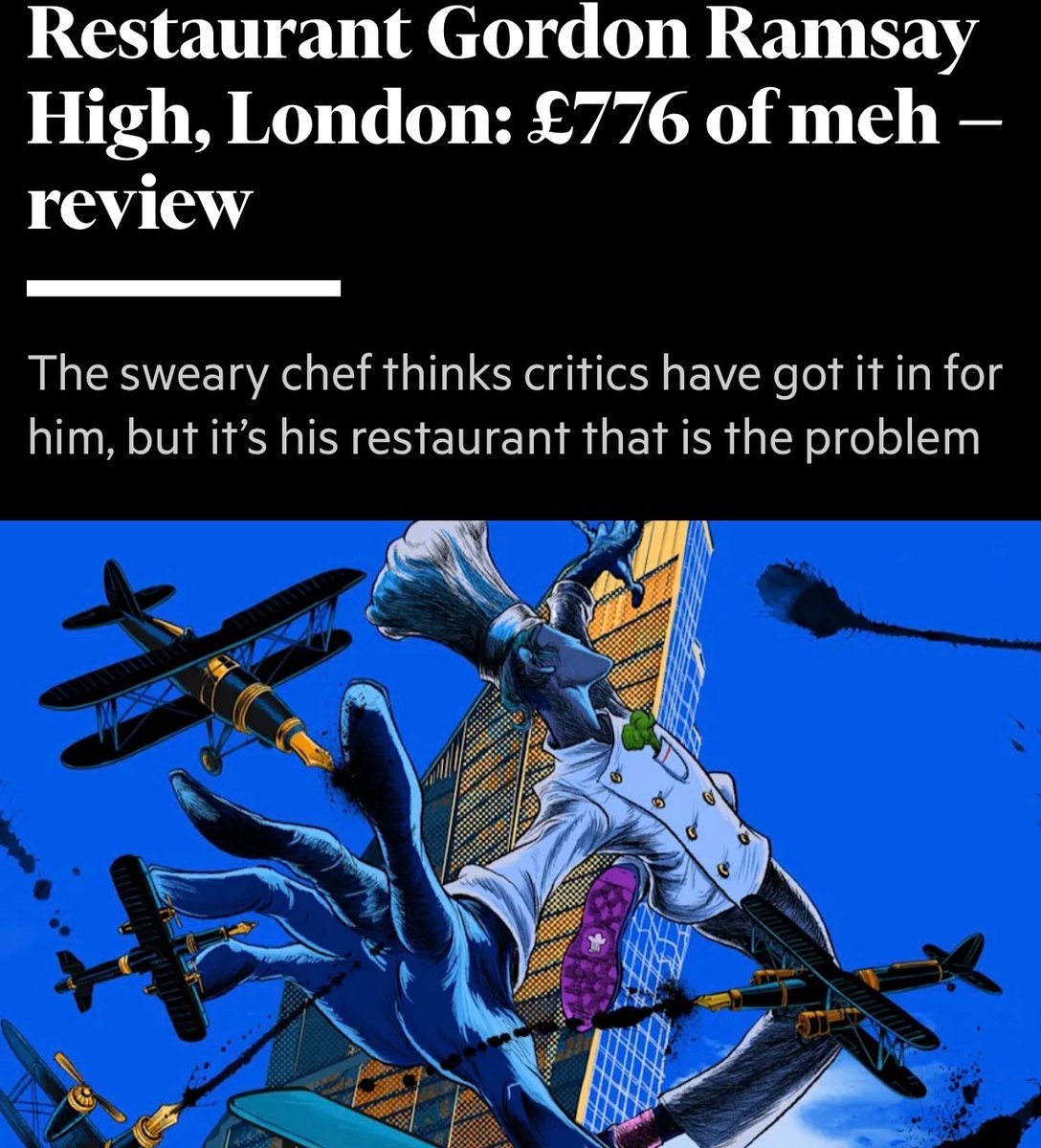
A few weeks ago an ad for Restaurant Gordon Ramsay High popped up on my personal Facebook page. So I went. So you wouldn’t have to. I have no problem with spendy restaurants. It just has to be worth it.
ft.com/content/40a07c…
English
@WG_RumblePants Fabulous brave player and absolute gentleman - had the pleasure of meeting him in the nets before a game at Aberdeen and chatted batting pre helmets - totally in awe
English

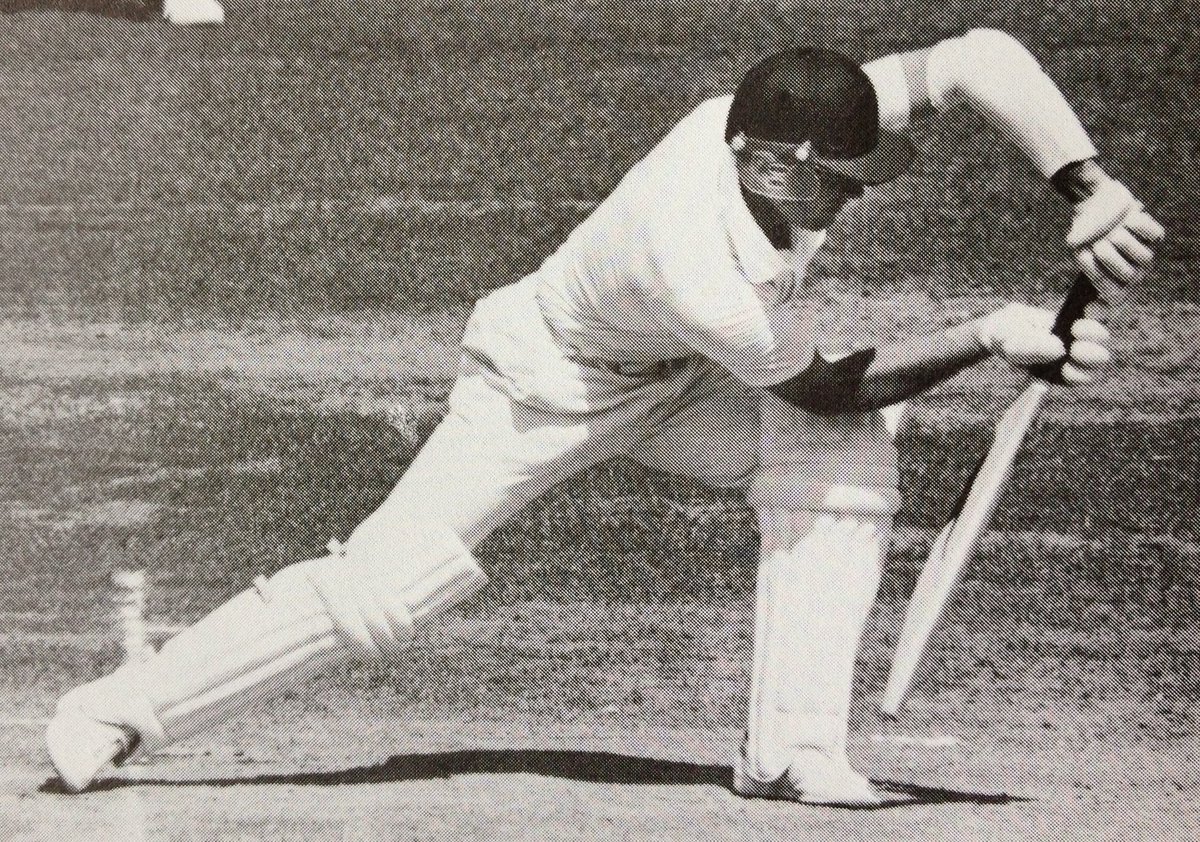
John Edrich seems to be another star of English cricket whose legacy isn’t as valued as it should be.
Despite looking 55 for most of his career, he was amongst the best players of his generation, playing 77 Tests, averaging 43.54 and scoring a triple century against NZ in 1965.
Lillee reckoned Edrich one of the hardest men to remove in world cricket.

English
English

Dear @NJ_Timothy
You described mass ritual prayer in public places as "an act of domination." You said the adhān - the Muslim call to prayer - is "a declaration of domination." I think you are profoundly wrong, in ways that matter - not just for Muslims, but for every Briton who wants to live in a country where diverse expressions of reverence are still possible in public life. Let me tell you what you are actually looking at when you see Muslims pray.
What the Qur'an actually teaches
The Qur'an contains a verse (22:40) that is extraordinary in the history of religious scripture. It grants permission to those who have been wronged to fight back against persecution - and then it explains why such resistance matters. The reason given is this: "Had God not repelled some people by means of others, monasteries, churches, synagogues and mosques - in which God's name is much remembered - would have been destroyed."
The Qur'an does not say: defend mosques. It says: defend monasteries, churches, synagogues and mosques. It places Christian, Jewish and Muslim houses of worship in a single breath, united by a single criterion - that they are places where God's name is remembered. The theological implication is breathtaking. The divine concern, in this verse, is the protection of all worship, not the supremacy of one form of it.
The Qur'an goes further. In 2:62, it says: "Those who believe, and those who are Jewish, and the Christians, and the Sabians - whoever believes in God and the Last Day and does good - they shall have their reward with their Lord. They have nothing to fear, nor shall they grieve." In 5:69, the same promise is repeated almost word for word.
The Qur'an also emphasises that salvation is not solely dependent on belief in any particular scripture, whether Islamic scripture, or the scriptures of 'People of the Book' (Jews and Christians). Rather, the criteria is sincere devotion to God:
“If they argue with you [Prophet], say, ‘I have devoted myself to God alone and so have my followers.’ Ask those who were given the Scripture, as well as those without one, ‘Do you too devote yourselves to Him alone?’ If they do, they will be guided, but if they turn away, your only duty is to convey the message. God is aware of His servants.” (3:20)
These verses say plainly that salvation is not the exclusive property of Muslims.
In 3:113-115, the Qur'an describes the People of the Book - Jews and Christians - with striking tenderness: "Among the People of the Book is an upright community. They recite God's revelations throughout the night and they prostrate. They believe in God and the Last Day, and they enjoin what is right and forbid what is wrong, and they hasten to do good deeds. These are among the righteous. Whatever good they do, they will not be denied it."
And in 5:82, the Qur'an says something remarkable about Christians specifically: "You will find the nearest of them in affection to the believers are those who say, 'We are Christians.' That is because among them are priests and monks, and because they are not arrogant." The Arabic word here - lā yastakbirūn -means they do not place themselves above others.
What the adhān actually says
You singled out the adhān as a declaration of domination because it contains the words "there is no god but God" and "Muhammad is the messenger of God." Let me offer you a different way to hear those words.
"There is no god but God" - lā ilāha illallāh - is the foundation of tawhīd, the radical oneness at the heart of Islam. It is a statement that no finite thing is ultimate. Money. Power. Ego. Tribe. Race. Nation. Not even the self. Every idol - every false absolute that human beings construct and then bow before - is swept away in that single phrase. The point of the shahāda is liberation. It frees the human being from servitude to anything less than the Real, al-Haqq, another name of the Divine.
The Arabic word Allāh, Nick, is simply the Arabic word for God - al-ilāh, the God. Arabic-speaking Christians use it in their liturgies. Arabic-speaking Jews use it in their prayers. The Maltese word for God - Alla - comes from the same root, and Malta is one of the most Catholic countries in Europe. When the adhān says Allāh, it is naming the same ultimate Reality that every monotheist reaches toward. As the Qur'an itself says (29:46): "Our God and your God is One."
And "Muhammad is the messenger of God" simply places Muhammad in a chain of prophecy that the Qur'an honours at enormous length. "We surely sent a messenger to every community" (16:36). Abraham, Moses, Jesus, David, Solomon, Jonah, John the Baptist - the Qur'an names them all as messengers of the same God, carrying the same essential call. To say Muhammad is a messenger is to say he belongs to that company. It is an act of humility about the Prophet himself - he is a messenger, not the message.
The adhān, in its entirety, is an invitation. Literally. It calls Muslims to turn away from whatever they are doing - buying, selling, eating, talking, working - and to stand before God in gratitude and surrender. It is a public announcement that the time for reconnection with the Real has arrived. It is addressed to Muslims. It is telling them: stop. Remember. You are not the centre of the universe. God is.
What the Prophet actually built
After the Prophet Muhammad migrated to Medina, he did something that has few parallels in the ancient world. He drew up what historians call the Constitution of Medina - a covenant between the Muslim community and the Jewish and pagan clans of the city, establishing a shared civic order across religious lines.
Under this covenant, all communities retained the freedom to practise their faith and govern their own affairs. The principle was universal, even though the Jewish tribes were the primary non-Muslim signatories. And the language of the covenant is extraordinary: the Jews of Banū ʿAwf are "one community with the believers" - ummah wāḥidah ma'a al-mu'minīn - with "the Jews having their religion and the Muslims having theirs."
One community with the believers. Not subjects, or a tolerated minority. One community bound together in a shared civic body, each retaining its own faith, its own law, its own courts. The Constitution of Medina established a framework of secular religious pluralism in which diverse communities coexisted under mutual obligation and shared civic belonging. That was the Prophet's model of governance, built in the first generation of Islam.
The same principle extended beyond Medina. When a delegation from the Christians of Najrān came to the Prophet, he granted them a covenant protecting their churches, their clergy, and their right to practise their faith - and tradition records that he invited them to pray in his own mosque (huffpost.com/entry/pluralis…)
And the Prophet reinforced this ethic with a warning that rings across the centuries. He said: "Whoever killed a mu'āhid" - a non-Muslim living under covenant protection - "shall not smell the fragrance of Paradise." The protection of religious minorities was so central to the Prophetic model that violating it could, in the Prophet's own words, cost a Muslim the hereafter.
The Qur'an's own instruction on this point is unambiguous. "There is no compulsion in religion" (2:256). And in 3:64, it tells Muslims what to say when they encounter Jews and Christians: "Say: O People of the Book, come to a common word between us and you - that we worship none but God, that we associate nothing with Him, and that none of us takes others as lords beside God."
Come to a common word is the Qur'anic posture toward other faiths - not domination, Nick, but invitation to shared ground.
And in one of the most beautiful expressions of deliberate divine pluralism, the Qur'an says (5:48): "To each of you We have given a law and a way. Had God willed, He would have made you one community, but He tests you through what He has given you. So compete with one another in doing good."
God could have made humanity uniform. He chose otherwise. And the response the Qur'an demands is that all communities, whatever their religion, race one another toward goodness. I wish you could hear that, Nick, before calling it domination.
What prayer actually looks like
The physical form of Muslim prayer - standing, bowing, kneeling, prostrating - is also not alien to the Biblical tradition.
Genesis 17:3: "Abram fell on his face, and God talked with him." Joshua 5:14: "Joshua fell on his face to the earth and worshipped." Matthew 26:39: "He went a little farther and fell on his face, and prayed, saying, 'O my Father, if it be possible, let this cup pass from me.'" That is Jesus, in his most anguished hour, praying in the posture of sujūd - forehead to the ground. Psalm 95:6 calls the faithful to worship in exactly the language of Islamic prayer: "O come, let us worship and bow down; let us kneel before the Lord our maker."
Jewish liturgical practice preserves this embodied grammar to this day. The Amidah - the central prayer of Jewish worship - is a standing prayer. Bowing remains integral to it. And on the High Holy Days, Yom Kippur above all, kneeling, bowing and forms of full prostration remain living elements of Jewish worship.
When Muslims stand, bow, kneel and place their foreheads on the ground, they are doing what Abraham did. What Moses did. What Jesus did. What the Psalmist called all people to do. The form of prayer you find threatening is one of the oldest continuous practices of worship in the Abrahamic world. These prayer forms share striking similarities with yoga asanas and forms of Hindu worship practised over thousands of years.
What sujūd actually means
In sujūd - prostration - the forehead touches the earth. The highest point of the human body, the seat of reason and pride and self-regard, is brought to the lowest place. Dust meets dust. The ego, for a moment, is dissolved.
This is surrender - islām, in its most literal meaning. Surrender of the will, the pride, the illusion that any human being is sovereign. The surrender of the egoic self - its greed, its cruelty, its hunger for dominance - to something immeasurably higher. In the Islamic tradition, what the worshipper surrenders to is spelled out in the Divine Names themselves: al-Wadūd, the Loving; al-Raḥmān, the All-Compassionate; al-ʿAdl, the Just; al-Karīm, the Generous. The ego bows so that love, compassion, justice and generosity can rise in its place. In sujūd, the Muslim enacts what every mystic tradition in every civilisation has always known: that the deepest freedom comes when the lower self yields to what is highest and most beautiful.
That is what was happening when you saw Muslims praying in public, Nick. Hundreds of human beings, in the middle of a city that celebrates its diversity, placing their foreheads on the ground in an act of yielding the self to Love, to Mercy, to Justice. The body enacting humility. The forehead returning to dust. I wonder what it would take for you to see that.
What public worship in Britain actually looks like
It is worth noting, Nick, that public religious observance in Britain is not uniquely Muslim - nor is it new. Trafalgar Square has hosted major Christian prayer and worship gatherings, including the 2019 Pentecost event where thousands of Christians gathered in open prayer and praise.
It hosts Vaisakhi on the Square each year, celebrating Sikh faith, culture and the founding of the Khalsa. A giant Chanukah menorah is lit there annually, recorded in London's official reports as a public celebration of Jewish life.
The square already belongs to many communities. Christians have prayed there. Sikhs have worshipped there. Jews have celebrated there. Muslims are doing what everyone else has already done - bringing reverence into public life, openly, in a city that has long made room for it.
The question is whether that room will continue to exist. Or whether, one public statement at a time, we will construct a Britain where some citizens are not welcome.
Nick, perhaps you saw something unfamiliar and interpreted it through a framework of anxiety that is widespread in British public life - a framework in which Muslim visibility is automatically read as Muslim threat.
But the tradition you described so confidently is one you do not appear to know very well. And that gap between confidence and knowledge is dangerous in a lawmaker, because it shapes policy, it shapes rhetoric, and it shapes the lives of real people, your constituents among them.
If you genuinely want to understand the theological vision behind what you saw - tawhīd, love, pluralism, the Prophetic ethic of protecting difference rather than erasing it - I would warmly invite you to explore these ideas at Perennial Vision (perennialvision.org).
The work there examines Islam's deepest teachings on the unity of the Divine, the dignity of every human being, and the sacred obligation to protect the worship and freedom of all communities, not only one's own.
Britain is enriched when people bring reverence, gratitude into public life respectfully. It is diminished when every unfamiliar act of devotion is redescribed as conquest by those who have yet to understand what prayer is.
With love, and in good faith,
Nafeez
Nick Timothy MP@NJ_Timothy
Too many are too polite to say this. But mass ritual prayer in public places is an act of domination. The adhan - which declares there is no god but allah and Muhammad is his messenger - is, when called in a public place, a declaration of domination. Perform these rituals in mosques if you wish. But they are not welcome in our public places and shared institutions. And given their explicit repudiation of Christianity they certainly do not belong in our churches and cathedrals. I am not suggesting everybody at Trafalgar Square last night is an Islamist. But the domination of public places is straight from the Islamist playbook. Trafalgar Square belongs to all of us. It is a national memorial to our independence and our salvation. Last night was not like a televised football match or a St Patrick’s Day celebration. It was an act of domination and therefore division. It shouldn’t happen again.
English
@AMP86793444 Patrick Patterson and the late Hugh Morris
English
I can recognise Dujon behind wickets. Not sure about bowler or batsman.
Is it Patterson?
Anyone?
SportRadioAS 🇮🇳@SportRadioAS1
Why do you like cricket so much? Me - 👇
English

This man made me fall in love with cricket when I was 7 years old. I still love cricket & I still love him.
WeymarOnCricket@weymarplanet
Playing without a helmet, Sir Viv Richards intimidated bowlers with swagger, powerful drives, and hooks often advancing down the pitch. He averaged a massive 66.51 during his peak 1976–1983 phase. 🐐🇯🇲
English
@WG_RumblePants Tony Greig - “ weeeeellll thit was an …….. absolute rip snorter of a dilivery “
English
@Rajiv1841 Except at point of ball release he moved to a side on position
English
@JohnRossBeattie Bravo Mr Ramos - serious pressure kick
English
A couple of key bits. At 79 mins Pollock blows it with an unnecessary pass when match was there for winning. Then was it really a high tackle?
ITV Rugby@ITVRugby
The final 8 minutes of play that decided the 2026 Six Nations title
English
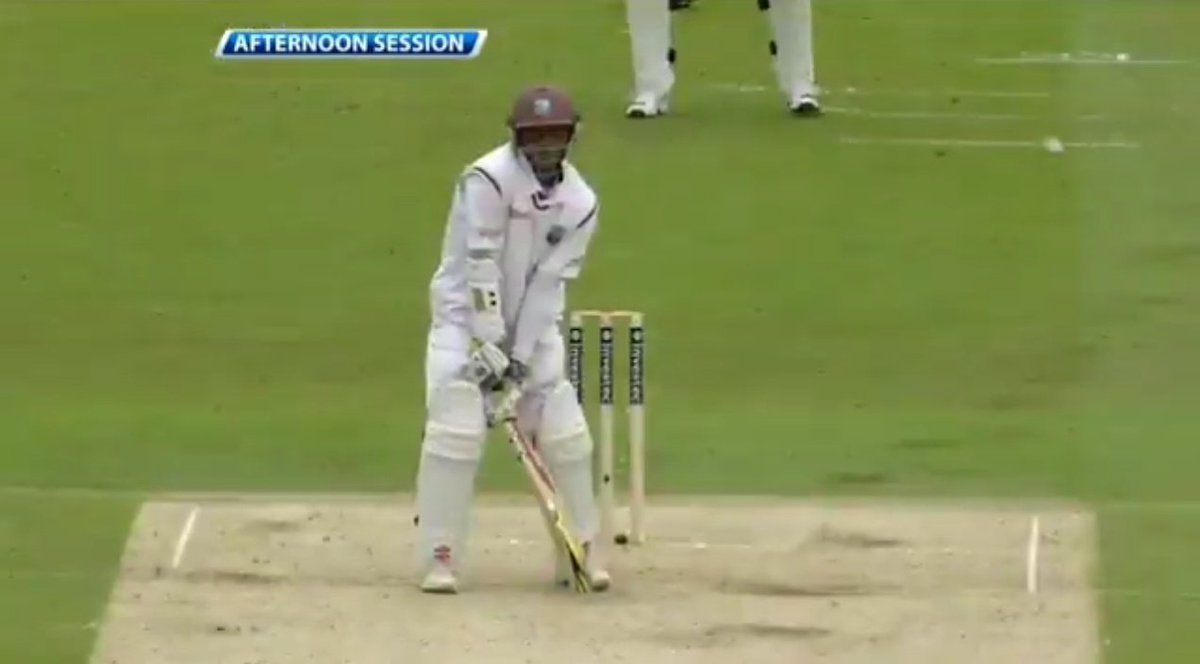
No helmet, no fear.
@KrisSrikkanth against Patrick Patterson - one of the fastest bowlers of all time.
English

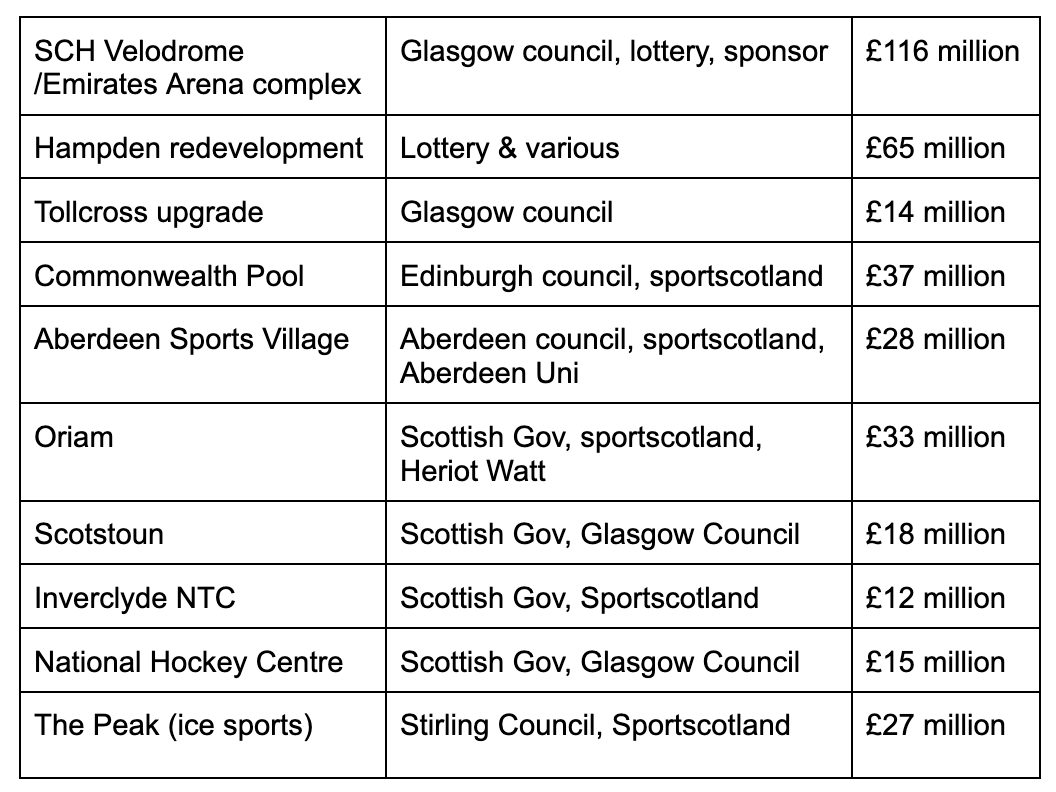
Why do so many people think like this? You obviously don't pay for it out of CS's normal operating budget, you get buy-in from Gov/counsel/ICC/ sportscotland/ lottery etc, like any normal sport.
A few examples... how many people play curling/hockey/track cycling vs cricket?
Bruce Patterson@BrucePatterson3
@Chris39723499 How do you build a stadium when CS annual budget is £1.5m ? Where does the money come from ?
English

Nobody
Absolutely nobody
Absolutely and utterly nobody
Some 38 year old man to some 14 year old batter in Cricket Leinster div 16
Bangladesh Cricket@BCBtigers
Crucial moment! Mehidy Hasan Miraz removes Salman Agha with a brilliant run-out. ⚡🏏 #BCB #Cricket #Bangladesh #Pakistan #ODI
English
@Chris39723499 How do you build a stadium when CS annual budget is £1.5m ? Where does the money come from ?
English
The original WC bid documents envisioned a new 15,000 capacity national stadium in Edinburgh, set to be complete by the end of ... 2026 😂
The failure to leverage WC hosting rights to deliver a national facility would go down as one of this administration's top failures.
Cricket Scotland@CricketScotland
Cricket Scotland is inviting proposals from organisations to undertake a venue feasibility assessment ahead of the ICC Men’s T20 Cricket World Cup 2030. ➡️ cricketscotland.com/Article/98358b…
English


The walk. The chewing gum. The Maroon cap. ❤️
To the man who made the world stand still everytime he stepped onto the field. 👑🎂
English

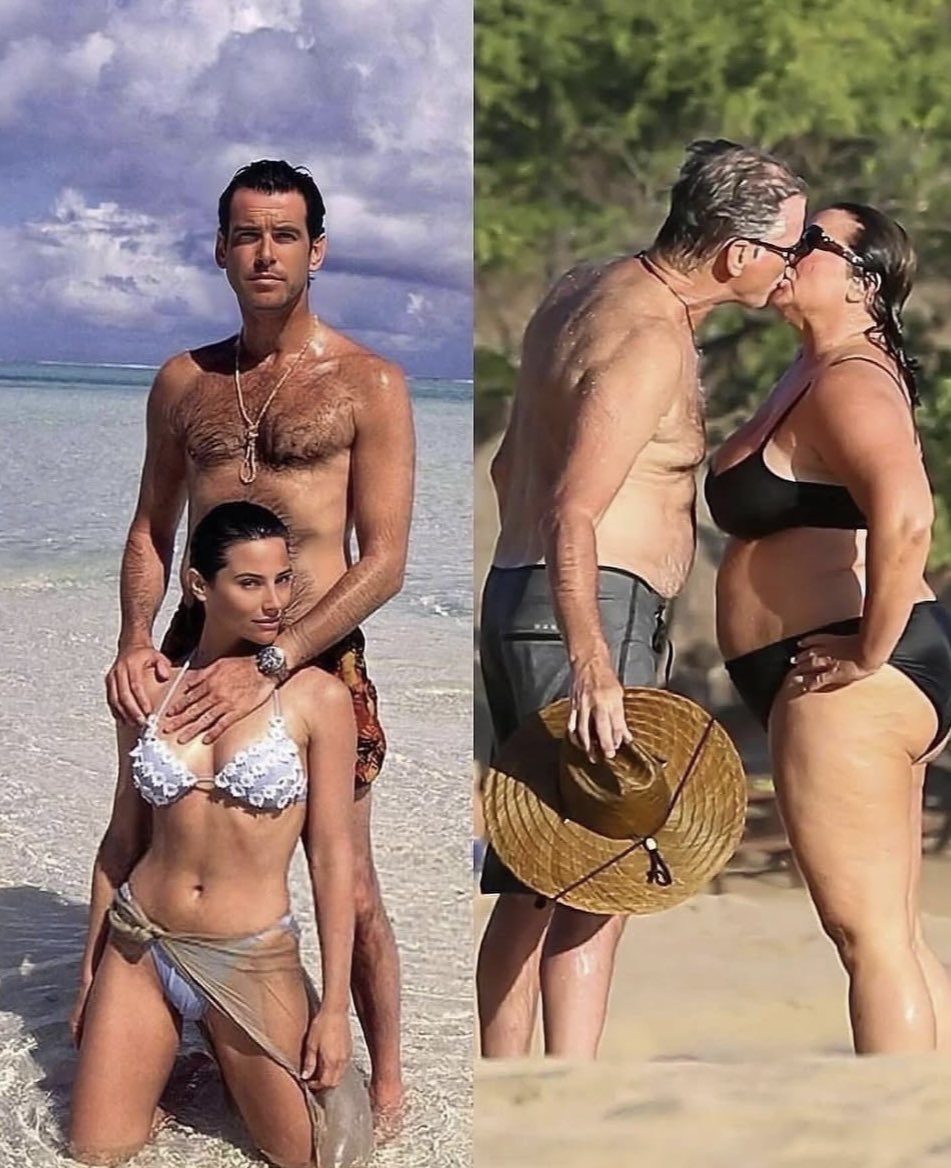
Pierce Brosnan married Keely Shaye Brosnan in 2001 after first meeting in 1994.
English