Nicolas Cramer

3.2K posts

Nicolas Cramer banner
Nicolas Cramer

Nicolas Cramer

@cramer

Founder and principal at Cramer Office, a design studio for founders at inflection points

Katılım Haziran 2010
334 Takip Edilen465 Takipçiler
Nicolas Cramer
Nicolas Cramer@cramer·
Better typography on the average site and originality becomes more valuable. Win win
Nav Toor@heynavtoor

🚨 Someone reverse-engineered the design systems of Apple, Spotify, Airbnb, and 30+ billion-dollar companies. Packed each one into a single file. Free. It's called Awesome Design MD. Drop one file into your project. Your AI agent builds UI that looks like Spotify. Or Apple. Or Airbnb. Instantly. Not screenshots. Not Figma links. A single DESIGN .md file that captures every color, font, spacing value, button style, and layout pattern from a real website. In a format AI agents read and reproduce. Here's the difference: Tell Claude Code "build me a landing page" and it gives you generic UI. Tell Claude Code "build me a landing page" with Spotify's DESIGN .md in your project and it gives you Spotify. Here's what's inside: → Apple. Premium white space, SF Pro typography, cinematic imagery. → Spotify. Vibrant green on dark, bold type, album-art-driven layout. → Airbnb. Warm coral accent, photography-driven, rounded UI. → Linear. Ultra-minimal, precise spacing, purple accent. → SpaceX. Stark black and white, full-bleed imagery, futuristic. → BMW. Dark premium surfaces, precise German engineering aesthetic. → NVIDIA. Green-black energy, technical power aesthetic. → Uber. Bold black and white, tight type, urban energy. → Sentry, PostHog, Raycast, Cursor, ElevenLabs, and 20+ more. Here's how to use it: → Pick a design system from the collection → Copy the DESIGN .md file into your project root → Tell your AI agent to use it → Get UI that matches the design language of a billion-dollar company That's it. One file. Your AI agent now has the design taste of a $200/hour design consultant. Designers charge $5,000+ for a custom design system. Companies spend $50,000+ building one from scratch. This is free. 31 design systems. Copy. Paste. Ship beautiful UI. Works with Claude Code, Cursor, Codex, and any AI coding agent that reads project files. 100% Open Source. MIT License.

English
0
0
0
47
Nicolas Cramer
Nicolas Cramer@cramer·
@thenanyu what poor incentives have you seen—no check on the impulse to design for other designers?
English
0
0
1
2.8K
Nan Yu
Nan Yu@thenanyu·
Yes. PMM is a product concern. I see a lot of orgs out there combining design and product management, which I think creates all sorts of poor incentives. But product management and product marketing are a much more natural fit together.
Tony Fadell@tfadell

Most tech companies break out product management and product marketing into two separate roles: Product management defines the product and gets it built. Product marketing wires the messaging- the facts you want to communicate to customers- and gets the product sold. But from my experience that's a grievous mistake. Those are, and should aways be, one job. There should be no separation between what the product will be and how it will be explained- the story has to be utterly cohesive from the beginning. Your messaging is your product. The story you're telling shapes the thing you're making. I learned story telling from Steve Jobs. I learned product management from Greg Joswiak. Joz, a fellow Wolverine, Michigander, and overall great person, has been at Apple since he left Ann Arbor in 1986 and has run product marketing for decades. And his superpower- the superpower of every truly great product manager- is empathy. He doesn't just understand the customer. He becomes the customer. So when Joz stepped into the world with his next-gen iPod to test it out, he fiddled with it like a beginner. He set aside all the tech specs- except one: battery life. The numbers were empty without customers, the facts meaningless without context. And, that's why product management has to own the messaging. The spec shows the features, the details of how a product will work, but the messaging predicts people's concerns and finds way to mitigate them. - #BUILD Chapter 5.5 The Point of PMs

English
16
12
282
41.2K
Sahil Bloom
Sahil Bloom@SahilBloom·
I ran 12 miles through the backroads of Franklin, Tennessee early this morning. I think this may be on my list of best places to live. Beautiful scenery. Peaceful, open spaces. Quiet, but near a fun, lively city. Proximity to a major airport. Nice weather but still some seasons.
English
402
61
2.7K
543.8K
Kevin Yien
Kevin Yien@kevinyien·
The belief that EPD is collapsing into a single role called a “builder” is based on the incorrect assumption that product manager, engineer, and designer had the right boundaries to begin with. For example, many of the people with the title “designer” that I respected the most were already a combination of “product manager + product designer + frontend engineer”. Now they can do each aspect even better / more. But they are still a “designer” (at least imo). The same applies to product managers who can (and should) do more of the product marketing, selling, and growth work. Anyone looking for the new neat buckets to slot into will have a hard time over the next decade. The reality is that roles are simultaneously expanding and deepening (which many are ready for, or straight up don’t want to happen).
English
14
14
191
26.6K
Karri Saarinen
Karri Saarinen@karrisaarinen·
My thinking too is that everyone can now do more of everything, you still have a lot variance in skills, interests or taste. On average PMs tend to optimize impact/metrics/completeness, engineers optimize efficiency/delivery, designers expression/vibes. Try to make engineer, PM and designer design something. All turn out differently. I think why lot of products has degraded the last decade that it’s been data and metrics driven, and often engineering driven. Rarely design driven. One argument is that two former aspects matter more than design, therefore it’s rational companies optimize it. But the other factor is that designers rarely start companies so we haven’t seen enough examples of the latter. Now in this new decade if we think about how to build great products, and products with great experiences, I’m not sure what is the right model. If anything, the most ai forward teams follow the former speed > impact optimization. I have bit hard time trusting a “builder” just do all the product aspects well. The former model relied ideally some equal tradeoff negotiation between these roles (which in practice maybe didn’t happen much or enough). I don’t have the answer but wish we could find model that optimizes for a great product experience, and aligns the people roles around it. It’s very easy everything turn in to slop now so wish there would be some counterbalance to it.
English
5
4
114
16K
Phish0n
Phish0n@CryptoOnDMind·
December 2022 ( #Bitcoin ~$16,800–$17k, near the bear market bottom): @Cramer said he sold all his crypto and “wouldn’t touch crypto in a million years.” He also called it “never too late to sell an awful position.” Bitcoin then surged over 500% in the following three years April 2021 (Bitcoin ~$63k): He sold his Bitcoin “to pay the mortgage” and dismissed it as “fake money for real money.” That was right near the local top before a sharp multi-month decline, but the long-term uptrend resumed strongly afterward.
English
2
0
0
174
Bitcoin Teddy
Bitcoin Teddy@Bitcoin_Teddy·
Jim Cramer says, "I don’t believe Bitcoin can reach $500k, let alone $1.0m, that’s improbable."
Bitcoin Teddy tweet mediaBitcoin Teddy tweet media
English
74
30
330
22.9K
Soleio
Soleio@soleio·
@benhylak Here’s what no one is talking about:
English
2
0
53
5.3K
ben (is hiring engineers)
ben (is hiring engineers)@benhylak·
i feel like i'm going crazy, but almost every reply i see on twitter is just ai generated slop. i don't even know if it's actual bots, or people using AI to write stuff for them, or...
English
56
1
236
15.6K
Nicolas Cramer
Nicolas Cramer@cramer·
@thenanyu so much this. is there a name for a designer who doesn’t like designers?
English
0
0
0
90
Nicolas Cramer
Nicolas Cramer@cramer·
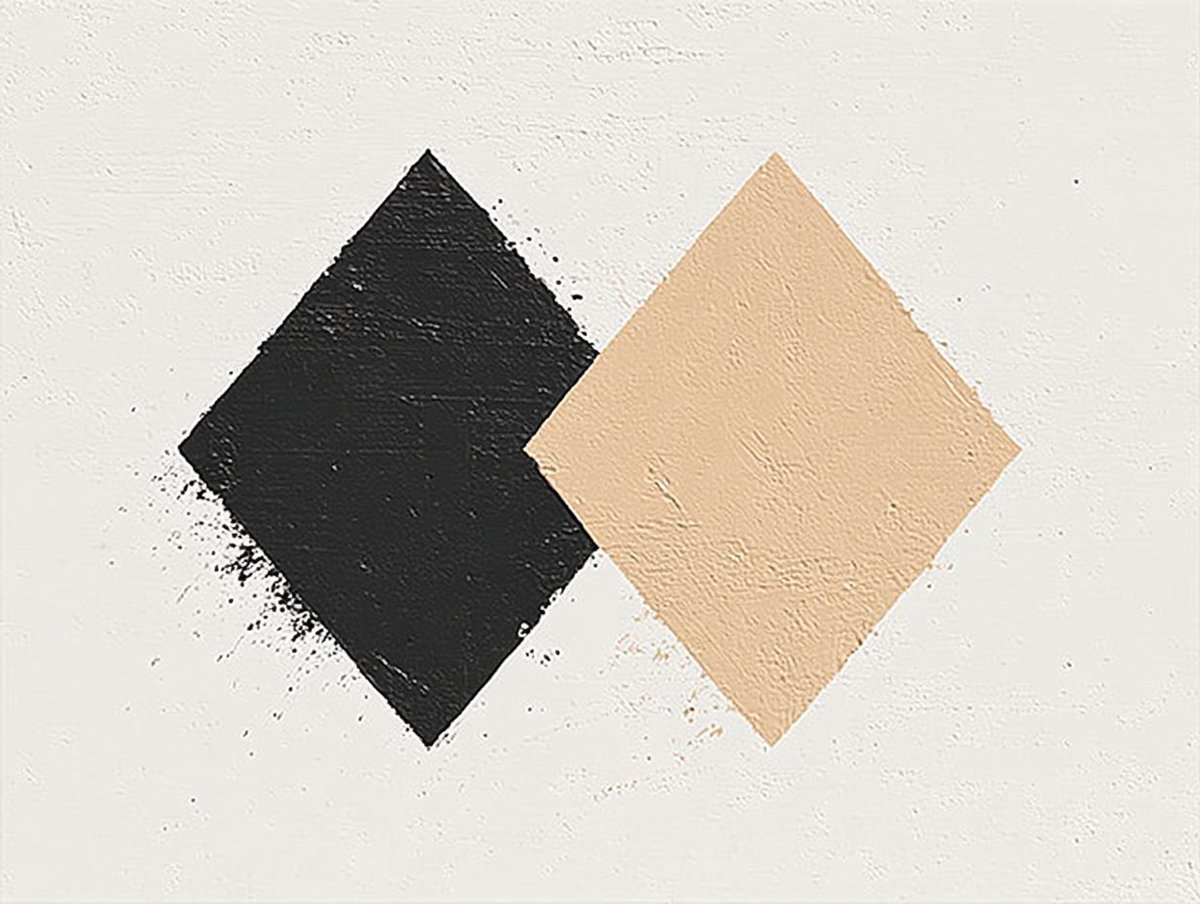
@elanmiller the diamond. i find i do it best when i get in a walk or workout and come back to be the editor for r2
Nicolas Cramer tweet media
English
1
0
0
48
Elan Miller
Elan Miller@elanmiller·
Trying a new thing lately: R1 creative presentations are more of a testing ground to see how far I can push a concept before worrying about execution. I find that if I polish too early, I end up defending a headline or design instead of exploring whether the territory is even right. Armed with feedback, really bring it home in R2.
English
1
0
11
468
signüll
signüll@signulll·
when you’re doing something genuinely new you have no market signal, no comp set, & no validation loop. the only reliable prior is your own aesthetic judgment. that’s what artists operate on by necessity. founders at zero should too. e.g. we are a couple of ppl having fuck loads of fun building. like we get a genuine high from this. this effectively turns our office into an opium den.
English
25
20
320
15.9K
Dan Shipper 📧
Dan Shipper 📧@danshipper·
new model for engineering team structure in 2026: 2 people only one pirate and one architect the pirate's job is to move as fast as possible to develop valuable, shipped product features by vibe coding. the architect's job is to turn the product surface discovered by the pirate into a reliable, structured machine—also by vibe coding, but at a slower, more well-reasoned pace. every product needs a pirate but most product's only need an architect once they some form of PMF, and in that case they usually don't need one full-time. architects can work across many codebases and solve interesting technical challenges. pirates go hard on a product that they own end-to-end.
English
339
290
4.5K
621.1K
Brandon Jacoby
Brandon Jacoby@JacobyBrandon·
when cost of labor and materials is reduced for everyone, the result is that everything starts to feel the same
Brandon Jacoby tweet media
English
5
0
11
1.4K
Stocktwits
Stocktwits@Stocktwits·
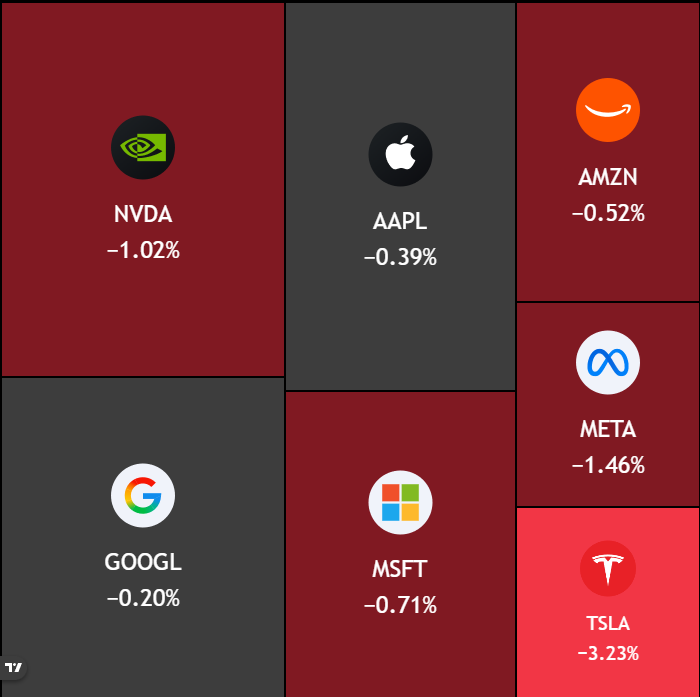
What a bagnificent day
Stocktwits tweet media
English
18
15
170
15.3K
Dan Shipper 📧
Dan Shipper 📧@danshipper·
How to never lose your job to AI: Just surf the models. Frontier models outclass humans at any form of knowledge that can be written down. But people who use frontier models in their field of expertise generate new, tacit, situational expertise that the models don't yet have—because the models can't be trained on how they will be used in the future. Humans can learn to use new models faster than new models can be trained that absorb what they find out, so you can continually "surf" on top of the model's intelligence to generate new expertise. This is a fundamental limitation of LLMs because they don't learn past their training data. Even few-shot learning doesn't account for this because whatever can be codified into a few shot prompt needs to be used in the correct situation—and this will always stay uncodified in the general case. Just surf the models. Reap the benefits of a totally new world.
English
66
50
532
49.3K
Sam Parr
Sam Parr@thesamparr·
@rfkenmore i own the lee buck jean. its amazing as its good for big asses and thighs. this jcrew ish got a bunch of white pancake ass mf-ers. that's a no for me, dog.
English
3
0
12
5K
R.F. Kenmore
R.F. Kenmore@rfkenmore·
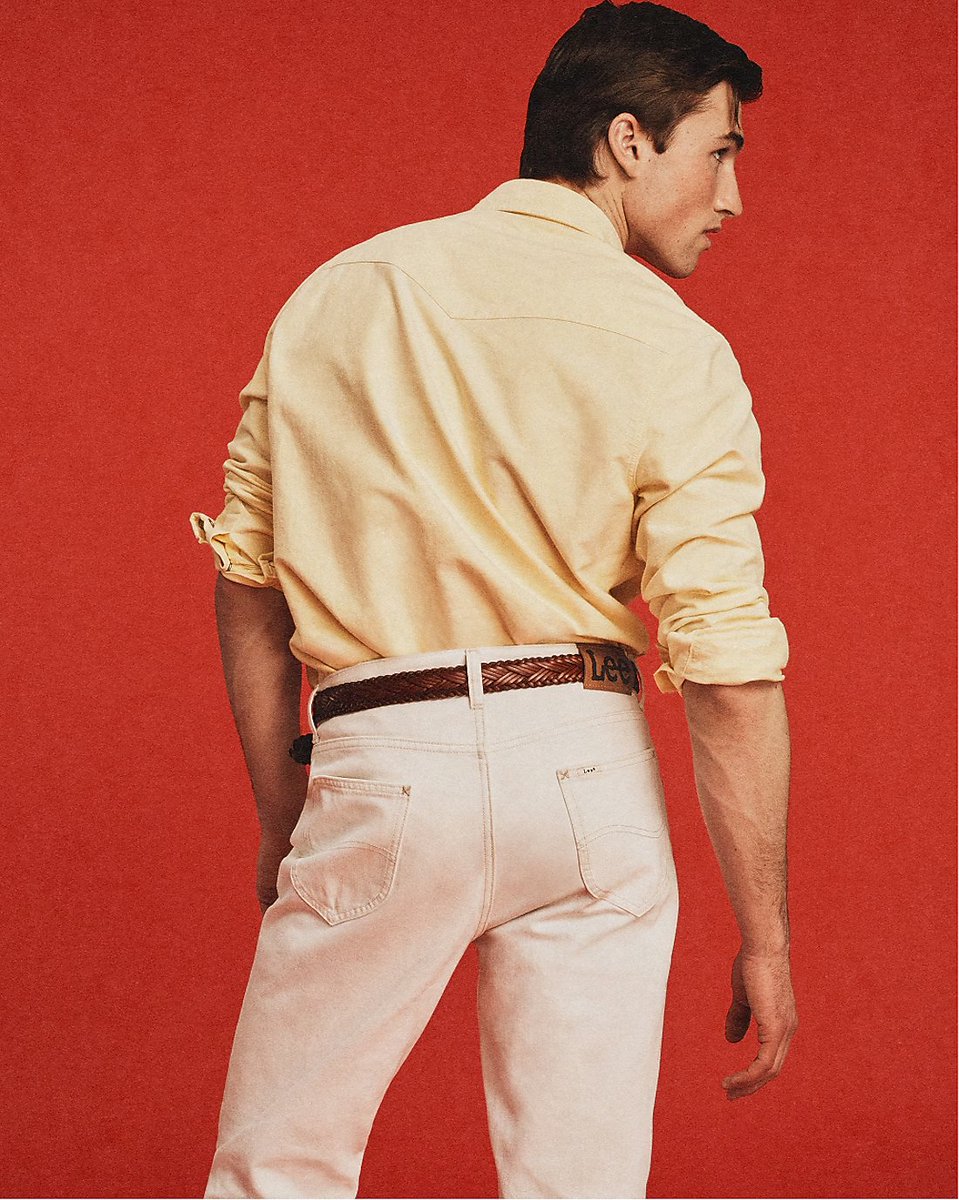
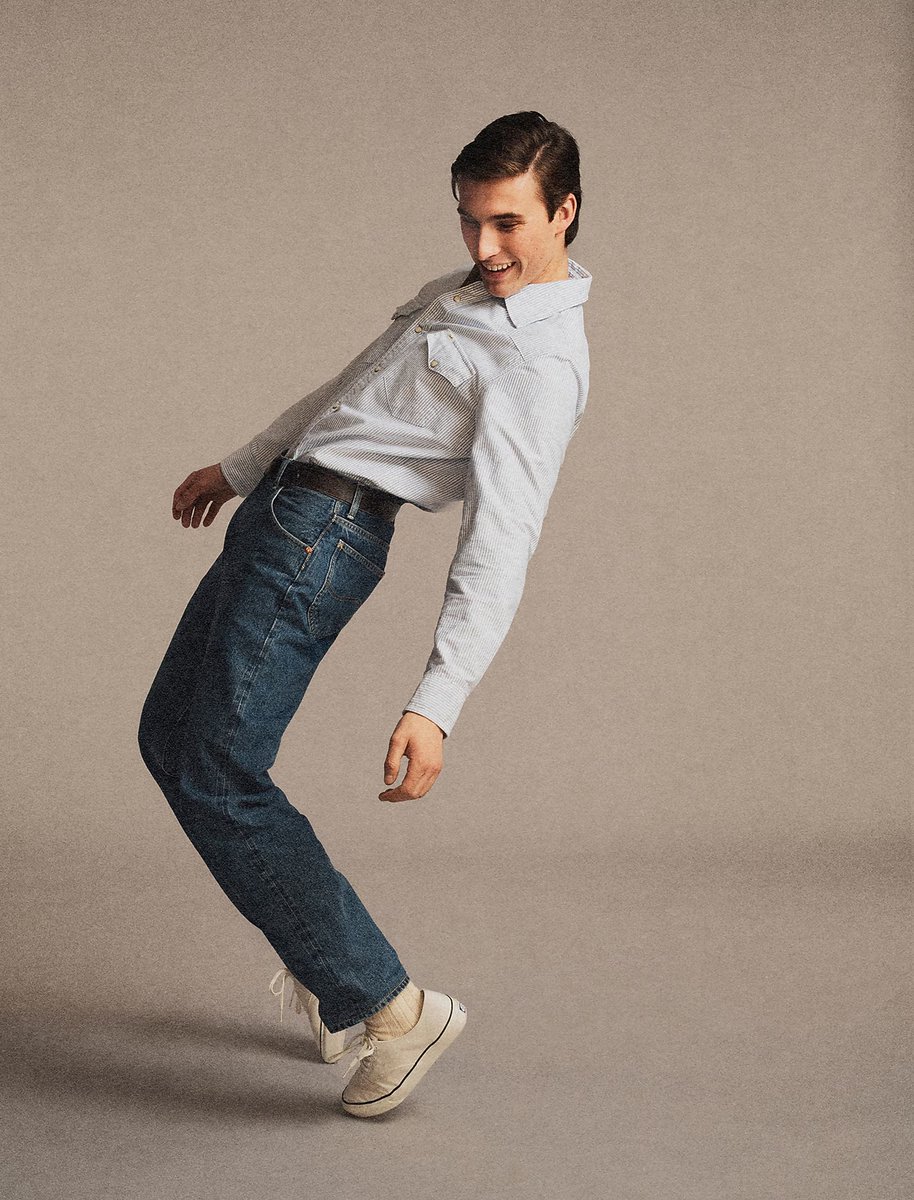
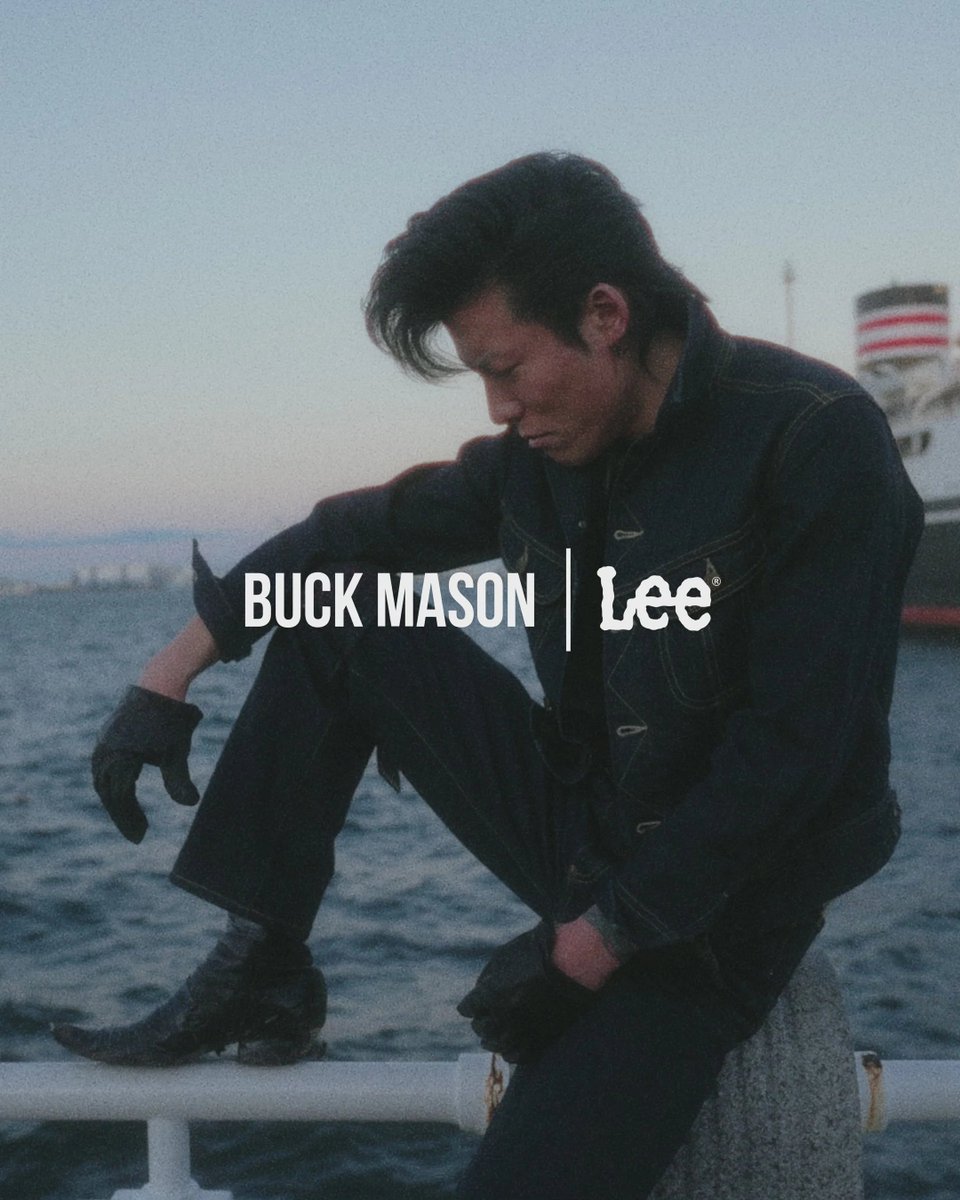
First look at J.Crew x Lee I wonder why they felt compelled to make it look even remotely similar to the direction of Buck Mason x Lee from last year Not claiming they are the same, you can see for yourself But I would think it's a mistake to invite such comparisons if I were J.Crew
R.F. Kenmore tweet mediaR.F. Kenmore tweet mediaR.F. Kenmore tweet mediaR.F. Kenmore tweet media
English
5
5
193
115.6K
Lulu Cheng Meservey
Lulu Cheng Meservey@lulumeservey·
These are the top things Claude users wanted from AI Meanwhile a lot of AI companies’ messaging focuses on the things at the bottom of this list: creativity, learning, entrepreneurship, societal transformation ie, things tech people care a lot about
Lulu Cheng Meservey tweet media
Anthropic@AnthropicAI

We invited Claude users to share how they use AI, what they dream it could make possible, and what they fear it might do. Nearly 81,000 people responded in one week—the largest qualitative study of its kind. Read more: anthropic.com/features/81k-i…

English
28
12
213
36.1K