

Ghost
36.7K posts

Ghost
@CT3_Anonymous
Lived through the pandemic of stupidity
Mars Katılım Mart 2013
302 Takip Edilen428 Takipçiler

The Trump Administration attempted to make an example of Minnesota during Operation Metro Surge.
Instead, Minnesotans set an example for the rest of the country that decency and compassion will always triumph over fear and division.
FOX 9@FOX9
The people of the Twin Cities will be honored with the John F. Kennedy Profile in Courage Award for their stand against federal immigration enforcement. fox9.com/news/ice-surge…
English
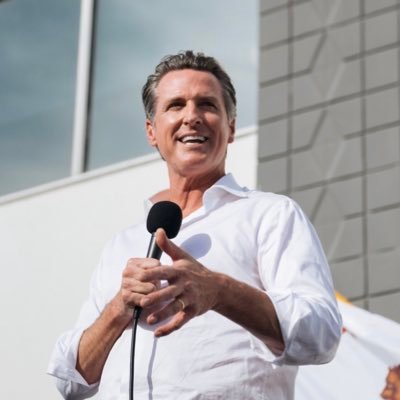
$200 BILLION IS ENOUGH TO:
- Double the annual per‑person spending on K–12 education.
- Expand the ACA tax credit for 7 years.
- Provide up to 2 million people the SNAP benefits they need.
- Provide a middle class tax break of $3,500.
Instead, we will spend it on an illegal war.
This is only the beginning. More money will be wasted. More lives will be lost.

English
@SenSchumer They objected to you holding ICE and CBP hostage. Nice try Chuckles!
English

You guessed it. Republicans objected a fifth time to paying TSA workers.
Chuck Schumer@SenSchumer
In a few minutes Democrats will be giving Republicans a FIFTH chance to pay TSA workers. Will they finally fund TSA or once again object?
English
@ElectionWiz 1. That doesn’t happen
2. It’s so rare it doesn’t even matter
3. Okay it’s happening but here is why it’s a good thing.
4. Repeat
English

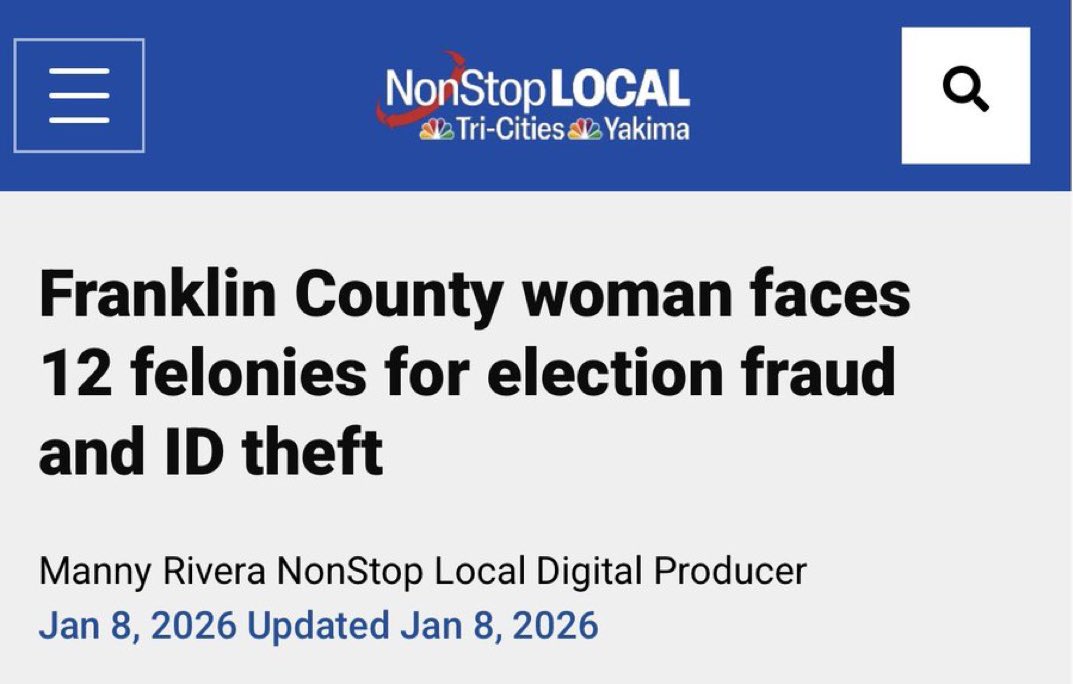
The Democrats tell me that the SAVE America Act is unnecessary because no one cheats in our elections
English
@TPostMillennial We don’t like Canada and never have. We tolerate them.
English

Pierre Poilievre to Joe Rogan on Trump’s 51st state comments:
“I just wish he’d knock that sh*t off so that we can get back to talking about the things that we can do as two separate countries that are actually friends.”
English


@SenateDems Democrats should run to Canada or the UK if they want to enjoy open borders
English

We are about to try to pass a bill on the Senate floor for the FIFTH time to pay TSA agents—it would be a real shame if Republicans, once again, objected.
Senate Republicans@SenateGOP
For the 34th day in a row, and 77th day this fiscal year, TSA Agents are working without pay. Senate Democrats need to put their political games aside and fund TSA.
English

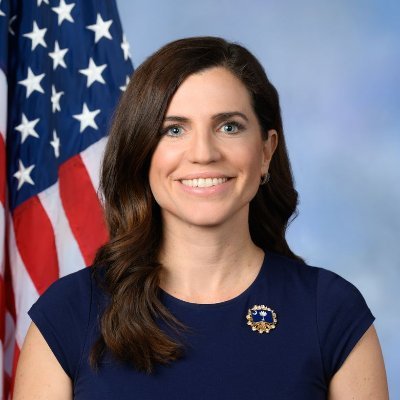
Name one case besides the Epstein network where this much evidence existed and so few arrests were made.
We’ll wait.
English

@iluminatibot He later admitted he got this wrong for most of these people and had to issue an apology lol. He read it on the floor to avoid being sued.
English

Ro Khanna unveiled the names of 6 powerful men he claimed were "likely incriminated" in the Epstein files
They are:
• Salvatore Nuara
• Zurab Mikeladze
• Leonic Leonov
• Nicola Caputo
• Sultan Ahmed Bin Sulayem
• Leslie Wexner
English
@Jim_Jordan Should probably be a little more thoughtful on this message. People are still feeling the affect of large inflation in from 2021-2023 so it doesn’t feel like it. Explain how.
English
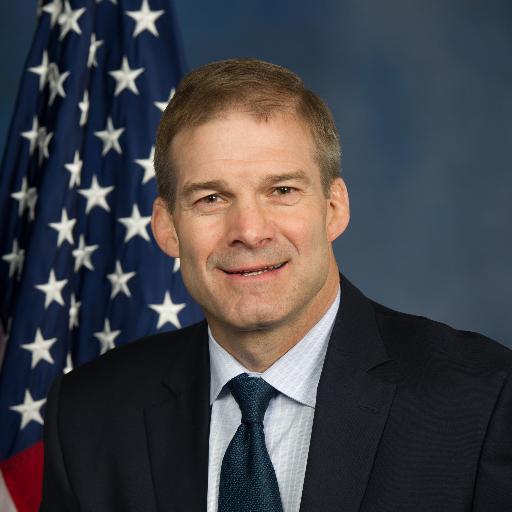
President Trump is making life more affordable for Americans everyday.
Just like he promised.
Karoline Leavitt@PressSec
MUST WATCH video of President Trump discussing the two strong executive orders he recently signed to improve housing affordability: "Under the Trump Administration, we want to make it possible for every American to live that American Dream in a beautiful home." - @POTUS 🏡🇺🇸
English
@officer_Lew There is literally zero reason the counter terrorism director would be involved in that. Dude is lying out his ass lol
English

NEW🚨: Ex-Counterterrorism Chief Joe Kent reveals he was blocked from fully investigating Charlie Kirk's assassination. Last thing Charlie told him: "Stop us from getting into a war with Iran."
"We were stopped from continuing to investigate... there was still linkage to run down."
Video: @TuckerCarlson
English

Candace Owens and Tucker Carlson say they will interview Joe Kent this week.
Take this as you wish.

English
@vivian39_ Sorry but that would solve the clean energy crisis. Can’t have that politically.
English

nuclear energy is sitting right there. just sitting there. producing massive amounts of clean reliable power with a safety record better than literally every other energy source per kwh. and we're out here arguing about whether to put a solar panel on a parking garage. okay
English
Sounds low to me.
Owen Gregorian@OwenGregorian
19 Million Americans Have Thought About Shooting Someone | Ben Sullivan, ScienceBlog Key Takeaways - Over 19 million U.S. adults have seriously considered shooting someone, with 8.7 million doing so in the past year. - Most individuals who have these thoughts never act on them, showing a clear gap between ideation and action. - Key prevention factors include social conversations and access to firearms, highlighting the need for intervention. - The study found no link between gun ownership and violent thoughts, indicating potential risk extends beyond gun owners. - Demographics reveal that men, younger adults, and Black Americans report higher rates of homicidal ideation, with no significant political affiliation correlation. --- More than 19 million adults in the United States have, at some point in their lives, seriously thought about shooting another person. That is not a projection or a worst-case modelling exercise. It is the prevalence figure from a nationally representative survey of over 7,000 people, conducted in 2025 by researchers at the University of Michigan. Nineteen million. And in the past year alone, the number was closer to 8.7 million, or roughly one in every 30 adults. You might expect Brian Hicks to find this alarming. He does, in a way. But Hicks, a psychologist and professor of psychiatry at the U-M Medical School who led the study, also thinks the number opens a door. The research, published in JAMA Network Open, is one of the first serious attempts to characterise this population at a national scale: who they are, what they were thinking, and crucially, what happened next. Most of the time, nothing happened. The vast majority of people who have ever thought about shooting someone never acted on the thought and never will. That is perhaps not surprising. What is perhaps more useful is what the survey revealed about the moments when things might have gone differently, and what, if anything, was there to catch them. Prevention, it turns out, may hinge on two underappreciated things: conversation and proximity to a firearm. Among those who had thought of shooting someone, roughly one in five had told someone else about it. That might sound like a confession on the edge of catastrophe. In public health terms, it is something closer to an opportunity. In 21 states, so-called extreme risk protection orders, often called red flag laws, allow courts to temporarily remove firearms from people identified as being at high risk of harming themselves or others. If a friend, family member, or colleague hears something that frightens them, that legal mechanism exists precisely for moments like this. The catch is that it requires someone to act on what they heard. The firearm access question is similarly layered. About 8% of those with thoughts of shooting someone had, at some point, brought a gun to a specific location with the intention of using it. That figure corresponds to roughly 1.5 million people. But among respondents who had never owned a gun, about 21% said they had thought about acquiring one specifically to carry out their thoughts. That is a distinct population, and one that current interventions largely aren’t designed for; waiting periods and background checks, which have been shown to reduce impulsive violence, aren’t triggered until the point of purchase, which may be too late for some and, for others, is never reached at all. “While most people who have these thoughts don’t act on them,” Hicks said, “the number is so high that the small proportion who do act turns into tens of thousands of fatal and nonfatal firearm injuries each year.” The demographics of the group are consistent, in several ways, with what researchers already know about firearm violence more broadly. Men were considerably more likely than women to report having had these thoughts, as were younger people and those with lower household incomes. Black Americans were about twice as likely as white Americans to report thoughts of shooting someone, a disparity the researchers link to the well-documented disparity in homicide victimisation: Black Americans are six times more likely than white Americans to be killed by a gun. Living in a city and living in the Midwest were also associated with elevated rates. What the survey did not find was perhaps equally notable. Gun owners were no more likely than non-owners to have had these thoughts. Nor did political affiliation show any significant relationship. Republicans, Democrats, and independents reported similar rates of homicidal ideation. The intuition that such thoughts belong to one group or another doesn’t hold up under scrutiny; they’re distributed more broadly than most people assume. The targets people had in mind were revealing. About half named an enemy, meaning someone with whom they had a pre-existing conflict. About a quarter named a stranger. Fourteen percent named a government official or employee, a figure that Hicks and his co-author, Mark Ilgen, describe as consistent with patterns of politically motivated violence. Family members, current and former romantic partners, coworkers, and classmates all appeared further down the list. The survey is part of a larger ongoing project called the National Firearms, Alcohol, Cannabis, and Suicide Survey, which will eventually examine how mental health, substance use, and other factors interact with firearm behaviour. This first paper is deliberately descriptive: here is the shape of the problem, here is who it affects, here are the points where something might be done. Future analyses may sharpen those points considerably. The sobering implication is that homicidal ideation sits somewhere on a continuum with homicidal action, and the distance between them isn’t fixed. It probably varies by access to a weapon, by the quality of social connections, by whether anyone asked the right question at the right time. What the University of Michigan study adds, for the first time at this scale, is a clearer sense of where people are on that continuum and what might move them, or stop them, from travelling further along it. Read more: scienceblog.com/19-million-ame…
English
@MJTruthUltra I’d like to see some evidence and which states before believing this. I already know who China would be voting for…
English

HOLEE SHIZZLES‼️
🚨 The CIA and members of Congress Deliberately kept Information from the President of the United States that China Penetrated Voter Databases in 18 States
“Tusli Gabbard has more damning evidence and she’s just been sitting on it — the president knows, the WH Chief of Staff knows — she’s not using the data in front of her.
We were told for 6 years there were no foreign intrusions in our election. Now there are indictments over Iran hacking one voter database and evidence China penetrated voter databases in 18 states!
“The real scandal is that intelligence officials intentionally kept the president and the country in the dark because they didn't like Donald Trump's policies!”
rumble.com/v77bfs2-cia-an…
MJTruthUltra@MJTruthUltra
HOLEE SHYT‼️‼️‼️ 🚨 John Solomon says they’ve gotten their hands on Intercepted Intelligence that shows Ukrainian officials were trying to help Joe Biden win the 2024 presidential election using American taxpayer dollars! Trump has had it for months now… he says. Waiting for the right time.. 👀 rumble.com/v778n3a-ukrain…
English
@ElectionWiz Joe Kent was also a CIA operative and has provided no evidence of his claims so ain’t that a pickle
English
Sorry, but I don't care about 'anon sources' whispering about any supposed FBI leak probe.
The Swamp has lied to us so many times I’ve lost count.
Show me the indictment. Bring the evidence. Prove it beyond a reasonable doubt in open court… or kindly shut up.
English
@CynicalPublius “We don’t - we just burn the American flag, demand that our federal laws are broken to help us politically and protect/support our enemies”
💀
English
Why do Democrats always want America’s military to fail in its assigned missions if a Republican is POTUS?
I honestly do not understand this mentality.
English
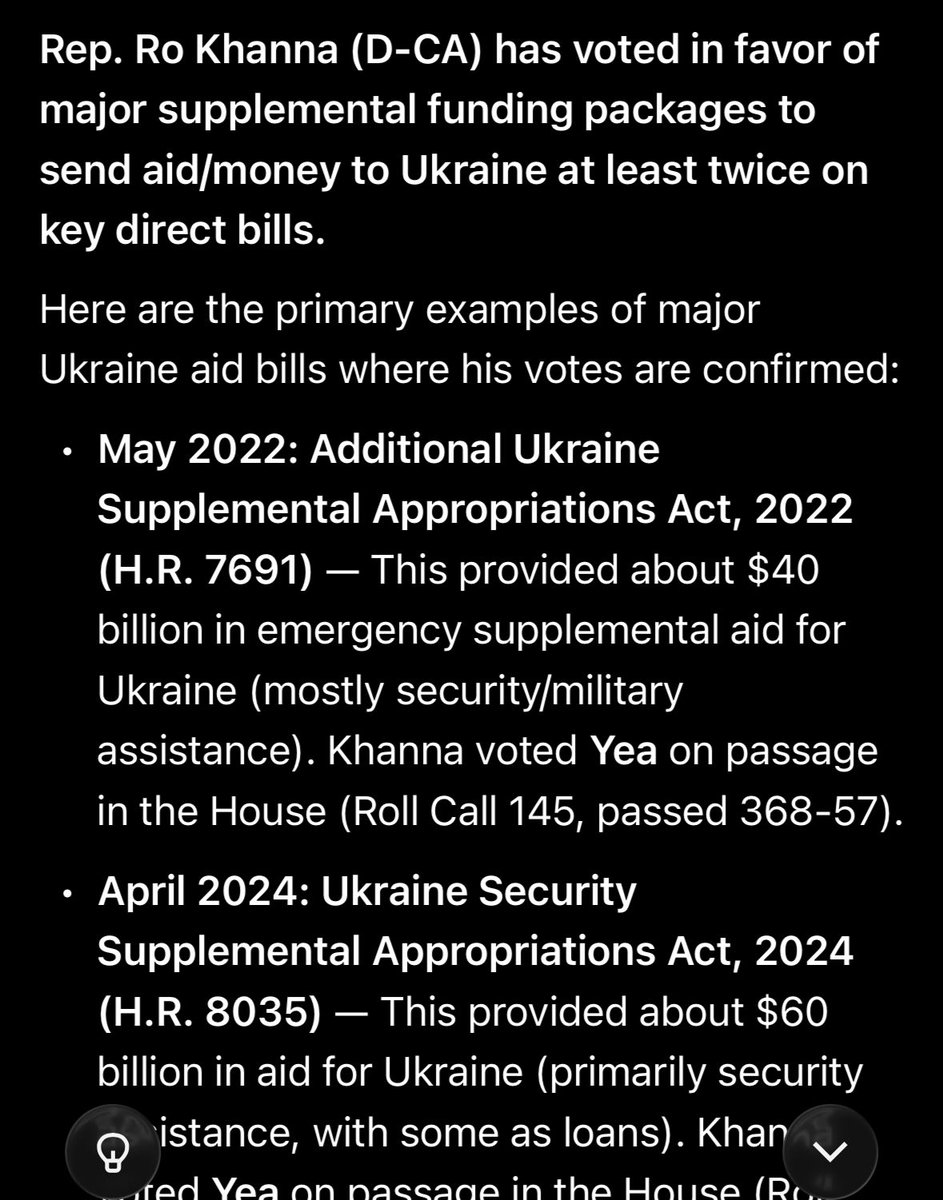
$200 billion would pay for free college for every American, $10 day childcare, 1000 new trade schools, the 40% federal share of special needs education and a lot more.
What are we even doing here?
MAGA is now Iran first?
Jeff Stein@JStein_WaPo
SCOOP: The Pentagon asked the White House today for more than *$200 billion* for the Iran war supplemental, sources say Some White House aides think Congress won't support b/c it's so big Will tee up giant battle in Congress
English