Caleb Watney

21.9K posts

Caleb Watney banner
Caleb Watney

Caleb Watney

@calebwatney

co-founder @IFP // the US is the R&D lab for the world and we should act like it

Brookland, DC Katılım Ocak 2012
1K Takip Edilen22.8K Takipçiler
Sabitlenmiş Tweet
Caleb Watney
Caleb Watney@calebwatney·
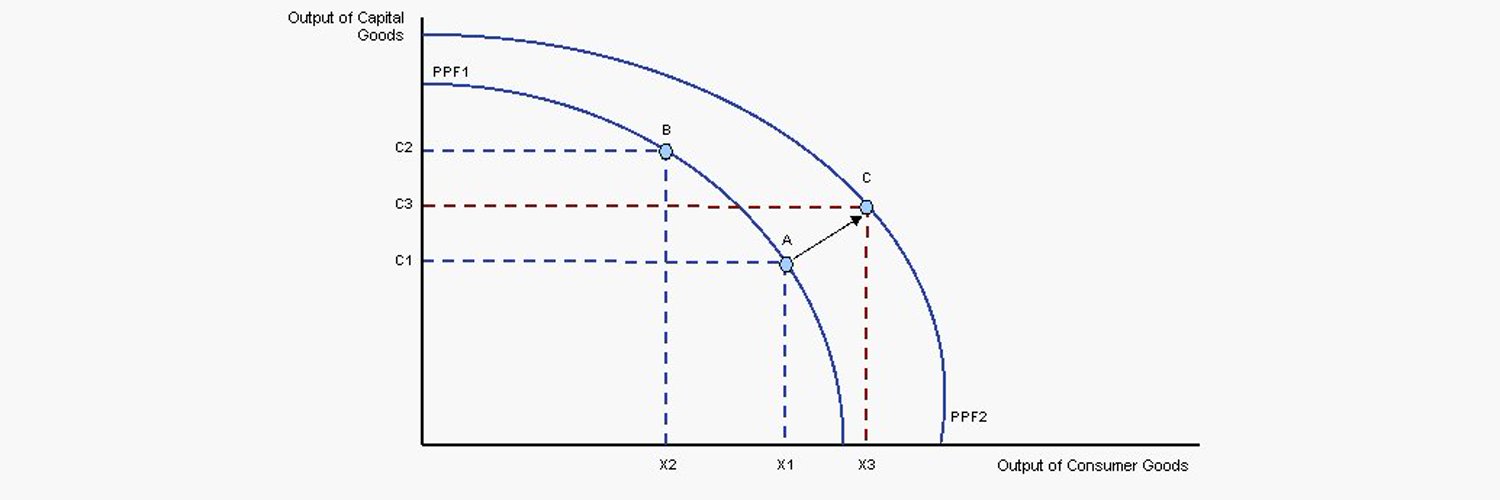
How it started // How it's going
Caleb Watney tweet mediaCaleb Watney tweet media
English
16
31
281
14.9K
Caleb Watney retweetledi
dylan matthews 🔸
dylan matthews 🔸@dylanmatt·
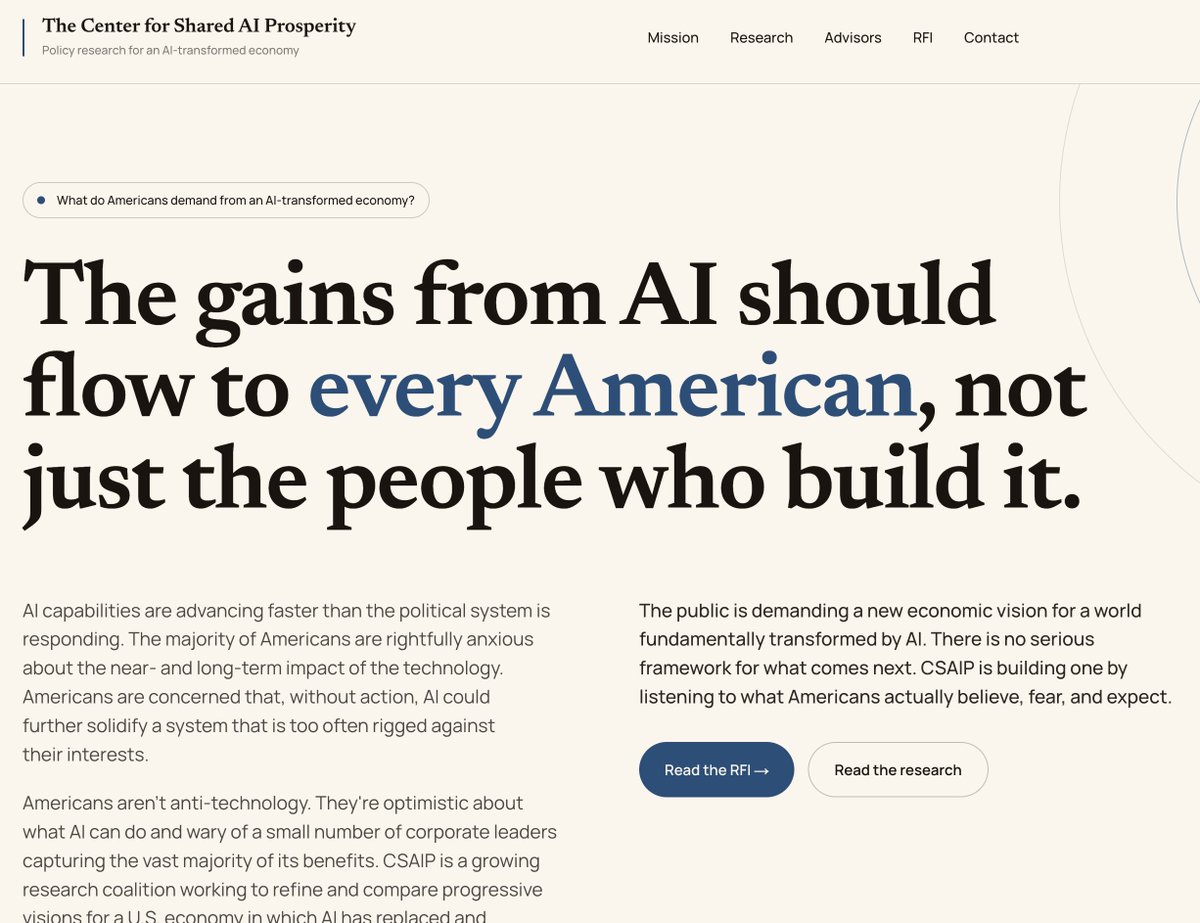
Very excited to launch a project I've been helping out with the last couple months.* The Center for Shared AI Prosperity is an attempt by an, other than me, very impressive team (so far including @davidshor, @katz_morris, @StefFeldman, @maidinoff, Lindsay Lamont, Jesse Stinebring, @joshhendler, @goldman, and Lilah Penner Brown) to force DC policy elites to take the impending economic impacts of advanced AI more seriously. We do not think this is a normal economic shock, though we are deeply uncertain about what kind of economic shock it will be. We could be left with a world of extreme power and wealth concentration, increasing political instability arising from that growing inequality, and deep questions about how to fund governments that have for a century-plus relied on income and payroll taxes. Our main purpose as an organization is to surface tractable ideas to reform and grow the safety net to meet the moment; to restructure the labor market so workers are still valued and fairly paid; to remake the tax code so that the gains from AI are shared widely; and to experiment with ways of giving average Americans concrete shares in the AI surplus. To that end, we're running a Request for Ideas, and we're offering $3,000 for the best proposals. Top ideas will get rigorous polling from Blue Rose Research to see how Americans feel about them. We are trying to solicit submissions from a wide pool, and purposefully don't want to just ask the usual think tanks, economists, academics, etc. (Though we want them too!) If you have ideas that you think could be useful, please don't hesitate to apply. Feel free to reach out to me if you have any questions about the program. Read more here: csaip.org *Obligatory disclaimer: I'm doing this on my personal time, not in my capacity at Coefficient Giving. Nothing I or CSAIP say necessarily reflects CG's views.
dylan matthews 🔸 tweet media
English
42
140
858
236.5K
Caleb Watney retweetledi
Daniel Correa
Daniel Correa@CorreaDan·
Kudos to @NSF and the TIP Directorate for pursuing new funding models to support breakthrough team science. Big step. It's hard to imagine NSF doing this even five years ago, before: a) the important groundwork laid by CHIPS and Science to create a new directorate with a mandate to pursue new funding models; b) the philanthropic community de-risking core aspects of the FRO model; c) a new crop of science policy entrepreneurs helping to make the case; and d) the work of visionary leaders at NSF, our most important federal institution dedicated to pushing the scientific frontier
U.S. National Science Foundation@NSF

NSF announces $1.5B NSF X-Labs initiative to pursue generational breakthrough science efforts. NSF X-Labs will scale a new generation of transformative independent research organizations to advance breakthrough science outside of traditional institutions. nsf.gov/news/nsf-annou…

English
0
11
45
5.9K
Caleb Watney retweetledi
Dan Turner-Evans
Dan Turner-Evans@DanTurnerEvans·
X-Labs lives! The initial topic areas are: 1. Scientific Instrumentation for Sensing and Imaging 2. Quantum Systems: Interconnects and Integrated Photonics I am really excited to see and someday use the new technologies that come out of the initiative! nsf.gov/news/nsf-annou…
English
2
18
84
15.6K
Caleb Watney retweetledi
U.S. National Science Foundation
NSF announces $1.5B NSF X-Labs initiative to pursue generational breakthrough science efforts. NSF X-Labs will scale a new generation of transformative independent research organizations to advance breakthrough science outside of traditional institutions. nsf.gov/news/nsf-annou…
U.S. National Science Foundation tweet media
English
14
84
340
93.9K
Caleb Watney retweetledi
White House OSTP 47
White House OSTP 47@WHOSTP47·
Today @NSF announced a major investment of $1.5B towards a new model for scientific research🚨 NSF X-Labs will fund independent teams of researchers, engineers, and entrepreneurs to pursue bold milestone-based scientific challenges. This is how we revitalize America's scientific engine for the 21st century outside of traditional institutions, conducting science in a way that actually reflects the modern R&D ecosystem ⬇️ nsf.gov/news/nsf-annou…
English
13
64
297
32.8K
Caleb Watney
Caleb Watney@calebwatney·
Extremely exciting to see the announcement from NSF today: nsf.gov/news/nsf-annou… If you have ideas for what new scientific fields or technology platforms could be unlocked by ambitious, full-time teams, time to start building!
English
1
3
29
1.4K
Caleb Watney
Caleb Watney@calebwatney·
How it started // How it's going
Caleb Watney tweet mediaCaleb Watney tweet media
English
16
31
281
14.9K
Caleb Watney retweetledi
Tim Fist
Tim Fist@fiiiiiist·
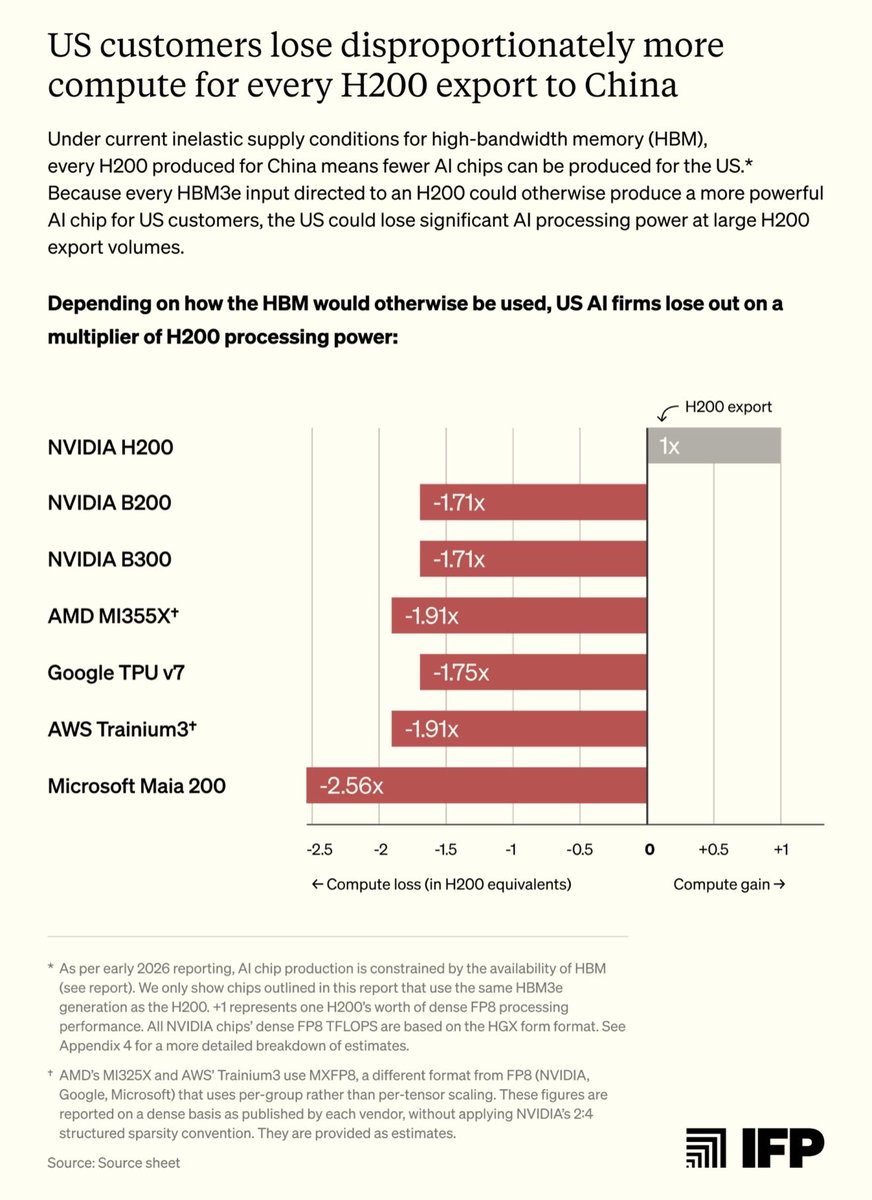
Like most other powerful AI chips, H200s use high-bandwidth memory (HBM), which is heavily supply constrained. Because of this, every new H200 produced for China means fewer AI chips produced for US customers. Because AI chips that would have used this HBM for US customers are more powerful on a FLOP/s basis, the compute loss for the US is asymmetric — every H200 produced for China takes away ~2x that amount of compute from other customers. The US government realizes this trade-off, and has implemented an America-first AI compute provision. As a condition of obtaining these licenses, NVIDIA needs to have certified to BIS that the production of any new chips for China will not result in fewer chips going to US customers. I’d be pretty interested in seeing their findings!
Tim Fist tweet media
Reuters China@ReutersChina

Exclusive: US clears H200 chip sales to 10 China firms as Nvidia CEO looks for breakthrough reuters.com/business/retai…

English
12
52
215
34K
Caleb Watney retweetledi
Alexander Berger
Alexander Berger@albrgr·
We're hiring 10+ grantmakers and senior generalists across our GCR teams. Most of our capital is bottlenecked on a tiny number of people working to identify, vet, and generate strong funding opportunities. Apply here by May 24: jobs.ashbyhq.com/coefficientgiv…
Alexander Berger tweet media
English
1
29
107
15.8K
Caleb Watney retweetledi
Jassi Pannu
Jassi Pannu@JassiPannuMD·
Over the next few days, I'll be releasing an essay series arguing for leveraging AI to advance biomedicine, while simultaneously building resilience to biological risks. If you also have ideas for how to shape AI progress for biology and biosecurity, submit them to @IFP! ifp.org/rfp-launch/
English
1
11
70
4.9K
Caleb Watney retweetledi
Tim Fist
Tim Fist@fiiiiiist·
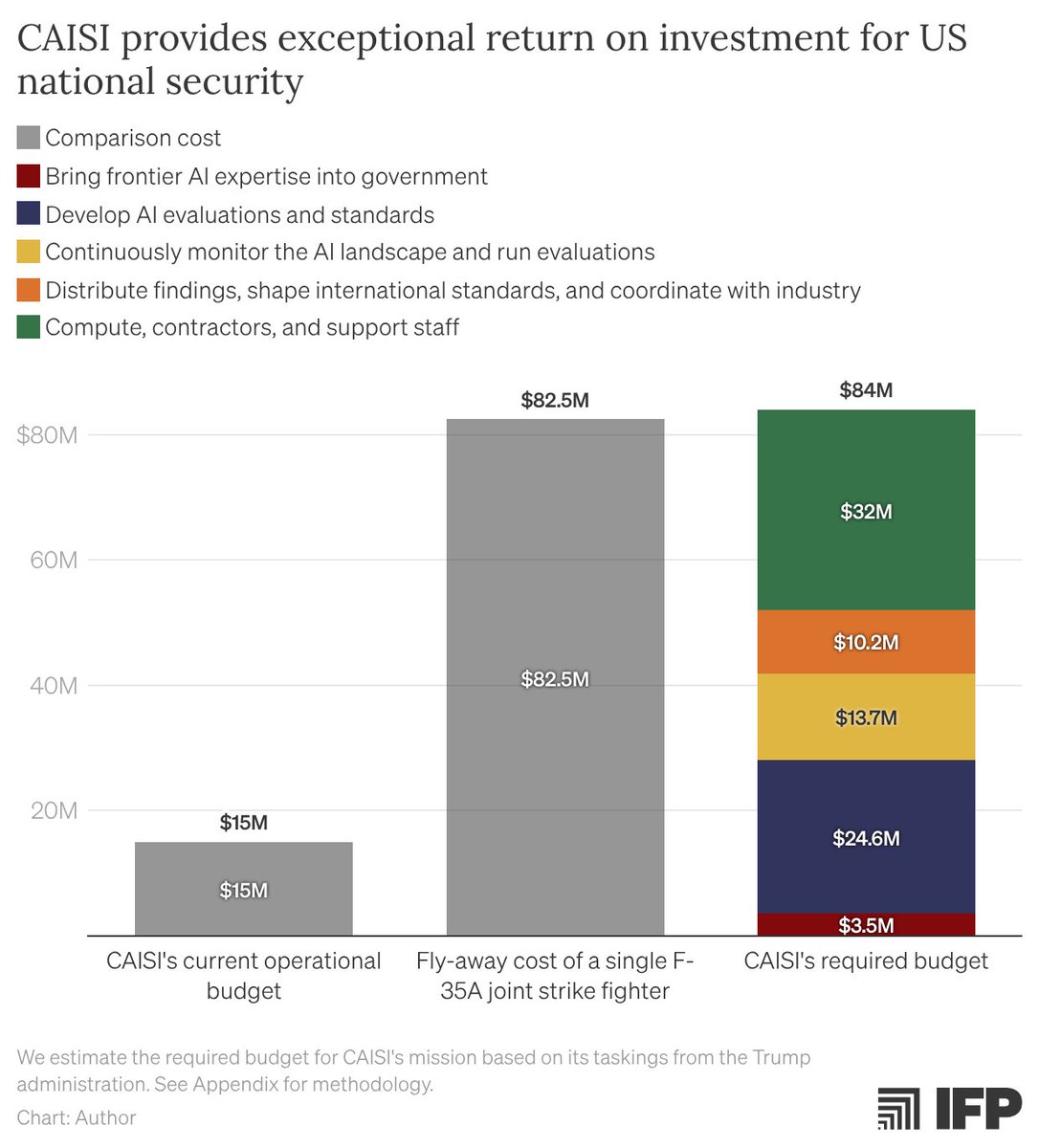
Properly funding CAISI would provide an incredible return on investment for US national security. For the cost of a single F-35A fighter, the government gains the capacity to anticipate and respond to new developments in the most strategically important tech of the century.
Tim Fist tweet media
Jonah Weinbaum@WeinbaumJonah

When Claude Mythos found zero-day vulnerabilities in every major operating system and browser, the US government was caught flat-footed. The White House stood up an emergency interagency task force. Treasury pulled bank CEOs into an impromptu meeting. The Cybersecurity and Infrastructure Security Agency (CISA) – the agency charged with protecting US critical infrastructure – and as of late April still reportedly lacked access to Mythos. This kind of surprise is preventable. The Trump admin has already tasked the Center for AI Standards and Innovation (CAISI) with building state capacity to understand and predict future national security-relevant AI developments. But CAISI has been severely underfunded. It’s currently a $15M pilot project. In a new research report, @arthurctellis and I estimate CAISI needs ~$84M to fully deliver on its mandate. In other words, for the cost of a single F-35A fighter jet, the US government could have real situational awareness on frontier AI and not be surprised by future Mythos moments. This situational awareness can be used to inform policy and asks to the AI labs, including governance surrounding model release, safeguards, know-your-customer regimes, security protocols, and product specifications. But without a detailed understanding of these models’ capabilities — what they’re good at, how effectively they discriminate between offensive and defensive activities, whether they’re securely implemented — we’re flying blind. To estimate what it’d cost to give the government these capabilities, we translated every CAISI tasking from the AI Action Plan into FTEs and dollars, calibrated against peer evaluation orgs like METR and Anthropic's interpretability team. Two scenarios: - Limited CAISI ($26M, 56 FTE) — partial coverage of its most important taskings - Equipped CAISI ($84M, 184 FTE) — full mandate The administration's FY2027 PBR already proposed $27M for CAISI, a meaningful increase, but this was before Mythos revealed the urgency of the full mandate. To close the remaining gap: - Congress can increase FY2027 appropriations + pass the EPIC Act (creates a NIST Foundation) - The Executive can reallocate NIST STRS, tap Commerce's NRE Fund, request $84M in FY2028 PBR The price tag is small relative to comparable investments. $84M is: → A medium DARPA project → ~1 hour of the Department of War's operating budget → Less than half of NIST's Information Technology Laboratory budget And it's still less than what peer governments spend on CAISI’s peer institutions, pound-for-pound. As a fraction of their overall government budgets: UK AISI: 57 ppm Japan AISI: 32 ppm Canadian AISI: 8 ppm Current CAISI is: 1 ppm For the cost of one F-35, the administration can fully fund its own AI readiness mandate and equip the US government to anticipate the next big AI breakthrough. Full report: ifp.org/funding-for-ca…

English
0
14
34
4.8K
Caleb Watney retweetledi
Jonah Weinbaum
Jonah Weinbaum@WeinbaumJonah·
When Claude Mythos found zero-day vulnerabilities in every major operating system and browser, the US government was caught flat-footed. The White House stood up an emergency interagency task force. Treasury pulled bank CEOs into an impromptu meeting. The Cybersecurity and Infrastructure Security Agency (CISA) – the agency charged with protecting US critical infrastructure – and as of late April still reportedly lacked access to Mythos. This kind of surprise is preventable. The Trump admin has already tasked the Center for AI Standards and Innovation (CAISI) with building state capacity to understand and predict future national security-relevant AI developments. But CAISI has been severely underfunded. It’s currently a $15M pilot project. In a new research report, @arthurctellis and I estimate CAISI needs ~$84M to fully deliver on its mandate. In other words, for the cost of a single F-35A fighter jet, the US government could have real situational awareness on frontier AI and not be surprised by future Mythos moments. This situational awareness can be used to inform policy and asks to the AI labs, including governance surrounding model release, safeguards, know-your-customer regimes, security protocols, and product specifications. But without a detailed understanding of these models’ capabilities — what they’re good at, how effectively they discriminate between offensive and defensive activities, whether they’re securely implemented — we’re flying blind. To estimate what it’d cost to give the government these capabilities, we translated every CAISI tasking from the AI Action Plan into FTEs and dollars, calibrated against peer evaluation orgs like METR and Anthropic's interpretability team. Two scenarios: - Limited CAISI ($26M, 56 FTE) — partial coverage of its most important taskings - Equipped CAISI ($84M, 184 FTE) — full mandate The administration's FY2027 PBR already proposed $27M for CAISI, a meaningful increase, but this was before Mythos revealed the urgency of the full mandate. To close the remaining gap: - Congress can increase FY2027 appropriations + pass the EPIC Act (creates a NIST Foundation) - The Executive can reallocate NIST STRS, tap Commerce's NRE Fund, request $84M in FY2028 PBR The price tag is small relative to comparable investments. $84M is: → A medium DARPA project → ~1 hour of the Department of War's operating budget → Less than half of NIST's Information Technology Laboratory budget And it's still less than what peer governments spend on CAISI’s peer institutions, pound-for-pound. As a fraction of their overall government budgets: UK AISI: 57 ppm Japan AISI: 32 ppm Canadian AISI: 8 ppm Current CAISI is: 1 ppm For the cost of one F-35, the administration can fully fund its own AI readiness mandate and equip the US government to anticipate the next big AI breakthrough. Full report: ifp.org/funding-for-ca…
Jonah Weinbaum tweet media
English
2
38
186
74.6K
Caleb Watney retweetledi
Anton Leicht
Anton Leicht@anton_d_leicht·
AI strategies everywhere hinge on widely available American frontier AI. Post-Mythos, amid compute crunches, security concerns and distillation crackdowns, that paradigm is under threat. Today, I argue the era of widespread access to frontier AI is almost over.
Anton Leicht tweet media
English
38
79
589
185.2K
Caleb Watney retweetledi
Timothy B. Lee
Timothy B. Lee@binarybits·
It's wild that we are having an environmental panic about data centers — a carbon-free industrial facility that during ordinary operation consumes no natural resources besides electricity and water and emits no waste products besides heat.
English
85
95
893
85.1K
Caleb Watney retweetledi
Connor O’Brien
Connor O’Brien@cojobrien·
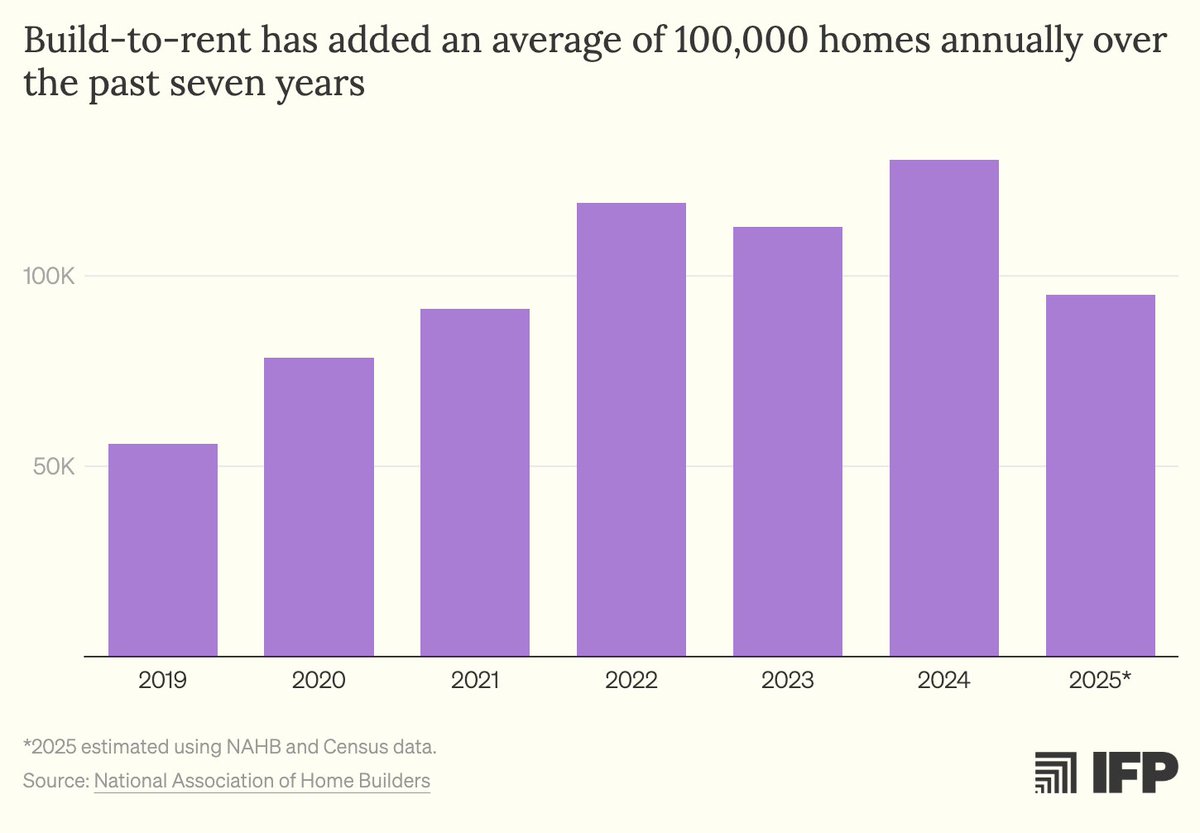
Two simple changes could address the critiques made by @christopherrufo and @L0m3z here. They can both be done unilaterally by the Trump administration immediately. These changes would cut out the IT outsourcers, staffing firms, and any other employer using the H-1B for lower-wage labor from the program. They would *massively* raise the skill level of the program, cut middle-skill jobs out of the program, and raise tens of billions of dollars in tax revenue to boot. We have the agency, legal authority, and policy alternatives to make this program way better for America and for American workers right now. This isn't a "take it or leave it" situation. 1) Accept applicants in order of salary. We at @IFP estimate that if DHS did this, the average salary of new H-1Bs would have been $172,000 in 2023, instead of $106,000. That's 113% higher than the median household income in the United States. Keep in mind, these are workers still on the steep portions of their earnings trajectories. H-1B renewals earn 30-40% more than initial applicants. So that $172,000 average salary would easily clear $230,000 for renewals. There are good reasons to think this is likely an underestimate. These estimates are derived from existing application data. But given the certainty that the lottery will no longer be swamped by Cognizant and Tata offering jobs paying $80k, you'd see more very high salary applications crowd in. 2) Bar employers from paying workers less than the typical American doing the same job with the same level of experience and education. The current prevailing wage standards for the H-1B system are broken. Thousands of petitions are approved every year with salaries less than what the typical American in the same occupation with the same levels of education and experience earns. Employers can effectively choose their wage requirement by strategically massaging job descriptions. The Department of Labor is currently studying a proposal called "Experience Benchmarking" that would fix this. DOL says that the rule would "essentially end the practice of wage arbitrage." In other words, DOL believes this could end the practice of using these visa programs for artificially cheap labor. None of this is hypothetical, pie-in-the-sky stuff. These can be done via regulation immediately. If you don't like the status quo, there are opportunities right in front of us to change it.
BlazeTV@BlazeTV

"These jobs could easily be filled by native workers. These are not impressive employees. These are not people we can't find here." @christopherrufo and @L0m3z debate the reality of the H1B visa program with @RichardHanania:

English
4
14
90
17.2K
Caleb Watney retweetledi
Will Poff-Webster
Will Poff-Webster@willpoffwebster·
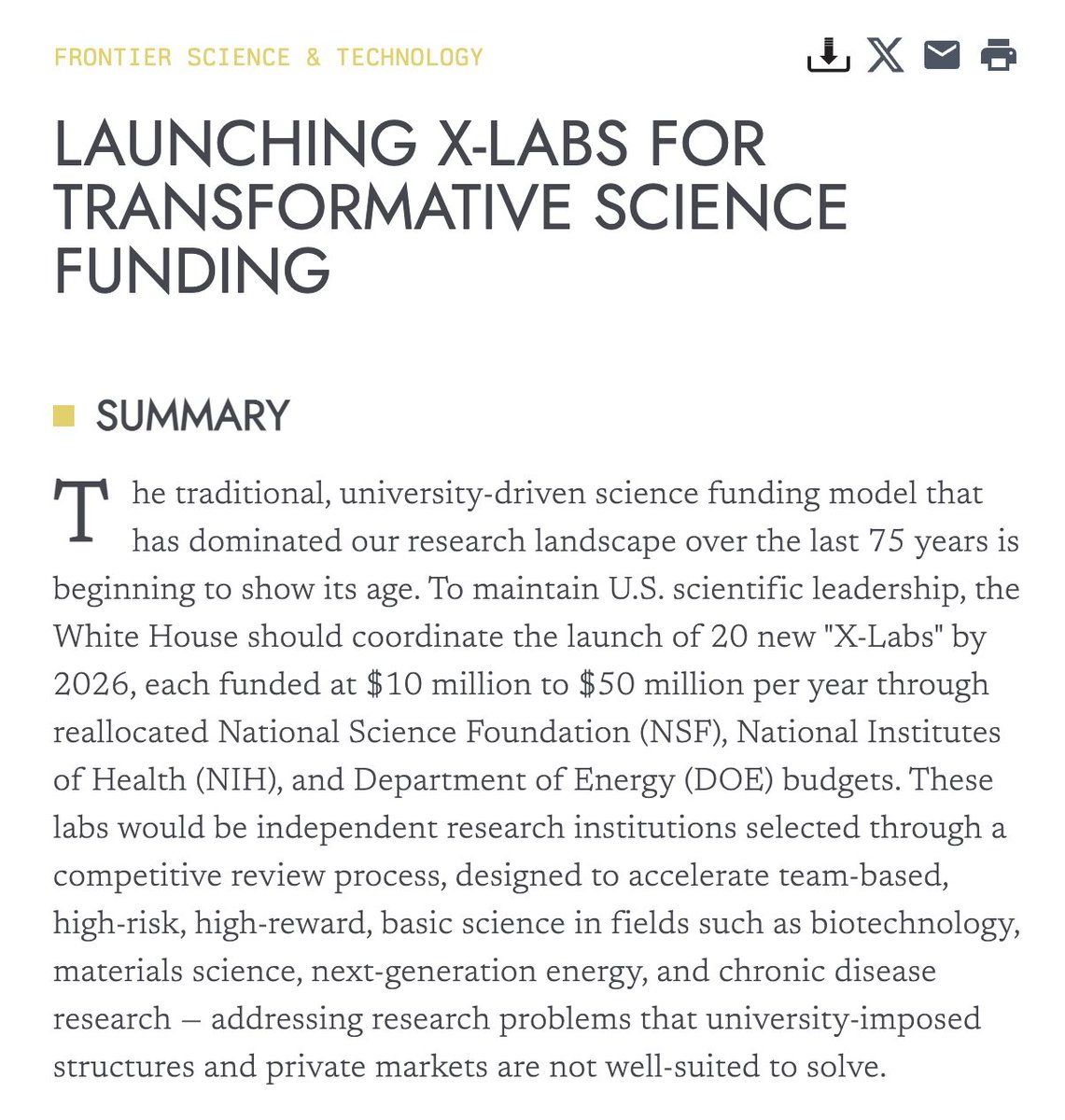
Here are the stakes of the housing bill back-and-forth: the Senate's otherwise great pro-housing bill has one provision that harms housing supply for renters. The House can fix it: let investors build new single-family homes, while still doing what Trump asked for and stopping investors from buying up existing homes.
Will Poff-Webster tweet media
Brendan Pedersen@BrendanPedersen

NEWS: President Donald Trump says he’s calling on Congress to pass the 21st Century ROAD to Housing Act, a Senate bill stuck in the House
English
2
15
70
16.8K
Caleb Watney
Caleb Watney@calebwatney·
Children are born staring reverently at bulldozers, and yet we’re supposed to believe mankind was meant to preserve neighborhood character?
English
22
134
1.9K
41.1K