Ismail Polat Canbolat

1.7K posts

Ismail Polat Canbolat banner
Ismail Polat Canbolat

Ismail Polat Canbolat

@CanbolatIP

Assoc. Prof. of Cardiology, Kanuni Sultan Süleyman Training and Research Hospital

İstanbul, Türkiye Katılım Ağustos 2013
905 Takip Edilen1.4K Takipçiler
Ismail Polat Canbolat
Ismail Polat Canbolat@CanbolatIP·
İspanya, İngiltere, A.B.D yorumlara bakınca tüm sistemlerde doktorların hisleri aynı. Yetkisiz sorumluluk
Adam Bruggeman, MD@DrBruggeman

I translated this into English for everyone to read. This is written by an orthopedic surgeon colleague in Spain, but I know my American colleagues will appreciate the text an similarities to challenges we face here 1/ The Asymmetry in Medicine in Spain: Responsibility Without Authority (I) Opinion Francisco J. Guitián Lema The Asymmetry in Medicine in Spain: Responsibility Without Authority (I) “There is irrefutable empirical proof of this asymmetry: the doctor can replace anyone; no one can replace the doctor,” states Francisco J. Guitián Lema, a Vigo-based traumatologist specializing in orthopedic surgery There is a truth so elementary that it feels uncomfortable to state it: a hospital exists solely and exclusively to cure the sick. It is not there to provide jobs or to justify organizational charts. Nor to feed bureaucracies or to experiment with organizational theories. It exists so that a sick human being leaves it less sick or, at the very least, having received the best possible treatment. From this premise follows a logical consequence that the Spanish healthcare system seems determined to ignore: in that healing process, there are only two absolutely indispensable figures. The patient, who is the reason for the entire structure’s existence, and the doctor, who possesses the knowledge to guide that process. Everything else — and this is not disdain, but taxonomy — is support structure. Necessary, valuable, often heroic, but auxiliary. The doctor is the only professional capable of performing the core act that justifies the hospital’s existence: diagnosing the disease and establishing the treatment. Without a diagnosis, there is no possible direction. Without a therapeutic indication, there is no meaningful action. An orderly transports the patient, but it is the doctor who determines where and why. A nurse administers medication, but it is the doctor who decides which, how much, and when. A technician performs a test, but it is the doctor who orders it and interprets its result. This functional hierarchy is not a social convention or an inherited privilege: it is a direct consequence of training. Six years of medical school plus four or five years of MIR specialization produce a professional capable of integrating knowledge of anatomy, physiology, pathology, pharmacology, and a thousand other disciplines into a diagnostic synthesis that no other healthcare professional is trained to perform. There is irrefutable empirical proof of this asymmetry: interchangeability. A doctor can, in case of need, perform the functions of any other hospital professional. They can push a stretcher, insert an IV line, draw blood, take vital signs — in Germany, doctors routinely perform these functions. The reverse is not true. An orderly cannot diagnose pneumonia. A nurse cannot order a surgical intervention. The doctor can replace anyone; no one can replace the doctor. Recognizing this reality does not imply disdain toward anyone. Nursing care is essential. The orderly’s work ensures that hospital flow does not stop. Everyone deserves respect and fair compensation. But respect for personal dignity cannot be confused with functional equivalence. In an operating room, the surgeon is not worth more as a human being than the assistant; but their function is irreplaceable in a way that the assistant’s is not. This distinction, obvious in any other field, has become taboo in Spanish healthcare. The prevailing egalitarianism has managed to make an evident functional truth be perceived as a moral offense.


Türkçe
0
0
0
75
Doç. Dr. Remzi SARIKAYA
Doç. Dr. Remzi SARIKAYA@remzi_sarikaya·
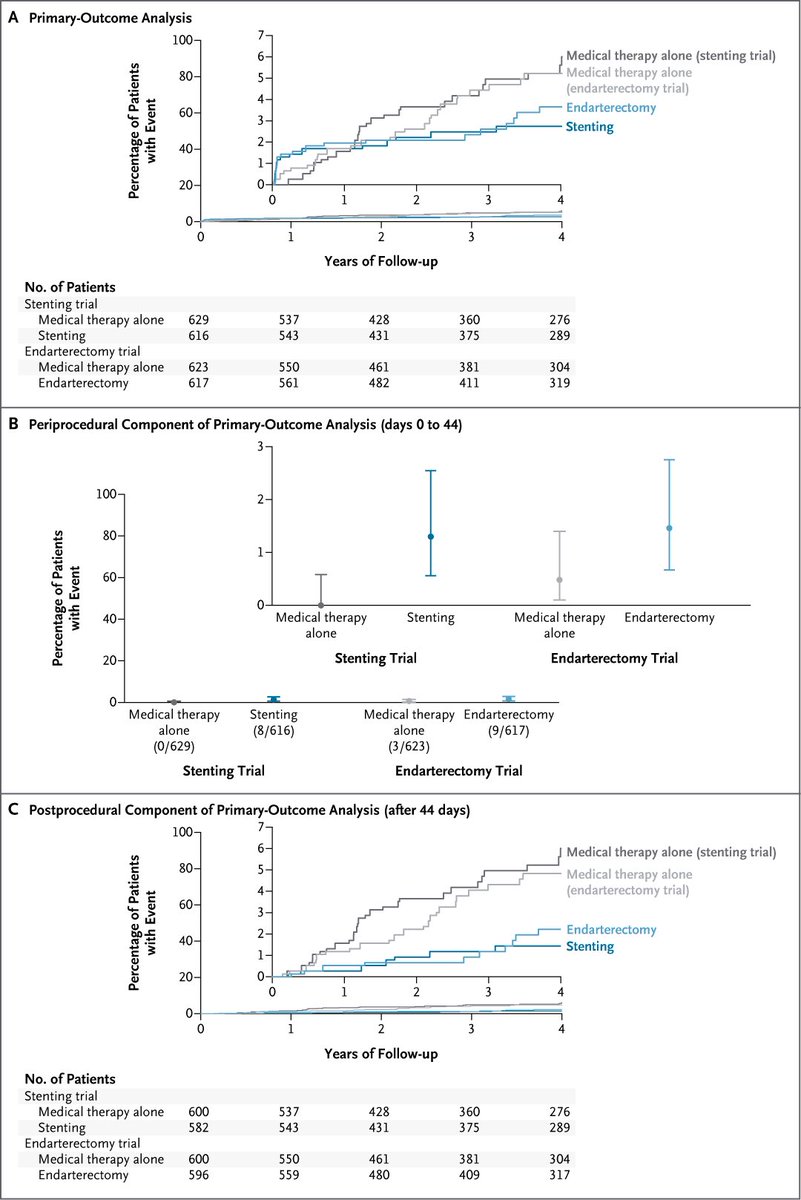
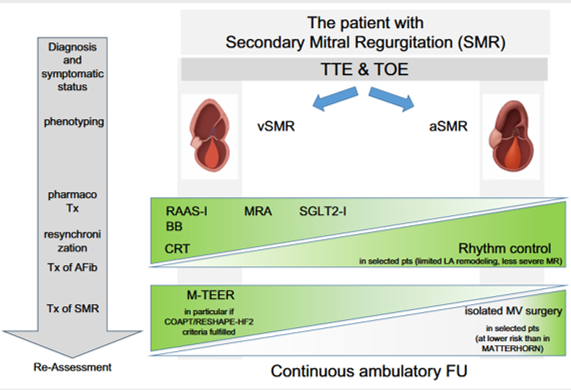
Asemptomatik karotis darlıklarında stent veya karotis endarterektomi yoğun medikal tedaviye üstün mü? NEJM’de yayınlanan “Managing Asymptomatic Carotid Stenosis” makalesi ışık tutuyor. • Asemptomatik karotis stenozu olan hastaların çoğunda inme riski düşüktür; en önemli yaklaşım yoğun medikal tedavidir (statin, tansiyon kontrolü, sigara bırakma, yaşam tarzı değişiklikleri). • Cerrahi (CEA) veya stentleme (CAS) sadece yüksek riskli küçük bir hasta grubunda düşünülmelidir. Yüksek risk kriterleri: Transkraniyal Doppler ile mikromobil emboliler, intraplak hemoraji, ekolüsent plak, azalmış serebrovasküler rezerv. • Yoğun medikal tedavi ile 1 yıllık inme riski ∼%0,5 iken, CEA için ∼%2, CAS için ∼%4 civarındadır. Sonuç olarak çoğu asemptomatik hastada en doğru yaklaşım girişim değil, optimize edilmiş medikal tedavidir. Brown MM, Bonati LH. Managing Asymptomatic Carotid Stenosis. N Engl J Med. 2020;383(1):11–20. doi:10.1056/NEJMcp1905970.
Doç. Dr. Remzi SARIKAYA tweet mediaDoç. Dr. Remzi SARIKAYA tweet media
Türkçe
1
4
30
3.4K
Ismail Polat Canbolat retweetledi
NEJM
NEJM@NEJM·
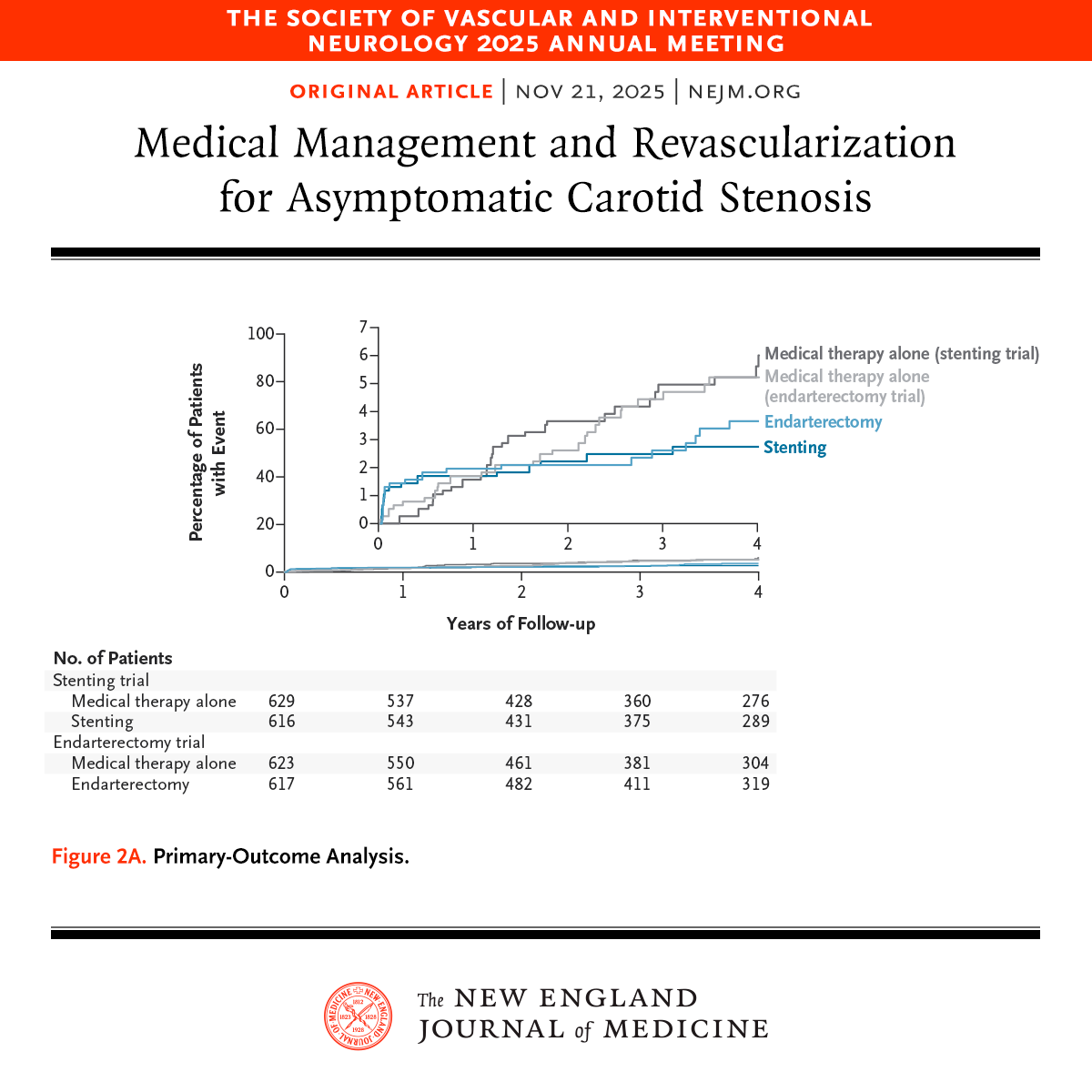
Presented at #SVIN25: CREST-2: In high-grade asymptomatic carotid stenosis, addition of stenting to medical therapy led to a lower risk of stroke over a 4-year period. Endarterectomy did not lead to a significant benefit. Full results: nej.md/3LK9kst Editorial: Managing Asymptomatic Carotid Stenosis nej.md/482XjG1 @svinsociety
NEJM tweet media
English
10
328
702
395.6K
Ismail Polat Canbolat retweetledi
Aybüke Geylan, MD
Aybüke Geylan, MD@AybukeGeylan·
Geride bıraktığımız yıldan klinik yaklaşımımızı etkileyecek çalışmaları konuştuğumuz son CardioRadio bölümü yayında! 🎙️
Aybüke Geylan, MD tweet media
Türkçe
0
7
21
1.7K
Ismail Polat Canbolat retweetledi
A.Nazmi Calik
A.Nazmi Calik@ANazmiCalik·
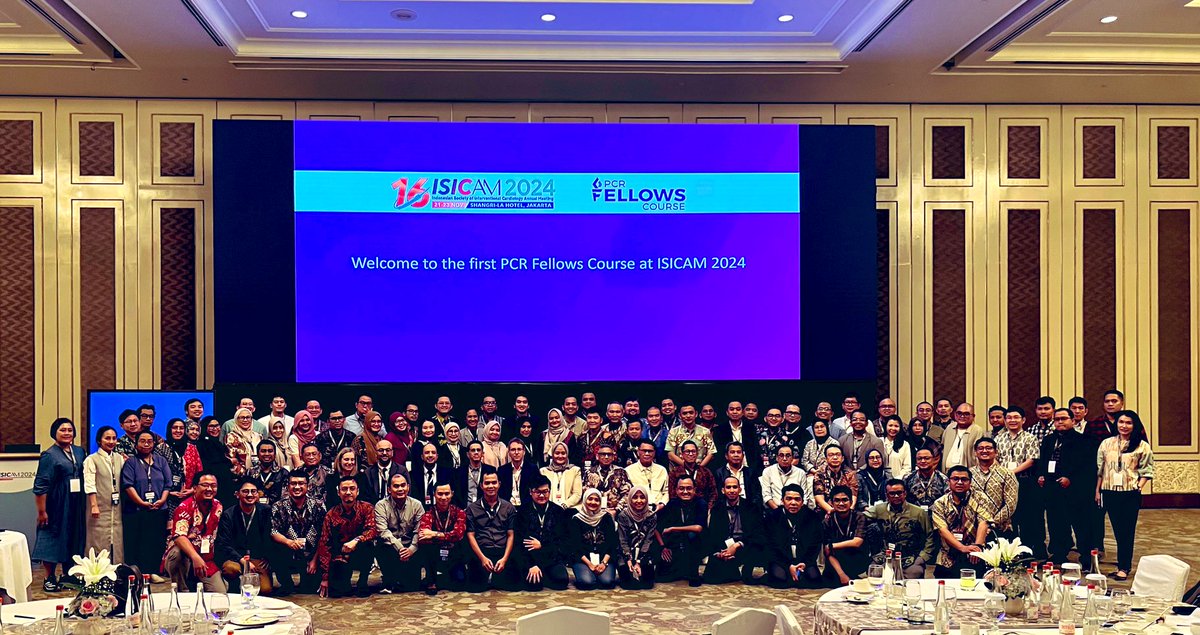
First @PCRonline Fellows Course at #ISICAM A privilege to get together w/ Indonesian colleagues to discuss 🎯 Physiology guided PCI 🎯 LM PCI 🎯 Primary PCI 🎯 Calcified lesion PCI Honour to share the stage w/ @twj1974 @aninkasaboe @AlkatiriAziz
A.Nazmi Calik tweet media
ISIC@ISIC_Official

@PCRonline Fellow Course at #ISICAM2024 Participants from all over Indonesia are in for an exciting and interactive full day course with Dr @AlkatiriAziz @twj1974 @ANazmiCalik @aninkasaboe Details visit: isicam.id @uziyahya46

English
4
14
40
4.5K
Ismail Polat Canbolat retweetledi
AHA Science
AHA Science@AHAScience·
1/ Published today, the Guideline for Perioperative Cardiovascular Management for Noncardiac Surgery 📷: Stepwise Approach to Perioperative Cardiac Assessment.
AHA Science tweet media
English
2
305
681
200.9K
Ismail Polat Canbolat retweetledi
Kaynak Yayınları
Kaynak Yayınları@kaynakyayin·
Türkiye'nin aydınlanma mücadelesinin yorulmak ve yaşlanmak bilmeyen değerli bilim kadını, son Sümer Kraliçesi, değerli yazarımız Muazzez İlmiye Çığ'ı kaybettik. Ailesinin, okurlarının ve ülkemizin başı sağolsun.
Kaynak Yayınları tweet media
Türkçe
111
558
2.4K
451.5K
Ismail Polat Canbolat retweetledi
A.Nazmi Calik
A.Nazmi Calik@ANazmiCalik·
😌 A great honour to co-chair #EAPCI 🤝Online & Communication Committee🤝 w/ the best chair @NicolaRyanI1 🎯 Many thanks to @EAPCIPresident @alaide_chief @MartineGilard @EmanueleBarba13 #FlavioRibichini @MilasinD18 @sbrugaletta @M_Lesiak for the opportunity & trust 🙏🏼
A.Nazmi Calik tweet media
EAPCIPresident@EAPCIPresident

#EAPCI Online & Communications Committee 2024-2026 Chaired and Co-Chaired by Nicola Ryan & Ali Nazmi Calik Congratulations @nicolaryanI1 & @ANazmiCalik Disseminating #EAPCI 's work Pillar Chair: Jose Maria de la Torre Hernandez

English
7
8
44
3.5K