Sabitlenmiş Tweet
CardioAcademic
22.1K posts

CardioAcademic
@CardioAcademic
Comunidad especializada en Cardiología, con el objetivo de fomentar la educación continúa a través del trabajo y participación en conjunto.
Katılım Şubat 2015
656 Takip Edilen3.2K Takipçiler
CardioAcademic retweetledi

Artificial intelligence–based quantification of breast arterial calcifications to predict cardiovascular morbidity and mortality
Automatically quantified BAC is an independent predictor of MACE and mortality, adding prognostic value to the PREVENT score.
#Cardiology #MedTwitter #CardioTwitter #HeartHealth #Healthcare
@ESC_Journals @escardio @DrMarthaGulati @hvanspall @Hragy @AndrewJSauer @biljana_parapid
academic.oup.com/eurheartj/adva…

English
CardioAcademic retweetledi

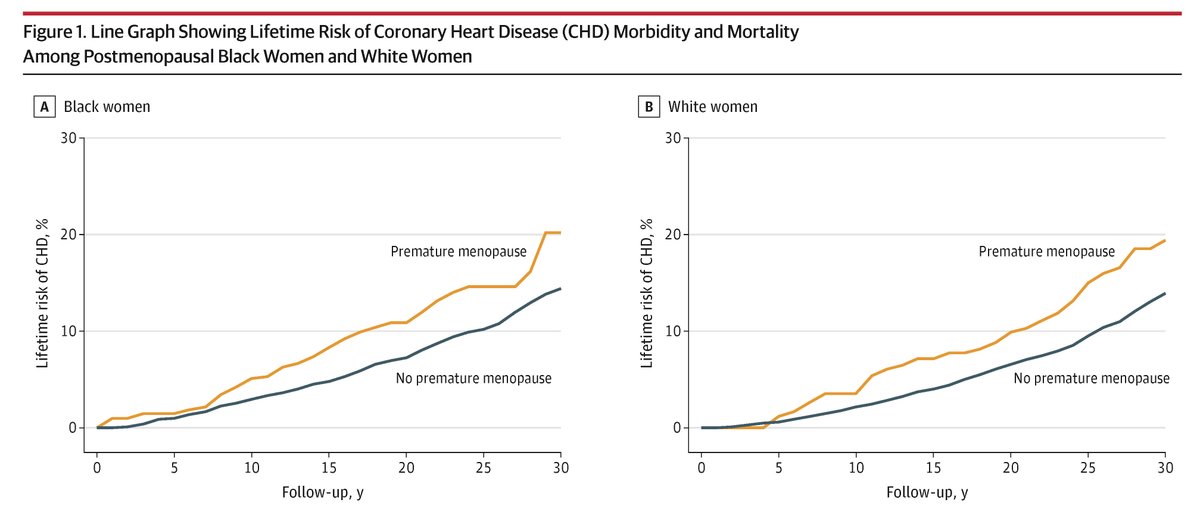
Premature menopause (age <40 years) was associated with a 40% higher lifetime risk of #CoronaryHeartDisease in both Black and White women, supporting its use as a risk-enhancing factor in preventive care.
ja.ma/4sQCrue

English
CardioAcademic retweetledi

#EHJCVI 📐🔎 Should we assess RV hemisphericity and hemiconicity angle? These 3D shape-based metrics vary by pathology, sex, and age, and carry strong prognostic implications in atrial secondary TR, adding a new layer to RV evaluation 🧭✨Read more 👉 doi.org/10.1093/ehjci/…

English
CardioAcademic retweetledi

Dr. Roger Blumenthal and I review top take away messages from the new lipid guidelines
View interview and slides here clinicaltrialresults.org/dr-roger-blume…
English
CardioAcademic retweetledi

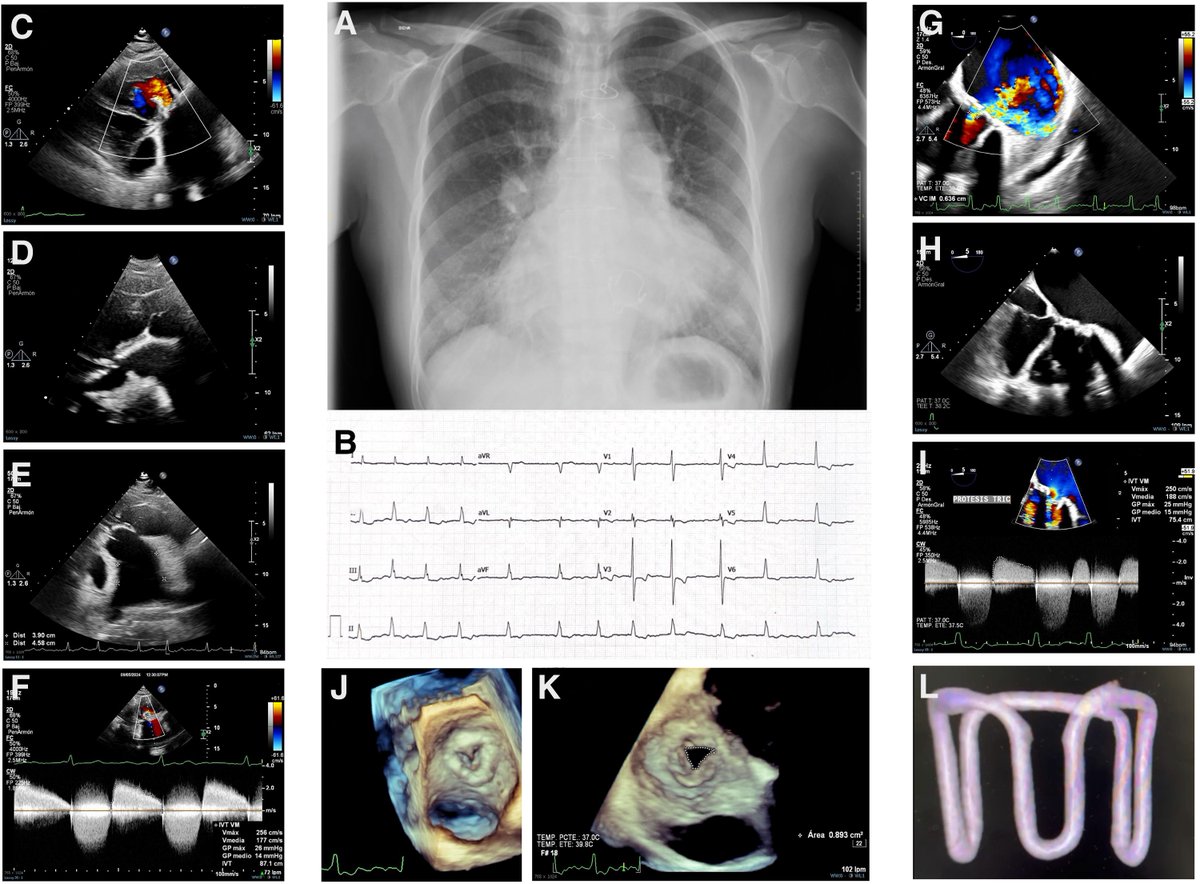
A challenging case of congenitally corrected transposition of the great arteries with failure of the systemic AV prosthesis successfully treated with a percutaneous valve-in-valve approach.
An important alternative when reoperation carries high risk.
Read the case in European Heart Journal – Case Reports:
ow.ly/FMvX50YuAi8
#CardioTwitter #ACHD #InterventionalCardiology #ValveInValve
#EHJCaseReports @Phiso_de @TJ_Yeo @aayshacader @BoldiKovacsMD @SukritiBanthiya @ANazmiCalik @O_Azizy_MD @saramoscatelli7 @EHJCREiC #CardioX

English
CardioAcademic retweetledi

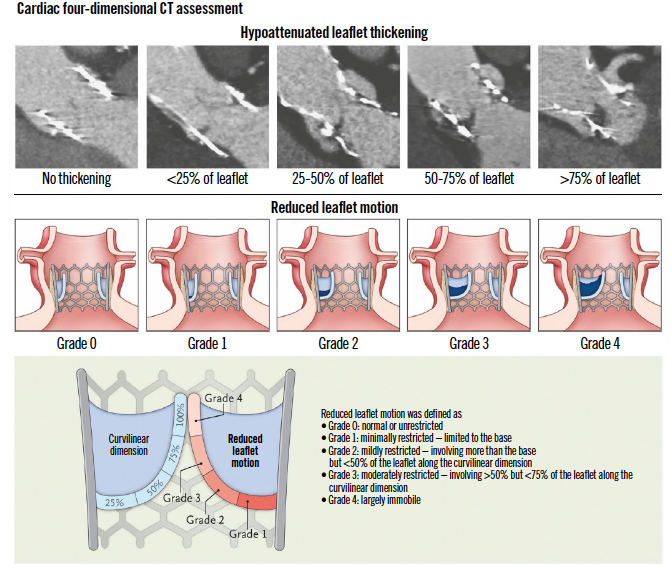
As TAVI expands to younger, lower-risk patients, valve thrombosis is an emerging concern.
Detection remains inconsistent, long-term impact unclear, and optimal therapy debated. This review covers mechanisms, prevalence, clinical impact & management.
#TAVI #CardioTwitter
eurointervention.pcronline.com/article/transc…

English
CardioAcademic retweetledi

When rare cardiac conditions present with common symptoms.
This case report highlights the importance of careful diagnostic evaluation and multimodality imaging to identify uncommon cardiac pathologies that may initially mimic more frequent cardiovascular diseases.
A reminder that keeping a broad differential diagnosis is key in cardiology.
🔗 ow.ly/MGxj50YuAjf
#Cardiology #CardiacImaging #DifferentialDiagnosis #CaseReport #EHJCR
#EHJCaseReports @Phiso_de @TJ_Yeo @aayshacader @BoldiKovacsMD @SukritiBanthiya @ANazmiCalik @O_Azizy_MD @saramoscatelli7 @EHJCREiC #CardioX

English
CardioAcademic retweetledi

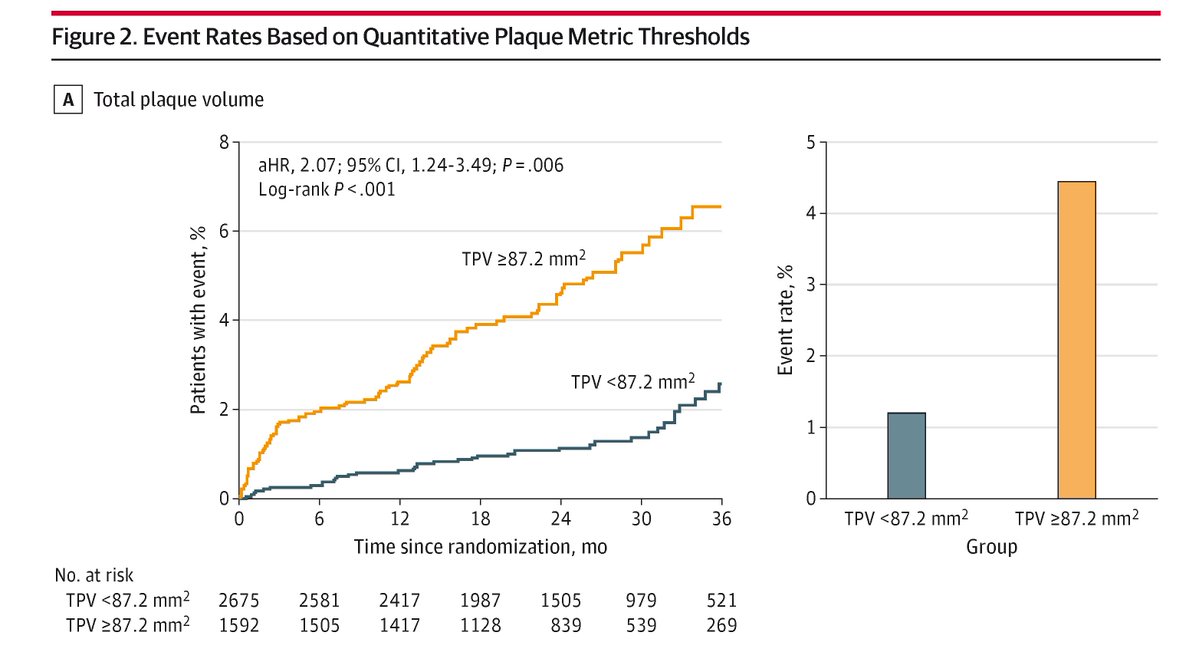
In symptomatic patients without known coronary disease, #CCTA-derived plaque burden and volume independently predicted MACE beyond clinical risk and standard imaging findings.
ja.ma/4l2k0jL

English
CardioAcademic retweetledi

🫀 Rethinking Coronary Stenosis
Why PCCT Downgrades What EID Often Overcalls
In coronary CTA, the problem is not missing stenosis.
It’s overestimating it.
Calcifications, partial volume effects, and limited resolution with conventional energy-integrating detectors (EID) often make lesions look more severe than they truly are.
This is where ultra-high-resolution Photon-Counting CT (PCCT) changes the narrative.
🧠 Why stenosis gets overcalled
With EID-CT:
✔️ Calcium blooming exaggerates plaque size
✔️ Limited spatial resolution blurs lumen boundaries
✔️ Partial volume effects “fill in” the lumen
✔️ Noise further reduces edge definition
The result?
👉 Moderate lesions become severe.
👉 Borderline cases become invasive referrals.
⚡ What changes with PCCT
Ultra-high spatial resolution
✔️ Sharper lumen definition
✔️ Clear separation between calcium and contrast
Reduced blooming artifacts
✔️ Calcium appears closer to its true size
✔️ Less artificial lumen narrowing
High iodine signal (400 mg I/mL)
✔️ Strong, stable intraluminal enhancement
✔️ Improved contrast-to-noise ratio
✔️ The lumen is clearly delineated, not inferred
Spectral capability
✔️ Better discrimination between iodine and calcium
✔️ Additional confidence in plaque assessment
🎯 The clinical impact
We don’t just detect stenosis.
We measure it more truthfully.
Severe → Moderate
Moderate → Mild
Uncertain → Clear
Not because disease disappears —
but because artifacts do.
From overestimation to accuracy.
From blooming to clarity.
From unnecessary concern to appropriate management.
That’s the power of Photon-Counting CT in coronary CTA. ⚡🫀
#PhotonCountingCT #PCCT #CoronaryCTA #UltraHighResolution #CalciumBlooming #CardiacCT #RadiologyInnovation #yesCCT

English
CardioAcademic retweetledi

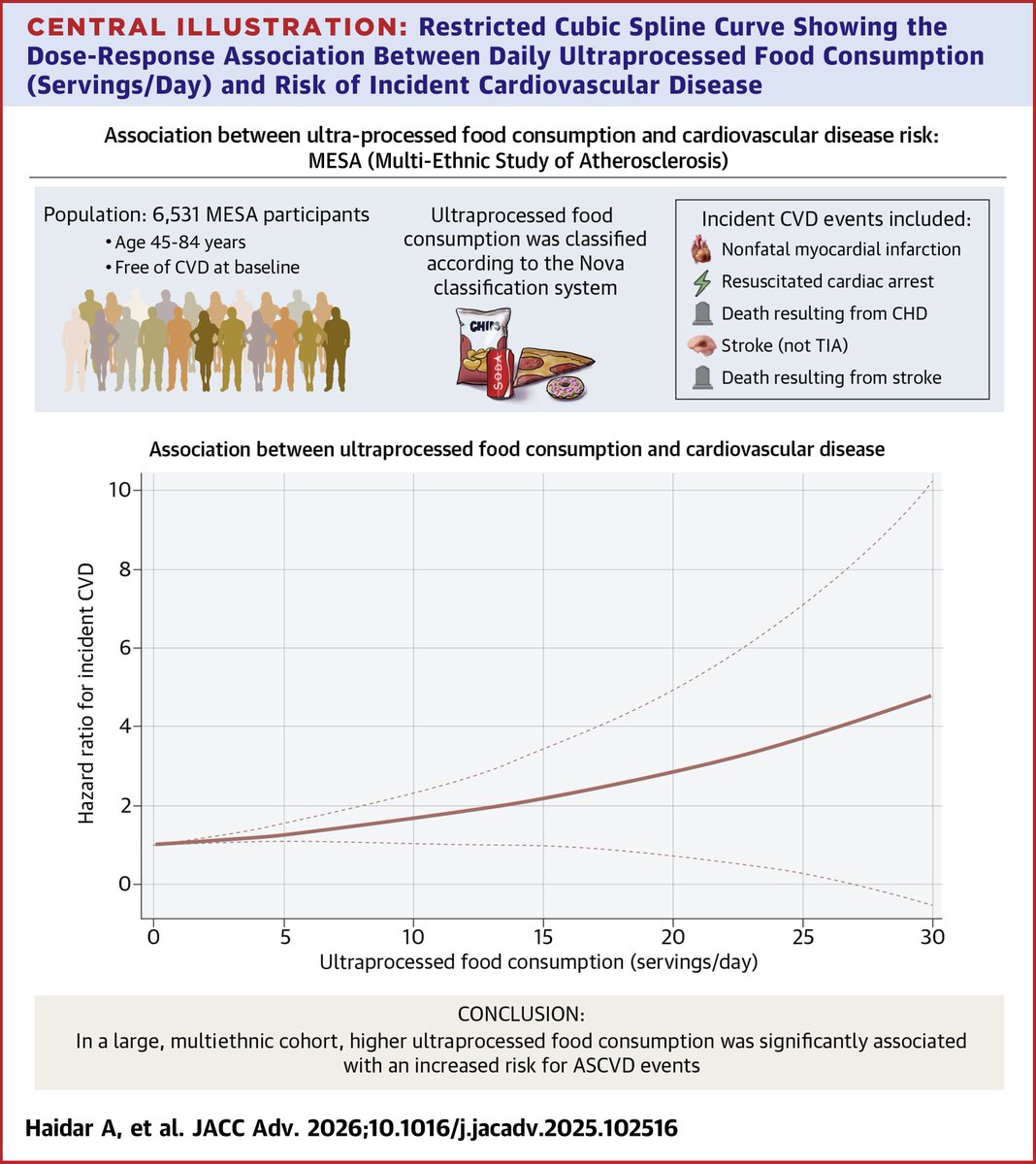
People consuming >9 servings/day of ultra-processed foods had a 67% higher risk of #MACE vs ~1 serving/day, per #ACC26 research. Ultra-processed foods include chips, frozen meals, processed meats, sugary drinks, cereals & breads. jacc.org/doi/10.1016/j.…
#JACCAdvances #ASCVD #CVD

English
CardioAcademic retweetledi

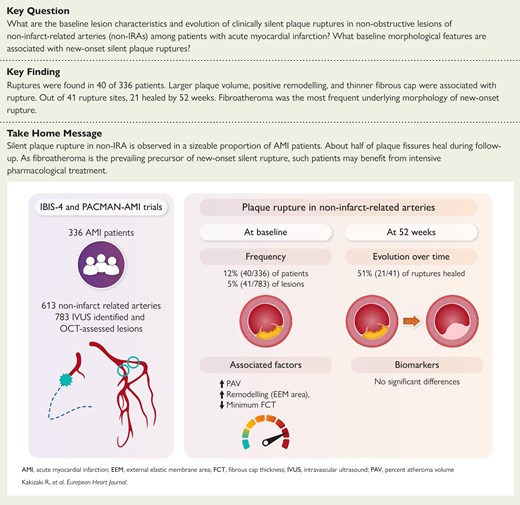
Plaque rupture is the most common mechanism of instability underlying the onset of acute coronary syndrome. New large study sheds new light on silent plaque ruptures in non-obstructive lesions of non–infarct-related arteries.
doi.org/10.1093/eurhea…
#TCFA #MI #atherosclerosis #cardiotwitter, @ESC_Journals, @escardio

English
CardioAcademic retweetledi

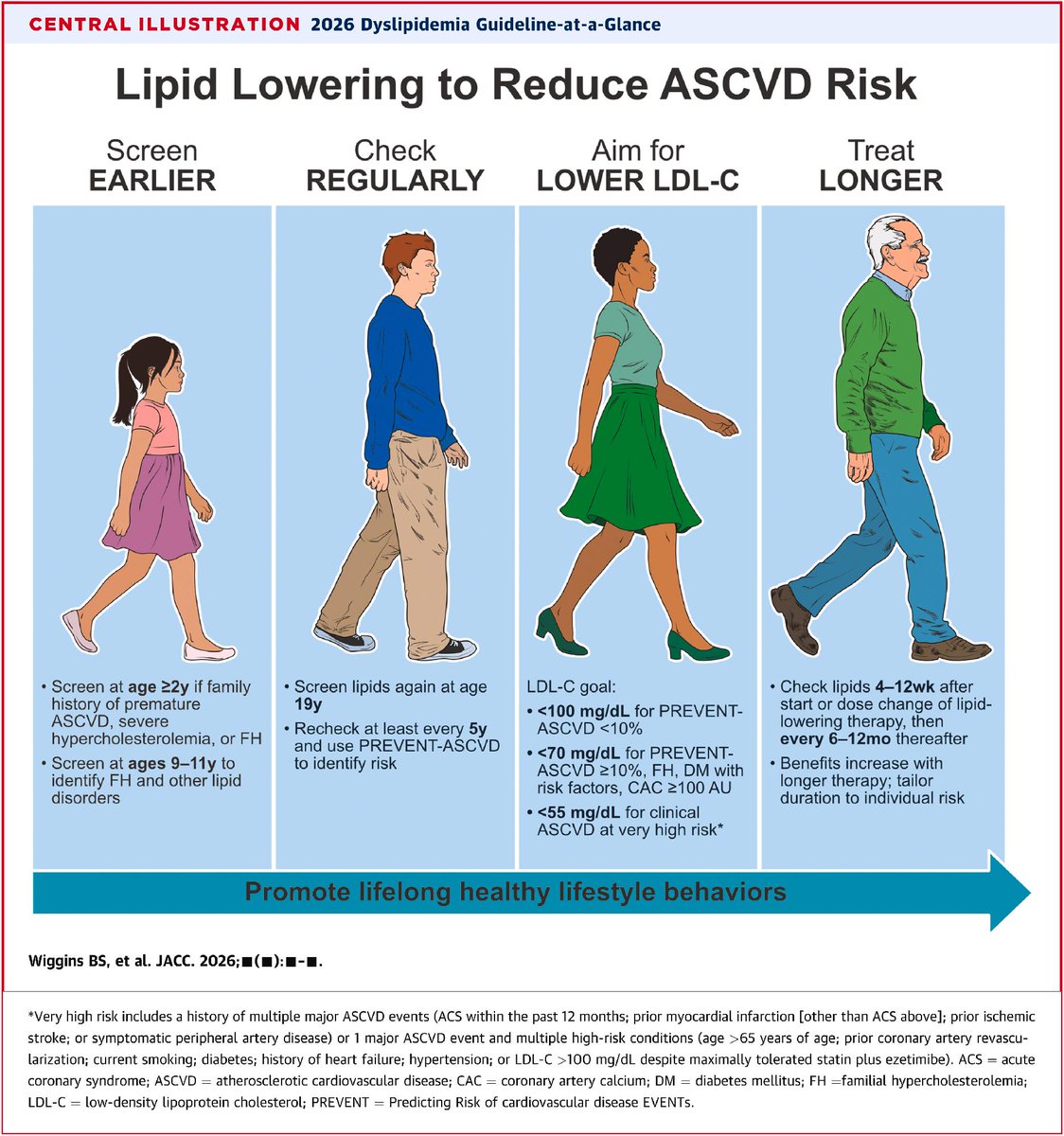
ACC/AHA & 9 other leading medical associations released an updated clinical guideline for managing #dyslipidemia. About 1 in 4 US adults has high LDL-C, raising risk of heart attack & stroke.
Get the details in #JACC: jacc.org/doi/10.1016/j.…
#ClinicalGuidelines #cvLipids #ASCVD

English
CardioAcademic retweetledi

Apixaban and rivaroxaban are the most frequently used oral anticoagulants for acute venous thromboembolism, but data on the difference in bleeding risk between the drugs are lacking. Research findings from the COBRRA trial are summarized in a new Quick Take video. nejm.org/do/10.1056/NEJ…
English
CardioAcademic retweetledi

This is very important. You don't wait until you have lung cancer to tell smokers to stop smoking. You tell them decades earlier. 🚬🫀
Pablo Corral MD@drpablocorral
☝️Atherosclerosis, the number one killer worldwide, begins much earlier than when it can be detected by coronary artery calcium (CAC) score
English
CardioAcademic retweetledi

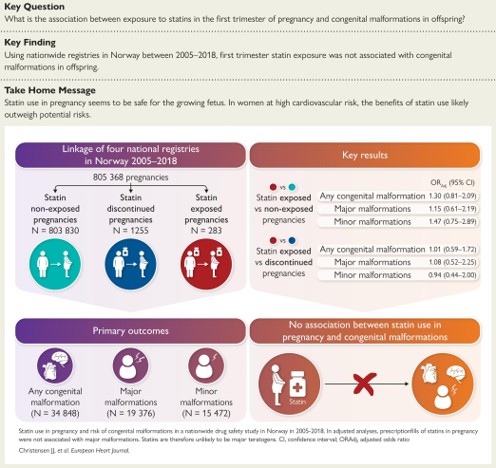
Data from 800,000+ pregnancies suggests 1st-trimester statin exposure was not linked to higher risk of congenital or cardiac malformations.
Evidence like this strengthens the case for more nuanced, individualized care for women with CV risk in pregnancy.
academic.oup.com/eurheartj/arti…

English
CardioAcademic retweetledi

Terrific, clinically important RCT with some limitations, including PROBE design (w subjective PEP), exclusion of pts w cancer & overweight, modified ITT (labelled as ITT), missed opportunity for sensitivity analyses (eg accounting for dosing regimens), & unclear efficacy #COBRRA
NEJM@NEJM
In an international, randomized trial involving patients with acute venous thromboembolism, the risk of clinically relevant bleeding was significantly lower with apixaban than with rivaroxaban during the 3-month treatment period. Full COBRRA trial results: nejm.org/doi/full/10.10…
English
CardioAcademic retweetledi

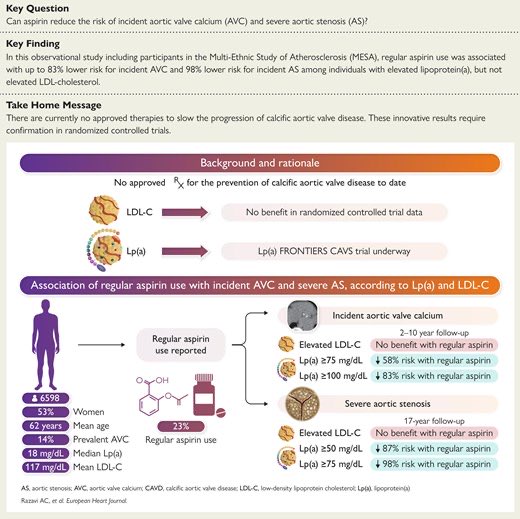
Aspirin use, lipoprotein(a), and calcific aortic valve disease: the Multi-ethnic Study of Atherosclerosis
In this exploratory analysis of prospective observational cohort data, regular aspirin use was associated with a lower risk of AVC and severe AS in persons with high Lp(a), but not high LDL-C.
#Cardiology #MedTwitter #CardioTwitter #HeartHealth #Healthcare
@ESC_Journals @escardio @ehj_ed @CMichaelGibson @DrMarthaGulati @hvanspall @AndrewJSauer @Hragy @biljana_parapid @AnastasiaSMihai
academic.oup.com/eurheartj/adva…

English
CardioAcademic retweetledi

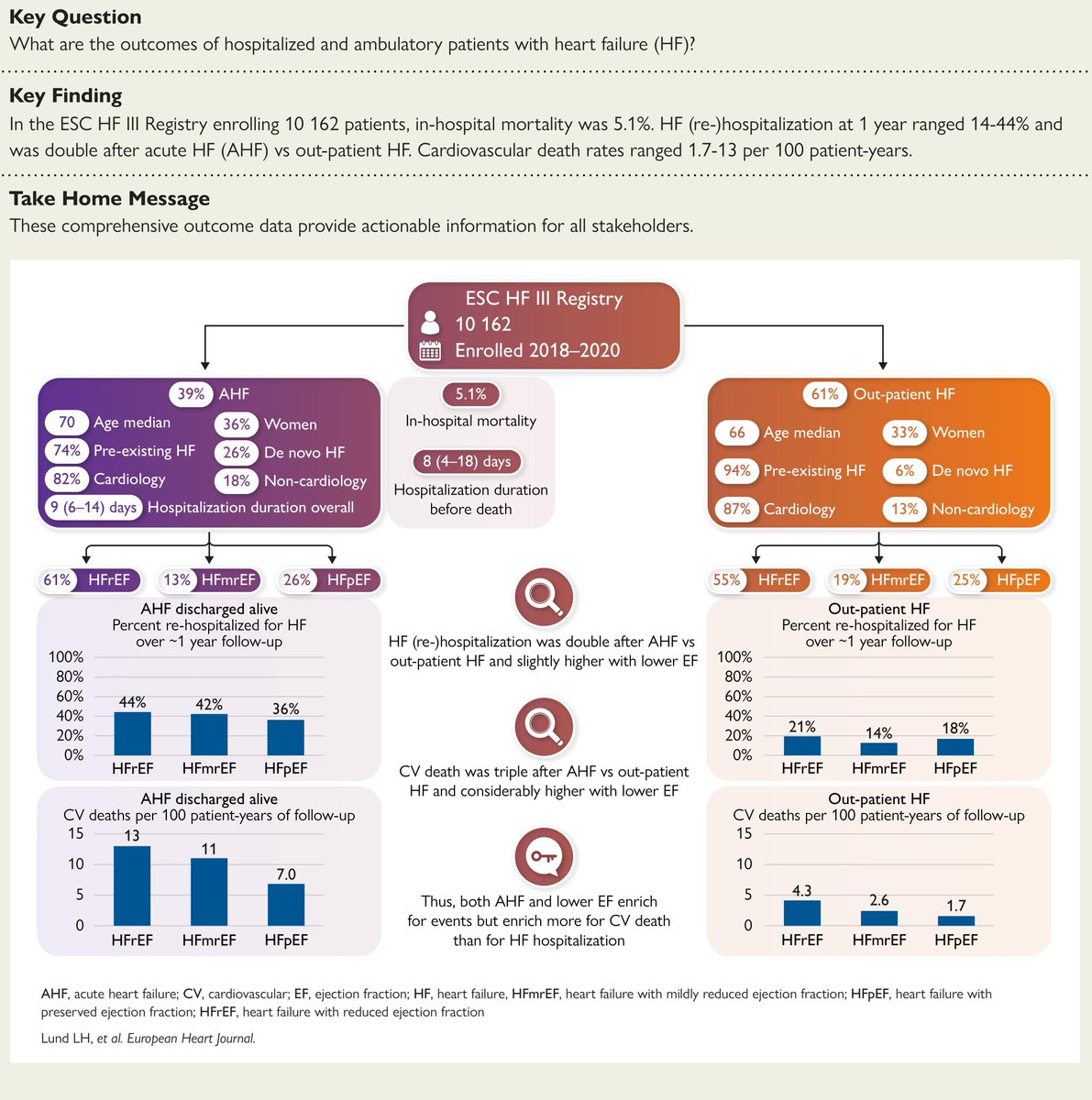
Outcomes of heart failure with reduced, mildly reduced, or preserved ejection fraction: the ESC HF III registry. Read more in EHJ.
ow.ly/Hl0v50Ynt58
#EHJ #cardiotwitter #heart #failure #preserved #ejection #fraction @ESC_journals @escardio

English
CardioAcademic retweetledi

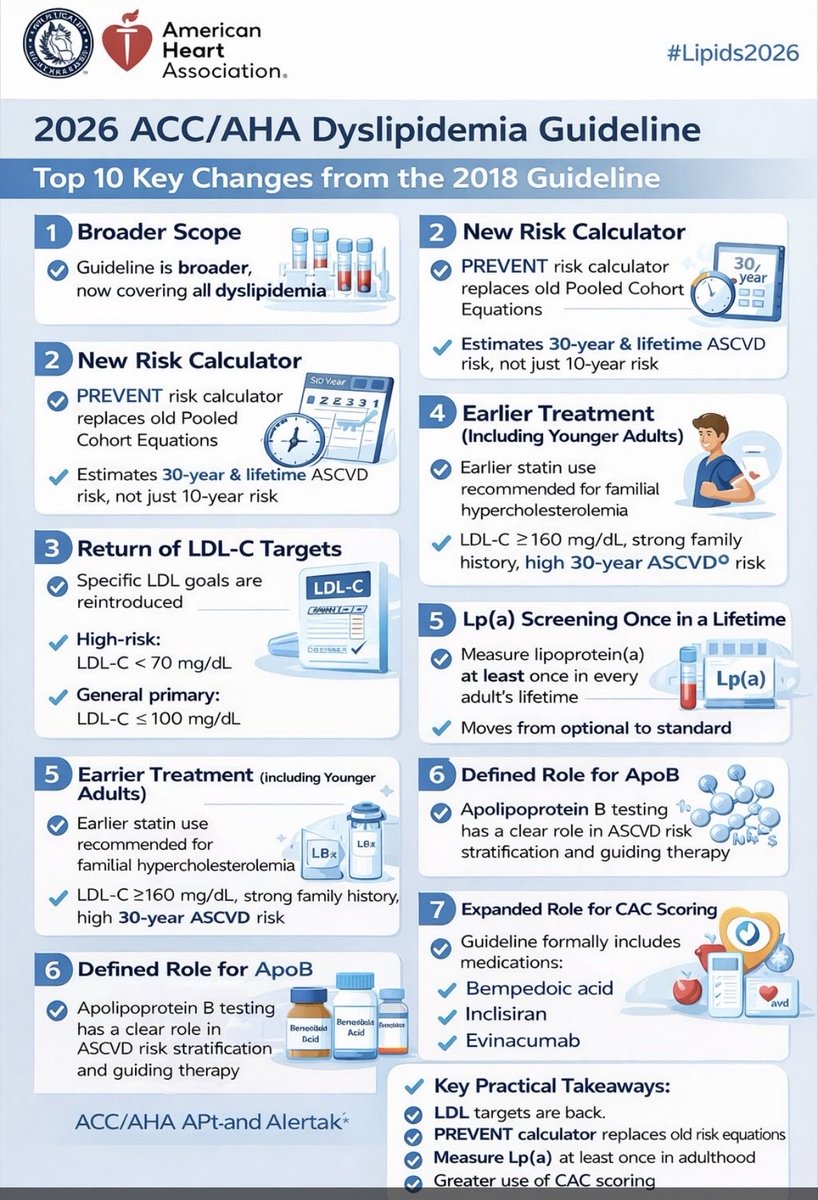
🧵The 2026 ACC/AHA Dyslipidemia Guidelines are officially out!
These new updates bring major shifts in risk assessment, novel lipid markers, and cholesterol targets.
Open access 🔓
jacc.org/doi/pdf/10.101…
Here are the most salient features you need to know.👇

English