Sabitlenmiş Tweet

@hendry_hugh Unpopular prediction:
In a decade, we will look back and realize that we should have been using AI to MAXIMIZE human performance, not REPLACE it.
English
Crumbdon
3.4K posts

@ChadWinward
Technician. Hobbyist trader. I appreciate nerds. I only troll trolls. No political allegiances. Both major parties are morally bankrupt. Freedom trumps safety.

*FEDEX SHARES CLOSE DOWN 9.1%, MOST SINCE APRIL 2025 *UPS SHARES CLOSE DOWN 10%, MOST SINCE JULY 2025




Sorry I missed the Met Gala…I was busy watching a chipmunk eat a snack.



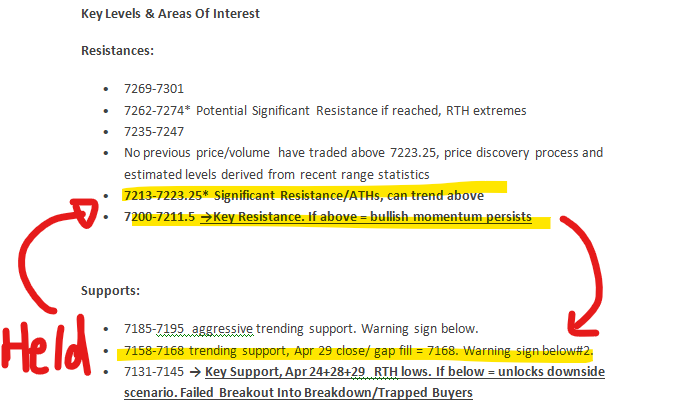
RTH open, immediate dive/rotation back into support. Be careful of Failed Breakout structures developing across the board. ES 7168 gap filled. NQ gap filled 27325s. Could be a wilder session given the volume+speed so far. AAPL ER after.
#ES_F be careful folks. From what I am seeing with price action and the $VIX something smells and smells big-time. Some oversized institutional blocks at the upper end here on ES upper band as well turned down. This weekend is going to be INTERESTING!!! 😉 Will post a video on X here with regards to ES and the VIX shortly sometime in the afternoon. Be Careful out there.