Sabitlenmiş Tweet

English
Chris Horner
24.6K posts
@Chris_C_Horner
Lawyer for policy groups, author of NYT bestseller The Politically Incorrect Guide to Global Warming & Environmentalism, among others


Trans activism has corrupted the media. Every week, a new man is described as a woman or bestowed with ‘she / her’ pronouns. That ubiquitous phrase ‘her penis’ is an affront to journalistic objectivity, says Janet Murray buff.ly/OeHrJXJ




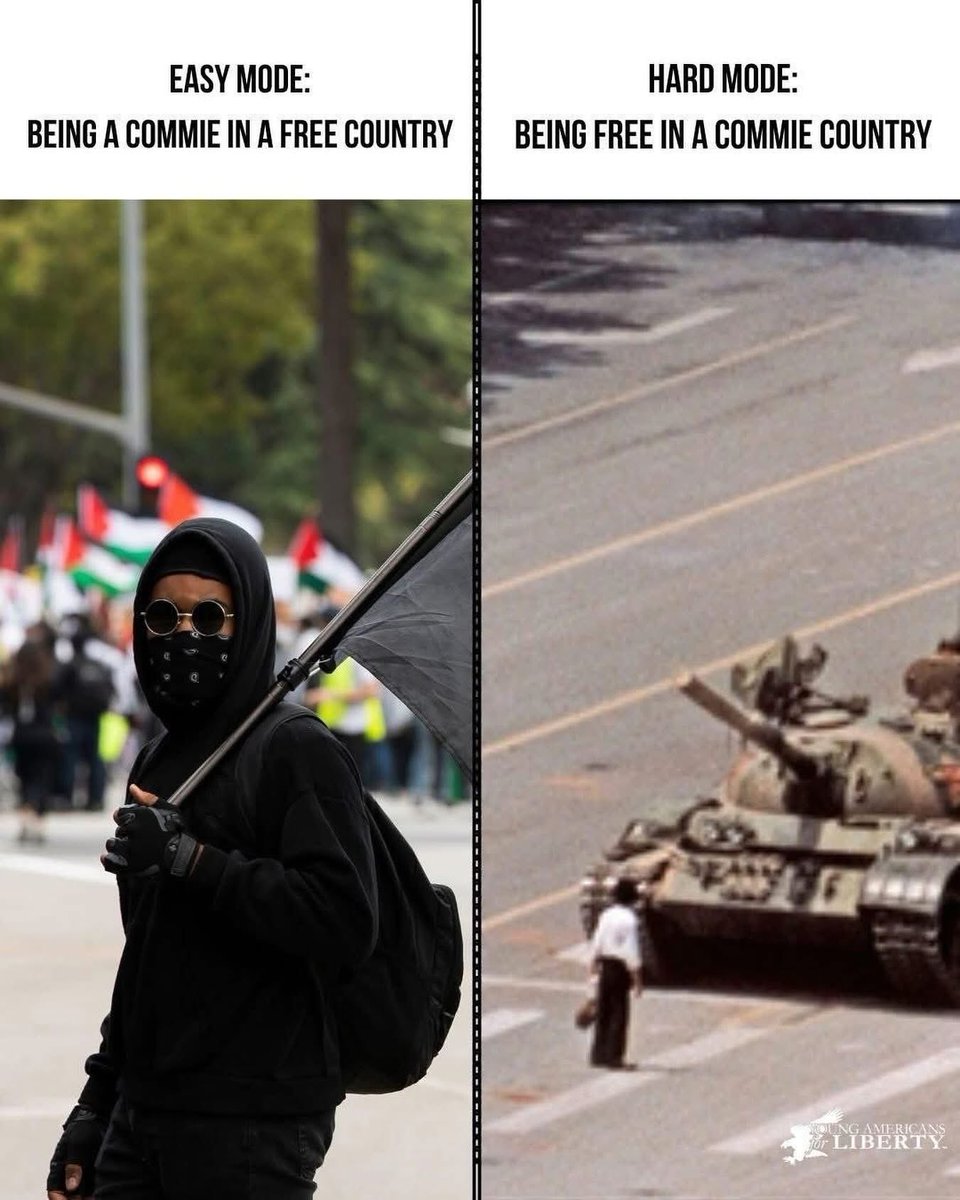
Communism is evil, actually.


𝐓𝐑𝐔𝐌𝐏 𝐃𝐈𝐃𝐍’𝐓 𝐃𝐄𝐋𝐀𝐘 𝐎𝐏𝐄𝐍𝐈𝐍𝐆 𝐓𝐇𝐄 𝐒𝐓𝐑𝐀𝐈𝐓 𝐎𝐅 𝐇𝐎𝐑𝐌𝐔𝐙 𝐁𝐘 𝐀𝐂𝐂𝐈𝐃𝐄𝐍𝐓 — 𝐇𝐄 𝐃𝐄𝐋𝐀𝐘𝐄𝐃 𝐈𝐓 𝐎𝐍 𝐏𝐔𝐑𝐏𝐎𝐒𝐄 James E. Thorne (@DrJStrategy) published a piece on X that has racked up 𝟐 𝐦𝐢𝐥𝐥𝐢𝐨𝐧 𝐯𝐢𝐞𝐰𝐬 in hours, and it deserves every one of them — because it explains the single most misunderstood element of Trump’s Iran strategy. The conventional criticism is that Trump is too slow to reopen Hormuz. The reality, Thorne argues, is that the delay 𝐢𝐬 𝐭𝐡𝐞 𝐬𝐭𝐫𝐚𝐭𝐞𝐠𝐲. Trump is deliberately withholding the American security guarantee at the moment of maximum stress — not because he can’t clear the Strait, but because doing so too quickly would let Europe go back to sleep. For decades, Western allies built their economies and green energy mandates on a silent assumption: 𝐀𝐦𝐞𝐫𝐢𝐜𝐚𝐧 𝐜𝐚𝐫𝐫𝐢𝐞𝐫𝐬 𝐰𝐨𝐮𝐥𝐝 𝐚𝐥𝐰𝐚𝐲𝐬 𝐚𝐩𝐩𝐞𝐚𝐫 𝐨𝐟𝐟 𝐇𝐨𝐫𝐦𝐮𝐳. They ran down their militaries, underfunded NATO — the U.S. carries 𝟔𝟐% 𝐨𝐟 𝐚𝐥𝐥 𝐜𝐨𝐦𝐛𝐢𝐧𝐞𝐝 𝐍𝐀𝐓𝐎 𝐝𝐞𝐟𝐞𝐧𝐬𝐞 𝐬𝐩𝐞𝐧𝐝𝐢𝐧𝐠 — and lectured Washington about multilateralism from the comfort of a security blanket they never paid for. Then Trump pulled the blanket. On March 15, he told the world that countries receiving oil through Hormuz should “take care of that passage” themselves. The initial response was exactly what Thorne’s thesis predicts: EU foreign policy chief Kaja Kallas declared “𝘵𝘩𝘦𝘳𝘦 𝘪𝘴 𝘯𝘰 𝘢𝘱𝘱𝘦𝘵𝘪𝘵𝘦 𝘪𝘯 𝘵𝘩𝘦 𝘌𝘜 𝘵𝘰 𝘫𝘰𝘪𝘯 𝘛𝘳𝘶𝘮𝘱’𝘴 𝘏𝘰𝘳𝘮𝘶𝘻 𝘤𝘰𝘢𝘭𝘪𝘵𝘪𝘰𝘯” and added “𝘵𝘩𝘪𝘴 𝘪𝘴 𝘯𝘰𝘵 𝘌𝘶𝘳𝘰𝘱𝘦’𝘴 𝘸𝘢𝘳.” Japan, Australia, South Korea, and the UK all initially rejected the call. Then the pain arrived. Oil surged from $𝟕𝟎 𝐭𝐨 𝐨𝐯𝐞𝐫 $𝟏𝟎𝟎 𝐚 𝐛𝐚𝐫𝐫𝐞𝐥. Tanker traffic through the Strait dropped 𝟕𝟎%. Over 𝟏𝟓𝟎 𝐬𝐡𝐢𝐩𝐬 anchored outside waiting for safe passage. European energy prices spiked. The “not our war” posture became economically untenable. Two weeks later — on April 2 — 𝐨𝐯𝐞𝐫 𝟒𝟎 𝐧𝐚𝐭𝐢𝐨𝐧𝐬 launched a coalition to secure the Strait. The UK hosted the inaugural meeting. Europe didn’t just join — they’re now scrambling to lead, with British Foreign Secretary Yvette Cooper chairing the talks. The very nations that said it wasn’t their problem are now volunteering ships. Thorne frames it in Hegelian terms: Trump “𝘪𝘴 𝘳𝘦𝘧𝘶𝘴𝘪𝘯𝘨 𝘢𝘯 𝘦𝘢𝘴𝘺 𝘴𝘺𝘯𝘵𝘩𝘦𝘴𝘪𝘴 𝘪𝘯 𝘰𝘳𝘥𝘦𝘳 𝘵𝘰 𝘧𝘰𝘳𝘤𝘦 𝘵𝘩𝘦 𝘶𝘯𝘥𝘦𝘳𝘭𝘺𝘪𝘯𝘨 𝘤𝘰𝘯𝘵𝘳𝘢𝘥𝘪𝘤𝘵𝘪𝘰𝘯 𝘵𝘰 𝘵𝘩𝘦 𝘴𝘶𝘳𝘧𝘢𝘤𝘦.” The contradiction being that Europe’s energy systems, industrial bases, and geopolitical sermons 𝐚𝐥𝐥 𝐫𝐞𝐬𝐭 𝐨𝐧 𝐚𝐧 𝐀𝐦𝐞𝐫𝐢𝐜𝐚𝐧 𝐡𝐚𝐫𝐝-𝐩𝐨𝐰𝐞𝐫 𝐟𝐨𝐮𝐧𝐝𝐚𝐭𝐢𝐨𝐧 𝐭𝐡𝐞𝐲 𝐧𝐞𝐢𝐭𝐡𝐞𝐫 𝐟𝐢𝐧𝐚𝐧𝐜𝐞 𝐧𝐨𝐫 𝐩𝐨𝐥𝐢𝐭𝐢𝐜𝐚𝐥𝐥𝐲 𝐫𝐞𝐬𝐩𝐞𝐜𝐭. The prize isn’t just reopening a chokepoint. It’s a reordered system where access to secure oil flows is 𝐞𝐱𝐩𝐥𝐢𝐜𝐢𝐭𝐥𝐲 𝐜𝐨𝐧𝐝𝐢𝐭𝐢𝐨𝐧𝐚𝐥 𝐨𝐧 𝐫𝐞𝐚𝐥 𝐜𝐨𝐧𝐭𝐫𝐢𝐛𝐮𝐭𝐢𝐨𝐧𝐬 — not assumed as a right. A world where the United States sits at the center of the hydrocarbon chessboard. 𝐓𝐡𝐞𝐲 𝐬𝐚𝐢𝐝 𝐢𝐭 𝐰𝐚𝐬𝐧’𝐭 𝐭𝐡𝐞𝐢𝐫 𝐰𝐚𝐫. 𝐓𝐰𝐨 𝐰𝐞𝐞𝐤𝐬 𝐨𝐟 $𝟏𝟎𝟎 𝐨𝐢𝐥 𝐜𝐡𝐚𝐧𝐠𝐞𝐝 𝐭𝐡𝐞𝐢𝐫 𝐦𝐢𝐧𝐝.

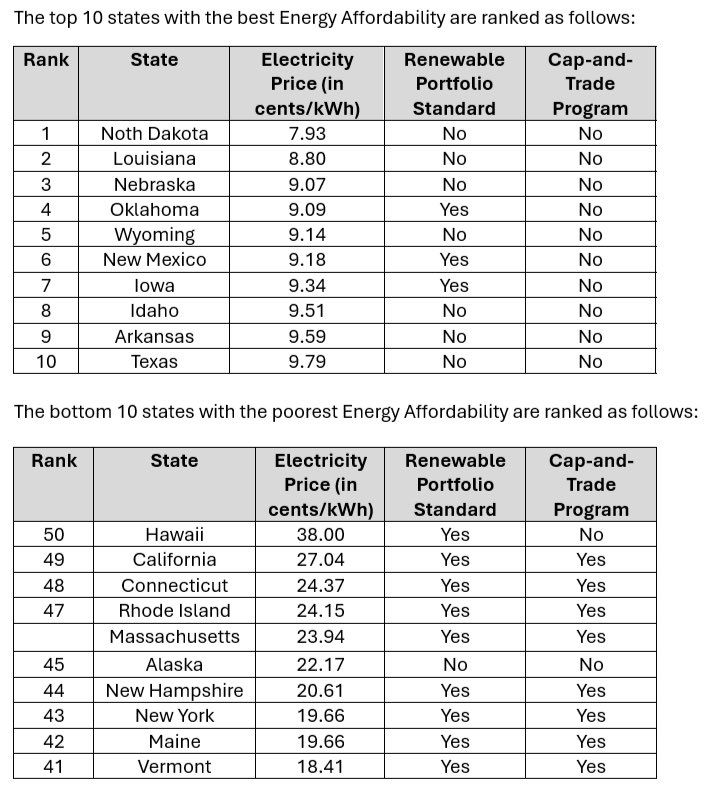
DOE Sec Chris Wright "I think we are in the midst of the greatest malinvestment in human history." $10 trillion to fight climate change for a collective 2.6% of global energy from wind and solar and the net result, a significant increase in the price of electricity. Listen 🔊




Does the @nytimes know what NATO stands for?