Christa Hagearty

1.1K posts

Christa Hagearty

Christa Hagearty

@ChristaHagearty

Mom to the greatest kids, CEO, Dependable Cleaners, that loves reading, skiing and traveling with family

Cohasset, ma Katılım Ağustos 2009
499 Takip Edilen341 Takipçiler
Christa Hagearty retweetledi
Fareed Zakaria
Fareed Zakaria@FareedZakaria·
President Trump’s abuse of America's allies has reached a tipping point. Now countries have started making long-term policy shifts — and those shifts will soon take on a life of their own. My take:
English
328
1.6K
5K
407.5K
Christa Hagearty retweetledi
PolyBio
PolyBio@polybioRF·
12/ “This is an opportunity to help close one of the biggest gaps in medicine today,” said Steve Pagliuca, Founder and CEO of PagsGroup. “As someone whose family has been personally affected, I’ve seen firsthand how devastating this condition can be.
English
1
1
25
326
Christa Hagearty retweetledi
Berkeley Inspire
Berkeley Inspire@berkeleyinspire·
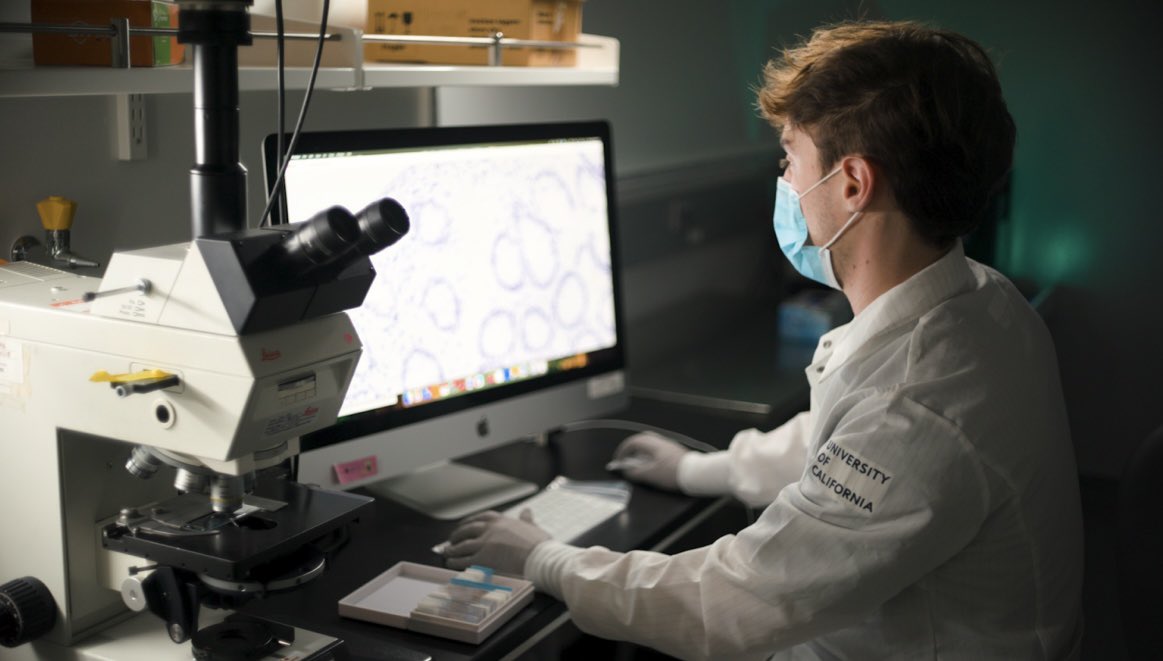
Professor John DeNero Ph.D. ’10 joined Berkeley in 2014 to focus on undergrad education in computer science and data science. He currently teaches and develops two of the largest courses on campus. Through his leadership as faculty director of the Data Science Undergraduate Studies (DSUS) program, he developed the data science major into the largest on campus and clinched the No. 1 ranking for the major nationally, according to U.S. News & World Report. Professor DeNero’s personal commitment to the power of a Berkeley data science education is an inspiring force. He is this year’s recipient of the Fiat Lux Faculty Award. #AchievementAwards #UCBerkeley
Berkeley Inspire tweet mediaBerkeley Inspire tweet mediaBerkeley Inspire tweet mediaBerkeley Inspire tweet media
English
3
8
122
14.7K
Christa Hagearty retweetledi
Donna Brazile
Donna Brazile@donnabrazile·
Harvard University is offering a FREE online course on the US Constitution! Understanding our Constitution has rarely been more important. Enroll in a free, short, engaging online course. HarvardX: American Government: Constitutional Foundations | edX edx.org/learn/governme…
English
66
2.4K
4.7K
242.4K
Christa Hagearty retweetledi
Keith Siau
Keith Siau@drkeithsiau·
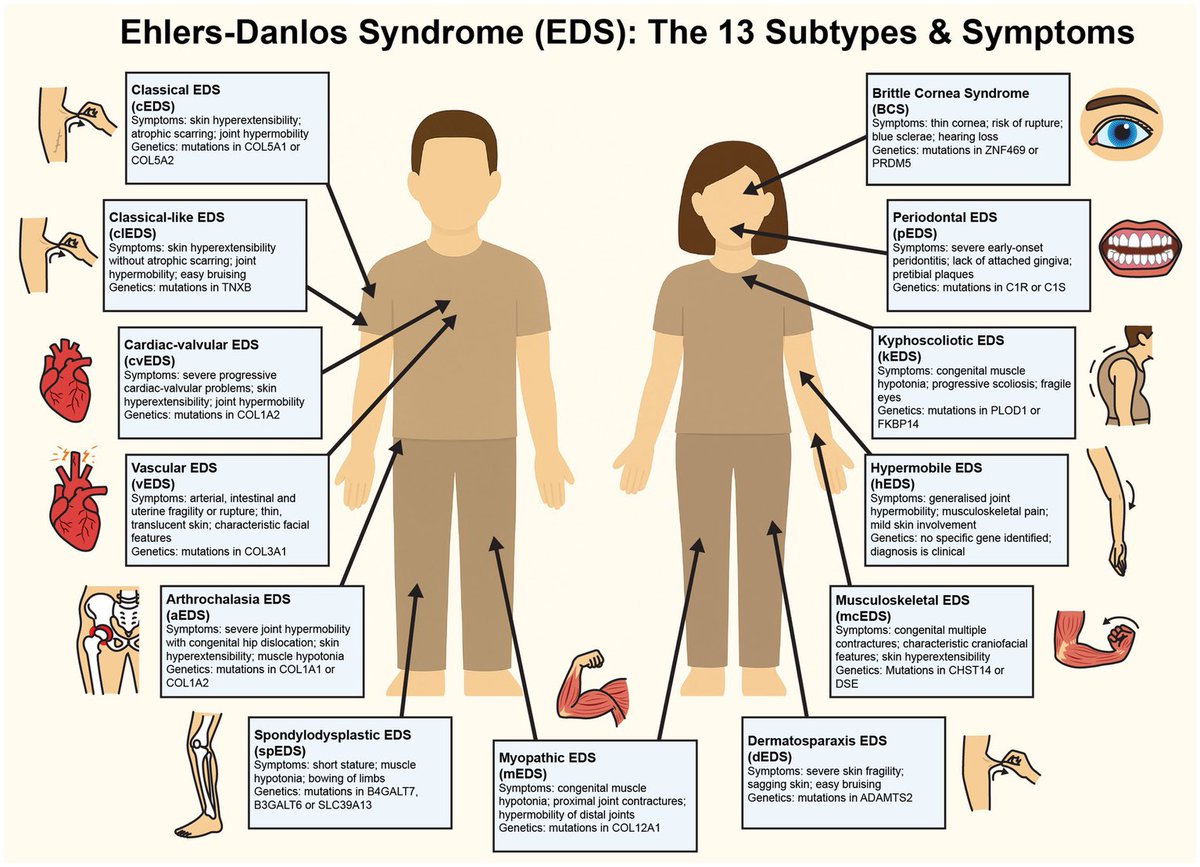
Controversial opinion here, but Ehlers-Danlos Syndrome certainly exists and is probably grossly underdiagnosed.
Keith Siau tweet media
English
64
209
1.1K
114.1K
Christa Hagearty retweetledi
Ihtesham Ali
Ihtesham Ali@ihtesham2005·
A community college professor taught the same study skills lecture for 30 years, and the video quietly became one of the most watched educational recordings on the internet. His name is Marty Lobdell. He spent his career as a psychology professor watching students fail not because they were lazy, but because nobody had ever taught them how their brain actually works under the pressure of learning something hard. The lecture is called "Study Less Study Smart." Over 10 million views. Passed around in Reddit threads, Discord servers, and university study groups for over a decade. And the core insight buried inside it has been sitting in cognitive psychology research for years, waiting for someone to explain it in plain language. Here is the framework that completely changed how I think about effort. Your brain does not sustain focus the way you think it does. Studies tracking real students found that the average learner hits a wall somewhere between 25 and 30 minutes. After that, efficiency doesn't just decline. It collapses. You're still sitting at your desk, still looking at the page, but almost nothing is going in. Lobdell illustrated this with a student he knew personally. She set a goal of studying 6 hours a night, 5 nights a week, to pull herself out of academic probation. Thirty hours of studying per week. She failed every single class that quarter. She wasn't failing because she lacked effort. She was failing because she had confused time spent near books with time spent actually learning. The 25-minute crash hit her at 6:30pm every night. She spent the next five and a half hours sitting in the wreckage of her own focus and calling it studying. The fix sounds almost too simple. The moment you feel the slide, stop. Take five minutes. Do something that actually gives you a small reward. Then go back. That five-minute reset returns you to near full efficiency. Across a six-hour window, the difference is not marginal. It is the difference between thirty minutes of real learning and five and a half hours of it. The second thing he taught destroyed something I had believed about how memory actually works. Highlighting feels productive. Going back over your notes and recognizing everything feels like knowing. But recognition and recollection are two completely different cognitive processes, and your brain is very good at making you confuse them. You can see something you've read before and feel completely certain you understand it, even when you couldn't reconstruct a single sentence from memory if the page were blank. He proved this live in the room. He read 13 random letters to his audience. Almost nobody could recall them. Then he rearranged the same 13 letters into two words: Happy Thursday. The whole room got all 13 without effort. Same letters. Same count. The only thing that changed was meaning. The brain stores meaning. Not repetition. The moment new information connects to something you already understand, the retention changes entirely. This is what the cognitive psychology literature calls elaborative encoding, and it is the mechanism underneath every effective study technique. The third principle was the one that hit me hardest, and the one almost nobody applies. Lobdell cited research showing that 80 percent of your study time should be spent in active recitation, not passive reading. Close the material. Say it back in your own words. Teach it to someone else, or to an empty chair if no one is around. The struggle of retrieval is where the actual learning happens. Reading your notes again is watching someone else do the work. His parting line has stayed with me longer than almost anything else I have read about learning. He told the room that if what he shared didn't change their behavior, they hadn't actually learned it. It would just live in their heads as something they had heard once and felt good about. He was right. And most people leave every lecture exactly like that. The students who remember everything aren't putting in more hours. They stopped confusing the feeling of studying with the fact of it.
English
215
4.9K
18.7K
1.9M
Christa Hagearty
Christa Hagearty@ChristaHagearty·
“The world is aesthetically better today than it was 100 years ago. Yes, there are lots of people who are badly dressed. This is fine, as not everyone cares about aesthetics. But if you do care about aesthetics, you enjoy greater freedom today & thus can express yourself through”
derek guy@dieworkwear

During the recent kerfuffle over whether people should be socially shamed for wearing pajamas at Costco, someone on here suggested that I was supporting the decline of social standards because I think it's perfectly fine to wear whatever you want to a giant warehouse that sells $1.50 hot dogs. The idea that dress was better in the past is treated as such an obvious truth that few people question it, even those who share my preference for contemporary life. But I would pose another view: although the emergence of fast fashion is certainly bad, and there's a terrible environmental cost from the waste now caused by the fashion industry, dress is better today than in the past. Just look at these photos recently posted by Scott Schuman, the photographer behind the famous fashion site The Sartorialist. These images are from his recent trip to Paris. Scott often posts themed sets like this — images of stylish people in Milan, Hong Kong, New York City, and so forth. I disagree with the idea of dress respectability on moral grounds. You should treat everyone with respect, regardless of what they're wearing. But as a matter of aesthetics, it's good that society has eased some of the Victorian handwringing around what people wear in public. Look at the diversity of aesthetics showcased here, from just one recent trip to Paris (and notably, only focused on menswear, not even getting into womenswear). On first glance, there are some themes here that could describe the fashion Robert Frank captured in his book The Americans, shot just after the Second World War. Here we see men wearing military-inspired clothing (e.g., bombers and trenches) and tailoring (e.g., houndstooth tweed and a boldly checked raglan overcoat). But we also see fashions that prob wouldn't have made it onto the streets in 1950, such as the patchwork boro jacket or the double-breasted with unusual pattern and button placement (look at that button-and-cloth corsage!). It's unimaginable today, but in the first half of the 20th century, a man could be sent home from work for wearing the wrong color shirt. For white-collar professionals, even in cosmopolitan cities, the standard office uniform consisted of a dark worsted suit worn with a white-collared shirt, a dark silk tie, and a pair of dark leather shoes. The phrase "no brown in town" refers to the British cultural practice of only wearing black leather shoes in certain professions when doing business in London. Brown was the countryside. If you flouted these rules, people would whisper behind your back about how you're a bad person (e.g., dumb, uncultured, rude, etc). That social system seems terribly toxic to me. But even as a matter of aesthetics, how great is it that the second man in the second slide can show up at many offices today wearing a brown houndstooth tweed jacket with a jaunty little neckerchief? The world is aesthetically better today than it was 100 years ago. Yes, there are lots of people who are badly dressed. This is fine, as not everyone cares about aesthetics. But if you do care about aesthetics, you enjoy greater freedom today and thus can express yourself through a wider range of aesthetics. If you let people wear pajamas to Costco, you can wear any of the outfits below and more. And if you open your mind to other aesthetics, I think you will find that many people on the street today are stylish, even if they're wearing something that you would not personally wear yourself. IG thesartorialist

English
0
0
0
8
Christa Hagearty retweetledi
Brain Inflammation Collaborative
Brain Inflammation Collaborative@BrainInflCollab·
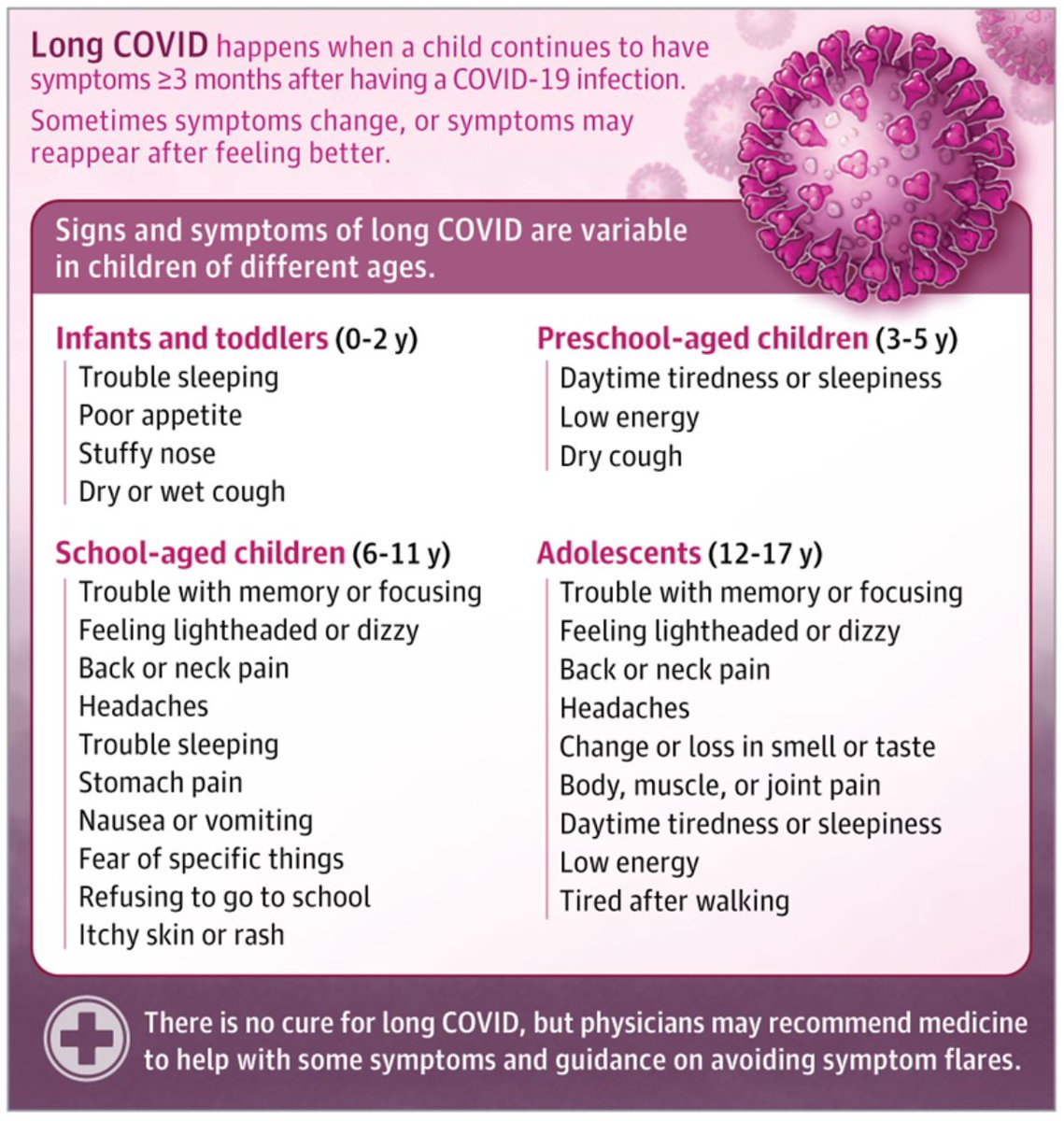
A recent study "estimated that 5.8 million young people have Long COVID." (1) Below are the signs and symptoms of pediatric Long COVID. Here is how to track those symptoms...🧵
Brain Inflammation Collaborative tweet media
English
1
9
29
1.1K
Christa Hagearty retweetledi
Juliette Kayyem
Juliette Kayyem@juliettekayyem·
This @mckaycoppins story is remarkable. I just read it in print and the guy next to me on the plane was clearly trying to follow @TheAtlantic story. I handed it to him after I was done. He finished and said he keeps meaning to delete the gambling apps. “They’ve made me hate sports.”
McKay Coppins@mckaycoppins

Last year, The Atlantic gave me $10K to gamble with. What started as a journalistic gimmick turned into something more... unnerving. My cover story on the online betting boom warping sports, culture, politics, and the psyches of millions of young men: theatlantic.com/magazine/2026/…

English
7
65
618
98.9K
Christa Hagearty
Christa Hagearty@ChristaHagearty·
Hope that more doctors will adopt These guidelines as new standards of care for Long Covid.
RTHM@RTHM_Health

In a recent op-ed published by @thesicktimes, “A new aid in the doctor’s office: Introducing the Long COVID Treatment Guide,” @leticiasaurus from @patientled and @jencurtinmd from RTHM discuss the treatment guide assembled over the past year for patients to explore potential treatment options for Long COVID. They highlight that there are prospective treatment approaches available today that may help reduce symptoms and improve quality of life while we wait for more RCTs. The treatment guide contains 24 prescription medications, as well as select over-the-counter medications, procedures, and lifestyle tools. Note, it is not an exhaustive list, nor is it intended to serve as medical advice. The guide was designed to support both patients and clinicians in having conversations about prospective off-label treatments during limited appointment times, while also helping to close gaps in awareness around the evolving evidence base. We hope this resource can help patients evaluate the options available to them and can inform clinicians on the supporting evidence for off-label treatments for Long COVID. Read the full story at: thesicktimes.org/2026/03/12/a-n…

English
0
0
0
5
Christa Hagearty retweetledi
Billy Hanlon
Billy Hanlon@bhanlon15·
Parade: "Getting COVID Again Is More Dangerous Than Most People Realize—Here’s What To Know" 'What makes getting long COVID especially dangerous is that there is currently no cure for it...' 'Certainly, no one wants to suffer from long COVID...' parade.com/health/dangers…
English
42
275
841
15.6K
Christa Hagearty retweetledi
PolyBio
PolyBio@polybioRF·
Breaking: PolyBio Research Foundation today announced the launch of VIPER, the first large-scale program designed to rigorously validate diagnostic tests that measure SARS-CoV-2 persistence and other biological drivers of Long COVID: prnewswire.com/news-releases/…
PolyBio tweet media
English
15
140
413
34.5K
Christa Hagearty retweetledi
Monica Verduzco-Gutierrez, MD
Monica Verduzco-Gutierrez, MD@MVGutierrezMD·
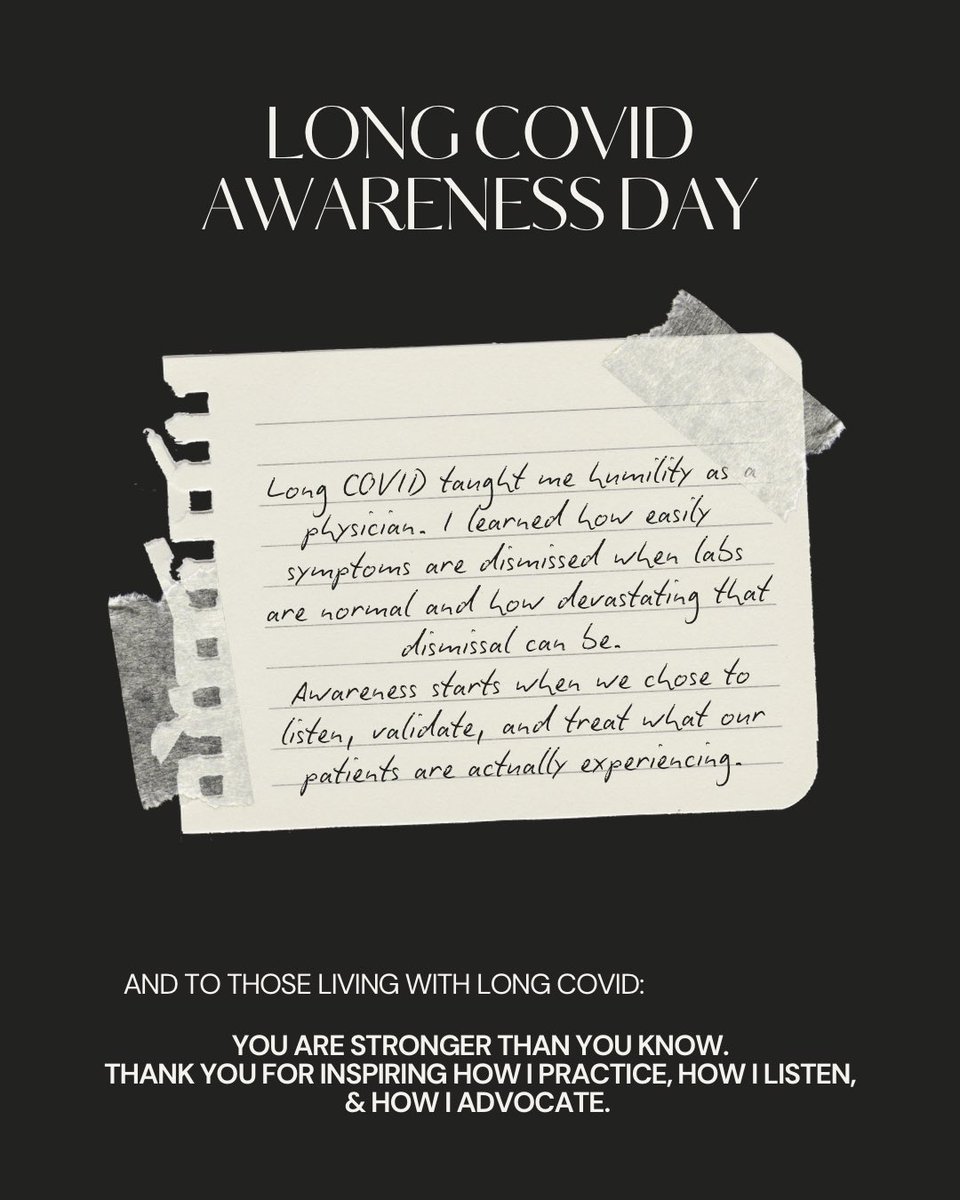
As a physician, Long COVID taught me humility.
As a patient, it showed me how harmful dismissal can be.
 To those living with Long COVID: you are my inspiration to listen better, believe sooner, and advocate harder. #LongCovidAwarenessDay #LongCovid #Physiatry
Monica Verduzco-Gutierrez, MD tweet media
English
18
74
249
4.6K
Christa Hagearty retweetledi
Matt Lazell-Fairman
Matt Lazell-Fairman@mfairma·
MIT’s MAESTRO study for Lyme & Long Covid is still recruiting. They need one more patient to finish data collection, specifically a person with Long Covid aged 56-65, who can travel to MIT by early April. #LongCovid talresearchgroup.mit.edu/mitmaestro
English
2
10
28
3.1K
Christa Hagearty retweetledi
Freyy
Freyy@Freyy_is·
dear apple, the iPod needs to come back. not for nostalgia. for the parents who want their kids to love music and audiobooks without a browser, social media, and the whole internet attached to it
English
2.4K
33.1K
338.5K
5.8M
Christa Hagearty retweetledi
Anish Moonka
Anish Moonka@anishmoonka·
Scientists put kids through 100 hours of reading, then scanned their brains. New wiring had physically grown inside the language regions. Communication between brain areas sped up by a factor of 10. Kids who didn't read showed zero change. That was a 2009 Carnegie Mellon study. It gets wilder. In 2013, Emory University scanned 19 students every morning for 19 straight days while they read one novel chapter each night. Mornings after reading, the brain areas responsible for understanding other people's emotions lit up with new connections. So did the region that processes physical sensation. Their brains were simulating what the characters felt, as if it were happening to them. Those changes stuck around for 5 days after they finished the book. Now flip to scrolling. A massive review published in Psychological Bulletin last September pulled together 71 studies covering 98,299 people. Heavy short-form video use (TikTok, Reels, Shorts) showed a clear pattern: worse attention, weaker self-control, and more anxiety. Consistent across teenagers and adults, across every platform tested. Oxford didn't name "brain rot" its 2024 Word of the Year for nothing. A 2024 brain wave study found that people hooked on short-form video had weaker activity in the front of the brain, the part that controls focus and impulse control. Separate brain scans showed the same thing: heavy scrollers had less activation in the exact regions that deep reading strengthens. UCLA neuroscientist Maryanne Wolf has been studying this for decades. Humans were never born to read. There's no gene for it. Reading is something we invented, and it hijacked neurons that were originally meant for recognizing faces. Over time, it built entirely new brain circuits connecting language, vision, and emotion. But those circuits only survive if you use them. Stop reading, and they fade. Wolf's conclusion is simple: screens built for speed produce a speed-wired brain. Books built for depth produce a depth-wired brain. One honest caveat: most of these studies are snapshots, not long-term tracking. People who already struggle to focus might just prefer short videos. But the same pattern showing up across nearly 100,000 people is hard to shrug off. The tweet repeats the line seven times. The research backs it up with brain scans, EEG data, and white-matter imaging across tens of thousands of people.
✒️@Literariium

The antidote for brain rot is books. The antidote for brain rot is books. The antidote for brain rot is books. The antidote for brain rot is books. The antidote for brain rot is books. The antidote for brain rot is books. The antidote for brain rot is books.

English
166
5.2K
25.3K
2M
Christa Hagearty
Christa Hagearty@ChristaHagearty·
Seems like the pharmaceutical companies don’t realize that there are millions of people impacted by long covid! What would make them recognize how large the numbers are?!?! #longcovid #treatments
Brain Inflammation Collaborative@BrainInflCollab

Some with Long COVID have exhausted T cells. This has been theorized as a mechanism driving the symptoms of (some with) Long COVID. The good news is that there is a drug that can rejuvenate these T cells. But here is the bad news...🧵

English
0
0
1
28
Christa Hagearty
Christa Hagearty@ChristaHagearty·
Remember when @hertz was known for having the best service… no longer based on experience at LAX… their team sits with their back to the line so they don’t look at anyone… and so slow. Looks like 10 mins per person when they already have a reservation.
English
8
4
7
211