Civilization VC
1.5K posts

Civilization VC
@CivilizationVC
We accelerate (AI) breakthroughs that will define human health + civilization for the next century. Founded by @ShahramSN. RTs/likes ≠ endorsements. 🩺 🧬 AI


I'm lucky enough to have a great doctor and access to excellent Bay Area medical care. I've taken lots of standard screening tests over the years and have tried lots of "health tech" devices and tools. With all this said, by far the most useful preventative medical advice that I've ever received has come from unleashing coding agents on my genome, having them investigate my specific mutations, and having them recommend specific follow-on tests and treatments. Population averages are population averages, but we ourselves are not averages. For example, it turns out that I probably have a 30x(!) higher-than-average predisposition to melanoma. Fortunately, there are both specific supplements that help counteract the particular mutations I have, and of course I can significantly dial up my screening frequency. So, this is very useful to know. I don't know exactly how much the analysis cost, but probably less than $100. Sequencing my genome cost a few hundred dollars. (One often sees papers and articles claiming that models aren't very good at medical reasoning. These analyses are usually based on employing several-year-old models, which is a kind of ludicrous malpractice. It is true that you still have to carefully monitor the agents' reasoning, and they do on occasion jump to conclusions or skip steps, requiring some nudging and re-steering. But, overall, they are almost literally infinitely better for this kind of work than what one can otherwise obtain today.) There are still lots of questions about how this will diffuse and get adopted, but it seems very clear that medical practice is about to improve enormously. Exciting times!


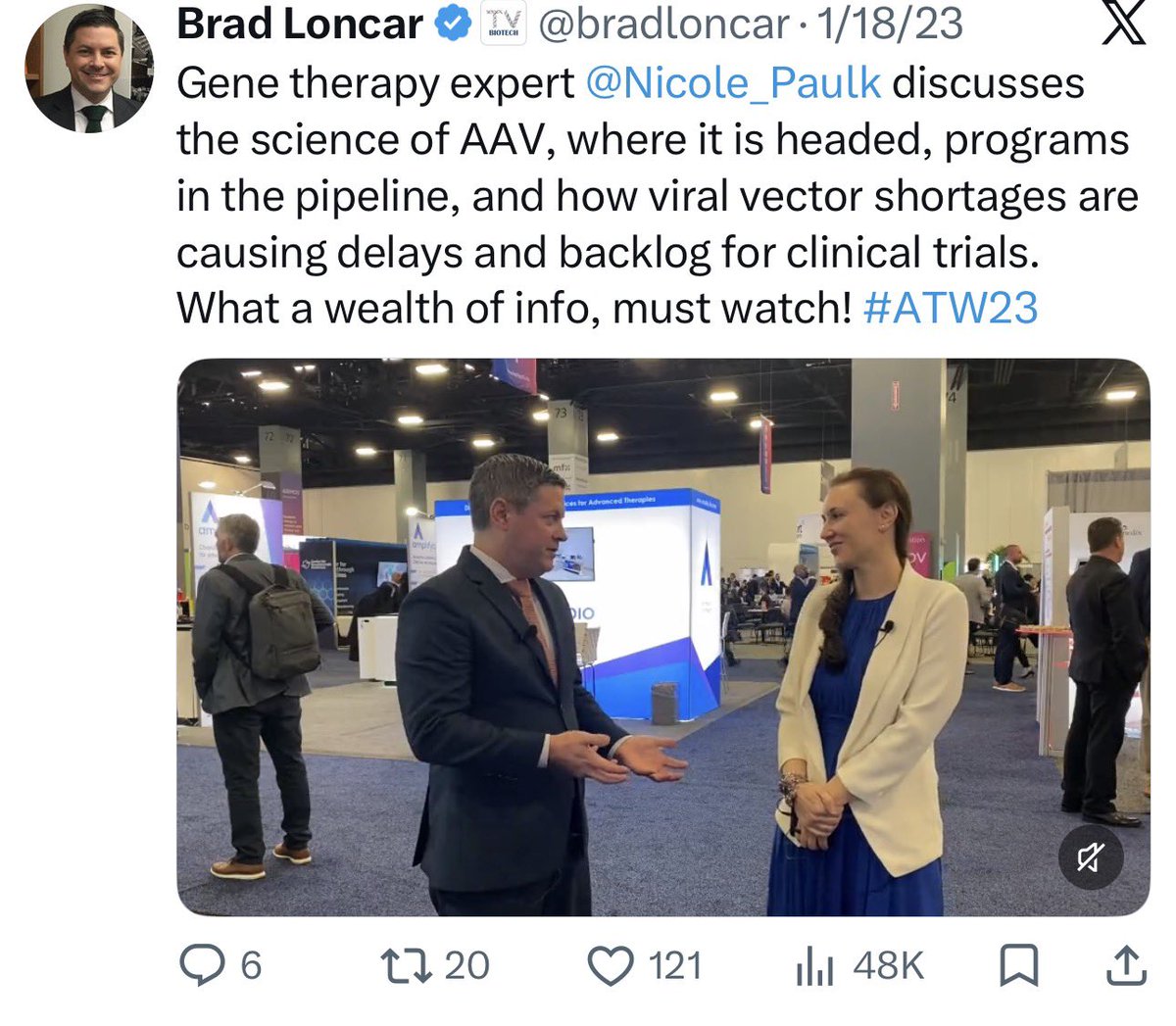
Last year I visited @Tubulis_GmbH in Munich, Germany. Here's what CEO Dominik Schumacher told me they were aiming to do. Congrats on today's acquisition by @gilead for up to $5B, and congrats to @schroederthilo who raved to me about this company.


Today is a BIG day for @RocketPharma — and for my firm @CivilizationVC!!! An FDA approved drug. 🚀🧬 The FDA granted accelerated approval to Rocket gene therapy for the severe form of a rare immune disorder called leukocyte adhesion deficiency-I (LAD-I). "LAD-I is caused by mutations in the ITGB2 gene and leads the immune system to stop working properly. Patients with severe disease face serious and potentially deadly bacterial and fungal infections. Currently, the only potential cure is stem cell transplant from a donor, but that bears its own serious risks. The gene therapy involves extracting a young patient’s own blood stem cells and modifying them in the lab to introduce functional copies of the gene. Patients then receive conditioning to clear out their bone marrow, after which the modified cells are infused back in hopes of giving them a working immune system." Congratulations to the Rocket team on this milestone! FDA approves Rocket's gene therapy for ultra-rare immune disease - endpoints.news/fda-approves-r…


Marc Andreessen just dropped ~105 mins on Lenny's Podcast covering AI, jobs, careers, and why everyone is panicking about the wrong thing. Just the clearest macro framework I've heard on where AI actually lands. My notes: 𝟭. 𝗔𝗜 𝗶𝘀 𝗮𝗿𝗿𝗶𝘃𝗶𝗻𝗴 𝗮𝘁 𝘁𝗵𝗲 𝗲𝘅𝗮𝗰𝘁 𝗺𝗼𝗺𝗲𝗻𝘁 𝗵𝘂𝗺𝗮𝗻𝗶𝘁𝘆 𝗻𝗲𝗲𝗱𝘀 𝗶𝘁. US productivity growth has been running at half the rate of the 1940-1970 era and a third the rate of 1870-1940. The global population is declining below replacement in dozens of countries, including China. Without AI, we would be panicking about economies shrinking from depopulation, not job loss. The timing is almost miraculous. This is what Andreessen means when he says the real boom has not started yet. We have been in a 50-year productivity drought, and most people do not even realize it. 𝟮. 𝗔𝗜 𝗶𝘀 𝘁𝗵𝗲 𝗽𝗵𝗶𝗹𝗼𝘀𝗼𝗽𝗵𝗲𝗿'𝘀 𝘀𝘁𝗼𝗻𝗲. Isaac Newton spent decades trying to transmute lead into gold and never succeeded. AI does something more powerful: it converts sand (silicon) into thought. The most common material in the world is the rarest output. This one metaphor reframes the entire AI conversation. You do not have a job loss problem. You have a philosopher's stone sitting on your desk that you are not using enough. 𝟯. 𝗔𝗜 𝗺𝗮𝗸𝗲𝘀 𝗴𝗼𝗼𝗱 𝗽𝗲𝗼𝗽𝗹𝗲 𝘃𝗲𝗿𝘆 𝗴𝗼𝗼𝗱, 𝗮𝗻𝗱 𝘃𝗲𝗿𝘆 𝗴𝗼𝗼𝗱 𝗽𝗲𝗼𝗽𝗹𝗲 𝘀𝗽𝗲𝗰𝘁𝗮𝗰𝘂𝗹𝗮𝗿𝗹𝘆 𝗴𝗿𝗲𝗮𝘁. The best coders right now are not reporting 2x productivity. They are reporting 10x. The gap between "pretty good with AI" and "elite with AI" is widening, not narrowing. This is the most important signal for career planning right now. If you are just using AI to do the same job slightly faster, you are leaving the real leverage on the table. 𝟰. 𝗧𝗵𝗲𝗿𝗲'𝘀 𝗮 𝗠𝗲𝘅𝗶𝗰𝗮𝗻 𝘀𝘁𝗮𝗻𝗱𝗼𝗳𝗳 𝗯𝗲𝘁𝘄𝗲𝗲𝗻 𝗣𝗠𝘀, 𝗲𝗻𝗴𝗶𝗻𝗲𝗲𝗿𝘀, 𝗮𝗻𝗱 𝗱𝗲𝘀𝗶𝗴𝗻𝗲𝗿𝘀. Every engineer now thinks they can be a PM and designer. Every PM thinks they can code and design. Every designer knows they can do both. And they are all correct, because AI enables each role to absorb the tasks of the other two. I have seen this firsthand in the investing world. The analyst who can build models and write narratives is 5x more valuable than someone who can do only one. The same convergence is happening in the product. 𝟱. 𝗙𝗼𝗿𝗴𝗲𝘁 𝗧-𝘀𝗵𝗮𝗽𝗲𝗱. 𝗕𝘂𝗶𝗹𝗱 𝗮𝗻 𝗘-𝘀𝗵𝗮𝗽𝗲𝗱 𝗰𝗮𝗿𝗲𝗲𝗿. Scott Adams could not have created Dilbert by being the world's best cartoonist or the world's best business mind. He needed both. The additive effect of two skills is more than double. Three skills are more than triple. Larry Summers puts it differently: don't be fungible. The person who can code, design, and ship a product is no longer a unicorn. They are the new baseline for "extremely valuable." If you are only one of those three things, you are increasingly replaceable. 𝟲. 𝗝𝗼𝗯𝘀 𝗮𝗿𝗲 𝗯𝘂𝗻𝗱𝗹𝗲𝘀 𝗼𝗳 𝘁𝗮𝘀𝗸𝘀. 𝗧𝗮𝘀𝗸𝘀 𝗰𝗵𝗮𝗻𝗴𝗲. 𝗝𝗼𝗯𝘀 𝗽𝗲𝗿𝘀𝗶𝘀𝘁. Executives never typed their own emails in the 1970s. Secretaries printed incoming emails and hand-delivered them. Both roles survived the transition, just with different task sets. The same will happen with AI and coding, PM work, and design. Everyone obsessing over "will my job disappear" is asking the wrong question. The right question is: which tasks in my job are about to rotate, and am I ready to pick up the new ones? 𝟳. 𝗔𝗜 𝗰𝗼𝗱𝗶𝗻𝗴 𝗶𝘀 𝗷𝘂𝘀𝘁 𝘁𝗵𝗲 𝗻𝗲𝘅𝘁 𝗮𝗯𝘀𝘁𝗿𝗮𝗰𝘁𝗶𝗼𝗻 𝗹𝗮𝘆𝗲𝗿. We went from human calculators to machine code to assembly to C to scripting languages. Each layer was dismissed by the previous generation. Each time, the new layer won, and total coding employment grew. AI coding is the same pattern, not a rupture. The Perl programmers of 2005, laughing at JavaScript, are the C programmers of 1995, laughing at scripting. History rhymes, and it always rewards the people who adopt the next abstraction first. 𝟴. 𝗔𝗜 𝘁𝘂𝘁𝗼𝗿𝗶𝗻𝗴 𝗱𝗲𝗺𝗼𝗰𝗿𝗮𝘁𝗶𝘇𝗲𝘀 𝗲𝗹𝗶𝘁𝗲 𝗲𝗱𝘂𝗰𝗮𝘁𝗶𝗼𝗻. One-on-one tutoring is the only method proven to move a student from the 50th to the 99th percentile (Bloom's two sigma effect). It used to require being born into royalty. Alexander the Great was tutored by Aristotle. Now, any kid with a phone can access the same quality of personalized instruction. This is the most under-discussed consequence of AI. Every parent reading this should be supplementing their kid's education with structured AI tutoring right now. Not next year. Now. 𝟵. 𝗣𝗲𝘁𝗲𝗿 𝗧𝗵𝗶𝗲𝗹 𝘄𝗮𝘀 𝗺𝗼𝗿𝗲 𝗿𝗶𝗴𝗵𝘁 𝘁𝗵𝗮𝗻 𝗔𝗻𝗱𝗿𝗲𝗲𝘀𝘀𝗲𝗻 𝗼𝗿𝗶𝗴𝗶𝗻𝗮𝗹𝗹𝘆 𝗮𝗱𝗺𝗶𝘁𝘁𝗲𝗱. Progress in bits masked stagnation in atoms. The built world is barely different from 50 years ago. Same bridges from the 1930s, same dams from the 1910s. Cartels, monopolies, unions, and regulations prevent the rate of change that people had 100 years ago. This is also why AI will not transform everything overnight. Institutional sclerosis is real. Healthcare alone could take a generation. If you are building in atoms, budget for a war of attrition, not a blitzkrieg. 𝟭𝟬. 𝗠𝗼𝗮𝘁𝘀 𝗶𝗻 𝗔𝗜 𝗮𝗿𝗲 𝗴𝗲𝗻𝘂𝗶𝗻𝗲𝗹𝘆 𝘂𝗻𝗸𝗻𝗼𝘄𝗻. Within a year of ChatGPT's launch, five American companies, five Chinese companies, and open-source all had roughly equivalent models. DeepSeek emerged from a hedge fund in China and basically replicated the American labs' work. The smartest AI insiders privately admit there aren't many real secrets among the big labs. This is the most honest take I have heard from a top-tier VC. No one knows if the value accrues to models, apps, or infrastructure. Anyone who tells you otherwise is selling you certainty they do not have. 𝟭𝟭. 𝗔𝗜 𝗜𝗤 𝘄𝗶𝗹𝗹 𝗯𝗹𝗼𝘄 𝗽𝗮𝘀𝘁 𝗵𝘂𝗺𝗮𝗻 𝗹𝗶𝗺𝗶𝘁𝘀. Human IQ caps around 160 because of biology. Current AI models test around 130-140. There is no theoretical ceiling stopping AI from reaching 200, 250, or 300. The concept of AGI as a "human equivalent" will be a footnote because AI will race past that threshold. This is the frame that makes the "will AI take my job" debate feel small. We are not building a replacement for human thought. We are building something that will be better than the best human thought has ever been. 𝟭𝟮. 𝗧𝗵𝗲 𝗯𝗲𝘀𝘁 𝗳𝗼𝘂𝗻𝗱𝗲𝗿𝘀 𝗮𝗿𝗲 𝗿𝗲𝘁𝗵𝗶𝗻𝗸𝗶𝗻𝗴 𝘄𝗵𝗮𝘁 𝗮 𝗰𝗼𝗺𝗽𝗮𝗻𝘆 𝗲𝘃𝗲𝗻 𝗶𝘀. Layer one: AI redefines products. Layer two: AI redefines jobs within companies. Layer three, which has not dropped yet: AI redefines the very concept of having a company. The holy grail is the one-person, billion-dollar outcome, and the best founders are chasing it. Satoshi did it with Bitcoin. Instagram and WhatsApp came close with tiny teams. The question is no longer if this is possible with software. The question is how many of these we will see in the next five years. AI is the philosopher's stone. The question is whether you pick it up. The full podcast is worth your time. Link in replies.

Honored that @CivilizationVC — the fund I founded barely 8 years ago as a solo GP in the heavily conservative #lifesciences space — has now cracked the Top Quartile as a force in #biotech! No other firm of our size + vintage came even close. Thanks @JohnCendpts and @endpts for the analysis. OrbiMed jumps to number one on the top 100 list of biotech venture investors - endpoints.news/orbimed-jumps-…