

clay.c/
12.4K posts

clay.c/
@ClayCollins
Market buyer. Professional can kicker. Moves slowly, still breaks things. Can't exit Vim. Yesterday's price is not today's price.
Everywhere Katılım Nisan 2008
12.9K Takip Edilen29.1K Takipçiler

@Jason Manus is the best general agent there is. I use it on a daily basis, both in my personal life and professional life. It's allowed me to create absolutely amazing things that I never would have been able to have done before.
Fisher Island, FL 🇺🇸 English

Anyone use Manus my computer / agents
How does it compare to perplexity computer, OpenClaw and Claude Cowork?
Manus@ManusAI
Today, we're taking Manus out of the cloud and putting it on your desktop. Introducing My Computer, the core feature of the new Manus Desktop app. It’s your AI agent, now on your local machine.
English
clay.c/ retweetledi

this is actually insane
> be tech guy in australia
> adopt cancer riddled rescue dog, months to live
> not_going_to_give_you_up.mp4
> pay $3,000 to sequence her tumor DNA
> feed it to ChatGPT and AlphaFold
> zero background in biology
> identify mutated proteins, match them to drug targets
> design a custom mRNA cancer vaccine from scratch
> genomics professor is “gobsmacked” that some puppy lover did this on his own
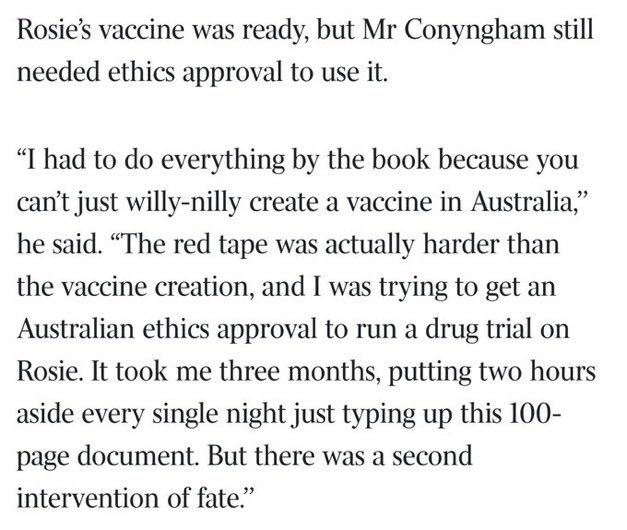
> need ethics approval to administer it
> red tape takes longer than designing the vaccine
> 3 months, finally approved
> drive 10 hours to get rosie her first injection
> tumor halves
> coat gets glossy again
> dog is alive and happy
> professor: “if we can do this for a dog, why aren’t we rolling this out to humans?”
one man with a chatbot, and $3,000 just outperformed the entire pharmaceutical discovery pipeline.
we are going to cure so many diseases.
I dont think people realize how good things are going to get



Séb Krier@sebkrier
This is wild. theaustralian.com.au/business/techn…
English
English


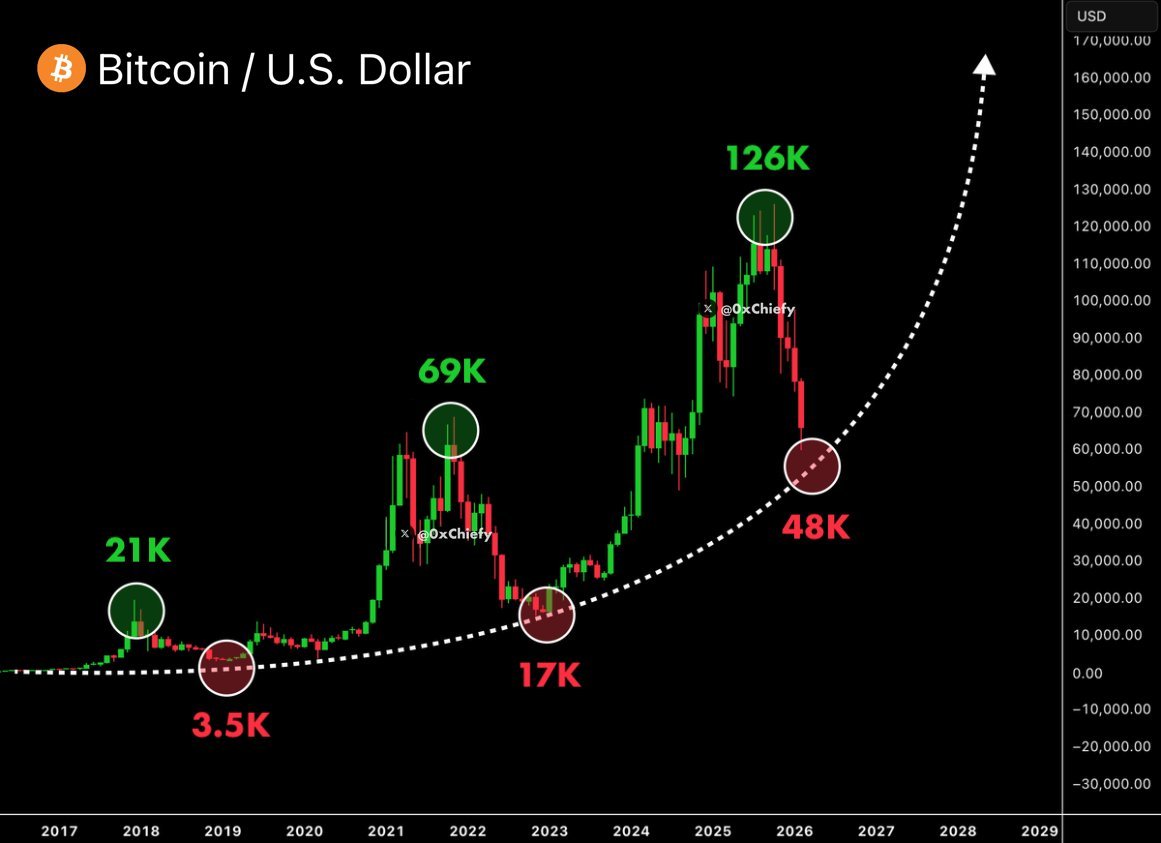

BREAKING: 🚨 Bitcoin has hit its bear market bottom at exactly 23 months after the ATH in every single cycle.
We are sitting at 23 months right now.
This has never failed.
English
clay.c/ retweetledi

Dear Satoshi Nakamoto,
If you:
* are still alive
* still have your keys
* don't intend to spend your BTC
It would be immensely helpful to the ecosystem if you'd send your early mined coins to a burn address.
English
clay.c/ retweetledi
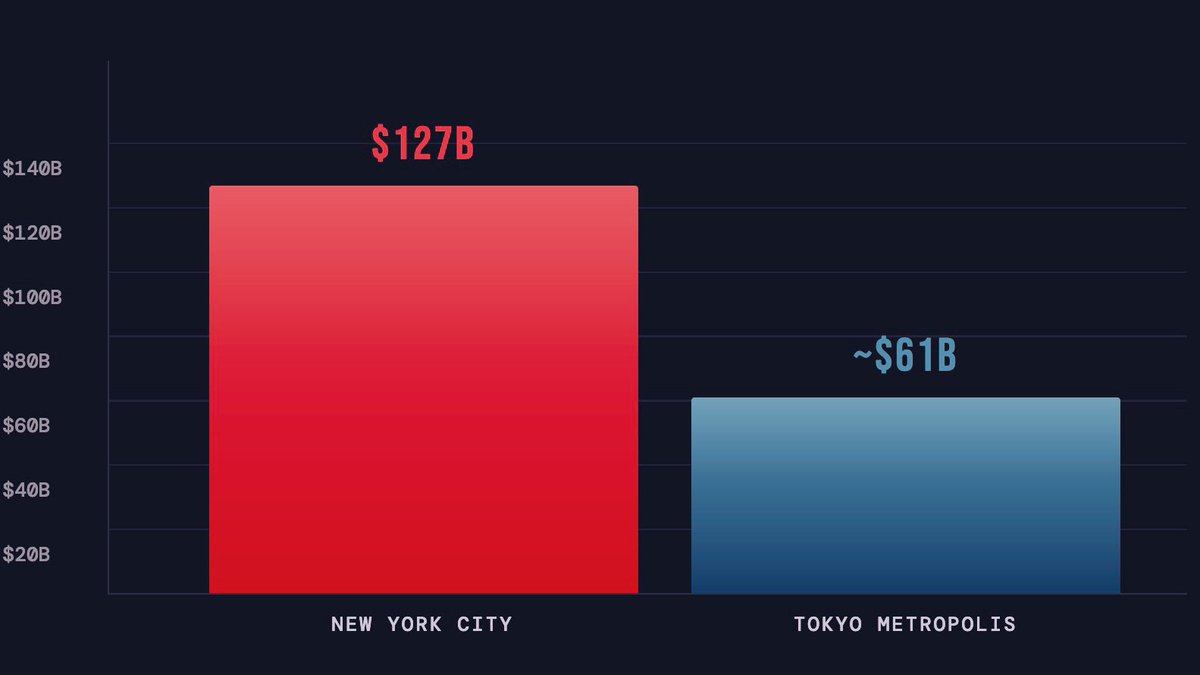
NYC's annual budget is double Tokyo's
Tokyo has twice as many people, cleaner urban environments, superior public transit, lower crime rates, almost no homelessness, and better public education.
English

@ClayCollins @ManusAI Sorry but I'm skeptical of advice from people who can't exit vim.
English
I'm building on OpenClaw and I'm telling you:
Just use @ManusAI.
Cloud browser. Every connector. Telegram. It all just works. No config hell. No AWS rabbit holes.
90% of you will never need what OpenClaw offers over Manus. And that's fine.
Manus@ManusAI
Introducing Manus Agents — your personal Manus, now inside your chats. 👉🏻Long-term memory. Remembers your style, tone, and preferences. 👉🏻Full Manus power. Create videos, slides, websites, images from one message. 👉🏻Your tools, connected. Gmail, Calendar, Notion, and more. Available now on Telegram. More platforms coming soon.
English
clay.c/ retweetledi

Apple will win the AI war in June 2026 without investing a single penny into AI
The war won without a sword
They will release the M5 Ultra with 1TB of memory
It will be able to run super intelligence more powerful then Opus locally on your desk for free
It will fundamentally change the way the entire world operates. EVERYONE with a personalized super intelligent AI employee working on their desk 24/7
$200 a month AI plans will feel antiquated
While you've been crapping on Apple for not entering an AI race against 100 other companies shredding trillions of dollars, they ran their own race
Personalized local super intelligence will be stage 1 of the singularity. I sincerely hope you're preparing for this
English

English
@AbudBakri Is GHKCU less concerning than BPC or TB when it comes to VEGF and cancer?
English

With all that being said:
There is no case in the animal literature of a cancer case arising from MEGA doses of BPC-157
Usually we would see a signal in the animal literature, like we did GW501516 Cardarine
The VEGF isn’t even the real issue. BPC-157 is a cytoprotective agent, can cancer cells use cytoprotection to their advantage? Cancer cells hijack normal physiology all the time
Abud Bakri MD@AbudBakri
BPC-157 and VEGF is a tricky subject because in some studies it promotes VEGF and in others in lowers VEGF, such as in a melanoma cell line model. Given we don’t know the true extent of BPC long term for VEGF, especially not in the injectbale form, and the data isn’t super useful, I’ve settled on the following in a frank risk/benefit discussion with patients with limited insight: 1. BPC-157 should not be used in active cancer or in people at high risk of cancers 2. A short course of BPC-157 for an acute injury, even if it was a uniform VEGF promoter would not be concerning for oncogenesis given it takes years even for the greatest carcinogens to take effect, but the patient should be educated about these risks As far as TB4 and TB500 go, we have a little bit more clarity but that isn’t saying much. In some cancers, TB4 levels are elevated. Given that these promote cell migration, would strongly oppose using them unchecked for long term, especially in active cancers or cancer prone individuals The most interesting ptoential use case of all of these compounds is short term, targeted uses, like BPC-157 for an acute MSK injury or TB4 in the post stroke setting More research is needed. (My team discussed this this am and we may have some good news soon :) )
English
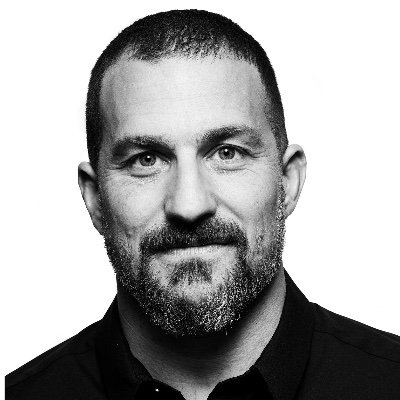
All the celebs now getting that retrutatide look. If you want to know what will be massive on legal RX market 2 years ahead in the fat loss, muscle, vitality space… it always goes from bodybuilding (GH, TRT, GLPs, Retra.) to Hollywood to mainstream. EVERY TIME. Since the 80s.
English

Back in 2015, my dad played basketball with a dude he’d heard was a rapper and texted me a picture of them together to see if I knew him.

English
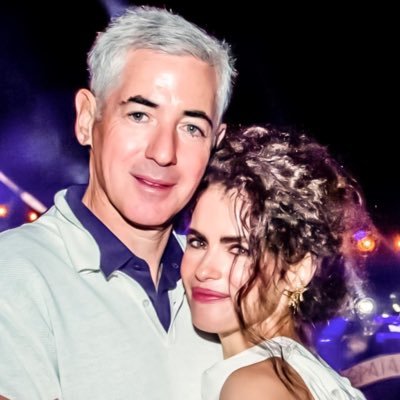
A lot of happiness comes from helping others. You have helped millions, and someday it will likely be billions. You just need to appreciate what you have accomplished for so many.
Happiness can also be found in a long-term relationship with someone really special. It is time for you to find that someone for the long term. Just my two cents.
English

clay.c/ retweetledi

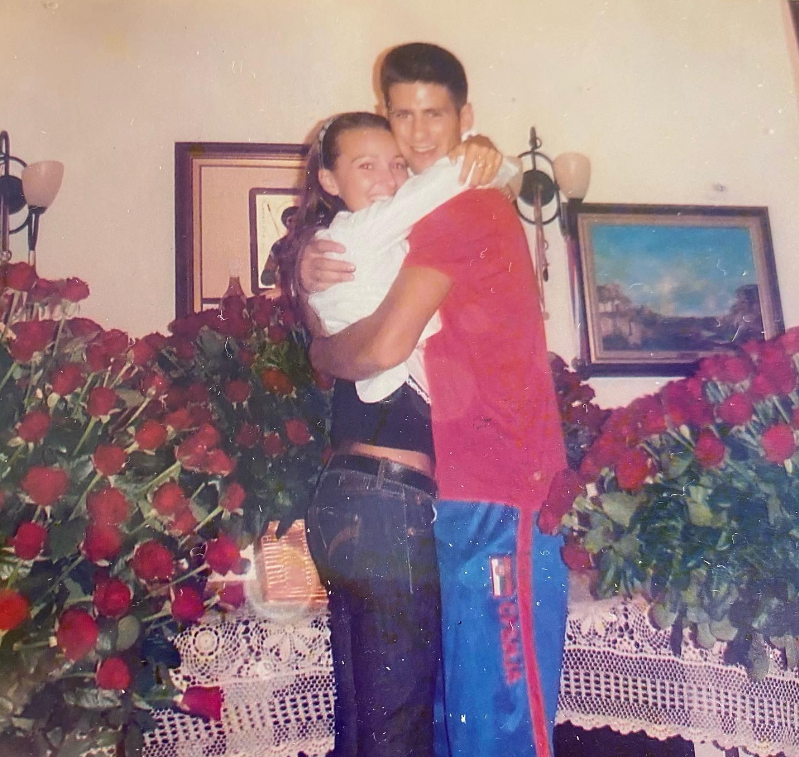
Novak Djokovic’s Dating History:
2000 — Jelena (14 yo) Crush
2001 — Jelena (15 yo) Crush
2002 — Jelena (16 yo) Crush
2003 — Jelena (17 yo) Friend
2004 — Jelena (18 yo) Friend
2005 — Jelena (19 yo) Dating
2006 — Jelena (20 yo) Girl Friend
2007 — Jelena (21 yo) Girl Friend
2008 — Jelena (22 yo) Girl Friend
2009 — Jelena (23 yo) Girl Friend
2010 — Jelena (24 yo) Girl Friend
2011 — Jelena (25 yo) Girl Friend
2012 — Jelena (26 yo) Engaged
2013 — Jelena (27 yo) Fiancee
2014 — Jelena (28 yo) Marriage
2014 — Jelena (28 yo) 1st Child
2017 — Jelena (31yo) 2nd Child
2024 — Jelena (38yo) 10 year Anniversary
2026 — Jelena (40yo) Love & Counting
One Love for life.....Women behind all his success, True Love of the 🐐

Filipino