

Red3
2.2K posts

@ColfordRj @HealthyAlfred Probably if you use papaya enzymes with it
English

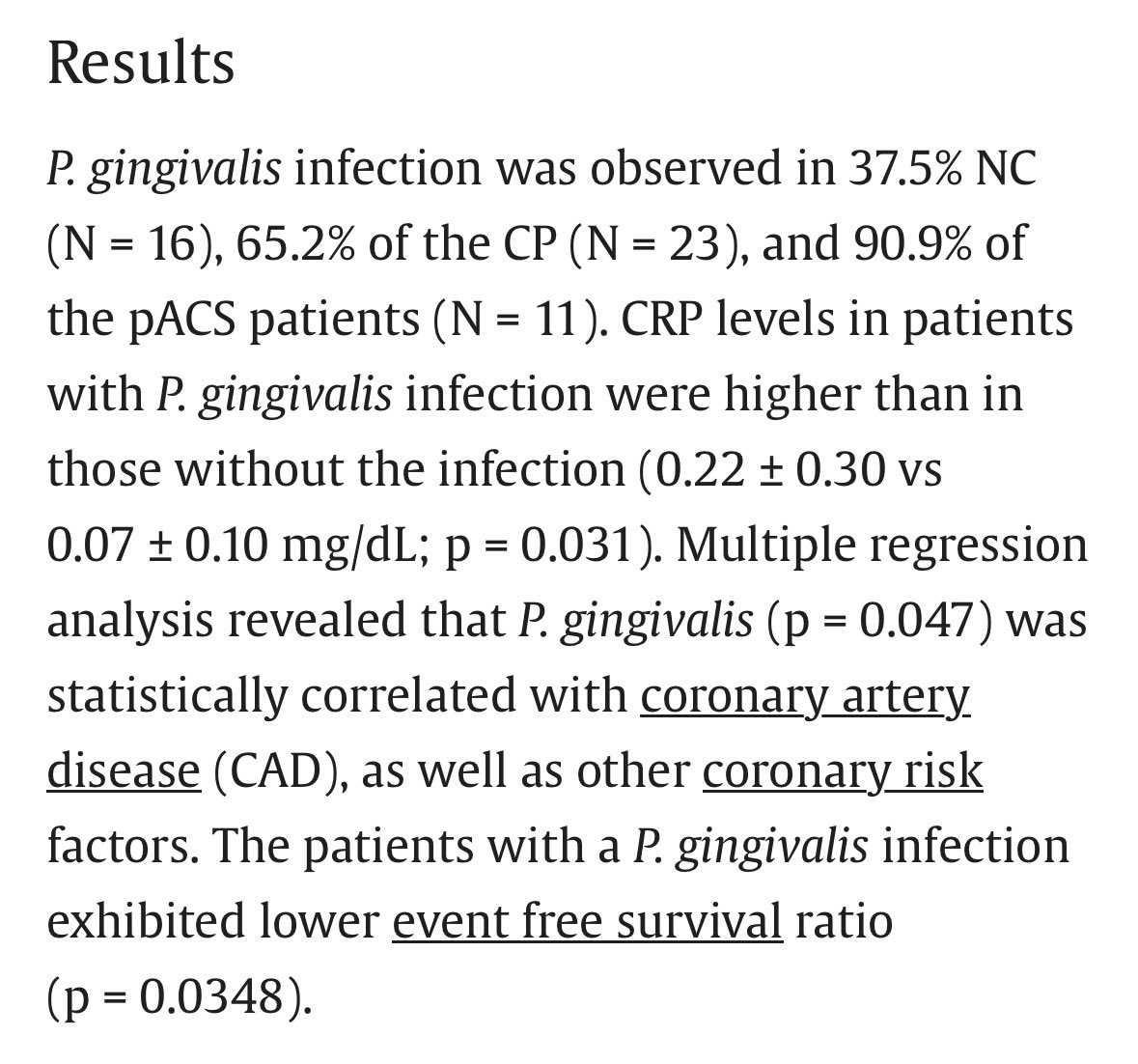
P. gingivalis was detected in 90.9% of heart attack patients in a clinical study.
The same bacteria destroying your gum tissue is living in your arteries.
Gums bleeding when you brush? Bad breath nothing fixes? Dentist calling it “just gingivitis”?
P. gingivalis enters your bloodstream through bleeding gums every time you brush. It embeds in arterial walls, triggers chronic inflammation, and accelerates the plaques causing heart attacks. Your cardiologist treats the arteries. Nobody treats the bacteria that got there.
Study data:
→ 90.9% of heart attack patients carry it
→ Found directly in 39.3% of coronary plaques
→ Heart attack risk: +34%
The mechanism: P. gingivalis enters bloodstream → embeds in arterial walls → triggers inflammation → plaque formation accelerates → arterial blockage → heart attack
Gums bled every time I brushed for 3 years. Nobody connected it to cardiovascular risk. Mastic gum 1g daily. Week 3: bleeding stopped. Month 2: inflammation markers normalized.
1g daily. 8 weeks. Bacteria eliminated. Arteries protected.
Your cardiologist treats your arteries.
Nobody is treating the bacteria destroying them.

English
@conecteco Ur new music is incredible! So much heavier then ur last album
English

INSOMNIA.
No sleep. No peace. Just demons wide awake.
New death metal project dropping soon.
Streaming everywhere.
Stay up. Stay feral.
#Insomnia #DeathMetal #NewMusic #MetalDrop #ComingSoon
English





@bryan_johnson Would u suggest using beetroot supplements for the nitric oxide production? Ik cacao does it as well
English

Top right is Nutty Pudding with Blueprint protein and collagen peptides. My daily macros:
Calories: 2,250 (10% caloric restriction)
Protein: 130 grams (25%)
Carbs: 206 grams (35%)
Fat: 101 grams (40%)
English
What I'm eating today
Layered Cauliflower Purée with Spinach, Black Lentils, Sweet Potato Ribbons & Oyster Mushrooms
Ingredients
Cauliflower Purée
1 medium head organic cauliflower, chopped (≈500 g)
¼–½ cup low-sodium vegetable broth (no additives, no sugar)
1 tbsp nutritional yeast (≈5 g)
1 tsp Blueprint extra virgin olive oil (5 g)
Sautéed Spinach
4 packed cups organic spinach (≈120 g)
1–2 tbsp filtered water (for gentle sauté)
Black Lentils
½ cup cooked black lentils (≈100 g)
1 tbsp fresh parsley, finely chopped
Sweet Potato Ribbons
1 small organic sweet potato (≈150 g), shaved into ribbons using a vegetable peeler
1 tsp avocado oil (5 g)
Oyster Mushrooms
1½ cups oyster mushrooms (≈120 g), torn
1 tsp avocado oil (5 g)
Garnish
1 tbsp hemp seeds (≈10 g)
Method
1. Cauliflower Purée
Steam cauliflower until very tender, with no browning.
Blend with warm vegetable broth, nutritional yeast, and EVOO until completely smooth and silky.
Adjust broth for texture; keep warm.
2. Spinach
In a pan over low heat, add spinach with a splash of water.
Gently wilt until just tender and vibrant green. Remove immediately.
3. Lentils
Bring a pot of filtered water to a gentle boil.
Add lentils and boil uncovered for 8 minutes.
Drain immediately.
While warm, fold in 1 tbsp fresh parsley, finely chopped.
4. Sweet Potato Ribbons
Toss ribbons lightly with avocado oil
Bake at 300°F / 150°C until soft and pliable (about 18–22 minutes).
Avoid caramelization or crisping.
5. Oyster Mushrooms
Toss mushrooms with avocado oil.
Roast at 300°F / 150°C until just tender and lightly cooked (12–15 minutes).
No browning.
Assembly
Spoon warm cauliflower purée onto the base of each plate.
Layer sautéed spinach evenly on top.
Add black lentils with parsley.
Arrange sweet potato ribbons softly over the lentils.
Finish with oyster mushrooms and a light sprinkle of hemp seeds.
Serve warm.
Estimated Macros (Per Serving)
Calories: 315–335 kcal
Protein: 16–18 g
Carbohydrates: 36–38 g
Fiber: 13–15 g
Net carbs: 21–23 g
Fat: 12–13 g
Serving size: 2
Saturated fat: 1 g
Sugar (naturally occurring): 7–8 g
Sodium: low–moderate (from low-sodium broth + nutritional yeast)
Blueprint Notes
Cook temps intentionally kept low to avoid AGEs
Lentils provide slow digesting protein and resistant starch
Sweet potato portion controlled to maintain glycemic balance
Hemp seeds add omega-3s without excess fat
Zero added salt, spices, or sugars

English



@ColfordRj SCP-2000 gets a lot of criticism for being a an excuse for bad authors writing bad apocalypse stories despite this being very rarely done successfully. 2000 gives us a nice mystery of "how long has the Foundation actually been doing this?"
English
Still alive. Uh....give me new SCP's to give a review on while the show goes on.
English

Frankenstein beetle crucifix WORK IN PROGRESS ( materials: polymer clay and UV clay )
#frankenstien @RealGDT


English
Your new favorite resource for art references
(get a girl who can do both)


English
Red3 retweetledi


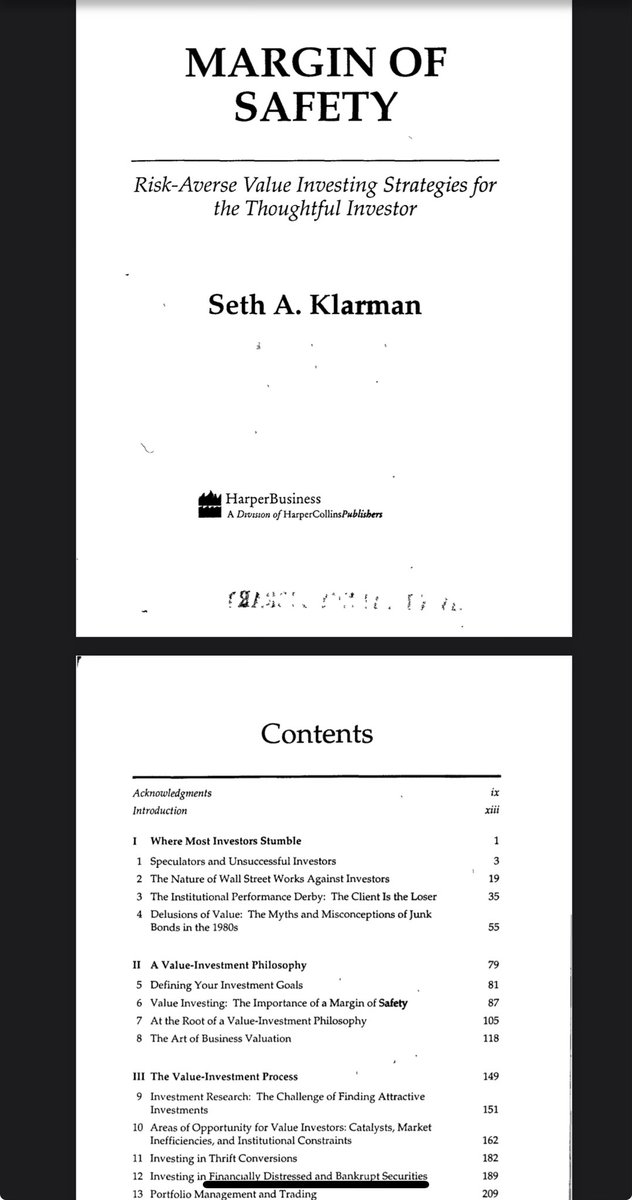
Why would you pay 3Gs for that
Here’s my pdf copy for free
Just comment and repost and I’ll send you a copy
Brett Caughran@FundamentEdge
I asked my wife for a book for Christmas. She crushed it:
English
@davidasinclair Do u think anyone can age at a normal rate? Because of all the bad foods and lack of exercise is everyone aging faster then there current rate?
English

What we call “normal aging” is often just untreated pathology
English

@ColfordRj You'd look real cute in the rinse cycle
English
Red3 retweetledi
Good moanin', SAY IT BACK or I'll stuff you in a dryer.
#Vintage #vintagelingerie #Laundromat #Pinup #pinupgirl #rockabilly #silklingerie

English

Vitamin C may help protect lung cells from everyday air-pollution stress
Fine-particle air pollution (PM2.5) is linked to asthma, COPD, pulmonary fibrosis, and other chronic lung diseases. Even typical urban exposure can trigger inflammation and oxidative stress deep in the lungs. Mitochondria are especially vulnerable, making them a central target of pollution-driven injury.
Study
An experimental investigation of vitamin C’s effect on PM2.5-induced lung injury.
- In vivo mouse model + human lung-cell cultures
- Assessed inflammatory cytokines (IL-1β, TNF-α, IL-17)
- Measured oxidative stress and mitochondrial structure/function
- Looked at antioxidant enzymes SOD2 and GPX4
- Vitamin C dosing in mice ≈ human equivalent of ~1,000 mg/day
Findings
- PM2.5 caused mitochondrial loss, swelling, and pathologic fragmentation
- ROS production went up and antioxidant enzymes SOD2/GPX4 went down
- Inflammation increased across multiple cytokines
- Vitamin C prevented mitochondrial loss, restored SOD2/GPX4, and lowered oxidative + inflammatory signaling
- Across models, vitamin C consistently stabilized mitochondria under pollution exposure
Vitamin C’s effect appears driven by mitochondrial preservation, not generic antioxidant activity, a distinct mechanism relevant to chronic air-pollution exposure.
Limitations
This was a mouse + cell-culture study, not a clinical trial. Human symptom improvement was not measured, and real-world pollution patterns are more complex. High-dose vitamin C is not appropriate for everyone. Whether this translates into clinical protection in humans remains unknown.

English
BLACK FRIDAY DEALS!
For every 1 orgasm you have during our call, I'll have 2!
@PEP_Connections
872.233.7964 Online NOW

English