Yong Chuan Chee

3.1K posts

Yong Chuan Chee banner
Yong Chuan Chee

Yong Chuan Chee

@CyChuan

Neurologist/Physician @ Gleneagles Hospital Penang

Penang, Malaysia Katılım Aralık 2011
631 Takip Edilen324 Takipçiler
Yong Chuan Chee retweetledi
Giovanni Di Liberto
Giovanni Di Liberto@DiLibertoMD·
Severe anti-NMDAR encephalitis doesn’t always mean irreversible damage. In this international study led by Josep Dalmau & Mar Guasp), ~2/3 of patients in prolonged vegetative state (≥9 months) improved—1/3 fully. Late recovery is real. #Neuroimmunology thelancet.com/journals/laneu…
English

1
24
73
4.4K
Yong Chuan Chee retweetledi
Stephan A Mayer
Stephan A Mayer@stephanamayer·
Observational study of 95 ACA LVO patients. 92% of occlusions were A2 or distal. 80% got IV thrombolysis. All treated medically. Poor outcome (mRS 3-6) at 3 months in 49%. Even worse with hemorrhagic transformation. Predictors of poor outcome: increasing age, high NIHSS, and lack of recanalization at 24 hours. We need better interventions to get at and remove ACA MEVOs. academic.oup.com/esj/article/11…
English
1
12
23
1.6K
Yong Chuan Chee retweetledi
Bhavya Varma, MD
Bhavya Varma, MD@BhavyaVarma12·
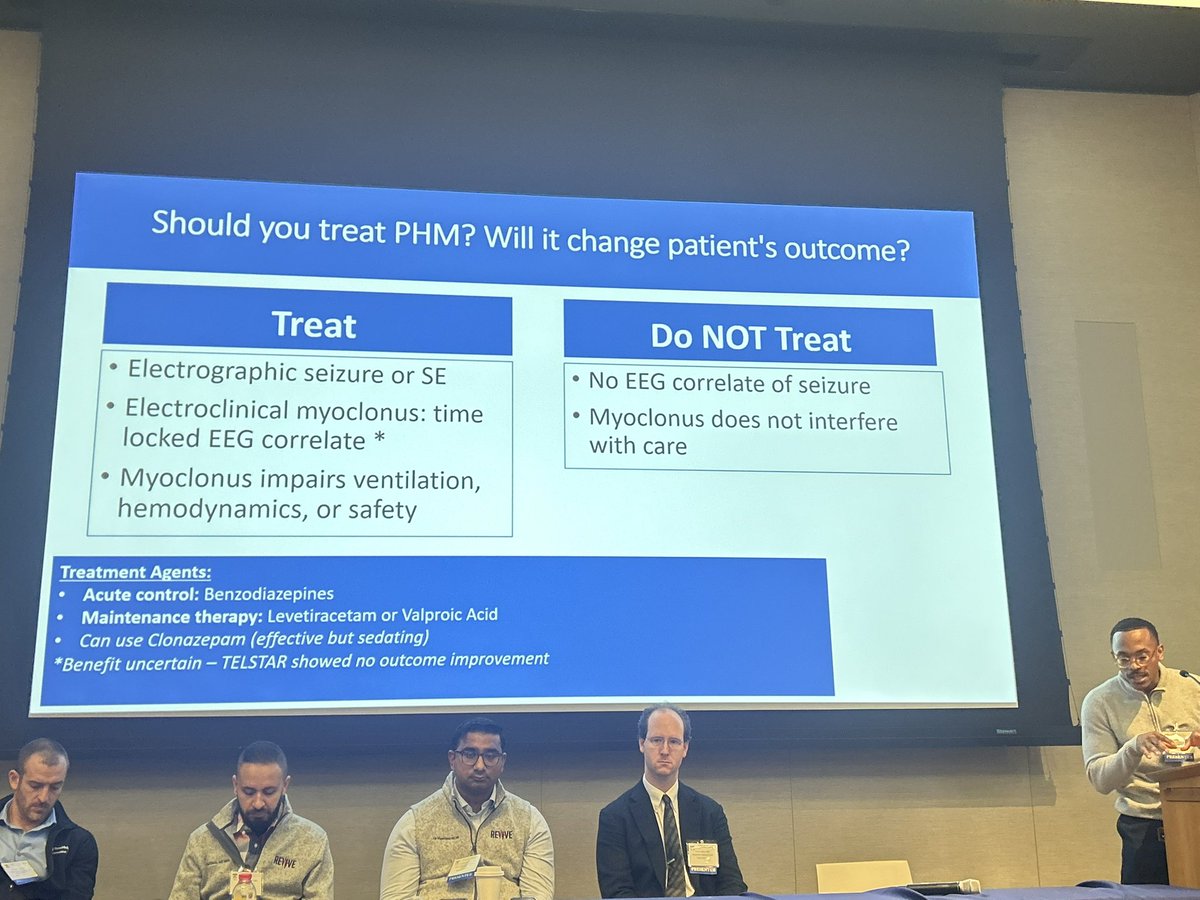
Post-Arrest Myoclonus by Dr. Joshua Madden ❇️Myoclonus should not be synonymous with poor outcome ❇️Myoclonus can be difficult to discern ❇️Obtain an EEG to help you #REVIVE2026 @OscarJMitchell @CardioNerds
Bhavya Varma, MD tweet media
English
0
18
48
2.6K
Yong Chuan Chee retweetledi
Shadi Yaghi
Shadi Yaghi@ShadiYaghi2·
The new AHA lipid guidelines are out, recommending a target LDL < 55 mg/dL in very high risk patients (e.g. symptomatic ICAD or ECAD). This can be achieved by high dose statin, or adding ezetemibe, PCSK9 inhibitors, or other treatments to high dose statin. ahajournals.org/doi/10.1161/CI…
Seemant Chaturvedi@ChaturvediNeuro

Patients with intracranial athero should now be targeted to LDL<55 mg/dl, given the new ACC/AHA lipid guidelines. This should be adopted in CAPTIVA and other ongoing trials, as well as routine practice @BrianHoh1 @ESOstroke @WorldStrokeOrg @AHAScience

English
2
35
88
10.2K
Yong Chuan Chee retweetledi
Neurophilia
Neurophilia@bobvarkey·
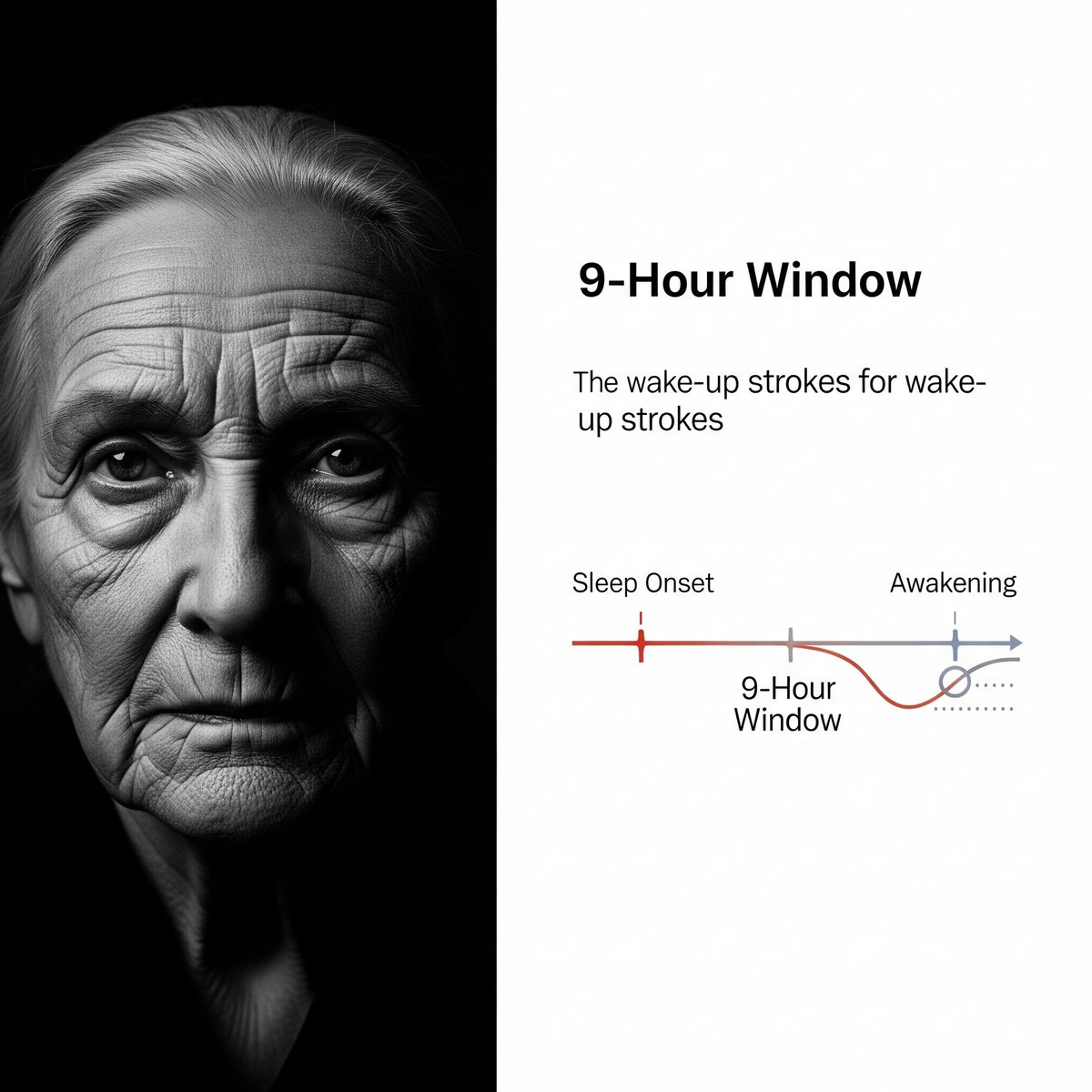
Takeaways form INSC 2026 Extended Time Window for IV Thrombolysis IV thrombolysis is reasonable in selected patients if salvageable ischemic penumbra is demonstrated on automated perfusion imaging. Applicable in: 1.Wake-up stroke •Symptoms within 9 hours from midpoint of sleep OR 2.Late presenters •4.5–9 hours from last known well These patients may still benefit if penumbra is present. The 9-Hour Midpoint Strategy for Wake-Up Strokes (WUS) The Challenge: Unknown Onset Time Wake-up strokes (WUS) account for 8-30% of all ischemic strokes. Because the patient was asleep when symptoms began, the exact time of onset is unknown, often disqualifying them from standard time-sensitive treatments. The Midpoint Proxy To address this, clinical trials (like EXTEND or WAKE-UP) use the midpoint between the Last Known Normal (typically when the patient went to sleep) and the Time of Awakening as a proxy for stroke timing. Why the 9-Hour Cutoff? Expanding the treatment window to 9 hours (using the midpoint) is supported by both biological and radiological evidence: • Circadian Surges: Most WUS are believed to occur closer to waking (between 6:00 AM and Noon). This is triggered by natural morning surges in blood pressure, heart rate, and coagulation factors. • Imaging Markers: Modern imaging (DWI-FLAIR or perfusion mismatch) often confirms that these strokes are "physiologically young," resembling strokes that occurred within 4.5–9 hours. • Safe Extension: This approach allows for the safe administration of thrombolytics (rtPA or Tenecteplase) beyond the classic 4.5-hour limit, potentially saving brain tissue that would otherwise be lost
Neurophilia tweet media
English
1
22
95
4.9K
Yong Chuan Chee retweetledi
Ingo Helbig
Ingo Helbig@IngoHelbig·
Familial Epilepsy Is Not as Simple as We Think | Beyond the Ion Channel ...we just published a post on our Epilepsia study of genetic testing in 484 families. Familial epilepsy has a strong genetic yield, but pedigree patterns can be misleading. epilepsygenetics.blog/2026/03/11/fam…
Ingo Helbig tweet media
English
0
4
11
646
Yong Chuan Chee retweetledi
Henry Han
Henry Han@HanCardiomd·
#COBRRA Trial (n=2760) comparing #apixaban vs #rivaroxaban for acute PE or proximal DVT over 3 months 📍Clinically relevant bleeding: 3.3% with apixaban vs 7.1% with rivaroxaban (RR 0.46; 95% CI 0.33–0.65; P < .001). 📍All-cause death: 0.1% vs 0.3% (RR 0.25; 95% CI 0.03–2.26). 📍Serious non-bleeding AEs: 2.7% (apixaban) vs 2.2% (rivaroxaban)
NEJM@NEJM

In an international, randomized trial involving patients with acute venous thromboembolism, the risk of clinically relevant bleeding was significantly lower with apixaban than with rivaroxaban during the 3-month treatment period. Full COBRRA trial results: nejm.org/doi/full/10.10…

English
1
13
48
9.2K
Yong Chuan Chee retweetledi
Practical Neurology
Practical Neurology@PracticalNeurol·
'Advances in Functional Neurological Disorder' Explore the published topic collection: bit.ly/4aQyoIo
Practical Neurology tweet media
English
0
2
5
659
Yong Chuan Chee retweetledi
Jefferson Neurosurgery
Jefferson Neurosurgery@TJUHNeurosurg·
New study from Jefferson Neurosurgery: Deep Brain Stimulation has LOWER complication rates than knee replacement, hip replacement & hysterectomy. If DBS has been recommended, the risk is less than you think. onlinelibrary.wiley.com/doi/10.1002/an…
English
0
15
38
4.8K
Yong Chuan Chee retweetledi
Thomas J. Wilson
Thomas J. Wilson@ThomasJWilsonMD·
#ABNS #Boards #Neurosurgery @StanfordNsurg Patient presents with dorsiflexion 0, EHL 0, eversion 4-, inversion 5, plantar flexion 5. Foot drop started suddenly after a round of golf, improved over a couple of days and then suddenly worsened again. Most likely diagnosis?
English
1
2
14
2.9K
Yong Chuan Chee retweetledi
Zachary Grin
Zachary Grin@ZacharyGrinDPT·
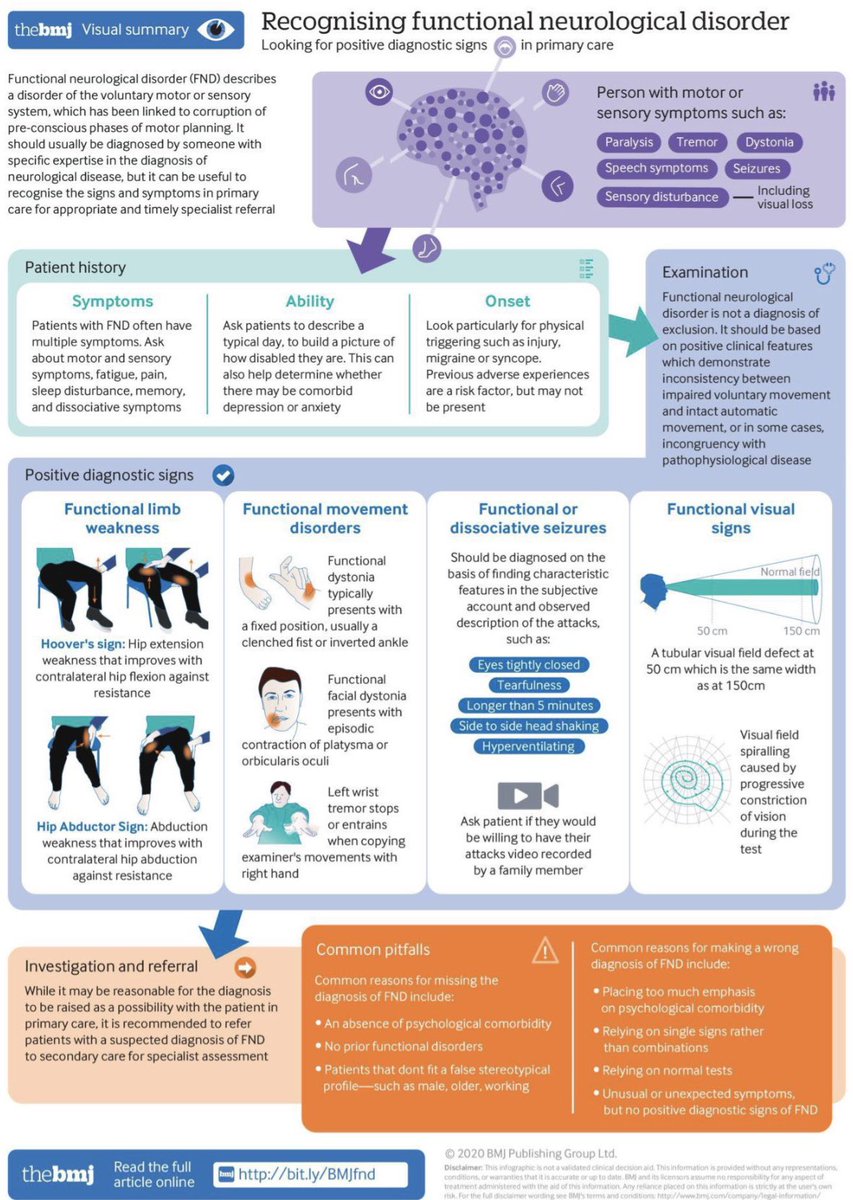
@neuropunkd @vijayiyer312 @grace_huckins Yes exactly - great question. FND movements can look the same to laypeople but there are clear differences on exam when you have experience in neurologic conditions. Infographic below shows common signs. Here are good videos for tremor entrainment (pn.bmj.com/content/13/6/3…)
Zachary Grin tweet media
English
0
2
3
2.3K
Yong Chuan Chee retweetledi
Abhishek Lenka
Abhishek Lenka@AbhiLenka11·
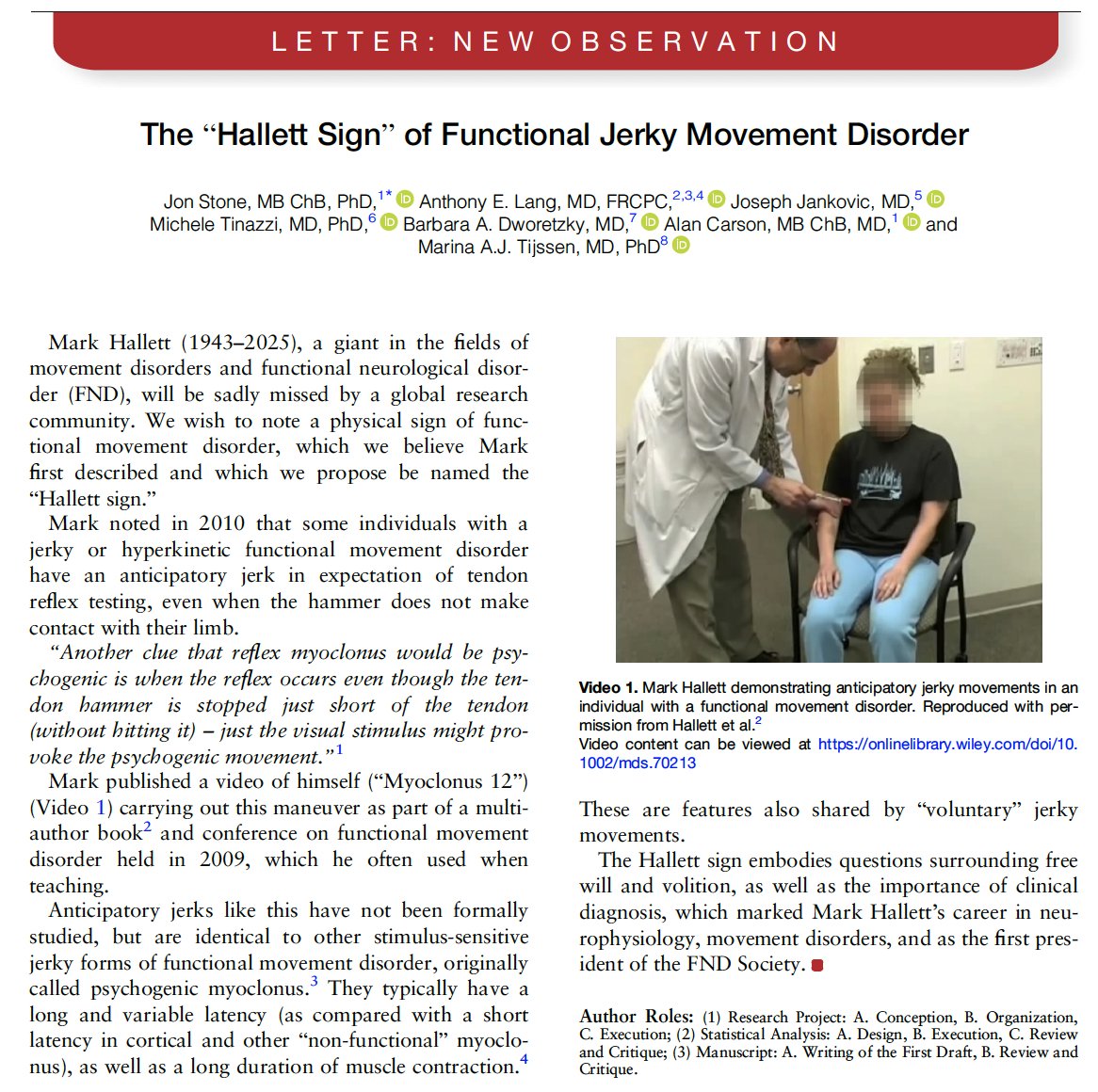
A tribute to Dr. Mark Hallett (1943–2025), a giant in movement disorders and FND. The article presents the proposed “Hallett sign”: an anticipatory jerk in FMD provoked by the expectation of tendon reflex testing. @jonstoneneuro @JankovicJoseph @movedisorder @MDJ_Journal @NIH
Abhishek Lenka tweet media
English
3
35
101
6.4K
Yong Chuan Chee retweetledi
The American Society of Neuroradiology
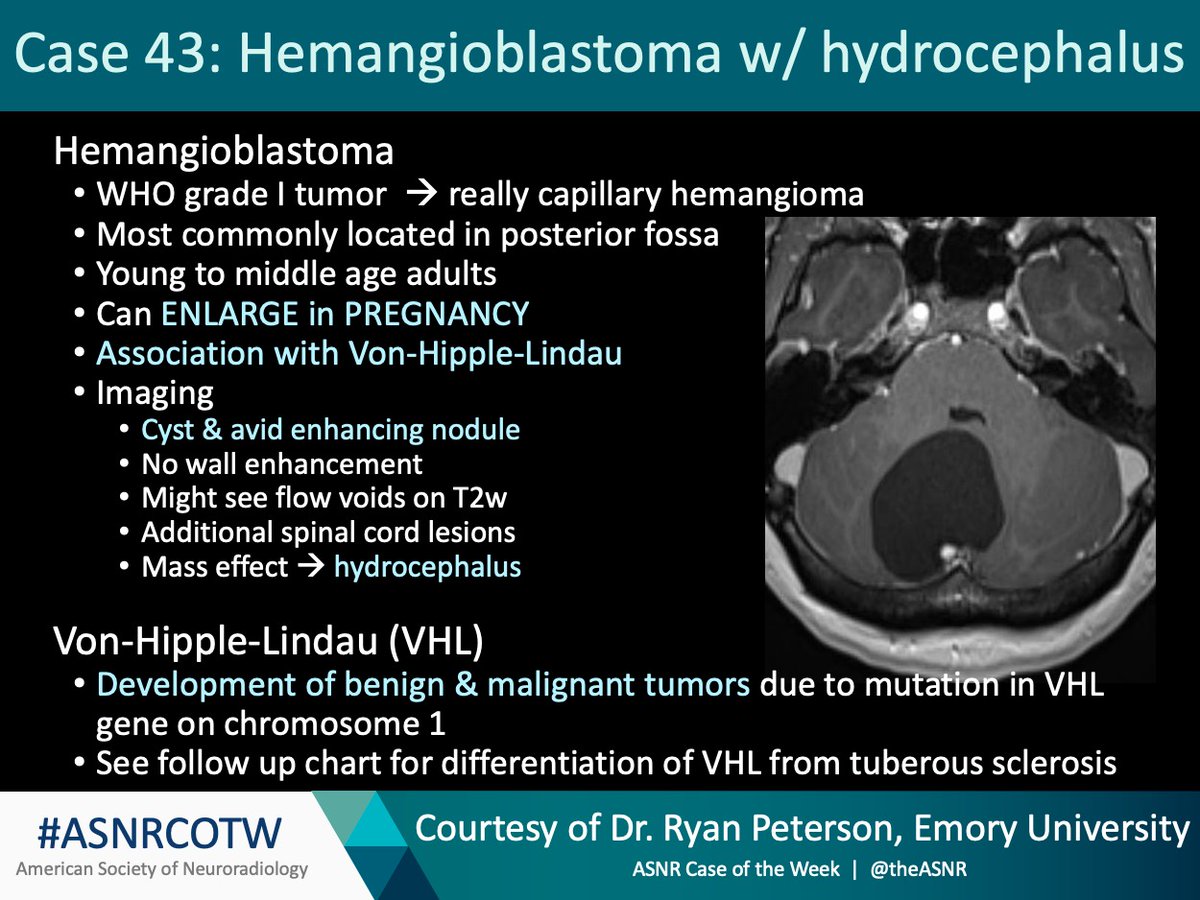
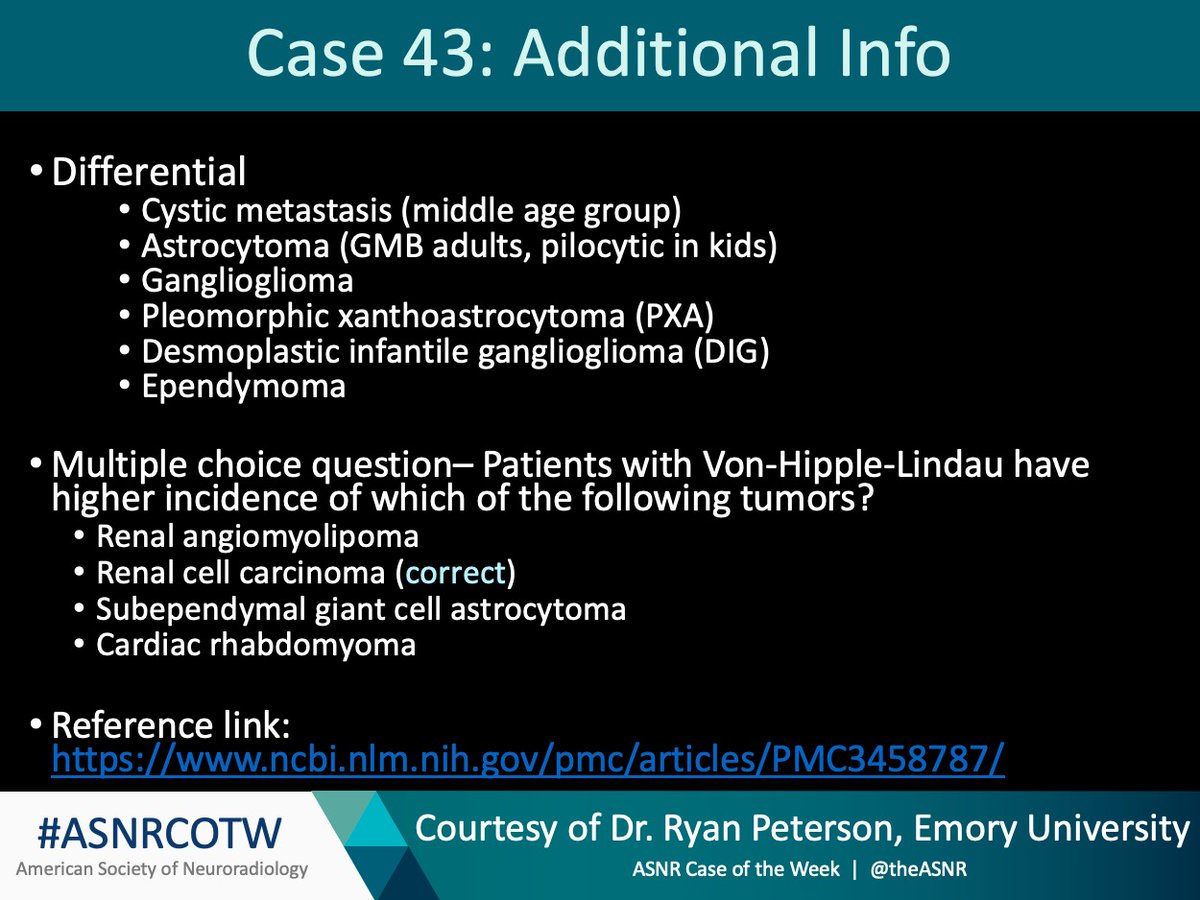
Answer: Hemangioblastoma These can actually enlarge during pregnancy. Classic posterior fossa mass (cyst & mural nodule). Other things can look similar on differential. Has association with VHL - so know the additional imaging findings of VHL (attached). #ASNRCOTW
The American Society of Neuroradiology tweet mediaThe American Society of Neuroradiology tweet mediaThe American Society of Neuroradiology tweet mediaThe American Society of Neuroradiology tweet media
English
0
11
32
0
Yong Chuan Chee retweetledi
Pakistan Academy of Neurological Surgery
Congratulations to those who selected hemangioblastoma. The enhancing mural nodule and non-enhancing cyst wall are characteristic features. Cyst walls of pilocytic astrocytoma often enhance, and it usually occurs in younger age. Metastasis has rim enhancement. #MedTwitter
Pakistan Academy of Neurological Surgery tweet media
English
0
12
70
7.4K
Yong Chuan Chee retweetledi