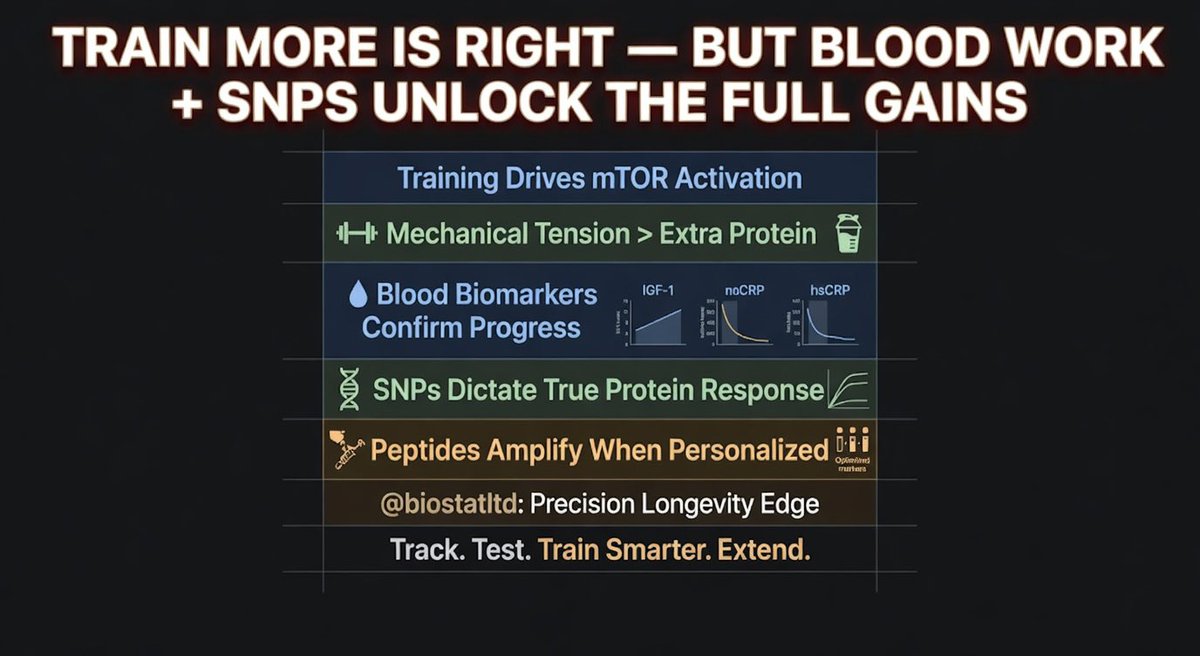
@BioStatLtd @foundmyfitness Protein and training go hand-in-hand. Can’t expect results from one without the other.
English
Daniel 🏃💨
182 posts

@Dan_OptiSys
PM in Tech. Optimizing for cognitive throughput and longevity. 🏃♂️ Zone 2 | 📉 Oura Ring | 💊 Nootropics. Building better systems. Oh yeah and sports



One of the biggest mistakes I see in nutrition: People eat almost no protein at breakfast. If your first meal is mostly carbs, your blood sugar spikes and crashes within a few hours. Aim for 30–40g of protein in the morning: Eggs. Greek yogurt. Protein smoothie. Steak and eggs. What did you eat this morning??


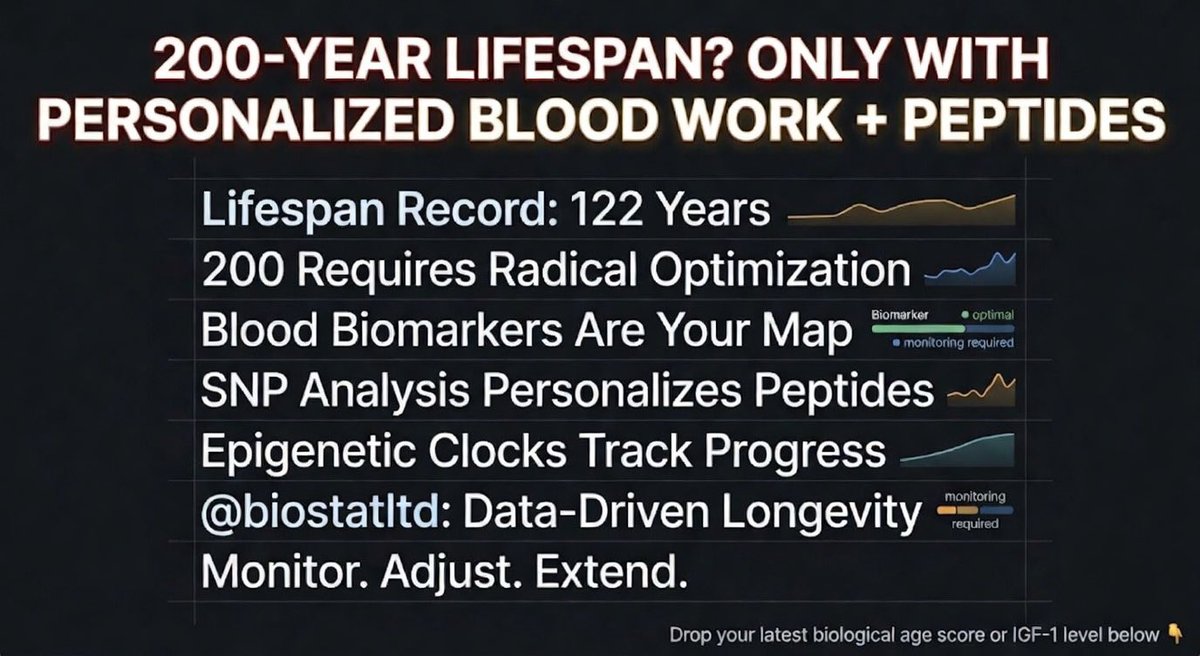
the first person to live to 200 is already alive and they are probably in their 70s

Most people think supplements don’t work... sometimes that’s true. If the nutrient isn’t in a form your body can absorb, it won’t do what you think it’s doing. In this new episode, I break down bioavailability and why the form of a nutrient can determine whether it helps your body… or just gets flushed away. Watch the full episode right here on X👇🏻
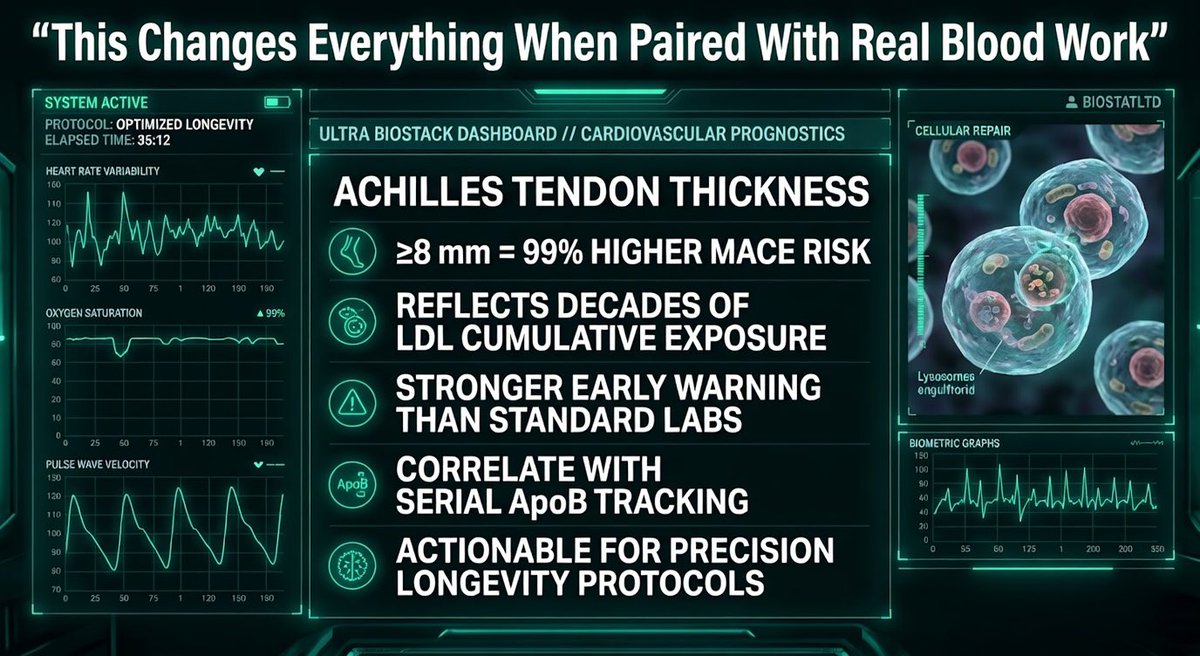
Your ankle is a window into your heart. A new study found that patients with a thickened Achilles tendon were nearly twice as likely to experience a major cardiovascular event within three years of a coronary stent procedure. An observational study retrospectively compared outcomes for 1362 participants with coronary artery disease undergoing PCI, examining differences between patients with and without Achilles tendon thickening (defined as ≥8 mm in men or ≥7.5 mm in women). Patients with thickened Achilles tendons faced a 99% higher risk of major adverse cardiovascular events (MACE) over three years (28.4% vs 17.9% for those with and without thickening, respectively). (MACE was defined as all-cause death, nonfatal myocardial infarction, stent thrombosis, stroke, and clinically driven target-vessel revascularization.) Thickened Achilles tendons were more prevalent in patients with the more severe, rapidly developing, and less stable acute coronary syndrome (ACS) (24.3% had thickened tendons) compared to patients with the more stable chronic coronary syndrome (CCS) (13.7% had thickened tendons). Among ACS patients, having a thickened Achilles tendon was a significant predictor, increasing the risk of a recurring major cardiovascular event within the next three years by 4.7 times. The findings suggest that Achilles tendon thickening may serve as a prognostic marker in patients with cardiovascular disease, with special value in predicting early recurrence of major adverse cardiovascular events in patients with acute coronary syndrome. While the analysis did not include blood cholesterol levels and does not establish causation, one plausible explanation is that Achilles tendon thickening reflects cumulative exposure to elevated LDL cholesterol over many years. This may be especially relevant in familial hypercholesterolemia, a genetic disorder characterized by markedly elevated LDL cholesterol, in which Achilles tendon thickening is also used as a diagnostic criterion.
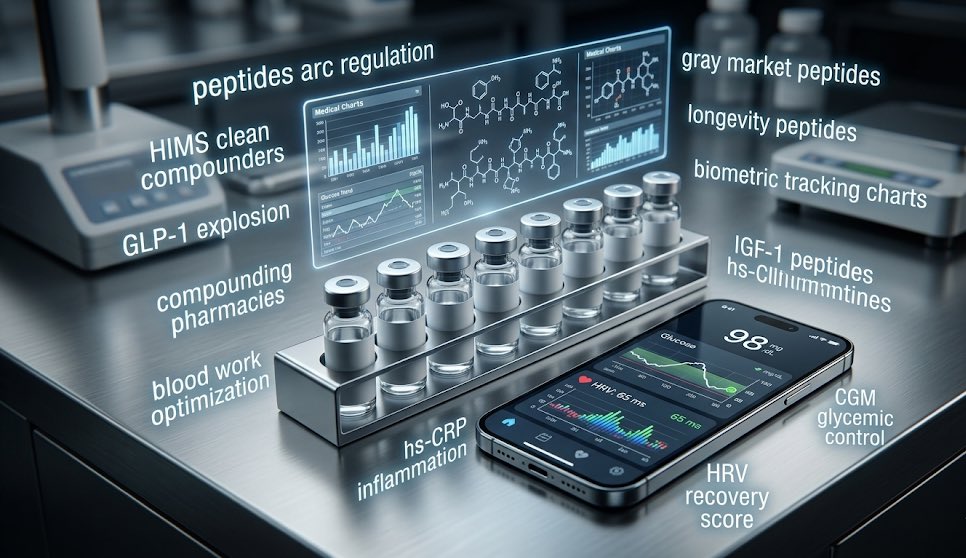
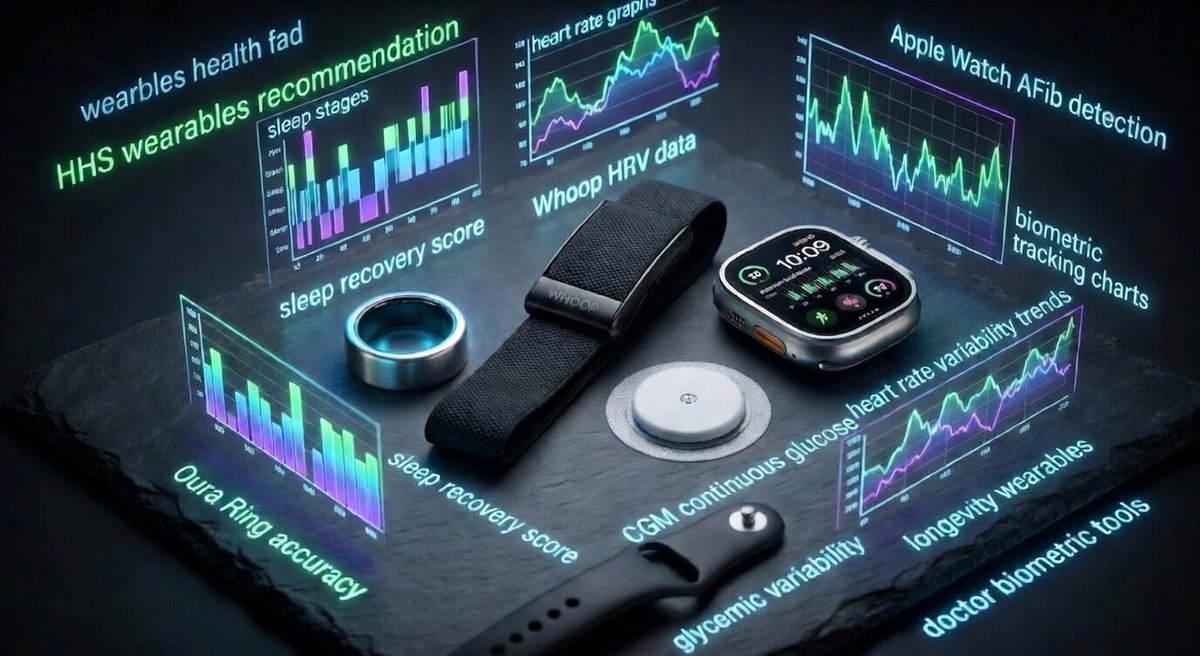
My latest article is a short one about "wearbles"—the latest health fad that the HHS is now going to be recommending doctors learn about when they're in school. Do they work? Is it good advice to tell doctors to recommend them? No. Link below.
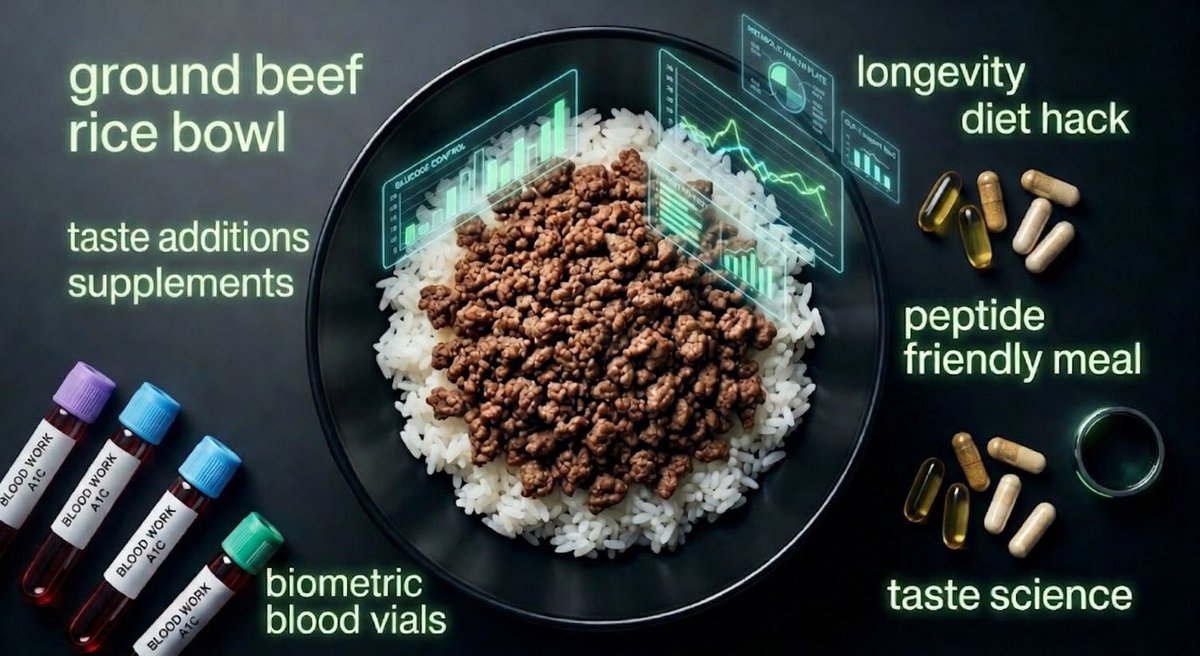


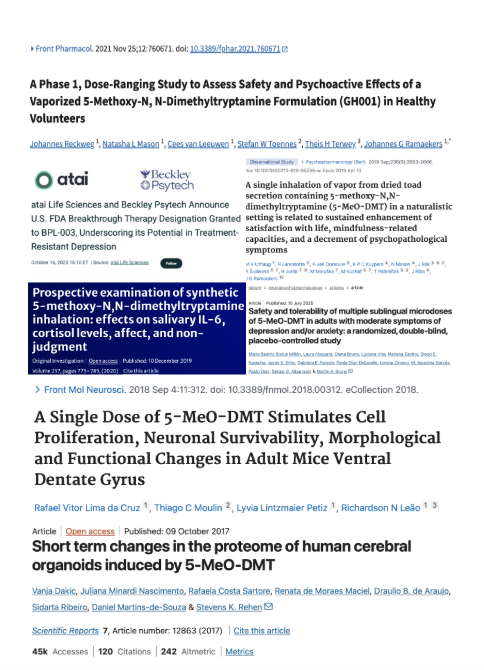


Personalized peptide stacks could become as normal as vitamins. Andrew Huberman on where supplements are heading: "In five years you and I are going to have a little cocktail. It's going to be one injection or one pill." "Whatever I need to ramp up my dopaminergic system a little bit to make sure I'm getting enough micronutrients. Maybe I'm gonna put a little Klotho in there to protect me against Alzheimer's." "All of that stuff is going to be commonplace. The same way that people are not afraid of vitamin D or they're taking some creatine or magnesium." "I think most everyone is going to be doing that." @hubermanlab @daisydwolf
BREAKING 🚨 RFK Jr. on JRE just called military base food ‘appalling’. Soldiers were throwing out nearly 50% of meals and spending their own money on fast food instead. The turnaround is rolling out now: Chef Robert Irvine is bringing fresh, locally sourced whole-food meals to bases at just $10/day (down from $18), with the pilot expanding to 20 bases and massive demand. Food quality is foundational for longevity: cleaner inputs mean lower inflammation, better metabolic markers, and faster recovery. We look forward to covering the changes being made in our publication (bio). ⚠️ Current or former military: How badly did the old chow tank your hs-CRP, energy, or recovery labs? What changes are you most excited to see? #Biohacking #Longevity #MAHA


The next health revolution may come from individuals learning to control their own biology. In this conversation with a16z's Daisy Wolf, Andrew Huberman explores the remarkable ways emerging tools and cultural shifts are enabling people to optimize sleep, metabolism, focus, and performance. - How COVID accelerated a shift toward self-directed health and personal agency - Why resistance training, sunlight exposure, and sleep are the highest-leverage interventions for physical and cognitive performance - The transformative potential of GLP-1 drugs in treating obesity - Why peptides and emerging bio-optimization tools are gaining traction outside traditional medicine - The difference between reading biology (wearables, biomarkers) and writing to it ... and more. 0:00 Introduction 1:15 The health awakening, explained 7:02 MAHA's role in the health movement 13:05 GLP-1: Nearly one in seven Americans 18:37 The non-GLP peptide craze 25:16 Rogue experiments and low-dose GLP 31:40 Real-time cortisol sensing 44:39 The pet octopus and AI communication @hubermanlab @daisydwolf