Road Traveler retweetledi

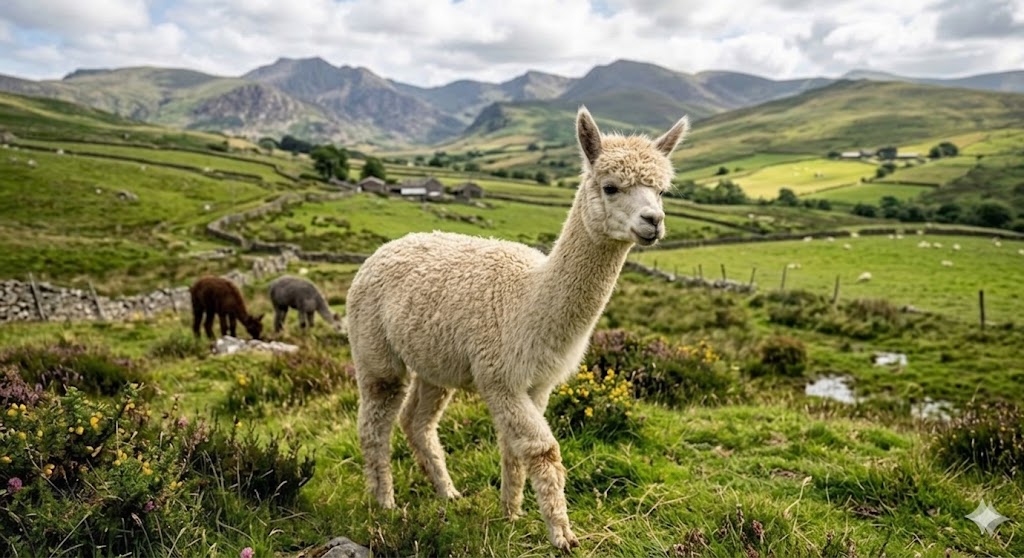
Eduardo took eleven minutes to cross the field this morning.
The field is approximately 130 metres long. Eduardo, if he had wanted to, could have crossed it at a brisk alpaca walk in about three minutes.
He did not want to.
He stopped at the gorse bush. He stopped at the small section of clover near the gate. He stopped at the place where the badger crosses, which is not currently active but which Eduardo, by some assessment of his own, considers worth checking. He stopped at the dip where the rainwater pools, drank slightly, walked on. He stopped at the eastern fence post for ninety seconds and looked, by every visible indicator, at nothing in particular.
He arrived at the far gate at 7.46am.
The farmer, watching from the kitchen, made a cup of tea.
The farmer's wife, who has watched Eduardo cross this field most mornings for seven years, said: "He's slow today."
The farmer: "He's slow every day."
The wife: "He's slow on purpose."
The farmer: "...Yes."
This is the thing about Eduardo. The eleven minutes is not inefficient. The eleven minutes is the work. The work is to walk the field, attend to it, notice what has changed, register the gorse and the badger crossing and the dip and the fence post, and finish at the far gate having processed the morning.
Most useful animals, and most useful humans, work like this. The work is in the noticing. The noticing requires time. The time looks, to the casual observer, like the animal is doing nothing.
The animal is not doing nothing.
The animal is doing the most important part.
The phone in your pocket has, in the last decade, optimised the noticing out of most modern lives. The walk to work has become the scroll on the bus. The lunch has become the working lunch. The slow look at the eastern fence post has become the answered email.
Eduardo has not, at any point, optimised the noticing out.
This is, in the long run, why Eduardo is fine and you are tired.
Walk the field slowly. Notice the gorse. Be the alpaca.
English