Greg Stanley

355 posts

Greg Stanley banner
Greg Stanley

Greg Stanley

@DoctorGreg13

dad, husband, vascular surgeon, fellowship program director and electronic music lover; striving for the best

Charlotte, NC Katılım Ocak 2014
444 Takip Edilen629 Takipçiler
Greg Stanley retweetledi
Naveed Rajper MD
Naveed Rajper MD@naviyd·
piedmonthealthcare.com/the-future-of-… The Hidden Threat of Cardiovascular Disease in Midlife In our 40s and 50s, cardiovascular disease emerges as the leading cause of harm and death, surpassing cancer and lung disease. Yet, when we examine a seemingly healthy population of adults around this age using noninvasive imaging, we often uncover the root cause—atherosclerosis—long before symptoms appear in most people. Unfortunately, many patients receive a diagnosis and treatment only later in life, often after developing obvious symptoms or even suffering a heart attack or stroke. A Surprising Pattern in Atherosclerosis Development Contrary to popular belief, and according to seminal research by Dr. Valentin Fuster and others, atherosclerosis doesn’t first target the heart, as one might assume. In studies such as the Progression of Early Subclinical Atherosclerosis (PESA), which followed aging cohorts with serial noninvasive imaging, plaque buildup tends to appear in the legs (the common and superficial femoral arteries) first, the neck (the carotid arteries) second, and the heart (the coronary arteries) last. This suggests we are often searching for the causes of cardiovascular events—primarily atherosclerosis—in the wrong parts of the body and at the wrong time of life. The Era of Rapid Medical Innovation We are witnessing unprecedented technological acceleration, in which the next decade’s innovations may surpass the gains of the past century. Medical imaging now allows visualization of disease well before symptoms arise. At the same time, pharmacologic advancements target lipids, platelets, coagulation, inflammation, and metabolism more effectively. In the 1980s, endocrinologist Gerald Reaven described a cluster of high-risk features in Americans—closely linked to obesity—as the enigmatic “Syndrome X.” Decades later, our understanding, recognition, and management of what we now call metabolic syndrome have vastly improved and continue to evolve. This syndrome is strongly tied to excess visceral fat and insulin resistance, as well as increased risks for sleep apnea, heart rhythm disorders, hypertension, hyperlipidemia, atherosclerosis, fluid retention, kidney disease, and overall diminished mobility and wellness. By 2026, treatments have evolved dramatically and include disease-modifying agents that address metabolic syndrome head-on. These therapies are safer and more effective than ever and often work synergistically to reduce risk and extend both quality of life and lifespan. What’s Next: Beyond Early Detection of Disease — The Genetic Revolution Today, we can detect disease far earlier—often between ages 25 and 50—well before symptoms emerge—and treat it more effectively than before. So, what’s on the horizon? Lipoprotein(a), discovered in 1963, may ignite the genetic revolution in healthcare. This highly atherogenic, disease-causing lipid particle is inherited and present at birth, affecting 20–30% of the population. If ongoing clinical trials demonstrate that therapies lowering lipoprotein(a) are safe and reduce cardiovascular events or mortality, humanity could take a giant leap forward in the prevention of disease. In the next decade, genome-based risk assessment and targeted therapies will likely become widely available. As this genetic revolution accelerates—synergistically alongside those of imaging and therapeutics—risk stratification, and potentially even therapies, could begin around birth or early in life. The sum of these technological advancements may lead to remarkable increases in average human lifespan in the coming years.
English
2
1
10
248
Greg Stanley
Greg Stanley@DoctorGreg13·
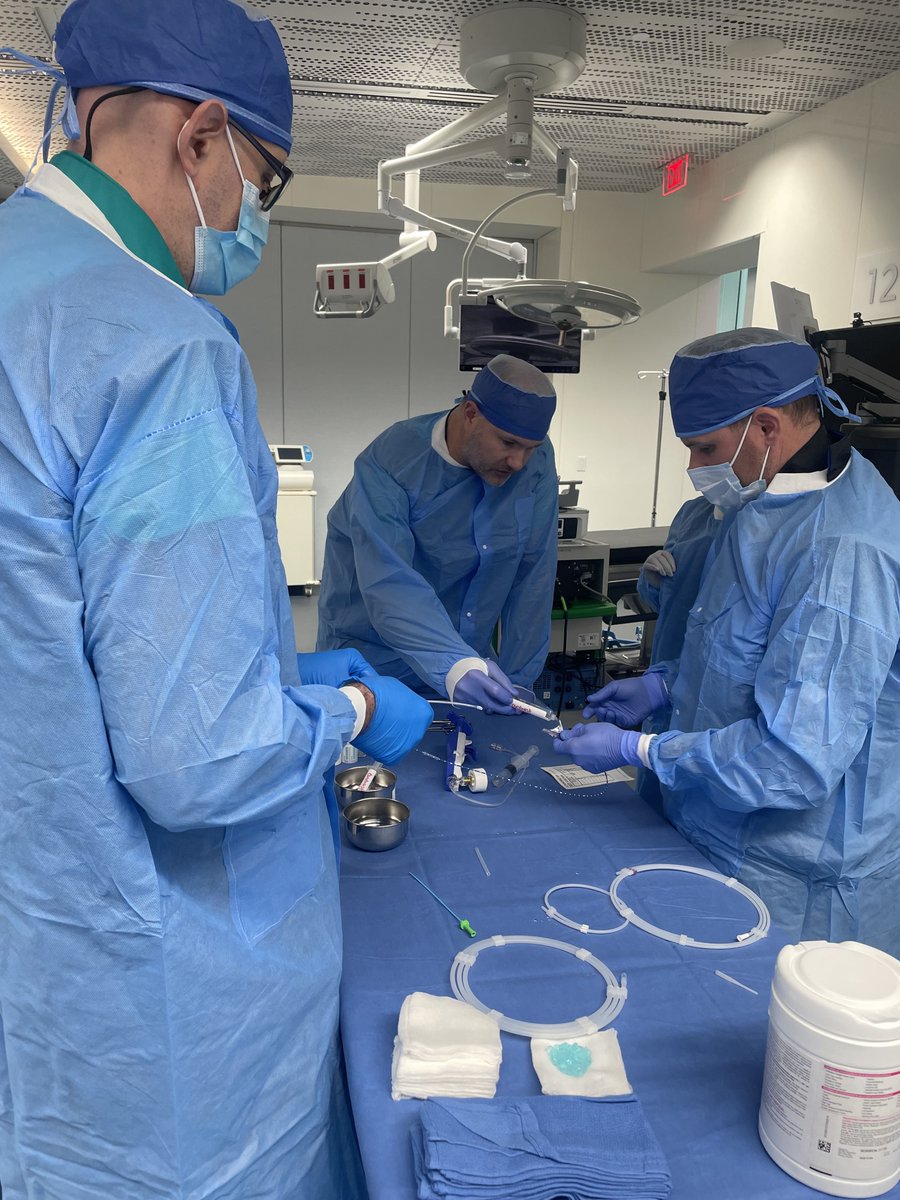
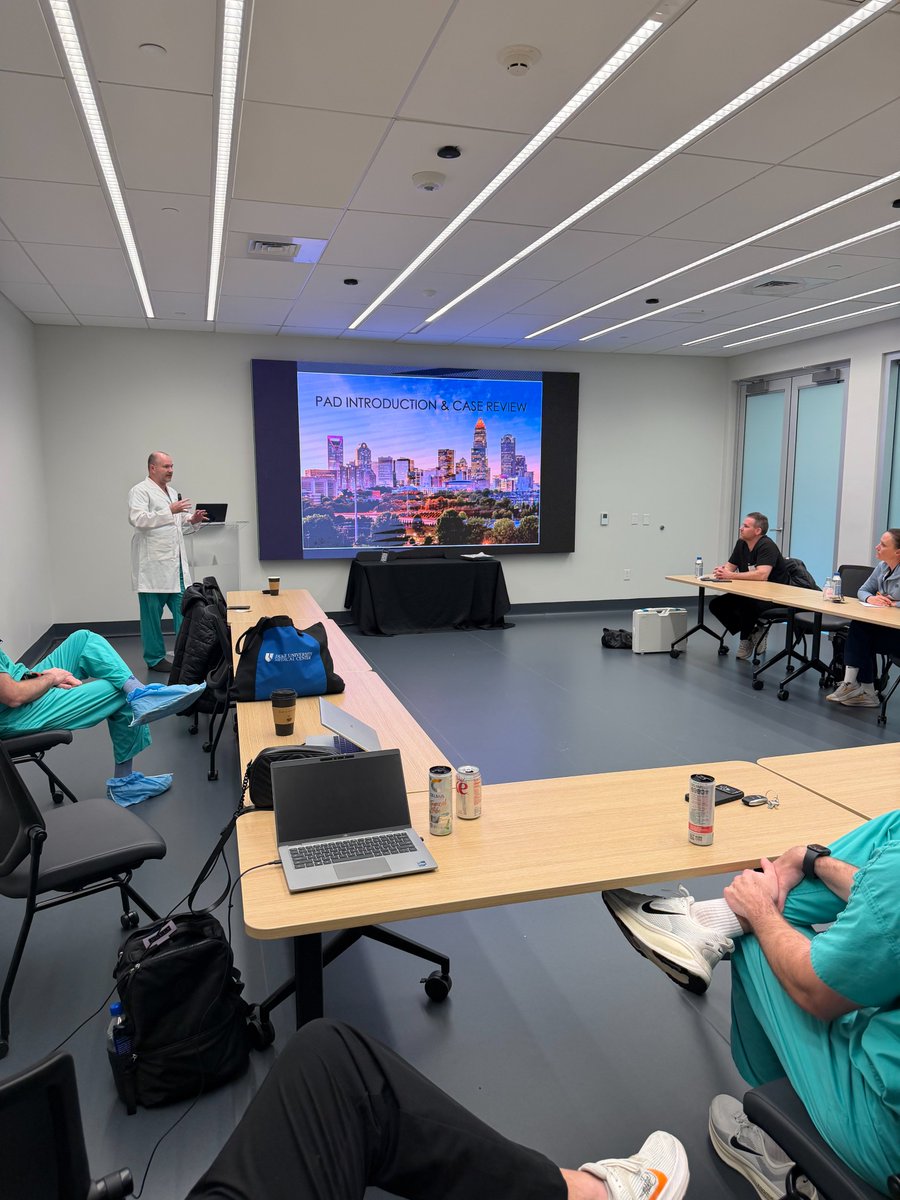
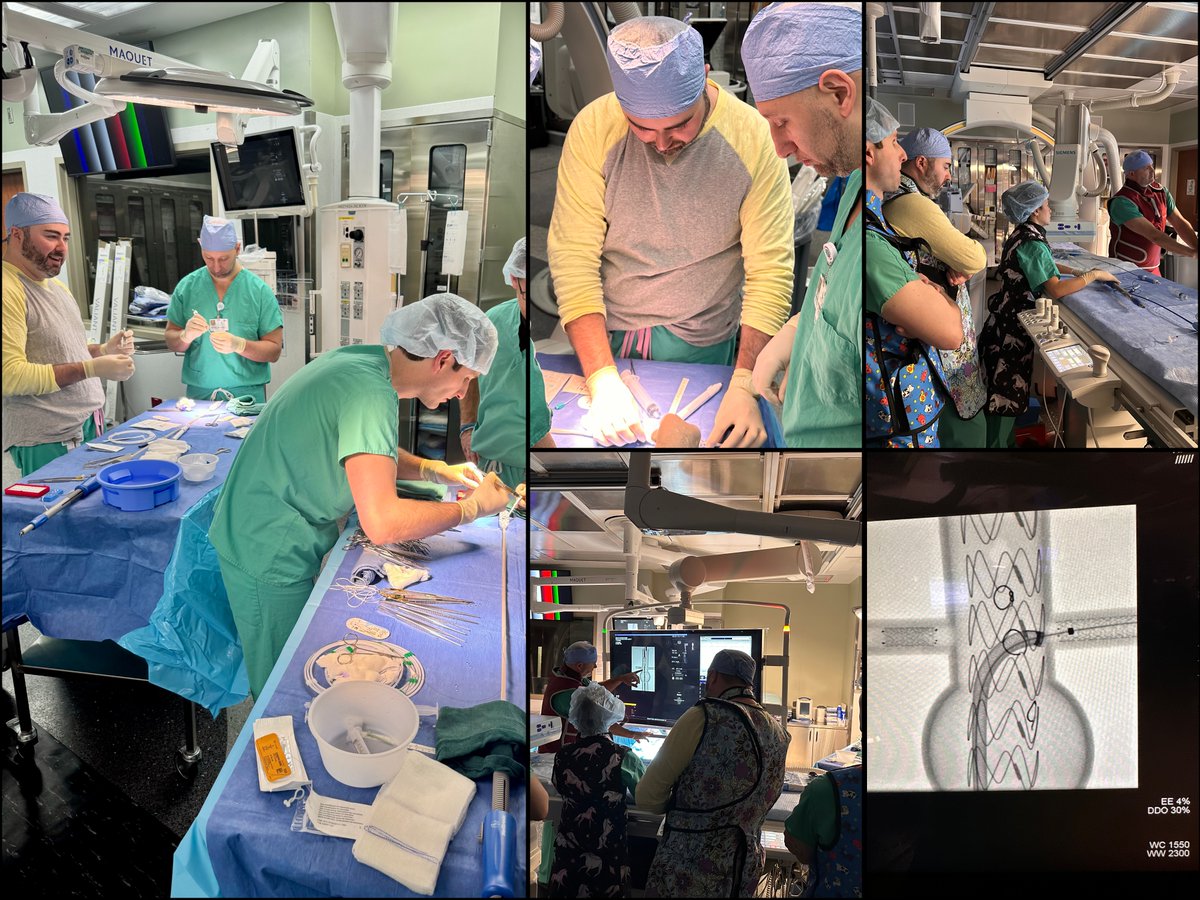
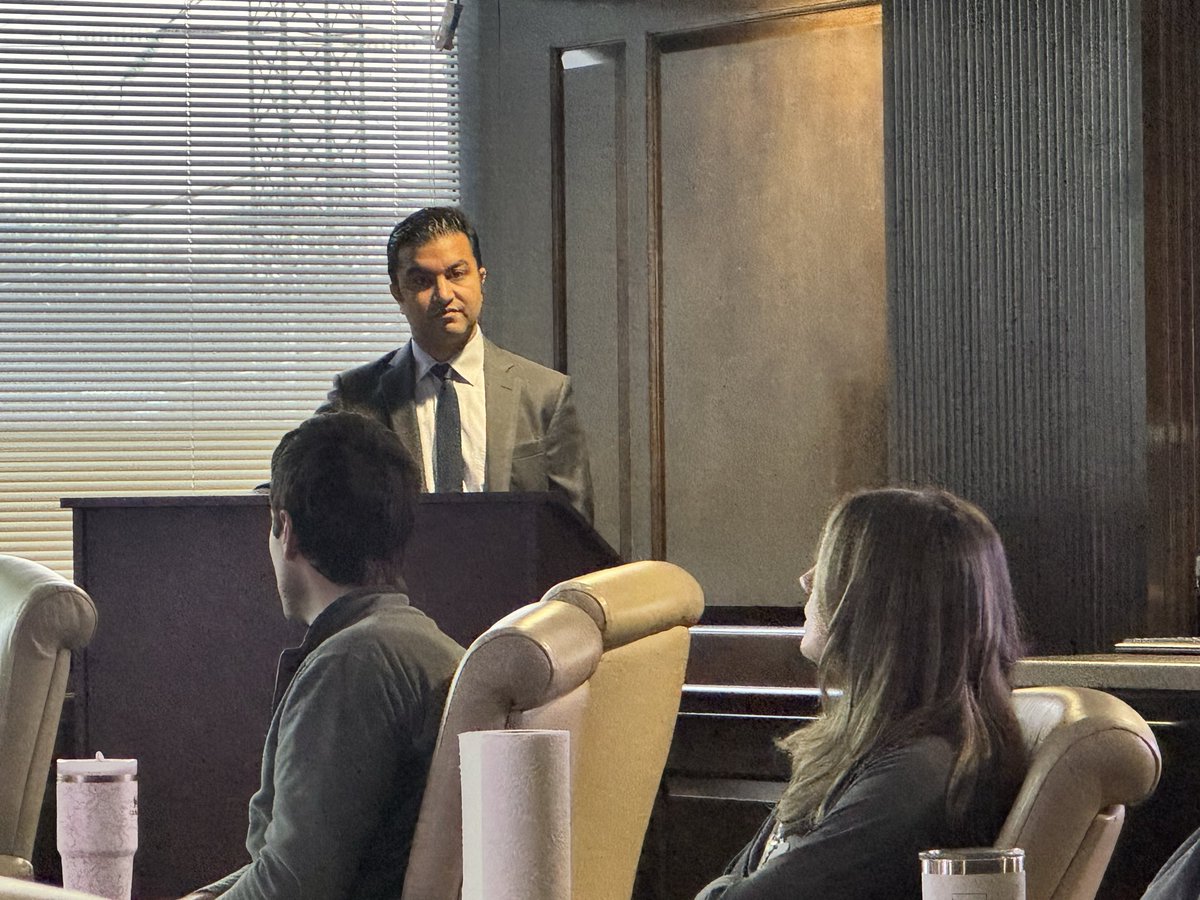
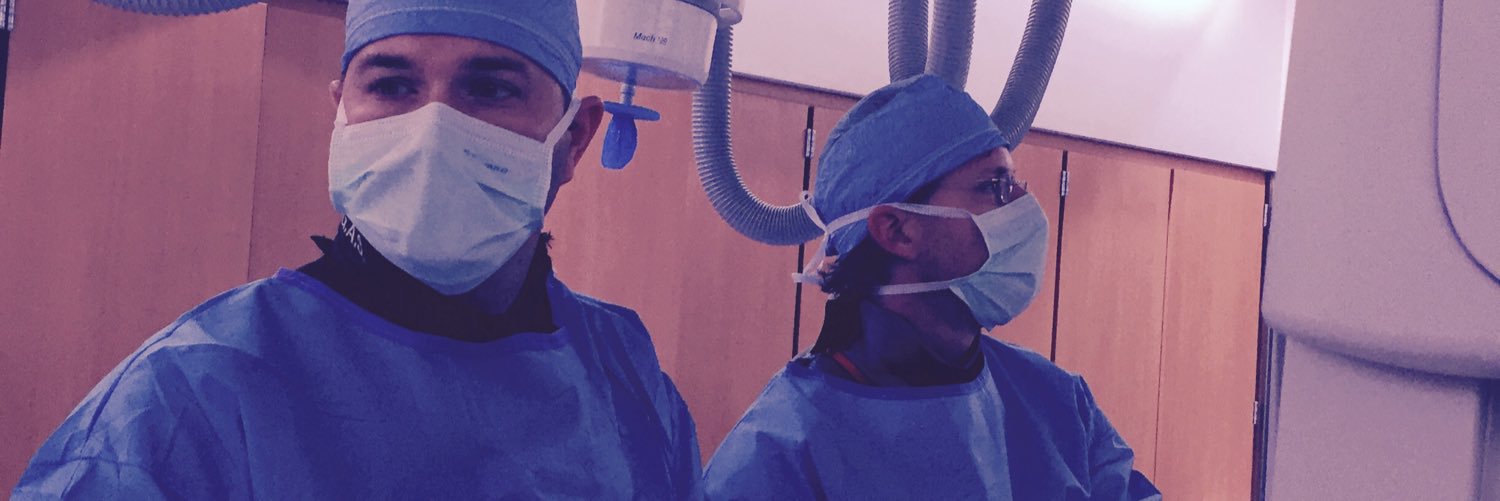
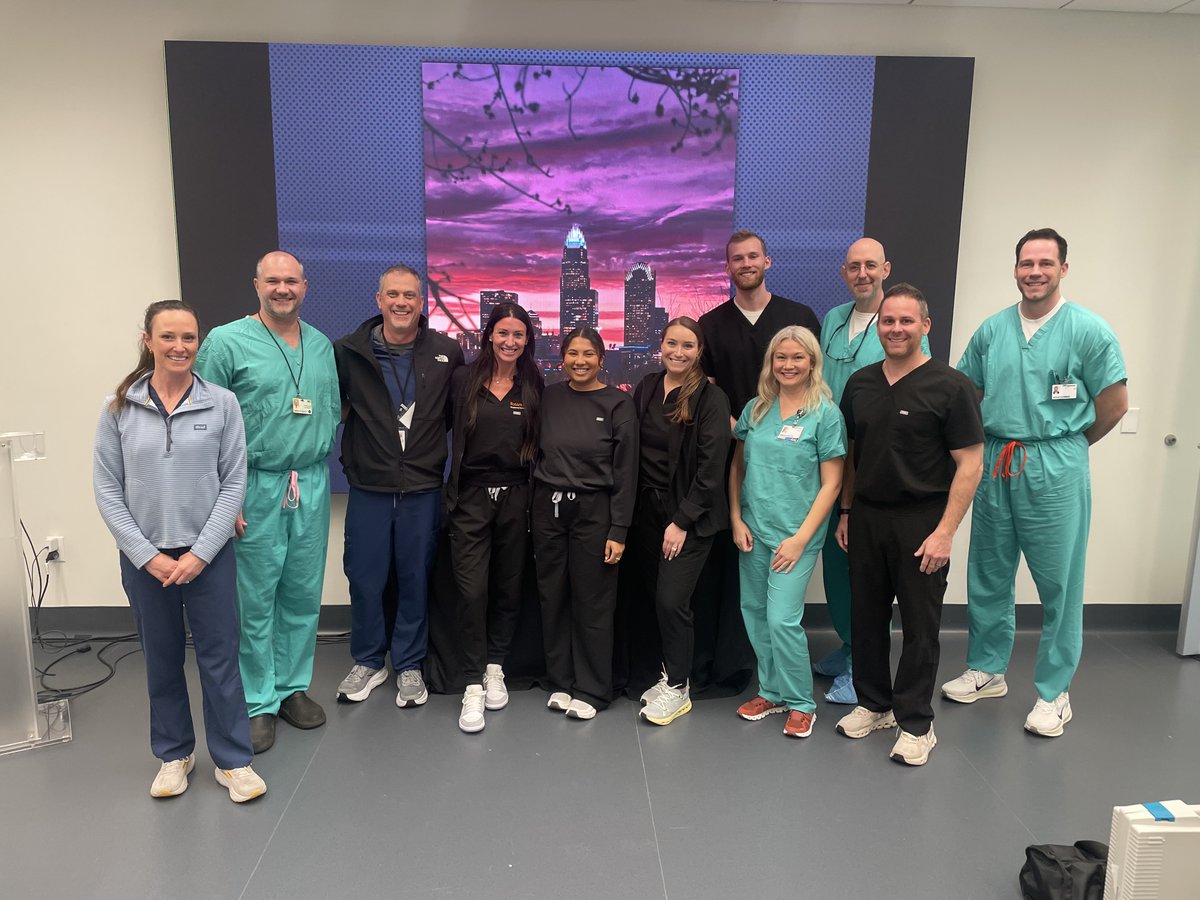
Another great day of hands-on education @IrcadNA alongside a truly masterful teacher Mark @LessneVIR. PAD awareness & education in focus. Thank you to Bard Peripheral for the opportunity. Much to grow on for the future! 🤍CMCVascularSurgery
Greg Stanley tweet mediaGreg Stanley tweet mediaGreg Stanley tweet mediaGreg Stanley tweet media
English
0
0
5
221
Greg Stanley retweetledi
Joseph L. Mills MD
Joseph L. Mills MD@jmills1955·
@monegenix I’m a vascular surgeon. AI and robots won’t be replacing what I and my colleagues can do in the foreseeable future. Not just the technical aspects, but the judgment than comes from years of evaluating and treating patients.
English
8
5
46
2K
Jim Melton
Jim Melton@JimGMelton·
@farkomd Had to retrieve a watchman yesterday out of the descending thoracic aorta.
English
5
1
20
2.6K
frank arko
frank arko@farkomd·
It’s always something. New device or the capture of a displaced nosecone in a total arch?
English
3
2
35
5.3K
Greg Stanley retweetledi
Joseph L. Mills MD
Joseph L. Mills MD@jmills1955·
I’ll take total BS for the Daily Double, Alex. The idea that doctors want to keep patients sick is simply ludicrous
A.D.@adfigg

@BrianPrescott48 Most Americans have no clue about the billions of dollars big pharma pumps into the educational process of physicians. They are being indoctrinated from their first day. globalnews.ca/news/5738386/c…

English
5
8
40
6.5K
Greg Stanley
Greg Stanley@DoctorGreg13·
@jdimick1 Depends entirely on the people. The ‘ivory tower’ of academic medicine is increasingly not the epicenter of excellence. The brain trust has largely disbursed toward systems that value high volume quality care with appropriate remuneration.
English
1
0
1
153
Anil Makam
Anil Makam@AnilMakam·
@DrDiGiorgio medicine is not purely subjective some is the thing i hate is when people chalk up different decisions to stylistic decisions when one is informed by evidence and the other is not
English
5
0
6
1K
americanair
americanair@AmericanAir·
@MandyBremner We know how important seats can be! Every attempt is made to honor pre-assigned seats, but we're not always able to do so. Therefore, we don't guarantee pre-reserved seats. Our apologies for any inconvenience caused.
English
31
1
4
13.9K
Greg Stanley retweetledi
frank arko
frank arko@farkomd·
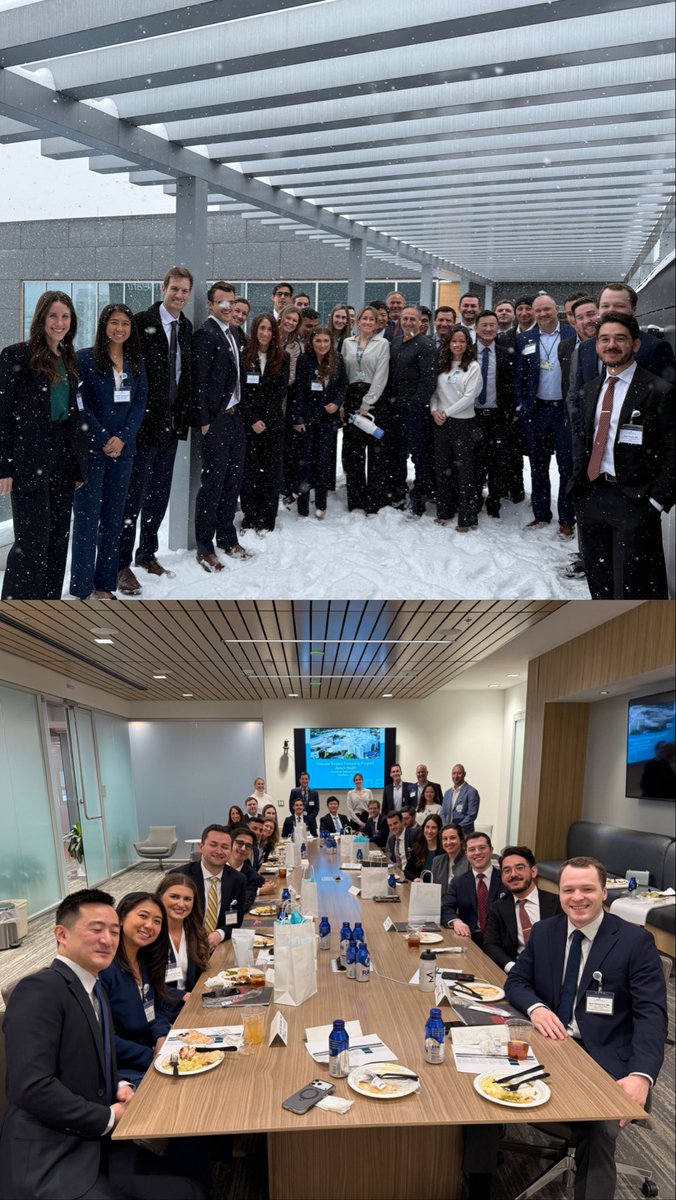
Boardrooms 🤝 Blizzards ❄️ So grateful for an amazing weekend with vascular surgery candidates from all over the US. They braved the snow and brought passion, curiosity, and heart to everything they did. The future of our field is bright. Thank you for choosing vascular surgery.
frank arko tweet media
English
1
5
39
2.6K
Greg Stanley
Greg Stanley@DoctorGreg13·
@GAEscobarMD @AmmarNasirMD @farkomd I think the point is the (coronary) disease in CLI patients is in such an advanced state that medical therapy alone isn’t adequate to alter the mortality curve
English
1
0
2
17
Guillermo Escobar🩸
Guillermo Escobar🩸@GAEscobarMD·
@AmmarNasirMD @farkomd @DoctorGreg13 Thankfully the partnership with Cards and Vascular surgery has embraced "optimal medical therapy" to both groups, dramatically improving survival. Back to OP- not sure stressing a PAD patient will change survival, but maybe so. I was specifically addressing pre-op doesn't lower
GIF
English
2
0
1
48
frank arko
frank arko@farkomd·
As a vascular surgeon taking an aggressive coronary evaluation for patients with CLI I am discovering a huge burden of advanced coronary disease with the use of coronary CTA. I think it’s a huge game changer for potentially improving long term survival for this group
English
15
10
87
18.1K
Greg Stanley
Greg Stanley@DoctorGreg13·
@naviyd @farkomd Absolutely on point Naveed. 💯 It takes a village. These are some of the sickest people in the cardiovascular world.
English
0
0
4
132
Naveed Rajper MD
Naveed Rajper MD@naviyd·
There is a call to action (an emergency 🔥) to evaluate and treat CLI patients through a 2026 approach. Sadly, these patients are the highest risk yet often poorly understood/managed/supported. They need advanced CV imaging, genetic screening (e.g., Lp(a)), identification of high risk comorbidities (concurrent high risk ASCVD, CHF, valve disease, AF, cardiorenal and metabolic syndromes). They need advanced disease modifying medical therapies (e.g., PCSK9i, SGLT2i, GLP-1a, ns-MRA therapies). This is all at the same time that they need heroic support, education, encouragement, and help overcoming socioeconomic and insurance/cost barriers.
English
1
1
4
1K
Matthew Certain
Matthew Certain@MatthewCertain·
@farkomd I get your point, but please check out COURAGE, ISCHEMIA, and BARI2D.
English
2
0
4
197
ADemarsico
ADemarsico@ArtieDeMarsico·
@ElliotServaisMD In an emergency case, memory and adrenaline kick in and you do what you have been trained to do. We all hit the wall eventually but in that moment when the patient’s life is in my hands I am not tired.
English
1
1
5
670