Sabitlenmiş Tweet

POV: Brunch with Corporate Baddies in STEM🩺
Corporate Baddie Feat @kuu_ndovu Prod by @keithwamz OUT NOW🌍
Listen here vmgafrica.lnk.to/CorporateBaddi…
English
Hip Hop Dr
42.6K posts
@DoctorReign
Wanjiku’s son. Consultant Paediatrician/Artist. Top 100 Kenyans 2025🏆. IG @drreign TikTok @doctorreign Paediatrician consult📞 +254 11 3632896. 🇰🇪

If I were an ordinary Kenyan (not a doctor) who wanted the current government out, I would probably pay closer attention to the KMPDU elections—you would learn just how difficult it is to remove a corrupt, power-hungry incumbent.


This is completely unacceptable! @HonAdenDuale Interns are the backbone of service delivery in our public healthcare system, with many hospitals heavily relying on them to keep essential services running. It is even concerning that some facilities are now forcing interns to take on the responsibilities of fully employed medical officers & pharmacists simply because they are unwilling to hire adequate staff.
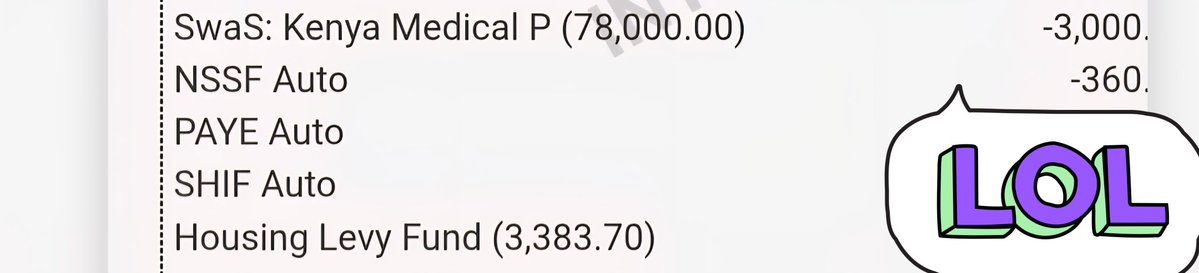

@FNyadimu @kmpdu Maybe you start by paying up and being member of the union.


As you say Champion.🫡

We are fully aware of the frustration, pain and burden that families, businesses, farmers and transporters have endured due to rising fuel prices over the past few weeks. The truth is this: Kenya is facing the effects of a global fuel crisis caused by the ongoing conflict in the Middle East. This challenge is not unique to Kenya. Across the world, countries are grappling with rising fuel prices, supply shortages and disruptions in the global supply chain. Since the beginning of this crisis, we have responded decisively to cushion Kenyans from high fuel prices and to ensure the country continues to enjoy a stable and uninterrupted fuel supply under the Government-to-Government framework. In the April-May and May-June pricing cycles, the Government has spent KSh28.19 billion on fuel price support through direct stabilisation measures and Value Added Tax (VAT) relief of 8 per cent, protecting millions of Kenyans from even greater hardship. Without Government intervention during this period, Super Petrol would retail at KSh230 a litre instead of the current KSh214. Diesel would retail at KSh277 instead of KSh232, while kerosene would retail at KSh270 instead of KSh191. To further cushion Kenyans, I have directed a KSh10 reduction for diesel in the June-July pricing cycle. We call on Kenyans to remain patient as we navigate this crisis. Let us not allow irresponsible political opportunists to politicise a crisis that is global in nature. Together, we shall overcome these challenges. Held talks with transport stakeholders at State House Mombasa and agreed on a series of reforms to address concerns in the transport sector, including the possibility of a temporary relief on lending terms for the transport sector, insurance claims and regulations on minimum fares for digital taxis, as well as allowing the continued use of artwork and graffiti on matatus.

The hype has really died... I honestly thought it would have been worse 🤣🤣🤣🤣

1,000 World Cup tickets. $50 each. All for New Yorkers. We fought hard to make the people’s game available to the people — and won. Let the summer of soccer begin.
I’ve read about 3 kids who have been killed and that’s just in the last 24 hours! It is genuinely very alarming how unsafe the country has become. wtf is happening ? A convo has to be heard and proper measures taken to ensure safety of the children in this country.

Arsenal's defensive depth for next season 💪😮