Dominic Tanzillo

784 posts

Dominic Tanzillo banner
Dominic Tanzillo

Dominic Tanzillo

@DominicTanzillo

Space Cowboy! Researcher with @Space_Station and Third Year Med Student @DukeMedSchool Now an AI Masters Student

NASA’s Secret Lunar Base Katılım Kasım 2014
147 Takip Edilen328 Takipçiler
Sabitlenmiş Tweet
Dominic Tanzillo
Dominic Tanzillo@DominicTanzillo·
Two areas of interest for me AI in Medicine and Space Medicine, you wouldn’t know it but Interventional Radiology is basically the only field for me.
English
2
0
2
171
Dominic Tanzillo retweetledi
Oliver The Space Nerd
Oliver The Space Nerd@OliverNerd7·
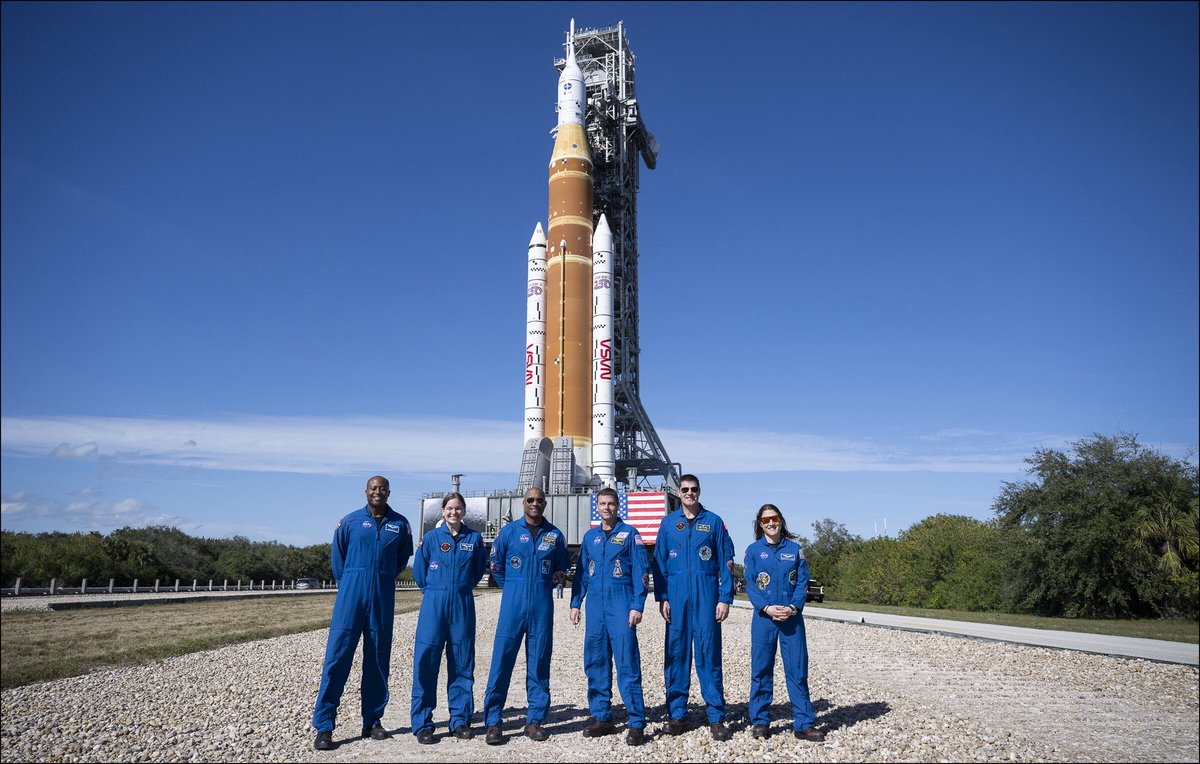
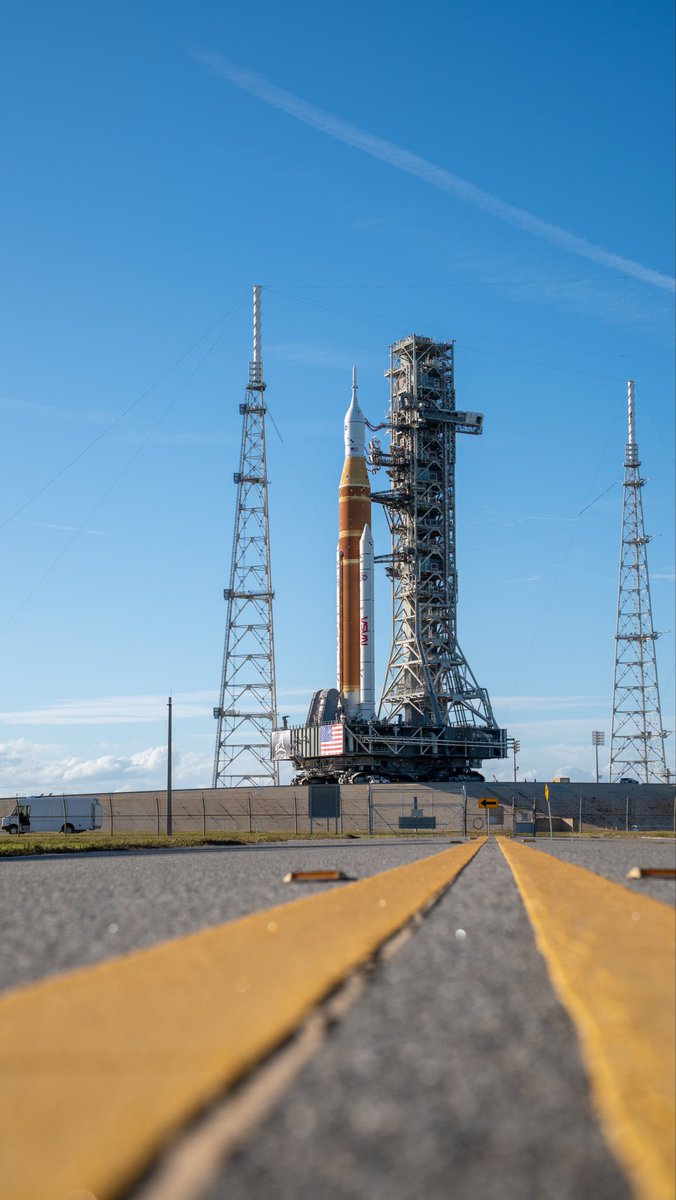
4 Astronauts are going back to the moon next Friday and no one’s talking about it
Oliver The Space Nerd tweet mediaOliver The Space Nerd tweet media
English
1.7K
1.6K
11.7K
1.1M
Dominic Tanzillo
Dominic Tanzillo@DominicTanzillo·
My real problem with everyone on the lookout for AI writing is that I like triplets but apparently that’s a tell
English
0
0
1
34
Dominic Tanzillo retweetledi
Sanat Dixit MD FACS
Sanat Dixit MD FACS@sdixitmd·
So I guess this “annual MRI” and “agentic AI analysis” is a big thing amongst the tech CEO crowd. As a physician, it’s great to see people who want to be proactively engaged with their health. (Makes our jobs easier.) As a physician it’s also great to see diagnostic and analytic tools get better. (Makes our jobs easier.) Also as a physician, it’s concerning to see how much weight is given to acontextual corporeal cross sectional imaging as a diagnostic healthcare tool. (Makes our jobs harder because there isn’t any consistently good data on what to do with any findings - the bulk of which are incidental and clinically insignificant.) All that being said, there’s clearly a market for this (and a bit of a cultural archetype amongst a segment of our society with disposable income). I won’t even venture any comment on the “AI” angle that companies like Prenuvo are selling. (Good luck w that lawsuit btw). These algorithms will continue to improve as time progresses. Hopefully our understanding of how to interact with this additional information will also improve.
tobi lutke@tobi

My annual MRI scan gives me a USB stick with the data, but you need this commercial windows software to open it. Ran Claude on the stick and asked it to make me a html based viewer tool. This looks... way better.
English
2
1
6
1.3K
Dominic Tanzillo retweetledi
NASA Administrator Jared Isaacman
Artemis Il is a 10-day flight test of SLS and Orion that will send astronauts farther than any human mission before. It is the next step toward returning Americans to the lunar surface and building sustained missions at the Moon.
English
254
1K
8.5K
277.6K
Dominic Tanzillo retweetledi
Eric Topol
Eric Topol@EricTopol·
4 papers today on ambient conversation AI scribes. They increase productivity, but.......
Eric Topol tweet media
English
6
18
124
32.5K
Arthur Spirling
Arthur Spirling@arthur_spirling·
@Birdyword This is how I feel about Mr Beast getting 700 million views a week.
English
15
4
1.3K
22.8K
Mike Bird
Mike Bird@Birdyword·
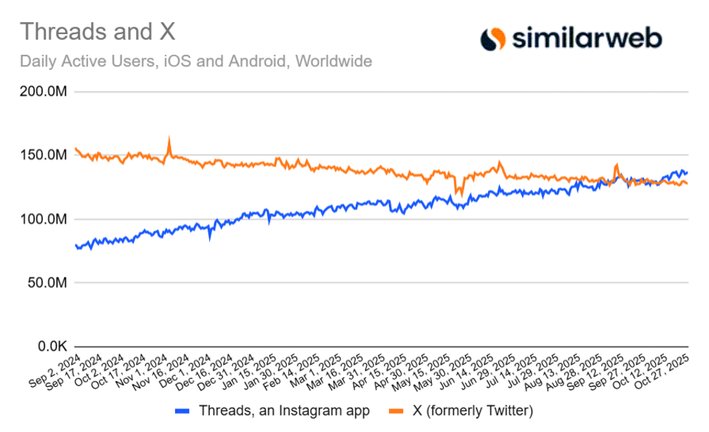
This is an amazing chart. Hundreds of millions of people out there using Threads every day. But I've never in my life had a conversation with someone about using Threads, posting on Threads, mentioning something they saw on Threads. It has almost zero public salience.
Mike Bird tweet media
English
381
170
5.8K
568.5K
Dominic Tanzillo
Dominic Tanzillo@DominicTanzillo·
@ScottAdamsSays @joelpollak Your introduction to Systems vs Goals helped me through the passing of my father, getting through college, landing a job at NASA, and starting medical school.
English
0
0
0
16
Scott Adams
Scott Adams@ScottAdamsSays·
I have a favor to ask. If my work helped you, or someone you know, please follow my biographer and good friend @joelpollak and leave a comment here in case he wants to follow up with you on DMs. It gives me great joy to learn about any contribution I made. I tried to be useful.
English
10.2K
7.2K
65.9K
1.9M
Dominic Tanzillo
Dominic Tanzillo@DominicTanzillo·
@Sage_medics Picking a specialty need not be a complicated process. Just pick something and stick to it.
English
0
0
0
346
SAGE MEDICAL⚕️
SAGE MEDICAL⚕️@Sage_medics·
In Med school, which unpopular opinion will put you in this Situation??
SAGE MEDICAL⚕️ tweet media
English
7
6
55
14.5K
Dominic Tanzillo
Dominic Tanzillo@DominicTanzillo·
After searching and liking medical articles for just five minutes, my feed is completely refreshed with what I want to see: quality #FOAMed and #SpaceMed articles, and no more videos. This is how all algorithms should work, instead of pushing more content.
English
0
0
0
34
Dominic Tanzillo retweetledi
Sanat Dixit MD FACS
Sanat Dixit MD FACS@sdixitmd·
2022 Prenuvo : "Healthcare needs to catch up. We are voxel visionaries." 2025 Prenuvo: "It's the doctors fault. We never claimed to be a healthcare company. We just raised a lot of money from Cindy Crawford and Kim Kardashian to do whole body scans for fun." Seriously - good luck to everybody pushing this bad practice. radiologybusiness.com/topics/healthc…
English
19
17
158
92.9K
Dominic Tanzillo retweetledi
Siyab Panhwar, MD
Siyab Panhwar, MD@DrSiyabMD·
This should be getting WAY more attention than it is. Prenuvo tried to limit damages but got shut down. There are so many layers to this lawsuit and what it means for Prenuvo, and people who get these scans. A few thoughts: - 37 year old man, who I assume is asymptomatic and has no risk factors, gets a preventive Prenuvo whole-body MRI (no medical indication). - Radiologist is an independent contractor, who allegedly misses a ~60% moderate stenosis/narrowing of the right middle cerebral artery. Though a bunch of other incidental findings are noted. - Patient has a devastating stroke months later, in the same spot as the original stenosis - Patient sues Prenuvo, arguing if the stenosis had been appropriately described, the vessel "could have been treated with targeted stenting or other minimally invasive measures, thereby eliminating and preventing the catastrophic stroke." I read the uploaded Prenuvo report that was given to the patient. To be honest, the entire report reads like AI generated slop with barely any details that I would see in an actual radiologist report, probably because these are just superficial level whole-body MRIs that can't actually evaluate every single organ in a dedicated fashion. It would not give me any comfort. It does not specifically mention the 60% blockage. It just says "No worrisome intracranial lesion is identified within the brain parenchyma." But what does "worrisome" mean? It is used throughout the report. A moderate 60% blockage is not typically "worrisome" or alarming in the sense that it is not 90% (or severe). But is it enough to warrant aggressive medical therapy and further evaluation? Yes. But I guess that depends on the definition of "worrisome" and what gets included in the report. Do you include every 20-30% blockage that many of us have, just sitting there not causing issues? Regarding the actual blockage, I'm not a neurologist but as an interventional cardiologist I make an analogy for the heart. Let's say the stenosis wasn't actually missed. Someone gets a commercial CCTA scan of the heart and is found to have a 60% blockage in an artery. The ultimate question to answer here is - will that blockage actually cause the heart attack 6 months down the road, in the same area? No one can answer that with 100% certainty. This is a chronic, stable, stenosis, though yes, aggressive at a young age of 37. The patient is asymptomatic, presumably without any known risk factors. The treatment for this is **aggressive medical therapy and lifestyle management**, NOT a stent. Stents **do not prevent** heart attacks for stable disease - aggressive medical management does. You can stent that area but they can still have a heart attack 1 year later at a different location. It is also possible they are treated aggressively with meds and STILL have the heart attack I rail against "preventive" imaging, but ironically, in this case, this might have actually potentially prevented the stroke in the future. If this 37 year old was treated with aggressive medical therapies and lifestyle management, he may have been able to prevent this tragic outcome. If the patient was not indeed notified, he may not have sought further care, which is even more tragic. People need to understand what they're getting into when they get these tests. Who is the service? Who is actually interpreting the scan? What does the scan actually mean and not mean for your health? What do you DO when you are handed a copy of your results? WHO is liable? Who do they have to answer to?
Radiology Business@RadiologyBiz

Whole-body MRI provider @Prenuvo loses bid to limit damages in high-profile malpractice case. @fuchsberglaw ow.ly/6jj550XNN5i

English
61
187
1.8K
402K
Dominic Tanzillo retweetledi
Jared Isaacman
Jared Isaacman@rookisaacman·
It is unfortunate that NASA’s team and the broader space community have to endured distractions like this. There are extraordinary opportunities and some risks ahead and so the focus should be on the mission. With many reporters and other interested parties reaching out, I want to help bring some clarity to the discussion... unfortunately, that means another long post: I have met Secretary Duffy many times and even flew him in a fighter jet at EAA Oshkosh--probably one of the coolest things a cabinet secretary can do. I have also told many people I think he has great instincts and is an excellent communicator, which is so important in leadership. If there is any friction, I suspect it is more political operators causing the controversy. This isn't an election or campaign for the NASA Administrator job, the Secretary is the leader and I will root for his success across his many responsibilities. We both believe deeply in American leadership in the high ground of space--though we may differ on how to achieve that goal and whether NASA should remain an independent agency. It is true that Athena was a draft plan I worked on with a very small group from the time of my initial nomination through its withdrawal in May. Parts of it are now dated, and it was always intended to be a living document refined through data gathering post-confirmation. I would think it is better to have a plan going into a responsibility as great as the leadership of NASA than no plan at all. It is also true that only one 62-page version of the plan (with unique header/footer markings) was delivered in hard copy back in mid-August to a single party. I learned it was leaked to reporters and across industry last week. It seems some people are letting politics get in the way of the mission and the President’s goals for space. Personally, I think the “why” behind the timing of this document circulating--and the spin being given to reporters--is the real story. While the full plan exceeded 100 pages, it centered around five main priorities that I will summarize below, including some specifics on the topics attracting the most interest. There is the question--why not release the entire document? Well, one party is clearly circulating it, so I am sure it is only a matter of time before it becomes public--in which case, I will stand behind it. I think there are many elements of the plan that the space community and NASA would find exciting, and it would be disappointing if they never came to fruition. Mostly, I just don’t think the space community needs to debate line-by-line while NASA and the rest of the government are going through a shutdown. I will say everything in the report is consistent with my Senate testimony, my written responses to the Senate for the record, and all the podcasts and papers I have ever spoken to on the subject. - Reorganize and Empower Pivot from the drawn-out, multi-phase RIF “death by a thousand cuts” to a single, data-driven reorganization aimed at reducing layers of bureaucracy between leadership and the engineers, researchers, and technicians--basically all the “doers”. Align departments tightly to the mission so that information flows for quick decision-making. One example, which was mischaracterized by a reporter, was exploring relocating all aircraft to Armstrong so there could be a single hierarchy for aviation operations, maintenance, and safety. From there, aircraft like T-38s would operate on detachment at JSC. Other goals of the reorganization, would be to liberate the NASA budget from dated infrastructure that is in disrepair to free up resources to invest in what is needed for the mission of the day. And maybe most importantly, reenergize a culture of empowerment, ownership, and urgency--and recalibrate a framework that acknowledges some risks are worth taking. – American Leadership in the High Ground of Space Put more astronauts in space with greater frequency, including rebooting the Payload Specialist programs to give opportunities for the NASA workforce--especially on opportunities that could unlock the orbital economy--the chance to go to space. Fulfill the 35-year promise and President Trump’s Artemis plan to return American astronauts to the Moon and determine the scientific, economic, and national security reasons to support an enduring lunar presence. Eventually, transition to an affordable, repeatable lunar architecture that supports frequent missions. When that foundation is built, shift resources toward the near-impossible that no one else will work on like nuclear electric propulsion for efficient transport of mass, active cooling of cryogenic propellants, surface power, and even potential DoD applications. To be clear, the plan does not issue a directive to cancel Gateway or SLS, in fact, the word “Gateway” is used only three times in the entire document. It does explore the possibility of pivoting hardware and resources to a nuclear electric propulsion program after the objectives of the President’s budget are complete. On the same note, it also seeks to research the possibility that Orion could be launched on multiple platforms to support a variety of future mission applications. As an example of the report being dated, Sen. Cruz’s has subsequently incorporated additional funding in the OBBB for further Artemis missions--which brings clarity to the topic. - Solving the Orbital Economy Maximize the remaining life of the ISS. Streamline the process for high-potential science and research to reach orbit. Partner with industry (pharmaceuticals, mining, biotech, etc) to figure out how to extract more value from space than we put in--and critically attempt to solve the orbital economy. That is the only way commercial space station companies will have a fighting chance to succeed. I don’t think there is anything controversial here--we need to figure out how to pay for the exciting future we all want to see in space. – NASA as a Force Multiplier for Science Leverage NASA’s resources--financial (bulk buying launch and bus from numerous providers), technical, and operational expertise to increase the frequency of missions, reduce costs, and empower academic institutions to contribute to real discovery missions. The idea is to get some of that $1 trillion in university endowments into the fight, alongside NASA, to further science and discovery. Expand the CLPS-style approach across planetary science to accelerate discovery and reduce time-to-science... better to have 10 x $100 million missions and a few fail than a single overdue and costly $1B+ mission. I know the “science-as-a-service” concept got people fired up, but that was specifically called out in the plan for Earth observation, from companies that already have constellations like Planet, BlackSky, etc. Why build bespoke satellites at greater cost and delay when you could pay for the data as needed from existing providers and repurpose the funds for more planetary science missions (as an example)? With respect to JPL, it was a research request to look at overlaps between the work of the laboratory and what prime contractors were also doing on their behalf. The report never even remotely suggested that America could ever do without the Jet Propulsion Laboratory. Personally, I have publicly defended programs like the Chandra X-ray Observatory, offered to fund a Hubble reboost mission, and anything suggesting that I am anti-science or want to outsource that responsibility is simply untrue. – Investing in the Future The congressionally mandated “learning period” will eventually expire, and the government will inevitably play a greater role in certifying commercial missions (crewed and uncrewed) just like they do with aircraft, ships, trains, etc. NASA eventually should build a Starfleet Academy to train and prepare the commercial industry to operate safely and successfully in this future space economy, and consolidate and upgrade mission control into a single “NORAD of peaceful space,” allowing JSC to become the spaceflight center of excellence and oversee multiple government and commercial missions simultaneously. Other investments for the future included AI, replacing dated IT systems, and ways to alleviate the demand on the Deep Space Network. - Closing This plan never favored any one vendor, never recommended closing centers, or directed the cancellation of programs before objectives were achieved. The plan valued human exploration as much as scientific discovery. It was written as a starting place to give NASA, international partners, and the commercial sector the best chance for long-term success. The more I see the imperfections of politics and the lengths people will go, the more I want to serve and be part of the solution... because I love NASA and I love my country 🇺🇸🚀
Eric Berger@SciGuySpace

In recent weeks, copies of an intriguing policy document have started to spread among space lobbyists on Capitol Hill in Washington, DC. The plan bears the title “Athena." Why is it appearing now? arstechnica.com/space/2025/11/…

English
287
784
6.8K
929.2K
Dominic Tanzillo
Dominic Tanzillo@DominicTanzillo·
November is Men’s Health Awareness month. Tomorrow would have been my dad’s 63rd Birthday. Make sure you check-in on your guy friends. And if you could say a prayer for Paul in this season of remembering those who have gone before, I would be much obliged.
English
1
0
2
146