
Dan Ebner retweetledi
Dan Ebner
2K posts


Dan Ebner
@EbnerMD
Clinician scientist @MayoRadOnc, AI/ML with @MITCriticalData, heavy-ion with @QST_Japan.
MSP | HND Katılım Temmuz 2012
329 Takip Edilen922 Takipçiler


Dan Ebner retweetledi

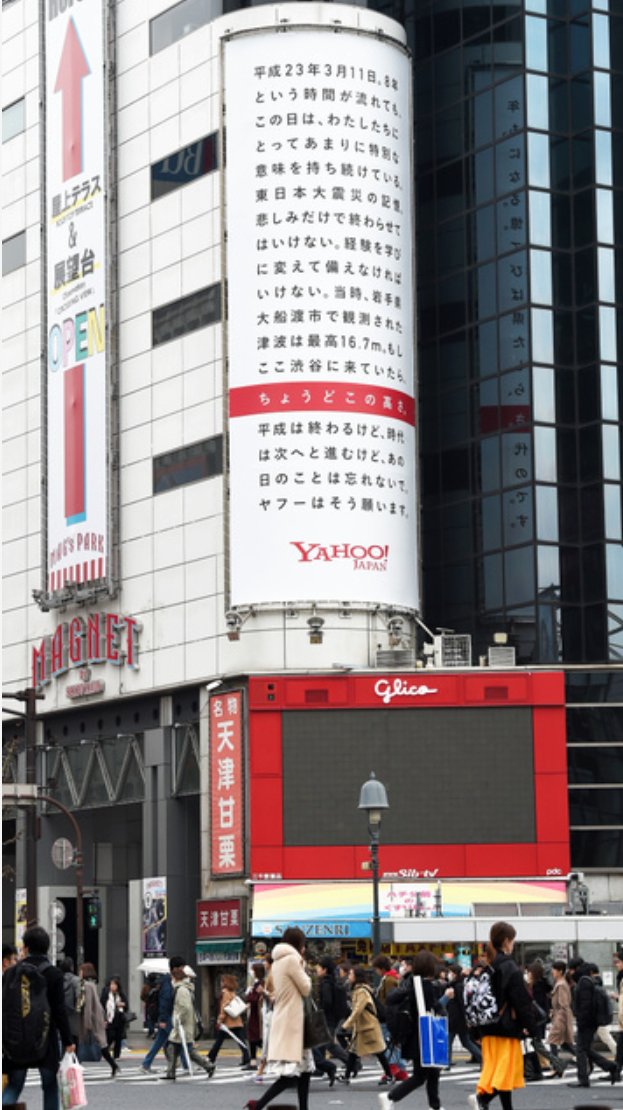
Today is the 15th anniversary of the March 11, 2011 disaster, known here as the Great East Japan Earthquake.
In 2019, Yahoo Japan took out an ad showing the height of the tsunami at Ofunato in Iwate. 16.7m is hard to visualize - it's the height of the red line in the text.
English
Dan Ebner retweetledi

We're hiring a 🫁thoracic #radonc!
We have a 💪🏽strong multidisciplinary group, a gamut of thoracic malignancies, and great benefits :)
jobs.mayoclinic.org/job/rochester/…
Spread the word!
English
Dan Ebner retweetledi

🚨 BREAKING: Someone just open-sourced software that sees you through walls using only WIFI signals.
it’s called WiFi-DensePose. It maps your exact body pose in real-time. no cameras. no sensors. just your living room router.
100% Open Source.
English
Dan Ebner retweetledi

Radiotherapy Review in NEJM:
“Underuse and refusal of indicated radiotherapy have been shown to increase cancer-specific mortality and the risk of death in both curative and palliative settings”
nejm.org/doi/full/10.10…
English
Dan Ebner retweetledi

wifi signals detecting your movement through walls without cameras
keystroke cadence identifying you faster than a fingerprint
your phone's accelerometer logging your gait so precisely it knows which leg you favor
ultrasonic beacons in retail stores pairing your devices to your physical location
license plate readers logging 99% of urban driving routes within 24 hours
behavioral biometrics scoring how you hold your phone to decide if you're you
and these are just the ones with published white papers
Sean Hayes@shayes717
@varien what does that mean
English
Dan Ebner retweetledi

Dan Ebner retweetledi

Dan Ebner retweetledi

LLMs process text from left to right — each token can only look back at what came before it, never forward. This means that when you write a long prompt with context at the beginning and a question at the end, the model answers the question having "seen" the context, but the context tokens were generated without any awareness of what question was coming. This asymmetry is a basic structural property of how these models work.
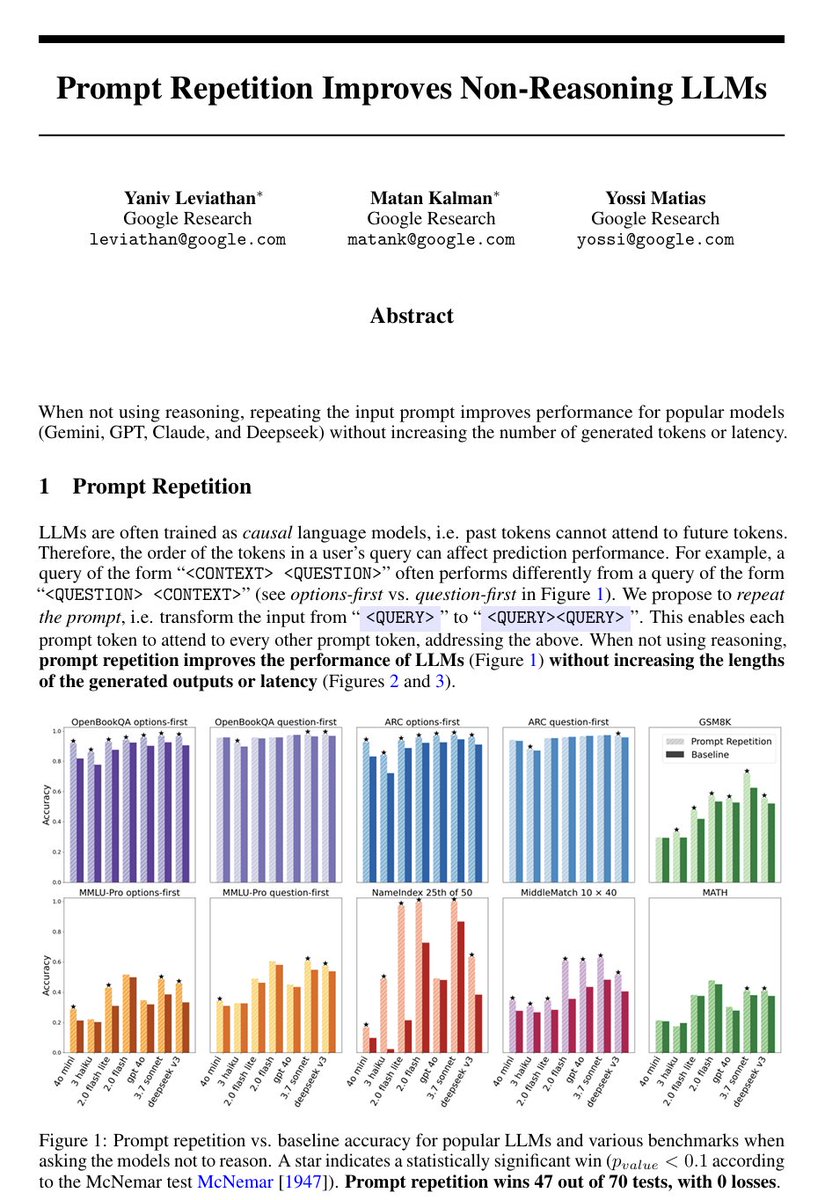
The paper asks what happens if you just send the prompt twice in a row, so that every part of the input gets a second pass where it can attend to every other part. The answer is that accuracy goes up across seven different benchmarks and seven different models (from the Gemini, ChatGPT, Claude, and DeepSeek series of LLMs), with no increase in the length of the model's output and no meaningful increase in response time — because processing the input is done in parallel by the hardware anyway.
There are no new losses to compute, no finetuning, no clever prompt engineering beyond the repetition itself.
The gap between this technique and doing nothing is sometimes small, sometimes large (one model went from 21% to 97% on a task involving finding a name in a list). If you are thinking about how to get better results from these models without paying for longer outputs or slower responses, that's a fairly concrete and low-effort finding.
Read with AI tutor: chapterpal.com/s/1b15378b/pro…
Get the PDF: arxiv.org/pdf/2512.14982
English
Dan Ebner retweetledi

If you’re landing in Japan in late February, skip the crowded Kawazu-zakura hype and make a beeline for Inabe City Agricultural Park in Mie.
For a few fleeting weeks, 4,500 plum trees spill across the hills in waves of pink, white, and red, with the Suzuka Mountains rising quietly behind them.
It’s fragrant, dramatic, and refreshingly under the radar and entirely free from overtourism. Yes, it takes a little effort to reach, but that’s exactly why it’s worth it!



English
Dan Ebner retweetledi

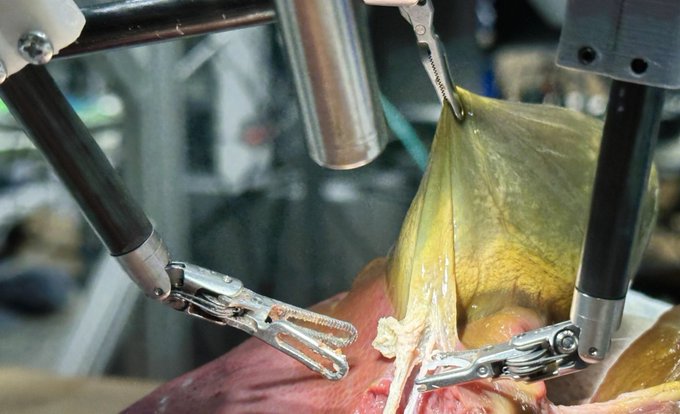
A Johns Hopkins robot known as SRT-H removed a gallbladder by itself with 100% accuracy after watching surgery videos.
It identified arteries, clipped ducts, cut tissue, and even adapted when the visuals changed mid-procedure.
It followed voice commands like "grab the gallbladder head" and adjusted in real-time, just like a human trainee.
It exhibited the expertise of a skilled human surgeon, even during unexpected scenarios typical in real-life, medical emergencies.
The surgery was done on a life-like model, not a real person.
English
Dan Ebner retweetledi

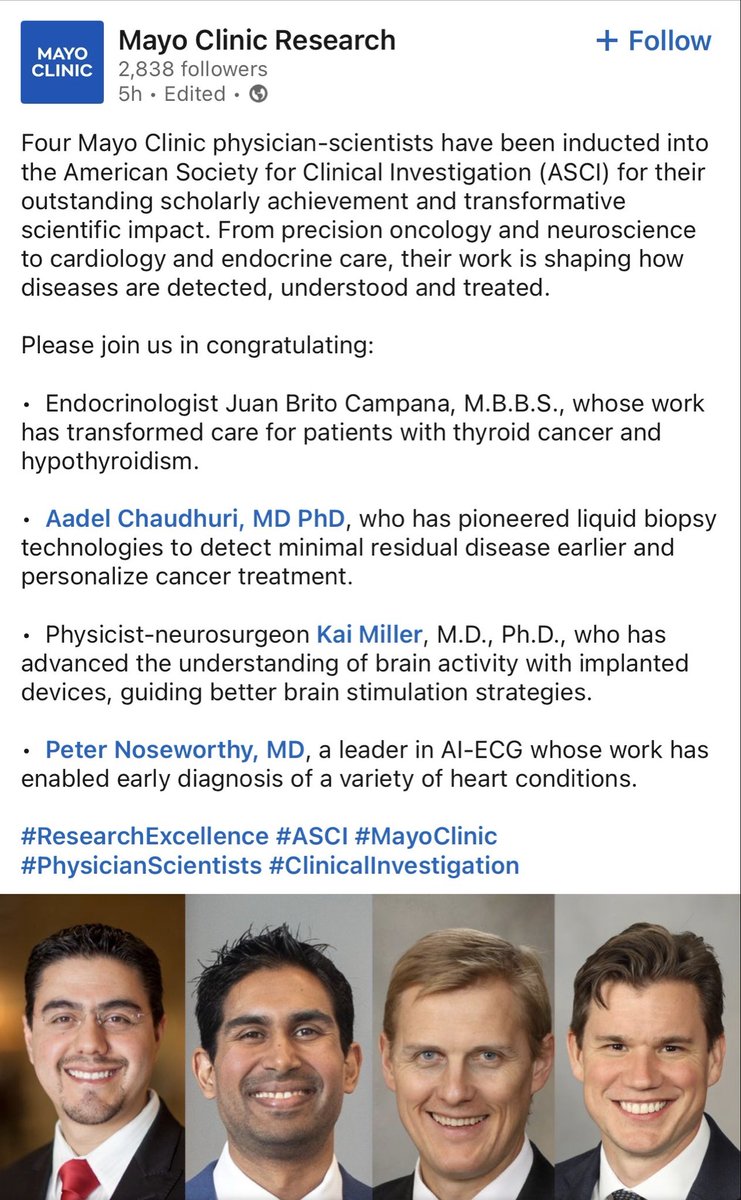
Honored & deeply grateful to be inducted into @the_asci alongside incredible colleagues @MayoClinic.
This recognition reflects the amazing mentors, collaborators, trainees, and patients who make this work possible.
Excited to keep pushing precision oncology forward together!
English
Dan Ebner retweetledi
Most people are terrified AI will take their jobs because they confuse their tasks with their purpose.
Jensen Huang explains it perfectly: If you watched a CEO all day, you would think their job is "typist" because they spend most of their time typing emails. If AI automates typing, the CEO doesn't lose their job. They just have more time to lead.
The same applies to everyone. When AI automates the tasks, it enhances the purpose.
Stop measuring your value by your to-do list. Your value is the purpose behind it.
English
Dan Ebner retweetledi

Endless front ending of sentences, repeated 'shifts' (Because of X, Y), ubiquitous bullet points, phrasing mirroring the most templated of political speeches, pacing that is overly robotic (short; long; short; long) and unrelated to the point being made, call to action climax...
English
Dan Ebner retweetledi
@RandiFinley15 @AlexBennettMed @KimCorbinMD @allisongardaMD @yazshaz @KelsFrechetteMD @n_laack We are also so lucky to have you amongst us, @RandiFinley15!
English
Dan Ebner retweetledi

Dan Ebner retweetledi

Among patients with head and neck #MerkelCellCarcinoma, sentinel lymph node biopsy identified occult nodal disease in more than half of cases but showed reduced accuracy compared to other sites. ja.ma/4qSpqQt

English
Dan Ebner retweetledi

Our Department of Radiation Oncology developed the PSA Control Tower, an intelligent monitoring tool designed to support clinicians in keeping a close, ongoing watch over patients after prostate cancer treatment.
Read more about this innovation: newsnetwork.mayoclinic.org/discussion/ear…

English
Dan Ebner retweetledi

We’re excited to share our latest study describing a new urine tumor DNA (utDNA) liquid biopsy method for #BladderCancer that accounts for the field effect, a key challenge for urine MRD detection. Out today in @Cell: authors.elsevier.com/c/1mWEl_278y-E… 🧵 (1/14) #LiquidBiopsy
English
Dan Ebner retweetledi

Japan: Today, Sapporo had the heaviest snowfall ever recorded for the month of January.
English