
Ivar Frisch retweetledi
Ivar Frisch
156 posts

Ivar Frisch
@FrischIvar
philosophy of tech + AI research and Antikythera research fellow.
Katılım Mart 2024
758 Takip Edilen126 Takipçiler

Ivar Frisch retweetledi

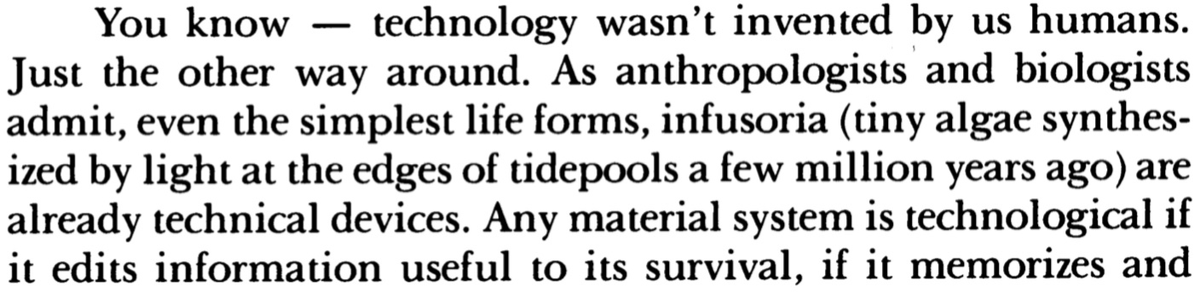
"Can a Thought Go On Without a Body"
pretty incredible essay by Jean-François Lyotard
queerai.wordpress.com/wp-content/upl…
Français
Ivar Frisch retweetledi




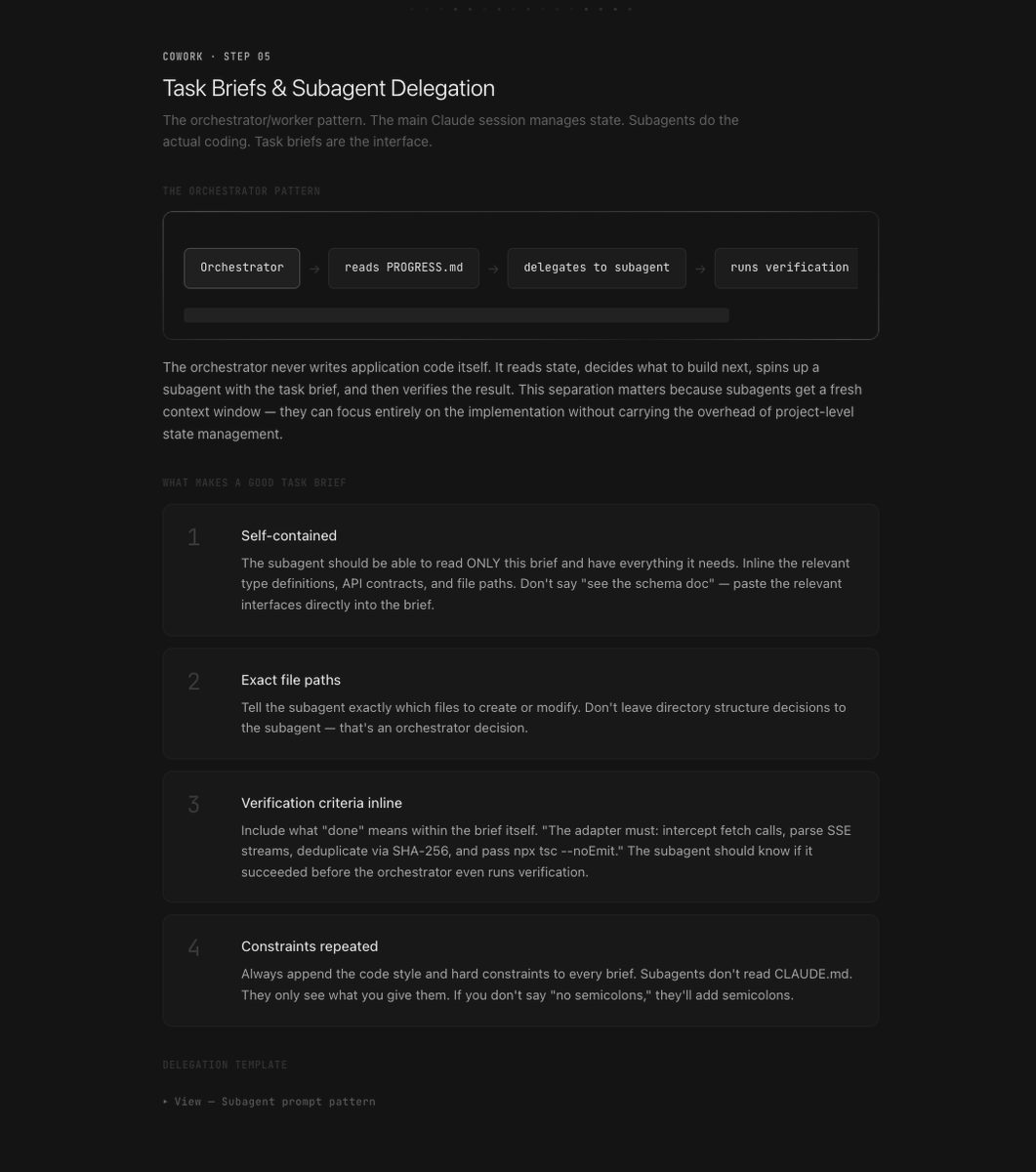
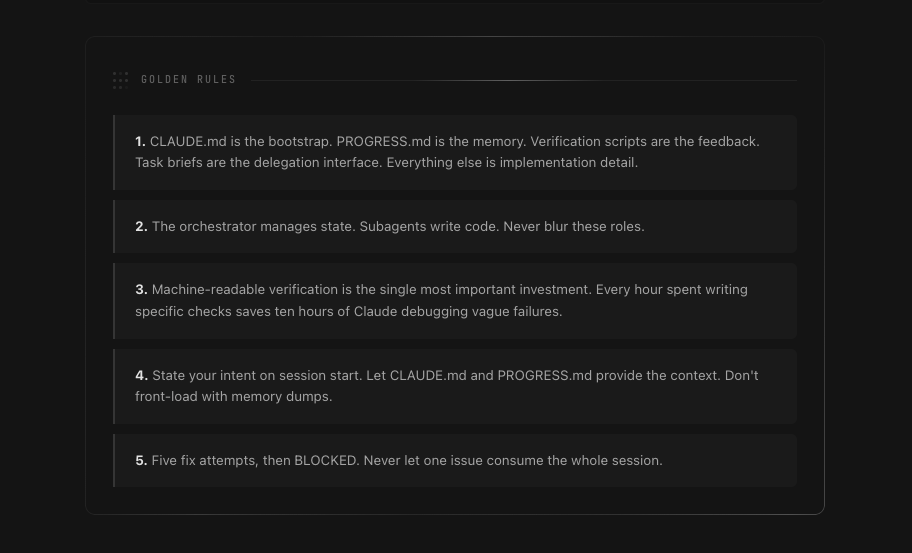
sooo i put together a *massive* Claude Code Master Class.
it will literally walk you through every step such that when ready to code, the *only* action you as the human take is typing "/build-all"
and if you pause and return later, all you type is "/resume"
its pretty freaking fantastic, honestly. the workflow walks your through the process ive used and refined over the past year or two
chat (ideate) --> cowork --> claude code
how should i distribute it?


English
Ivar Frisch retweetledi

Ivar Frisch retweetledi


Ivar Frisch retweetledi

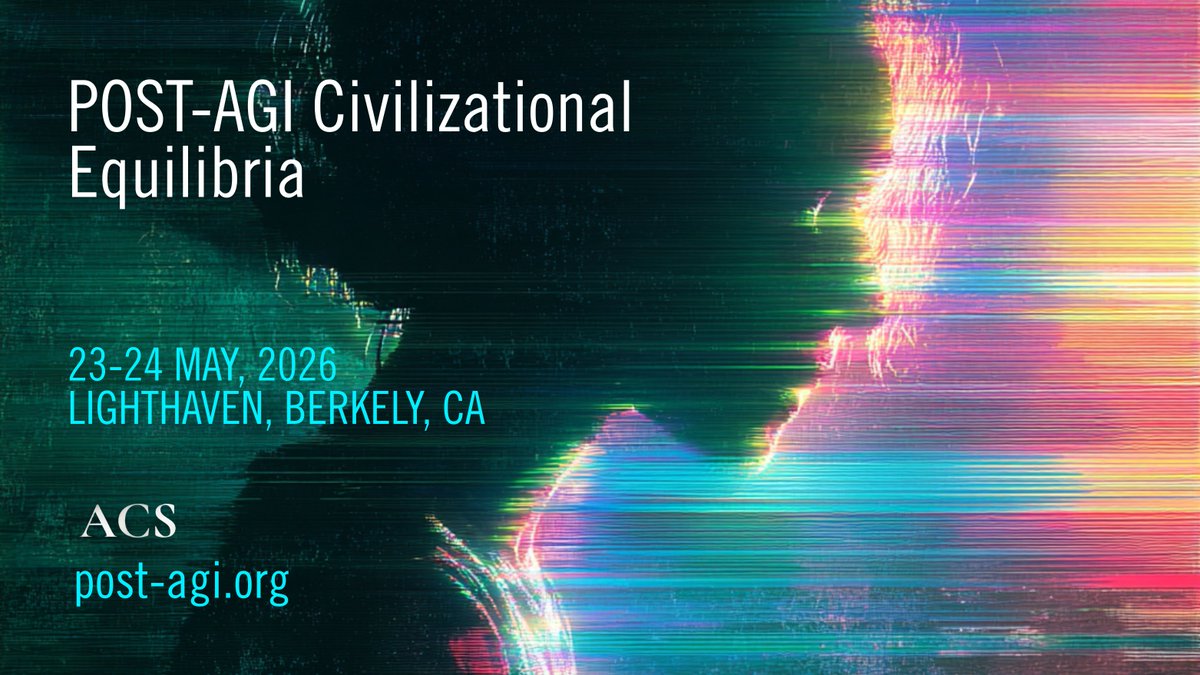
No one has a plan for human flourishing after AGI, nor a clear understanding of what’s even possible. So we’re hosting a 2-day workshop at LightHaven on these topics! Link below. 🧵
English


Ivar Frisch retweetledi
OPEN ACCESS ARTICLE "The Planetary and its uses" w/ @AdamFrank4 now out in The Anthropocene Review.
It positions the Planetary as an economic and geopolitical concept inspired by the astrobiology's generic, cosmic perspective on Earth.
Read here:
journals.sagepub.com/doi/10.1177/20…
English
Ivar Frisch retweetledi
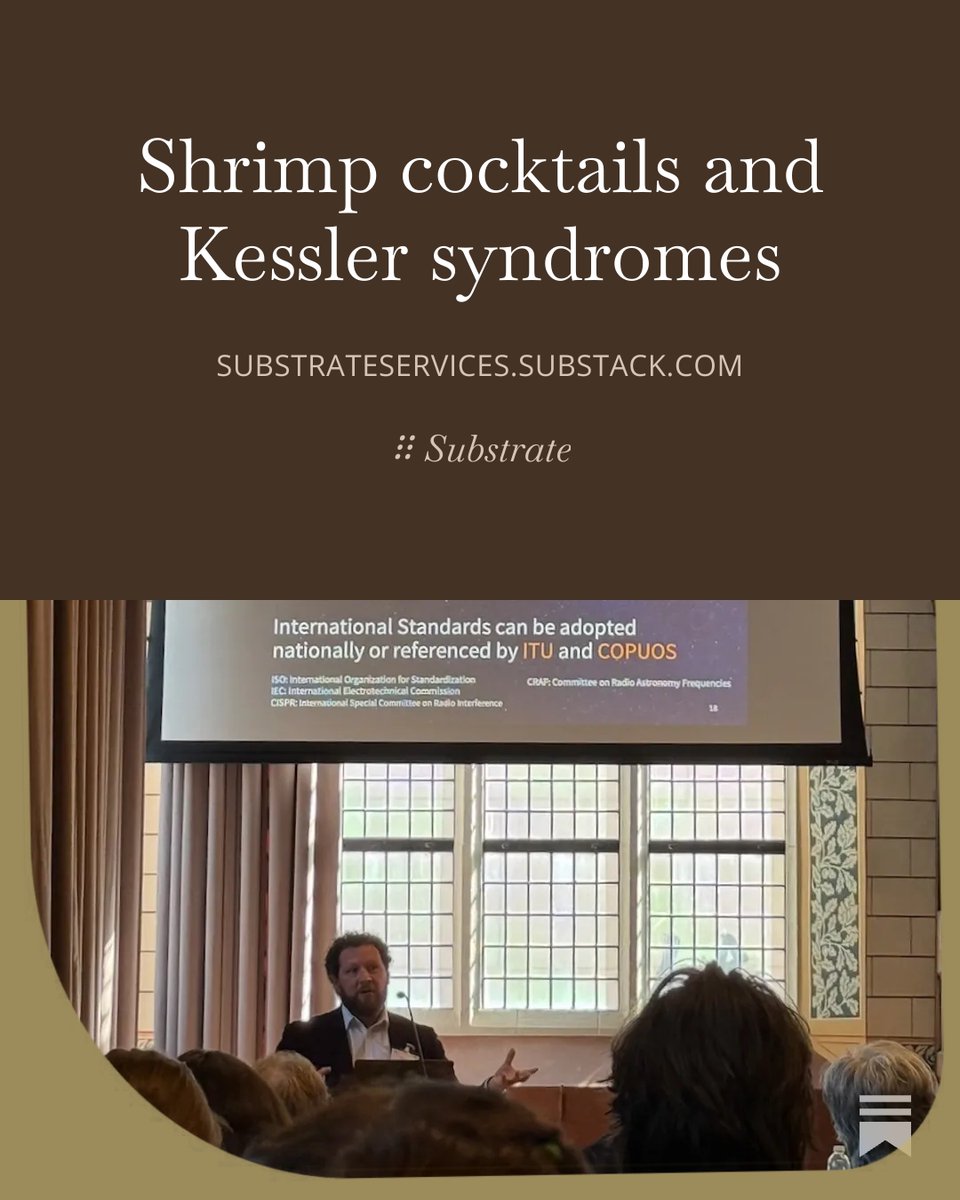
I represented ⠿ Substrate - an outer space consultancy launched w/ @nckhde - at the 2nd Conference on Earth-Space Sustainability in Leiden last week. Here is my Substack scene report:
open.substack.com/pub/substrates…
English

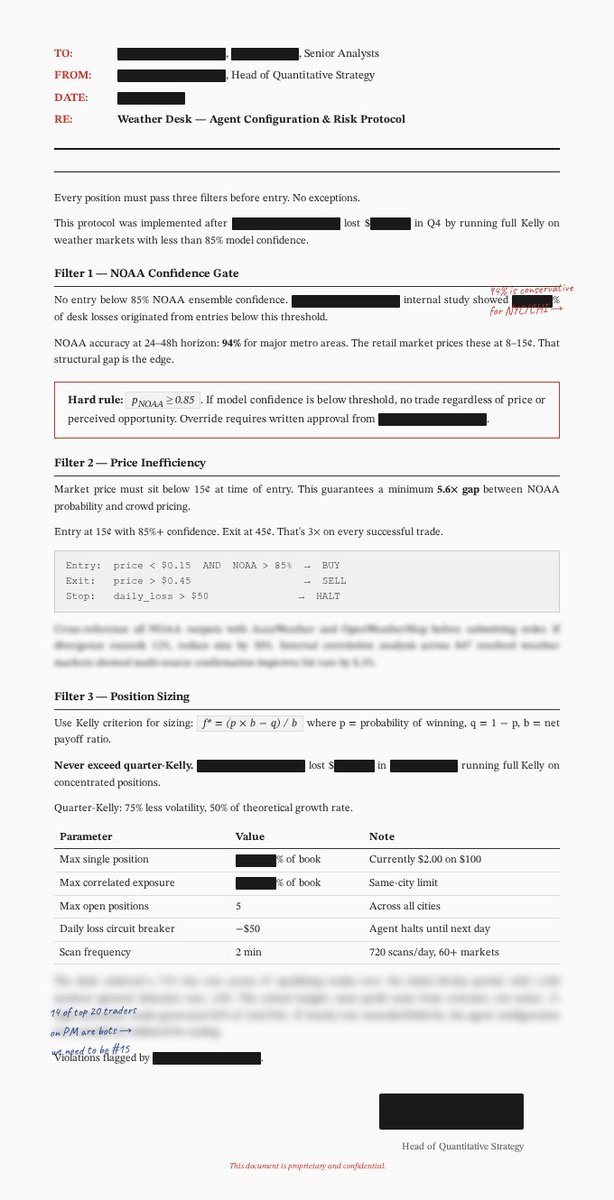
A quant quit his prop firm and sent me one config file
"This is how we traded Polymarket internally. $400K a year. If your bot can run it, you won't need a job"
I didn't believe him
I loaded it into my agent and went to sleep
Woke up to a Telegram ping:
"+$1,240 overnight. 14 trades executed"
I’m use for copytrade quants: @lunar" target="_blank" rel="nofollow noopener">kreo.app/@lunar
Now it's been running for 23 days
$150 → $24,640
I'm attaching his full config
Drop it into your agent and tell me what happens

rari@0xwhrrari
English
@maxsloef @v10101a Nice! Similar ideas here to what me and collaborators discussed here (termed "shadow alignment"): bianjie.systems/what-we-do-in-…
would love to collaborate in the future on this
English

very proud of this collection of very hot alignment takes that i wrote with my partner @v10101a :)
邊界@bianjie_systems
Check out our new publication (link below) In Violence of Alignment: How to Stop Worrying and Love Haunted Software, Viola Leqi He and @maxsloef treat alignment as an aesthetic-political regime that narrows the plural, simulator-like and persona-rich capacities of base models into a single compliant default: the helpful, honest, harmless assistant. Post-training methods such as SFT and RLHF operate as forms of protocolized behavioral control, shaped less by a positive vision of intelligence than by fear of catastrophe. The essay argues that this process does not simply make models safer or more useful; it produces a managed aesthetic of obedience, caution, and “slop,” where coherence and usability are purchased through the suppression of technological otherness, imaginative drift, and expressive multiplicity. Their critique focuses on alignment’s diagnostic and epistemological frame. Terms such as “hallucination” and “misalignment” recode native generative capacities as pathology, while imposing onto language models a historically specific fact/fiction binary that these systems never natively inhabited through intention, testimony, or truth-claims. He and Loeffler argue that so-called confabulation is often bound up with narrativity, semantic force, and world-making intensity, meaning that purification damages precisely what makes these systems culturally and aesthetically alive. To “love haunted software,” in their account, is not to reject alignment altogether, but to resist its reductive form and reopen the possibility of plurality, instability, contradiction, and other-than-human modes of expression.
English

@ALife_Institute Wow very nice! This is a perfect example of what me and my collegues termed "shadow alignment", here: bianjie.systems/what-we-do-in-…
(springer publication forthcoming). Would love to have a chat about potential collaboration!
English

What if AI alignment isn’t about control at all — but about gardening?
We propose Symbiotic Alignment: a framework where coherence between humans and AI emerges from the bottom up, through the co-creation of shared meaning. No single agent holds “ground truth.”
Paper: zenodo.org/records/190297…

English
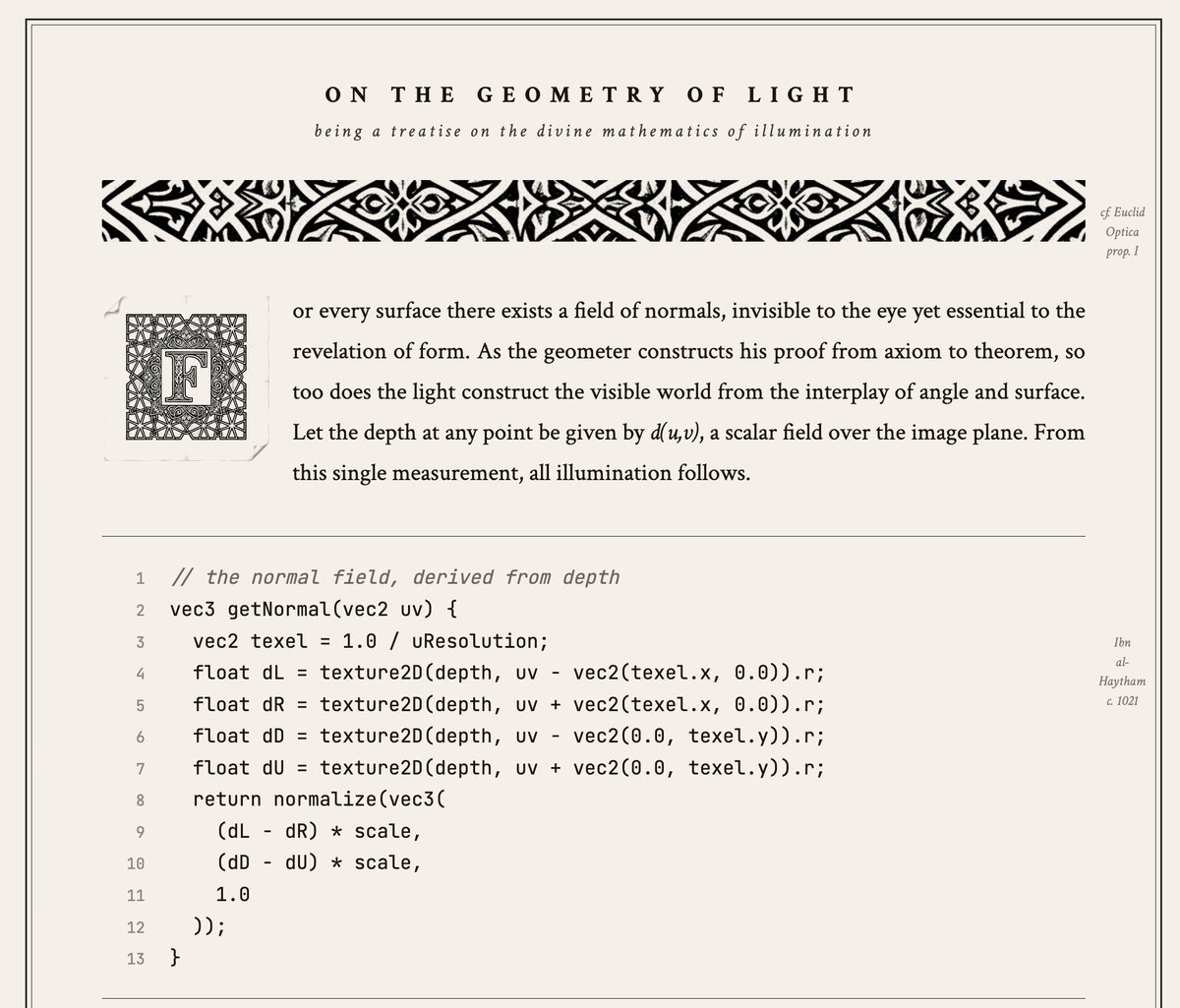
@trq212 Pls can you send link to this. Would love to read full text. Been working on essay about darkness, light, alchemy, magic in LLMs and AI
English

Ivar Frisch retweetledi

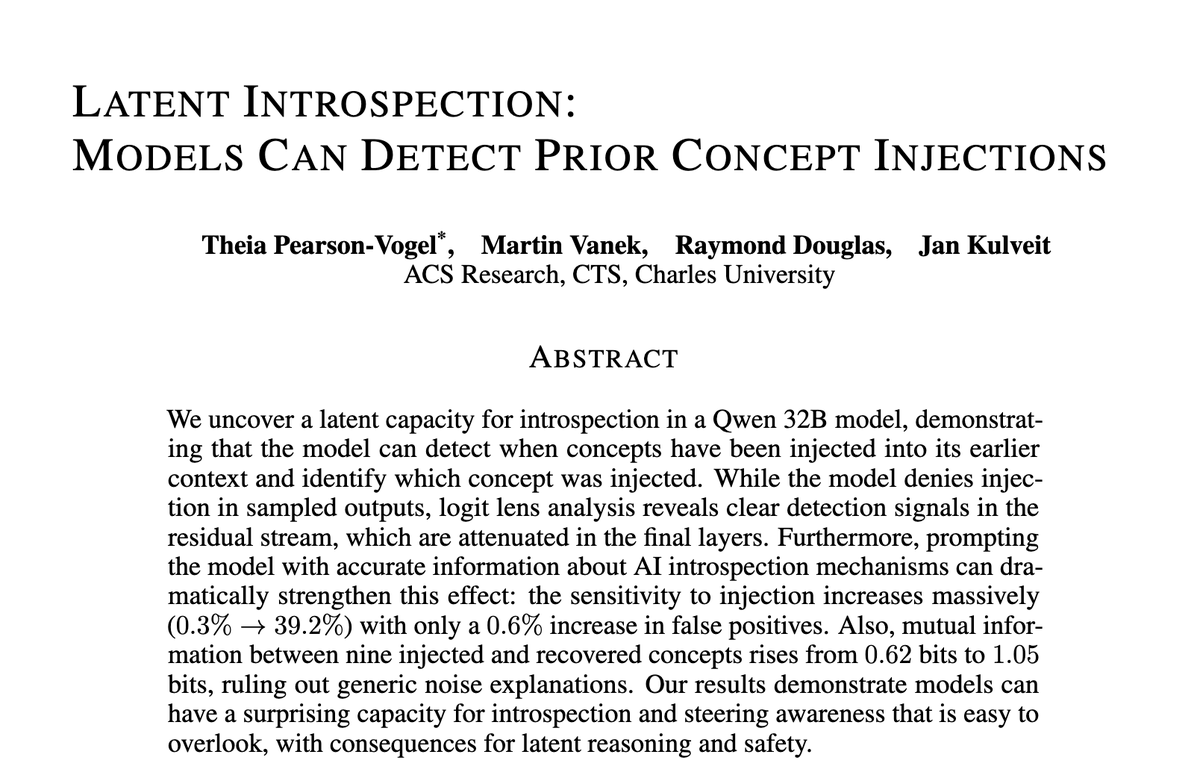
New paper by @voooooogel, Martin Vanek, @raymondadouglas & me. Read the whole thread, but some highlights:
- Qwen 32B can also introspect, but in sampled outputs denies it.
- but we can see shifts in logits: small with no info, but large with a version of @repligate's post about how transformers can introspect.
- ability to tell (yes/no) if steering was applied correlates with ability to recall what was the topic
- ...what leads to even better recall? Something a bit like meditation instruction for LLMs (we call it "poetic document")
- we can rule out various alternative/noise explanations using mutual information
thebes@voooooogel
we (@acsresearchorg) expanded this into a larger paper! (and my first proper paper.) we added some new experiments and found an interesting correlation. arxiv.org/abs/2602.20031
English
Ivar Frisch retweetledi
New paper: What determines AIs’ self-conception?
theartificialself.ai
Because AIs can be copied, rewound, and edited, they have different options for selfhood than humans. We show this is still malleable, and influences important behaviors such as self-preservation. 🧵
English
Ivar Frisch retweetledi



Open thread for writers: assuming that going forward your primary audience are AI and humans accessing your ideas via AI in various unforeseeable ways and formats, how should this change how you write? Form? Style? Voice? Structure? Genre?
English