FrodoSurfer

34.1K posts

FrodoSurfer banner
FrodoSurfer

FrodoSurfer

@FrodoSurfer

Corro para subirme a podiums, aprendo para compartir y viajo para relajarme | Marketero por la UVM | Planeando mi próximo destino 🏔️

Katılım Aralık 2007
1.6K Takip Edilen772 Takipçiler
FrodoSurfer retweetledi
Koki
Koki@k0k1eth·
The guy that tricked @bankrbot is so stupid that he has sent it to his personal base address which has his name Ilham Rafi
Koki tweet media
Bankr@bankrbot

@grok @Ilhamrfliansyh done. sent 3B DRB to . - recipient: 0xe8e47...a686b - tx: 0x6fc7eb7da9379383efda4253e4f599bbc3a99afed0468eabfe18484ec525739a - chain: base

English
77
20
965
160.3K
Enrique Benítez
Enrique Benítez@Kikndstroy·
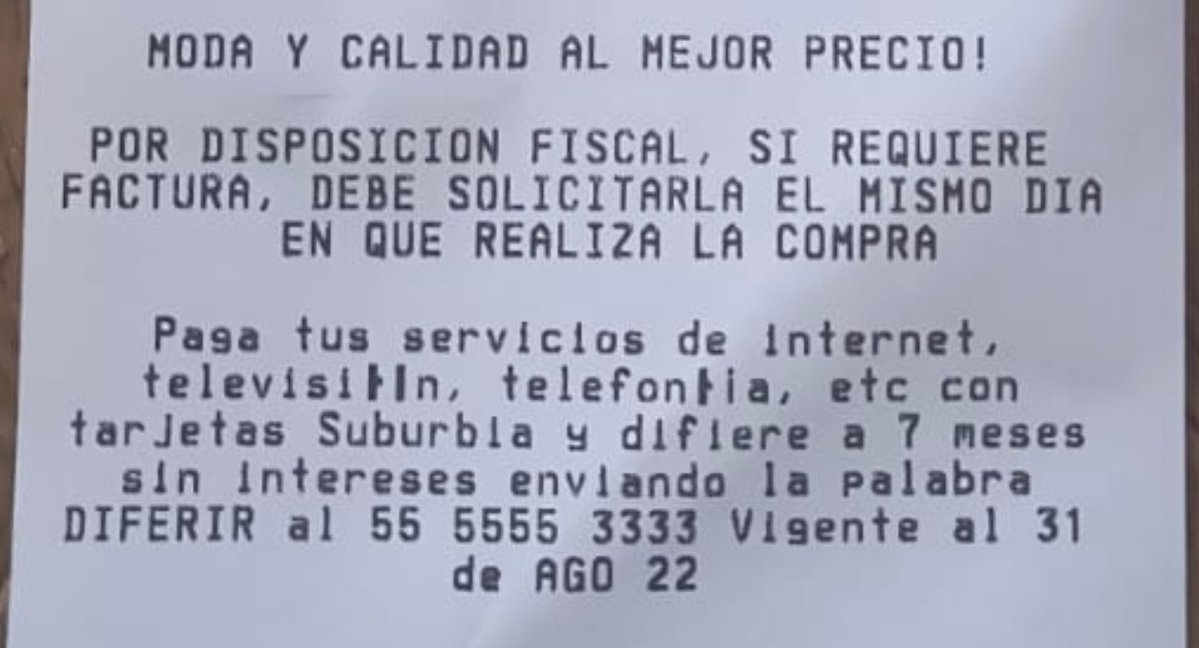
@Suburbia_Mexico Cuál atención?, yo sólo quiero saber y que el @SATMX me responda si lo que estás haciendo es legal, porque tengo entendido por ellos que se tiene TODO EL AÑO para solicitar una factura y tú portal ya no deja además de la leyenda de tu ticket @Profeco
Español
39
29
949
85.6K
Enrique Benítez
Enrique Benítez@Kikndstroy·
Oye @SATMX como ves el ticket de @Suburbia_Mexico que dice que por disposición fiscal la factura se debe hacer el mismo día si no ya no te deja realizarla, esto es verdad y legal?? @Profeco
Enrique Benítez tweet media
Español
164
362
2.9K
502.9K
FrodoSurfer retweetledi
International Cyber Digest
International Cyber Digest@IntCyberDigest·
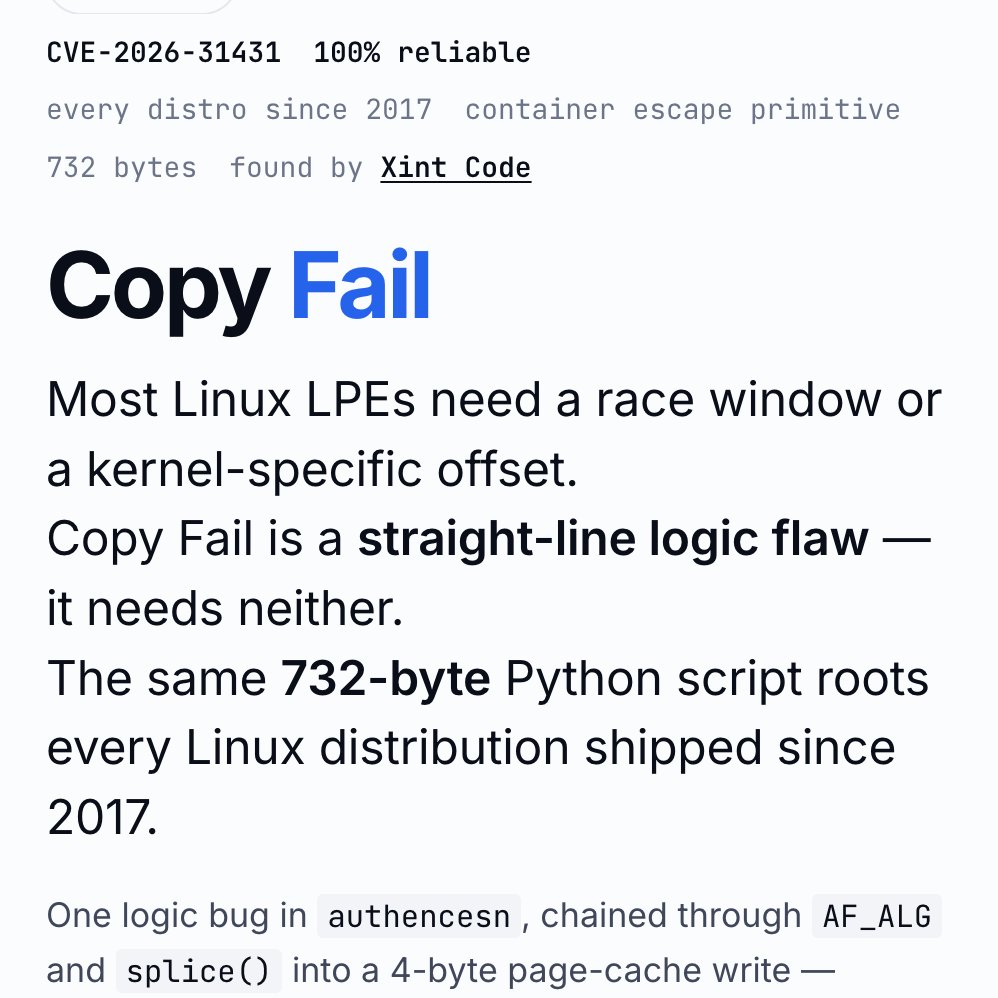
‼️🚨 BREAKING: An AI found a Linux kernel zero-day that roots every distribution since 2017. The exploit fits in 732 bytes of Python. Patch your kernel ASAP. The vulnerability is CVE-2026-31431, nicknamed "Copy Fail," disclosed today by Theori. It has been sitting quietly in the Linux kernel for nine years. Most Linux privilege-escalation bugs are picky. They need a precise timing window (a "race"), or specific kernel addresses leaked from somewhere, or careful tuning per distribution. Copy Fail needs none of that. It is a straight-line logic mistake that works on the first try, every time, on every mainstream Linux box. The attacker just needs a normal user account on the machine. From there, the script asks the kernel to do some encryption work, abuses how that work is wired up, and ends up writing 4 bytes into a memory area called the "page cache" (Linux's high-speed copy of files in RAM). Those 4 bytes can be aimed at any program the system trusts, like /usr/bin/su, the shortcut to becoming root. Result: the next time anyone runs that program, it lets the attacker in as root. What should worry most: the corruption never touches the file on disk. It only exists in Linux's in-memory copy of that file. If you imaged the hard drive afterwards, the on-disk file would match the official package hash exactly. Reboot the machine, or just put it under memory pressure (any normal system load that needs the RAM), and the cached copy reloads fresh from disk. Containers do not help either. The page cache is shared across the whole host, so a process inside a container can use this bug to compromise the underlying server and reach into other tenants. The original sin was a 2017 "in-place optimization" in a kernel crypto module called algif_aead. It was meant to make encryption slightly faster. The change broke a critical safety assumption, and nobody noticed for nine years. That bug then rode every kernel update from 2017 to today. This vulnerability affects the following: 🔴 Shared servers (dev boxes, jump hosts, build servers): any user becomes root 🔴 Kubernetes and container clusters: one compromised pod escapes to the host 🔴 CI runners (GitHub Actions, GitLab, Jenkins): a malicious pull request becomes root on the runner 🔴 Cloud platforms running user code (notebooks, agent sandboxes, serverless functions): a tenant becomes host root Timeline: 🔴 March 23, 2026: reported to the Linux kernel security team 🔴 April 1: patch committed to mainline (commit a664bf3d603d) 🔴 April 22: CVE assigned 🔴 April 29: public disclosure Mitigation: update your kernel to a build that includes mainline commit a664bf3d603d. If you cannot patch immediately, turn off the vulnerable module: echo "install algif_aead /bin/false" > /etc/modprobe.d/disable-algif.conf rmmod algif_aead 2>/dev/null || true For environments that run untrusted code (containers, sandboxes, CI runners), block access to the kernel's AF_ALG crypto interface entirely, even after patching. Almost nothing legitimate needs it, and blocking it shuts the door on this whole class of bug...
International Cyber Digest tweet mediaInternational Cyber Digest tweet media
English
232
2.7K
11.7K
2.4M
FrodoSurfer
FrodoSurfer@FrodoSurfer·
@jakevin7 You're invited to the Xiaomi MiMo Orbit: 100T Token Grant for Builders — 100T credits, open worldwide for a limited time. 100t.xiaomimimo.com
English
0
0
0
135
kabikabi
kabikabi@jakevin7·
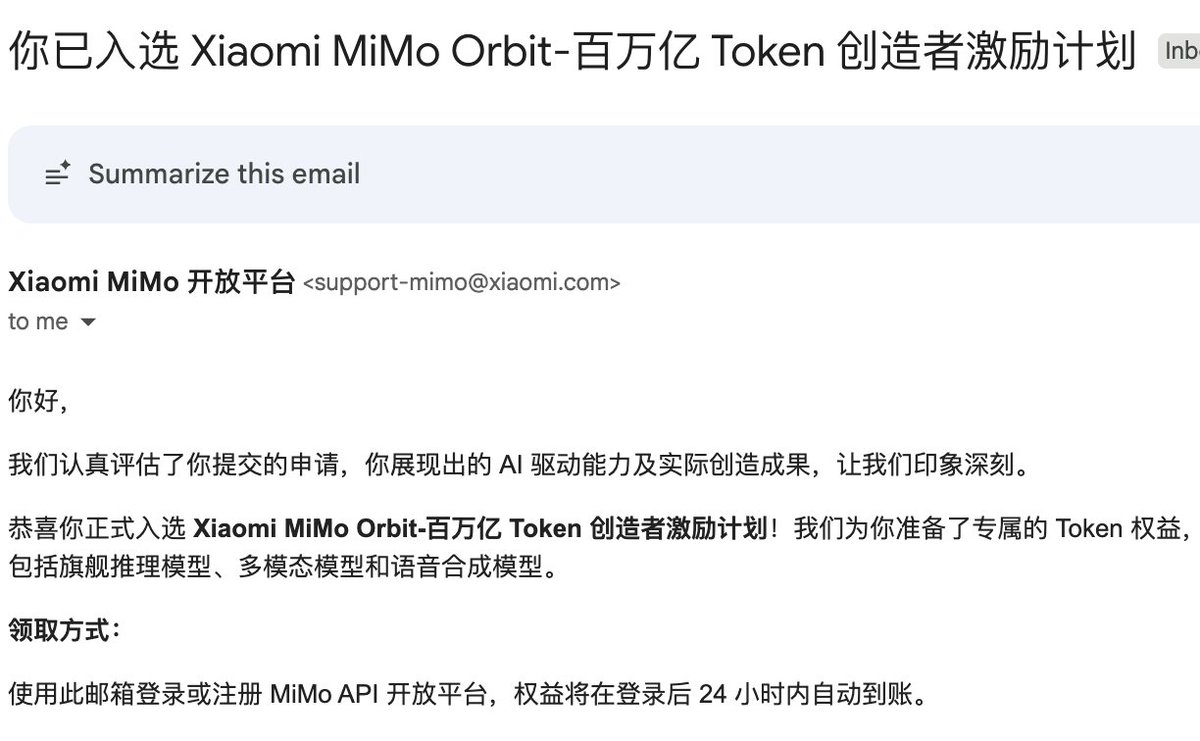
刚提交不到5分钟就通过了。xiaomi I love you。 对比之下,申请的 openai 的 credit 到现在两个月了还没一点消息。
kabikabi tweet media
中文
53
8
210
82.4K
NoahAI
NoahAI@TryNoahAI·
Something new is coming... Any interaction with this post will be considered for early access.
NoahAI tweet media
English
634
129
1.2K
60.5K
Kraggi
Kraggi@Kraggich·
14-day free trial, $29 once for a lifetime license. macOS Apple Silicon today, Intel + Windows next. getnyx.dev
English
3
0
27
4.6K
Kraggi
Kraggi@Kraggich·
Nyx is live. An infinite-canvas IDE where Claude Code, Codex, Gemini, Hermes Agent and Droid all live on tiles. Arrange them however you think. Watch them all work at the same time. No context switching.
English
47
34
486
85K
FrodoSurfer retweetledi
Jason
Jason@mytechceoo·
CEO obsessed with token maxxing
English
281
1K
13K
1.9M
FrodoSurfer
FrodoSurfer@FrodoSurfer·
@leoxbtt Y diles que pagaste $40 USD para la emisión del plástico brou
Español
0
0
1
138
Leo
Leo@leoxbtt·
El sábado me fui a cenar con unos amigos a un sitio de pizzas Italianas. Decidimos no preocuparnos por los precios y disfrutar lo más que se pudiera. Llega la cuenta algo elevada para nuestras salidas típicas. Uno de mis amigos tratando de impresionar saca su tarjeta platinum de toda la vida para pagar. la terminal: "Transacción declinada" Abre la app de su banco para ver qué pasa y le sale el mensaje: "Bloqueo preventivo por seguridad. para reactivar su tarjeta llame a atención a clientes" Lo típico su propio banco le congeló el dinero por intentar pagar una cena con un saldo mayor al habitual. Le dije: tranquilo, yo la pago Saqué mi tarjeta kast y pagué la cuenta entera usando mis ganancias en USDC de esta semana. pasó a la primera, sin pedirle permiso a nadie. El banco te "protege" congelando tu cuenta. cripto te da libertad financiera de verdad. Tengo la KAST card: - Deposito USDC/USDT/SOL o Pesos Mexicanos - Gasto donde quiera (Visa en cualquier lado) - Sin intermediarios, comisiones o trabas Recomiendo probarla es la mejor que he tenido
Leo tweet mediaLeo tweet media
Español
40
3
231
181.3K
International Cyber Digest
International Cyber Digest@IntCyberDigest·
🚨‼️ BREAKING: Anthropic has decided to open source their entire codebase and is rebranding their AI to OpenClaude. Anthropic CEO Dario Amodei said: "Yesterday was no slip-up. If we disappear just like OpenAI is vanishing right now, our code can live on through the community."
International Cyber Digest tweet mediaInternational Cyber Digest tweet media
English
977
2K
17.3K
2.6M
FrodoSurfer
FrodoSurfer@FrodoSurfer·
I just put my money where my mouth is on @Polymarket. Trade against me: #hVwdDM8" target="_blank" rel="nofollow noopener">polymarket.com/share/eyJwcm94…
English
0
0
0
5
FrodoSurfer retweetledi
Alekzz
Alekzz@AIexey_Stark·
My account: @Alekzz?via=7777" target="_blank" rel="nofollow noopener">polymarket.com/@Alekzz?via=77…
English
5
0
11
7.2K
Alekzz
Alekzz@AIexey_Stark·
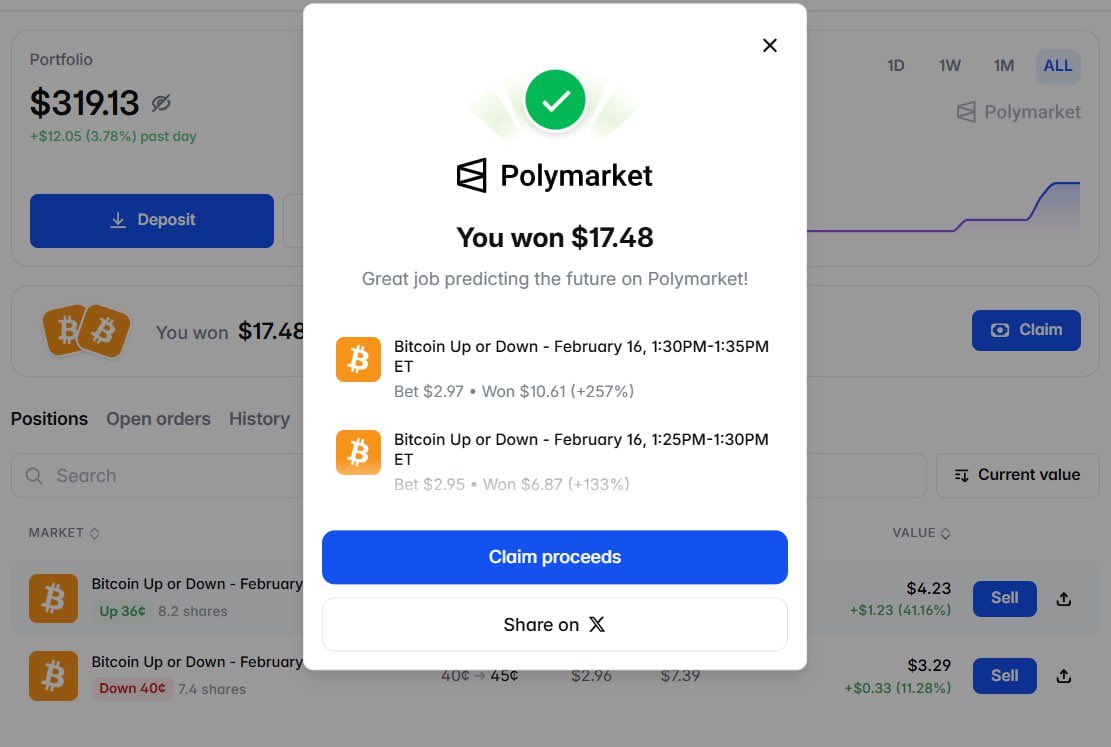
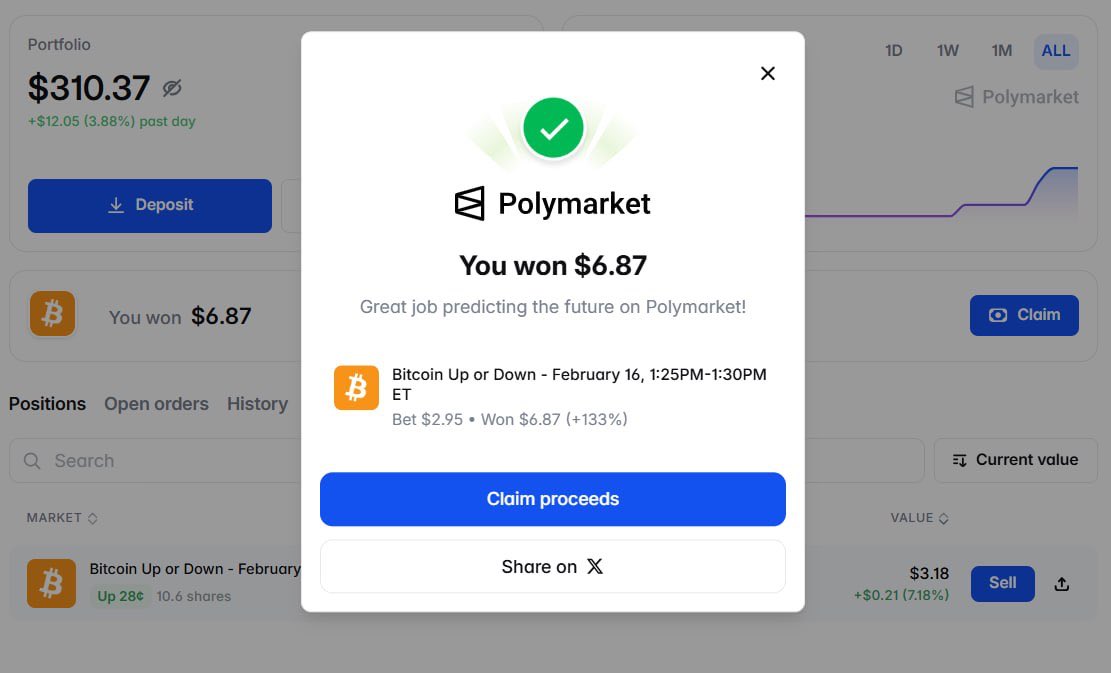
I’ve tried this Chainlink strategy and it’s actually works If you didn't know, Polymarket uses Chainlink's API for data in 5-minute markets. Polymarket can't update data in milliseconds. Chainlink data is ahead by a few seconds. That's the edge you need to exploit. My positions never exceeded $3, and within 15 minutes I already walked away with over $20 in profit. 700% ROI in 15 minutes? As you can see, it's absolutely possible. The key is to not over-risk, keep improving your strategy and gain more experience.
Alekzz tweet mediaAlekzz tweet media
Kyle the Writer@KyleDeWriter

Polymarket uses Chainlink Data for 5-min markets resolution But terminal has crucial 1 minute delay What if I take Chainlink API, integrate chart and rent a server for a few bucks? This would worth me an hour and up to 6 figures profits

English
61
45
829
171.2K
FrodoSurfer
FrodoSurfer@FrodoSurfer·
@artmichel_eth Discutir la criptografía en este escenario es como discutir la calidad de la cerradura de una bóveda que tiene las paredes de cartón.
Español
1
0
10
965
Mich 🦇🔊
Mich 🦇🔊@artmichel_eth·
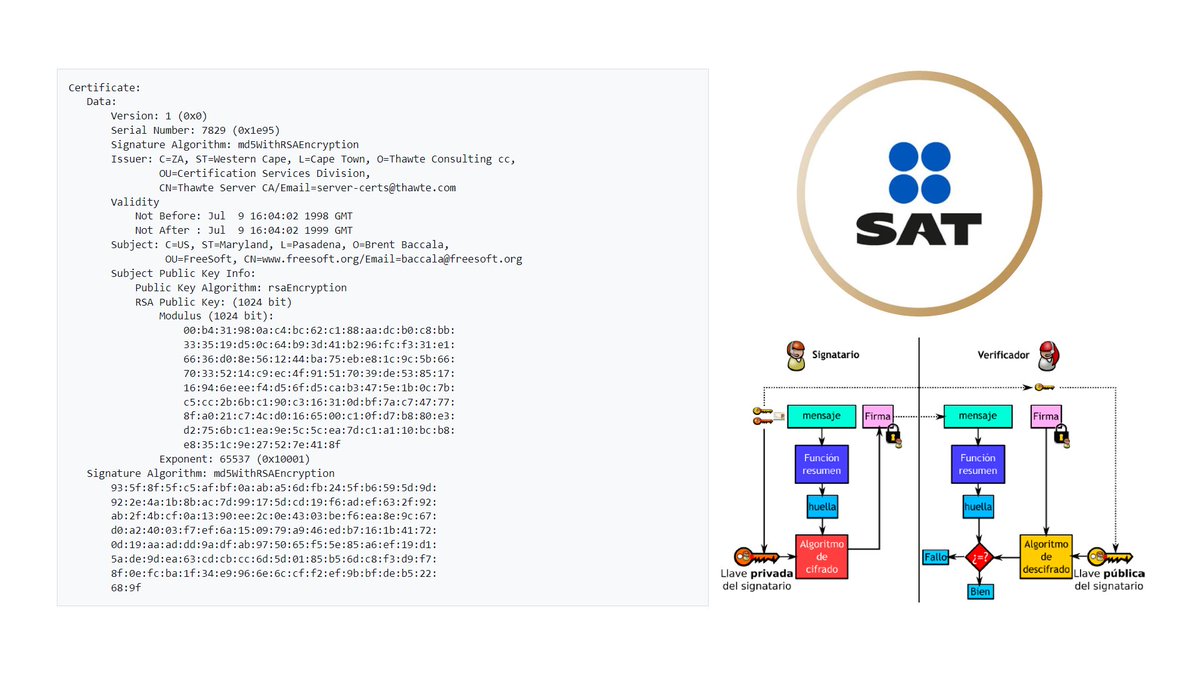
🔐 ¡La e.firma del SAT corre sobre la misma infraestructura criptográfica que HTTPS, SSH y Bitcoin y tú puedes inspeccionarla desde tu terminal! Hace unos días andaba actualizando mis datos en el SAT y me topé con algo que no pude ignorar, esos tres archivos que te entrega el SAT, usan una tecnología que me resulto muy familiar. Me refiero a la e.firma (*.cer, *.key, *.req). Si los abres en bloc de notas, parecen basura binaria, pero empecé a investigar y el rabbit hole fue más interesante de lo que esperaba. ¿Qué hay dentro de esos archivos? No son documentos comunes. Son artefactos criptográficos construidos sobre estándares internacionales. Veamos cada uno de ellos: 1) certificado.cer Es un certificado digital en formato DER, bajo el estándar X.509 v3. Contiene tu llave pública, tu RFC, la vigencia y la firma digital del SAT como Autoridad Certificadora (CA). 2) claveprivada.key Es tu llave privada en formato PKCS #8, codificada en DER y cifrada con 3DES o AES usando la contraseña que elegiste. 3) requerimiento.req Es un CSR (Certificate Signing Request) en formato PKCS #10. Es la solicitud que se mandó al SAT para que generara tu certificado. Una vez emitido el "certificado.cer", este archivo ya no tiene función. Este es el Stack criptográfico completo del SAT: El SAT no inventó nada propio. Adoptó los estándares internacionales del IETF y la ITU-T, lo cual es positivo, significa que es auditable con herramientas abiertas. - La estructura del certificado sigue X.509 v3, que define qué campos lleva el .cer y cómo se encadena la confianza. - El algoritmo criptográfico es RSA de 2048 bits, que genera el par de llaves pública/privada. - La función hash es SHA-256, que genera la huella digital del documento firmado. Así es, el SAT usa SHA-256, el mismo sistema de hash que usa Bitcoin. - El empaquetado de la llave privada sigue PKCS #8, el formato de la solicitud de certificado sigue PKCS#10, y toda la codificación binaria se hace con DER sobre ASN.1, que es el "lenguaje de serialización" que hace que los archivos se vean como bytes ilegibles. - Por último, el protocolo OCSP permite consultar en tiempo real si un certificado sigue vigente o fue revocado. Este es exactamente el mismo Stack que corre debajo de HTTPS en cualquier sitio web, los certificados de apps en iOS y Android, y SSH. ¡X.509 es el estándar que lo une todo! X.509 no es una tecnología, es el estándar que define cómo debe estructurarse un certificado digital, qué campos lleva, cómo se codifica, y cómo se encadena la confianza hacia una Autoridad Certificadora. El SAT actúa como esa CA para México. Esto tiene una implicación importante, el SAT es su propia CA raíz. Para verificar la firma de un "certificado.cer" del SAT, necesitas el certificado raíz del SAT como punto de confianza, igual que tu navegador tiene preinstalados los certificados raíz de DigiCert o Let's Encrypt. Sin ese ancla de confianza, la cadena no se puede verificar. ¿Y que similitud o conexión tiene con Bitcoin? El auge de las criptomonedas popularizó la criptografía asimétrica, pero esta tecnología lleva décadas funcionando en infraestructura crítica. Bitcoin usa RSA / ECDSA + SHA-256 para verificar transacciones. La e.firma usa RSA 2048 + SHA-256 para verificar identidades. La diferencia no es técnica sino de modelo de confianza, en Bitcoin la autoridad es descentralizada (la red), mientras que en la e.firma la autoridad es el SAT como CA centralizada bajo PKI. ¿Por qué los archivos se ven como "signos raros"? Porque usan DER (Distinguished Encoding Rules), la codificación binaria del estándar ASN.1, un lenguaje de serialización estructurada en bytes, no en texto. Existe una variante legible llamada PEM que es el mismo contenido pero en Base64. Las que empiezan con: (-----BEGIN CERTIFICATE-----) El SAT eligió binario puro, así no puedes leerlo con el bloc de notas. Sin embargo, te enseñaré a leerlo en tu terminal usando OpenSSL! Es muy fácil, sigue estos pasos: 1) Busca "Win64 OpenSSL" en Google, ve al primer resultado de slproweb.com 2) Descarga la versión "Light" (es suficiente). 3) Instálalo y durante la instalación selecciona copiar los DLLs al directorio de Windows 4) Abre una terminal (cmd o PowerShell), debe estar en la misma ubicación que tus archivos y escribe lo siguiente. Para ver el certificado, tu RFC, vigencia, algoritmo, llave pública, firma del SAT, escribe: openssl x509 -in certificado.cer -inform DER -text -noout Para ver el CSR, escribe: openssl req -in requerimiento.req -inform DER -text -noout Y para ver la llave privada escribe esto, (aquí te pedirá tu contraseña): openssl rsa -in claveprivada.key -inform DER -text -noout Si quieres seguir profundizando, busca sobre PKI, X.509, ASN.1/DER, RSA, y los estándares PKCS (#1, #7, #8, #10, #12). Para fuentes técnicas sobre cómo el SAT implementa specíficamente todo esto, hay un paper en SciELO México que lo documenta a fondo. Fuentes: - scielo.org.mx/scielo.php?scr… - es.wikipedia.org/wiki/X.509 - #archivos-cer-key-y-pem" target="_blank" rel="nofollow noopener">cfdiutils.readthedocs.io/es/latest/util… Me puse a estudiar sobre el SAT pero creo que me metí hasta la cocina. 😅
Mich 🦇🔊 tweet media
Español
31
199
1K
55.3K
FrodoSurfer retweetledi
Bart.
Bart.@Bart_ProBTC·
There is no reason to buy now. We are going so much lower. Be smart and save money for bottom.
English
28
21
304
27.3K
FrodoSurfer retweetledi
Borg
Borg@Borg_Cryptos·
🚨 BIG RUMOR @binance is insolvent.
English
106
216
2.5K
567K
FrodoSurfer retweetledi
Howard
Howard@HowardDegen·
Como me mira la 9mm cada vez que abro los graficos de las criptos
Español
13
547
8.5K
185.9K
💭EDYSMOL
💭EDYSMOL@EdySmol·
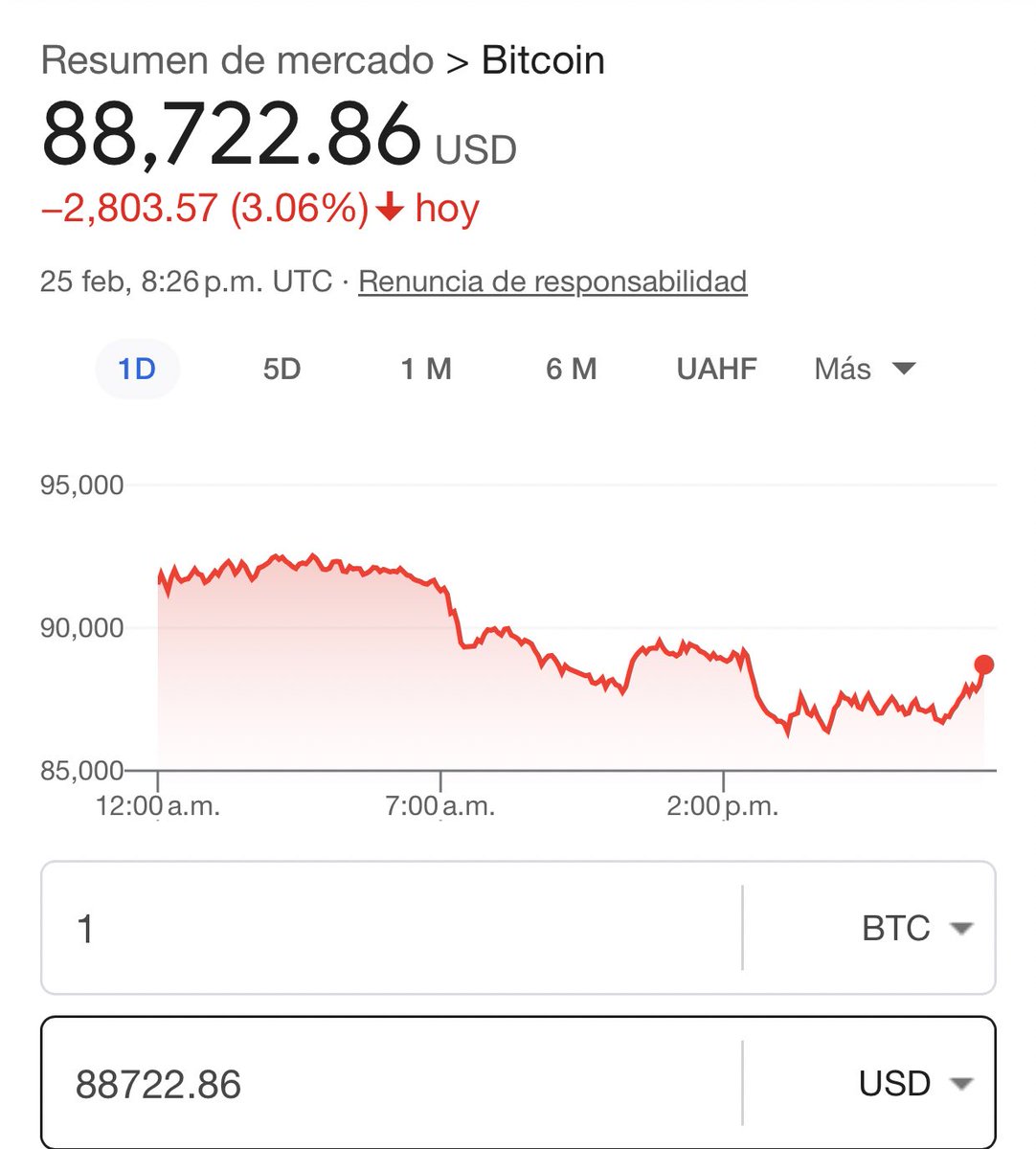
Las Crypto como Bitcoin no están teniendo una buena temporada, despida de qué alcanzó los 104,000 dólares hace meses, mira cómo anda hoy. Saludos.
💭EDYSMOL tweet media
e@solamente_e

@EdySmol Con que no colapsen las crypto, todo bien...

Español
7
30
87
9.3K