
Michael Noding
5.4K posts


Not a goalkeeper on this earth, or the next, is saving that.
king@Sakaextra2
🥶 This is probably the greatest free kick ever.
English
@ibrahim_Dogus This will help..
x.com/i/status/20788…
BettyBoo@BettyBoochichi2
Scotland Yard is planning to scrap its entire roads policing unit, prompting fears London will become even more dangerous for motorists, cyclists and pedestrians. The Roads and Transport Policing Command (RTPC) could be axed and the responsibilities spread across other teams as part of reforms across the Metropolitan Police to save money. While the unit specialises in responding to and investigating road-traffic accidents, it also works alongside other departments to prevent and detect crime on the roads. The unit is regarded as a first line of defence in the fight against serious and organised criminals who use the roads to transport illicit goods such as drugs and weapons around the capital. One Met insider told The Telegraph: “This is a really backwards step. The officers who patrol our roads do a vital job in keeping us all safe. Whether you are a driver, a cyclist or a pedestrian we all benefit from the work they do and from their years of experience.” “Having specialist teams that know their patch inside out is vital in policing. It is as important as having neighbourhood officers embedded in the community.” “Traffic cops have a lot of know-how that goes way beyond pulling people over for speeding or drinking and driving. They have a nose for the criminality on the roads and getting rid of them can only be a backwards step.” Hugh Bladon from the Alliance of British Drivers, said: “Any suggestion that the roads policing unit should be disbanded is monstrously stupid. The main problem that we have got is that we have abrogated road safety to cameras and seem to think it is a panacea, it’s not. I am astonished that anyone should suggest such a thing.” “Rather than reducing roads policing we should be increasing the number of traffic patrols because that is the only way to stop the criminal element from operating with impunity.” “These are skilled officers. They know how to drive quickly should they need to and have a sixth sense developed over the years when it comes to spotting suspicious activity on the roads.” Beverley Bell, who was the senior roads commissioner between 2012 and 2017, also criticised the plans, warning that they would result in more criminality on the roads. She said: “So much crime takes place on our road network. This feels foolhardy in the extreme. It’s not just about drinking and driving: it is the use of vehicles for crime.” “I was always banging the drum about how the roads network facilitates serious and organised crime. It will often be the traffic cops that first spot the suspicious vehicle or get a sense that something is not quite right about a situation.” “They have built up very valuable skills over years of experience and to do away with that is short sighted stupidity in my view.” Susan Hall, the Conservative leader in the London Assembly, said: “I am very concerned about this. We are losing specialists across the Met. While the Mayor swans off to the House of Lords, the Met is so strapped for cash we are losing vital parts of the police service. It is shocking.” There are more than 1,500 traffic officers in the Met patrolling the 12,000-mile road network that criss-crosses Greater London. As in many forces across the country, physical traffic patrols are being replaced by technology, with an increasing number of cameras being rolled out. Last year, there were more than 20,000 collisions on London’s roads, with 96 fatalities and 3,900 serious injuries. But the figures have been on a downward trend and it is feared that this could be reversed with the loss of police traffic specialists. A Met Police spokesman said: “We are looking at how the Met’s Roads and Transport Policing Command (RTPC) can continue to deliver on the priorities that matter most to Londoners.” Continued…
English

When are we actually going to see real action on the anti-social behaviour plaguing our streets?
It’s been over a year of this chaos — and residents in Lambeth have had enough. Night after night, motorbikes and mopeds are tearing through our roads, doing wheelies, donuts, and deliberately revving engines to create maximum disturbance.
This isn’t “youths having fun” — it’s dangerous, illegal, and destroying quality of life for families, shift workers, and elderly residents.
We need proper enforcement, not more empty promises.
@lambeth_council @KayaJunction @LabourMarina @Martin_Abrams @clairekholland @MayorofLondon @jon_bartley @LambethMPS @FloEshalomi
English


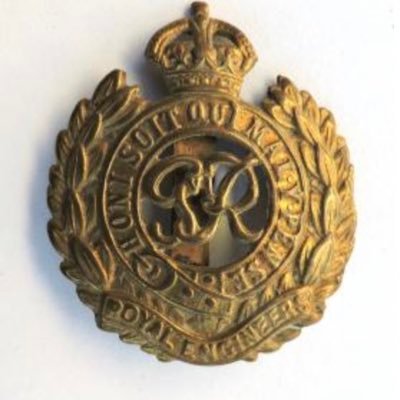
Lined up for the Annual Fitness Test alongside sappers born 7 years after I enlisted.
#theoldman
English
English


English

Argentina v England is important way beyond football. If Argentina wins tomorrow night, it’ll put real fire behind the demand for the Falklands. If England wins, that should put the lid on it — for now.
English

Fantastic to see the immense Palestinian contribution to the mining community being recognised.
Durham Miners’ Gala today.
English

Bayeux Tapestry delivered to British Museum in dead of night bbc.in/4vfSlPD
English


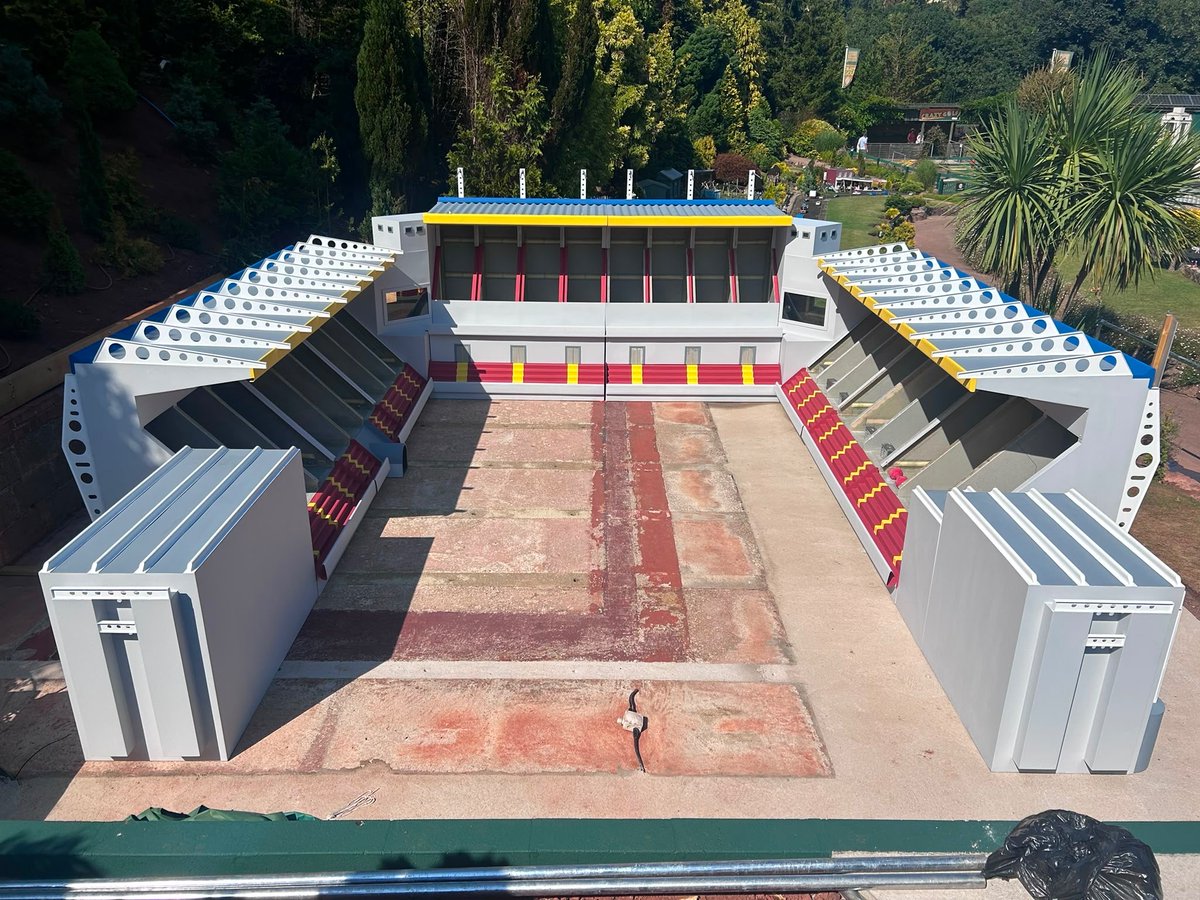
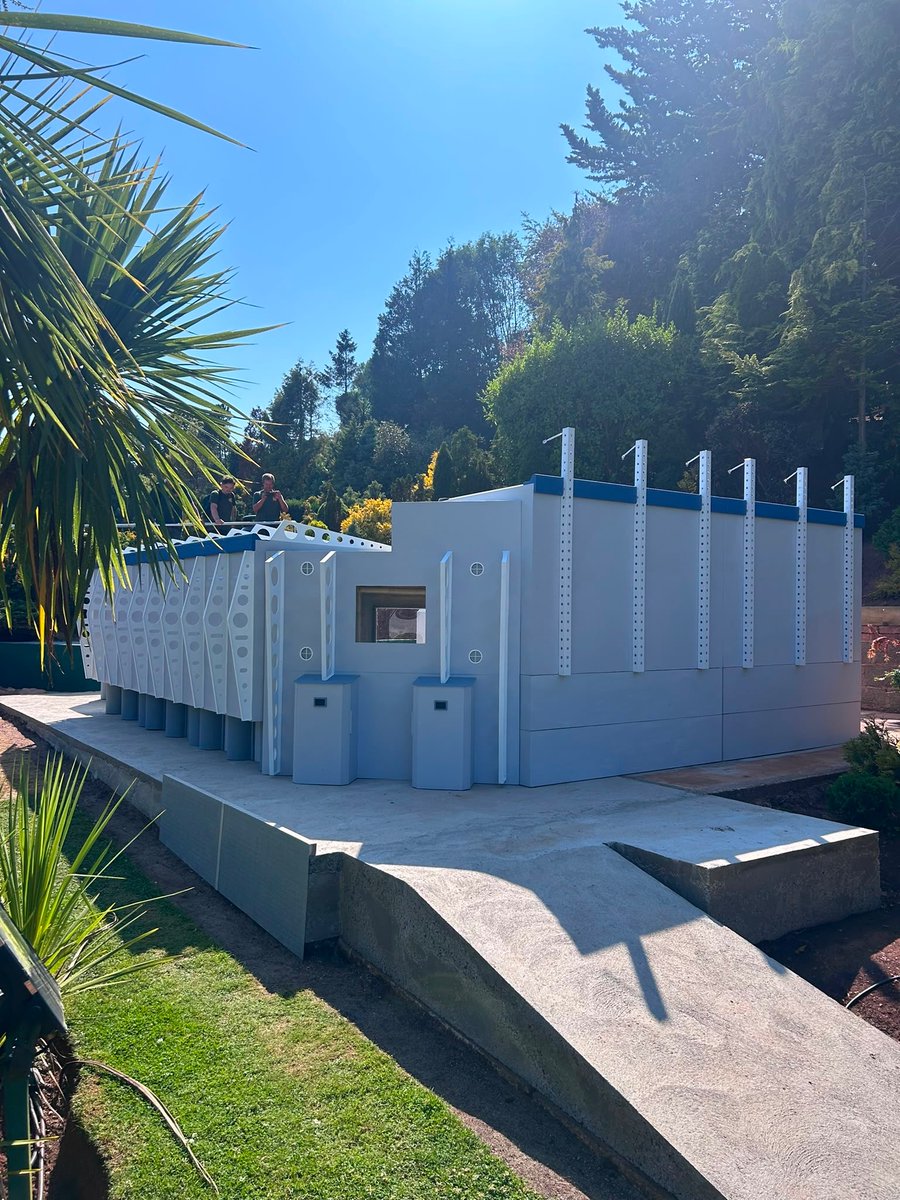
Here’s a sneak peek at our brand new football stadium
The team have been working on this for 18 months and are putting the final touches together on this major new, bigger and better stadium that we plan to have fully out on display by late July 2026.
#football #modelvillage

English
Michael Noding retweetledi
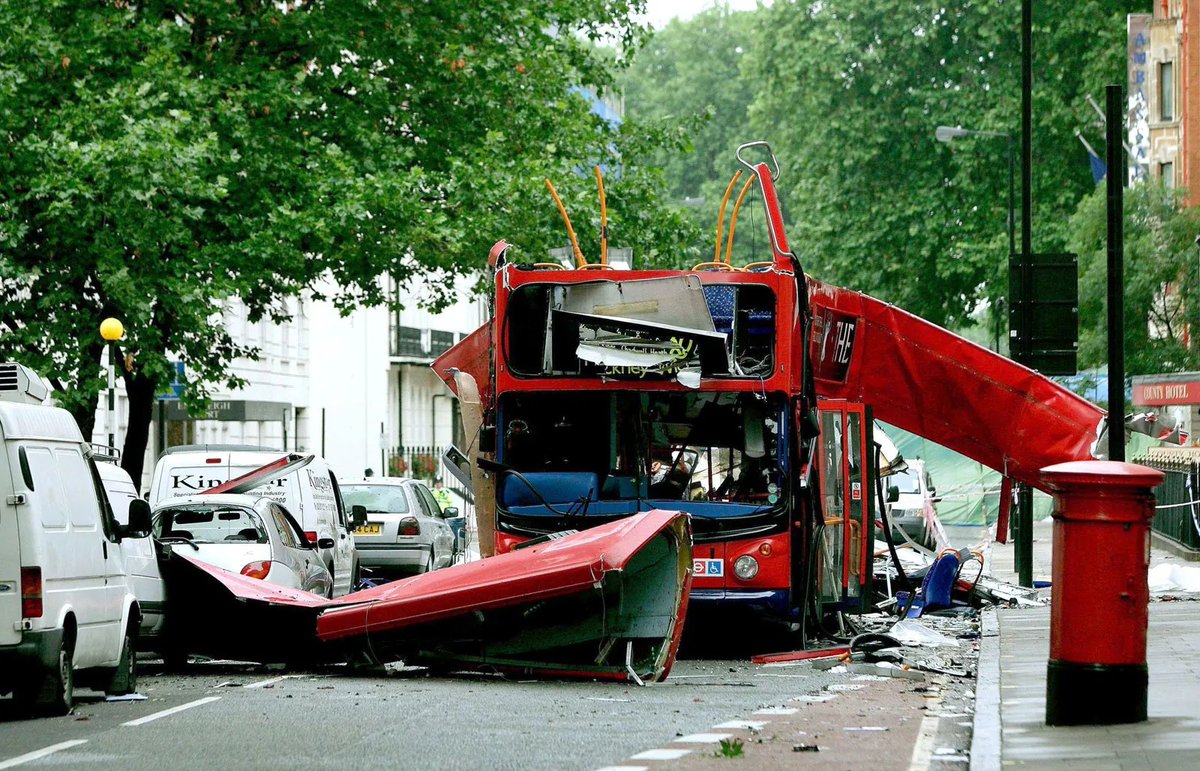
Yesterday was the 21st anniversary of the 7/7 bombings.
Did you notice? Did you remember? If you had a particularly busy Tuesday, you could (almost) be forgiven for neither noticing nor remembering. It's not as though there was any effort whatsoever from our state to mark the remembrance.
Not to mark remembrance of what began as an unremarkable day, to which the country had woken up happy having won the 2012 Olympic bid the day before, before swigging the last of the tea, pulling shut the front door, and heading into town as usual. Not to mark remembrance of that day on which, at ten-to-nine, three bombs set by four Islamic terrorists then went off within fifty seconds of each other, in the black of the Underground tunnels at Aldgate, at Edgware Road, and deep on the line below Russell Square.
Not to mark remembrance of when, just before 10am, a fourth tore the roof off the number 30 bus in Tavistock Square, right in front of the morning crowds. Fifty-two people who had set out for work or home were murdered where they sat and stood. More than 700 were wounded, some carried up out of the smoke on the backs of strangers, some maimed such that they would never made whole again. Cleaners and civil servants, a gardener, students, a mother of two, a menagerie of innocent Londoners.
It was the worst single slaughter on our streets since the war. An act of genocidal terrorism motivated by the purest racial, theocratic, and cultural hatreds, it is our 9/11, and as-perpetrated it was intended in precisely the same way as the Twin Tower bombings were: to punish this country for being what it is, and what it always was, and to frighten it out of being that a day longer.
Twenty-one years on, ask yourself who among the people who govern us marked it. Try to call a speech to mind. Can't? Well, there weren't many worth the name. No standard lowered that anyone noticed, no words from the despatch box with any blood flowing in them, none of the round-the-clock solemnity these same figures can conjure in an afternoon for a cause that happens to flatter them.
I think Khan laid a wreath, with the most minimal ceremony, certainly with none of the pomp and majesty which he is willing to expense for other occasions which he prefers. He couldn't have done less.
Labour and the Mets don't want to commemorate this tragedy fulsomely. They won't even admit who did it. Look at this official report. Look at the words missing from it.
btp.police.uk/police-forces/…
I suspect such studied indifference is a way of marking the very victory in whose hopeful cause the attacks were carried out. To make us afraid of being British. That is your government's policy, philosophical aim, and pursued agenda unto you. They, ultimately, want you to feel the same way about your nation and yourselves that the men who masterminded 7/7 did.
These people forget nothing that serves them; the mislaying of this occasion is a decision. This particular wound embarrasses them. It sits athwart every comfortable thing they believe, and is one of the great stains on the eiderdown of one of their great client groups (the only ones still voting for them) so they would sooner it dimmed, sooner the whole country agreed to pretend it never happened and walk on. A ruling class that cannot mourn its own murdered without shuffling its feet is telling you, as plainly as it dares, what it holds for the nation those dead belonged to. Which is nothing. Or something colder than nothing.
But they do not own the memory of that morning, and they never did. We do. Every family sat around an empty chair; every Londoner who stood on a platform that week and went to work anyway, and would not be made to fear; every ordinary soul in this country who still knows the weight of what was done and what was lost.
We are its keepers now.
English


@Alkoholfreiday @keithsansiro @TomCruisesum @amazon @beerhunteruk Cheers if cans are listed with booker I should be able to get some. Much better than the bottles for camping
English

@GKNoddy @keithsansiro @TomCruisesum Cans are available from @amazon and @beerhunteruk
Selected Bookers do the bottle or the can 🍻
English
Congratulations!!!!! Our #freiday winners are:
@keithsansiro 🍻
@TomCruisesum 🍻
Please DM the account so we can arrange delivery 📦
Please note I’m out tonight so may not get back to you straight away 👍
Happy weekend! 🍻
English
@LenMaidsto67782 @DebiEvansMatron No, it will initially be rolled out to Hammers fans who have to walk to the soul less bowl from Stratford station. The vouchers will be dished out whilst you're kettles on the way home.....
English

@DebiEvansMatron How are they going to know if folk have done their 30 minutes? Will they be fitted with a tractive collar?
English

You’re going to have to be a GOOD PERSON and EARN your UBI #SlaveLabour
Politics UK@PolitlcsUK
🚨 NEW: The NHS will reward people who walk for 30 minutes a day with discounts and vouchers from next year
English

Hard to miss this sight on a drive through the North Downs Way.
Thank you to those who alerted us to it – we are assessing the incident and working with collection crews to remove the waste and gather evidence. Kent Highways has been advised.

English

@voigthill If your going to flash, flash hard.
Get the first round in.
English

Unexpectedly playing a cricket match tomorrow. Something I haven't done for approximately 14 years. And I was really shit then. If anyone knows how to play cricket at all please advise. Thanks in advance.
English

New Zealand need to replace their greatest batter. Step forward Rachin Ravindra nytimes.com/athletic/73763…
English

End of a row next to the stairwell. I feel like I’m winning.

English