Sabitlenmiş Tweet
Gut Central
249 posts

Gut Central
@GutCentral
Gut specialist - Healed myself, now helping others do the same - Message me/book in for a Free consult 👇
Katılım Mart 2026
26 Takip Edilen114 Takipçiler

The gut doesn't make the list but arguably runs all of them. It produces neurotransmitters the brain depends on, signals the liver on what to process, regulates inflammation that the heart operates within, and influences the toxin load the kidneys have to filter. Fix the gut and every organ on that list functions better.
English

Both approaches have merit for different reasons. Throughout the day it supports steady enzyme activity, motility, and keeps the gut environment more alkaline. Before bed the relaxation and muscle recovery benefits are amplified because that is when the parasympathetic nervous system is dominant and magnesium supports that shift.
The gut piece worth adding here is that the collagen in the coffee is a smart combination — glycine in collagen supports intestinal lining repair, and having it alongside fat and salt improves absorption of everything taken together.
English

The gut angle on fasting is underappreciated here. Fasting is one of the only ways to activate the migrating motor complex — the cleansing wave that sweeps the small intestine between meals and is only triggered in a fasted state. Most people with bloating, SIBO, and motility issues are snacking constantly and never giving this mechanism a chance to run.
The gut essentially has a self-cleaning cycle that modern eating patterns completely suppress. Fasting restores it.
English

Great detective work. Stevia is worth understanding more deeply here — it isn't just a passive sweetener for some people. Research suggests it can alter gut microbiome composition, and there are reports of it disrupting the balance of Lactobacillus and Bifidobacterium species specifically. For someone with an already sensitive gut, that shift can be enough to drive bloating and digestive discomfort consistently.
The broader lesson is important: symptoms are often in the ingredients list, not the food itself. Hidden additives in otherwise clean products are one of the most commonly missed triggers.
English

I have made the damndest discovery. I thought my digestive issues were being caused by the plain Greek yogurt I was having for breakfast every morning. I stopped eating it for a while and got better. Then one day I tried the yogurt WITHOUT the collagen powder I had been mixing with it. No problems. Felt fine all day. I've been making it this way for weeks (yogurt, chia seeds, a bit of honey and fresh berries). No issues. Today I looked at the ingredients of the collagen powder. Stevia. I Googled stevia side effects. SURPRISE! Digestive problems. If you're bothered by something you eat on a regular basis, see if it has stevia in it.
English

The results make sense mechanistically. Magnesium is a cofactor in over 300 enzymatic reactions, and it plays a direct role in muscle relaxation, prostaglandin regulation, and nervous system calming — all of which are relevant to cramping, mood shifts, and sleep quality around the cycle.
Worth noting that the gut connection matters here too. Magnesium absorption happens primarily in the small intestine, and a compromised gut environment significantly reduces how much actually gets through. Glycinate form is better tolerated and absorbed than oxide, which is what most cheap supplements use and why many people don't get the same results.
English

Solid list, but there is a layer underneath all of this that determines whether any of it actually works. If stomach acid is low, intestinal permeability is high, or bile output is compromised, the majority of these pass through without meaningful absorption — fat-soluble ones like D3 and K2 especially, but even magnesium and collagen peptides depend heavily on digestive function to be utilised properly.
The supplements are only as good as the gut processing them. That is the variable most people never address.
English

Supplements I actively take or cycle through:
1) NAC (detox and reduce oxidation)
2) Creatine Monohydrate (cognition/performance)
3) Black seed oil (anti-inflammatory/anti-oxidant)
4) Magnesium glycinate/chloride (Recovery)
5) Collagen peptides (joint health and repair)
6) Vitamin D + K2 (optimizing vit D in winter)
All cheap, safe and high ROI to add to a healthy lifestyle
English

The beef broth addition is well worth highlighting from a modern gut health angle too — slow-cooked bone broth delivers gelatin, glycine, and proline directly to the intestinal lining, which are the primary building blocks for tight junction repair. The glycine to methionine balance you're describing also maps well onto what we see with methylation support and reduced systemic inflammation. Two frameworks, same outcome.
Also fellow silver holder?
English

@GutCentral @HansAmato Its a stellar combo that is from tcm perspective a jing supreme tonic. If you add beef broth to it it further balances the yang from the lean muscle meat in the beef. Very high glycine to meth ratio as to tonify without costing too much heat.
English

Beef mince and potatoes are incredible for stress resilience, but also:
→ Zinc and B vitamins for neurotransmitter production
→ Carnitine and creatine for energy and recovery
→ Potassium and magnesium from potatoes to reduce cortisol
→ Vitamin C and B6 for dopamine and GABA synthesis
→ Stable blood sugar to prevent anxiety-driving crashes
→ Saturated fat for testosterone and brain function
→ Raises body temperature, a direct sign your metabolism is coming back online
I ate 500g mince and 1.5kg potatoes daily for 2 years.
The longer I did it, the better I felt.
Truly one of the most underrated meal combinations.
English

Ground beef and butter is a solid combination. The additional saturated fat from butter further supports bile production, and the extra glycine from the collagen-rich connective tissue in ground beef adds to what the gut lining uses for repair. Grass-fed where possible — the fatty acid profile shifts meaningfully toward omega-3 and CLA, both of which have anti-inflammatory effects at the intestinal level.
English

@GutCentral @HansAmato You can max it by using ground beef amd add a bit of butter.
English

The body composition results people get from meals like this depend heavily on what the gut is actually doing with the nutrients. High protein intake means nothing if stomach acid output is low, digestive enzymes are compromised, or the intestinal lining is inflamed — you can eat the right foods consistently and still be undernourished at the cellular level.
Fixing absorption is the multiplier that makes the food strategy actually work.
English

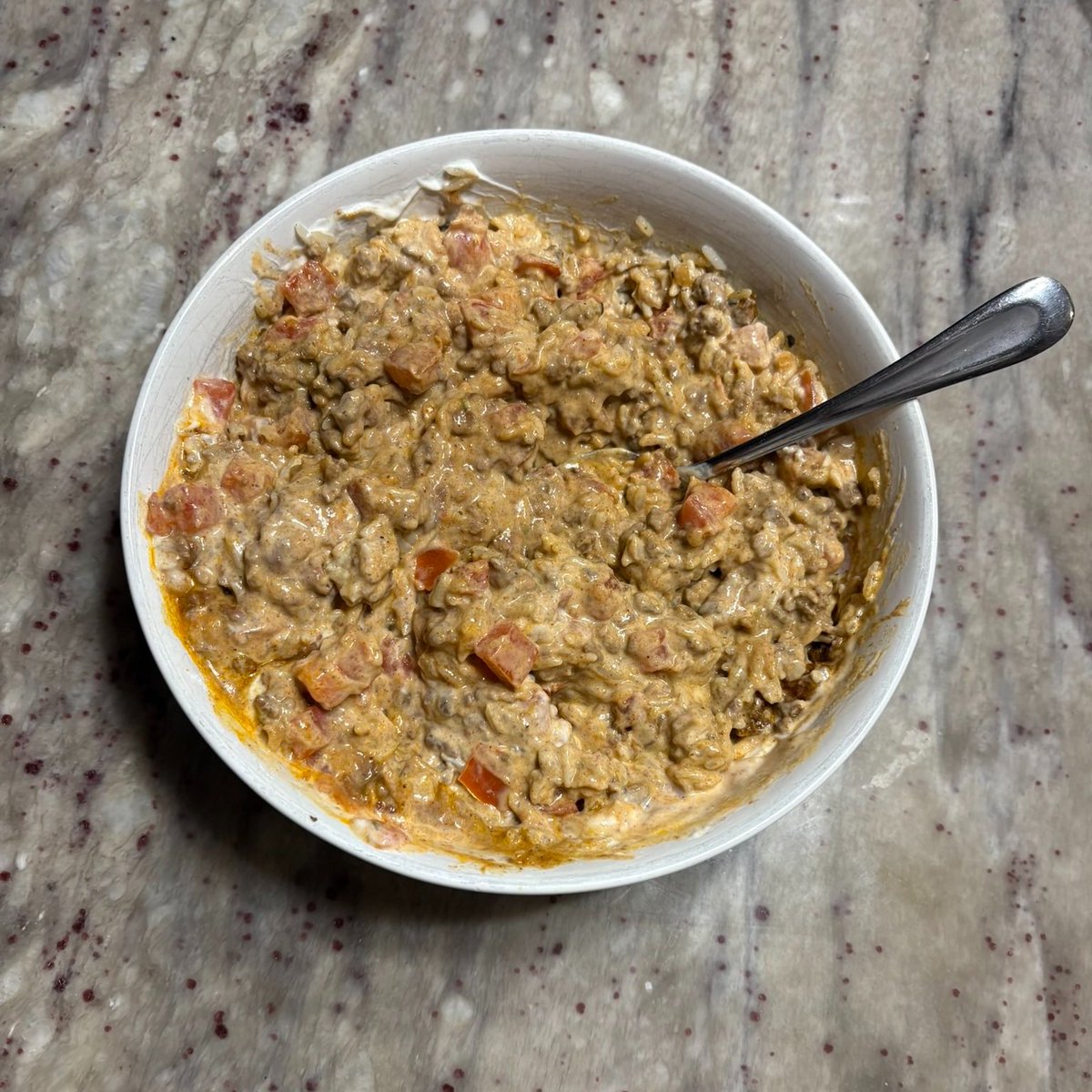
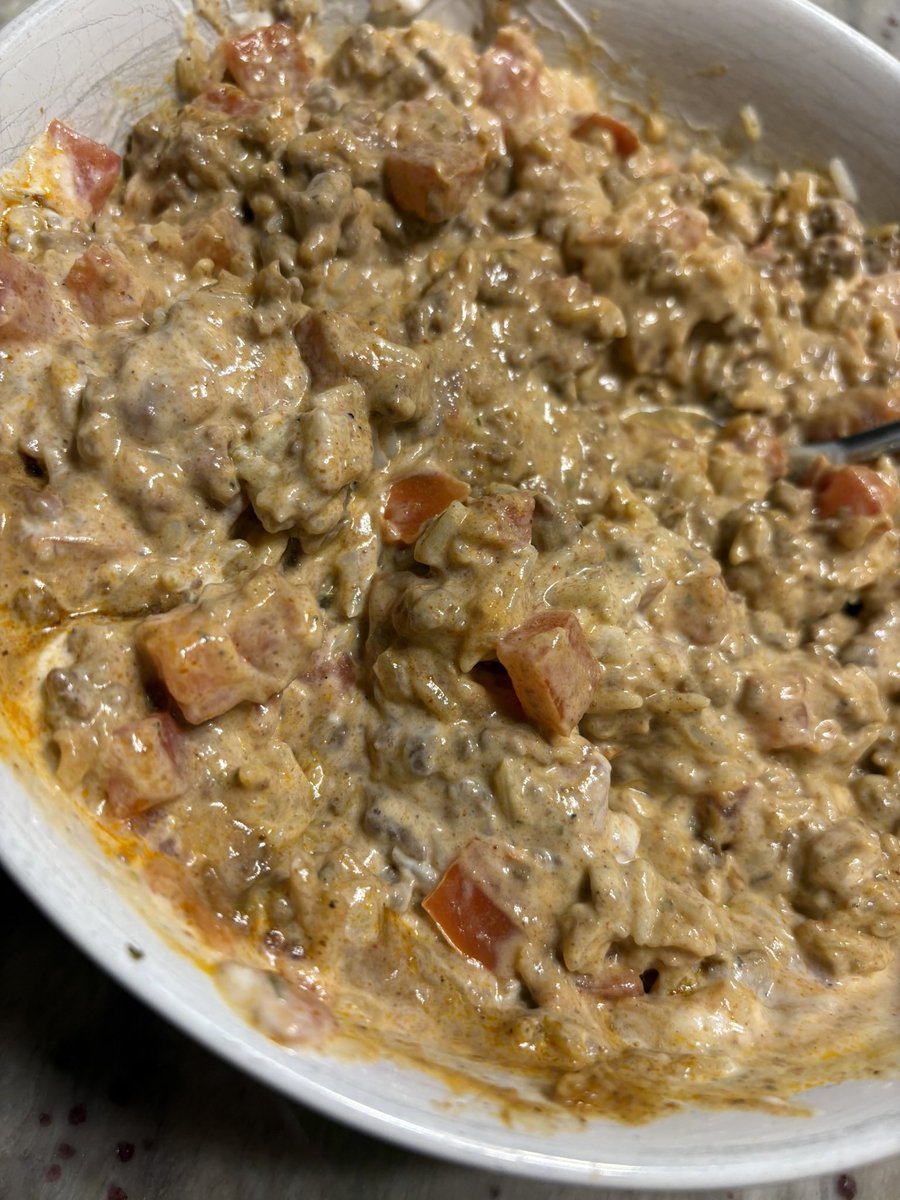
You are just 1-2 bowls of this per day for the next 6-12 months away from your best body ever
Perhaps the craziest part:
You’ll actually THOROUGHLY ENJOY eating it….


Your Average Gym Bro@AvgBrownsFan
@DeanTTraining Americans can easily get slop bowl ingredients and eat healthy every single day while saving money.. comes down to discipline and consistency
English

The gut connection here is underappreciated. Your intestinal lining, digestive enzymes, bile release, and even the composition of your microbiome all follow circadian patterns. When sleep timing drifts, those rhythms drift with it — motility slows, intestinal permeability increases, and microbial diversity shifts toward less favourable species.
There is also a feedback loop most people miss: the gut produces around 90% of the body's serotonin, which is a direct precursor to melatonin. Disrupt the gut environment chronically and you impair the very signalling that sleep onset depends on.
Consistent sleep timing is one of the lowest-cost interventions for gut health that almost nobody talks about.
English

Tonight try something most people never do.
Get into bed at the same time you will tomorrow night and every night this week.
Not approximately the same time. The exact same time.
Your circadian rhythm is anchored by consistent sleep and wake cues. When they vary by more than 30 minutes night to night, your cortisol rhythm, melatonin timing, and hormonal release all drift out of sync.
This is called social jet lag. It affects the majority of adults in industrialized countries.
Consistency costs nothing. And its impact on sleep quality, mood, and metabolism is as significant as the number of hours you sleep.
Pick a bedtime. Hold it.
English

D3 is fat-soluble, so it needs a meal with dietary fat to absorb properly — most people miss this. K2 directs the calcium D3 mobilises into bone rather than soft tissue, which is why the pairing matters.
The gut angle is underappreciated here too. Compromised intestinal lining, low bile output, or dysbiosis all impair fat-soluble vitamin absorption significantly. You can be taking adequate D3 and still be deficient if your gut isn't absorbing fats well — which is why correcting gut health often moves vitamin D levels even without changing the dose.
English

Several approaches have solid evidence behind them. Slow diaphragmatic breathing with extended exhales is one of the most studied — it directly activates vagal afferents. Cold water to the face or neck, humming, and gargling all stimulate the vagus mechanically.
From the digestive side specifically: eating without rushing and chewing thoroughly matter because the cephalic phase of digestion is vagally mediated. Poor vagal tone at mealtime means reduced stomach acid and enzyme output before food even arrives — compounding the gut dysfunction beyond just motility.
Aerobic exercise raises HRV over time, which reflects improved vagal tone. And addressing the chronic stress load — sleep quality, inflammatory burden — supports the parasympathetic baseline the whole system depends on.
English

Your vagus nerve is the master regulator of your parasympathetic nervous system.
When it is well-toned, you recover from stress quickly. Your HRV is high. Your immune function is strong. Your digestion works properly. Your mood is stable.
When it is undertoned, you are stuck in fight-or-flight. Everything downstream suffers.
How to strengthen it starting today.
Slow nasal breathing with extended exhales. Cold water on your face or neck. Humming or singing. Gargling with water. Social connection with people you trust.
These are not soft wellness habits. They are direct inputs to your nervous system.
Use them daily.
English

From a gut perspective this is well structured. Bone broth on an empty stomach first thing delivers glycine and collagen directly to the gut lining before food arrives. The goat kefir and colostrum are supporting secretory IgA and mucosal immunity. Sweet potato at lunch provides resistant starch for butyrate producing bacteria, broccoli sprouts deliver sulforaphane which supports gut barrier integrity, and asparagus at dinner is one of the better prebiotic fibres for feeding beneficial species overnight. The sequencing across the day is doing as much gut work as the individual foods.
English

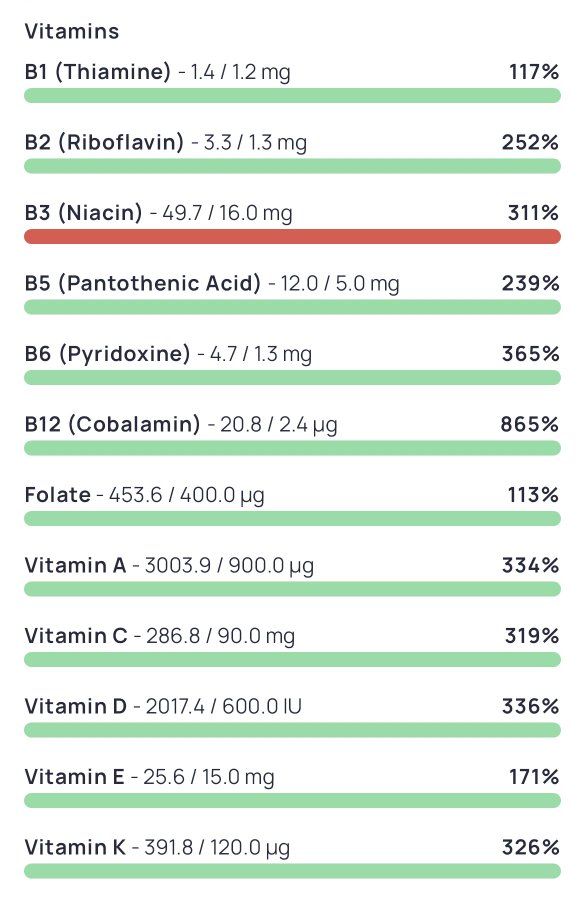
Full Day of Nutrient Dense Eating:
Breakfast:
-Bone broth (on empty stomach)
-4 eggs scrambled with sauteed spinach and mushrooms
-1 cup goat kefir
-1 kiwi
Snack:
-Smoothie with raw goat milk, goat whey protein, banana, strawberries and honey. Plus creatine and goat colostrum powder
Lunch:
-8oz ground elk
-Sweet potatoes
-Broccoli sprouts on top
Dinner:
-9oz sockeye salmon
-Basmati rice cooked in bone broth
-Roasted asparagus
Everything cooked in extra virgin olive oil or butter
Magnesium is something I'd still supplement
Salt will be added to meals so the sodium will be checked off as well
Overall, a simple and easy day of eating


English

The gut specific role that rarely gets mentioned — zinc is essential for tight junction protein synthesis which maintains the integrity of the gut barrier, and carbonic anhydrase in the parietal cells requires zinc to produce stomach acid. Low zinc creates a self perpetuating cycle where poor gut barrier function reduces zinc absorption, which further impairs the barrier and acid production. Oysters are the most bioavailable source by a significant margin — a single serving delivers more absorbable zinc than almost any supplement on the market.
English

ZINC is one of the most important minerals for your health yet most people don't get enough
Immune Function: Zinc supports immune cell development and function. Deficiency can impair immune responses.
Protein Synthesis and DNA Formation: Zinc is vital for protein production and DNA synthesis, which are essential for growth, repair, and cell division.
Enzyme Function: It acts as a cofactor for over 300 enzymes involved in metabolism, digestion, and more.
Growth and Development: Zinc is crucial during periods of rapid growth, such as childhood, adolescence, and pregnancy, supporting tissue development and overall growth.
Wound Healing: It promotes skin repair and collagen formation, aiding in wound recovery.
Sensory Functions: Zinc supports taste, smell, and vision health; deficiency can lead to altered taste or vision issues.
Antioxidant Properties: Zinc helps protect cells from oxidative stress, reducing the risk of chronic diseases.
Best Sources:
Oysters
Beef
Crab
Pork
Chicken
Pumpkin Seeds
Cashews
Chickpeas
Yogurt
Oats

English

The root cause is almost always low stomach acid and a compromised gut barrier allowing undigested proteins to trigger mast cell activation. The approach that works is rebuilding stomach acid with betaine HCl and zinc, supporting the gut lining with zinc carnosine and glutamine, and temporarily reducing high histamine foods while the barrier heals. DAO enzyme supplementation with meals helps manage symptoms in the short term but doesn't fix the underlying terrain. The goal is restoring digestion so proteins are fully broken down before reaching the immune system.
English

@GutCentral @BioavailableNd How would one with histamine related allergies go about fixing this?
English

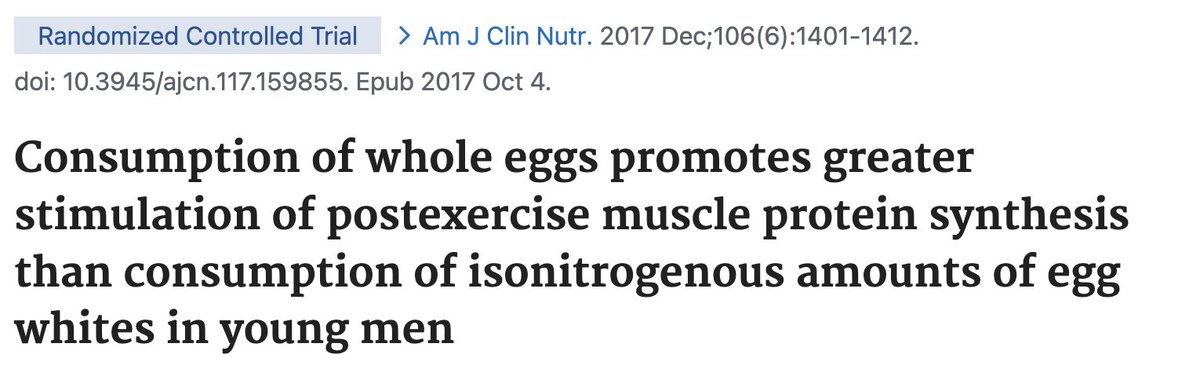
The gut angle on this is that the yolk contains phosphatidylcholine, choline, and fat soluble vitamins that directly support bile production and gut lining integrity. The white alone is also harder to digest without the yolk — the fat in the yolk slows gastric emptying and provides the cofactors that help the protein digest properly. Whole eggs are a complete food in a way that separated whites simply aren't.
English

The gut angle that's missing here — magnesium absorption happens primarily in the small intestine and requires a healthy mucosal lining and adequate stomach acid to work properly. People with gut dysfunction, low stomach acid, or SIBO can consume adequate dietary magnesium and still remain deficient because the absorptive surface is compromised. Soil depletion and poor diet are contributing factors but a damaged gut is why supplementing magnesium often doesn't move levels either. Fix the absorption environment first.
English

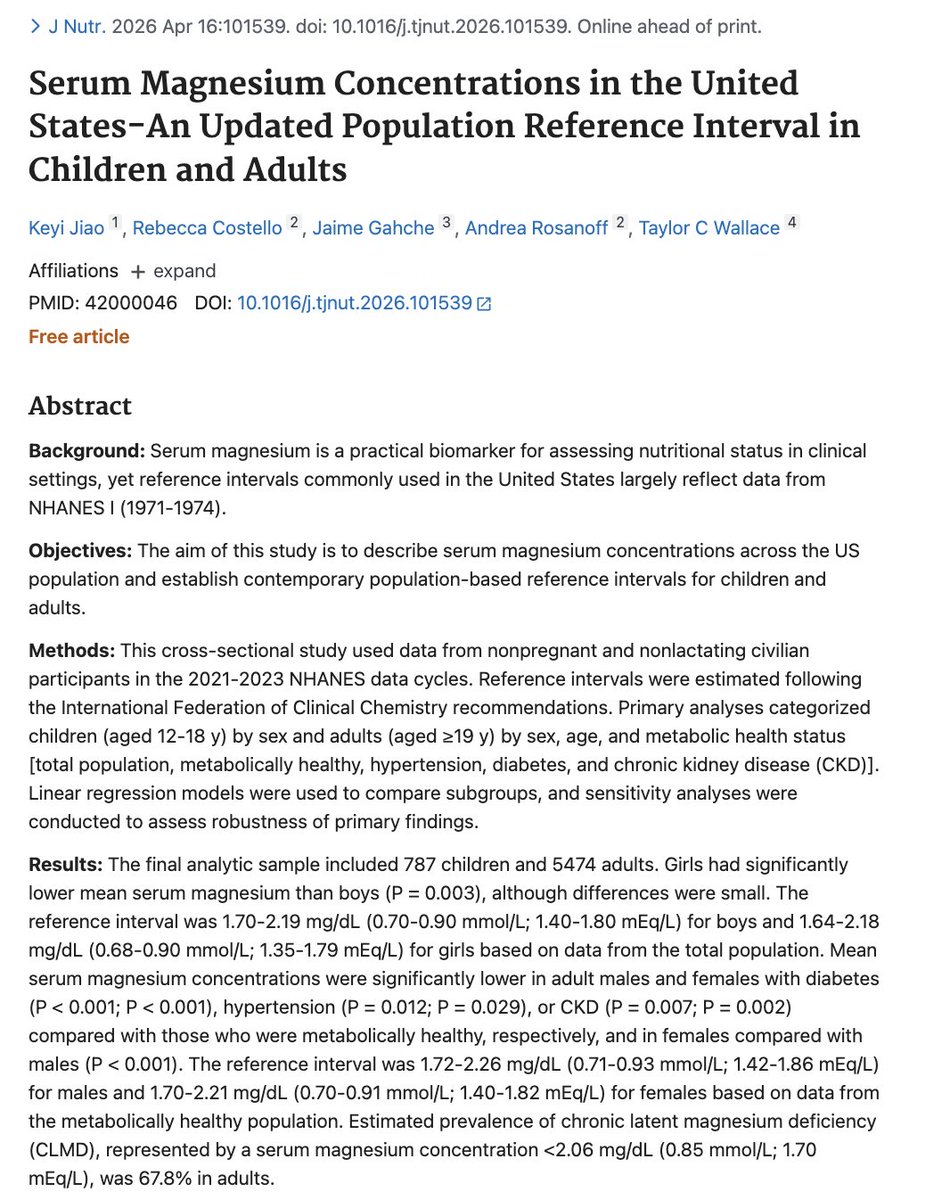
More than two-thirds of U.S. adults are deficient in magnesium, according to the most recent data.
~66% of men and ~70% of women have serum magnesium levels below 2.06 mg/dL (known as chronic latent magnesium deficiency).
Importantly, magnesium levels are lower in adults with diabetes, hypertension, or kidney disease compared to those who are metabolically healthy.
Factors driving the population-wide decline likely include soil depletion, food processing, and an overall low consumption of magnesium-rich foods.
Given magnesium's critical role in energy production, protein synthesis, and other biological processes, these numbers are concerning.


English