Debatendo História

1.9K posts

Debatendo História banner
Debatendo História

Debatendo História

@HDebatendo

Professor da Educação Básica & Historiador formado na UFF & Mestrando na UFRRJ

Rio de Janeiro, Brasil Katılım Nisan 2018
2K Takip Edilen1.2K Takipçiler
Debatendo História
Debatendo História@HDebatendo·
@Josie_Melo O endividamento e vício em bet acontece também nos países com bom índice de desempenho na matemática, como a Inglaterra. Logo, o salto lógico da conclusão do texto não faz muito sentido. É melhor buscar o entendimento pelo uso de tela antes dos 6 anos e acolhimento familiar.
Português
0
0
1
69
Debatendo História retweetledi
Josie Melo 🇧🇷ela é nossa
Matemática na primeira infância. A falta de familiaridade com esta disciplina vai tornando o seu aprendizado cada vez mais dificil, até que ela se torna um obstáculo intransponível. Assim, não surpreende que os brasileiros estejam tão endividados, apostem em bets para tentar ganhar dinheiro, comprem títulos de capitalização com retorno zero e sejam tão facilmente enganados por agentes financeiros. E explica também porque os cursos de educação financeira, rotineiramente oferecidos por várias instituições, não têm nenhum impacto na vida dos participantes. Lhes talta a base. Em termos de desigualdade, os resultados de matemática também são preocupantes, pois os alunos mais ricos têm habilidades matemáticas iniciais bastante superiores às dos alunos mais pobres, já aos 5 anos de idade. Mas, vale notar que mesmo as crianças brasileiras mais ricas têm desempenho abaixo da média obtida pelas crianças coreanas e inglesas. Também ha diferença significativas entre crianças que frequentam pré-escolas públicas e privadas, que persistem mesmo após levarmos em conta as diferenças de nível socioeconômico. @naerciomenezes leitura indispensável @RaquelATeixeira @ClaudiaCostin @PriscilaFCruz @mzoeramos @jrfariajr @reztirps @_robertomotta @Solangesrour @elenalandau2 @anacarla_abrao @CamiloSantanaCE @Seneguini @v_duailibe @anaprents
Josie Melo 🇧🇷ela é nossa tweet media
Português
8
57
218
5.5K
Debatendo História retweetledi
giulia
giulia@giuliiadias·
eu, uma pessoa obcecada em estética, não estou conseguindo lidar com todos os países fazendo vídeos cinematográficos e sentimentais pra convocação enquanto o Brasil teve 2 horas de teatro com três atores do tablado sob a voz de dilsinho
Português
26
841
6.3K
54.9K
Debatendo História retweetledi
Bruno
Bruno@barraes·
Pau no cu da @amazon ! Nós, usuários de Kindles antigos em PERFEITO ESTADO DE FUNCIONAMENTO E NÃO NECESSITANDO DE TROCA, simplesmente iremos para a PIRATARIA. Vou deixar aqui todas as opções que vocês precisam para continuar baixando livros: Usem o calibre-ebook.com para gerenciar sua biblioteca e fazer upload dos livros. BAIXEM SEUS LIVROS GRATUITAMENTE nos sites z-lib.sk archive.org annas-archive.gd E SEJAM FELIZES! Pau no CU do @JeffBezos Pau no CU do @ajassy Pau no CU do @panos_panay E quem defender essa atitude da amazon tem que se foder também, junto com eles.
g1@g1

'É uma completa traição': Amazon encerra suporte a Kindles antigos e revolta usuários fiéis glo.bo/4uYrCY6 #g1
Português
225
2.1K
21.4K
860.1K
Rafael Cardoso Sampaio
Rafael Cardoso Sampaio@cardososampaio·
Amanhã vou participar de uma mesa sobre IA na escrita acadêmica pra editoras universitárias. Para além da ética, há um problema óbvio prático. Liberamos com restrições para escrita mas não aceitamos para pareceres. Ademais, o volume de manuscritos tende a subir muito mas não das editoras e seus funcionários. Como equacionar a conta? Também não sei.
Português
5
1
27
5.6K
Debatendo História retweetledi
ANPOF
ANPOF@ANPOF_site·
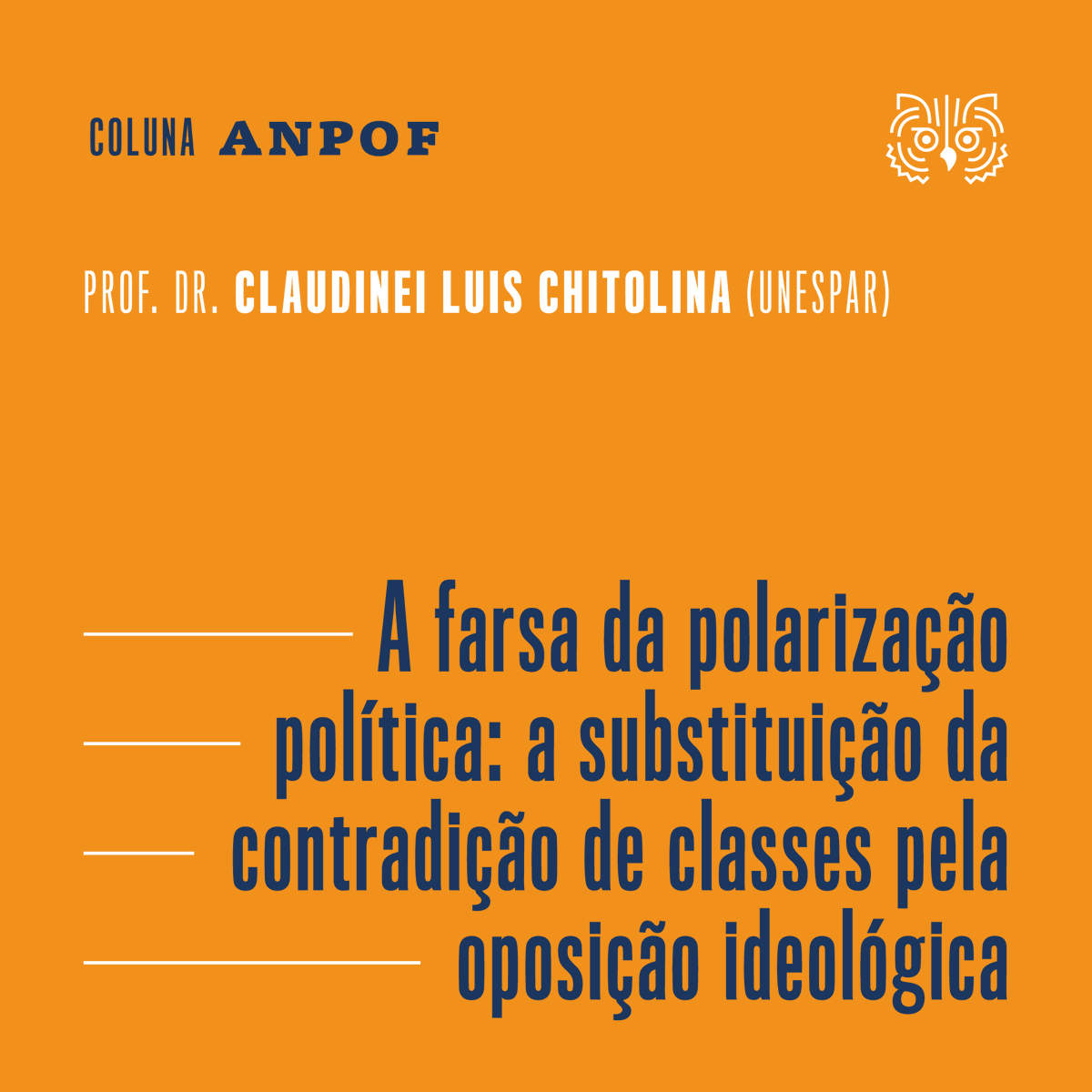
#ColunaAnpof — “É da natureza da filosofia voltar seu olhar para a realidade política, dado que a filosofia é filha da pólis democrática.” Leia em: anpof.org.br/comunicacoes/c…
ANPOF tweet media
Português
0
1
2
73
Debatendo História retweetledi
CAHIS Citou
CAHIS Citou@cahiscitou·
CAHIS Citou tweet media
ZXX
7
479
2.2K
40.3K
Debatendo História retweetledi
Ihtesham Ali
Ihtesham Ali@ihtesham2005·
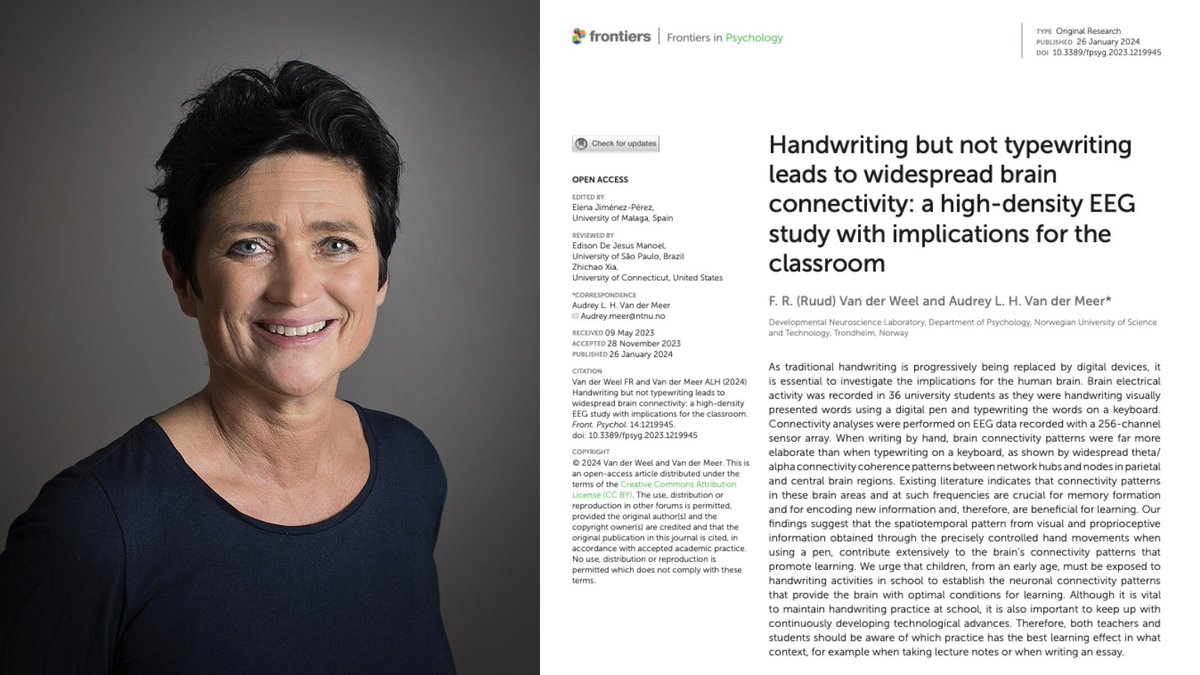
A Norwegian neuroscientist spent 20 years proving that the act of writing by hand changes the human brain in ways typing physically cannot, and almost nobody outside her field has read the paper. Her name is Audrey van der Meer. She runs a brain research lab in Trondheim, and the paper that closed the argument was published in 2024 in a journal called Frontiers in Psychology. The finding is brutal enough that it should have changed every classroom on Earth. The experiment was simple. She recruited 36 university students and put each one in a cap with 256 sensors pressed against their scalp to record brain activity. Words flashed on a screen one at a time. Sometimes the students wrote the word by hand on a touchscreen using a digital pen, and sometimes they typed the same word on a keyboard. Every neural response was recorded for the full five seconds the word stayed on screen. Then her team looked at the part of the data most researchers had ignored for years, which is how different parts of the brain were communicating with each other during the task. When the students wrote by hand, the brain lit up everywhere at once. The regions responsible for memory, sensory integration, and the encoding of new information were all firing together in a coordinated pattern that spread across the entire cortex. The whole network was awake and connected. When the same students typed the same word, that pattern collapsed almost completely. Most of the brain went quiet, and the connections between regions that had been alive seconds earlier were nowhere to be found on the EEG. Same word, same brain, same person, and two completely different neurological events. The reason turned out to be something nobody had really paid attention to before her work. Writing by hand is not one motion but a sequence of thousands of tiny micro-movements coordinated with your eyes in real time, where each letter is a different shape that requires the brain to solve a slightly different spatial problem. Your fingers, wrist, vision, and the parts of your brain that track position in space are all working together to produce one letter, then the next, then the next. Typing throws all of that away. Every key on a keyboard requires the exact same finger motion regardless of which letter you are pressing, which means the brain has almost nothing to integrate and almost no problem to solve. Van der Meer said it plainly in her interviews. Pressing the same key with the same finger over and over does not stimulate the brain in any meaningful way, and she pointed out something that should scare every parent who handed their kid an iPad. Children who learn to read and write on tablets often cannot tell letters like b and d apart, because they have never physically felt with their bodies what it takes to actually produce those letters on a page. A decade before her, two researchers at Princeton ran the same fight using a completely different method and ended up at the same answer. Pam Mueller and Daniel Oppenheimer tested 327 students across three experiments, where half took notes on laptops with the internet disabled and half took notes by hand, before testing everyone on what they actually understood from the lectures they had watched. The handwriting group won by a wide margin on every question that required real understanding rather than surface recall. The reason was hiding in the transcripts of what the two groups had actually written down. The laptop students typed almost word for word, capturing more total content but processing almost none of it as they went, while the handwriting students physically could not write fast enough to transcribe a lecture in real time, which forced them to listen carefully, decide what actually mattered, and put it in their own words on the page. That single act of choosing what to keep was the learning itself, and the keyboard had quietly skipped the choosing and skipped the learning along with it. Two studies. Two countries. Same answer. Handwriting makes the brain work. Typing lets it coast. Every note you have ever typed instead of written went into your brain through a thinner pipe. Every meeting, every book highlight, every idea you captured on your phone instead of on paper was processed at half depth. You did not forget those things because your memory is bad. You forgot them because typing never woke the part of the brain that would have made them stick. The fix is the thing your grandmother already knew. Pick up a pen. Write the thing down. The slower road is the faster one.
Ihtesham Ali tweet media
English
2.5K
44.6K
120.8K
10.1M
Debatendo História retweetledi
IAGO
IAGO@profiagogomes·
O mais próximo de uma prática libertadora que se pode alcançar sendo professor em escola é na condição de concursado público. A liberdade criadora e reflexiva é podada em instituições privadas e em regimes frágeis de contratação pode ser motivo de encerramento de contrato.
Português
10
63
499
11.2K
Debatendo História retweetledi
FiIIiрe Trizоttо
FiIIiрe Trizоttо@filosofocolina·
Doutorado direto né. Estamos em 2026. 5 anos e vc apresenta uma dissertação (ou tese complemetar) e sua tese. Se entregar e qualificar só a dissertação sai com o título de mestre. 3 semestres cumprindo aulas presenciais. 7 semestres de pesquisa, redação, orientação e atuação docente. Não tem sentido colocar alguém num mestrado de 2 anos cheio de aula e sem tempo nem para cuspir e ainda ter que fazer um projeto de doutorado e se submeter a uma seleção já estando num departamento, sob o risco de ficar sem bolsa etc e tal. Não tem aparelho psíquico que aguente (a não ser q vc tenha a vida ganha). É insano se vc parar para ver e desnaturalizar um pouco.
Português
19
13
402
57.6K