HBhogal retweetledi

“It wasn’t like that when I was a trainee”
If you work in medicine across generations, read this.
Generational differences in medicine are real, and they're not about attitude or commitment. They're about the world each of us grew up in.
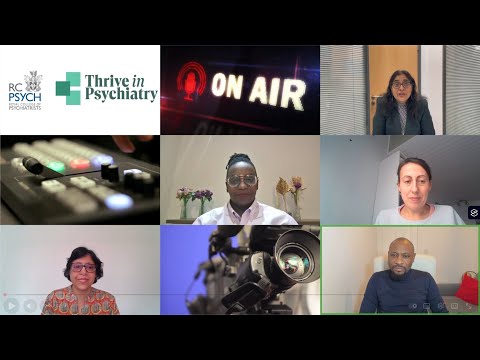
In our latest Why Medics Matter episode, Dr. Amie Burbridge and Dr. Simon Fraser explore generational theory and what it means for how we lead, teach, and work together.
Here are 3 insights from the podcast every doctor should sit with:
1. Generational friction in the workplace is structural, not personal
Conflict between newer and more established clinicians often isn't about attitude or commitment. Instead, it reflects genuinely different formative experiences that shaped distinct values, communication styles, and expectations. Recognising this reframes "that junior is difficult" into "we were shaped by different worlds," which is a more productive and accurate starting point for any supervisory relationship.
2. Curiosity about colleagues is a professional responsibility, not a soft extra
The same curiosity expected of doctors in clinical practice should be directed at the people they work with. Understanding why a colleague or trainee behaves differently isn't just good management or a soft skill, it sits right at the heart of professional behaviour.
3. It's a two-way street, and trainers don't own whole responsibility
There's often an implicit assumption that senior clinicians must simply adapt to newer generations, but learners are equally responsible for being curious about why their trainers do things a particular way. Genuine workplace harmony requires mutual understanding across every generation, not just top-down accommodation.
Want to hear the full conversation?
Listen on Spotify and iTunes
Watch the episode on YouTube eu1.hubs.ly/H0sGGKK0
English