Sabitlenmiş Tweet
New research shows more young parents are raising their children in Frisian than parents of previous generations 🔥🔥🔥

English
History With Hilbert 🇳🇱🇺🇦
3.5K posts

@HistorywHilbert
Frisian/Dutch/Geordie - Education: MA in Viking and Early Medieval Studies. Currently interning at the Fryske Akademy. NUFC fan. Frysk.

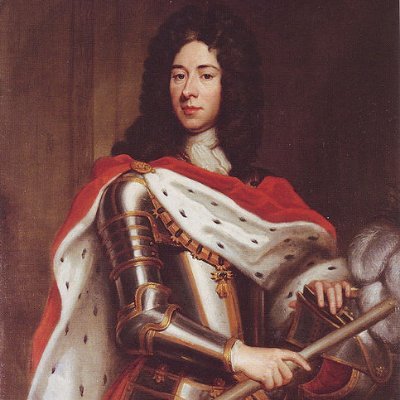
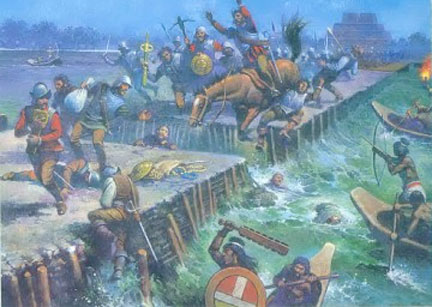
Pedro de Alvarado was a legendary Spanish conquistador. He was the second-in-command of Hernan Cortes and came from the same region of Spain - Extremadura. He was charismatic and utterly fearless in battle but also cruel and sometimes impetuous. Cortes trusted him completely and often had him leading the rearguard in their marches through the Valley of Mexico. When Cortes left Tenochtitlan to deal with the expedition of Narvaez (sent to arrest him!), he left Alvarado in charge of the small Spanish garrison occupying the city. This was possibly a mistake as Alvarado massacred a large number of Aztec nobles and triggered war between the two nations. Maybe Alvarado was forced into this - it's hard to say. But as a battlefield commander he was a force of nature. In the Siege of Tenochtitlan he was tasked with taking one of the three causeways into the city and his sector saw some of the fiercest fighting. He also reached the centre of the city first, and started burning down the shrines to the Aztec gods. After the conquest of the Aztecs he led further expeditions into what is now Honduras and Guatemala. He was not content to remain a governor and administer a province. He grew restless and needed constant adventure. He even assembled a force to invade China and the Spice Islands! But before he could leave, he was recalled to service in the Mixton War in Mexico, where he died in 1541.

The Arapaho: Adapting and Resisting in Times of Change The Arapaho, whose name is believed to mean "merchantmen" or "people with many tattoos" in Algonquin languages, are an indigenous nation that historically inhabited the Great Plains and Rocky Mountains. Originally they were a tribe of Seminoade hunter-gatherers, known for their bison hunting prowess and their rich ceremonial life, including the Sun Dance. With the arrival of European settlers and the expansion west in the 19th century, the Arapaho, like many other tribes, were forced to face drastic changes. Pressure on their ancestral lands, reduction in bison herds (their primary livelihood) and conflicts with newcomers have led to treaties and eventual relocations on reserves. In this process, the Arapaho demonstrated remarkable ability to adapt. Although many resisted assimilation attempts militarily, others began to integrate elements of "modern life" into their habits to survive. This included the adoption of agriculture, livestock and, in some cases, western-style clothing or education. However, this adaptation did not mean abandoning his identity. They kept alive their languages, their spiritual ceremonies, their oral traditions, and their social structures, often discreetly or in resistance. The Arapaho people’s ability to persevere and keep their culture alive despite immense pressures is a testament to their resilience and the profound strength of their heritage. Today, they continue to work to preserve their cultural and linguistic legacy for future generations.

NEW REPORT: History should be taught to all children up to the age of 16. The call has been endorsed by the distinguished historians Niall Ferguson @nfergus , Lord (Andrew) Roberts @aroberts_andrew and Dominic Sandbrook ('The Rest is History') @dcsandbrook . At present, most children (55%) stop learning history at 14. That is why our exclusive new poll reveals such little knowledge of history among young adults. Three quarters say they don't know about Admiral Nelson. More than half say they don't know about Oliver Cromwell, a vital figure in the development of our democracy. Britain is an outlier among OECD countries in not teaching history up to the age of 16. This should be changed so we give a rounded education to the citizens and voters of the future. Press release and report below. historyoftotalitarianism.com/history-should…

@eoinyk A neutral country doesn't need to defend itself. That's the point of neutrality.




Mazelen zijn helemaal terug in Canada door dalende vaccinatiegraad nos.nl/l/2589981?utm_…