@FPLTracta @DeputyGrocott Your tweet fails because everyone at that school chose to be there. If you’ve never heard of Michaela Community School and Katharine Birbalsingh, just google them.
English
Ian Hunter
1.7K posts


'I'm thinking of quitting parkrun - I'm sick of people treating it like a race' - Birmingham Live…. And this is the point. @parkrunUK need to decide what they are… about inclusion or about times, records & places? birminghammail.co.uk/news/uk-news/i…


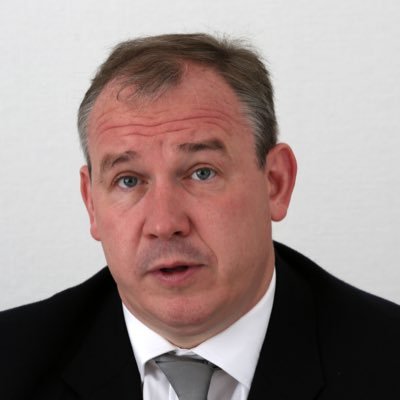
I'm reluctantly posting on X again because the world needs to read this. My daughter Zoe Rogers gave her own closing speech at the Filton trial, as did 4 other defendants, while their barristers looked on. This is what she said 🧵 1/


🚨 A letter to Year 11 families at Michaela Community School states that children who do not attend weekend and holiday revision sessions will “spend time in Referral” They must also attend in full school uniform


The thing that gets me about Badenoch is how all the political commentators underestimated her. Many treated her with contempt and she’s proving them all wrong. Women who’d paid attention to her attitude and willingness to speak out for women didn’t, we knew she was impressive. I’m not even a Tory but I think she’s brilliant.


Gary doesn't even understand the basics of taxation, like income tax vs inheritance tax or corporate tax vs consumption tax.

Gary doesn't even understand the basics of taxation, like income tax vs inheritance tax or corporate tax vs consumption tax.