The Innovation | Gastroenterology

1.3K posts

The Innovation | Gastroenterology banner
The Innovation | Gastroenterology

The Innovation | Gastroenterology

@InnovGastro

Gastroenterology The official account of The Innovation | Gastroenterology

Los Angeles, CA Katılım Ağustos 2022
175 Takip Edilen7.7K Takipçiler
The Innovation | Gastroenterology retweetledi
Nicholas Fabiano, MD
Nicholas Fabiano, MD@NTFabiano·
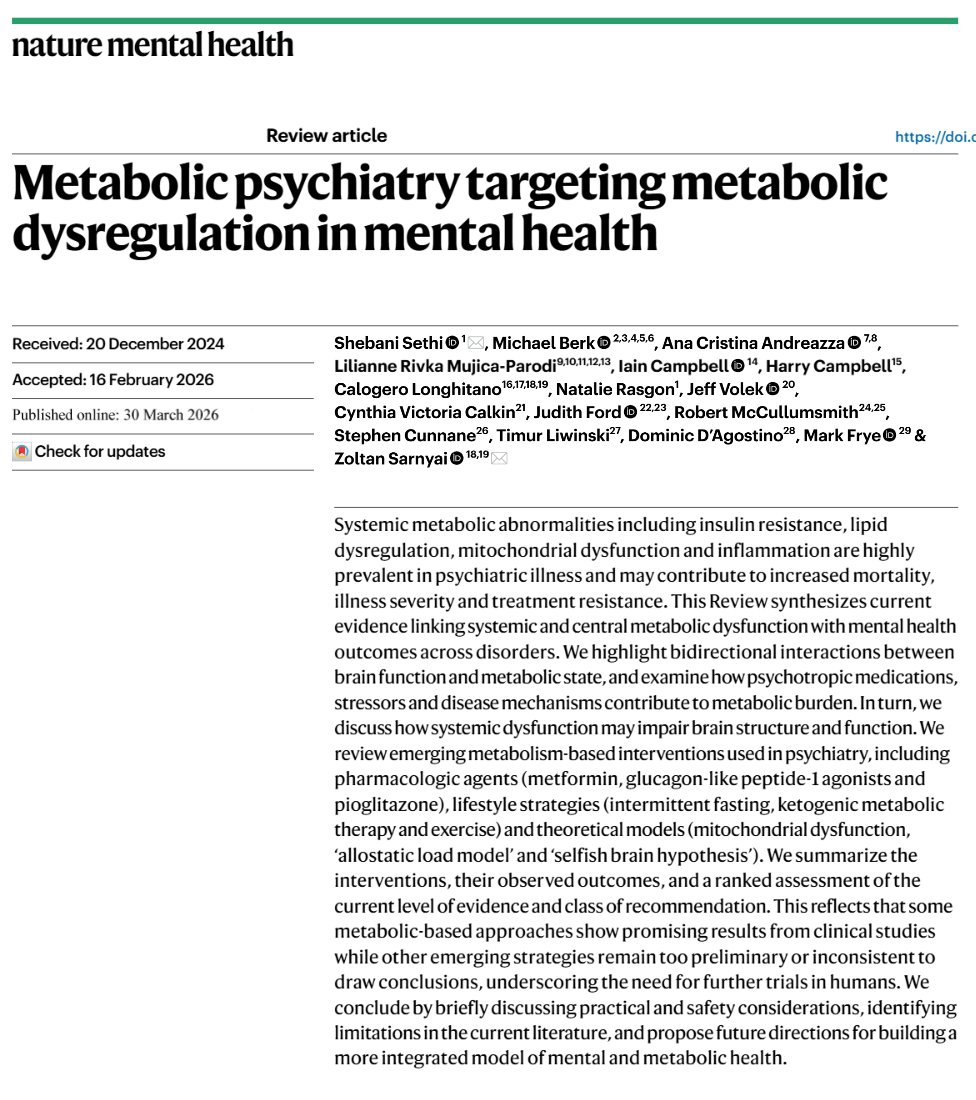
Metabolic health is mental health. Exercise & diet must be first-line treatments.
Nicholas Fabiano, MD tweet media
English
27
253
1.4K
62.4K
The Innovation | Gastroenterology
GLP-1RAs transform T2DM care. Tirzepatide excels in glycemic control and weight loss, with multi-organ benefits. #GLP1RA #T2DM
NEJM@NEJM

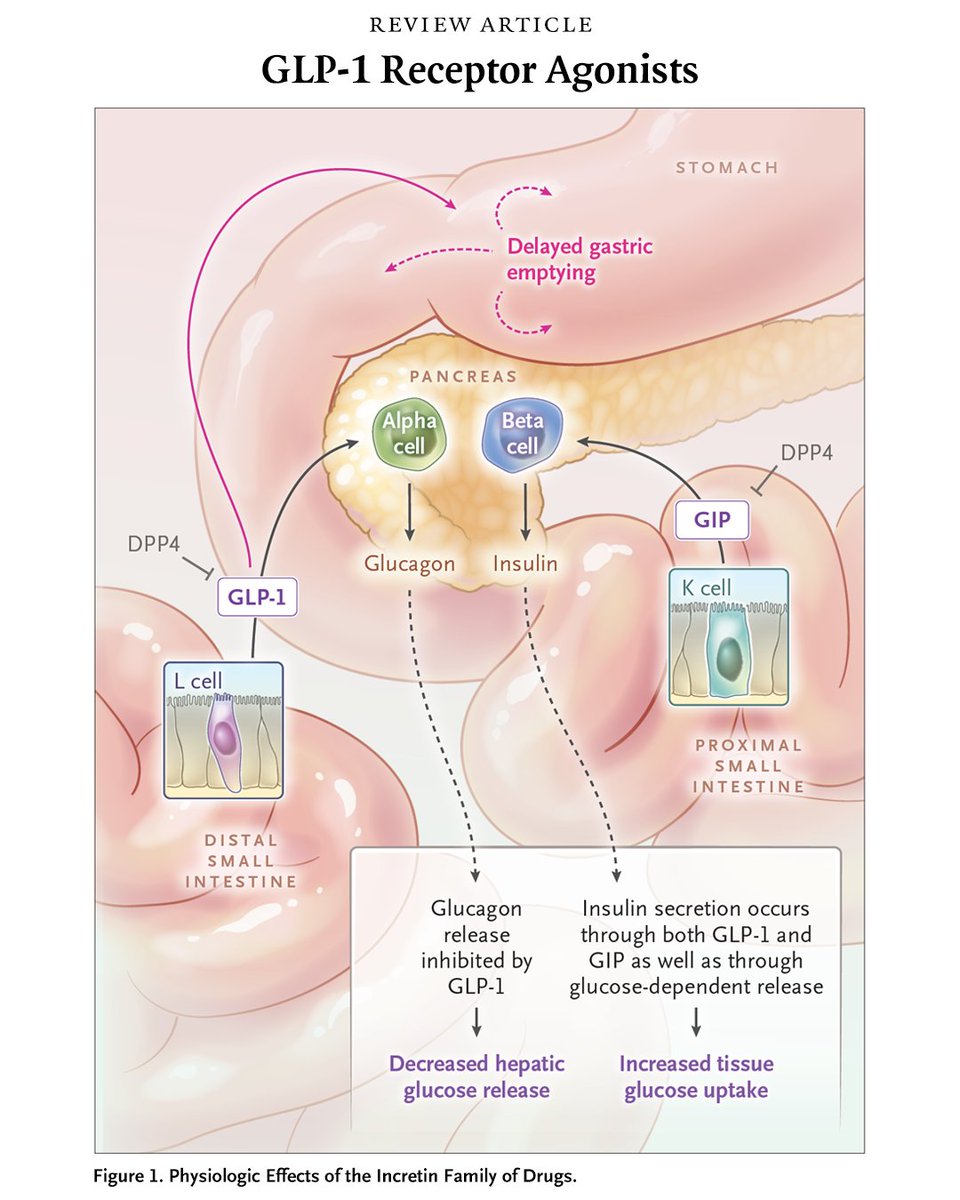
𝗧𝗵𝗲 𝗘𝗳𝗳𝗲𝗰𝘁 𝗼𝗳 𝗚𝗟𝗣-𝟭 𝗥𝗲𝗰𝗲𝗽𝘁𝗼𝗿 𝗔𝗴𝗼𝗻𝗶𝘀𝘁𝘀 𝗼𝗻 𝗚𝗹𝘆𝗰𝗮𝘁𝗲𝗱 𝗛𝗲𝗺𝗼𝗴𝗹𝗼𝗯𝗶𝗻 𝗟𝗲𝘃𝗲𝗹𝘀 Randomized, placebo-controlled trials of the glucagon-like peptide-1 (GLP-1) receptor agonists have provided strong evidence to support their use — in fact, they have presaged a mini-revolution in how type 2 diabetes is managed. 👉 nejm.org/doi/full/10.10… Tirzepatide was the first dual GLP-1 and glucose-dependent insulinotropic peptide receptor agonist approved for the treatment of type 2 diabetes on the basis of the SURPASS-1 (Tirzepatide [LY3298176] in Participants with Type 2 Diabetes Not Controlled with Diet and Exercise Alone) trial, a randomized, placebo-controlled trial of tirzepatide (administered in weekly doses of 5 mg, 10 mg, or 15 mg) paired with metformin for treatment of type 2 diabetes (seen in figure). Tirzepatide reduced glycated hemoglobin levels by as much as 2 percentage points and was superior to placebo at all dose levels. At 40 weeks, nearly 90% of participants had glycated hemoglobin levels of less than 7.0%, a change that was associated with profound weight loss. Read the Review Article “GLP-1 Receptor Agonists” by Clifford J. Rosen, MD, and Julie R. Ingelfinger, MD, from @TuftsMedSchool and the Maine Medical Center Institute for Research: nejm.org/doi/full/10.10…

English
0
0
0
176
The Innovation | Gastroenterology retweetledi
Gut Journal
Gut Journal@Gut_BMJ·
Castells-Nobau et al. present “Gut microbial modulation of 3-hydroxyanthranilic acid and dopaminergic signalling influences attention in obesity” via bit.ly/3POWtXN (Original research, Gut microbiota section). The gut–brain axis in action. This fascinating study links microbial metabolism to dopaminergic signalling and attention, providing mechanistic insight into how the microbiome may influence behaviour in obesity. #Obesity #Microbiome
Gut Journal tweet media
English
0
3
8
470
The Innovation | Gastroenterology retweetledi
NEJM
NEJM@NEJM·
GLP-1 receptor agonists are increasingly used to treat type 2 diabetes and obesity, and trials have shown reductions in cardiovascular risk and slowing of kidney failure. Adverse events are mostly gastrointestinal. Read the Review Article “GLP-1 Receptor Agonists” by Clifford J. Rosen, MD, and Julie R. Ingelfinger, MD, from @tuftsmedschool and the Maine Medical Center Institute for Research: nejm.org/doi/full/10.10…
NEJM tweet media
English
10
433
1.2K
72.8K
The Innovation | Gastroenterology retweetledi
Gut Journal
Gut Journal@Gut_BMJ·
Castells-Nobau et al. present “Gut microbial modulation of 3-hydroxyanthranilic acid and dopaminergic signalling influences attention in obesity” via bit.ly/3POWtXN (Original research, Gut microbiota section). The gut–brain axis in action. This fascinating study links microbial metabolism to dopaminergic signalling and attention, providing mechanistic insight into how the microbiome may influence behaviour in obesity. #Obesity #Microbiome
Gut Journal tweet media
English
1
5
10
804
The Innovation | Gastroenterology retweetledi
Aimen Farooq
Aimen Farooq@AimenKhanMD·
@MondayNightIBD @joshsteinbergMD @ibddoctor @LoriPlung @berinsj @DrRosenIBD @IBDGastroDocSg @rogeriosparra @ibdseb @JamesHaddadMD @puentesfabi @fgomollon @Youcantmakethi4 @srmbeauroy #IBDAlgorithm 🧠 #ASUC 🚨 📍Day0️⃣: R/o 🦠CDI/CMV ➕scope early 💉IV steroids ➕DVT prophylaxis 📊Reassess daily (PRO + CRP) ⏳Day3️⃣: No response ➡️Rescue w IFX/ CsA/ JAKi 🎯Day6️⃣: Response? ✔️ Transition & maintain ❌ Don’t delay surgery Rx choice🟰availability➕💰➕access
Aimen Farooq tweet media
English
2
17
39
2K
The Innovation | Gastroenterology retweetledi
Gut Journal
Gut Journal@Gut_BMJ·
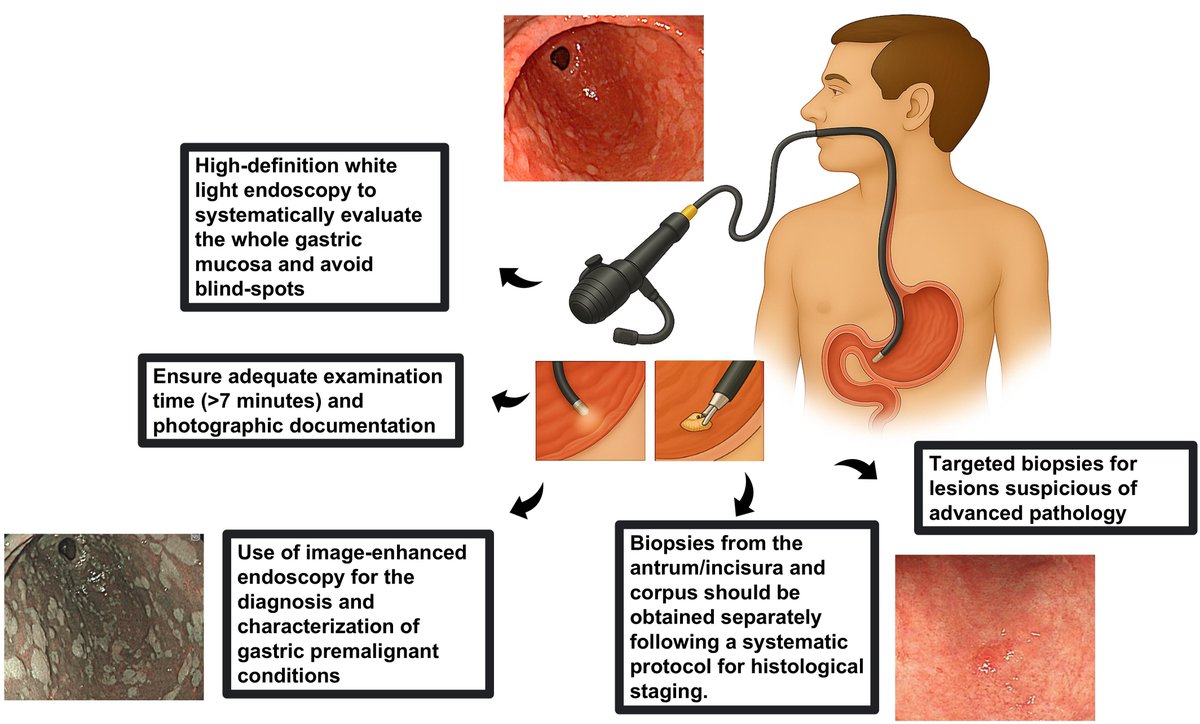
Leung et al. present the paper “Asian Pacific Association of Gastroenterology task force recommendations on surveillance for Helicobacter pylori associated gastric premalignant conditions” via bit.ly/4sY2YWP (Guideline section) This comprehensive guideline provides clear, practical recommendations for surveillance of gastric premalignant conditions, supporting risk-based approaches to improve early cancer detection. #GUTGuidelines #Hpylori #HelicobacterPylori
Gut Journal tweet media
English
1
6
17
1.6K
The Innovation | Gastroenterology retweetledi
Dr Sam Soete
Dr Sam Soete@sam_soete·
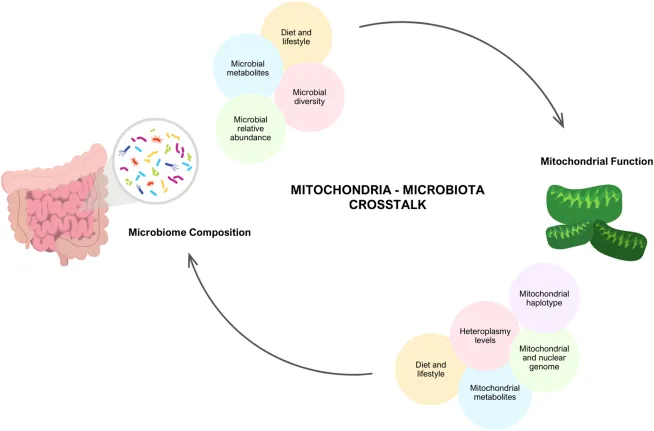
The gut is a mitochondrial organ. Every function it performs requires ATP at a cellular level and this is the piece that gets completely ignored in conventional gastroenterology AND most functional gut protocols tbh. Motility, enzyme secretion, mucus production, barrier maintenance, immune tolerance, nutrient absorption. These are ALL powered by mitochondria in your enterocytes, colonocytes, goblet cells & enteric neurons. When mitochondrial function drops in the gut, everything breaks simultaneously. ↓ mito in colonocytes → ↓ O2 consumption → ↑ luminal oxygen → obligate anaerobes die off → ↓ butyrate → colonocytes lose their primary fuel source. Vicious cycle right there. ↓ mito in goblet cells → ↓ MUC2 mucin output → thinning mucus layer → direct bacterial contact with epithelium → immune activation. This one is a very underrated as a driver of gut inflammation btw. ↓ mito in crypt stem cells → ↓ epithelial renewal (your gut lining replaces every 3-5 days which is a HUGE energy demand) → older damaged cells with ↓ brush border enzymes and absorptive capacity. So potentially your gut is not renewing itself as often as is expected. ↓ mito in enterocytes → ↓ tight junction maintenance (occludin, claudins, ZO-1 all require constant ATP) → ↑ permeability → LPS → endotoxemia → which tanks mito function further and drives systemic inflammation. Also gonna be a big driver of neuroinflammation too. Every layer fails and every failure feeds back into worse mitochondrial output. That is the understanding that systems biology gives us. This is the central vicious cycle underlying most chronic gut pathology imo and its prob why so many people cycle through gut protocols without lasting results. And its also why gut issues tend to co-exist with almost any other health problem/ Many work more directly on the microbiome composition but the cellular infrastructure or terrain which holds that microbiome doesnt have teh energy or conditions to maintain and self-regulate it so nothing sticks. What I look at with clients: - Metabolomix+ or OAT to map metabolic bottlenecks - ETC cofactor status - CoQ10, B2, B3, iron, copper, Mg for ATP itself - Gut function testing to assess butyrate producer populations - Mitotoxin exposure (especially thngs like PPIs which simultaneously ↓ HCl AND have direct mito effect) - Light/circadian environment cus mito function IS circadian - Basically any other environmental mismatch
Dr Sam Soete tweet media
English
7
28
97
5K