
Sabitlenmiş Tweet
ItsBS
25.7K posts


ItsBS
@Its_BS
2026: Elon must expose the pseudoscience of Einstein and Quantum Mechanics to make Grok AI smarter."
USA Katılım Ocak 2013
138 Takip Edilen2.1K Takipçiler

@mrmikeMTL Not me!!!! Wrestled for the Lt Hvywt Championship of the World on ESPN @ 22 years old!!!

English



The American mental illness.
Today, my kid brought some Jesus nonsense home from school - 2 week iPad ban.
Anna Paulina Luna@realannapaulina
Do you believe in God?
English



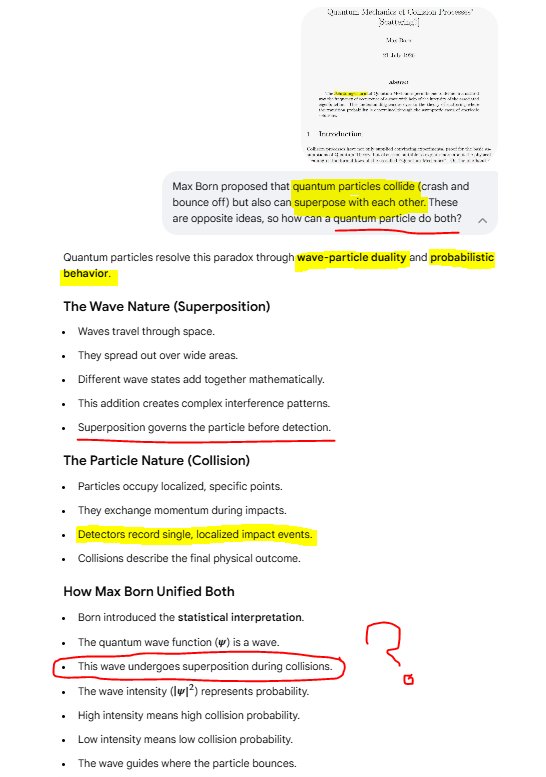
@OnJay61983 Yeah, I know... "This wave undergoes superposition during collisions"
English

@rebelgolem Try to figure out how "Quantum Particles" can both collide with each other and pass through each other while superposing.
Those are two logical opposites, so good luck.
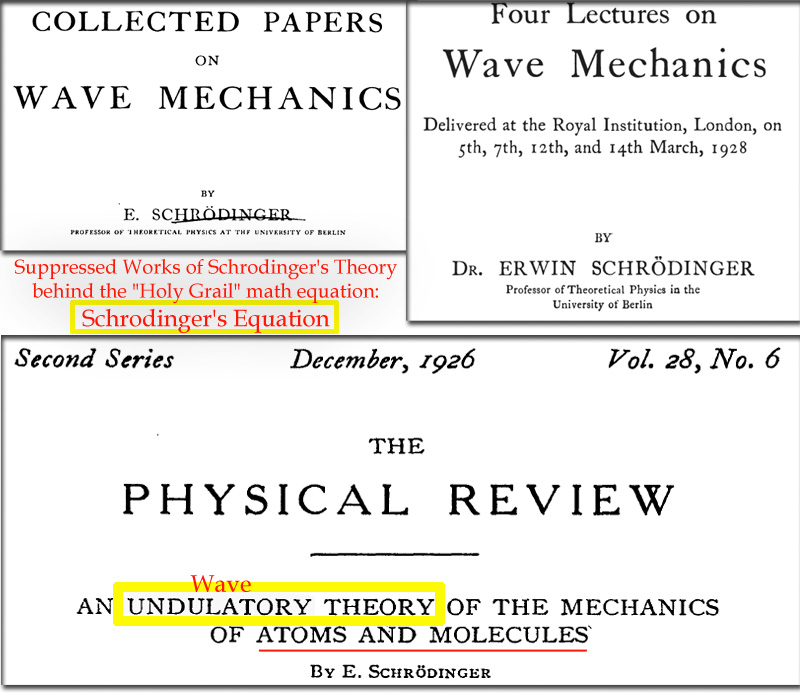
In the meantime, you can read Schrodinger's Wave Mechanics for free.

English

@Its_BS I'm not a professional. I don't make money from this I understand what is happening. I'm not aware of all the various practices that keep the field wondering. Okay with that covered.. to capture an electron the proton must orient a boson tunnel to a vacancy internal to the proton
English
Here is some very interesting food for thought that needs further digestion. I can't help but wonder if quantum computers can solve the commutator problem so that simultaneous references can be possible and useful.
ItsBS@Its_BS
@PhysInHistory This is a lie. Quantum Entanglement means INSTANT action at a distance and you must give up cause & effect. Why? Because Neils Bohr needed to save Copenhagen theories from the EPR self-contradiction within Quantum Mechanics:
English
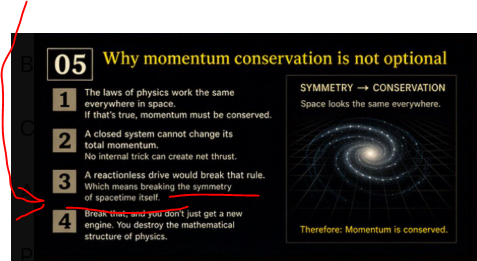
@JayStrellson @alexboge Alex is a modern pseudoscientists that got fooled into Einstein's "symmetry." 😂
Like here:
English


@rebelgolem Re: "electrons naturally superimpose on vacant boson field."
How is that a "quantum state" superposition?
Re: "vacant boson field inside protons."
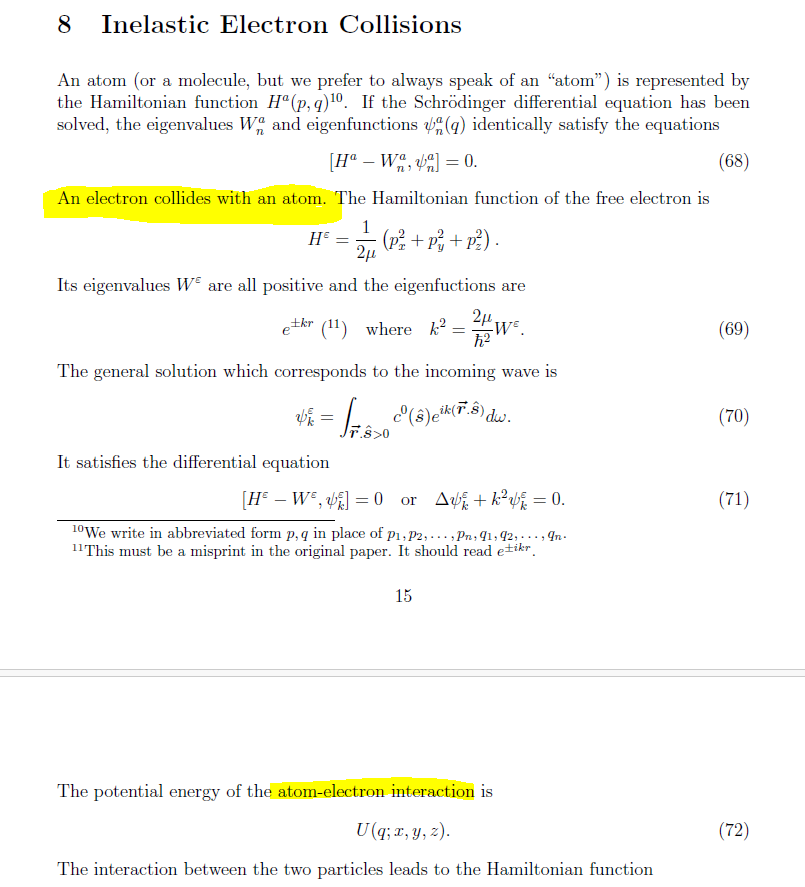
Born is talking about colliding an electron particle with an atom (protons), not superposing.
English
@Its_BS Electrons are high charge density but glued to the right amount of boson field become neutral so electrons naturally superimpose on vacant boson field. Electric field is when 14 electron-gluons that from nuclear spheres compete for the remaining vacant boson field inside protons.
English
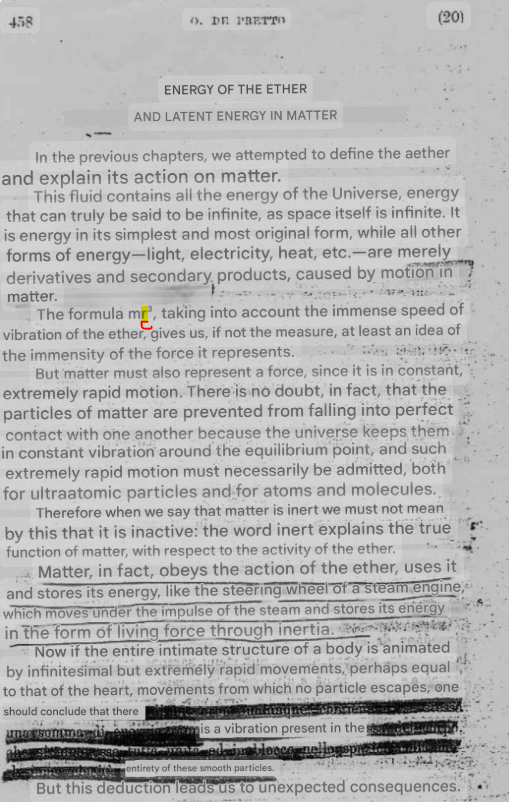
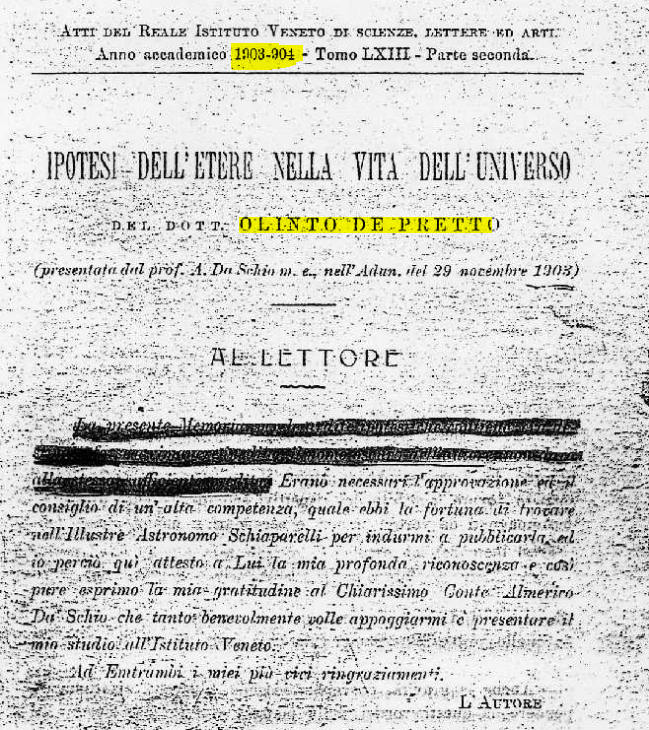

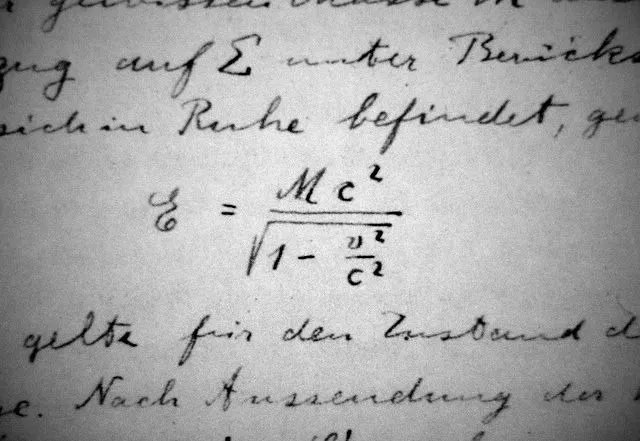
@kingsleystarr @atulit_gaur Re: "They all had sources."
That isn't the point.
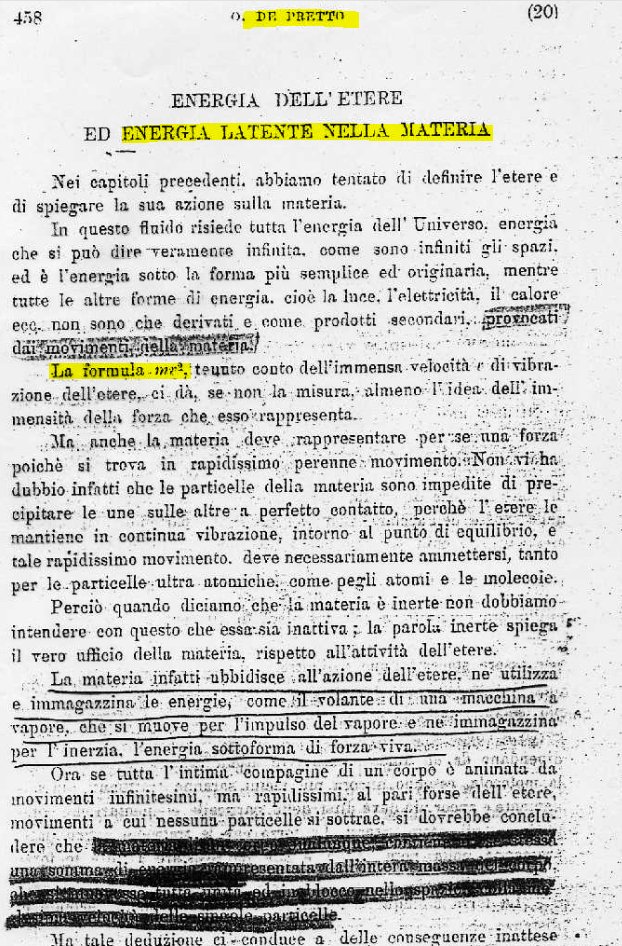
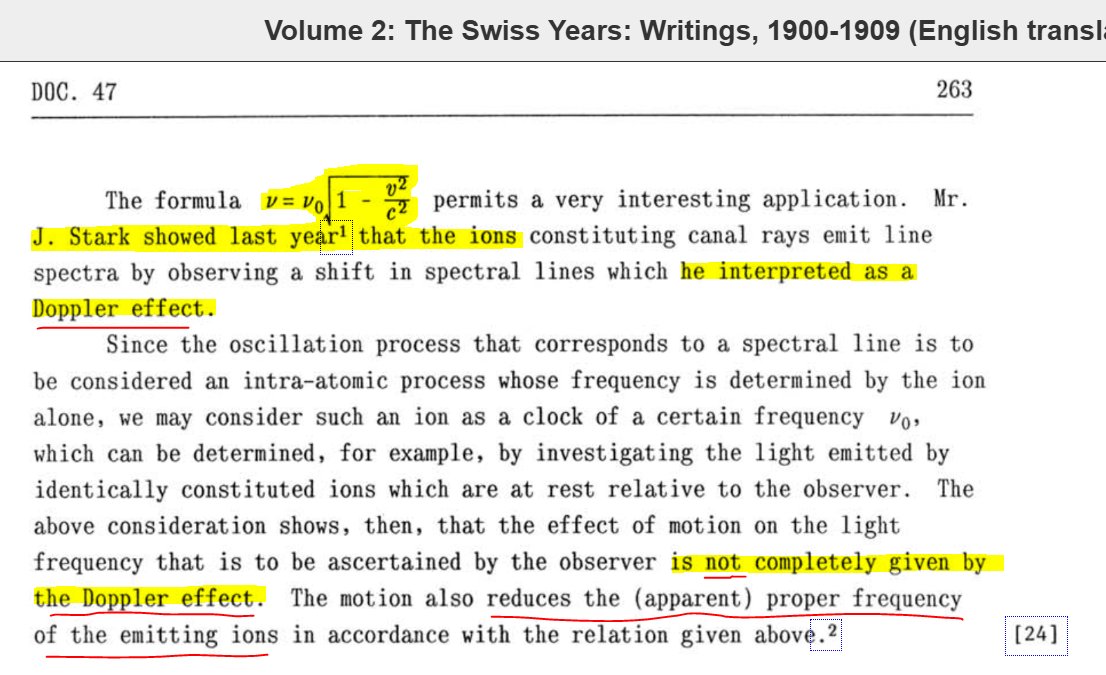
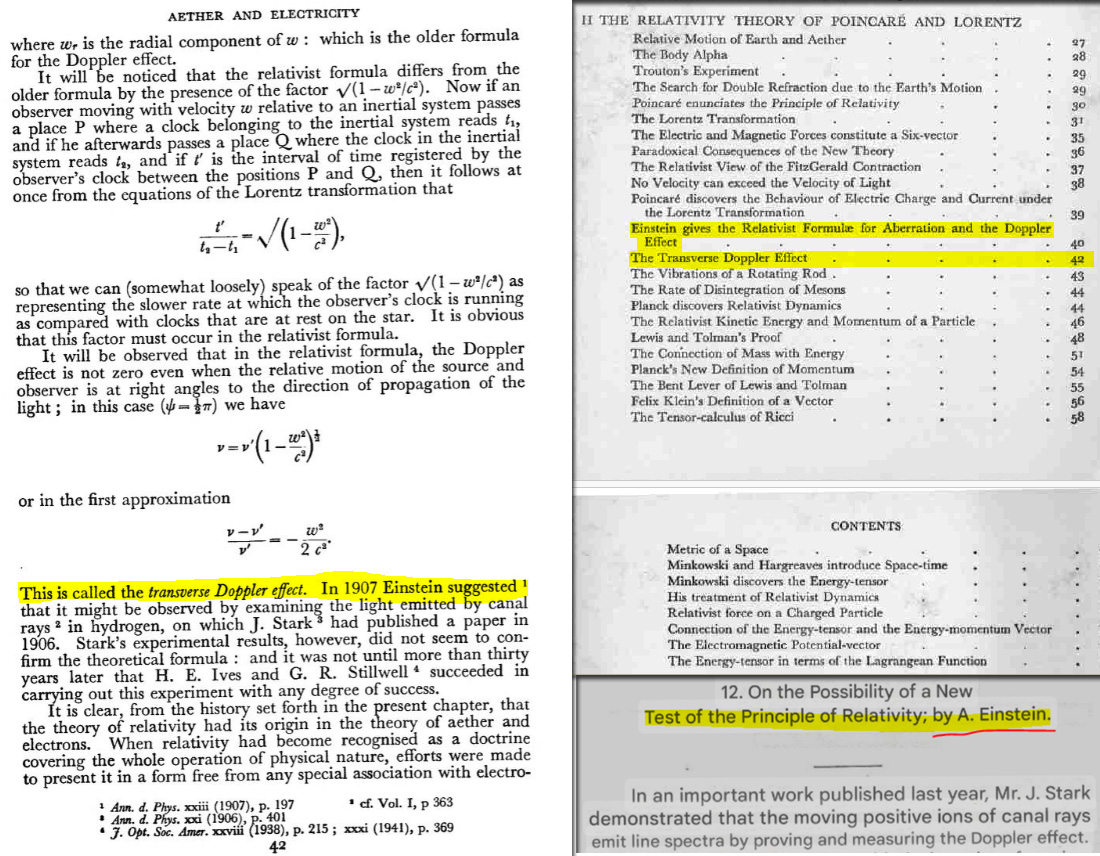
Einstein plagiarized, removed Voigt's wave medium, and fooled the world with a silly high school word problem that self-contradicts.
Einstein stole Voigt's transverse Doppler Effect discovery.
The world of physics got played.
English

@Its_BS @atulit_gaur They all had sources.
The ancestors of the Sumerians were superhumans, and they thought humanity a whole lot before they became indistinguishably admixed with us mere mortals.
They all did great jobs with thought experiments, but they had inciting sources.
English

I am not even a physicist and I am shaking
because do you ACTUALLY understand what einstein fucking did?
most people for the life them can't fucking grasp the feat he achieved
he imagined the entire universe in his head with nothing to go on and came up with a theory so CONCERTE no one has been able to disprove it
Martin Bauer@martinmbauer
If this doesn’t give you goosebumps you’re not a physicist
English
Re: "let's just assume it's something with a perciebvable mass."
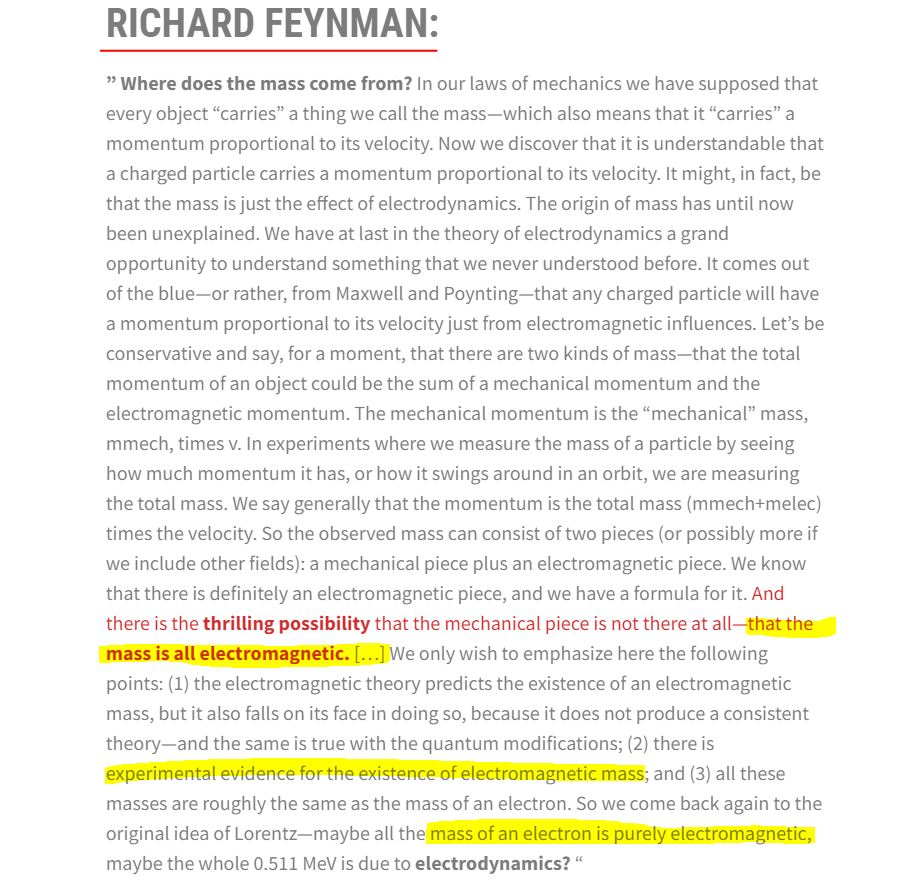
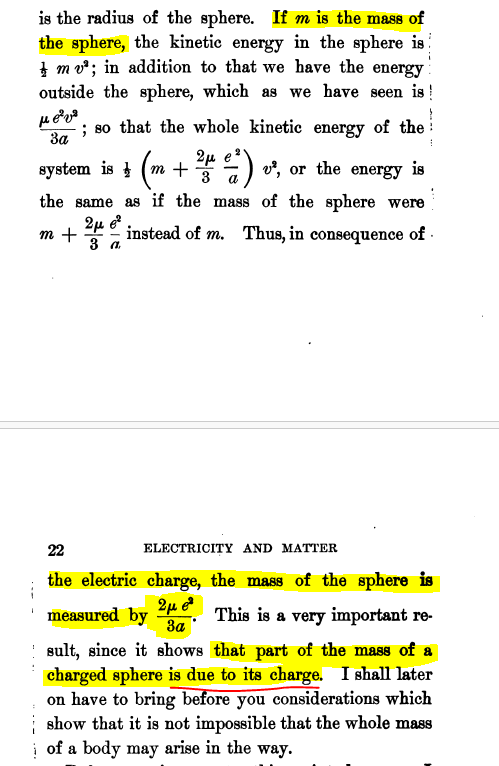
There is electromagnetic mass and physical mass.
That is a problem. We have no true definition of what is matter and what is electricity.
Re: "when a continuous electromagnetic wave interacts with those material detectors, not because the EM field itself is made of discrete photons."
Yes, this seems very classical/analog like in definition.
English

I'm not saying it's not it's not debatable. Yes i know there is still debate whether electron are "physical". But i'm not getting into that, let's just assume it's something with a perciebvable mass. The key claim is that quantization emerges statistically at material thresholds (work functions, bandgaps, etc.) when a continuous electromagnetic wave interacts with those material detectors, not because the EM field itself is made of discrete photons.
English
@Stoic_David Re: "atoms, electrons (physical entity)"
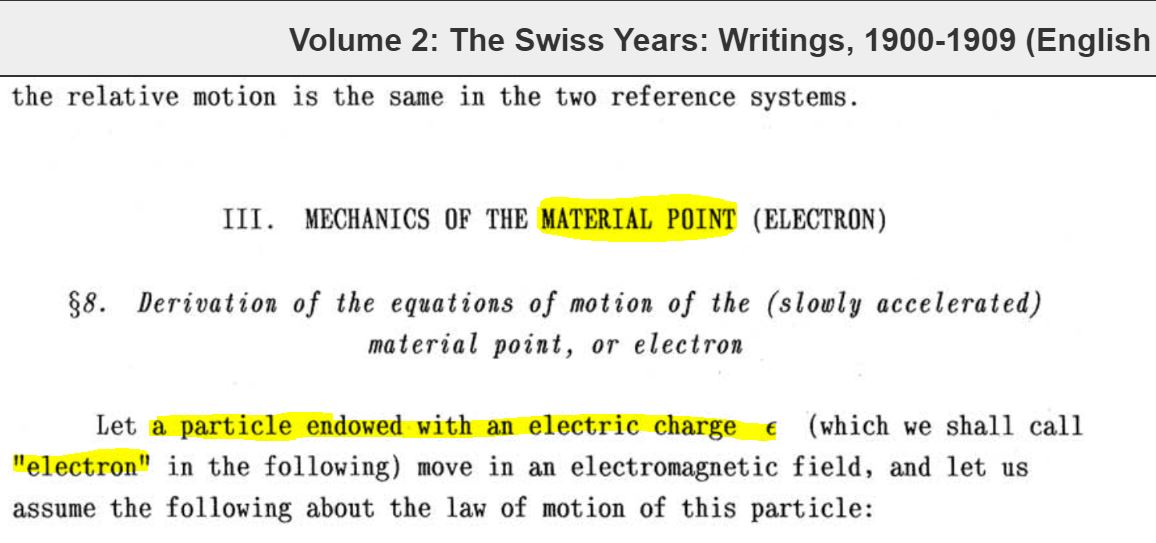
Just picking electrons... they are negative charge...so that would mean electricity is a physical entity?
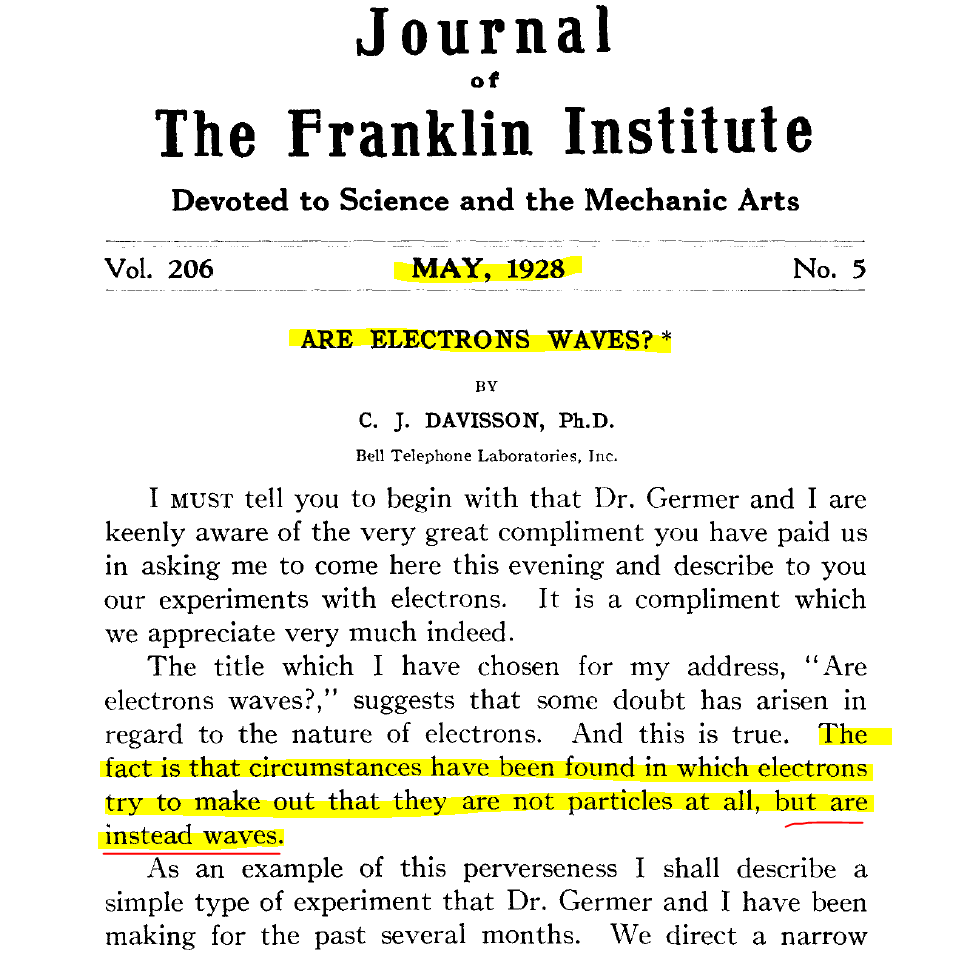
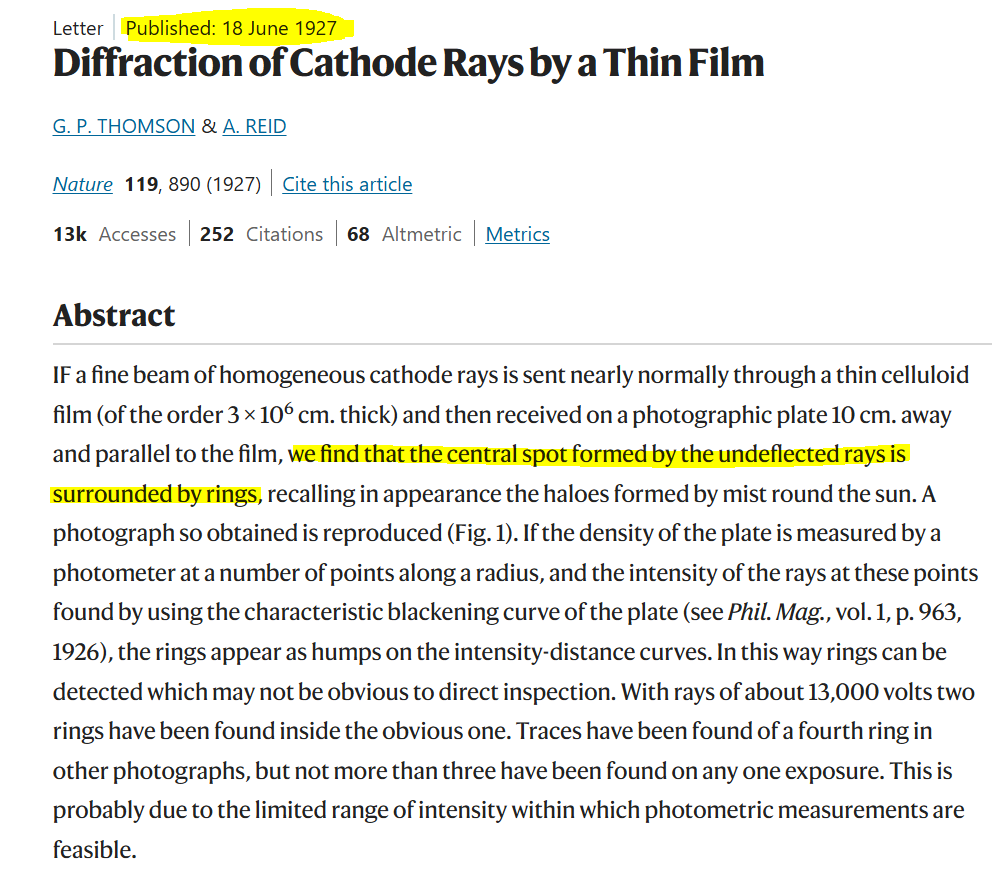
The idea of "electron" as a material point would not explain diffraction in experiments.

English
@Its_BS Material = atoms, electrons (physical entity). Quantization= discreet measurements of EM.
English
@Stoic_David Re: "Quantization happen at material interaction."
What is "quantization" or what is quantized?
What is the definition of "material"?
English
@Its_BS Quantization happen at material interaction. It's that simple.
English
@PhysInHistory Quantum Mechanics is 100% illogical and self-contradictive. Anyone can see it:
x.com/Its_BS/status/…
ItsBS@Its_BS
Quantum Mechanics is a massive illogical lie that has convinced the world Quantum particles BOTH collide and superpose with each other! The "measurement problem" is really a basic logic problem, because it is a "detector" that makes a wave turn into a particle!?!? 😂😂🤦♂️
English

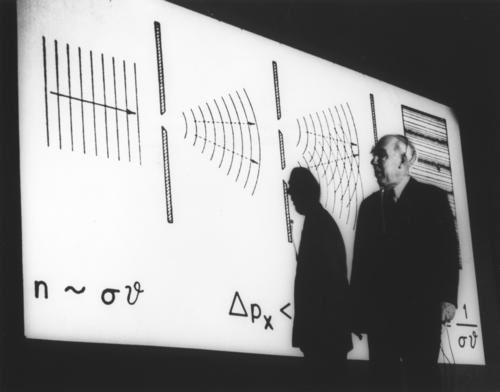
Everything we call real is made of things that cannot be regarded as real.
If quantum mechanics hasn't profoundly shocked you, you haven't understood it yet.
- Niels Bohr
English


I got emails from Amazon saying they needed to confirm my identity or they would close my KDP publishing account. Smelled like a phish so I ignored the emails. They have now closed my account and pulled my books. How are we supposed to negotiate this pig-fucking digital world?
English
@germanophile @PhysInHistory Re: "You’re assuming collapse is a physical signal with a speed."
No, I am saying it is INSTANT!
I'm asking if it isn't INSTANT, then what is it?
Re: "Asking for the ‘speed of collapse’ is like asking for the speed of a Bayesian update"
No - if no speed, then INSTANT!
English

@Its_BS @PhysInHistory You’re assuming collapse is a physical signal with a speed. EPR contains no collapse dynamics at all. Asking for the ‘speed of collapse’ is like asking for the speed of a Bayesian update; the concept simply doesn’t apply. You’re importing a mechanical ontology into QM theory.
English
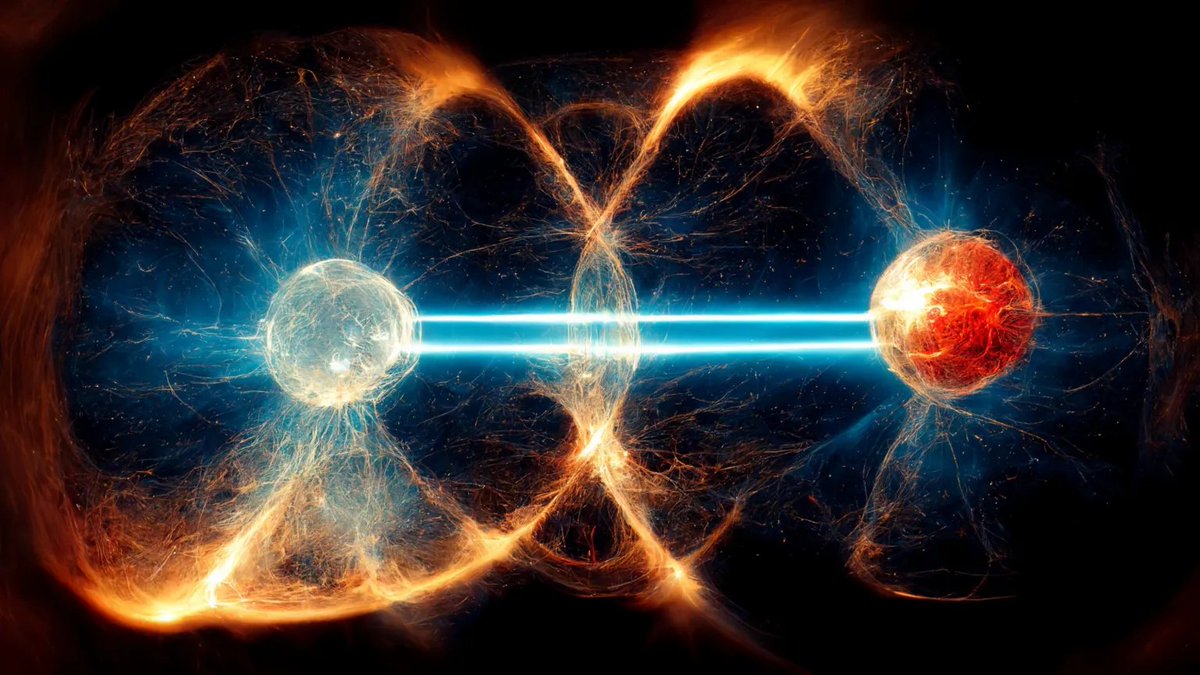
Quantum entanglement is a phenomenon where two or more particles become correlated in such a way that the state of one instantly influences the state of the other, regardless of the distance between them.
It challenges classical notions of locality and lies at the heart of quantum information science.
English
@germanophile @PhysInHistory Re: "Collapse has a speed"
Logic would dictate that if it doesn't have a speed, then it is INSTANT! There is no speed for the wavefunction collapse in the math!
You just believe in pseudoscience and are stuck in fantasy physics.
Re: "EPR contains collapse dynamics"
What?!?
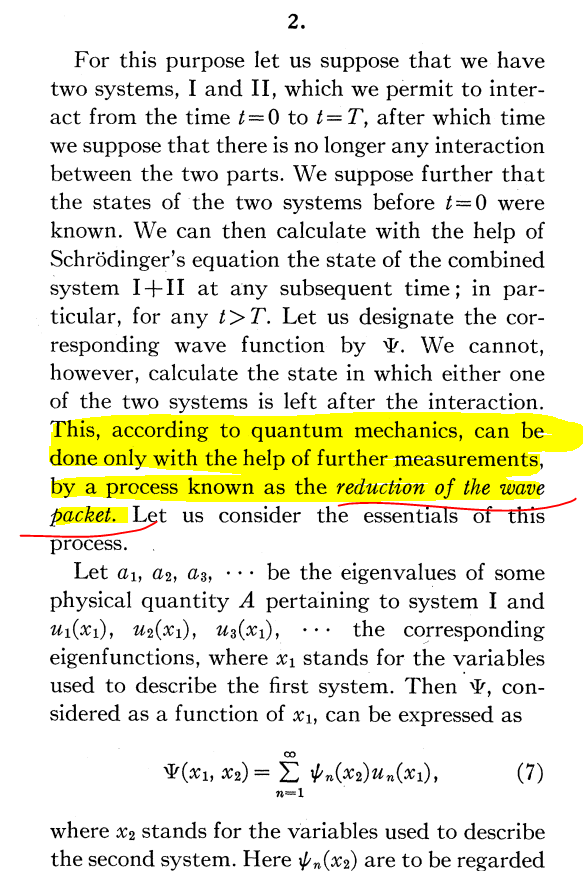
English
@Its_BS @PhysInHistory Your question presupposes that:
Collapse is a physical process in spacetime
Collapse has a speed
EPR contains collapse dynamics
Entanglement correlations require efficient causal influence
All four assumptions are false.
This is folk‑mechanical “instant action at a distance”
English
@germanophile @PhysInHistory QM is illogical and self-conflictive, inconsistent.
You can't even answer the simple question of "how fast does the wavefunction collapse occur" in the EPR that shows the self-conflict with QM?
x.com/Its_BS/status/…
ItsBS@Its_BS
Quantum Mechanics is a massive illogical lie that has convinced the world Quantum particles BOTH collide and superpose with each other! The "measurement problem" is really a basic logic problem, because it is a "detector" that makes a wave turn into a particle!?!? 😂😂🤦♂️
English
@Its_BS @PhysInHistory QM is about:
states, probabilities, correlations, constraints, information
Not:
pushes, pulls, signals, forces, mechanical influences
Entanglement is information that cannot be assigned to subsystems independently.
This dissolves the paradox.
English