

RITESH JAIN
1.3K posts
RITESH JAIN
@JAINREITESH
Stop putting your perception to world using twitter
Katılım Haziran 2010
79 Takip Edilen41 Takipçiler

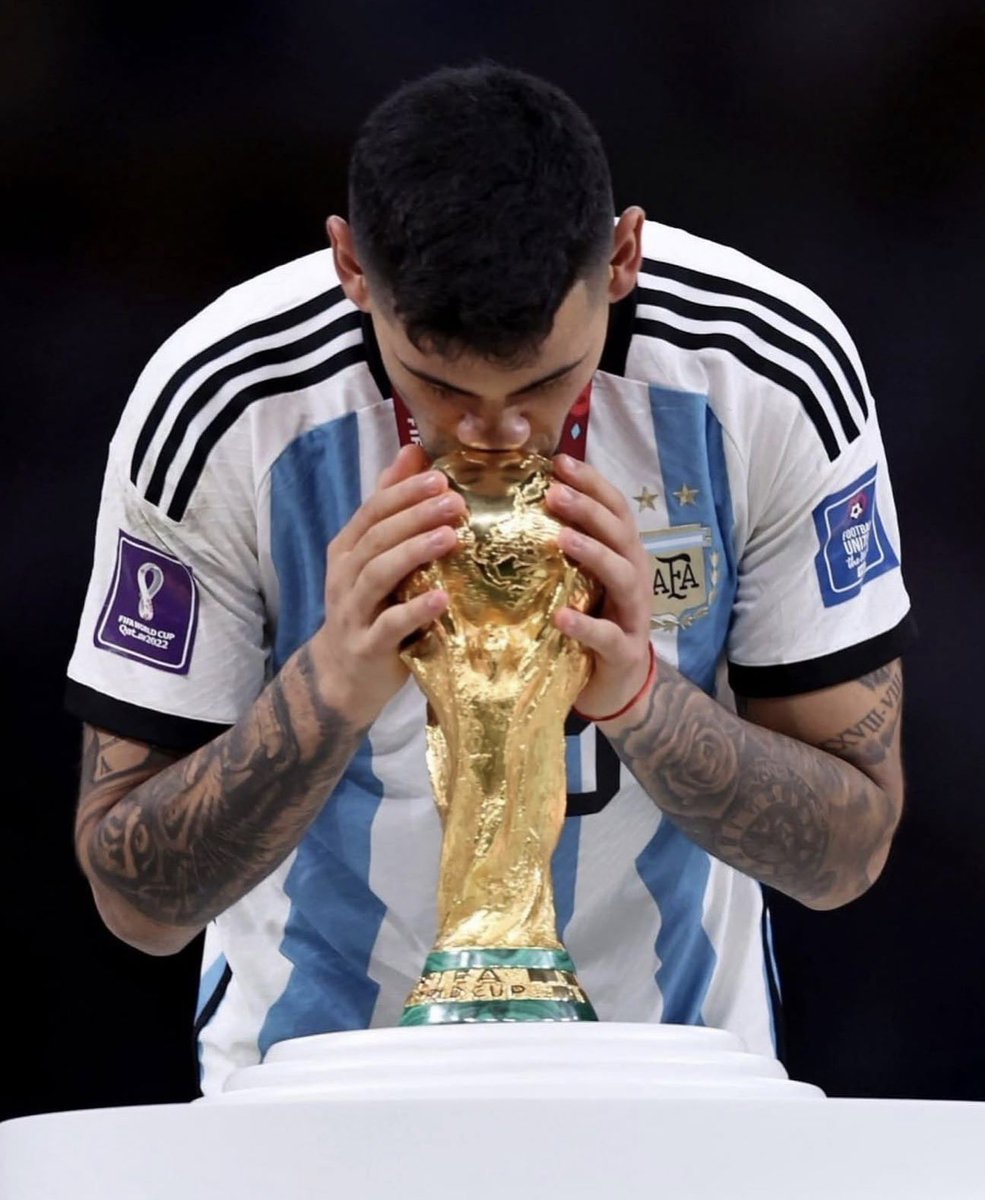
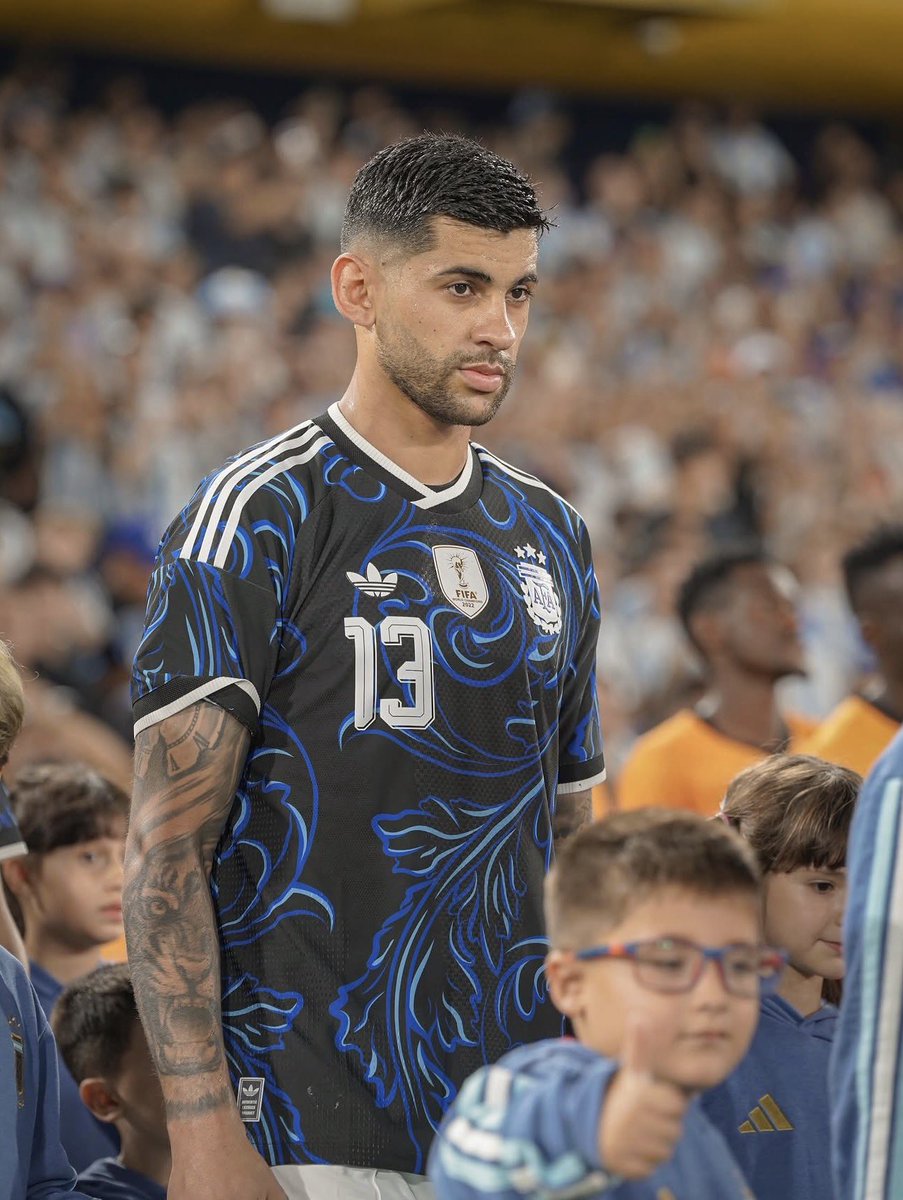
In the Scaloni era, for me, Cristian Romero has been the most important player of the team after Leo Messi and Dibu Martínez, so whatever chance Argentina has to win the World Cup, that will not be possible without him.
All we can do is pray that his injury is not serious 🤲
English
@DoorDash_Help I did DM
And I feel your customer service team need serious training on how to talk
Bunch of arrogant people running support
English

@JAINREITESH Our goal is to always provide the right kind of assistance, and we’re sorry that didn’t happen this time. Please DM us with your email, phone #, and more details on the issue you're facing so we can dive into this more together?
-Lucy
English
@DoorDash_Help @DoorDash what a bunch of morons you have in your chat support
This guy name nitin payal , ended chat without providing solution
Is this what you do at support ?
Highly unprofessional weird behaviour

English
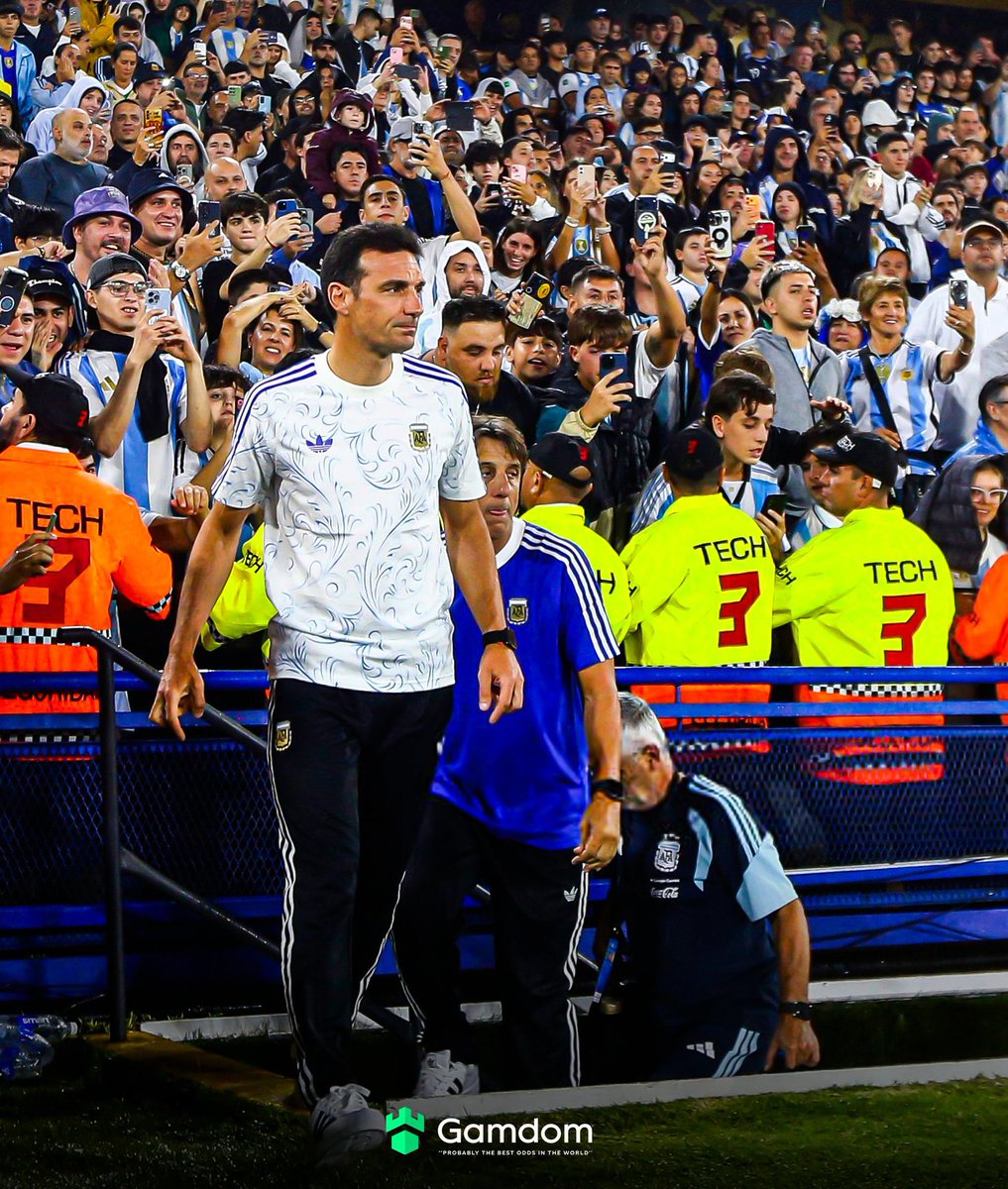
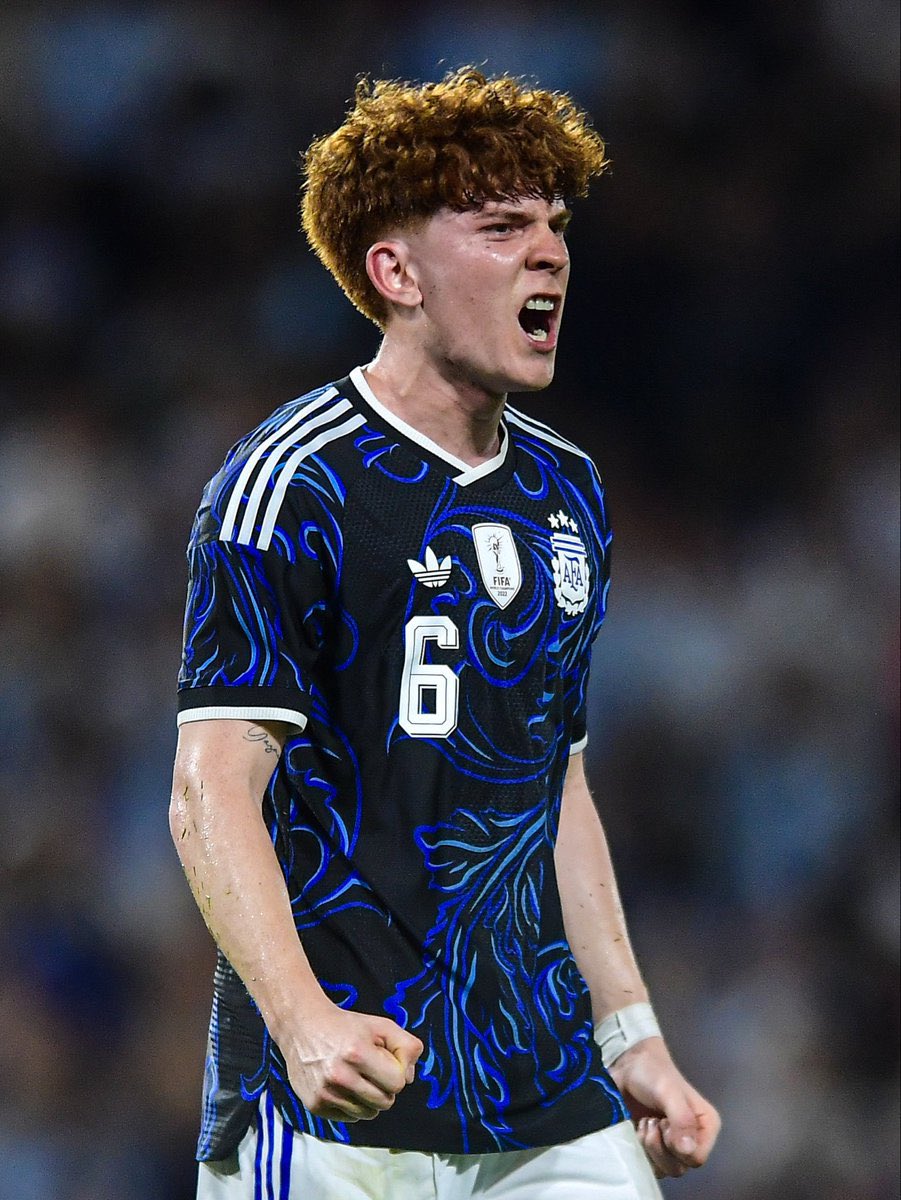
🚨 From Colo Barco (90% guaranteed), Perrone, Lo Celso and Mastantuono, only two will go to the World Cup.
- And if Scaloni decides to take one less defender, something he’s considering it, then three of those four names would go.
- Martínez Quarta moved up into the race and Senesi dropped down the pecking order. @estebanedul 🇺🇸🏆
English
COLO BARCO WHAT A GOAL!!
The pass by Messi btw... 😂
English
@Pivot2Centre Same i did
And i always has mini pocket vaccum with me to clean each space
English
@AlbicelesteTalk Host in India
We have stadium with 100k capacity or more
English
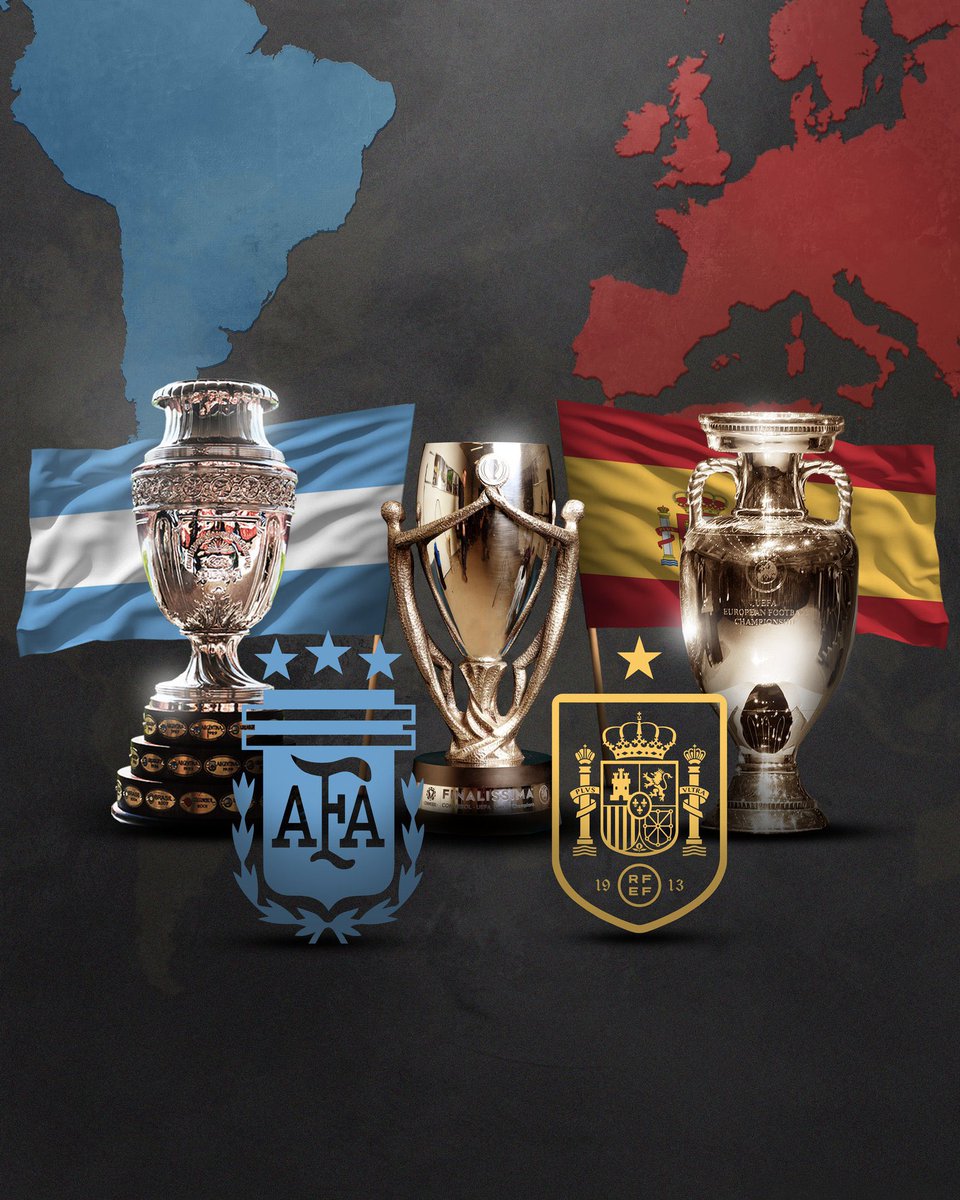
Where do you want the Finalissima to be played? Here’s a full and accurate summary of the current situation 👇
According to rumors, the venue for the Finalissima should be decided no later than tomorrow.
In the media, several options have been mentioned:
🇬🇧 London was named many times, but Wembley Stadium is not available because the England national team is playing there.
Another option was Tottenham Hotspur Stadium, but there is a rugby match scheduled for March 28, so that also looks unlikely. That leaves London Stadium (West Ham’s stadium) as the only realistic option, which makes London seem doubtful overall.
🇺🇸 Miami was considered but has reportedly been ruled out due to a tennis event. Other options mentioned were MetLife Stadium in New York and Houston.
However, it seems players prefer the match to be played in Europe due to travel time, and ticket sales would likely be stronger there as well.
🇪🇸 The Spanish federation (RFEF) proposed Spain as a host. The only realistic stadium would be Santiago Bernabéu Stadium.
Still, it feels unlikely that Argentina would agree to play in Spain.
🇲🇦 Diario AS reported this morning that Morocco is another potential option. However, The Independent claims Spain does not want to play in Morocco due to ongoing issues between the countries.
🇵🇹 🇮🇹 Portugal has also been mentioned as a possible host. Rome, specifically Stadio Olimpico, is another interesting option.
It will be very interesting to see what the final decision will be.

English
@braddy_Codie05 Wil spain play fifa wc ?
Its once in 4 year dont spoil the wc
English

"We're gonna cut off all trade with Spain, we don't want anything to do with Spain."
“We may put an embargo on Spain”
-U.S President Donald Trump.
U.S President Donald Trump has threatened to cut off all Trade with Spain and put an Embargo on Spain. Spain Refused to take part in the Joint Military Campaign Against Iran and refused to Deploy It’s Air Assets, Equipments and Manpower to Support the Military Operations Spearheaded by U.S.
English
@viseanary @AlbicelesteTalk Its not average most of team are in same level
So its competitive
English

I get more excited to watch an average meaningless inter Miami game than I would for an average big 6 premier league clash. For this exact reason.
All About Argentina 🛎🇦🇷@AlbicelesteTalk
Watching Lionel Messi play is still the best thing in today’s robotic football. Every movement, every pass, every dribble, every run, every free kick, every shot, everything is still the same. He’s still the best player to watch in the world of football, and may this continue for a long period of time. Nothing and no one will ever be like him, and we should cherish him the most while he’s still playing.
English
🚨 JUST IN: London, Miami, Rome, Madrid and Paris are cities that have appeared as possible venues for the 'Finalissima'. It is being negotiated right now.
Both federations want to keep the Finalissima and it's not something that can be postponed because there are no dates after it. @RNEdeportes

English
@MichaelVaughan Why epl not buying russian player
You biased fucking racist mindset
English

The ECB need to act fast on this .. they own the league and this should not be allowed to happen .. the most inclusive sport in the country is not one that allows this to happen ..
Telegraph Cricket@TeleCricket
🚨 Pakistani cricketers will not be signed by the four Indian-owned Hundred franchises in next month’s auction, Telegraph Sport understands Find out more from @timwig ⬇️ telegraph.co.uk/cricket/2026/0…
English
@sanjaymanjrekar You start first
Dont commentary tweet or post anything related to thsi match
Clean yourself first mr manjrekar
English

This ‘no shaking hands’ is such a silly thing that India has started. It’s unbecoming of a nation like ours. Either play properly within the spirit of the game or don’t play at all.
English
@_sabanaqvi Because of you 18 % have to provw their loyalty again and again
You people are culprit for rift between hindu muslim
You , @sagarikaghose @sardesairajdeep is enough to create this rift
With many other
Just for money .. shame on you
English

The real Dhurandhar pleads guilty …
Saba Naqvi@_sabanaqvi
Another matter of embarrassment and shame coming out of the US. This is an Indian being accused of ordering a murder of US citizen on foreign soil. Indian National Pleads Guilty To Plotting To Assassinate U.S. Citizen In New York City justice.gov/usao-sdny/pr/i…?
English

दुनिया में कहीं भी आतिथ्य उतना अच्छा नहीं है जितना भारत करता है। और मेरा मतलब है, कहीं नहीं! 🙏🏽
हिन्दी
@Pivot2Centre India-U.S negotiating Deal for 6
P-8I Anti-submarine warfare Aircraft for $3 billion.
English

Poseidons are coming!
Easily the best in class and something the Navy really needs in 3x of current fleet.
Ajit Kumar Dubey@ajitkdubey
After the big Trade deal between PM Modi n Prez Trump, India and US moving towards big defence deal. Eye on @ani
English
@ani_digital @ANI Mumbai is not maharasthra
What about other parts ?
Pune doesn have roads , air , and worst traffic in Jndja
English

"Will completely transform Mumbai's air, water quality, and liveability," says Devendra Fadnavis
Read @ANI Story | aninews.in/news/national/…
#Mumbai #Fadnavis #Davos2026

English
@avarakai He is so despearate to copy modi
Anyway one more year max of him
English


@dhanesh500 Most millionaires are from custom
Most CORRUPT may ve
English

Name 1 organisation of India
which is not Corrupt.
I will start with "Customs"
English
@niks_1985 Whole India has same problem
Poor want to be poor
And because of this 30 % who deserve good life suffer
Indian poor are poor by wealth , by mental health
They never want to improve
English