Jayanta RoyChowdhury
558 posts

Jayanta RoyChowdhury
@JRoy_1978
Journalist


I have been following the GTRE/ Kaveri Engine discussions intently. Before we go further, remember the Indian Air Force officer who started this journey: Air Vice Marshal Sailendra Nath Roy Chaudhury. Because he built the starting line. (1/25) #IAFHistory


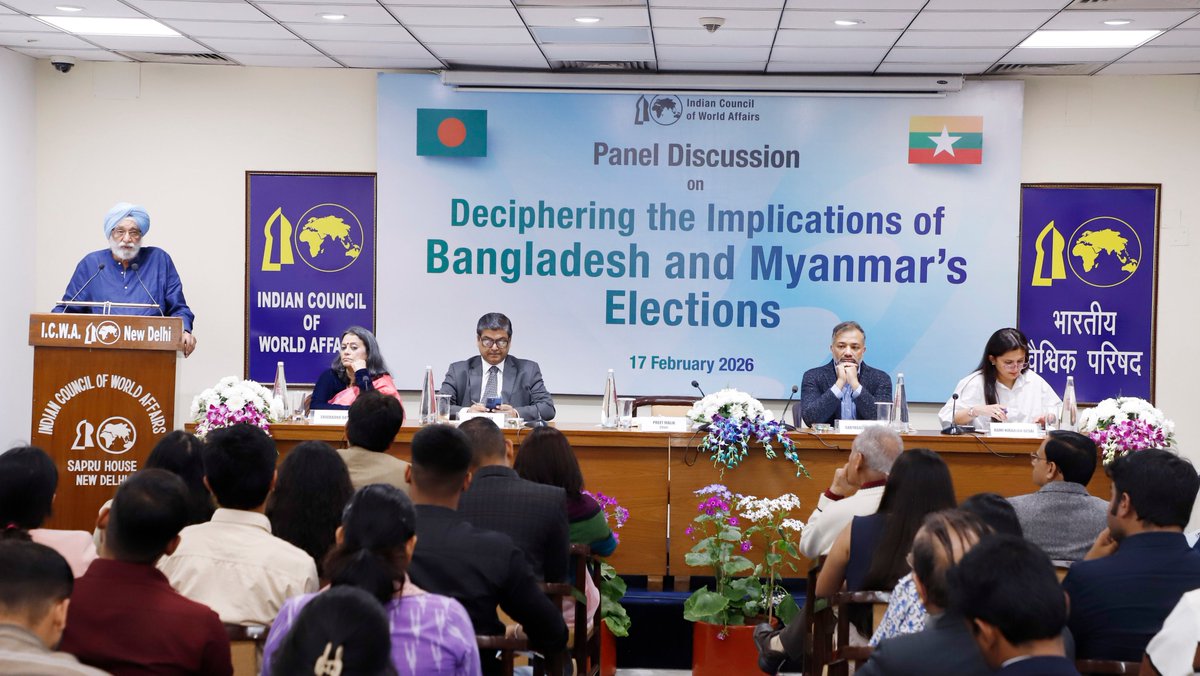
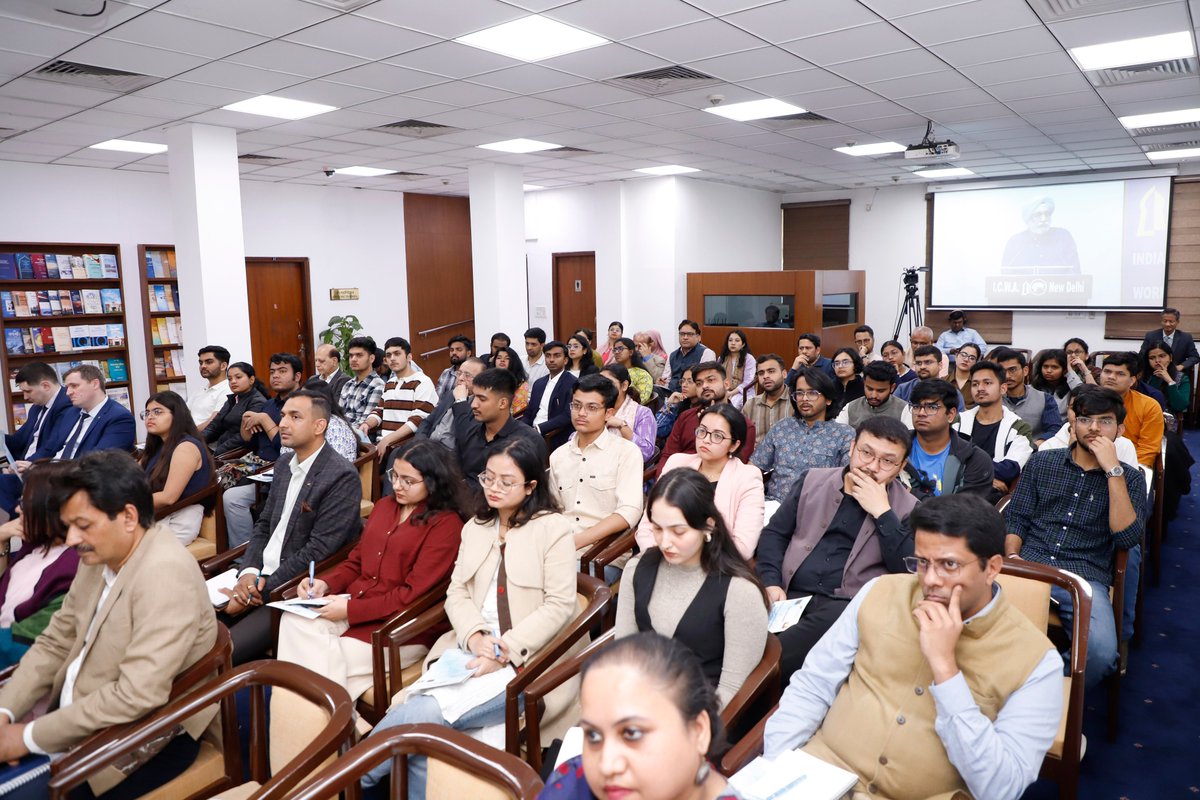
📢 Event Alert! 🗓️ 17 February 2026 #ICWA will host a Panel Discussion on “Deciphering the Implications of Bangladesh and Myanmar’s Elections” on 17 February 2026 at 1530 hrs IST at #SapruHouse. The discussion will be chaired by Amb. Preet Malik, Former Ambassador of India to Myanmar @IndiainMyanmar. Dr. Sreeradha Datta @SreeradhaDatta, Professor, Jindal School of International Affairs @JSIAJindal, O.P. Jindal Global University @JindalGlobalUNI, Sonipat; Mr. Jayanta Roy Chowdhury @JRoy_1978, Editor, United News of India; Ms. Rami Niranjan Desai @ramindesai, Distinguished Fellow, India Foundation @indfoundation; Mr. Sabyasachi Dutta, Executive Director, Asian Confluence @AsianConfluence will be the panelists. Details 👉 bit.ly/4anUv7t


While India recently celebrated its tariffs to US dropping to 18%, a pact b/w U.S. & Bangladesh has thrown a wrench into the works ? ! 10 quick points. Bolded some points 👇 1. While India got 18% tariff from US & it (rightly) felt like a massive win for Indian exporters - it looks like it set a floor that US is now using as a bargaining chip with others. 2. Last evening, US & Bangladesh signed a Agreement on Reciprocal Trade - similar to ours. While Bangladesh’s base reciprocal tariff will be 19% (slightly higher than India's 18%).. the fineprint has a 'zero-duty'clause that India doesn't have. 3. Here is what is says -> "The United States commits to establish a mechanism that will allow for certain textile and apparel goods from Bangladesh to receive a zero reciprocal tariff rate". Basically if Bangladesh buys " U.S. produced cotton & man-made fiber textile inputs" it's garment exports into the U.S. get tariffed at 0% ! 4. Why does this matter for India ? Historically, Bangladesh has been a massive buyer of Indian yarn. If Bangladesh pivots to buying US cotton - they get the twin benefit of raw materials & 0% entry into the US. 5. India, China, Brazil. U.S. are the biggest cotton growers. China & India also have some of the largest spindle capacity in the world. 6. China cotton has been out because of the allegations of forced labour etc (Xinjiang cotton). So Indian cotton was dominant here - and as I said we/India also has some of the largest spinning capacity in the world. 7. Fundamentally, India is already struggling to match Bangladesh’s competitiveness in the garment sector due to their lower labor costs & big scale. If Bangladesh now gets a 0% tariff while India stays stuck at 18%, the price gap is quite big. 8. By the way, Bangladesh has committed to 'protect internationally recognized labor rights' & 'adopt high levels of environmental protection'. By aligning with US regulatory standards, they are removing the 'ethical/quality' shield that Indian exporters (sometimes) have used to justify higher prices. 9. Our textile hubs like Tirupur, Surat etc are now not just fighting against a plain competitor anymore - they are fighting a US-Bangladesh supply chain pact (Maybe Iam exaggerate here to make a point) 10. As the management of Pearl Global told us this morning - prima-facie - it looks like the advantage for Bangladesh continues. What else ? Thoughts welcome ! #GIFTNIFTY #Nifty #BankNifty #Trump #Modi #TradeDeal #Cotton #Apparel #Garments #Textiles #China #Yunus