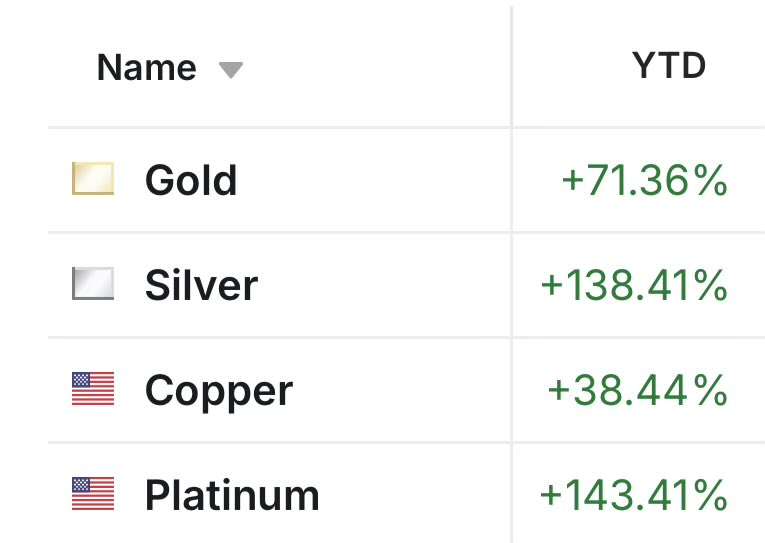
起床冲土狗了
3.2K posts


@terrenz1972 This isn't a stock for the faint of heart.
I've seen it go from 3 to 6, from 6 to 2, and from 2 to 9.
But without a doubt, the $CBRS deal has massively validated this company.
English
99% agree with Agrippa.
He's one of the most prominent figures at $IREN.
In this post he nails exactly what Dan says in his tweet.
The 1% I don't agree on is precisely that $DGXX is doing the same thing.
"is the fact that they are the ONLY provider that's 100% vertically integrated."
Obviously on a much smaller scale.
That's why I completely undersant him, not including it.
But that's exactly what tells you we're early.
It's not being included in anywhere.
With a market cap of ~$764M (fully diluted at $7.8), they control their own energy (generation too).
Not only that, but they're even considering bypassing the grid altogether, that's where their New York datacenter comes in, with ~140MW currently available and plans to expand, even with nuclear power through $NNE.
They've hired two people, Venkat and Jagan, who are true experts in this field, with extensive experience, including senior positions at Oracle.
The ~70MW they have in Alabama, practically sold out.
Only 9MW left.
They're eyeing a 1.3GW coal power plant in West Virginia.
They've done a 40MW deal with Cerebras, a company with solid upside.
This deal is worth $1.1B over 10 years, easily expandable to $2.4B.
On top of that, they've done a 0.8MW GPUaaS deal with SubQ AI through Neocloudz. $19.6M over two years.
@subquadratic's impact is so big that they'll probably end up buying the remaining 9.2MW of GPUaaS.
Neocloudz is their cloud platform.
They're at a pretty early stage compared to the others.
But that's exactly what makes it attractive.
Disclaimer: I own both. IREN and DGXX make up like 90% of my portfolio right now as I write this, with IREN being my biggest position. NFA.
𝐀𝐠𝐫𝐢𝐩𝐩𝐚 𝐈𝐧𝐯𝐞𝐬𝐭𝐦𝐞𝐧𝐭𝐬@Agrippa_Inv
My take on @danroberts0101 new post $IREN Co-CEO just dropped a beautifully written thread on the company's compounding competitive advantages. Seriously, a must read for every $IREN investor or folks who are on the fence. My highlights: - Dan confirmed that the 60 MW cloud contract with $NVDA is in fact measured in 'gross' MW, not IT. That was already obvious to me based on the earnings call material, however, it's great to get definitive confirmation. The implications of this is ENORMOUS. The $NVDA contract has incredible economics, something I've analyzed extensively in my upcoming $IREN deep dive (released in a couple of days on Substack). - Dan firing shots at the likes of $NBIS & $CRWV: "And the asset-light neocloud trying to compete by renting capacity is discovering that sites were locked up years ago, and the operators utilizing them aren’t subletting. By the time new entrants solve for land, power and permitting, IREN will have gigawatts online, execution track record, and customer relationships that took years to build. That gap doesn’t close. It compounds." This is by far my favorite quote coming out of Dan. Eventually, everyone will realize that the real advantage $IREN has over the rest of the neo-cloud sector, is the fact that they are the only provider that's 100% vertically integrated. They don't have to deal with any land-lords. They don't have to pay billions to $BE to secure fuel cells in a desperate attempt to salvage a project that is tied to a large customer contract. $IREN is in control of its own destiny, and eventually that will show up in the bottom line (profits). The “asset-light” model never works in an infrastructure-heavy industry. It works for hardware, when you are the high-margin designer and outsource the manufacturing process to a specialized entity. But it doesn’t work when the infrastructure itself is the product. In cloud, the value is not just in having access to GPUs. The value is in controlling the full stack, which mostly consists of physical infrastructure. If you outsource all of that to colocation partners, you are not building an AI factory. You are renting someone else’s factory, layering a spread on top, and hoping the economics still work after the landlord, the power provider, the OEM, and the lender have all taken their share. That model can look attractive in the early innings because it allows rapid capacity announcements without heavy upfront CapEx. But structurally, it leaves the operator with the worst part of the value chain. I'm really looking forward to comparing the net income lines between $IREN, $CRWV, and $NBIS a few years from now. I wouldn't be surprised if two out of the three remain unprofitable by then. - I really enjoyed Dan's section about becoming a global cloud provider. He did a great job in explaining the importance of being locally present in the markets you want to source customers from. Not just due to local proximity for inference, but also due to compliance & sovereignty. These were my highlights, I'll let you discover the other gems yourself. This is easily Dan's best post and I think it does a lot in terms of IR, especially as it's coming from him; the co-founder and co-CEO of $IREN. As mentioned earlier, very soon I'll be releasing a new deep dive on $IREN. It goes deep into the implications of the $NVDA partnership and Mirantis acquisition, including a bunch of different topics worth exploring. So far, the report is 30 pages long (including graphs / images) and I'm in the process of finalizing it. Honestly, one of my best deep dives to date. I know I'm saying that for each release, but the depth and quality of our work is undoubtedly increasing. Can't wait to publish it. Cheers guys! ✌️
English
起床冲土狗了 retweetledi

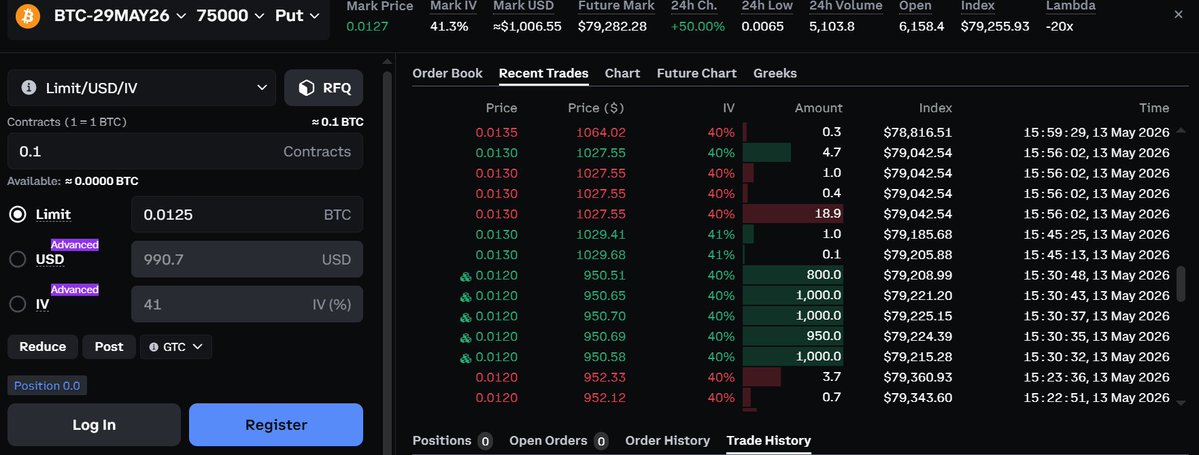
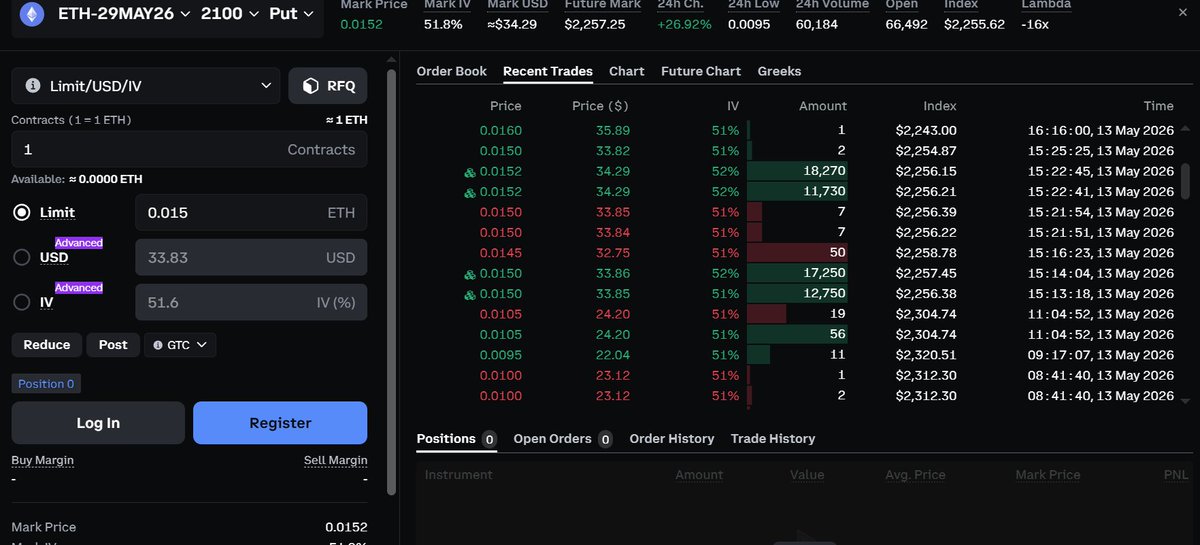
起床冲土狗了 retweetledi

苹果IOS的推送出问题了 刚解决
这几天没信息弹窗和推送总觉得怪怪的,搜了一下才发现挺多人都收不到信息
去小火箭设置了一下马上就收到了弹窗信息
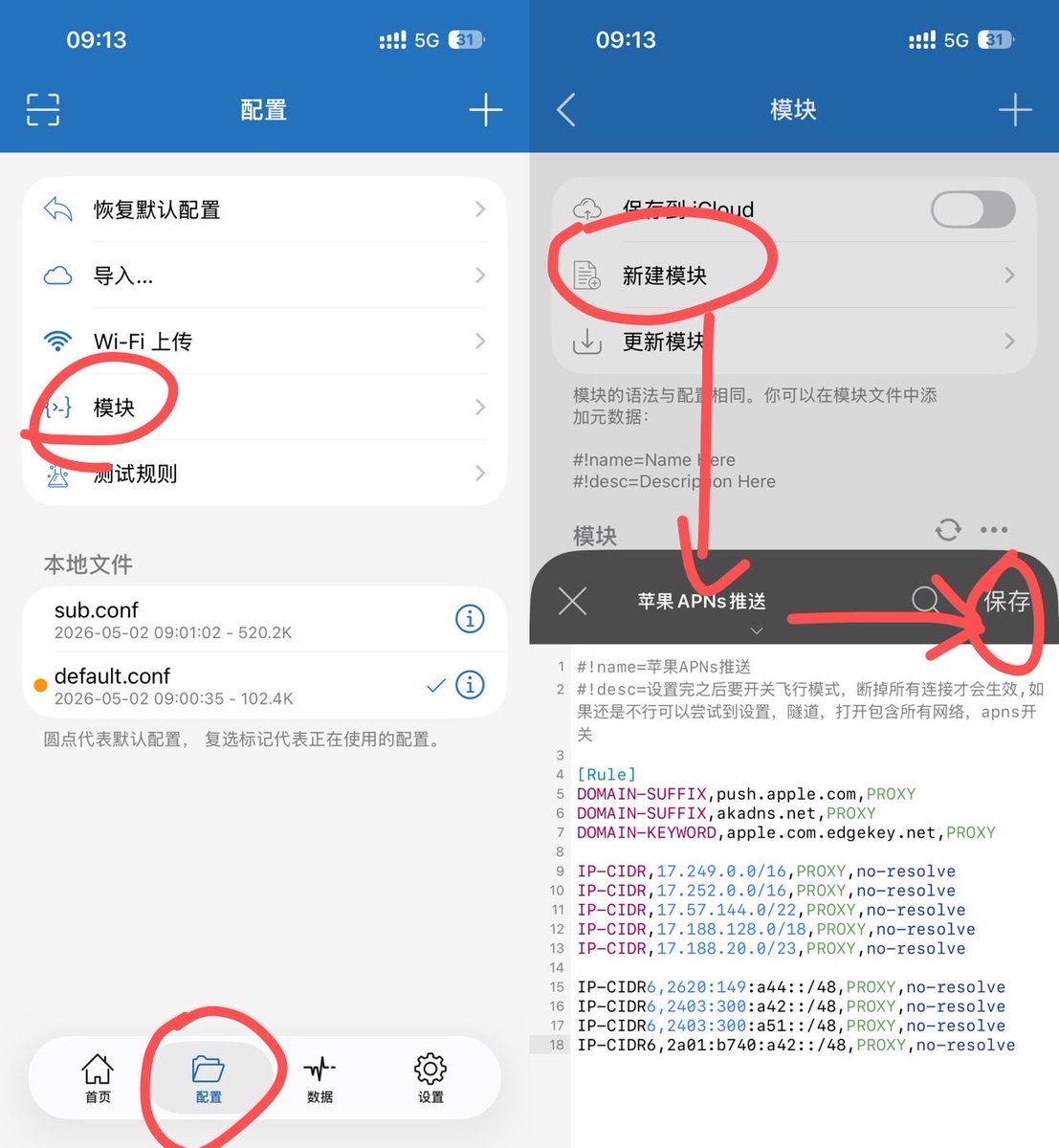
1️⃣先加一个模块:
raw.githubusercontent.com/ttyyss2233/Too…
打开复制进去就行
2️⃣打开隧道里的APNs 我全都开了
3️⃣关闭Vpn 打开飞行模式 过一分钟重新打开,完成就能收到推送了
链接内容来源:感谢 @Ai_JasonX
美滋滋 不知道后面什么时候会修复,我18.5的备用机都收不到消息…反正没那么夸张到要去换外版手机,自己设置一下就好了
(小火箭要是很久没更新了没隧道那个功能,得删掉后用共享ID重新下载一个,或者用之前的ID更新一下)
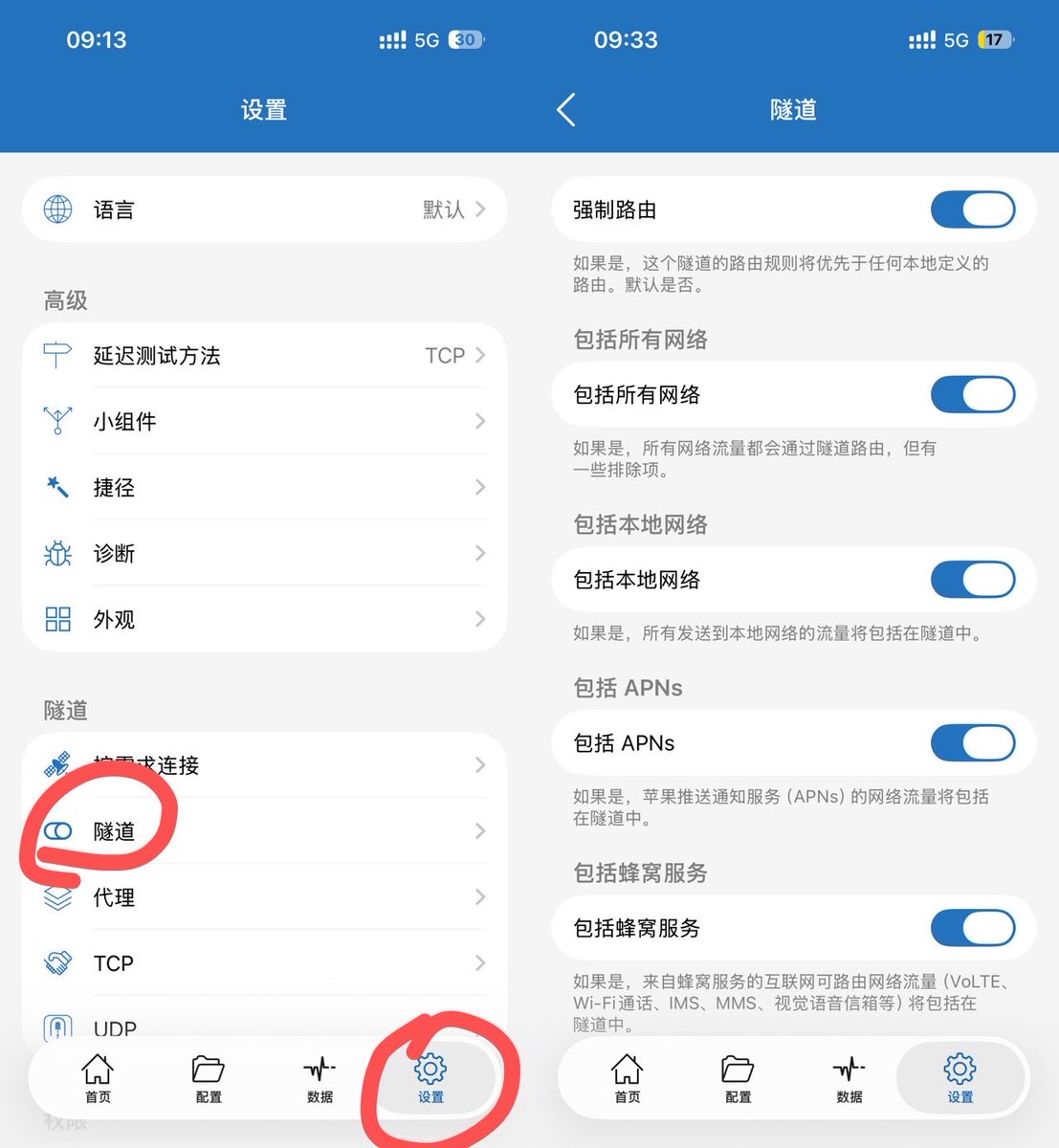

中文
起床冲土狗了 retweetledi
起床冲土狗了 retweetledi

起床冲土狗了 retweetledi

起床冲土狗了 retweetledi

有人为 Claude Code 提供了永久记忆功能,它在 48 小时内获得了 4.6 万颗星。单次会话的 Token 消耗减少了 95%。永不触及上下文限制。能够完全衔接你上次中断的地方。一键安装。完全免费。
中文
起床冲土狗了 retweetledi


起床冲土狗了 retweetledi

起床冲土狗了 retweetledi

起床冲土狗了 retweetledi

起床冲土狗了 retweetledi

发布一个自用的 CC 订阅站,搭了一下代理,Claude 运行在美国家宽下,国内直连,再也不怕 Claude 封号了
需要 Claude Code 订阅的可以直接冲,直连官方模型,非中转,额度等效 Claude 官方,稳定不封号,可接入龙虾 🦞
账号不多,首批只有少量席位开放
fusecode.cc/?aa
中文
起床冲土狗了 retweetledi

今天玩了一天openclaw
然后后面提示api限速
才发现订阅的openclaw我用的是gemini
一天300港币
没能走到对岸
这gas费亏的稀里糊涂
33dao的sun老师说有更好的解决方案
千万不要用api,kuigas会亏死去
他建议的方案是
1、大模型claude》gpt〉gemini》其他
2.一定要用顶配、当前最好的是opus4.6,200美刀一个月
3.要用代理,比较好的方案使用sub2api,搞个云vps,实现中转,我研究一下午册那。
github去找sub2api
4.我发现notion也可以自建代理,真好用。
5.有最新的组合可以实现全自动撸毛,chrome146等各种骚操作
超级个体的意思是
没有什么,不能干的!
没有困难可言
数字化作战系统
中文
起床冲土狗了 retweetledi

开源一个我自用的OpenClaw控制中心!
可以一个面板:
- 看哪些任务烧了多少 token(百分比)
- 看整个 OpenClaw 现在健不健康
- 看每个 Agent 现在在干嘛,有没有卡住
- 看每个 Agent 用的模型、目录、权限
- 直接查看和修改 Agent 的记忆,人设、任务文档
- 看定时任务和心跳任务有没有正常在跑
项目地址:github.com/TianyiDataScie…
中文
起床冲土狗了 retweetledi

起床冲土狗了 retweetledi

调教好一套 OpenClaw 要多久?配置、记忆、skill、定时任务,没个把星期出不来
现在有个 skill 可以一键复制这套东西:agent-pack-n-go
对 Agent 说「帮我克隆到新设备」,它通过 SSH 把所有东西搬过去。配置、记忆、凭证、定时任务、hosts 文件,全套。约 25 分钟,你只需要配一下 SSH,剩下不用动
能干三件事:
换新机器,旧的那套直接搬走,不用重新调教
工作室有多个成员要用,调教好一台,剩下的一键复制,人手一套
你懂怎么调教,别人不懂,帮人安装调教好的环境,收服务费,闲鱼开个店就行
传输走纯 SSH,不过任何云,数据不出自己的机器

中文
起床冲土狗了 retweetledi

起床冲土狗了 retweetledi

起床冲土狗了 retweetledi