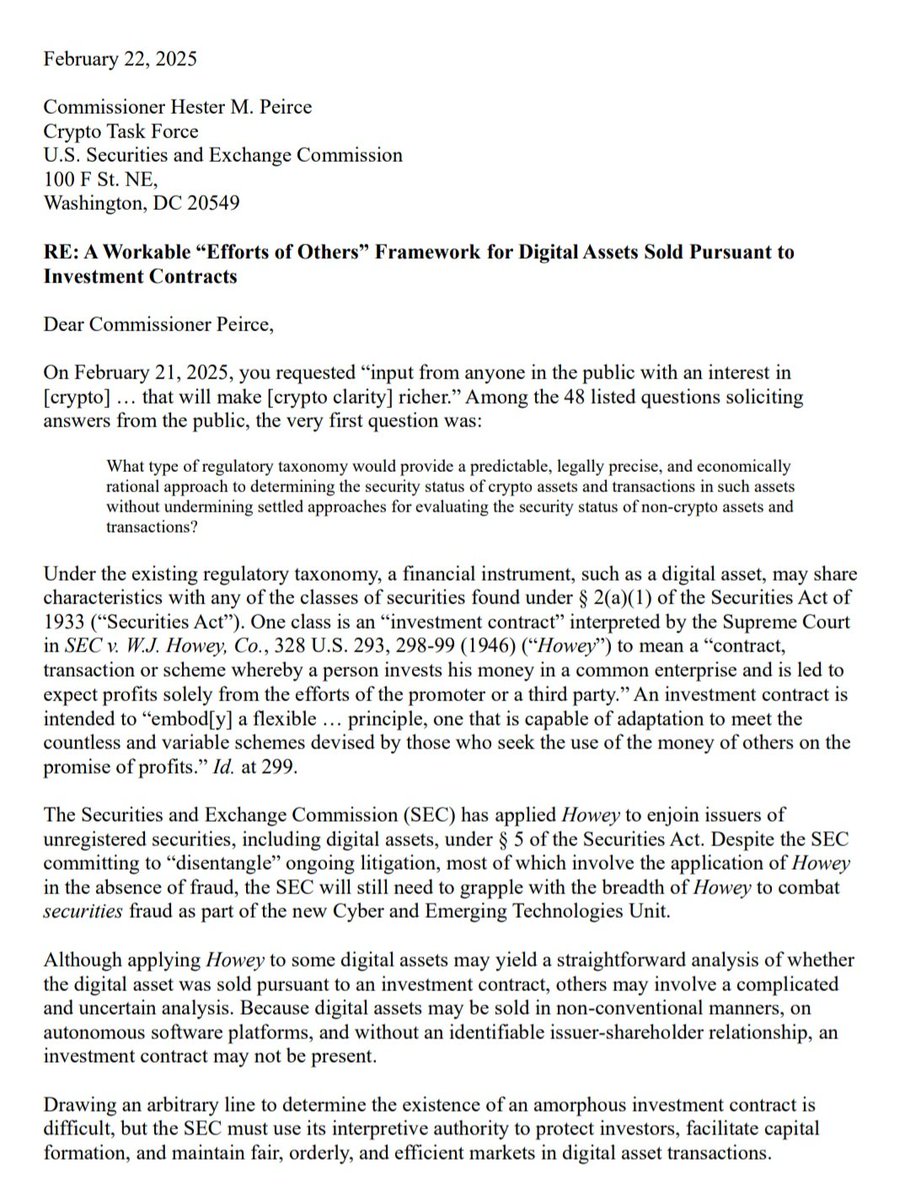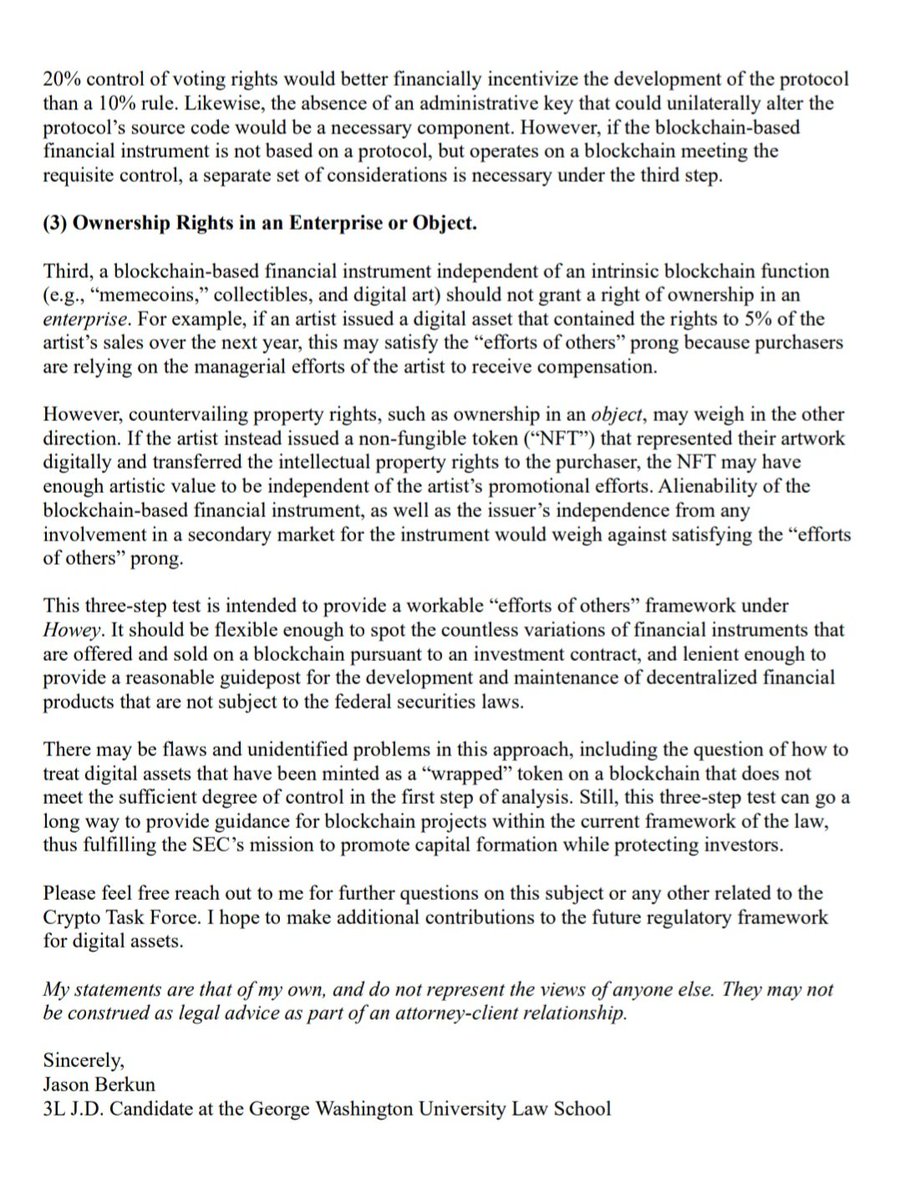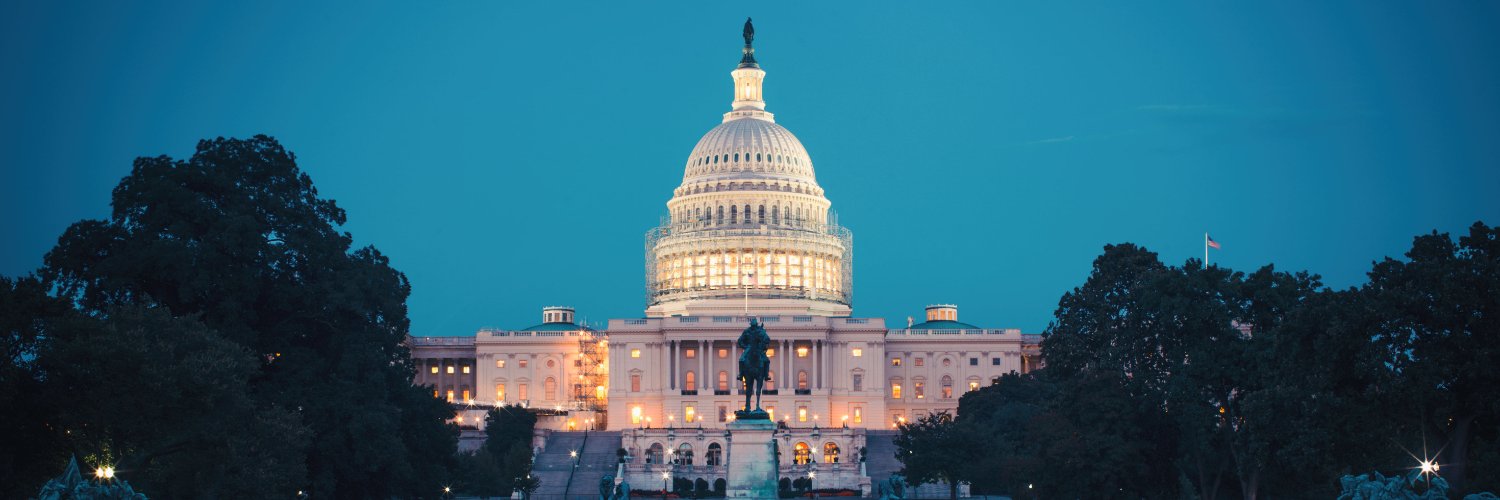


People have been telling me for years – “There's too much confusion. I can't get no relief.” We’re on a journey to fix that, but we need your help: sec.gov/newsroom/speec…
Jason Berkun
520 posts

@JasonBerkun
Attorney @CarltonFields


People have been telling me for years – “There's too much confusion. I can't get no relief.” We’re on a journey to fix that, but we need your help: sec.gov/newsroom/speec…


Thanks for sharing your thoughts. How do you think that ties to the definition of a securities exchange in particular? If you imagine you knew nothing about the actual exchanges out there, and you read the Securities Exchange Act for the first time, you easily could get the impression that an exchange is a very decentralized, community-like association of members with equal power that treat each other fairly under a predefined set of rules. You don't necessarily get the impression of some centralizing force. Is there a sense in which LPs are in association with each other or no? Isn't it the case that multiple LPs participate in a single pool? Is that even relevant?

I've been quiet on socials for the past 12 months. I also paused my legal practice and stopped recording podcasts. Why? Last year, at 29, doctors found a large tumor wrapped around my heart. It was cancer.


Chairman Atkins gives a glimpse inside Project Crypto: sec.gov/newsroom/speec…


Uniswap fee switch proposal is killing the decentralized DAO model. Uniswap foundation activities move to Uniswap Labs, meaning... ...decision power moves from a non-profit organization governed by $UNI holders to a Delaware centralized corporation. - Most Foundation employees move to Uniswap Labs - The Foundation only keeps a tiny grants team - After the remaining ~$100M grants are deployed, the Foundation shuts down Thus $UNI token is no longer a DAO token but a token purely valued by buybacks/fees Uniswap will be able to generate. It's not a criticism but admitting the facts that: - The DAO model was indeed just pretending decentralization due to regulatory struggles - DAOs are inefficient at governing and allocating resources ---- Uniswap isn't the first to do it either: - Scroll fully shuts down the DAO and moved to centralized governance - Arbitrum's "Vision for the Future" moves many decisions to the core group of Arbitrum Foundation and Offchain Labs to 'fix inefficiencies' - Optimism Season 8 centralizes power by moving real decisions to curated stakeholder groups and councils while tokenholders only keep veto rights - Lido’s BORG model centralizes execution into legal foundations run by appointed directors while the DAO only sets high level direction ----- The famous a16z "Progressive Decentralization" model of finding PMF and exiting to the community for sufficient decentralization is dying. Or it was just simply pretending in the first place.

Uniswap fee switch proposal is killing the decentralized DAO model. Uniswap foundation activities move to Uniswap Labs, meaning... ...decision power moves from a non-profit organization governed by $UNI holders to a Delaware centralized corporation. - Most Foundation employees move to Uniswap Labs - The Foundation only keeps a tiny grants team - After the remaining ~$100M grants are deployed, the Foundation shuts down Thus $UNI token is no longer a DAO token but a token purely valued by buybacks/fees Uniswap will be able to generate. It's not a criticism but admitting the facts that: - The DAO model was indeed just pretending decentralization due to regulatory struggles - DAOs are inefficient at governing and allocating resources ---- Uniswap isn't the first to do it either: - Scroll fully shuts down the DAO and moved to centralized governance - Arbitrum's "Vision for the Future" moves many decisions to the core group of Arbitrum Foundation and Offchain Labs to 'fix inefficiencies' - Optimism Season 8 centralizes power by moving real decisions to curated stakeholder groups and councils while tokenholders only keep veto rights - Lido’s BORG model centralizes execution into legal foundations run by appointed directors while the DAO only sets high level direction ----- The famous a16z "Progressive Decentralization" model of finding PMF and exiting to the community for sufficient decentralization is dying. Or it was just simply pretending in the first place.


“This is about ensuring banks continue to be in a position to support their communities and power the economy.” ABA’s Jess Sharp and Brooke Ybarra unpack the state of the stablecoin debate and why this issue matters to banks and their customers. #ABAAnnual