Julia Grapsa

24.4K posts

Julia Grapsa banner
Julia Grapsa

Julia Grapsa

@JGrapsa

Cardiologist VHD & Imaging @BrighamWomens - Faculty @HarvardMed - Deputy editor #EHJCVI - Founding EIC #JACCCaseReports

Katılım Nisan 2015
1.9K Takip Edilen17.3K Takipçiler
Sabitlenmiş Tweet
Julia Grapsa
Julia Grapsa@JGrapsa·
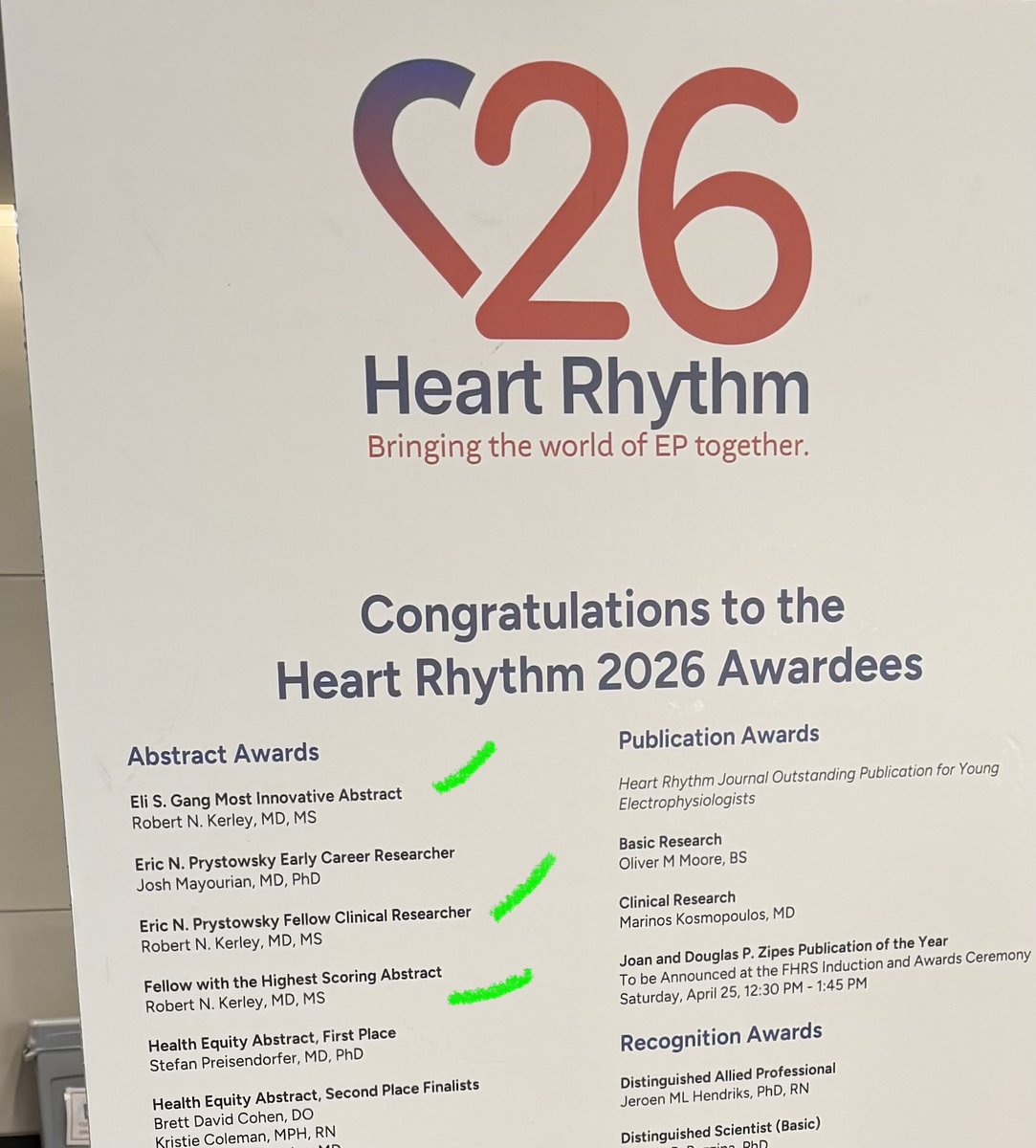
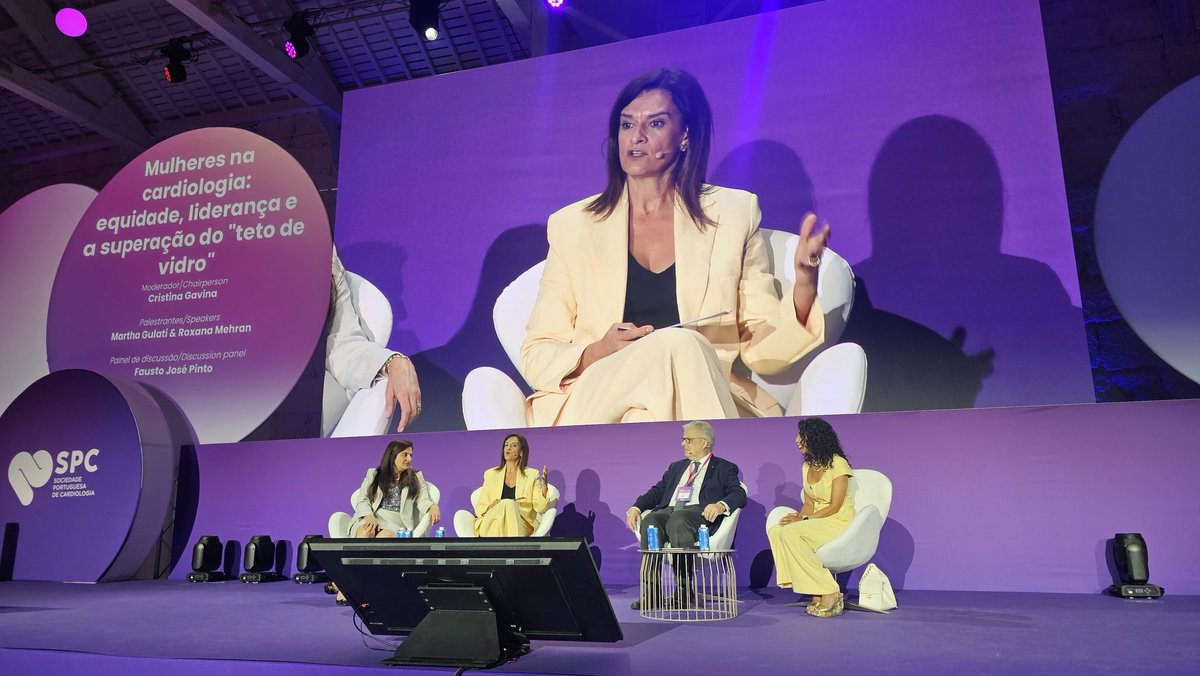
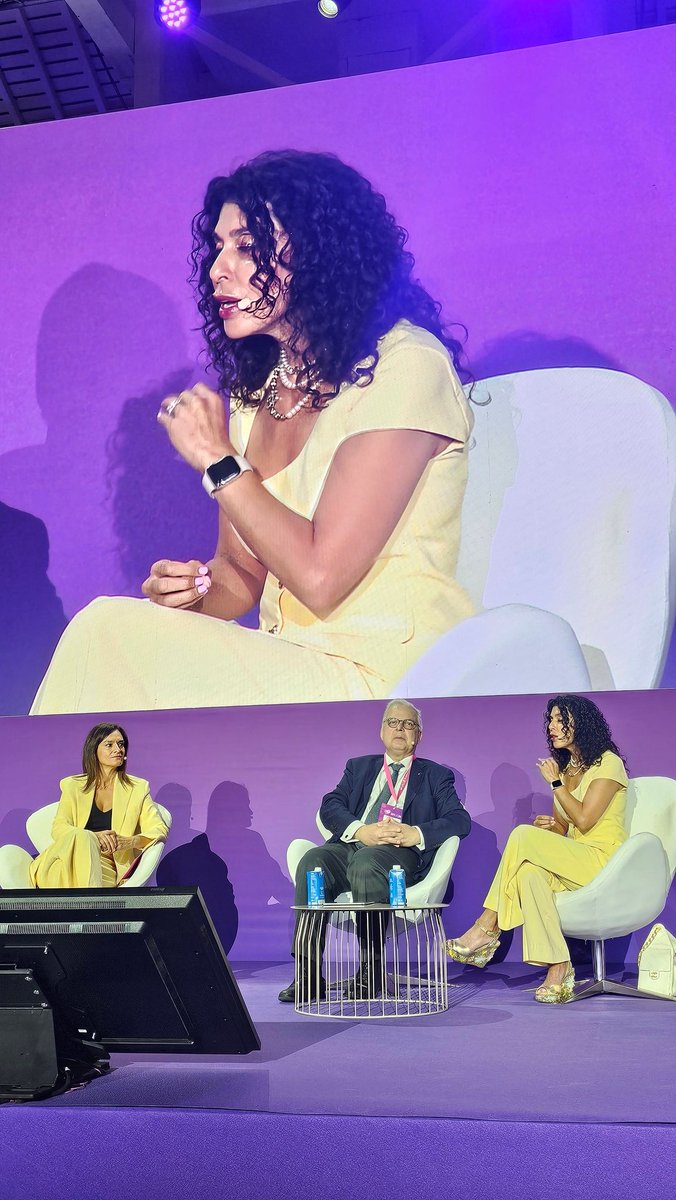
🫀 Proud to share that @American_Heart has awarded $15M to study heart valve disease , including our @MassGenBrigham VALVE-iPROTECT Center Honored to work with Center Director @AikawaElena and co-investigators @SamiaMoraMD @toleafgirl , Daniel Chasman, Ahmed Tawakol & Olga Demler Our focus: early detection & prevention of aortic stenosis, with Lp(a) at the center. 🔗 newsroom.heart.org/news/scientifi… #ValveiPROTECT #HeartValve #AorticStenosis #Lpa #AHA #Cardiology @thecsanz @MGBResearchNews @MassGenBrigham @BrighamWomens @HarvardHealth @harvardmed
Julia Grapsa tweet mediaJulia Grapsa tweet media
English
4
14
61
3.7K
Julia Grapsa retweetledi
Ron Blankstein
Ron Blankstein@RonBlankstein·
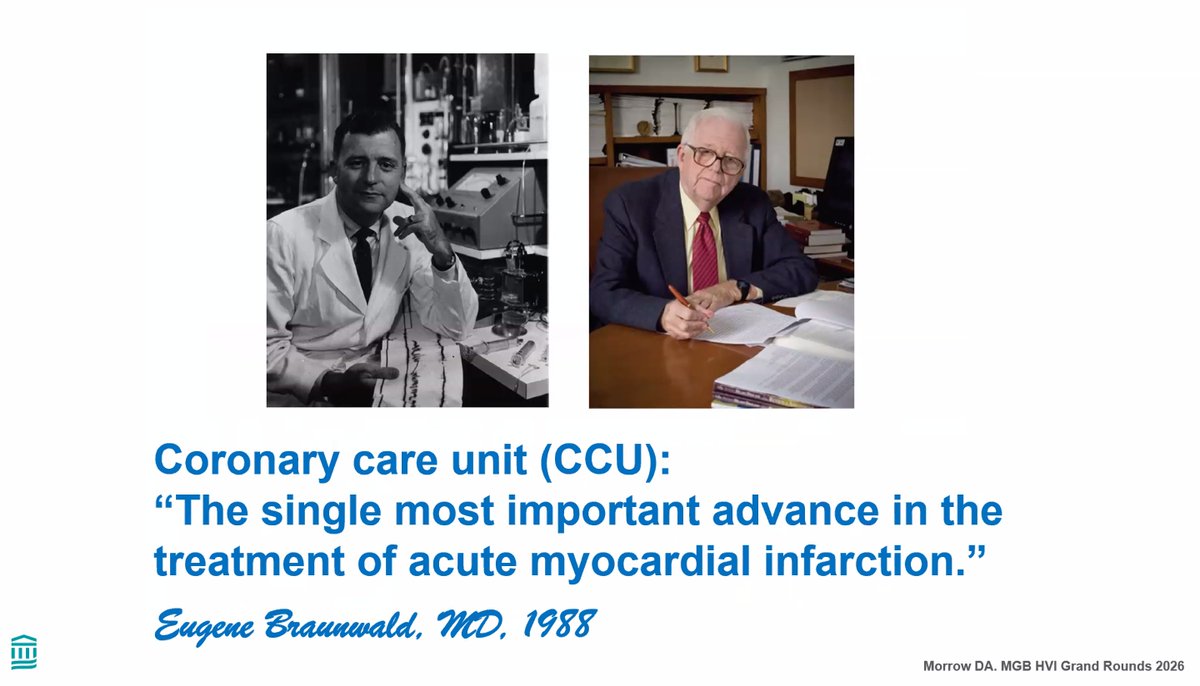
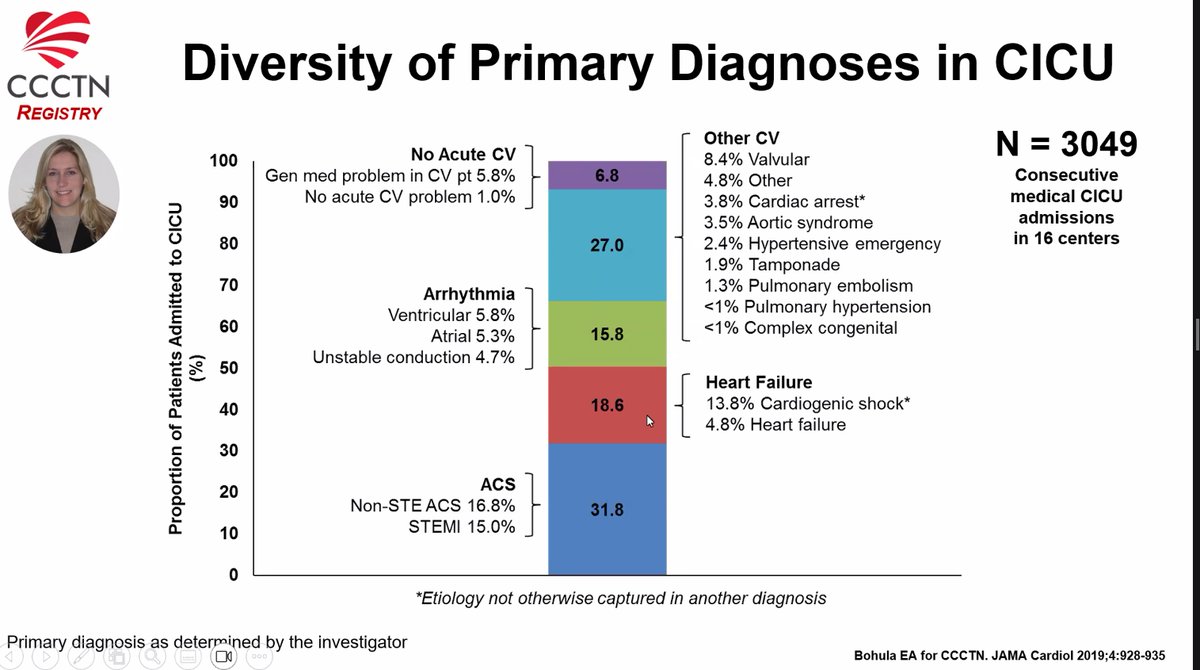
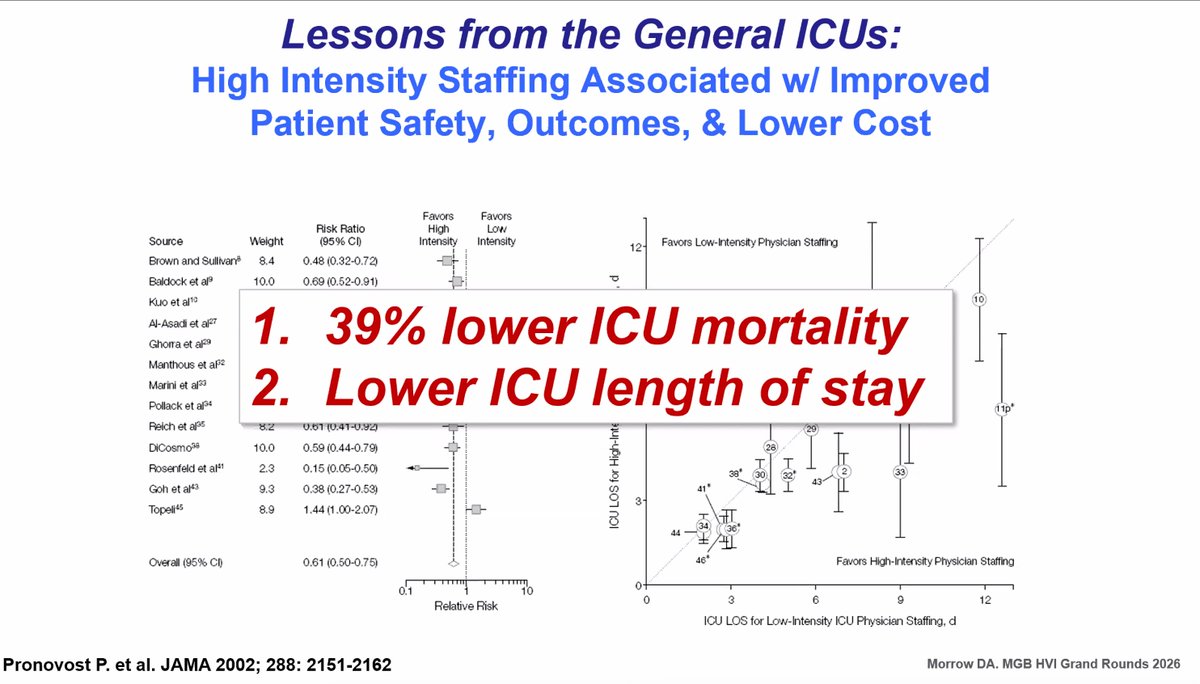
The brilliant ⭐️David Morrow delivering @MassGenBrigham HVI Grand Rounds on history and evolving role of CICU, training pathways, research challenges, and opportunities for improving care. High intensity staffing model --> better outcomes!
Ron Blankstein tweet mediaRon Blankstein tweet mediaRon Blankstein tweet mediaRon Blankstein tweet media
English
2
13
56
4K
Julia Grapsa retweetledi
Nadeen N. Faza, M.D.
Nadeen N. Faza, M.D.@NadeenFaza·
🚨 HOT OFF THE PRESS! 🚨 New guidance from the American Society of Echocardiography @ASE360 for Cardiac Ultrasound Artifacts 🫀📡 ➡️bit.ly/4tKDSvf 👉 A must-read for everyone in #EchoFirst! 🔍 What is an artifact? ➡️ An imaging feature that does NOT reflect true anatomy/pathology ➡️ Common, expected, and rooted in ultrasound physics ⚙️ 💡 Why this matters ⚠️ Artifacts can mimic disease → misdiagnosis → inappropriate management ⚠️ Present across ALL modalities: • 2D 🖥️ • Spectral Doppler 📈 • Color Doppler • 3D echo 🧊 📘 What this guideline delivers ✅ Standardized, structured approach to artifacts ✅ Clear explanation of: • Appearance 👁️ • Mechanism ⚙️ • Clinical impact 🏥 • Real-world cases 🧾 • Mitigation strategies 🛠️ 🧠 Also covers 🔹 “Artifact-like” phenomena 🔹 Interference from external devices & equipment 📡 🎯 Key takeaway 👉 Artifacts are inevitable—but misinterpretation is not 👉 Mastering them = safer, smarter echo practice 👩‍⚕️👨‍⚕️ Who should read this? ➡️ Sonographers ➡️ Cardiologists ➡️ Trainees ➡️ Anyone interpreting cardiac ultrasound 📢 Elevate your imaging game. Recognize. Understand. Mitigate. #CardioX #Cardiotwitter @JournalASEcho #ACCFIT
Nadeen N. Faza, M.D. tweet media
English
1
31
97
6.3K
Julia Grapsa retweetledi
EHJ Editor-in-Chief
@ESC_Journals @escardio We incorrectly phrased the content in this post. Many thanks @drjohnm @OSHeartDoc and other colleagues for noticing. Here is the corrected text: In a Danish population-based study, cardiovascular multi-modality non-invasive screening is associated with lower all-cause mortality.
English
0
5
23
3K
Julia Grapsa retweetledi
Sara Moscatelli
Sara Moscatelli@saramoscatelli7·
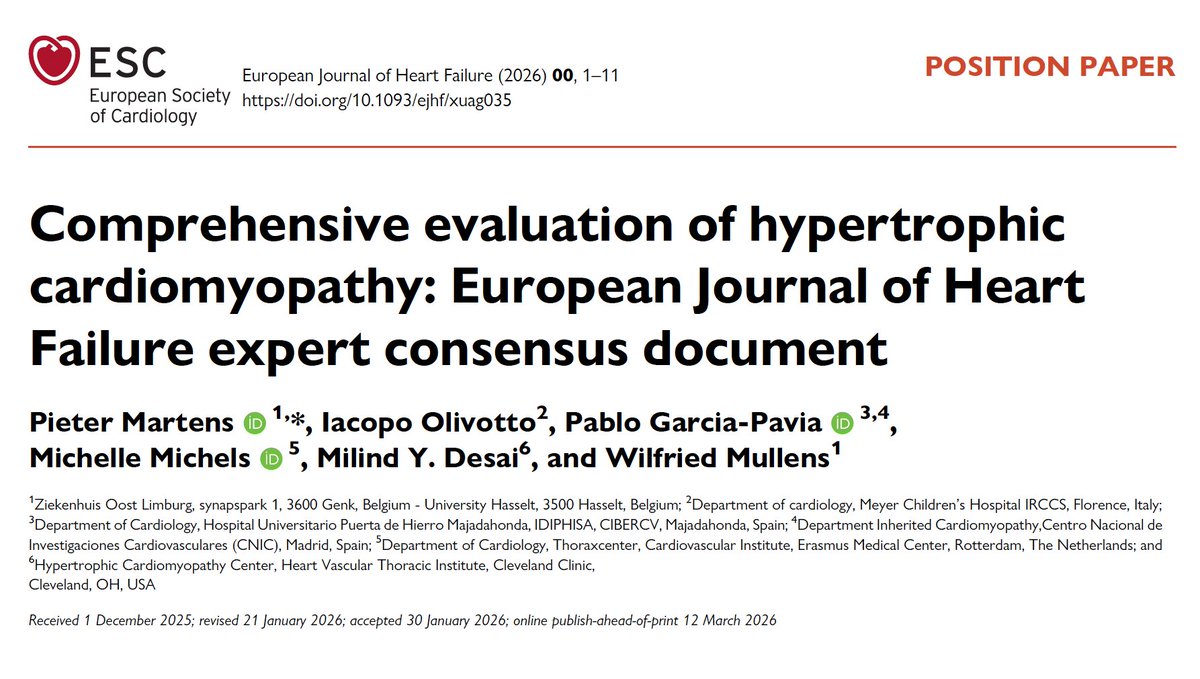
🫀 Cardiomyopathies: the real risk is not the disease… it’s missing it We often focus on treatment. But this paper highlights a more uncomfortable truth: 👉 failure to diagnose cardiomyopathies is still a major problem ⚠️ The striking finding Most medicolegal cases are not about complex management. 👉 They are about: Missed diagnosis Delayed recognition Poor communication ➡️ The basics—not the advanced care—are failing 📊 Even more concerning Many cases present with cardiac arrest or sudden death (~59%) Diagnosis often made too late—or never 👉 The first presentation = the last opportunity 🧠 Where are we missing it? Primary care → no ECG / delayed referral Specialist level → misinterpretation or under-recognition Pathology → misclassification (e.g. CAD instead of cardiomyopathy) ➡️ Failure happens across the entire pathway 🧬 The hidden consequence 👉 This is not just about one patient Cardiomyopathies are often genetic ➡️ Missed diagnosis = No family screening Preventable deaths in relatives ⚠️ Arrhythmogenic cardiomyopathy (ACM) Interestingly: 👉 Rarely reported in litigation Not because it’s rare— 👉 but because it’s hard to diagnose 💬 And then comes communication One of the most frequent failures: 👉 Not informing families ➡️ The medico-legal implications are huge ➡️ The clinical implications are even bigger 🤖 A new layer of complexity: AI Increasing use in ECG/imaging But who is responsible for interpretation? 👉 We are entering a new era of shared (and unclear) liability 🌍 System-level issue Need for specialist inherited cardiac centres Better education Structured diagnostic pathways ➡️ Diagnosis is not just clinical skill 👉 it’s system design 🔥 Take-home Cardiomyopathies are not rare. They are underdiagnosed. 👉 And in this field: Missing the diagnosis is the biggest risk factor of all #Cardiology #Cardiomyopathy #SCD #Genetics #CardioGenetics #MedicalEducation #PrecisionMedicine 🫀🧬 doi.org/10.1093/ejhf/x…
Sara Moscatelli tweet media
English
3
51
183
10.3K
Julia Grapsa retweetledi
Edgar Argulian
Edgar Argulian@argulian·
Mid-ventricular HCM is one of the instances when Doppler can be misleading: despite high pressure gradient in the ventricle no high velocities are seen, which can be interpreted as non-obstructive physiology. Mid-systolic signal void is due to flow cessation explaining why gradients are not captured. The paradoxical low velocity flow then follows, which should prompt search for an apical akinetic chamber. onlinejase.com/article/S0894-…
Edgar Argulian tweet media
English
3
21
93
3.9K
Ron Blankstein
Ron Blankstein@RonBlankstein·
Excited to share this new book on Cardiac CT! Forever grateful to Dr. Braunwald who asked me to write this and for his guidance and mentorship along the way. While we are mourning his recent passing, I will treasure all the conversations I had with him on #CCT and #Prevention
Ron Blankstein tweet media
English
25
62
350
20K
Julia Grapsa retweetledi
Women As One
Women As One@WomenAs1·
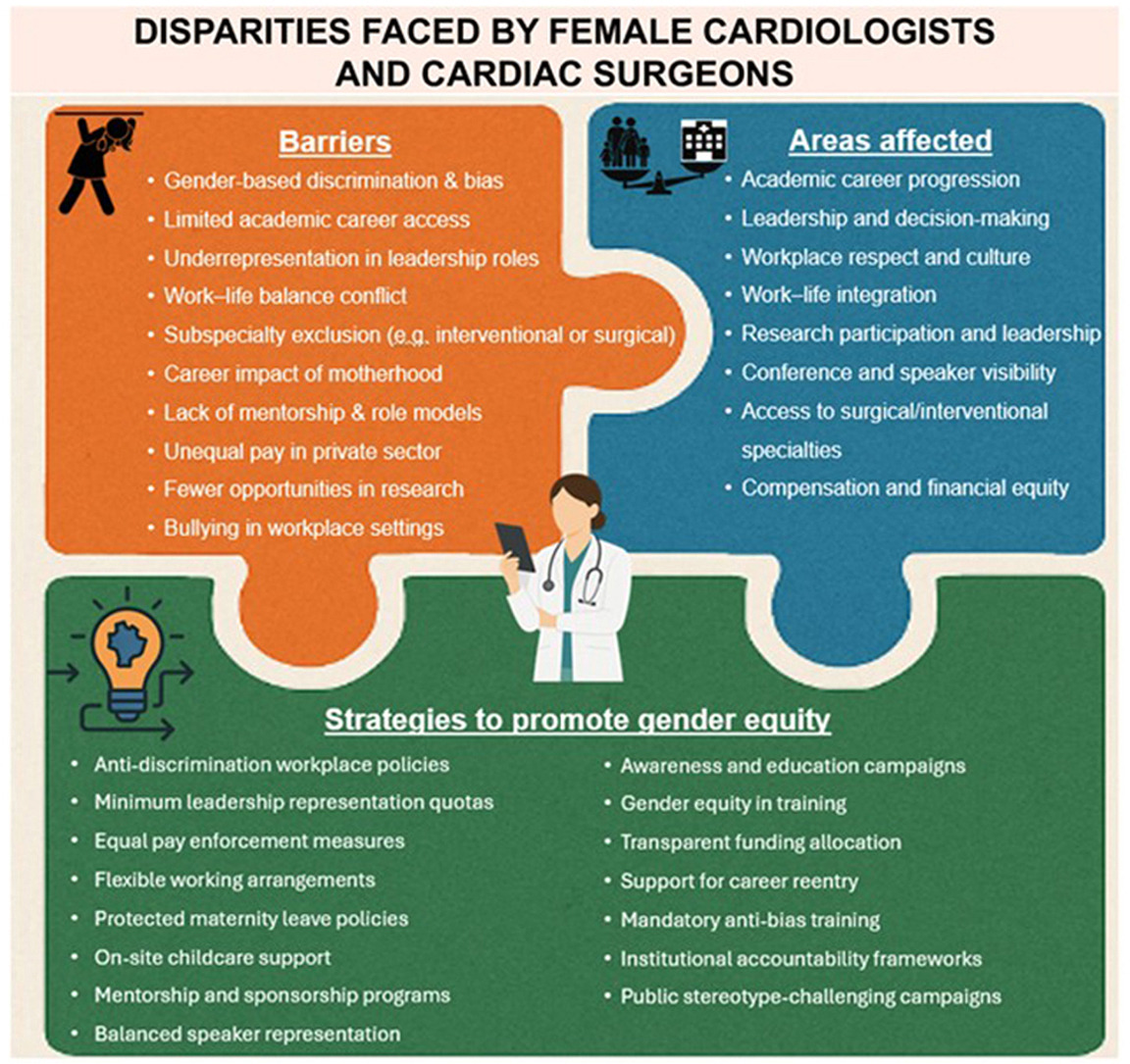
Women in cardiology are highly trained, yet only 3.8% hold academic roles, and few feel represented in leadership. Barriers include discrimination, limited opportunities, and competing demands. Change must be systemic. sciencedirect.com/science/articl…
Women As One tweet media
English
2
18
33
1.4K
Julia Grapsa retweetledi
EHJ-IMP Editor-in-Chief
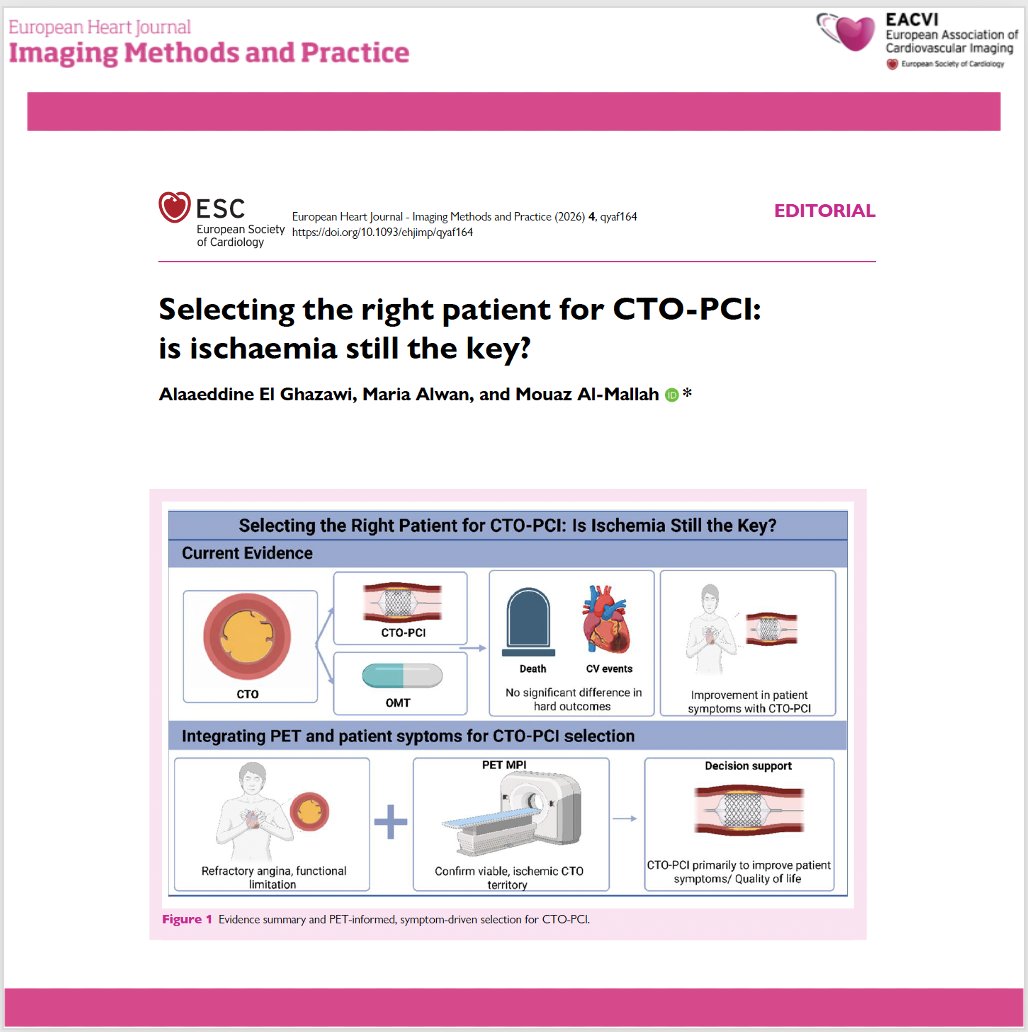
📄 CTO-PCI: is ischaemia still the key for patient selection? 🔗 DOI: doi.org/10.1093/ehjimp… 🫀 Chronic total occlusion (CTO) PCI has evolved significantly, with high success rates—but patient selection remains the real challenge. This editorial questions a long-standing paradigm: 👉 Is ischaemia enough to guide revascularization? ✨ Key insights: 🔹 CTO-PCI is associated with: ✔ improved symptoms and quality of life ❗ but no clear reduction in mortality or major events 🔹 Randomized trials show: ➡️ similar hard outcomes vs optimal medical therapy ➡️ benefit mainly in angina relief 📊 Role of ischaemia: 👉 Imaging confirms ischaemia—but: ❗ baseline ischaemic burden does NOT predict outcomes after CTO-PCI 🔹 Even patients with ≥10% ischaemia: ➡️ no difference in mortality or MACCE ➡️ but fewer angina hospitalisations ⚠️ Why ischaemia alone is insufficient: 👉 CTO physiology is complex: collateral circulation multivessel disease microvascular dysfunction 👉 SPECT may underestimate disease 👉 PET provides better quantification (MBF, MFR) 💡 Clinical paradigm shift: 👉 From “ischaemia-driven” → “symptom-driven” selection ✔ Revascularize when: refractory angina significant functional limitation 👉 Imaging role: ➡️ confirm viable, ischaemic myocardium ➡️ support—not dictate—the decision 🧠 Future directions: 🔹 PET-based quantification (MBF/MFR) 🔹 Territory-specific ischaemia assessment 🔹 Integration of patient-reported outcomes 🚨 Bottom line: CTO-PCI is a tool to improve symptoms—not to change prognosis. 👉 Treat the patient, not just the ischaemia. #Cardiology #CTO #PCI #Ischaemia #CardiacImaging #PET #CoronaryArteryDisease #InterventionalCardiology #PrecisionMedicine 🫀📊
EHJ-IMP Editor-in-Chief tweet media
English
3
40
119
7.3K
Julia Grapsa retweetledi
Ron Blankstein
Ron Blankstein@RonBlankstein·
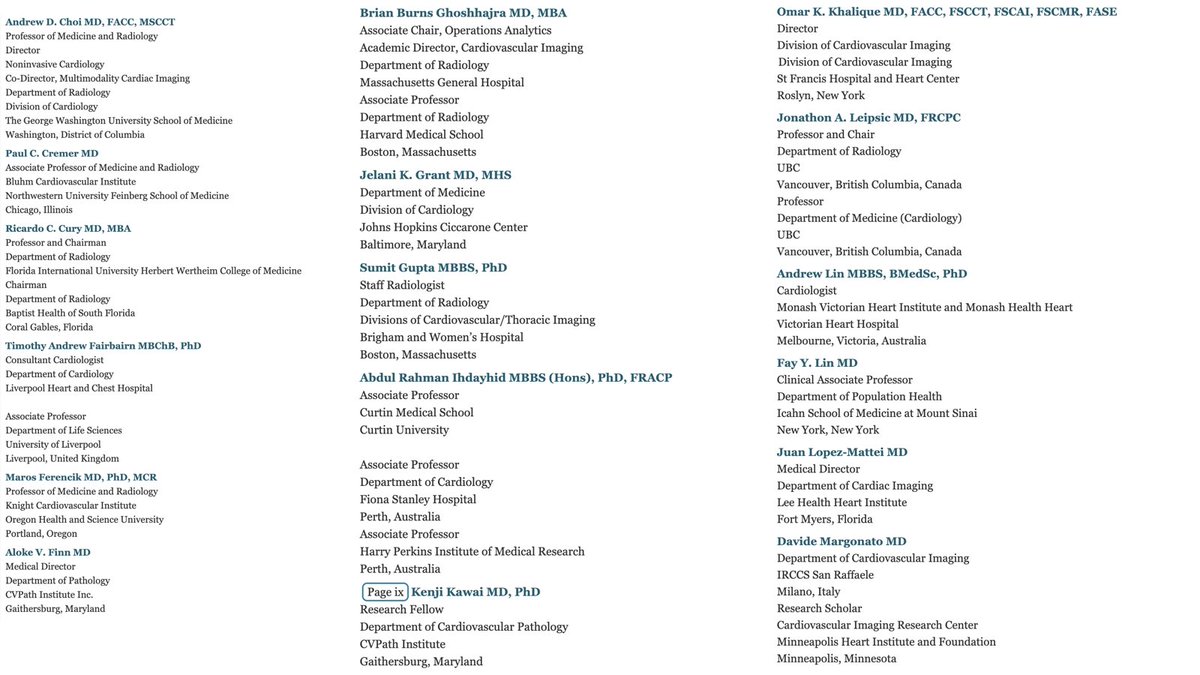
Much gratitude to all the contributing authors -- all of whom are top leaders in the field of cardiac CT
Ron Blankstein tweet mediaRon Blankstein tweet mediaRon Blankstein tweet media
English
5
12
51
3.9K
Julia Grapsa retweetledi
Samia Mora
Samia Mora@SamiaMoraMD·
Are you an early career MD/PhD/postdoc/#FMG from #MENA or #Africa looking for grant funding for a research fellowship? Apply now for the Wael Almahameed and IAS Research Training Fellowships
International Atherosclerosis Society (IAS)@atherosociety

‼️📢 IAS is happy to announce applications for the 8th @wmahmeed and IAS Research Training Fellowships: Middle East & Africa are now open! Applicants from the Middle East or Africa will receive up to $10,000 USD, which will allow them to spend up to 6 months progressing their research and honing their skills at an institution of their choice outside of their home country. 📆 Learn more & apply today: bit.ly/3Pkq34m @brettsmansfield @azinkh96 @njume_epie @yoyo230786

English
1
4
8
2.2K
Julia Grapsa
Julia Grapsa@JGrapsa·
🫀 Proud to share that @American_Heart has awarded $15M to study heart valve disease , including our @MassGenBrigham VALVE-iPROTECT Center Honored to work with Center Director @AikawaElena and co-investigators @SamiaMoraMD @toleafgirl , Daniel Chasman, Ahmed Tawakol & Olga Demler Our focus: early detection & prevention of aortic stenosis, with Lp(a) at the center. 🔗 newsroom.heart.org/news/scientifi… #ValveiPROTECT #HeartValve #AorticStenosis #Lpa #AHA #Cardiology @thecsanz @MGBResearchNews @MassGenBrigham @BrighamWomens @HarvardHealth @harvardmed
Julia Grapsa tweet mediaJulia Grapsa tweet media
English
4
14
61
3.7K
Julia Grapsa retweetledi
European Society of Cardiology
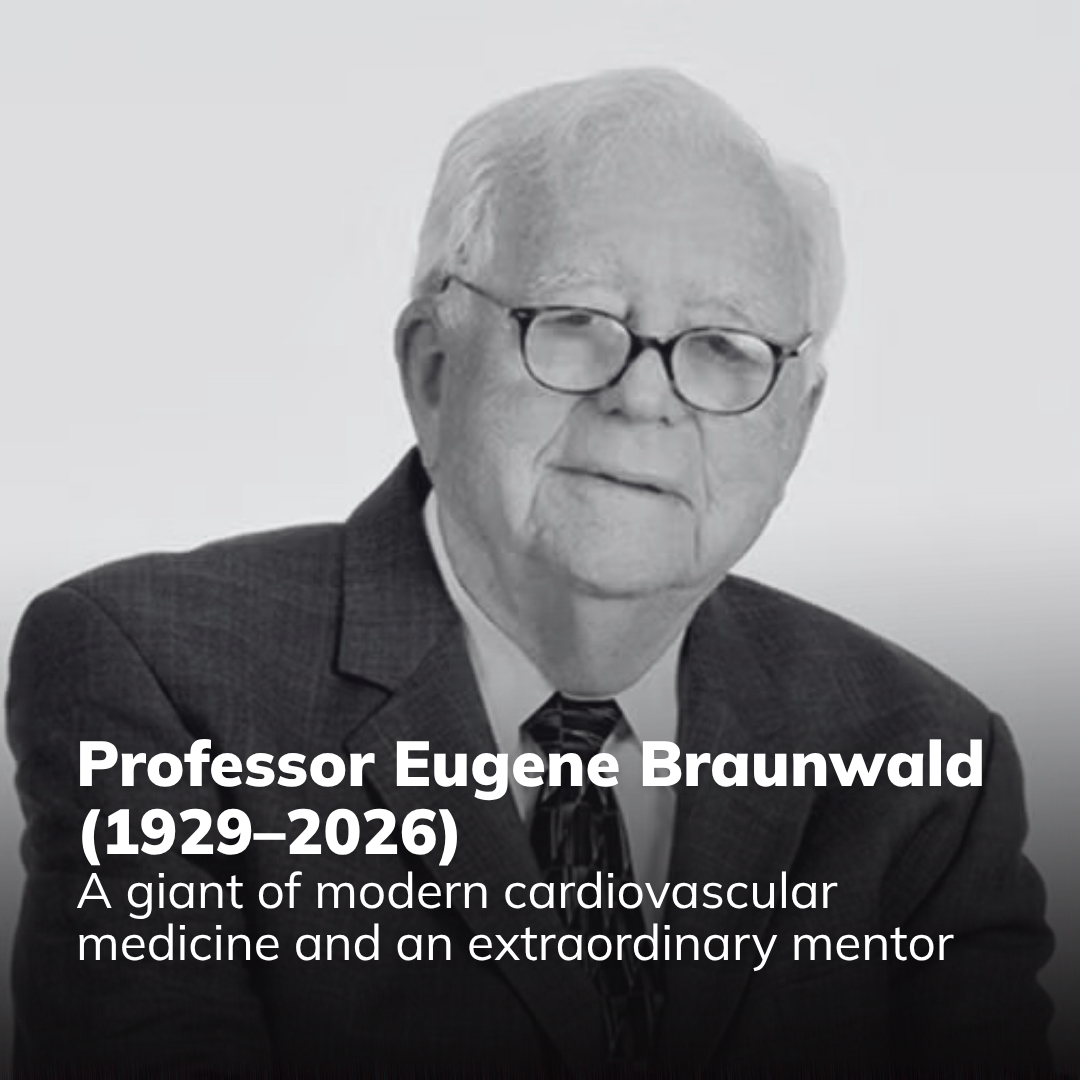
The European Society of Cardiology is deeply saddened by the passing of Professor Eugene Braunwald, one of the most influential figures in the history of cardiovascular medicine, who died on 22 April 2026, aged 96. “Professor Braunwald was the leading cardiologist of his time. His vision and innovation changed the trajectory of cardiovascular medicine. He had a rare ability to see what the field needed next, and then to build the science and rigorous evidence leading to better care. He set a standard for intellectual honesty and mentorship, giving generations of clinicians and researchers the confidence to aim higher.” Professor Thomas F. Lüscher, @ESC_President Professor Braunwald’s work helped define how cardiovascular disease is understood and treated. His legacy endures in the patients whose lives have been saved by evidence-based cardiovascular care, and in the people he inspired to pursue medicine with integrity and purpose ow.ly/EN0O50YP2EZ
European Society of Cardiology tweet media
English
9
177
596
19.5K