Jim Minifie

1.4K posts

Jim Minifie

Jim Minifie

@JimMinifie

Economist. Melbourne. Productivity, innovation, climate, development.

Melbourne, Victoria Katılım Ağustos 2013
5.7K Takip Edilen1.3K Takipçiler
Jim Minifie retweetledi
Zehra calligraphy
Zehra calligraphy@zehraavadh·
I don’t understand how the world is watching the destruction of Lebanon so comfortably.
English
5.1K
29.6K
63.8K
2.2M
Manish
Manish@ManishEarth·
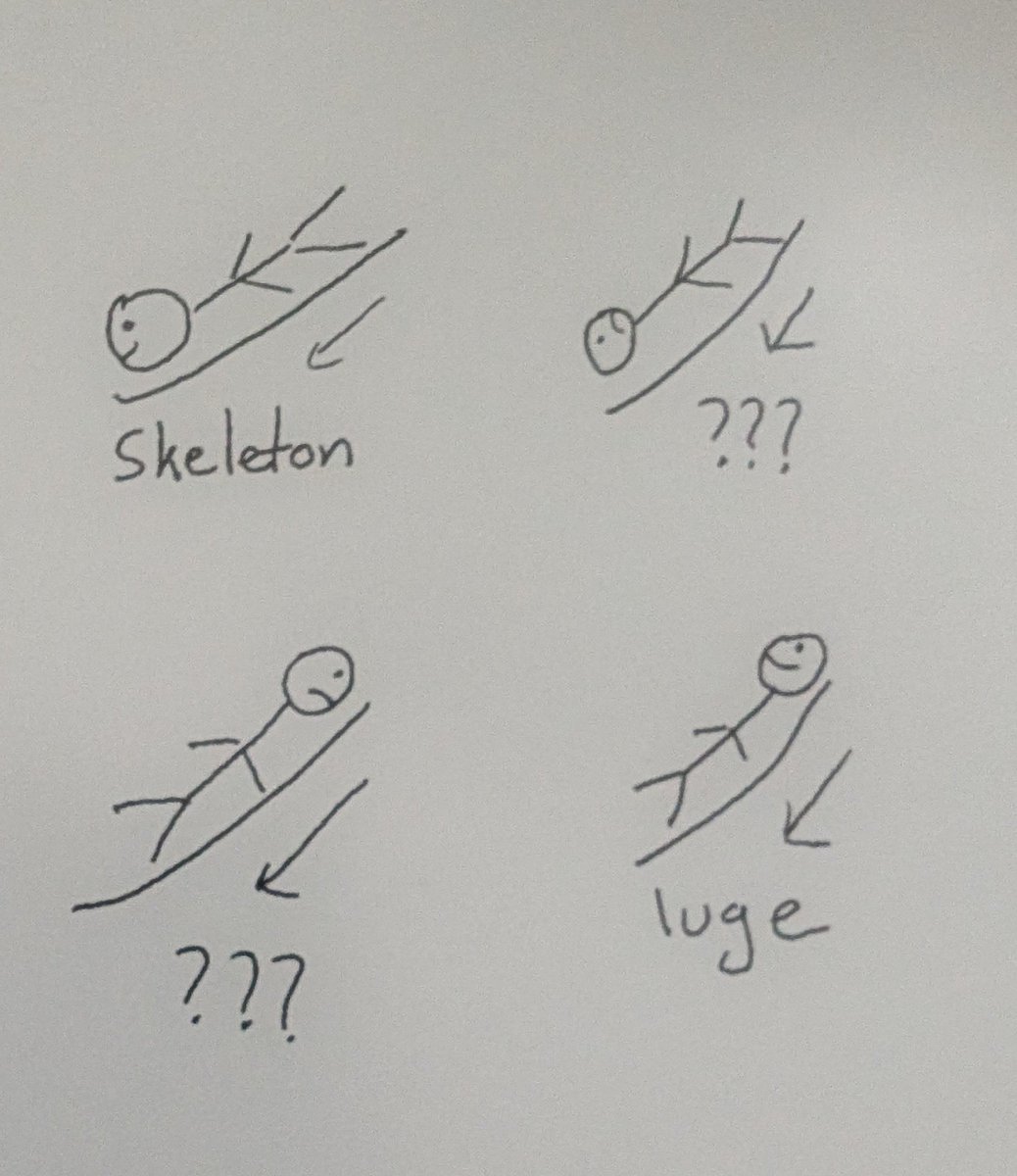
given the existence of skeleton and luge, i postulate the existence of two other, yet to be discovered, winter olympic sports
Manish tweet media
English
225
1.2K
23.9K
818.7K
Jim Minifie retweetledi
Alastair Taylor
Alastair Taylor@tayser82·
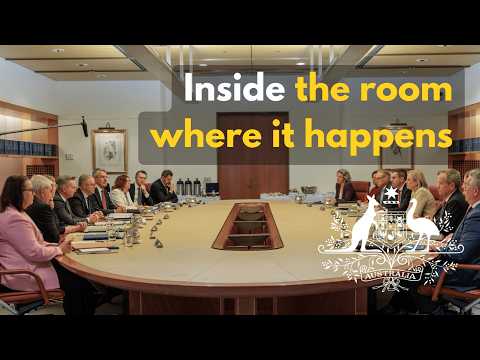
Great podcast on how Cabinet and power works in Australia, with a good lashing of how Fed and states inter-operate. Straight from the horses mouth - two former secretaries of PM&C. It’s long but you’ll probably learn something. youtu.be/lHCrQ-jXSto
YouTube video
YouTube
English
0
2
9
2.6K
Jim Minifie retweetledi
Kenneth Roth
Kenneth Roth@KenRoth·
Join me Monday evening in Melbourne for a conversation about my new book, Righting Wrongs: Three Decades on the Front Lines Battling Abusive Governments. readings.com.au/events/kenneth…
English
2
5
13
3.4K
Jim Minifie retweetledi
Saul Staniforth
Saul Staniforth@SaulStaniforth·
"There is no case since WW2 of starvation that has been so minutely designed and controlled" Famine expert Alex de Waal on Israel deliberately starving an entire civilian population
English
529
11.1K
22.2K
963.5K
Daniel Jeffries
Daniel Jeffries@Dan_Jeffries1·
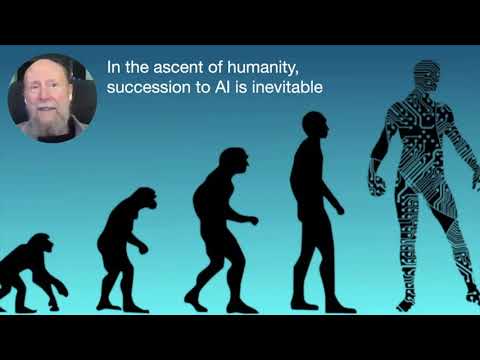
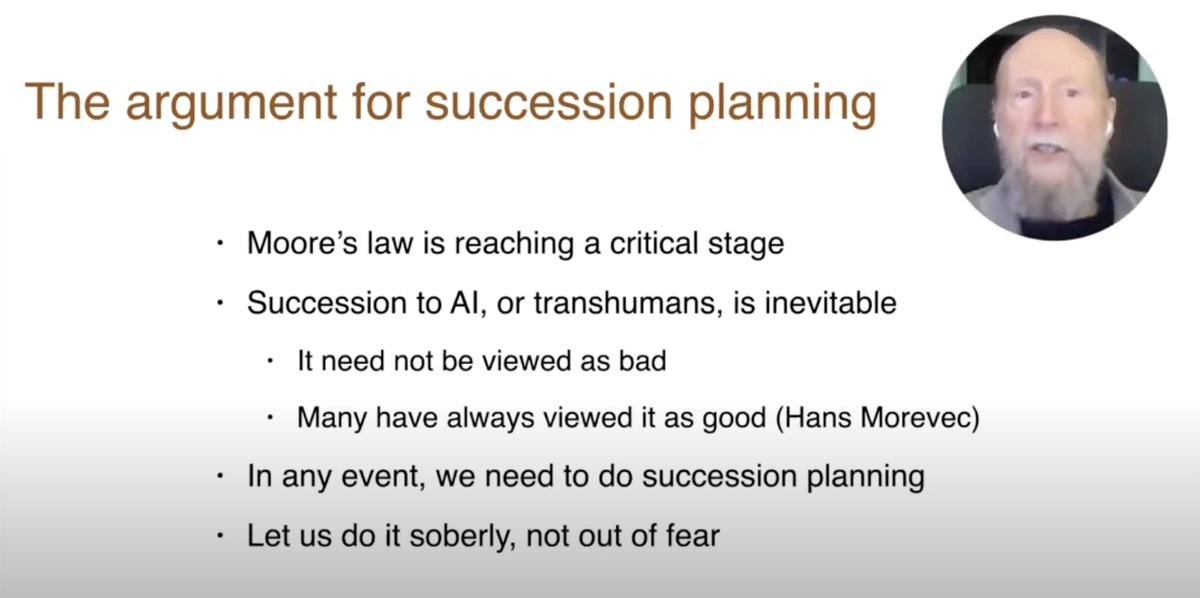
Richard Sutton, father of Reinforcement Learning, just gave a great talk where he said "decentralized collaboration is the source of all human flourishing and the source of all that's good in the world." And if you're in favor of this, "the enemy" are the people calling for "centralized control" of both "people and AI." Centralized control of AI is the same as calls for centralized control of people. Control of AI chips and who can download what and what AI's goals are allowed to be, is the same as calls to limit free speech, and dictating who can trade with who, and who you can collaborate with, and what you are allowed to think. Authoritarians are the parasites of any system. They are the selfish cheaters who try to stack the benefits for themselves and their little tribe and they cause nothing but pain and misery for themselves and others. Trade, art, economics, community come from individual agents/people pursuing their own individual goals and choosing to work together. That is the light in the world. The darkness is the control freaks and the parasitic cheaters who try to stack the deck in their favor. Their worldview is one of darkness, of us versus them, and their fundamental belief is most people are evil and can't be trusted. Make no mistake, calls to restrict AI, to align AI, to create kill switches in chips, and to limit access to chips, and to embedded surveillance trackers in chips, are the same as calls to limit speech, and control where you go, and who you can work with and do business with. And these calls only ever come from the parasites of a system, the people who poison a healthy working system and who periodically pop up to set back the great and powerful and inevitable surge of human progress pressing forward endlessly and forever. (Link to talk in comments)
Daniel Jeffries tweet media
English
43
156
670
99.2K
Jim Minifie
Jim Minifie@JimMinifie·
@tegmark @mmitchell_ai But Max it’s practically inevitable that people will do it. So the focus has to be defense.
English
1
0
2
110
Max Tegmark
Max Tegmark@tegmark·
I fully agree with @mmitchell_ai et al that fully autonomous AI agents shouldn’t be developed.
Luiza Jarovsky, PhD@LuizaJarovsky

🚨 [AI RESEARCH] "Fully Autonomous AI Agents Should Not be Developed" by @mmitchell_ai, @evijit, @SashaMTL & @GiadaPistilli is a MUST-READ for everyone in AI [Bookmark & download it below]: Here's what the authors conclude: "The history of nuclear close calls provides a sobering lesson about the risks of ceding human control to autonomous systems. For example, in 1980, computer systems falsely indicated over 2,000 Soviet missiles were heading toward North America. The error triggered emergency procedures: bomber crews rushed to their stations and command posts prepared for war. Only human cross-verification between different warning systems revealed the false alarm. Similar incidents can be found throughout history. Such historical precedents are clearly linked to our findings of foreseeable benefits and risks. We find no clear benefit of fully autonomous AI agents, but many foreseeable harms from ceding full human control. Looking forward, this suggests several critical directions: 1. Adoption of agent levels: Widespread adoption of clear distinctions between levels of agent autonomy. This would help developers and users better understand system capabilities and associated risks. 2. Human control mechanisms: Developing robust frameworks, both technical and policy level (Cihon, 2024) that maintain meaningful human oversight while preserving beneficial semi-autonomous functionality. This includes creating reliable override systems and establishing clear boundaries for agent operation. 3. Safety verification: Creating new methods to verify that AI agents remain within intended operating parameters and cannot override human-specified constraints. The development of AI agents is a critical inflection point in artificial intelligence. As history demonstrates, even well-engineered autonomous systems can make catastrophic errors from trivial causes. While increased autonomy can offer genuine benefits in specific contexts, human judgment and contextual understanding remain essential, particularly for high-stakes decisions. The ability to access the environments an AI agent is operating in is essential, providing humans with the ability to say 'no' when a system’s autonomy drives it well away from human values and goals." - As AI agents become the latest hyped topic in AI, it's extremely important to understand the risks involved, especially if they are 'fully autonomous' (which seems to be the main goal). 👉 Bookmark & download the paper below. 👉 NEVER MISS my AI governance updates (including must-read papers like this one): join 52,300+ readers who subscribe to my weekly newsletter (link below).

English
38
37
248
20.4K
Sergio Andreola
Sergio Andreola@sergioandreola·
Vivian Maier, New York, 1954.
Sergio Andreola tweet media
English
2
9
71
1.6K
Jim Minifie
Jim Minifie@JimMinifie·
@sergioandreola Sergio, you do post interesting photographs. Thank you for always sharing attributions. In some cases it could not have been anyone else!
English
0
0
1
89
Sergio Andreola
Sergio Andreola@sergioandreola·
Henri Cartier-Bresson, Roma, 1959.
Sergio Andreola tweet media
English
3
143
1.1K
25.3K
Jim Minifie retweetledi
Fatih Birol
Fatih Birol@fbirol·
NEW: The global market for the top clean technologies is set to triple to over $2 trillion by 2035, close to the value of today's crude oil market Countries are competing for the economic benefits, with implications for energy, industry & trade policies: iea.li/4f8pKos
Fatih Birol tweet media
English
8
147
267
52.3K
Peter Tulip
Peter Tulip@peter_tulip·
@JimMinifie I am sure there is much more evidence. I suspect results are much more sensitive to differences in models than to the differences in shock you mention. Given the lags and inertia in the responses, differences would matter more after year 2.
English
1
0
0
144
Peter Tulip
Peter Tulip@peter_tulip·
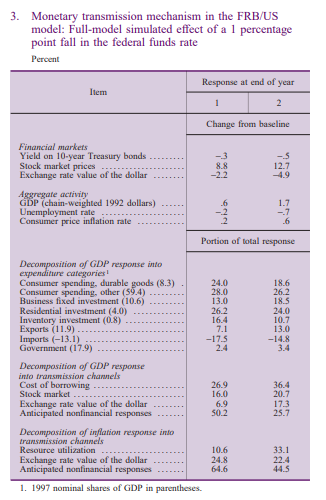
Monetary policy is estimated to be more potent in the US than in Australia. The US Fed, using their FRB/US model, estimate that a 1% cut in the policy rate boosts the level of real GDP by 1.7% and cuts the unemployment rate 0.7 ppt after 2 years. federalreserve.gov/pubs/bulletin/… 1/5
Peter Tulip tweet media
English
2
2
12
3.5K
Jim Minifie
Jim Minifie@JimMinifie·
@JosephNWalker William Perry’s ‘my journey at the nuclear brink’. Joseph Rotblat and the Pugwash conferences; later ICAN work (some leaders in Melbourne). Eric Schlosser’s Command and Control on near misses.
English
1
0
1
726
Joseph Noel Walker
Joseph Noel Walker@JosephNWalker·
Last year, when I interviewed Richard Rhodes, he told me the story of how the Nuclear Non-Proliferation Treaty was renewed in 1995 (far from a sure thing)—and how that was largely due to the efforts of one Australian diplomat, Richard Butler. Butler was also crucial to the adoption of the Comprehensive Test Ban Treaty. Embarrassingly, I hadn't heard of Butler, and sort of assumed he was no longer with us. But it turns out he is alive and well. Through a mutual friend, I tracked him down. He's 82 and living in Melbourne. In a couple of months, I'll be recording an interview with him. I'm planning to read Richard Rhodes' The Twilight of the Bombs, which is the book in his nuclear series that covers the two treaties, and Butler's work in pushing them through, in detail. What else should I be reading?
Joseph Noel Walker tweet media
English
3
8
52
10K
Ashley Craig
Ashley Craig@ash_craig·
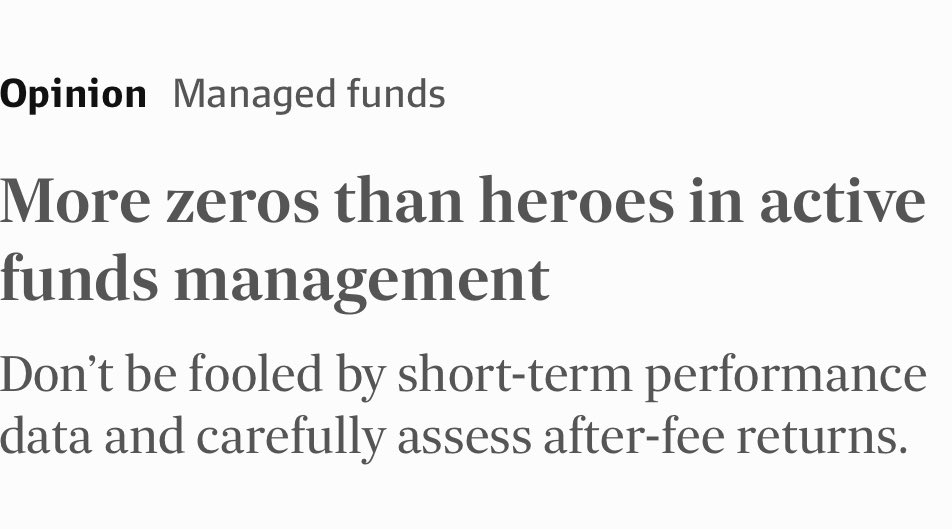
It seems problematic to me that almost everyone’s retirement savings get defaulted into high fee managed funds in Australia. Why don’t we insist they get defaulted into low fee market tracking ETFs?
Ashley Craig tweet media
English
6
3
28
3.8K
Jeremy Thorpe
Jeremy Thorpe@jeremythorpe·
After almost seventeen years, today is my final day at @PwC_AU . I am most appreciative to all those with whom I have worked at PwC, as well as the myriad of public and private clients I have worked for during this time. linkedin.com/pulse/farewell…
English
7
0
17
1.6K
Roy Green
Roy Green@ProfRoyGreen·
Thanks to all my wonderful colleagues @UTSEngage and elsewhere working towards a smarter, more sustainable long term future for Aus 🇦🇺
UTS Business School@UTS_Business

Congratulations to Emeritus @ProfRoyGreen, former dean of the UTS Business School, who has been made a Member of the Order of Australia (AM) for significant service to business, and to tertiary education in the fields of science, technology and innovation.

Sydney, New South Wales 🇦🇺 English
7
8
50
3.6K