Jonas Ahm 🛡️ 🦇🔊

59 posts

Jonas Ahm 🛡️ 🦇🔊 banner
Jonas Ahm 🛡️ 🦇🔊

Jonas Ahm 🛡️ 🦇🔊

@JonasAhm

Katılım Ocak 2013
106 Takip Edilen43 Takipçiler
Jonas Ahm 🛡️ 🦇🔊
@LowBeta @Butta_eth Lowering the curve could be a centralisation factor. Why would solo and home stakers bother with close to no yield. Bigger players would likely do it anyway because why not
English
1
0
0
208
Zach Pandl
Zach Pandl@LowBeta·
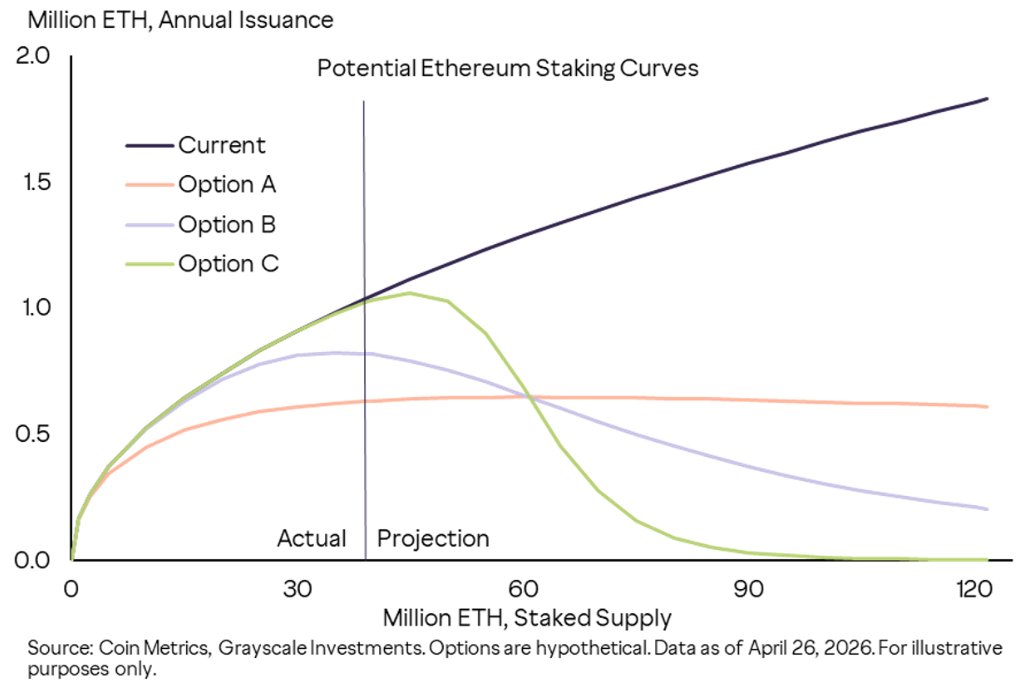
OK let's do this: we're weighing in on the contentious issue of $ETH's supply model TLDR: We think a change is warranted and would be bullish for $ETH longer-term The topic is a good litmus test for how people think about valuing crypto assets! Our take ⬇️⬇️
Zach Pandl tweet media
English
17
11
109
25.8K
Jonas Ahm 🛡️ 🦇🔊 retweetledi
Justin Drake
Justin Drake@drakefjustin·
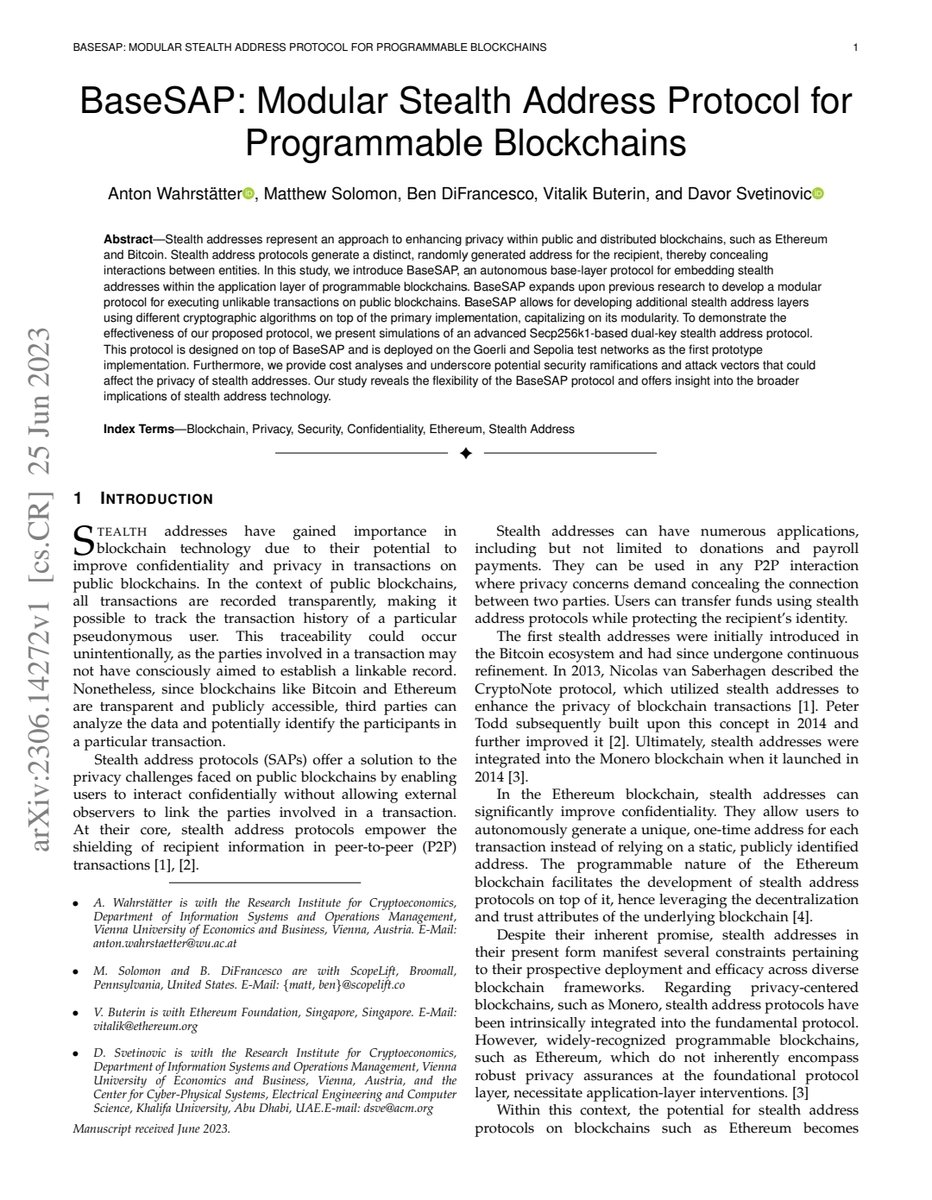
Yesterday Ethereum turned 10. Today, lean Ethereum is unveiled as a vision—and personal mission—for the next 10 years. We stand at the dawn of a new era. Millions of TPS. Quantum adversaries. How does Ethereum marry extreme performance with uncompromising security and decentralization? TLDR: next-generation cryptography is central to winning both offense and defense. Disclaimer: This is a Drake take™ aimed at a broad audience. A technical deep dive into hash-based post-quantum signatures and SNARKs will follow. A healthy diversity of views across Protocol, the EF, and the broader Ethereum community is expected and welcome. It strengthens us. defense—fort mode Ethereum is special. 100% uptime since genesis. Unrivaled client diversity. $130B in economic security (35.7M ETH staked × $3.7K)—maybe soon $1T. Ethereum is poised to become the bedrock of the internet of value, securing hundreds of trillions over decades, even centuries. Ethereum must survive anything: nation states, quantum computers. Whatever comes. Call it fort mode. If the internet is up, Ethereum is up. If the world is online, the world is onchain. offense—beast mode Ethereum is hungry. “Scale L1, scale blobs” is a strategic urgency inside the EF’s Protocol cluster. Expect low-hanging performance gains over the next 6–12 months. Longer term? Think gigagas L1, teragas L2. Call it beast mode. → 1 gigagas/sec on L1: 10K TPS, ambitious vertical scale → 1 teragas/sec on L2: 1M TPS, sprawling horizontal scale Scale vs decentralization? Why not both. The moon math we need is now tamed: → real-time zkVMs for lean execution → data availability sampling (DAS) for lean data A delicious cherry on top: full chain verification across every browser, wallet, phone. lean upgrades Lean Ethereum proposes bold upgrades across all three L1 sublayers: → lean consensus is beacon chain 2.0: hardened for ultimate security and decentralization, plus finality in seconds; formerly branded as “beam chain” → lean data is blobs 2.0: post-quantum blobs, plus granular blob sizing for a calldata-like developer experience → lean execution is EVM 2.0: a minimal, SNARK-friendly instruction set (possibly RISC-V; pronounced “risk five”), boosting performance while preserving EVM compatibility and its network effects The consensus layer (CL), data layer (DL), execution layer (EL) have each been reimagined from first principles. Together, they unlock fort mode and beast mode. The goal: performance abundance under the constraint of non-negotiable continuity, maximum hardness, and refreshing simplicity. lean cryptography Hash-based cryptography is emerging as the ideal foundation for lean Ethereum. It offers a compelling, unified answer to two megatrends reshaping the ecosystem: → the explosive rise of SNARKs → the looming quantum threat Imagine the leanest cryptographic brick—the hash function—singlehandedly powering L1: → CL: hash-based aggregate signatures upgrade BLS signatures → DL: hash-based DAS commitments upgrade KZG commitments → EL: hash-based real-time zkVMs upgrade EVM re-execution A cryptographic jewel in each of lean CL, lean DL, lean EL. lean craft Lean Ethereum is more than a blueprint for hardening and scaling Ethereum. More than just doubling down on security, decentralisation, and cutting-edge cryptography. It is an aesthetic. An art form. A craft. Think Jiro in Dreams of Sushi. When we can go the extra mile, we do. Minimalism. Modularity. Encapsulated complexity. Formal verification. Provable security. Provable optimality. These are subtle yet important technical considerations. Stay tuned for the post on post-quantum cryptography that will make them explicit. lean legacy After 10 fantastic years, lean Ethereum is a generational oath. To keep Ethereum online no matter what. To scale it without compromise. To make it worthy of those who come next. This is about legacy. We are builders, we are missionaries. We are Ethereum. I hope you join us.
English
350
473
2.1K
312.5K
jasperthefriendlyghost.eth
jasperthefriendlyghost.eth@drjasper_eth·
One crucial element that all L2s should have: !!Drop to home stakers!! @Starknet set a beautiful example and the onus is on the industry to carry that forward. Home stakers enable L2s to be valuable. Further, it is strange that @Rocket_Pool, the first LST on @zksync, received no tokens while LRTs that have never deployed to Zksync got massive ones.
David Hoffman@TrustlessState

I am collecting feedback on the @zksync $ZK token drop Let me know your thoughts! 👇 If you're in the @bankless discord, you can @ me in the Airdrop Hunter channel directly too


English
4
14
75
4K
Jonas Ahm 🛡️ 🦇🔊
@waqwaqattack Great writeup, Waq! It almost seems too good 😄 If it's possible to stake ETH at 1.71x rewards, that surely makes rETH demand the new bottleneck. Otherwise, RP will reach its selflimit in no time, right? What happens then?
English
1
0
8
624
waq | .eth | 🚀⛽️ | 🦇🔊 | 🚀🪐 | 🐸
Rocket Pool is an amazing protocol. rETH is the best LST, it has added thousands of nodes to Ethereum, and it has the most vibrant community in all of crypto. Sadly, it's fundamentally broken in some ways. The community is fixing it, though. Here's how we're doing it. Before I begin, this tweet is a summary of the latest tokenomics rework coming out of the Rocket Pool community. This is the work of numerous community members. All credit goes to them. You can read the tokenomics explainers here rpips.rocketpool.net/tokenomics-2024 As you all know, Rocket Pool the protocol has stagnated in growth, and the price of RPL the token has suffered massively because of it. Since November, the community has been working incredibly hard to fix the problems with the current design of the protocol, unleash its true potential as the best liquid staking protocol, and get the protocol growing again. After 8 months of hard work, the community has arrived at the (almost) final form of it's tokenomics rework. The work is presented in five parts, and I'll summarize them for you all here. Part 1 - Why rework the tokenomics? This section starts by explaining how the ideas for linking RPL and ETH to stake were found - back to the Rocket Pool whitepaper and ICO in 2017. The Rocket Pool Investment Thesis really boosted the idea of RPL and staking being intertwined and drove massive attention to Rocket Pool. Then, Fire Eyes designed the tokenomics and put this relationship at the heart of the protocol. The illusion of these being amazing tokenomics started to shatter when growth stalled post Atlas. Since then, growth of Rocket Pool has stalled, and it has started shrinking. The original idea was RPL would be used as an entry ticket to outsized eth rewards, the RPL rewards would be attractive enough people would stay above the 10% collateral amount, and that the RPL price should head towards 10% of rETH TVL. In reality, this did not work. First, RPL price fluctuates too much and how successful your validators are are too strongly linked to the price of RPL. If RPL goes up, you massively beat solo staking. Conversely, if RPL goes down, you suffer greatly. In addition, the RPL rewards are not enough for people to maintain the minimum collateral amount. Nearly 70% of node operators (NO) are currently under collateralized on their nodes. There are two ways to get back into good standing, 1) top up with more RPL to get above 10% and 2) reduce how much ETH you have staked to improve your collateral ratio. Sadly, more and more people choose the second option. This is not what the protocol should be forcing to happen. Finally, because not enough people top up their collateral, the relationship between the rETH TVL and RPL breaks down. This has consequences on how much rETH the protocol can provide based on eth deposits from NO. The current system is brittle, and having RPL as a bond along with ETH has shown to be hugely flawed. So, what are we going to do about it? This brings us to Part 2. Part 2 - Tokenomics rework Under the new system speculation in RPL and being a node operator are separated. You will not need RPL to stake your ETH with Rocket Pool. On top of that, holding RPL will become a desirable action due to its standalone investment properties. If you choose to stake RPL alongside your ETH, you get higher ETH yield! You can speculate all you want, but it will not be forced on you from the protocol. Also, there will be no lower 10% cliff to punish smaller amounts of collateral. The new tokenomics will allow smaller ETH bonds. This is fundamental to changing how the protocol generates revenue - income from ETH staking rewards. Charging a 3.5% commission on borrowed eth gives the following boosted rewards compared to solo staking: 8 ETH bond is a 10.5% boost, 4 ETH bond is a 24.5% boost, and 1.5 ETH bond is a 71.2% boost! These bonds will be safe to use because of node level penalties and forced validator exits. RPL inflation will be reduced from 5% to 1.5% as rewards to NO from inflation will not be required. There will be some other changes too such as gas optimizations, forced delegate upgrades, etc. Part 3 - Foundation of the rework In this section is where the real explanations start to happen. First, we get an explanation of how the protocol will generate revue and what will happen with that income. The protocol will still charge rETH holders 14%. Currently, this 14% goes to NOs. However, paying NO 14% of 30.5 ETH of rETH is too much especially at lower bond amounts. The revenue can be more effectively used elsewhere. So, where will the revenue go? There will still be a NO commission share, we will have a new RPL voter share, and there will be a "surplus" share. NOs will get eth similarly to how they get it now but there will be no rpl requirement. Those who stake RPL alongside their ETH will get the voter share. The surplus amount will be used to buy back and burn RPL (this is one area that is currently undecided - other value capture methods are still being considered). Let's work out the numbers. The 14% of commission will be divided as follows: 3.5% will go to the node operator, 5% will go to RPL stakers, and 5.5% will go to the surplus. Here the same person could get rewarded in one way as a node operator (NO share), one way as an RPL holder (RPL burn), or all three ways for a person who stakes ETH and RPL. While, the minimum stake is the primary, and indirect, value capture for RPL in the current system, there will now be two direct value capture methods. This is how there is no need for RPL inflation to go to NOs. This new mechanism will open up possibilities for many different kinds of node operators such as those who want to stake ETH only, how much RPL they want and feel comfortable with, and RPL holders get direct protocol revenue too. For a NO, while it might seem like commission going down from 14% to 3.5% sounds bad. The reality is that you'll be getting 3.5% on a much bigger amount of ETH than you currently do. Currently, an 8 ETH validator needs 8 ETH and 2.4 ETH of RPL. That person can earn 1.14x solo staking. However, this amount becomes 1.01x solo staking at RP maturity. If the RPL ratio goes down, however, that person would earn 0.82x solo staking. Under the new system, an 8eth validator would get 1.11x solo staking with no other dependancies. Once we look at lower bonds, the numbers are mind blowing. The amount of rewards dramatically outperform solo staking. As mentioned above, a 1.5 ETH validator will be earning 1.71x solo staking rewards. Smaller bonds are much better at capital efficiency. There are, however, limits to just how small the bonds can get. This is because of protections needed for rETH holders such as slashing insurance etc. In the first set of Saturn upgrades, it's likely we'll require a 4 ETH bond per validator. In Saturn 2, we'll have some new tools to allow the 1.5 ETH bonded validators, but the first 2 will 4 ETH validators. That is because we will get forced exits which will provide a huge security boost. Rocket Pool will introduce Universal Adjustable Revenue Split (UARS) to balance between the different groups in the community. NO share, voter share, and surplus share will all be adjustable through the UARS. If we are running low on NOs, we can increase the commission to them to make staking more attractive. We can incentive more staked RPL to make sure governance attacks are less likely. Altering the surplus share can help balance rETH demand by making that more or less attractive. This will mean the pDAO needs to be more responsive to the changing dynamics within the protocol. There are three main value capture mechanisms for RPL being explored using the surplus share. These are buy and burn (use eth income to buy RPL and burn it), buy and provide liquidity (use eth to add buy side liquidity to a RPL/rETH pool), and a greater voter share (to make RPL stakers get more of a share of the commission ETH). This is one of the areas where community discussion is still taking place. Part 4 - Supporting components This section of the tokenomics rework explains all the different components needed to support the changes. I'll briefly mention them here. 1) Anti-sock puppet effects - this will make having multiple nodes for one person unattractive. 2) Megapools - this is a Rocket Pool level upgrade that will lead to massive gas efficiencies as well as allow access to 1.5 ETH validators. 3) Forced exits - this is an Ethereum level upgrade that will allow Rocket Pool to kick out malicious actors or remove NO who have been offline for a certain period of time. 4) Node level penalties - this allows access to lower ETH bonds as the collateral on the whole node can be punished in the case of MEV theft. 5) Forced upgrades - this will remove long term technical debt. Finally, 6) express queue - this will be a system to help small operators move from legacy validators to validators on the new system. Part 5 - Glossary of terms This section explains some of the jargon that is being introduced in the new tokenomics. These include terms like megapools, cliff, etc. The tokenomics rework has now been published to the Rocket Pool DAO forum. This is the next step in the Rocket Pool governance process. Here, the community will discuss ideas and perspectives. Within the next few weeks, a community sentiment poll will be added to that thread. If the sentiment is positive, it will go to vote for the whole of the DAO where we will all decide on whether to adopt this or not. I strongly expect this proposal to pass every stage of governance and be voted in within the next couple of months. If you want to help, you can do it in one of three ways. The first is proving meta feedback on the explainers. The second is providing specification feedback. Finally, you can provide general content feedback.
English
17
39
146
24.6K
jasperthefriendlyghost.eth
jasperthefriendlyghost.eth@drjasper_eth·
There is some strong, valid criticism of RPL today on r/ethfinance. I would like to acknowledge that much of it is true. The RPL token did not live up to the Atlas hype and has retraced nearly completely. The tokenomics are bad. Since 2017, the idea of directly tieing RPL stake to node operators as collateral was nearly a religious commandment within the RP community. However, the last year has changed this. Since November of last year a tokenomics revamp effort has dominated the discord and forums. A public document is nearly complete. The initial RPIPs are drafted. RPL is changing. RPL will no longer be a collateral token. RPL will have direct value capture. We will no longer punish nodes—stake with just ETH if you so desire. rpips.rocketpool.net/tokenomics-2024
English
19
22
180
36.3K
Trezor
Trezor@Trezor·
@JonasAhm Hi Jonas, Trezor Keep Metal should be available and fully in stock now at trezor.io/trezor-keep-me… Please, can you check it again? Let us know if there's still some issue, please!
English
1
0
1
49
Trezor
Trezor@Trezor·
It's time to store your recovery seed in a device that is fire, water and impact-resistant and built to last a lifetime. 🔥💧💥 You can buy the Trezor Keep Metal at a 30% discount until May 29th. Get it now on trezor.io/trezor-keep-me…
English
12
11
84
13.8K
sassal.eth/acc 🦇🔊
sassal.eth/acc 🦇🔊@sassal0x·
.@thedailygwei Refuel will return tomorrow (May 24th)! Quite possibly going to be the most bullish episode I'll ever record.
English
45
39
594
19.7K
Anders
Anders@andersavail·
@Rocket_Pool is going to rehab - see rpl.rehab ✅ Stake RPL (no lockup period) if you want boosted staking rewards ✅ Only stake ETH if you don't want to hold RPL ✅ Smaller bonds (4E minipools 👀) ✅ Value capture (buy & burn / buy & LP) ‼️.. and more! 🪐
English
2
4
7
242
Jonas Ahm 🛡️ 🦇🔊
@drjasper_eth RP is such a cool project! 💪🏻 Imagine if they didn't insist on forcing their shitcoin into the protocal. Then I think it would have uniswap level status in the ethereum community
English
0
0
0
22
jasperthefriendlyghost.eth
jasperthefriendlyghost.eth@drjasper_eth·
When shit hits the fan is you still a fan? Only LST to survive this crash with the peg unaffected $rETH
jasperthefriendlyghost.eth tweet media
English
3
6
48
5.6K
jasperthefriendlyghost.eth
jasperthefriendlyghost.eth@drjasper_eth·
If nominal rates are above 0 the Ethereum stake ratio will eventually go to 100%. If nominal rates go to 0 or below, home staker ratio will plummet. The only viable route I see is higher terminal nominal yield and encouraging LSTs to adopt home staker distribution with changes like reduced max slash and PEPC/maybe rainbow staking. With forced exits, rocket pool will be the first decentralized LST to show home stakers can support 22% of the network.
English
4
5
33
2.9K
Jonas Ahm 🛡️ 🦇🔊
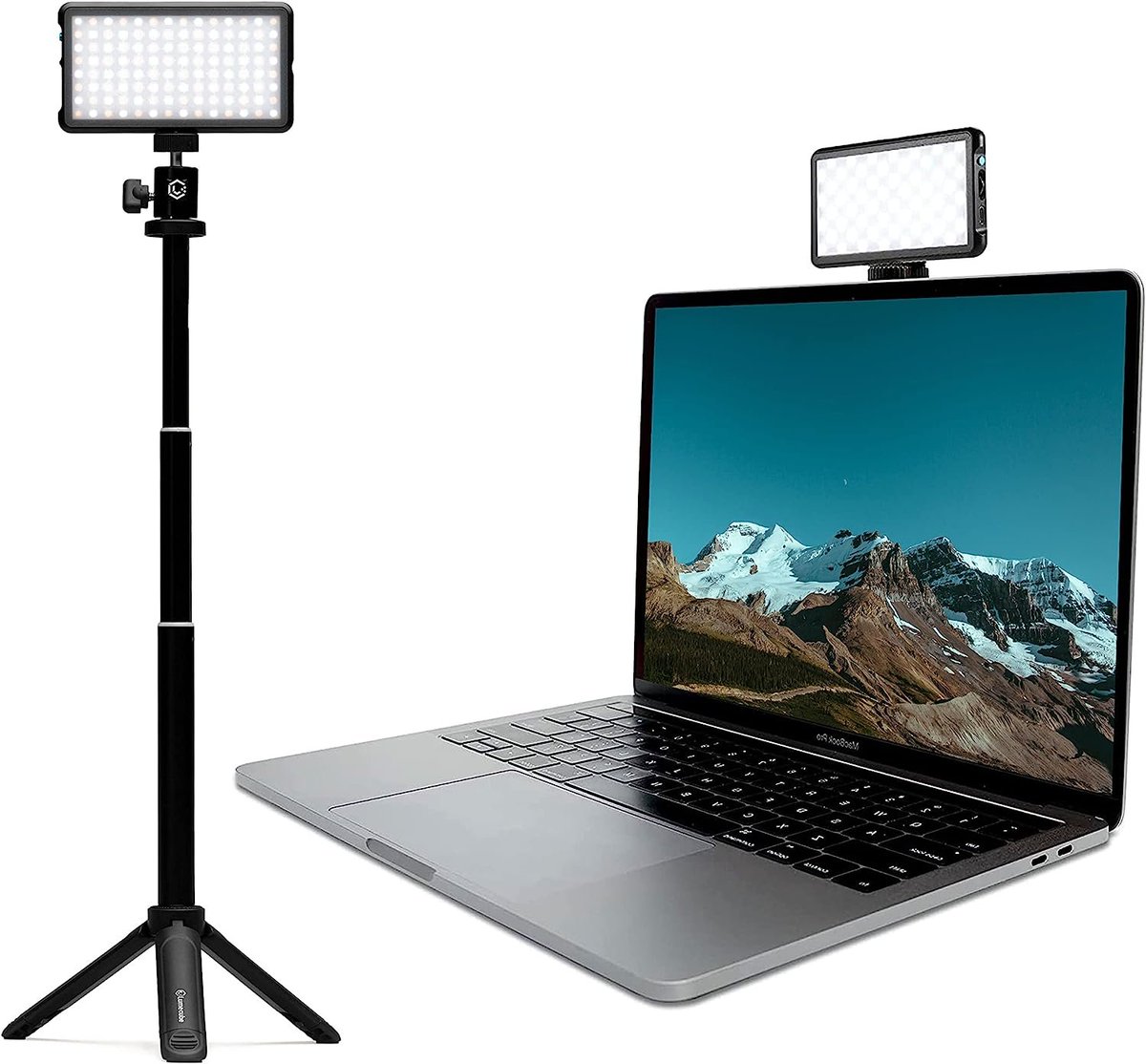
@TrustlessState I use Aputure lights, they are incredibly well built and always reliable. The Aputure AL-MC RGB LED might be what you are looking for
English
1
0
1
193
David Hoffman
David Hoffman@TrustlessState·
To round out my mobile podcasting kit, I need a light does anyone have any good suggestions?
David Hoffman tweet media
English
15
2
11
13.1K
superphiz.eth
superphiz.eth@superphiz·
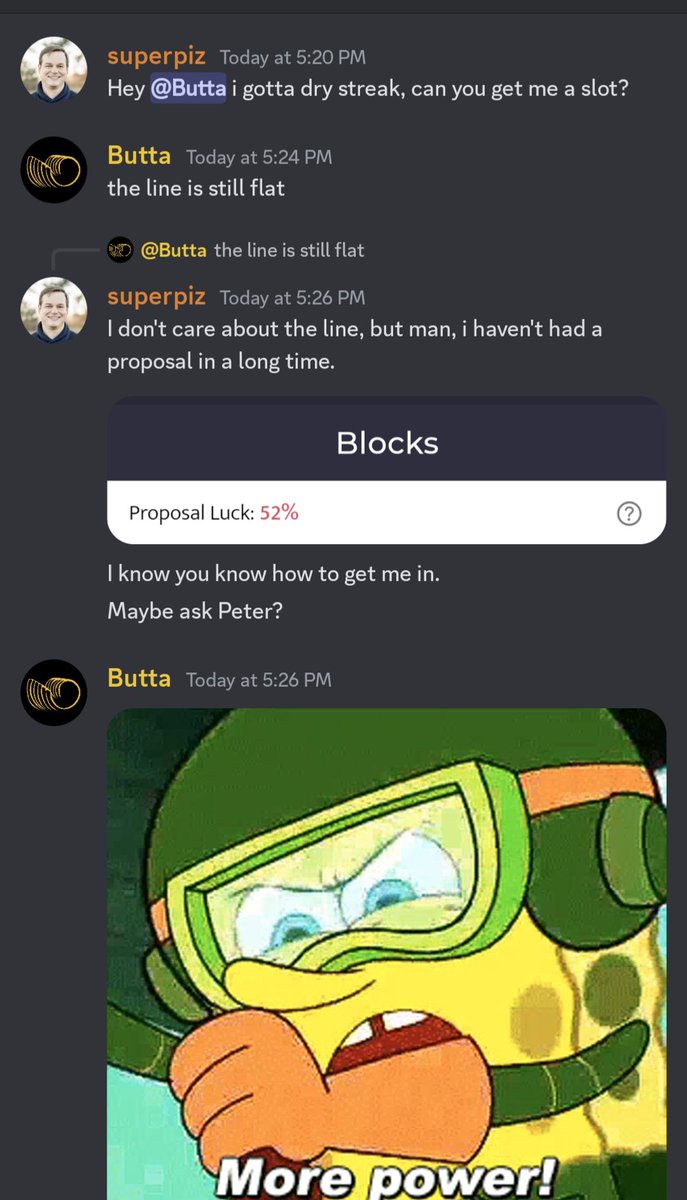
A little tip... If you ever have a slot proposal dry streak, @Butta_eth knows how to get a hook up. Shhh...
superphiz.eth tweet media
English
4
4
27
4.5K