Sabitlenmiş Tweet

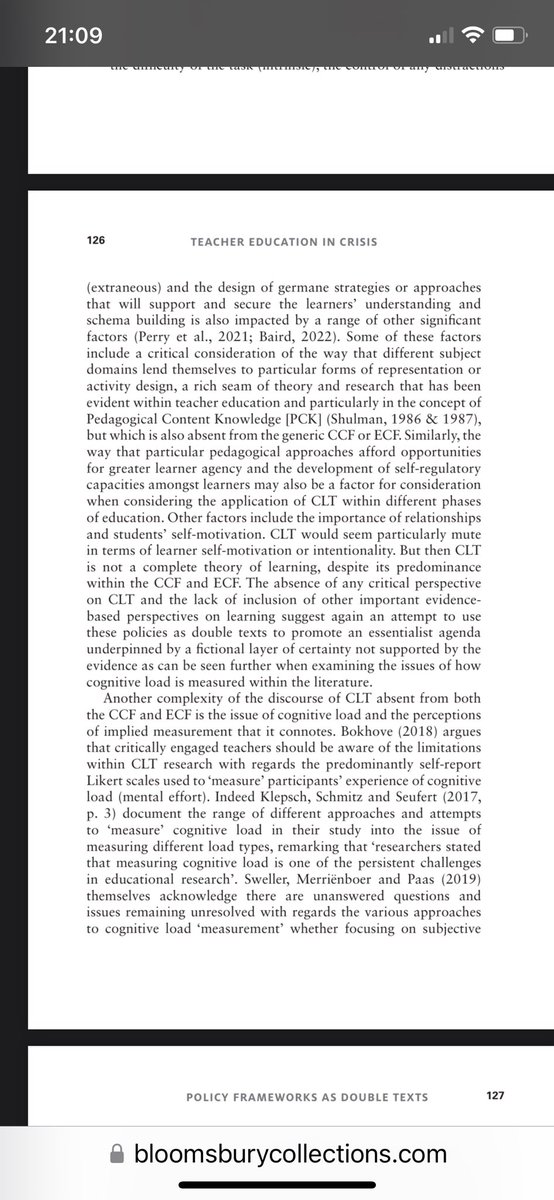
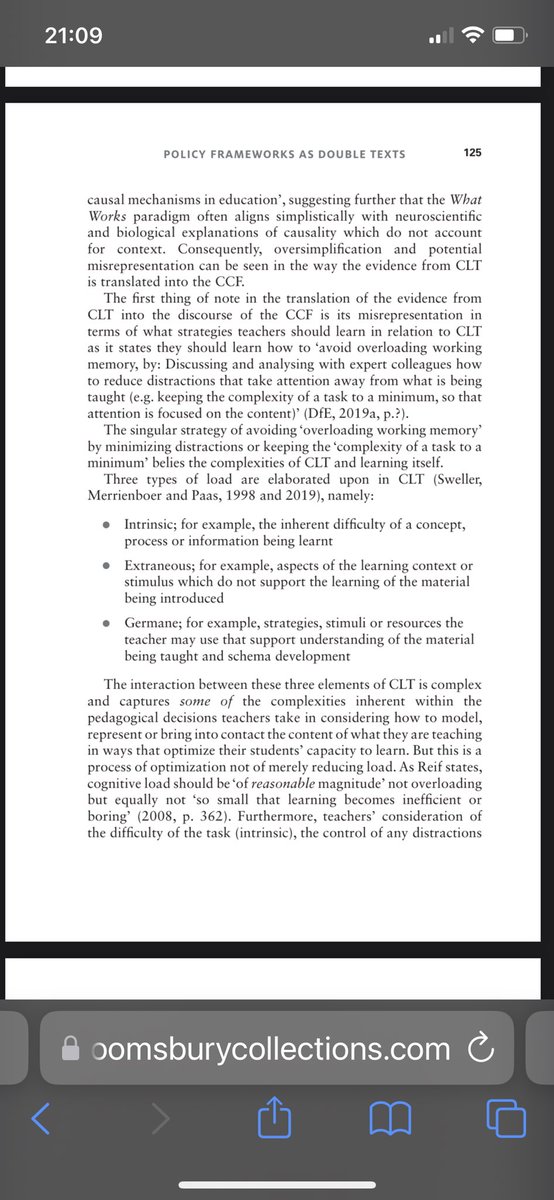
On the misrepresentation of Cognitive Load Theory in the CCF/ECF Full chapter available here bloomsburycollections.com/monograph-deta…
English
Keith Turvey PhD
27.8K posts

@Keith_Turvey
Honorary Associate Professor IOE UCL. Past roles: Teacher, Principal Lecturer, Reader. @keithturvey.bsky.social



@tes @jon_severs I find this piece a bit frustrating, to be honest, for these reasons: 1. Is it true that reading for pleasure has been foregrounded in recent times & not succeeded? I think not Intense focus on phonics in primary & 'no time' & highly structured, sequenced curriculum plans 1/


How to reverse the drop in children reading for pleasure? Experts have made four recommendations, including giving it a ‘higher profile’ within the curriculum tes.com/magazine/news/…
In his recent writing, and especially this talk with @ehanford, @markseidenberg is remarkably direct about the phonics overteaching problem that emerged in the Science of Reading era. “Typically developing children might not need all the instruction that was being specified in structured literacy, but — this is an important point — people said, "Well, that's okay, because it's not going to be harmful. if the kid gets extra instruction on these things or if they get extra opportunities to practice what they know." So there was indeed a sense that there wasn't much danger of too much of a good thing, so if it's good for dyslexics, it's going to be good for everyone. So what's happened? Well, if you treat everyone like they might be dyslexic, you get an intensive, slow, incremental approach to instruction, with no stone left unturned. In practice, what it's meant is a barrage of explicit instruction. So I would say the science of reading has an overteaching problem. Is all this explicit instruction necessary? No, because children don't only learn from explicit instruction. Moreover, the opportunity costs of doing all this instruction are huge. Instruction time in schools is limited. Teachers have enormous demands on their time. Over-teaching the components of reading eats into time for other learning activities, such as reading itself. So, I want to be clear here. Some explicit instruction is needed to help beginning readers get off the ground. There's no question. The whole language balanced literacy approach that came before did not do an adequate job with this. That had to be corrected. But the science of reading has overshot the target, because most kids aren't dyslexic, and most of the knowledge that supports reading isn't actually learned from instruction, as I'm going to illustrate. If you try to teach it all, you're interfering with or taking away from other learning opportunities that kids need.” @C_Hendrick @MeganGierka @ReadSimplified
In his recent writing, and especially this talk with @ehanford, @markseidenberg is remarkably direct about the phonics overteaching problem that emerged in the Science of Reading era. “Typically developing children might not need all the instruction that was being specified in structured literacy, but — this is an important point — people said, "Well, that's okay, because it's not going to be harmful. if the kid gets extra instruction on these things or if they get extra opportunities to practice what they know." So there was indeed a sense that there wasn't much danger of too much of a good thing, so if it's good for dyslexics, it's going to be good for everyone. So what's happened? Well, if you treat everyone like they might be dyslexic, you get an intensive, slow, incremental approach to instruction, with no stone left unturned. In practice, what it's meant is a barrage of explicit instruction. So I would say the science of reading has an overteaching problem. Is all this explicit instruction necessary? No, because children don't only learn from explicit instruction. Moreover, the opportunity costs of doing all this instruction are huge. Instruction time in schools is limited. Teachers have enormous demands on their time. Over-teaching the components of reading eats into time for other learning activities, such as reading itself. So, I want to be clear here. Some explicit instruction is needed to help beginning readers get off the ground. There's no question. The whole language balanced literacy approach that came before did not do an adequate job with this. That had to be corrected. But the science of reading has overshot the target, because most kids aren't dyslexic, and most of the knowledge that supports reading isn't actually learned from instruction, as I'm going to illustrate. If you try to teach it all, you're interfering with or taking away from other learning opportunities that kids need.” @C_Hendrick @MeganGierka @ReadSimplified


My thoughts on the terrible pseudo investigation into allegations at Mossbourne. Link in post below