Dr Kgaugelo Chiloane, PhD

1.7K posts

Dr Kgaugelo Chiloane, PhD banner
Dr Kgaugelo Chiloane, PhD

Dr Kgaugelo Chiloane, PhD

@KgauChiloane

Environmental Scientist| Climate Change, Sustainability & ESG| CEO @KEC_Environment | Lecturer| Mentor | Entrepreneur. Retweets not endorsement.

Pretoria, South Africa Katılım Mart 2017
925 Takip Edilen313 Takipçiler
Dr Kgaugelo Chiloane, PhD retweetledi
Engineer Matšhela Koko, MBL
Engineer Matšhela Koko, MBL@koko_matshela·
The Funding of Nuclear Power Plants On June 11, 2025, the World Bank announced a historic policy shift, lifting its decades-long ban on funding nuclear power projects, a decision formalised in 2013 but effectively in place since the last nuclear project was funded in 1959 in Italy. This reversal, driven by the bank’s board and supported by its largest shareholder, the United States, aims to address the surging electricity demands of developing countries while reducing reliance on planet-warming fossil fuels like coal and oil. The decision comes amid growing global support for nuclear energy, highlighted by over 20 countries, including the U.S., Canada, France, and Ghana, pledging to triple nuclear capacity by 2050 at a UN climate conference. The policy change is seen as a strategic move to bolster U.S. competitiveness in next-generation reactor technology and modular reactors and to counter the dominance of Russia and China in nuclear financing for developing nations. World Bank President Ajay Banga emphasised a balanced energy strategy, continuing support for renewables and gas infrastructure while enabling nuclear as a clean, reliable option. Critics, including Germany, had previously opposed nuclear funding due to safety concerns in less experienced countries. Still, even cautious groups like the Union of Concerned Scientists now acknowledge nuclear’s value in combating climate change. Implications for Developing Countries: Energy Access and Industrialization: The lifting of the ban could transform energy access for over 3 billion people in developing nations, particularly in Africa, Asia, and the Middle East, where electricity demand is projected to double by 2050. Nuclear power offers a stable, high-capacity energy source, enabling industrialisation without the heavy carbon footprint of coal, which countries like Vietnam and Indonesia heavily rely on. This could accelerate economic growth and poverty reduction. Climate Change Mitigation: By financing nuclear projects, the World Bank supports a low-carbon energy alternative, aligning with global climate goals like the Paris Agreement. Developing countries can transition away from fossil fuels, reducing greenhouse gas emissions and contributing to global efforts to limit warming, disproportionately affecting poorer nations through climate-related disasters. Geopolitical Shifts: The policy opens doors for U.S. and allied nuclear technologies, reducing dependence on Russian and Chinese financing, which currently dominate nuclear markets in developing countries. This could enhance energy security and foster partnerships with Western nations, though it may also intensify geopolitical competition. Challenges and Risks: Implementing nuclear power in developing countries with limited technical expertise poses safety and regulatory challenges. The World Bank must ensure robust oversight and support for modern, safer technologies like small modular reactors. Additionally, the high upfront costs of nuclear projects may strain budgets, requiring innovative financing models. Broader Energy Strategy: The World Bank’s continued support for renewables and natural gas alongside nuclear allows countries to tailor energy mixes to their needs. This flexibility could accelerate the phase-out of coal while addressing immediate energy access gaps, particularly in regions like Southeast Asia. However, debates persist about the role of gas as a transitional fuel. In conclusion, the World Bank’s decision to fund nuclear power projects is a game-changer for developing countries, offering a path to sustainable industrialisation and climate resilience. However, success hinges on overcoming technical, financial, and geopolitical hurdles to ensure safe and equitable energy development.
Engineer Matšhela Koko, MBL tweet media
English
4
11
39
3.7K
Dr Kgaugelo Chiloane, PhD retweetledi
Mithika Mwenda, PhD
Mithika Mwenda, PhD@mithika_mwenda·
Last night at the Berlin Climate Talks, I delivered a keynote calling out the grave injustices embedded in the global climate response. I challenged: Corporate capture of climate finance that sidelines real community needs. Carbon markets and other market-based “solutions” driven by profit, not justice. Greenwashing technologies like geoengineering & nuclear energy that threaten our sovereignty. Unfulfilled finance pledges , while needs soar to $1.3T/year, we're stuck at old, unmet promises. Endless negotiations since COP1 with little progress, just musical chairs. Rising climate displacement, inequality, and extreme weather events pushing our people further to the edge. #ClimateJustice #ClimateAction #ClimateFinance
Mithika Mwenda, PhD tweet media
English
1
8
31
684
Dr Kgaugelo Chiloane, PhD retweetledi
Newzroom Afrika
Newzroom Afrika@Newzroom405·
The government in KwaZulu-Natal has identified land that will be used to build permanent accommodation for victims removed from flooded areas in the province, dating back to 2022. @NqobileMadlala_ has more. tinyurl.com/mr3tst8e
English
2
4
5
2.6K
Dr Kgaugelo Chiloane, PhD retweetledi
CAN Africa
CAN Africa@can_africa·
Eight African leaders comprising former Heads of State have launched a joint declaration in Cape Town on the sidelines of the G20 Finance Ministers Meeting. They are calling for urgent debt relief for developing countries. Find out More - debt-leaders.org
English
137
121
382
949.7K
Dr Kgaugelo Chiloane, PhD retweetledi
William Samoei Ruto, PhD
William Samoei Ruto, PhD@WilliamsRuto·
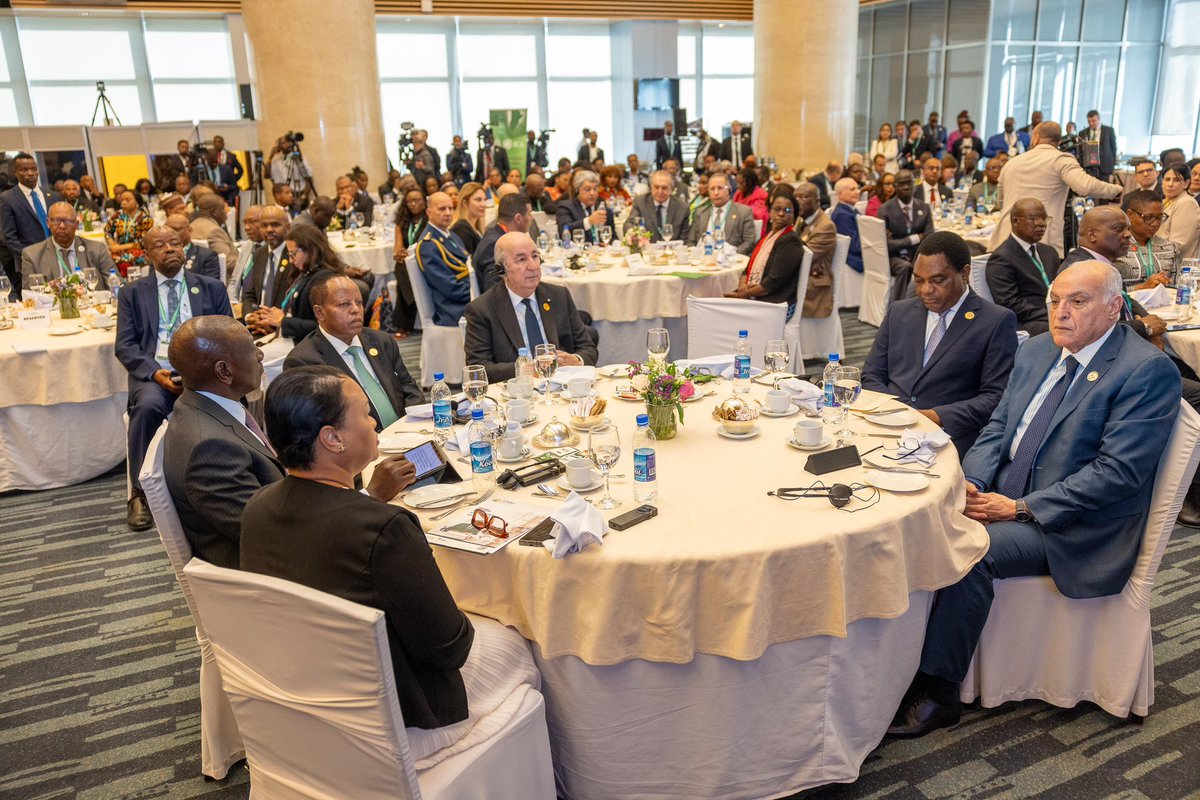
Africa will no longer accept to be misjudged by the scales of global credit rating agencies that overlook our reality. By relying on flawed models, outdated assumptions, and systemic bias, these agencies have painted an unfair picture of our economies, leading to distorted ratings, exaggerated risks, and unjustifiably high borrowing costs. The establishment of an Africa Credit Rating Agency, backed by credible data that accurately reflects Africa’s reality, will unlock the much-needed finance to fund the continent’s development programmes and bring meaningful change to the people. Joined Presidents @TebbouneAmadjid (Algeria), @TayeAtske (Ethiopia) and @HHichilema (Zambia) during a High-Level Presidential Breakfast Dialogue on the Establishment of the Africa Credit Rating Agency, in Addis Ababa, Ethiopia.
William Samoei Ruto, PhD tweet mediaWilliam Samoei Ruto, PhD tweet mediaWilliam Samoei Ruto, PhD tweet mediaWilliam Samoei Ruto, PhD tweet media
English
387
306
1.9K
200K
Dr Kgaugelo Chiloane, PhD retweetledi
Jacob Maroga
Jacob Maroga@jacob_maroga·
[NUCLEAR BASELOAD] “The European economy is facing a major competitiveness challenge, a major energy security challenge. Amongst other reasons, it’s because Europe turned their backs from nuclear.. The German decision to phase out nuclear was a historic mistake” - ⁦@IEA
English
1
26
26
1.1K
Sizwe Mpofu-Walsh
Sizwe Mpofu-Walsh@SizweMpofuWalsh·
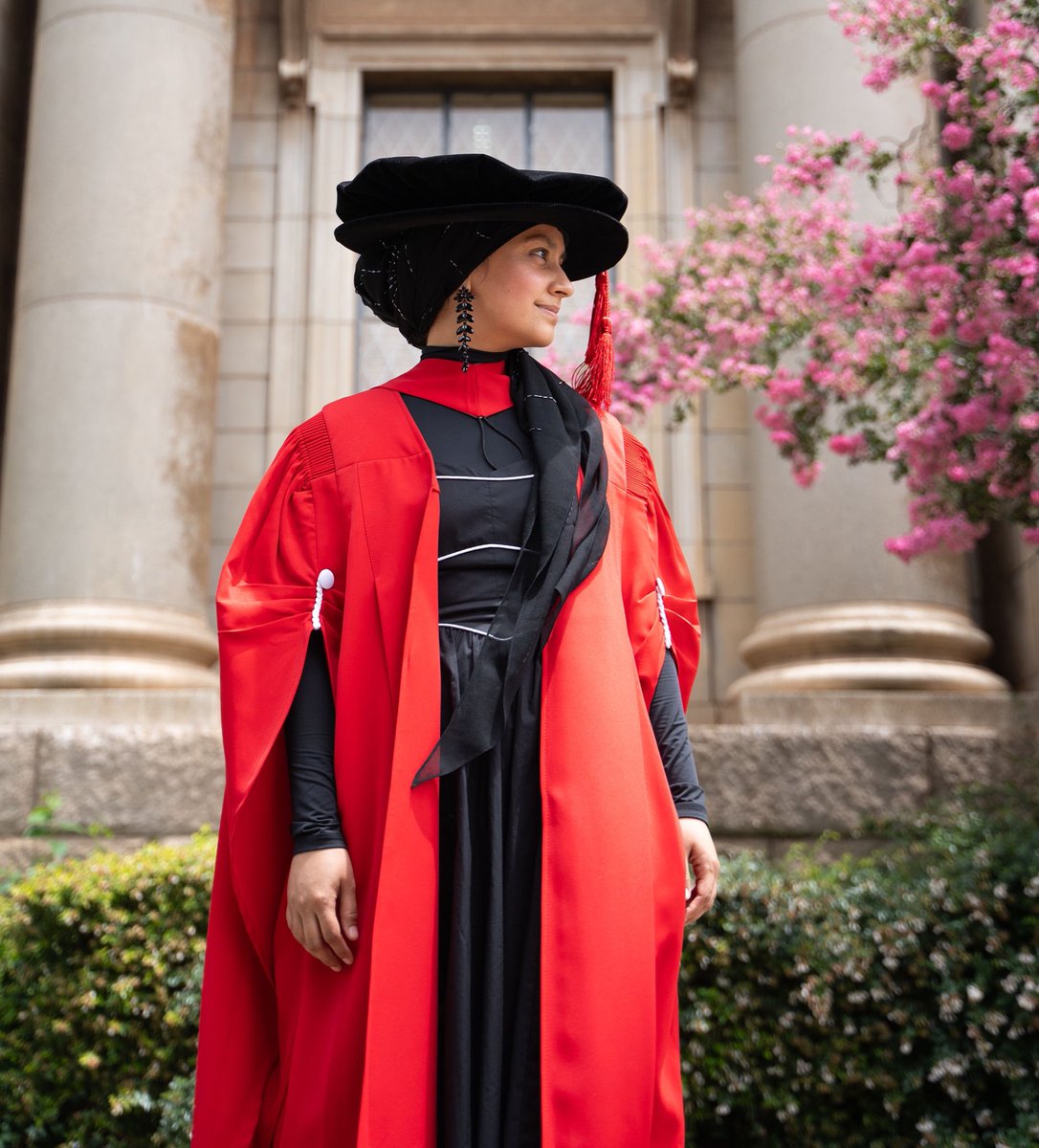
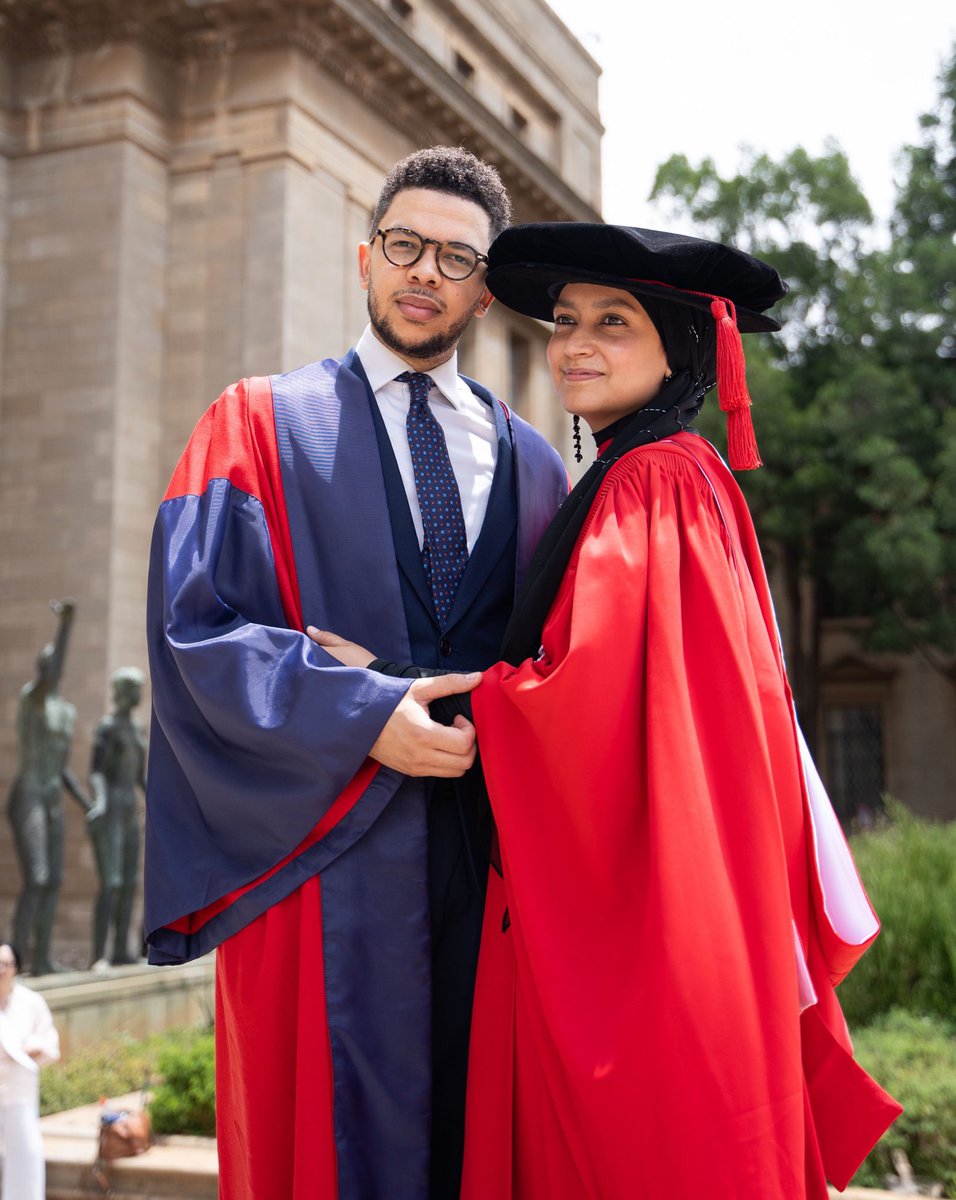
There are now two PhDs in the house. Congratulations to DOCTOR @HendricksSumaya! So proud of you! 😁❤️📚🎉
Sizwe Mpofu-Walsh tweet mediaSizwe Mpofu-Walsh tweet media
English
242
999
12.4K
428.2K
Dr Kgaugelo Chiloane, PhD retweetledi
Jacob Maroga
Jacob Maroga@jacob_maroga·
Why are IPPs not having price increase arguments with NERSA? 1) IPPs have a 20 year untouchable price deal. The price and increases are hardwired for 20 years. Eskom has only a 3 year deal with NERSA. 2) IPPs have ZERO obligation for SECURITY OF SUPPLY. When Eskom is burning diesel to avoid loadshedding, IPPs are sleeping peacefully. No stress. 3) IPPs have a taken-or-pay with Eskom. Even if Eskom has enough capacity it must still pay IPPs. 4)IPPs have no customer debt problem. They get paid whether Eskom has collected the money from customers or not. 5)IPPs have a government guarantee from Treasury, if Eskom fails to pay them. Those guarantees are now ~R400b
English
79
427
530
55.8K
Dr Kgaugelo Chiloane, PhD retweetledi
Engineer Matšhela Koko, MBL
Engineer Matšhela Koko, MBL@koko_matshela·
Whenever we get together as power plant engineers to discuss issues related to the security of electricity supply and the different pathways to achieve the net zero carbon dioxide emissions target at the pace, scale and cost we can afford, we must always showcase science and engineering and frown at the political rhetoric. There is too much political rhetoric than the fundamentals of science and engineering 🙄
English
11
33
114
9.1K
Dr Kgaugelo Chiloane, PhD retweetledi
Floyd Shivambu
Floyd Shivambu@FloydShivambu·
This is a solid and sound input by our Member of Parliament, Cde @BrianMbm1. This is how Parliamentary engagements should and will be under uMkhonto weSizwe Party. Afrika Mayibuye! Forward! ✊🏿✊🏿
uMkhonto WeSizwe Party (Official)@MkhontoweSizwex

Hon. Brian Molefe spoke about China implementing our PBMR nuclear technology and suggested that nuclear be built in the Eastern Cape, around UMzimkhulu where there’s no electricity. This was at the Portfolio Committee on Electricity and Energy in parliament.

English
128
385
1.7K
118.8K
Dr Kgaugelo Chiloane, PhD retweetledi
Mithika Mwenda, PhD
Mithika Mwenda, PhD@mithika_mwenda·
Every drop of despair in these faces tells a story of a world unraveling - In the shadow of climate change, lives are shattered and futures stolen. #ClimateJustice @PACJA1
English
1
8
24
502
Dr Kgaugelo Chiloane, PhD retweetledi
News24 🇿🇦
News24 🇿🇦@News24·
News24 | Eskom board approves delay in decommissioning three power stations till 2030 dlvr.it/T79Hng
English
59
145
388
71.1K
Dr Kgaugelo Chiloane, PhD retweetledi
WRI Climate
WRI Climate@WRIClimate·
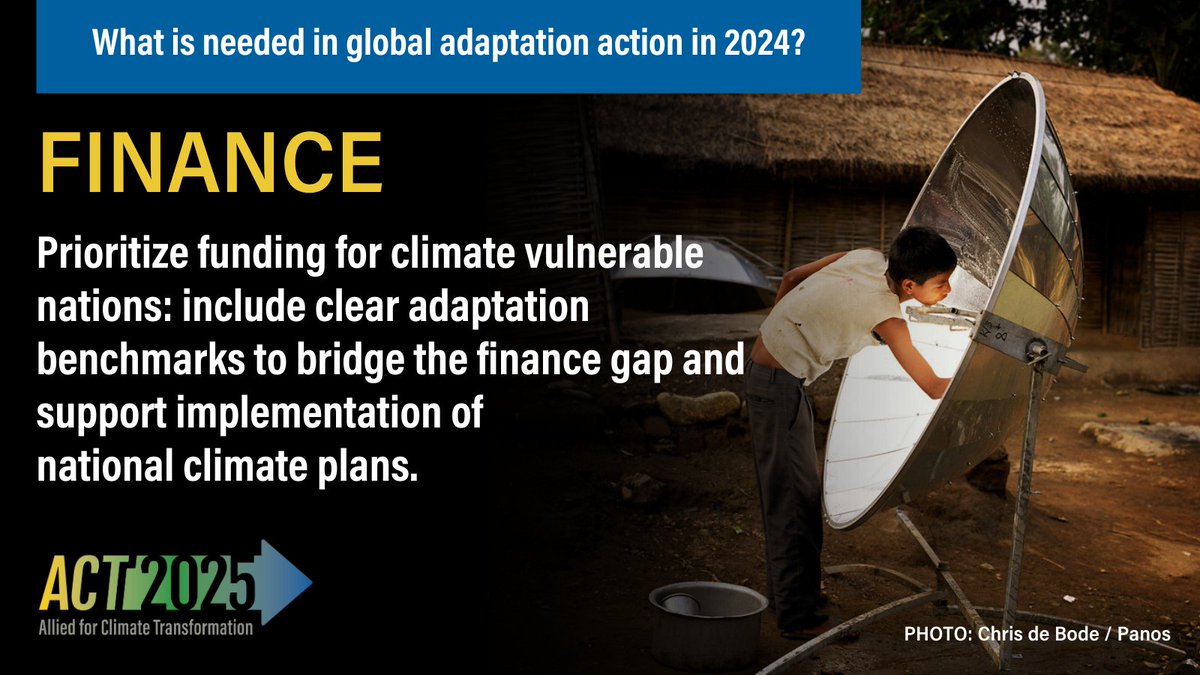
Global #Adaptation efforts must be accelerated to provide scaled-up finance & support. 💰 Only 33% of climate finance goes towards this crucial area, missing the 50% target. #COP29 must deliver an ambitious finance package. #ACT2025 lays it all out: bit.ly/3Uu9ZQv
WRI Climate tweet media
English
0
11
12
1.1K
Dr Kgaugelo Chiloane, PhD retweetledi
Mithika Mwenda, PhD
Mithika Mwenda, PhD@mithika_mwenda·
#AF's announcement of $80 million for 12 countries over five years pales in comparison to Africa's staggering annual adaptation funding gap of over $900 billion. While any funding for adaptation is welcomed, such a modest allocation falls short of addressing the urgent needs of vulnerable nations grappling with climate change. With millions facing immediate threats, this effort seems insufficient to make a meaningful impact on the ground. Urgent and substantial action is required to bridge the vast chasm between available funds and the pressing demands of adaptation in the most vulnerable regions. #Adaptationfunds @PACJA1 adaptation-fund.org
Mithika Mwenda, PhD tweet media
English
2
13
33
1.1K
Dr Kgaugelo Chiloane, PhD retweetledi
Sophie Mokoena
Sophie Mokoena@Sophie_Mokoena·
The @EFFSouthAfrica leader @Julius_S_Malema says it is time for Africans to benefit from the resources of the continent. He says the mineral wealth of Africa should be utilised to address challenges facing the continent. #sabcnews
English
40
171
522
39.1K