Kurdish DNA

164 posts

Kurdish DNA

Kurdish DNA

@KurdishDNA

Mapping the Kurdish genome through Y-DNA & autosomal analysis. Tribal lineages, ancestry, and population genetics. Community-led research.

Kurdistan Katılım Mayıs 2023
24 Takip Edilen574 Takipçiler
Kurdish DNA retweetledi
Ari
Ari@KurdiCompendium·
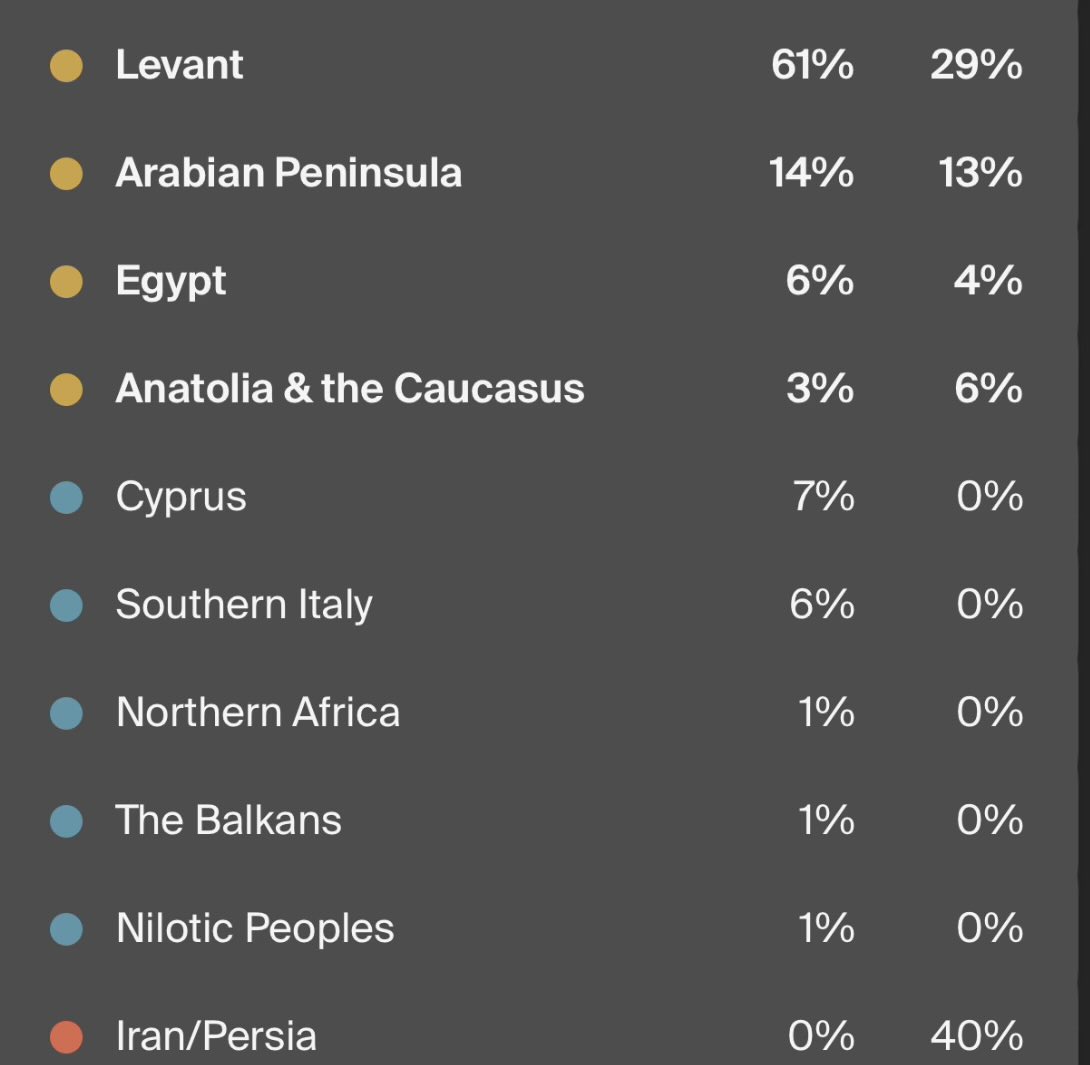
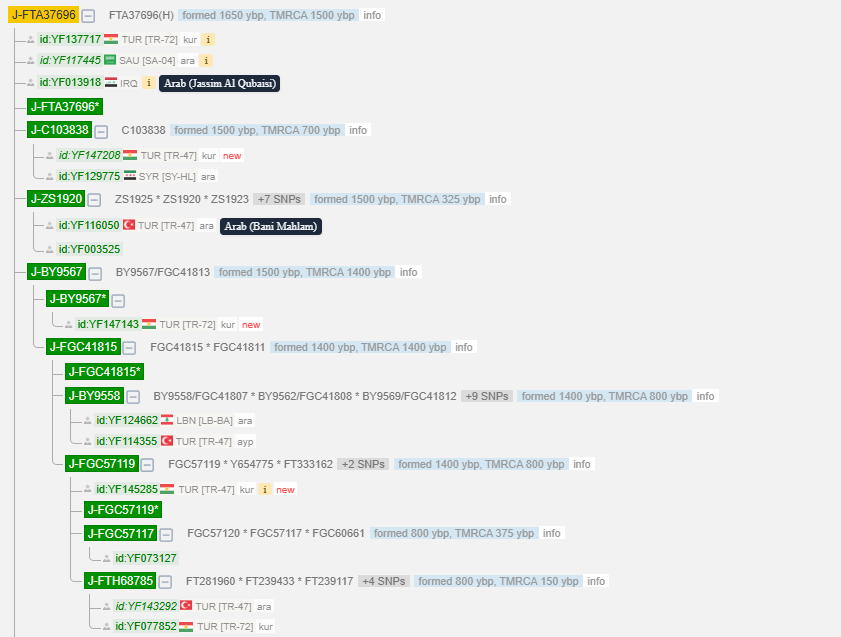
The largest genetically confirmed Bedouin Arab paternal Y-DNA lineage that exists among Kurds traces back to the Adnanite patriarch Rabi'a ibn Nizar J1-P58>Z2331>Z1884>FGC11>Y10887>FGC4453. More specifically, it is likely linked to the Banu Shayban tribal, itself a branch of Banu Bakr bin Wa'il (Banu Bakr), whose original heartland was centred in what is now Najd, Saudi Arabia. The first Rabi'ah groups to enter Northern Mesopotamia were the Taghlibi Arabs, who arrived following the Basus War in the 500s AD, making them roughly contemporary with the earliest Kurdish settlements in Mesopotamia. The legacy of Banu Bakr's descendants is still visible today: the modern Kurdish city of Diyarbakır takes its name from Diyar Bakr, meaning "The Abode of Bakr." Banu Shayban arrived later than their historic rivals and close cousins, the Taghlibis. They are perhaps best known for their role in the Islamic conquest of Sassanid Iran, most notably at the Battle of Dhi Qar, a conflict whom Kurds fought in the defence of Iran. Given their newly shared geography, tribal structures, and common faith, Kurds and Bedouin Arabs had historically alternated between shared confederation and rivalry. Periods of cooperation naturally created opportunities for assimilation in both directions. However, as Kurds rapidly consolidated their hold over Upper Mesopotamia in the post-Islamic era, the dominant vector of assimilation was into Kurdish society, though recorded accounts of the reverse also exist. No ancient genetic samples from Banu Shayban have yet been recovered, but we have samples from their close kin, the Taghlibis during their rule under the Hamdanid dynasty (890–1004 AD) in northern Mesopotamia and Syria. Despite their Bedouin paternal roots, the Hamdanids' autosomal DNA was heavily shaped by extensive intermarriage with Armenians, Kurds, and Syriacs, with Iranian/Kurdish ancestry accounting for approximately 30–50% of their genetic profile. This legacy persists today among the Baggara Arabs of Syria, who have retained a substantial proportion of Hamdanid lineage from their forebears.
Ari tweet media
English
3
5
51
10.5K
Kurdish DNA retweetledi
Ari
Ari@KurdiCompendium·
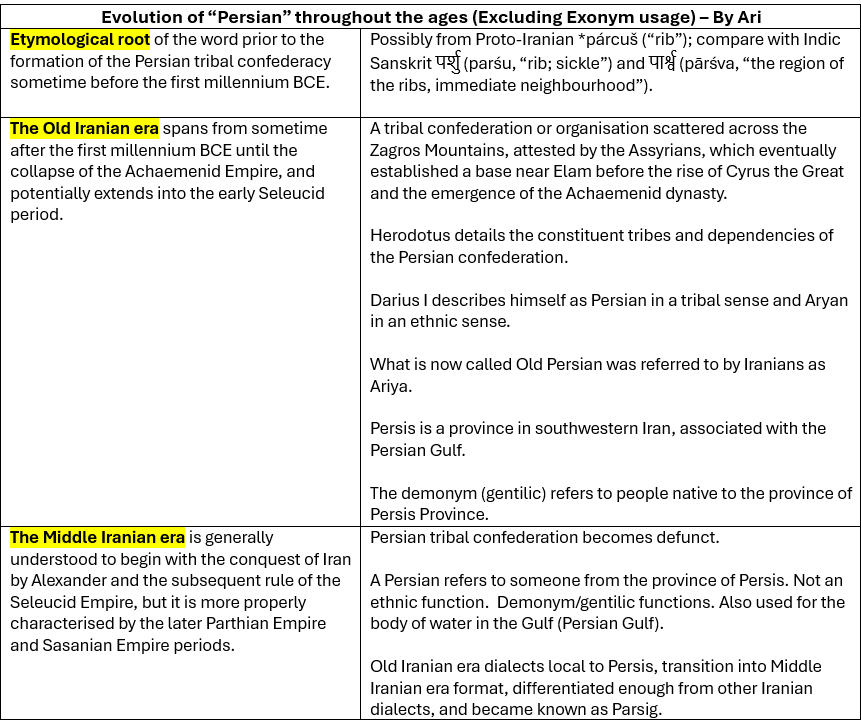
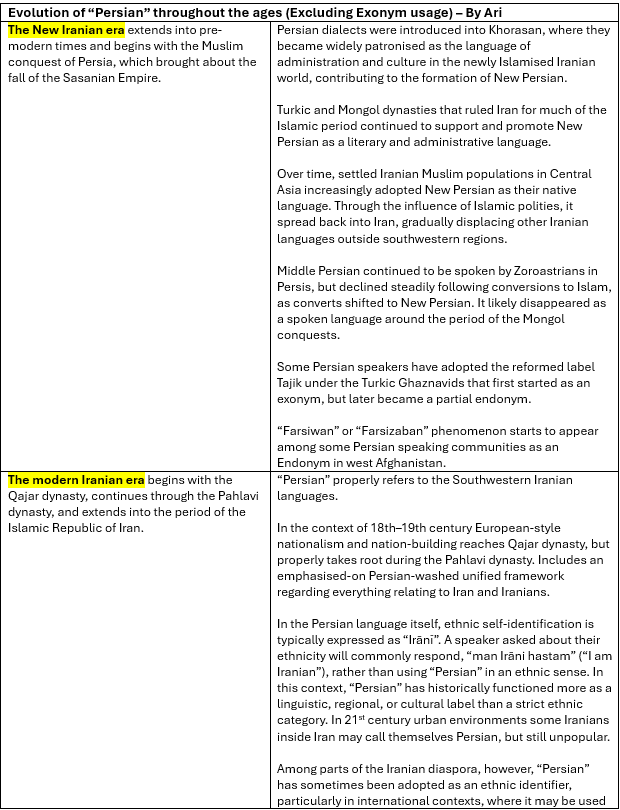
In light of the repeated misuse of the word Persian by non Iranians and even members of the Iranian diaspora, I have decided to explain how the word Persian has been historically used by Iranians themselves. The persistent use of the word Persian, as it is known as an exonym, is harmful to discourse and to a proper understanding of how the past should be authentically investigated. The Greek and Arabic renditions of the term, through which most of the world has come to know it, do not accurately reflect what the term has meant within the context of Iranian society. It may come as a surprise to many, but the term Persian does not denote any sort of ethnic meaning, and it has never done so at any point in history among Iranians. This is contrary to the new major push in Iranian diaspora to reinvent their identity due to reasons relating to perception and Pahlavi era related revisionism centred around "Persianness". Often times these Iranians in diaspora don't even come from Persian speaking backgrounds, but rather from Azeri, Gilaki, etc backgrounds. Ultimately this still doesn't affect how Persian speakers within Iran itself choose to project their identity. Its neither here or there if people want to choose a new identity. It is however a major problem when people want to back project their new identity onto the entirety of history. It is therefore incorrect to call figures such as Ibn Sina, Al Razi, Al Khwarizmi, Omar Khayyam, Ferdowsi, and Rumi ethnic Persians. These were ethnic Iranians who wrote in Arabic or Persian, as those languages were the lingua franca in which science, poetry, and other forms of knowledge were expressed. Within the context of Iranian society, language has not been a major factor in how society has defined itself ethnically compared to other cultures around the world. In the ancient Iranian era, the Persians were mostly a specific tribal organization within Iranian society. Iranian confederations such as the Mards and the Medes should not be understood as ethnic units but as political ones, in which Iranians joined and left. These tribal confederations sometimes left a legacy that can be seen in the geographic names of Iran. In the case of the Persian tribes, their legacy is preserved in names such as Persis and the Persian Gulf, even though their political confederations became defunct after the ancient Iranian era. From the Middle Iranian era onward, which can be defined as beginning with the Seleucid period, the term Persian mostly referred to a language. Old Persian is a modern term for what Iranians called Ariya. Parsig, as known to Iranians, is what we now call Middle Persian. Demonyms were an important way in which Iranians distinguished themselves during the Middle Iranian era. Much like how an Iranian from Parthia could call himself Parthian, or an Iranian from Kerman could call himself Kermani, an Iranian from Persis could call himself Parsig or Persian. This is not an ethnic definition, but rather the word Persian carried gentilic meaning. In this sense, it would be correct to call the Sasanian regime Persian, but not in the way most people assume. The Sasanian regime was ethnically Iranian but gentilically from the province of Persis. This does not contradict the idea that the Sasanians may have had tribal Kurdish origins, as noted by several early Islamic era historians. However, this does not mean they were ethnically Kurdish, as Kurds did not exist as a defined ethnic unit during that period, though that is a separate issue. The main point is to understand how the meanings of words change over time, and how different societies can understand the same word differently. While foreigners have often used the words Persian and Iranian interchangeably, this is not reflected in Iranian history. These definitional assumptions become problematic when attempting to study these topics beyond a surface level. In Arabic historiography, the word Persian was sometimes used to refer to settled Iranians, and at other times to Iranians as a whole. This definition even partially influenced the Iranian world for a long time. For example even up to the early 20th century Kurds did not have a problem saying their language was Persian (as per Arabic historiographical understanding). Of course much has changed in light of nationalism. Without understanding nuance, it is not possible to properly investigate the truth. All of this is ignoring another layer of problems regarding sensitivities in how different communities feel about completely revising history and reality due to a fundamental misunderstanding.
Ari tweet mediaAri tweet media
English
10
16
57
10.2K
Kurdish DNA
Kurdish DNA@KurdishDNA·
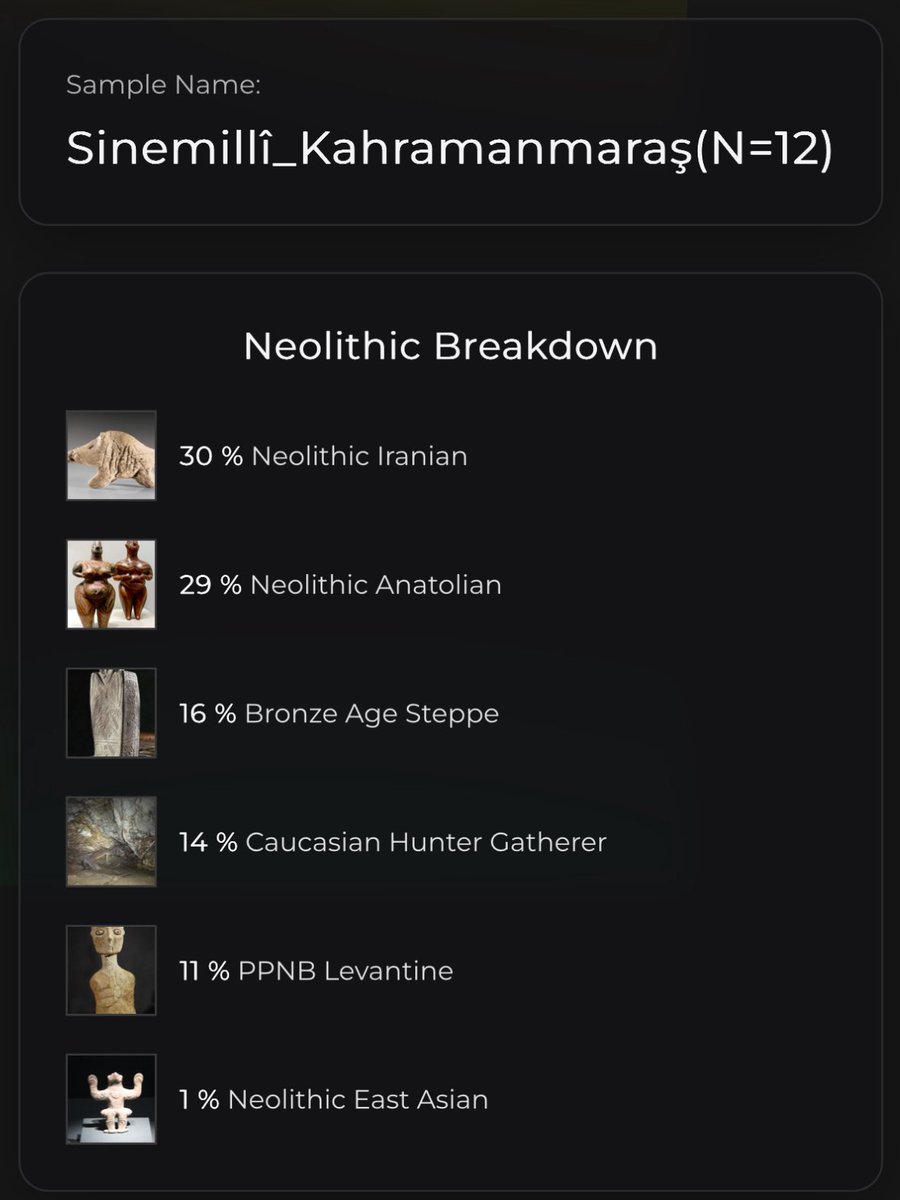
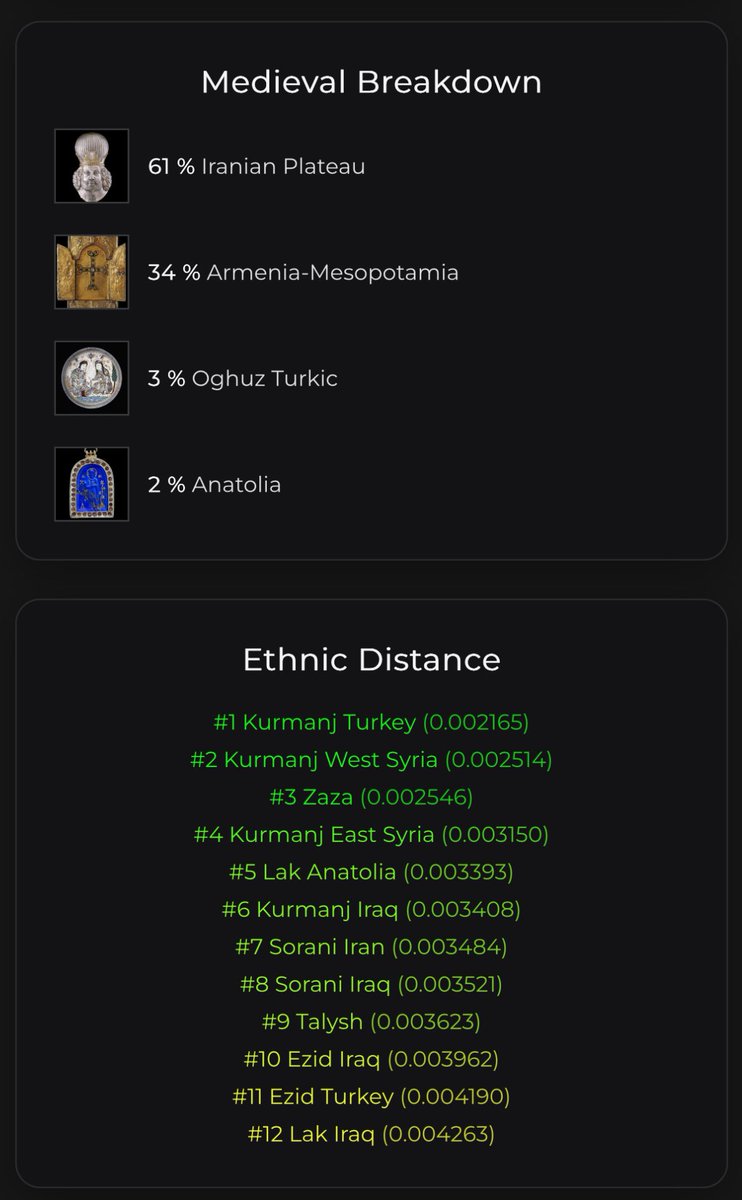
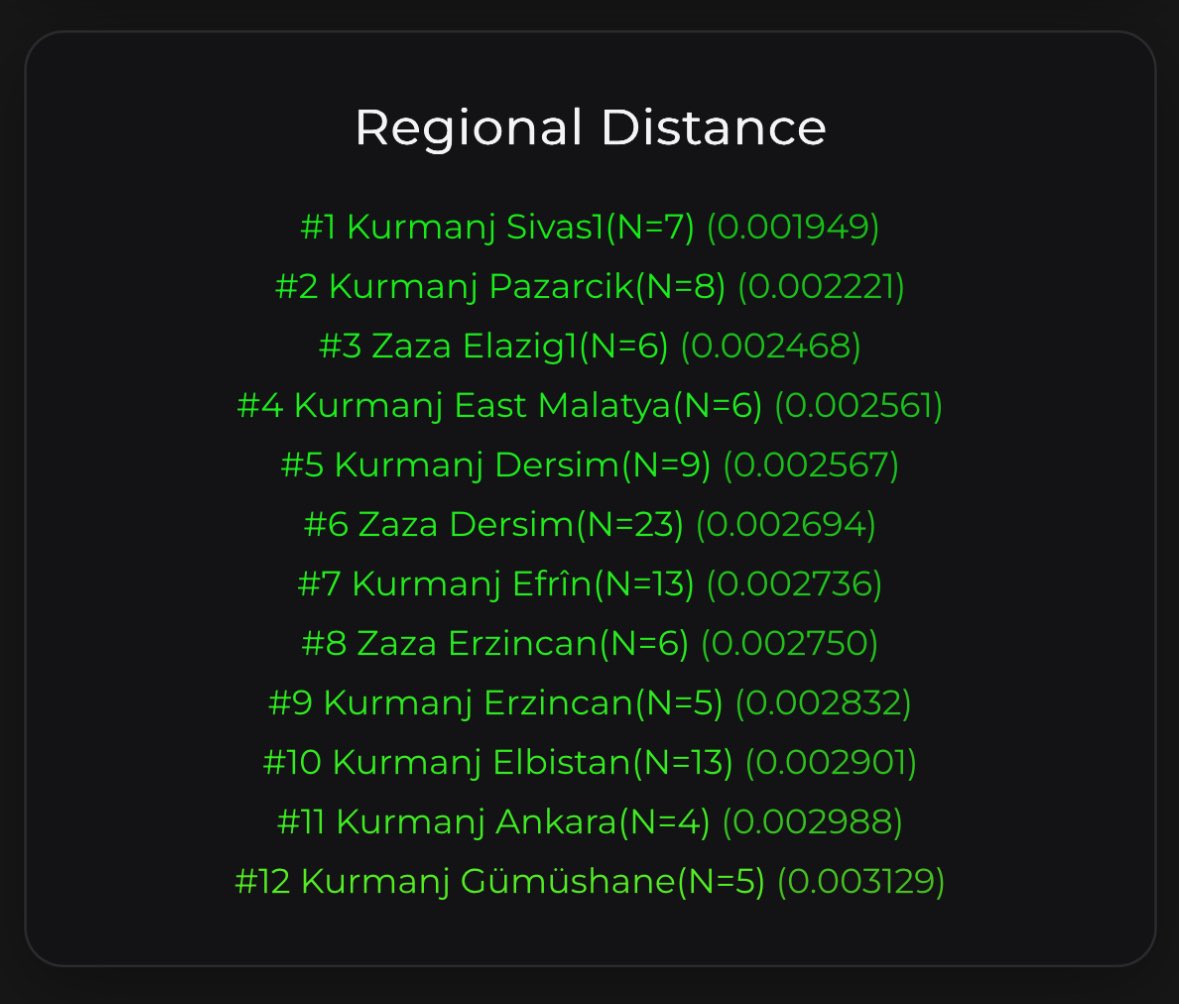
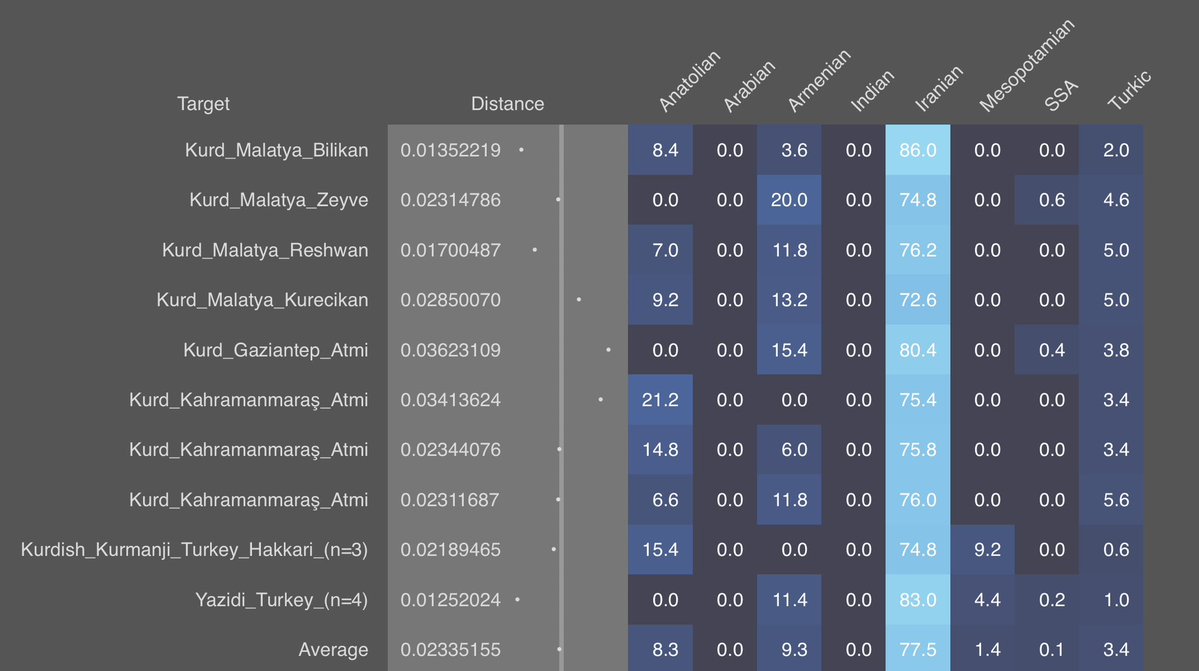
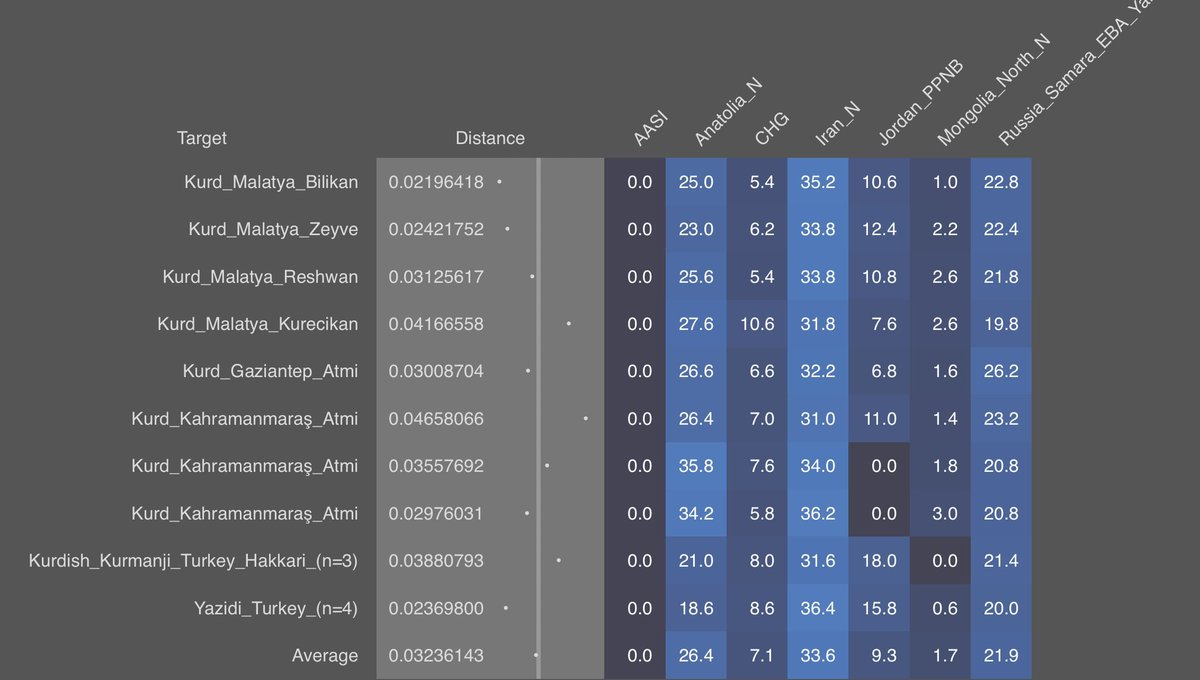
Interesting how @QizilbashDNA hyper-focuses on trace Turkic signals in Kurds while ignoring the rest. Sinemillî are overwhelmingly J-Z7706>SK1381, a clearly Iranian subclade. yfull.com/tree/J-FT37340/ Their autosomal makeup shows high Medieval Iranian affinity. Very low Turkic input for a group neighboring Turkmens for centuries. They're indistinguishable from the broader Kurdish/Northwest Iranian cluster. (See pictures attached, average of 12 Sinemillî from Kahramanmaraş, Kayseri and Erzincan provinces)
Kurdish DNA tweet mediaKurdish DNA tweet mediaKurdish DNA tweet media
Qizilbash DNA Project@QizilbashDNA

🧬Maraş/Pazarcık Alevi Kürt Sonucu Aşiret/Ocak: Sinemilli Y-DNA: Bulunmuyor (Örnek bir bayana ait) Doğu Asya Mirası: 1. Modelde %5,59 2. Modelde %6,57

English
10
17
75
9.2K
Aydinidv2
Aydinidv2@ZenciGotluAdam·
@koyluogluHK @QizilbashDNA @KurdishDNA Hello, I'm one of the co-founders of the Qizilbash Dna project but we never stated such thing about Sinemilli Kurds. Thats just Something you may or may not concluded in your head due to how we usually focused on Turkish results or the Eurasian Rates.
English
1
0
2
123
Kurdish DNA
Kurdish DNA@KurdishDNA·
@mikehawk773 @QizilbashDNA We never said that there was no influence but we see that it is very low for people who lived together for the last 500 years.. Alevi Kurds of Kahramanmaraş have in average typical Kurdish results.
English
1
0
4
341
Ldsmn217𒉭
Ldsmn217𒉭@mikehawk773·
@KurdishDNA @QizilbashDNA It says kurdish dna result anyway. Also, turkmen effect is very clear. Kurds are %1-2 east eurasia at most.
English
2
0
1
354
Kurdish DNA
Kurdish DNA@KurdishDNA·
@QizilbashDNA We never claimed 95% Iranian heritage. What you're doing isn't science; it's Identity Projection masked by pseudoscientific jargon. You are hyper-fixating on 3% to satisfy an ideological narrative.
English
1
0
7
204
Qizilbash DNA Project
Qizilbash DNA Project@QizilbashDNA·
@KurdishDNA In the example we shared, there isn't a 95% Iranian heritage either. The Sintashta heritage is probably around 7-8%.
English
1
0
9
234
Kurdish DNA
Kurdish DNA@KurdishDNA·
You just admitted the bias. Science doesn't "take into account" a specific heritage before the data is analyzed, that’s confirmation bias. You cannot project "ancestral wolf symbols" onto Kurdish tribes like Sinemilli. There is enough historical sources, tribal lores and genetic evidences showing their Kurdish origins. And again, if you were truly "ideology-free," you would admit these results cluster firmly with Kurds, not Oghuz Turks.
English
1
0
15
429
Qizilbash DNA Project
Qizilbash DNA Project@QizilbashDNA·
@KurdishDNA Our project includes Afghan Turkmen Qizilbash, Azerbaijani Turks, and Anatolian Alevis. There is no harm in including the wolf symbol, which is a symbol of our ancestors. Furthermore, since our project generally covers Turkish Qizilbash, we are taking into account the EE heritage
English
1
1
14
2.5K
Kurdish DNA
Kurdish DNA@KurdishDNA·
Scientific projects use neutral charts, not nationalist political symbols like the Grey Wolf. Claiming neutrality while ignoring the 95% of their ancestry and the Y-DNA of the Sinemilli is pure cherry-picking. That east asian admixture that you show is trace admixture, not an ethnic overhaul. If you were truly "ideology-free," you would admit these results cluster firmly with Kurds, not how much ancestry they got from Oghuz Turks.
English
3
0
31
876
Qizilbash DNA Project
Qizilbash DNA Project@QizilbashDNA·
@KurdishDNA First, hello🙌🏻. I'm not focusing solely on Turkish-influenced Kurdish examples. People send me their genetic samples privately, and I write and share posts based on the ethnic affiliations they describe. Our project is conducted in a completely unbiased and ideology-free manner.
English
2
0
22
903
Kurdish DNA retweetledi
Ari
Ari@KurdiCompendium·
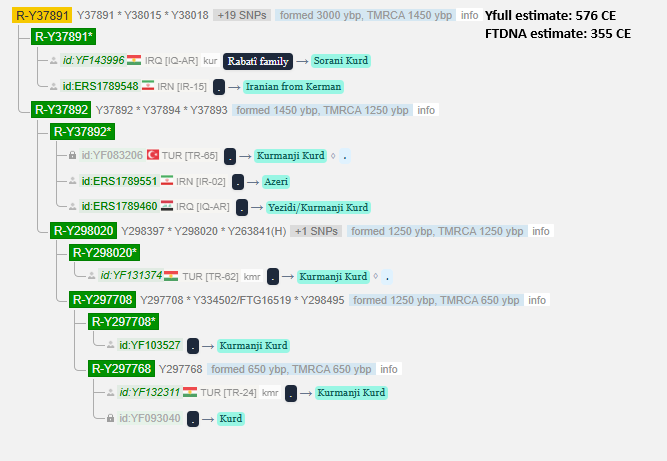
Patrilineal lineage R1a-Z93 > CTS6 > Y37891 is shaping up to be one of the original Kurdish genetic markers. It is currently shared between three lines: the Rabatî family, as tested by Hawpa leader Sarhoz Rabaty; secondly various Kurmanjis, particularly from the Shadiyan and Shikak tribes; and lastly an Iranian from Kerman. This haplogroup is of Indo-Iranian > Iranian > CIr > Kurd origins. What is interesting here is that, unlike the Azeri who descends recently from a Kurd, the Iranian from Kerman carries a divergent mutational marker from the two Kurdish lines, suggesting this is not the result of a recent backflow population as far as we can tell. Moreover, the TMRCA split between the Kurdish lines and the Kermani individual occurs around the time when, according to linguistic evidence, the last major batch of Kurds left the region of southern Iran. It is therefore very reasonable to think that this Iranian from Kerman is descended from a Kurd who never left southern Iran. It should be noted that the Shadi tribe is one of the oldest continuously existing Kurdish tribes that survives into the modern period, so the fact that it's men overwhelmingly carry this genetic lineage as their main line is of great significance. For all of the aforementioned reasons, it is extremely unlikely that this Y haplogroup could be an Iranian lineage assimilated via later Adharic speaking Iranian populations whom we know Kurds encountered/assimilated while migrating from southwestern Iran. Rather, this Iranian lineage would be carried from the original wave of Kurds who expanded into what is now the region of Kurdistan.
Ari tweet media
English
9
22
102
23.5K
Kurdish DNA retweetledi
eylok
eylok@asteraex·
Kurdish samples with the highest Iranian ancestry
eylok tweet mediaeylok tweet media
English
31
13
121
20.9K
Kurdish DNA
Kurdish DNA@KurdishDNA·
@Rozekurdno We also would like to sponsor 5 more so please reach out to us if interested. Also @Rozekurdno let's chat about which provinces/tribes are priority. There are provinces that don't need testing anymore. (Ex: Dersim, Maraş, Konya. Ankara etc...)
English
2
2
15
1.3K
Al-Dersimi
Al-Dersimi@aldersimi·
Okay, I’m donating around 30 Family Finder tests at $29 each. Send me a DM with your tribe and region, and I’ll select 30 people for the first batch. I chose to switch to part-time work to write my book. If I’m going to invest in Y-700 tests at 500 euros each, I’ll need to return to full-time work. If there are resourceful Kurdish businessmen who want to donate to the Kurdish DNA project to uncover our great history, please contact me. I’m especially looking at the Talabanis and Barzanis. The Kurdish Genetic Project is a group of high-IQ, autistic, non-corrupted young men, all with higher education and an enormous drive to pursue Kurdish history to its core. Everything we do is for Kurd û Kurdistan. I trust this young clique of smart Kurds.
English
11
7
31
6.1K
Kurdish DNA
Kurdish DNA@KurdishDNA·
@asteraex We would sponsor 5 more for the ones interested :D
English
0
0
1
115
eylok
eylok@asteraex·
I’m offering to sponsor 5 Kurds from the Hakkari, Beytüşşebap and Uludere regions to take a Family Finder DNA test through ftDNA as there is a huge sale currently. I’m particularly interested in individuals from the following tribes: Goyan, Pinyanişi, Mamxuran, Jirki, Herki and Ertoşi.  All known ancestors should be Kurds. Your personal data will be treated confidentially.
English
19
5
78
9.7K
Kurdish DNA retweetledi
Miro C
Miro C@MiroCyo·
The mother of all releases. 9,426 new ancient DNA samples Absolute insanity ebi.ac.uk/ena/browser/vi…
English
84
216
1.8K
303.3K
Kurdish DNA retweetledi
Ari
Ari@KurdiCompendium·
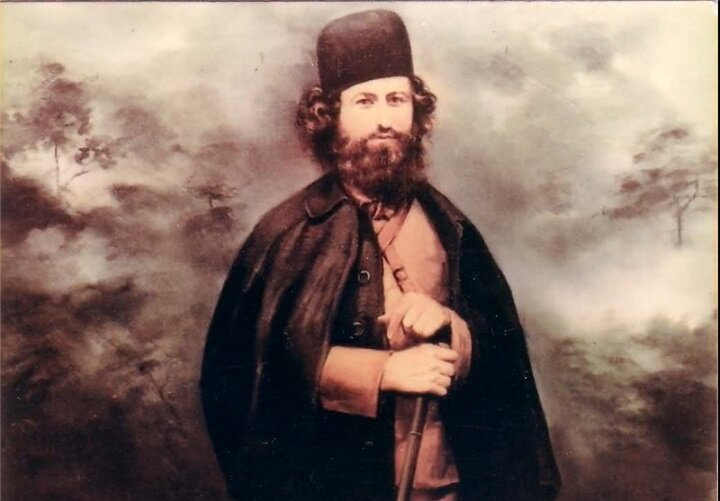
Mirzā Kuchak Khān was a major revolutionary figure in early 20th-century Iran, born into a wealthy landowning Kurdish family (Kurmanji origin) in Gilan from the Rashvand/Reshwan tribe. He led the short-lived Gilan Socialist Soviet Republic (1920–1921) through his movement, Nehzat-e Jangal, which began in 1914. A friend of mine from the same Kurdish Rashvand branch in Gilan carries Y-haplogroup J2-L25>Z7700. His lineage will be upgraded to a Y-700 test soon. This is the third branch/outlier of Reshwan/Rashvand Kurds that differ from the main 2 paternal lineages of the tribe that is currently based primarily in central Anatolia (E1b-BY206101 and R1b-FT186298). As a side note, the English version of his Wikipedia page contains errors, so it should be ignored.
Ari tweet media
English
9
12
60
7.9K
Kurdish DNA retweetledi
Ari
Ari@KurdiCompendium·
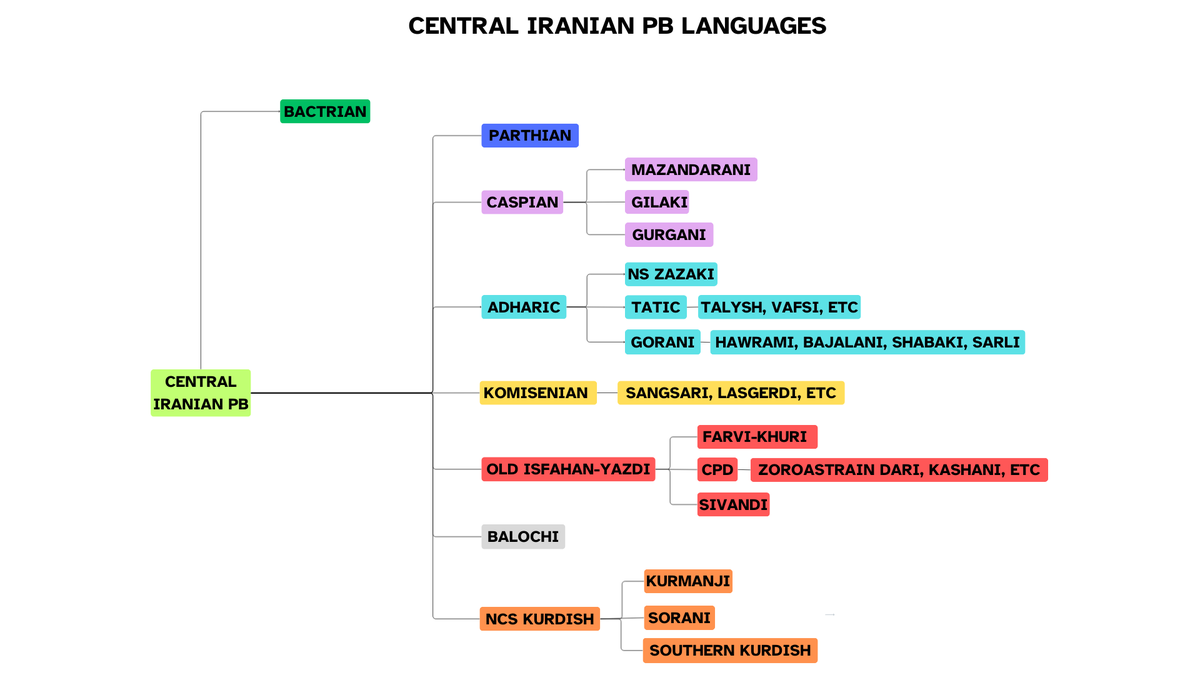
Linguistic genealogy of north western Iranian languages such as Kurdish within the Central Iranian PB linguistic category. Traditionally, Iranian languages have been divided into a west east division, but it is increasingly apparent that no such divide exists. For example, Persian shows its own unique developments beginning in the Proto Iranian period. By contrast, north western Iranian languages show no striking differences from many non Persian Iranian languages prior to the Old Iranian era. Instead, Iranian languages should be divided into multiple nodes descending from Proto Iranian. One of these offshoots is the Central Iranian languages, whose origins lie in the vicinity of northern Afghanistan. North western Iranian languages constitute a reconstructible linguistic node defined by the westward expansion of Central Iranian languages toward the Iranian plateau. From this expansion, various Iranian tribal groups emerged, including the Medes among others. The now extinct Bactrian language can be considered a Central Iranian language that remained in northern Afghanistan. The term north western Iranian should not be used interchangeably with Median, as the Medes would have comprised only one of many north western Iranian groups across Iran. It is also important to note that prior to the Islamic period, the majority of the Iranian plateau was dominated by north western Iranian languages. An ancestral stage to the Central Iranian PB category may be the CIr PBS category, which potentially includes the Sogdian language. This classification has been proposed by Agnes Korn on the basis of a probable linguistic relationship. However, this position is not accepted by all linguists like Ľubomír Novák, and it has therefore not been included in the chart for now until further clarification can be made. The PB category itself is widely accepted in modern Iranian linguistics. It is important to note that this chart represents only linguistic descent and not areal influence. For example, Parthian exerted significant areal influence on many languages but appears to have no modern descendants. Kurdish, Balochi, Farvi, and Sivandi is heavily substrated by Old and Middle Persian, but it clearly does not descend from Persian. Otherwise, some positions need further investigations like whether or not Lorestani Laki is a Gorani langauge that has been heavily Kurdified, before coming in contact with Luri/Persian influence.
Ari tweet media
English
3
19
86
16.4K
Kurdish DNA retweetledi
Ari
Ari@KurdiCompendium·
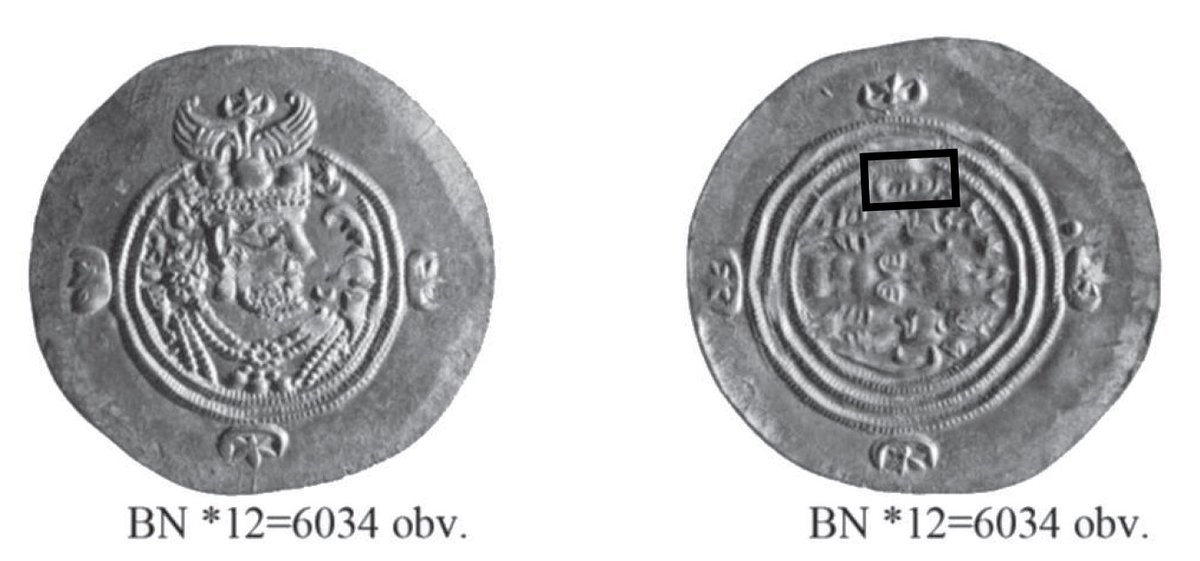
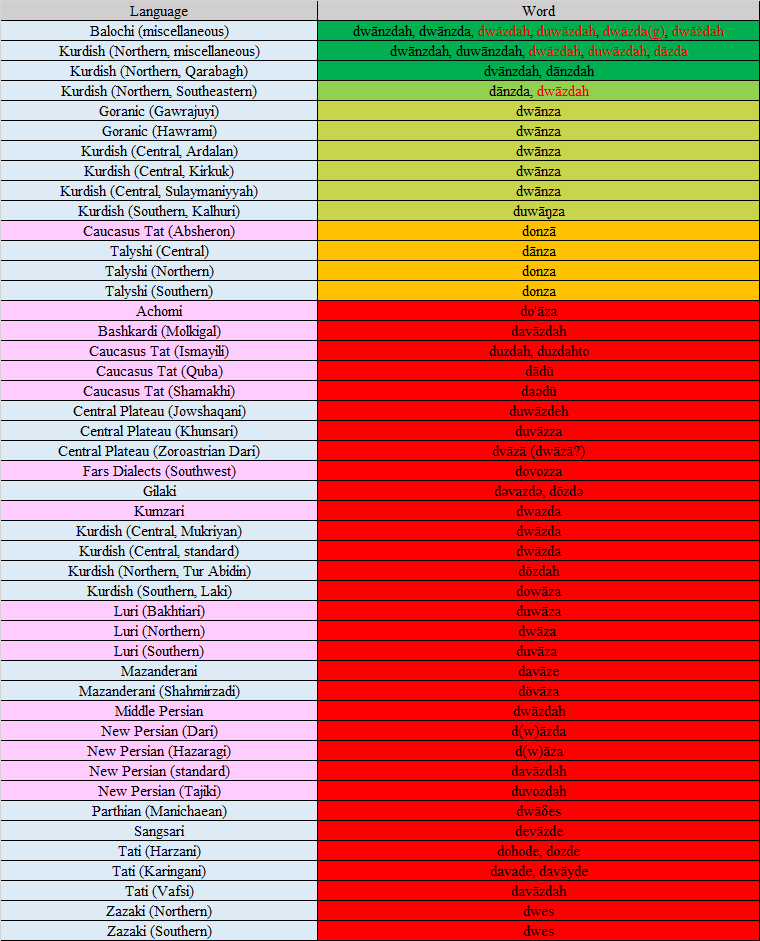
"Dwanzdah," meaning twelve, is one of the oldest historically attested words of Kurmanji Kurdish or the Balochi language. It was minted on the coins of the final Sassanian King Yazdegerd III (632 to 651 AD) in the province of Kerman, in southern Iran, using a pronunciation that does not fit Middle Persian dwʾcdh (/⁠dwāzdah⁠/) primarily due to the missing n. On the table on the right we made a best fit list of modern Iranian languages that best fit the bill of this attestation of the number twelve. It should be noted that Gorani has its attestation loaned from C/SK. Talysh also has some weird developments that are also atypical. These will be explored at a later date. Despite this they don't match what we are looking for phonetically. Knowing whether or not this word minted on the coins is Kurmanji or Balochi is currently difficult to decipher as both languages have variants attested that exactly fit the bill: Dwanzdah. Both Kurdish and Balochi have different developments starting from the old Iranian era, and the similarity between them is due to parallel developments living (historically) in Persian zones as NW Iranian languages, and at least partially once living somewhat near each other. The Balochi language originates among the native North western Iranian languages of Kerman, where it had major Persian contact with the local major Persian dialects of Kerman like Bashkardi, prior to its expansion into what is now modern Balochistan. Balochis are historically attested as "Balūṣ" in the province of Kerman in the early Islamic era. Although that is through an Arabic rendering. Kurmanji as a Kurdish dialect is linguistically also a North western Iranian language (separate from Balochi) that lived in a highly Persian contact zone primarily based in Persis, before migrating north west around the very start of the Islamic age. This should not be confused with other Kurdish dialects who leave the Persian contact zones a few hundred years prior to Kurmanji. Some Kurdish tribes like that of "Al-Qafs" (Arabisation of the Iranian word kofech, meaning mountain dweller) still had a big presence in the early Islamic era Kerman, on the western side of the province near the border of Persis, who can be assumed to be remnant Kurdish tribes of the pre Islamic era. One of the Middle Persian accounts in the Zand i Wahman also recounts Kurdish soldiers being brought to Padashkhvargar, who are called "both Kurd and Kerman". At least one of the major etymological solutions to the very word "Kurmanj" may involve the very province Kerman. That remains to be solved, and I will discuss that at a later date. Therefore Kurmanji and Balochi are both historically and linguistically fitting the bill of this form embedded into these aforementioned mints of Yazdegerd III. I will make a post about other potential pre-Islamic Kurdish attestations in the future. Thanks to @ZarbianHerki who I worked with on this post.
Ari tweet mediaAri tweet media
English
10
19
79
27.7K
Kurdish DNA retweetledi
Palestinian Kurds
Palestinian Kurds@PalestinianKurd·
The clan that has a Berber haplogroup in the first image has the category most Palestinians don’t have but Kurds have as for the other clans the second image is a comparison between a regular Palestinian from Hebron and a Palestinian Kurd which clearly shows “Iranian ancestry”
Palestinian Kurds tweet mediaPalestinian Kurds tweet media
Actually Qutaiba@Qut4iba1999

There is like 10 Palestinian Kurds, 1 of them was identified as a north African Berber when he did a DNA test, and the rest are too scared to do one, the one who got identified as a Berber is running this page and still in Denial 🤷🏻‍♂️

English
2
1
29
4.1K