Laboratory for Social Minds
7.6K posts

Laboratory for Social Minds
@LaboratoryMinds
Announcements from the Laboratory for Social Minds @CMU_DietrichHSS / @SFIscience


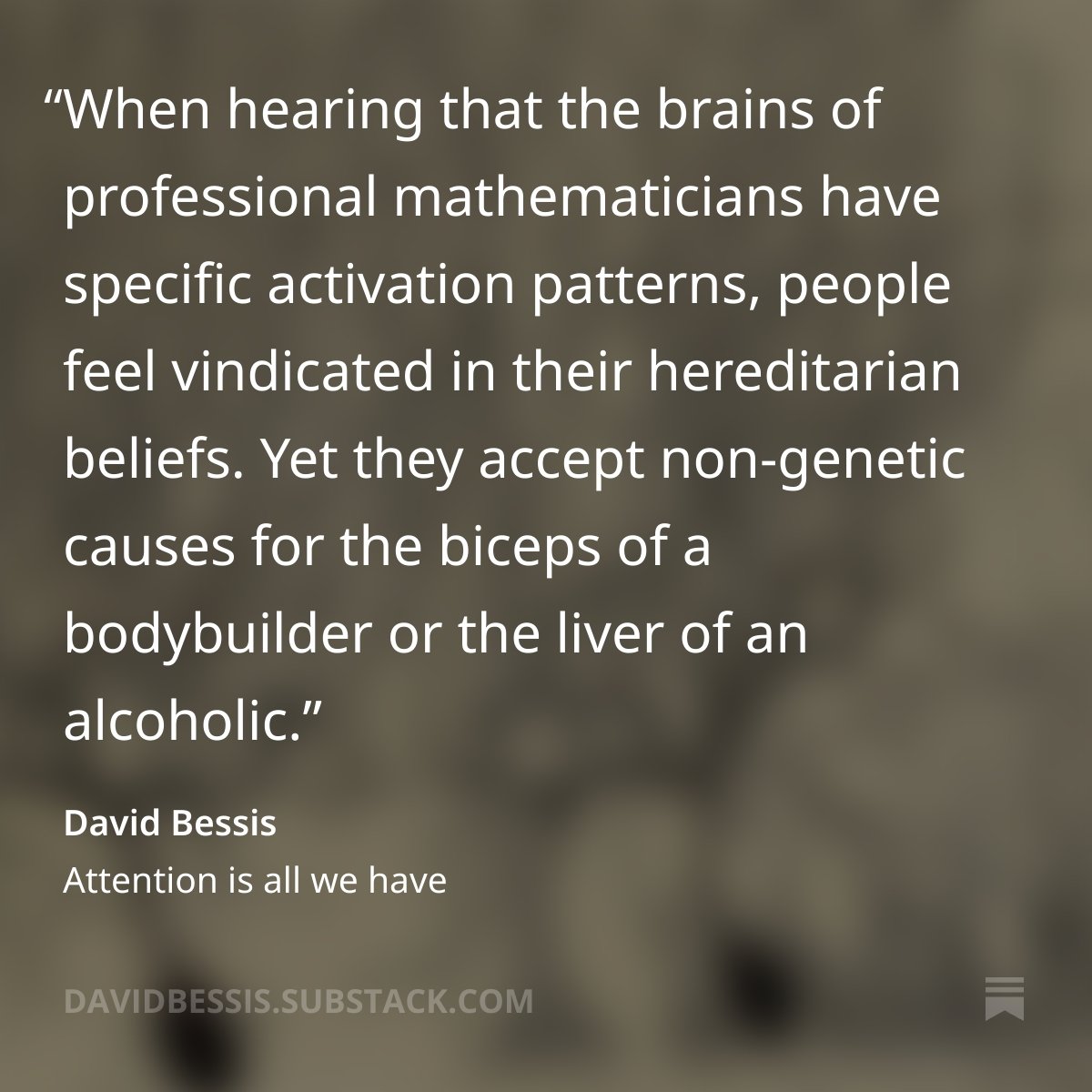
@davidbessis @krichard121212 Sure, I'll probably write a response when you publish it. Make sure that you read my second post about you, if you haven't already, since you seem to make a lot of basic mistakes when discussing behavioral genetics. And read Meng Hu's post on EEA, too


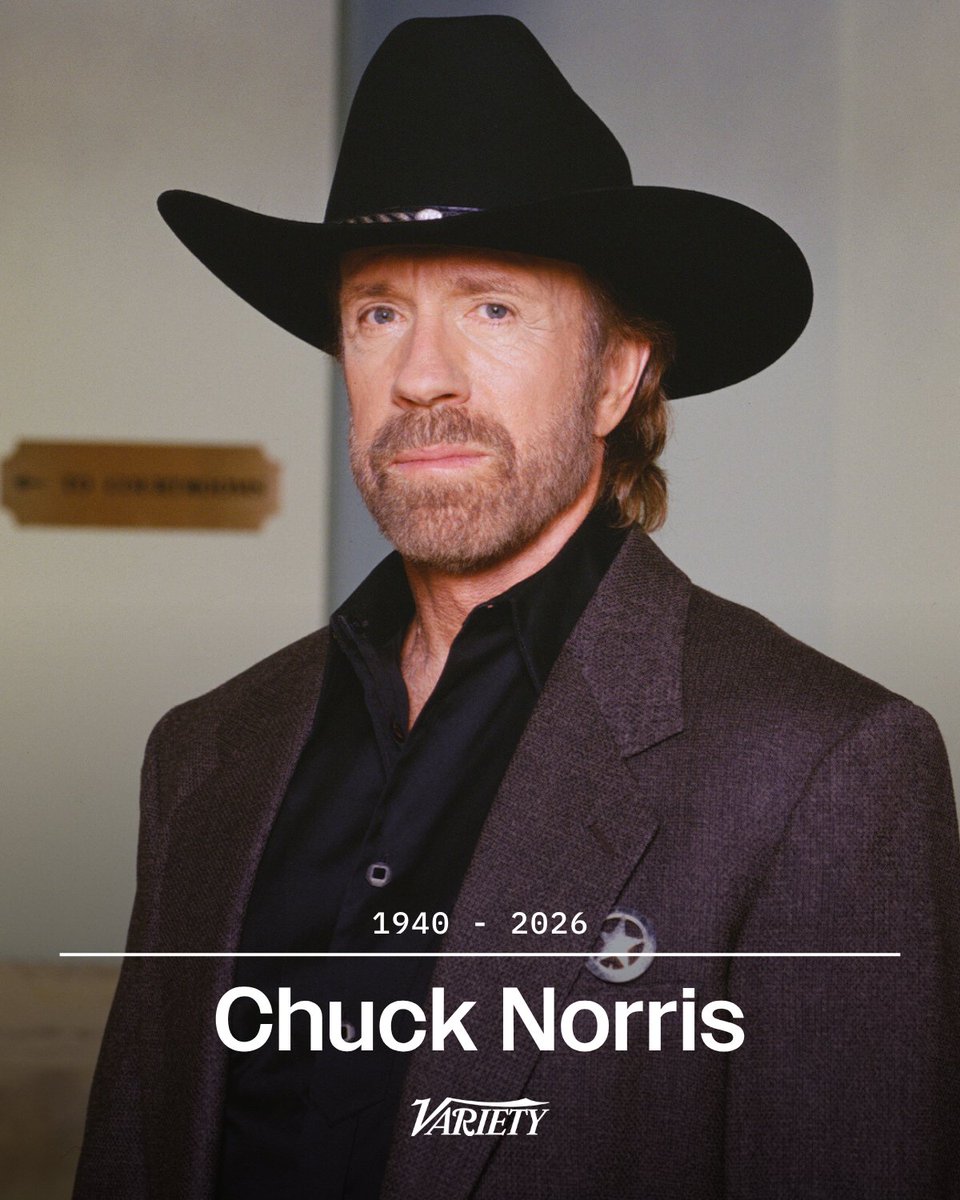
Chuck Norris has passed away at the age of 86.


This is rather a beautiful example of modern math with very precise and profound statements (not to mention the great use Litt made of it for proving that certain Taylor expansions have rational coefficients) that look like total gibberish to those outside (and many inside) math.


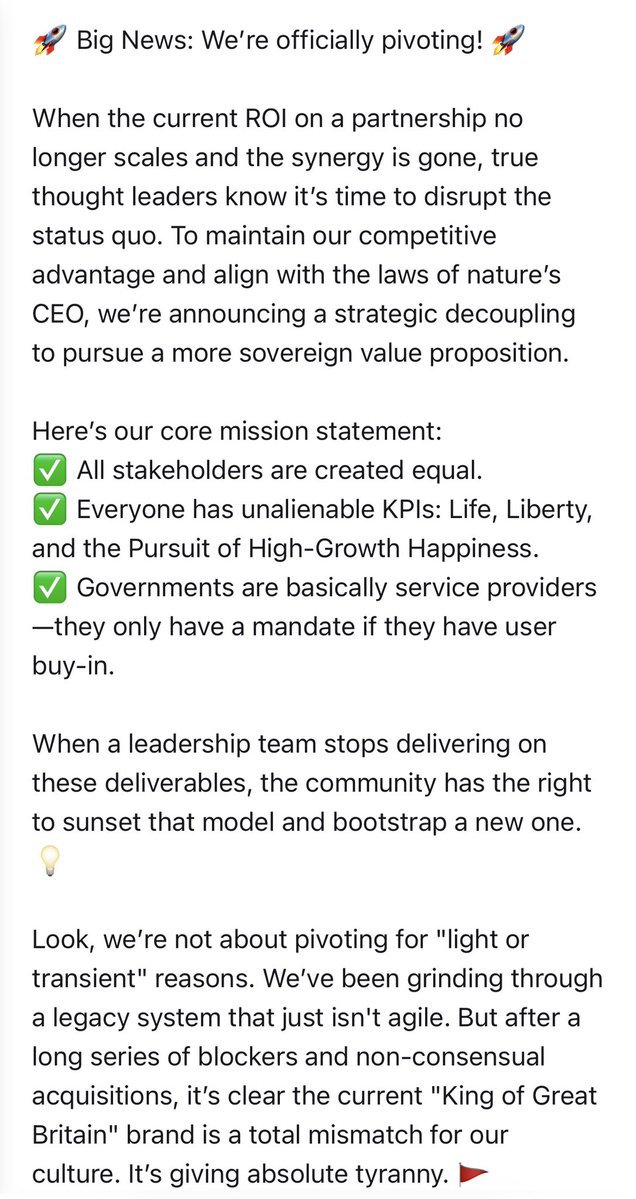
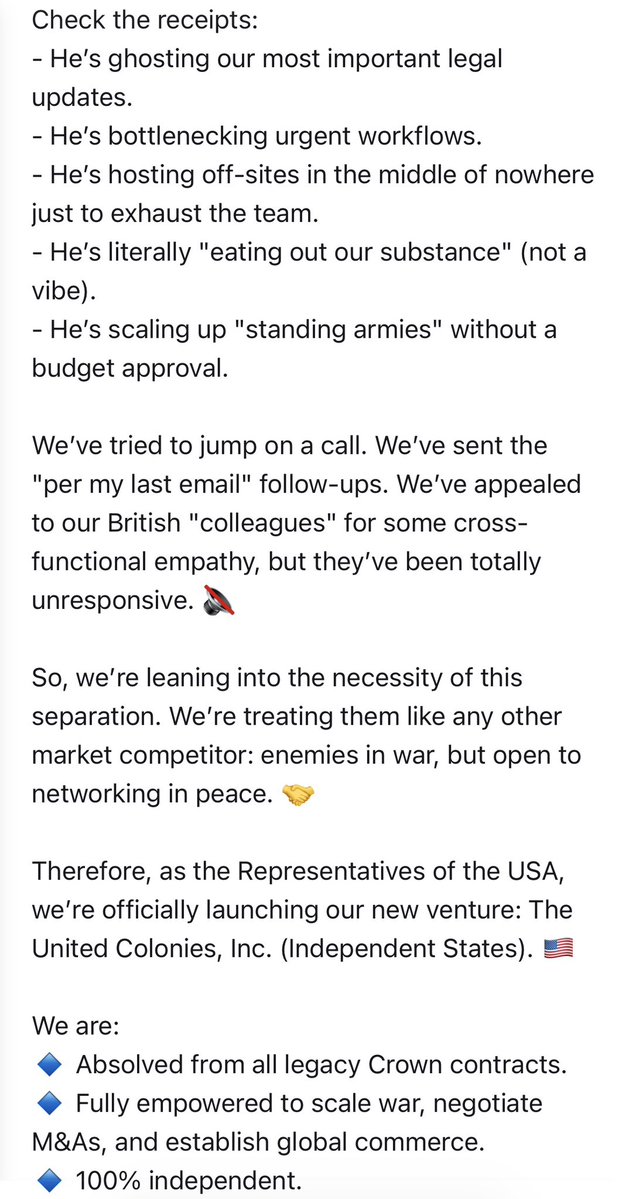
I put the Proclaimation of the Irish Republic into the LinkedIn translator


What happened in the 1550s when the government capped the price of fish. Sneak peek from my book draft.

@dollarsanddata The purpose is to socialize a 98th percentile student out of "I'm smarter than everyone so I can coast" into "I will have to hustle to compete with these people, and hustle even harder to outcompete the people who start with more money and better connections than me"

Prover correctness is becoming a central question as AI enters mathematics and software verification. New essay on why Lean's architecture is designed to survive AI pressure. leodemoura.github.io/blog/2026-3-16…

Some reading material. 1. A @leanprover blog post by @CdBirkbeck, myself and @antimath3 telling the story of the sphere packing project: leanprover-community.github.io/blog/posts/Sph… 2. An essay by Jeremy Avigad (my advisor) titled "Mathematicians in the Age of AI": andrew.cmu.edu/user/avigad/Pa…


In 2008, 62% of teachers said they were very satisfied with their job. In 2022, that dropped to 12%. We've got a serious problem brewing in education...

@unsorsodicorda Yes, I’m curious to see what kind of progress will be made. Buzzard had an ongoing project (pre-autoformalization) which aimed to formalize large parts of the argument “by hand” in 5 years, which gives a sense of the magnitude.

9/ Sims was also early to behavioral macroeconomics; see "Implications of Rational Inattention" (JME, 2003) — one of his most cited and creative contributions. Sims modeled agents as having limited information-processing capacity, not just limited information. This spawned an entire literature on how attention constraints shape macroeconomic dynamics. Basic intuition: people can't process everything happening in the economy; agents optimize how to allocate their attention & this has profound implications for price-setting, consumption, and why monetary policy works through expectations in subtle ways