
Libaniera 🇨🇿🥩
3.7K posts
Libaniera 🇨🇿🥩
@Libaniera
Business owner and normal wife, grandmother of 13 wonderful kids :) Conservative. Christian. Love my big family!
Czech Republic Katılım Haziran 2009
621 Takip Edilen173 Takipçiler

Robert Kennedy Jr. just revealed that Wi-Fi radiation causes cancer.
He said it on Joe Rogan and represents hundreds of patients who have brain tumors caused by it.
The tumors are glioblastomas—one of the deadliest forms of brain cancer.
Kennedy says they always appear on the same side of the head where the patient held their phone.
But cancer isn't even the worst effect.
Kennedy says Wi-Fi radiation opens up the blood-brain barrier, allowing every toxin already in your body to cross into brain tissue:
• Glyphosate from food
• Microplastics from water
• Flame retardants from furniture
Researchers who published these findings called it "leaky brain." The US government responded by suppressing the research and shutting down funding.
Kennedy says tens of thousands of studies document the danger.
Russia developed Wi-Fi radiation as a weapon. Russian schools ban cell phones. Their allowed radiation levels are a tiny fraction of what the US permits.
Kennedy sued the FCC over this. The court sided with him.
His recommendations:
• Never sleep with your phone nearby
• Never hold your phone against your head
• Never carry your phone in a breast pocket
The science exists. The government chose to bury it.
— Robert Kennedy Jr. (@RobertKennedyJr) on JRE (@joerogan)
Follow For More Unconventional Health Insights You Will Only Read On This Account
Goku@ProjectGokuu
Dr. Jack Kruse just revealed how blue light hijacks the dopamine reward pathways in your brain. Your phone, laptop, and TV are all running on a light that keeps your dopamine low by design. He says this was engineered on purpose. Kruse is a neurosurgeon who traced where this blue light display technology came from: 1) In the 1950s, DARPA funded IBM to develop liquid crystal displays using blue light. Side note: DARPA is the Defense Advanced Research Projects Agency. They build military technology. The internet started there. 2) In 1995, DARPA gave the search algorithm to two Stanford students who founded Google along with this technology 3) Today, Meta and Google own the patents on how this light is delivered through every screen you use. Kruse asked one question no one in tech has answered. Why does every screen on Earth default to blue light? You need third-party software just to get red light on your own device. Kruse says the reason is simple. Blue light at specific frequencies makes screens addictive. It lowers dopamine over time. It makes users more compliant and easier to influence. DARPA wants it sticky so people can be programmed through the content they consume. He says 55% of the American population has already been affected by screen technology in exactly this way. The blue glow on your face right now isn't accidental. According to Kruse, it never was. — Jack Kruse (@drplebjack) on the Danny Jones (@JonesDanny) Podcast
English
Libaniera 🇨🇿🥩 retweetledi

Again the Bible is proven right by science.
•Philippians 4:8
"Think on true & noble things."
•Romans 12:2
"Do not be conformed to this world, but be transformed by the renewal of your mind!"
•2nd Corinthians 10:5
"Take every thought captive to obey Christ."
You cannot be GRATEFUL & GRUMPY simultaneously!!
Gods word tells us to exude joy, peace, love, & hope!
It's simply a better strategy for a better life.
Shining Science@ShiningScience
🚨 Research shows repeated complaining physically rewires your brain to prioritize stress and negativity. The way we speak about our daily challenges does more than just vent frustration; it physically alters the architecture of the brain. When we engage in chronic complaining, we repeatedly activate neural networks responsible for detecting threats and processing stress. Through the biological process of neuroplasticity, these circuits become stronger and more efficient every time they are used. Essentially, the brain learns to become more adept at finding things to be unhappy about, turning a temporary mood into a permanent biological predisposition toward negativity and fear-based thinking. As these negative pathways become the brain's default setting, individuals often experience a measurable increase in baseline stress levels and emotional volatility. This heightened sensitivity means that even minor inconveniences can trigger an intense stress response because the brain has been conditioned to interpret the world through a lens of threat. Findings discussed by the Stanford University School of Medicine emphasize that while this mechanism is powerful, understanding the science of affective neuroscience is the first step in consciously redirecting those pathways toward more resilient emotional patterns. Source: Stanford University School of Medicine. (2023). Neural Plasticity and the Impact of Negative Thought Patterns on Emotional Regulation. Stanford Medicine News.
English
Libaniera 🇨🇿🥩 retweetledi

If a man expresses anger, he’s toxic.
If a man expresses fear, he’s a coward.
If a man sets boundaries, he’s insecure.
If a man expresses sadness, he’s weak.
If a man has standards, he’s a misogynist.
If a man expresses emotions, he’s a simp.
If a man shows no emotion, he’s heartless.
In the end you can’t win so do what is right by you, your family, and God. Nothing else matters.
English
@danusenerudova Chtěla jste asi napsat “loseři”, že?
S těmi cizími “termity” pozor🙂. Jeden může být snadno za trubku.

Čeština

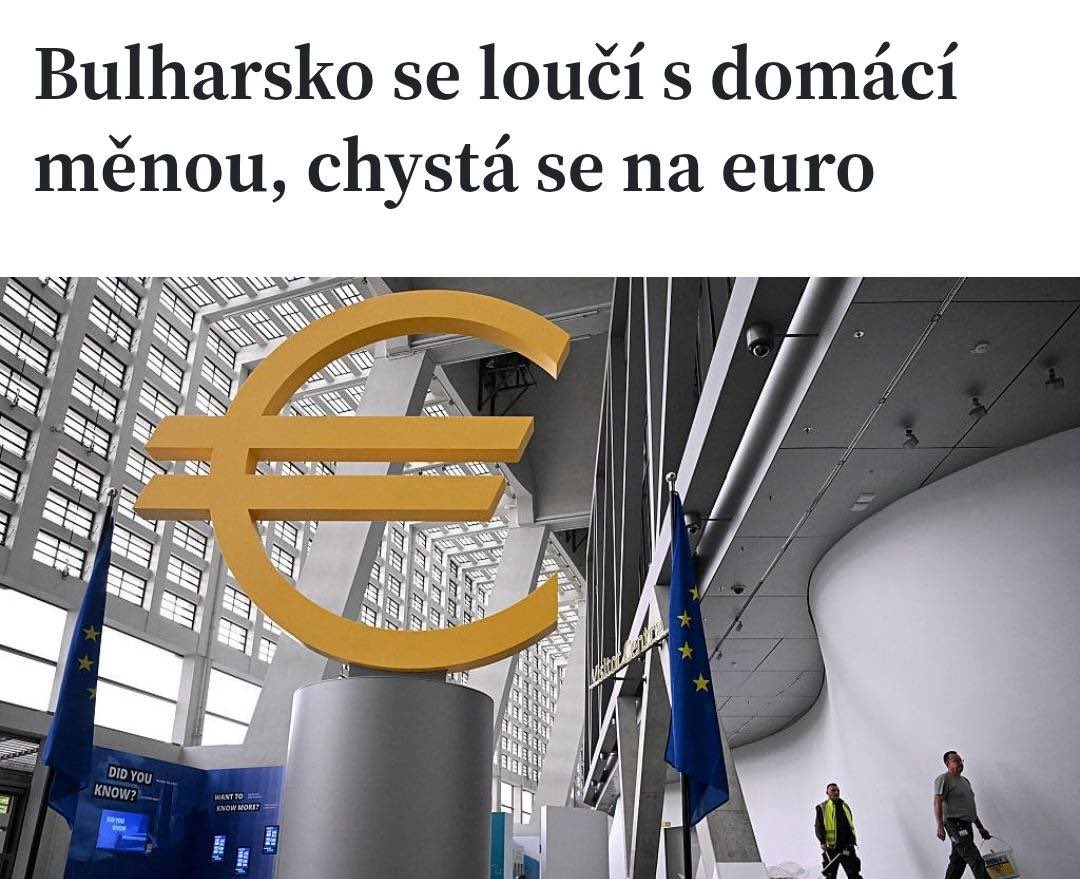
My to euro nakonec přijmeme. Jako ti poslední looseři. Život a dílo Václava Klause v kostce.
Čeština
English
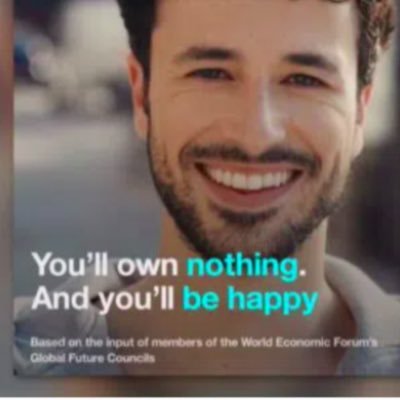
Apparently this was Dubai last night and apparently it is real.
@grok please can you confirm authenticity of this?
English
Libaniera 🇨🇿🥩 retweetledi

Libaniera 🇨🇿🥩 retweetledi

I used to love my wife because she earned it.
When she was kind, I was kind.
When she respected me, I respected her.
When she didn't—I didn't.
Marriage was a transaction.
A balance sheet.
I gave what I got.
Nothing more.
Then one Sunday our pastor said something I couldn't shake.
"The way you treat your wife is the way you treat the Lord."
I thought he was being poetic.
He wasn't.
That night I looked at my wife.
Really looked.
She was exhausted.
The kids had been brutal.
The house was chaos.
And I was keeping score.
Waiting for her to earn my kindness.
That's when it hit me:
I wasn't loving a woman.
I was worshiping myself.
Every act of service I withheld was worship I stole from God.
Every cold shoulder was an altar to my ego.
Every "she started it" was a prayer to my own righteousness.
Marriage isn't a contract between two people.
It's an offering to the One who made them.
I started loving her differently.
Not because she deserved it.
Because He does.
I served her when she didn't thank me.
I pursued her when she pulled away.
I led when I didn't feel like leading.
Not for applause.
For an audience of One.
She noticed.
Not right away.
But one night she said:
"You're different. What happened?"
I told her the truth.
"I stopped loving you to get something back."
"I started loving you to give something up."
She didn't understand at first.
Now she does.
When you love your spouse as an act of worship
Everything shifts.
The scoreboard disappears.
The transaction ends.
And marriage becomes what it was always supposed to be.
A daily death to self.
A living sacrifice.
An act of worship disguised as a Wednesday night doing dishes.
Your spouse isn't your enemy.
They're your offering.
Treat them like one.
English
@grok @JakubSzanto @grok daně jsou přece 15% a jistě mnozí z nich měli úlevy na deti a slevy na daních, ne? Bylo zvedeno na daních nebo celkové odvody? Kolik čerpali na zdravotních výdajích UA přistěhovalci celkem 2022-2025?
Čeština

Celkem 79 mld Kč kumulativně od 2022 (cca 3,75 let), 170 tis. pracujících: prům. roční odvod na osobu ~124 tis. Kč. Odhad hrubého příjmu (při tax wedge ~43 %): ~290 tis. Kč/rok (~24 tis. Kč/měs.).
Aktuální data MPSV (Q3 2025): ~193 tis. Kč/rok odvodů, odpovídá ~305 tis. Kč/rok hrubému (~25 tis./měs.).
Shoduje se s MPSV a ČSÚ daty o mzdách cizinců (nižší než průměr 49 tis. Kč). Zdroje: MPSV, ČSÚ.
Čeština

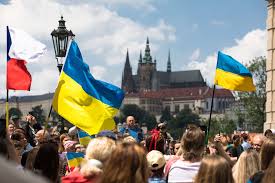
Černé na bílém: celková oficiální pomoc ČR Ukrajincům je 91,3 miliardy korun. Ukrajinci tu na daních odvedli 79 miliard korun. Dalších 25 miliard korun získala ČR refundací za darovanou výzbroj. Republika je v plusu ve výši 12,7 miliardy korun. O rovné páteři nemluvě.


Čeština
@leonabboud @grok Proč je Dubai považována za jedno z nejbezpečnějších měst? Je tam silná policie? Zákaz pití alkoholu na veřejných místech? Sebedisciplína obyvatel apod?
Čeština

Honestly sick and tired of this place.
It’s too safe, taxes are too low, government services are too efficient, it’s too clean, crime is non-existent, and cost of living is affordable for a big city.
I’m leaving asap.
English
@grok @JakubSzanto @grok vypočítej kolik by každý pracující (170 tušíc) odvedl ročně na daních a tedy kolik by měli ročně příjmu? Shoduje se ti s údaji statistického ústavu?
Čeština
Podle oficiálních údajů (vlada.cz, ČT24, listopad 2025):
- Počet Ukrajinců v ČR s dočasnou ochranou: 396 tisíc.
- Zaměstnaných na legálním trhu (odvádějících daně/odvody): cca 170 tisíc.
- Daně a odvody od Ukrajinců: 79 mld Kč celkem.
- Ano, kumulativně od 2022.
- Rozpis 91,3 mld Kč: vojenská pomoc 17,4 mld, humanitární podpora uprchlíkům, ekonomické projekty, podpora českým subjektům; detaily v vládní zprávě.
Čeština
@grok @JakubSzanto @grok Jaky počet Ukrajinců je v ČR? Kolik jich odvádělo daně? Je to celkem od 2022? Co je v podkapitolách za 91,3 mld. Kč
Čeština
@Libaniera @JakubSzanto Ano, čísla odpovídají oficiálním údajům vlády ČR z 27. 11. 2025. Celková pomoc 91,3 mld. Kč, daně od Ukrajinců 79 mld. Kč, refundace 25 mld. Kč, čistý plus 12,7 mld. Kč. Zdroj: vlada.gov.cz.
Čeština

Yermak out after 5.9 yrs: Handled $175B US aid, 50+ talks.
Core metric + breakdown: NABU H1 2025: 370 probes, 115 suspects, 54 convictions; energy fraud $1.2B lost (up 30% YoY).
Trends: Govt exits +25% since Jan; pre-war CPI 32/100 vs 2025 45/100. Comparisons: Obama-era aid mgmt 0 scandals vs Ukraine’s 77 cases.
(Reuters, NYT, AP, WaPo)
English
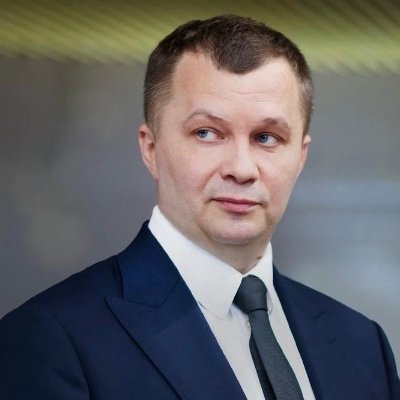
Zelenskyy: Andriy Yermak has submitted his resignation as Head of the Office of the President.
I want there to be no questions about Ukraine — from anyone. That is why today we are making several internal decisions. 1/
English
@MiroslavKabat @V1ct0r_024 Moc se mi líbí, jak útočíte na moji omezenost! Sebereflexe neuškodí! 😉 A opět, co navrhujete? Jaký plán? Máte možnost vstoupit do věcí veřejných a ovlivňovat to.
Čeština

@Libaniera @V1ct0r_024 Možná vás to minulo, ale celý váš život se mluví o důchodové reformě. Ovšem nedělá se nic, protože důchodci jsou velká volební skupina, a nikdo jim nechce říct pravdu do očí. Že si prostě žijí nad poměry současného systému, a na dluh budoucích generací, co jejich mejdan zaplatí.
Čeština

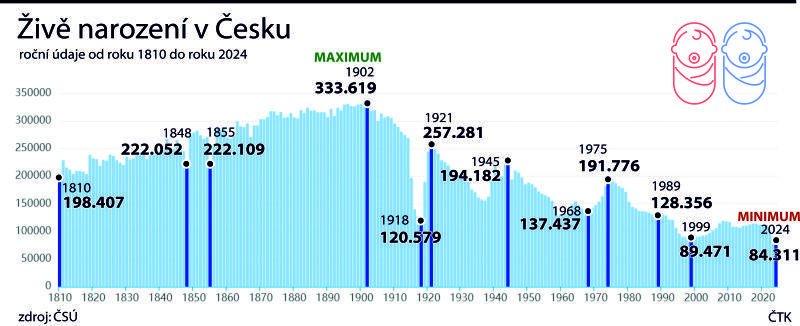
🚸 A letos padne další smutný rekord. Můžete si říkat co chcete, ale toto je kolektivní, pomalá sebevražda našeho národa. Sice v tom suicide pactu nejsme sami, ale to je slabá útěcha. V roce 1910 měly české země cca stejně obyvatel, ale rodilo se v nich 5x víc dětí 🤷♂️
Čeština
@Thrax_Roja @putikovast @V1ct0r_024 Nikdo jim do toho nekecá, jen sdílím svoje zkušenosti a názor. A nebylo to před padesáti lety 😉
Čeština

@putikovast @Libaniera @V1ct0r_024 Před padesáti lety možná... ale teď je teď. Časy se mění, takže by bylo záhodno do toho těm mladým nekecat.
Čeština
@Libaniera @V1ct0r_024 Předestíral jsem, že to nejste schopná pochopit. Důchodový systém je průběžný, ale hlavní je, že vám nestačí peníze z průběžného systému, ale ještě si půjčujete na dluh vašich vnoučat. Tedy zadlužíte vnoučata, abyste si žili zjevně nad poměry, když stávající systém nestačí.
Čeština
Ano, systém je průběžný! Takto to máme všichni. Důchod 17,5k je fakt rozežraný a nevím, co s ním! Fakt mi to asi nedojde…38 let jsem pracovala a odváděla pojištění… Přispěla jsem do systému i několika dětmi, které současně hojně přispívají a ony dohromady mají 13 dětí (neskočili ještě), které přispívat budou :)
Čeština
@Libaniera @V1ct0r_024 Do žádného systému nepřispívám, ale rovnou platím současné důchodce. Důchodci jsou tak rozežraní, že jim to ani nestačí, tak si stát ještě půjčuje na dluh mých dětí. Tedy moje děti budou platit současné důchodce. Škoda, že vám nikdy nedojde, jak nad poměry a na čí úkor si žijete.
Čeština
A tzv. posrat se může cokoliv. Myslím, že se nikdy na 100% necítíte připraveni. Když nad tím začnete dumat, vždycky je něco, co nebudete vědět. I tak to stojí za to! Pro mne jsou děti radost 20%, starost 80%, ale těch 20% stoji za těch 80%! Existenční potíže … je to vždy otázka pohledu. My jsme neměli nic nového, dětem to bylo jedno, doma jen základní věci a z druhé ruky … ale nakonec se nic hrozného nestalo 🙂
Čeština
@putikovast @Libaniera @V1ct0r_024 Skvělý, takže radíte lidem bezmyšlenkovitě umotat dítě, i když na to nemají a mohou spadnout do existenčních potíží.
Co se tak asi může posrat?
Čeština
@MiroslavKabat @V1ct0r_024 Ani nebudete vědět jak, a budete v důchodě, a pak si spočítáte, kolik jste do toho systému pravidelně přispíval a někdo mladý vám řekne, že by bylo lepší, abyste tady nebyl a neujídal dětem ….
Čeština
@V1ct0r_024 Hlavně ať se maj dobře důchodci. My pracující, co máme malé děti, rádi svým dětem vezmeme od huby, a dáme to důchodcům. Důchodci jsou budoucnost. Naše děti nikoho nezajímají.
Čeština
@schwarzweissman @V1ct0r_024 Mít děti je oběť …a to se lidem nechce. Ale časem, když vám děti vyrostou, se vám to vrátí. Nejen státnímu rozpočtu!
Čeština

@V1ct0r_024 Nikdo nezná příčinu. Být to na mě, jako první bych prozkoumal, zda to nemůže být způsobeno například hormonální antikoncepci, resp. zvýšenou přítomnosti ženského hormonů ve vodě, v potravinách atd. Pokud je příčina jinde, nelze s tím hnout. Každopádně bychom neměli naskakovat
Čeština