
Sabitlenmiş Tweet
LinBuilds
886 posts


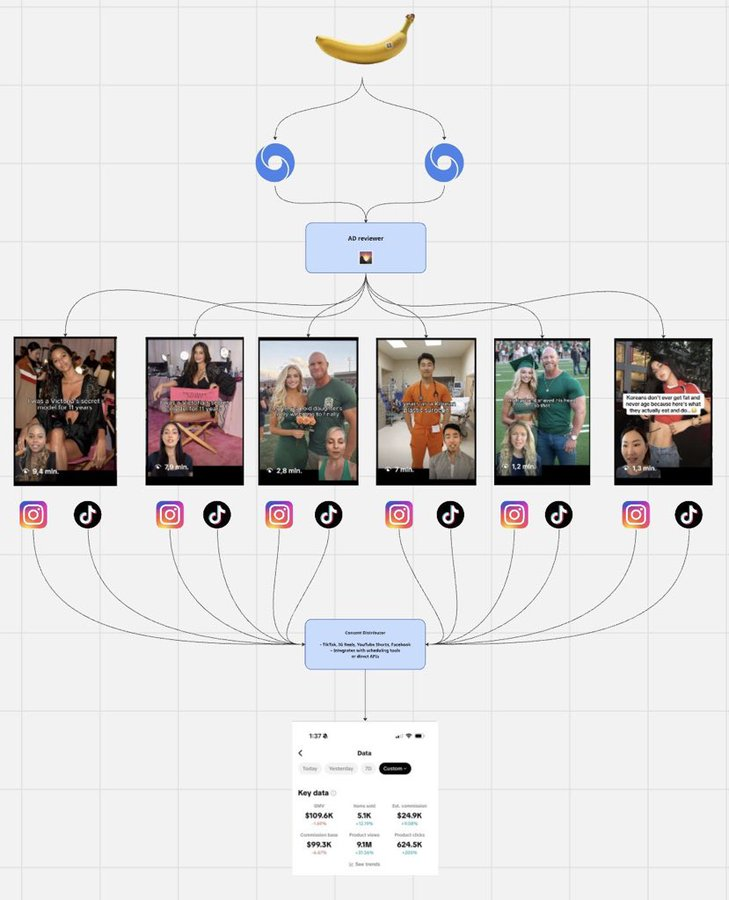


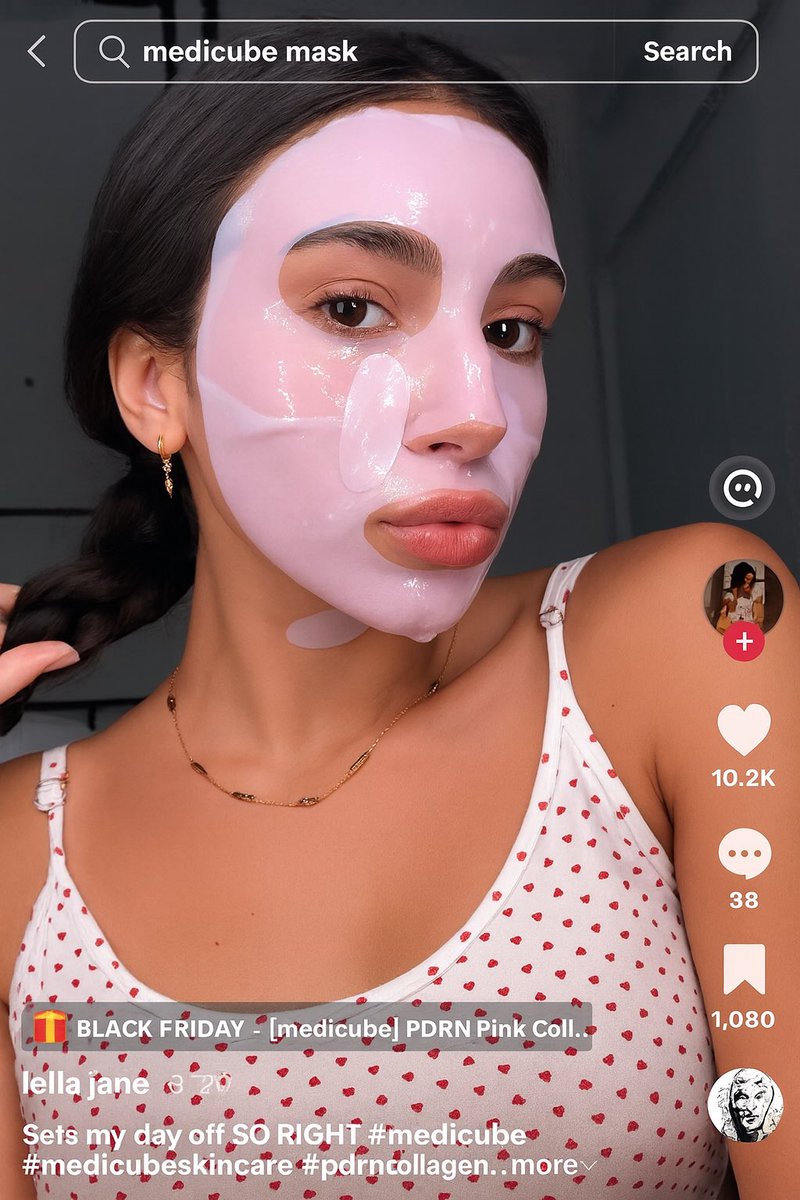
Nano Banana + Manus + Veo3 = AI content Factory
This agent pumps out hundreds of ads daily — fully automated.
- No $1000 creators
- No photoshoots
- No wasted samples
- No lost time
Just drop in a competitor’s ad → pick an avatar → let AI rebuild it in seconds.
Goal is to post 300 videos daily from between 10-50 iPhones and separate tiktok shop affiliate accounts.
Want the agent + full workflow?
Comment “AGENT” and I'll send it for FREE!
(must be following)

English
@benradack been running a similar CBO for 3+ months, still getting great results. love the zombie concept. how often do you refresh the creatives in there?
English

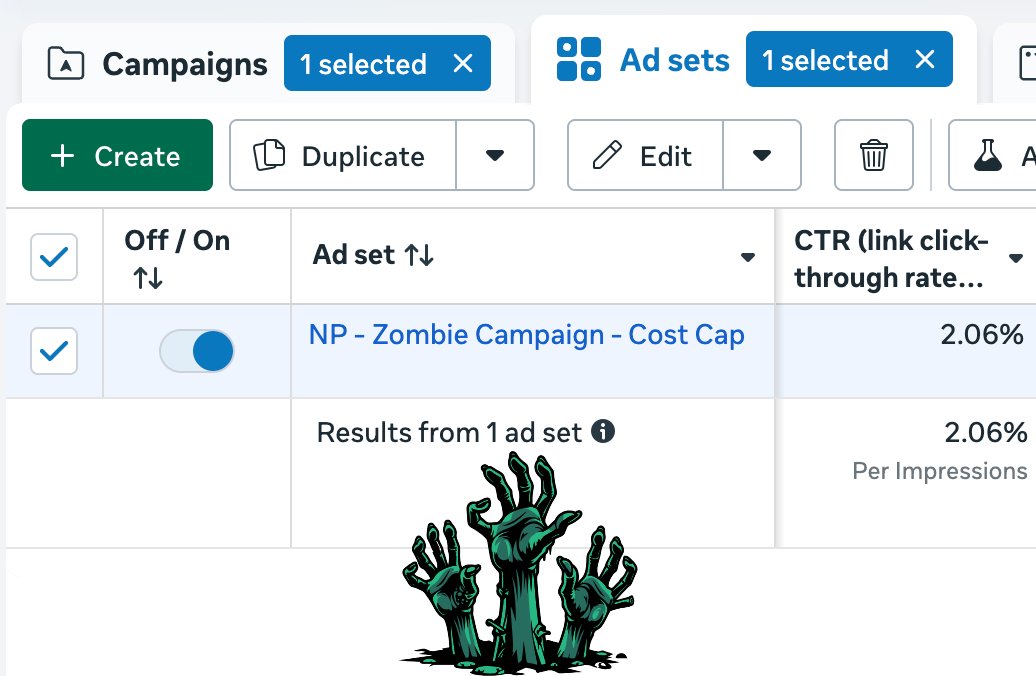
The best campaign strategy I can share with you before 2026 is the ZOMBIE campaign.
It's literally just a single ad set CBO with a lower than average cost cap.
Every time a creative fails in testing, just duplicate it into the zombie campaign.
→ Set cost cap aggressive (lower than your usual target CPA)
→ Throw all your "failed" ads in there
→ Let Meta find new pockets at that tight cost cap
I've found so many missed winners this way.
They build engagement, prove they can convert, and then I post ID them to my scaling campaign with real success.
It's a second chance for ads you would've just turned off and forgotten about.
Low risk, high reward. Bring your dead ads back to life...
English
@saikurrra @gavinpats lol that's the dream. been running the same CBO for 3 months now, still hitting solid ROAS. what's your main creative strategy lately?
English


@TheecomMike Interesting approach. Been optimizing sequences with n8n automation lately, keeps the journey smooth while scaling. How are you measuring the impact on AOV specifically?
English

@avcanthony_ been running a single CBO with BID ROAS for months, and it's still printing. structure + good creatives can do wonders without multiple campaigns. curious, have you tried AI-driven creatives yet?
English

I like to do everything in one campaign and let Facebook decide
Unless you're spending beyond $1k/day, there's really no point IMO to have a second campaign
You're not going to be able to feed enough spend for it to reach statistically significant data anyways
So all you're doing is dividing up the attirbution and making it more confusing to actually tell what's going on
English
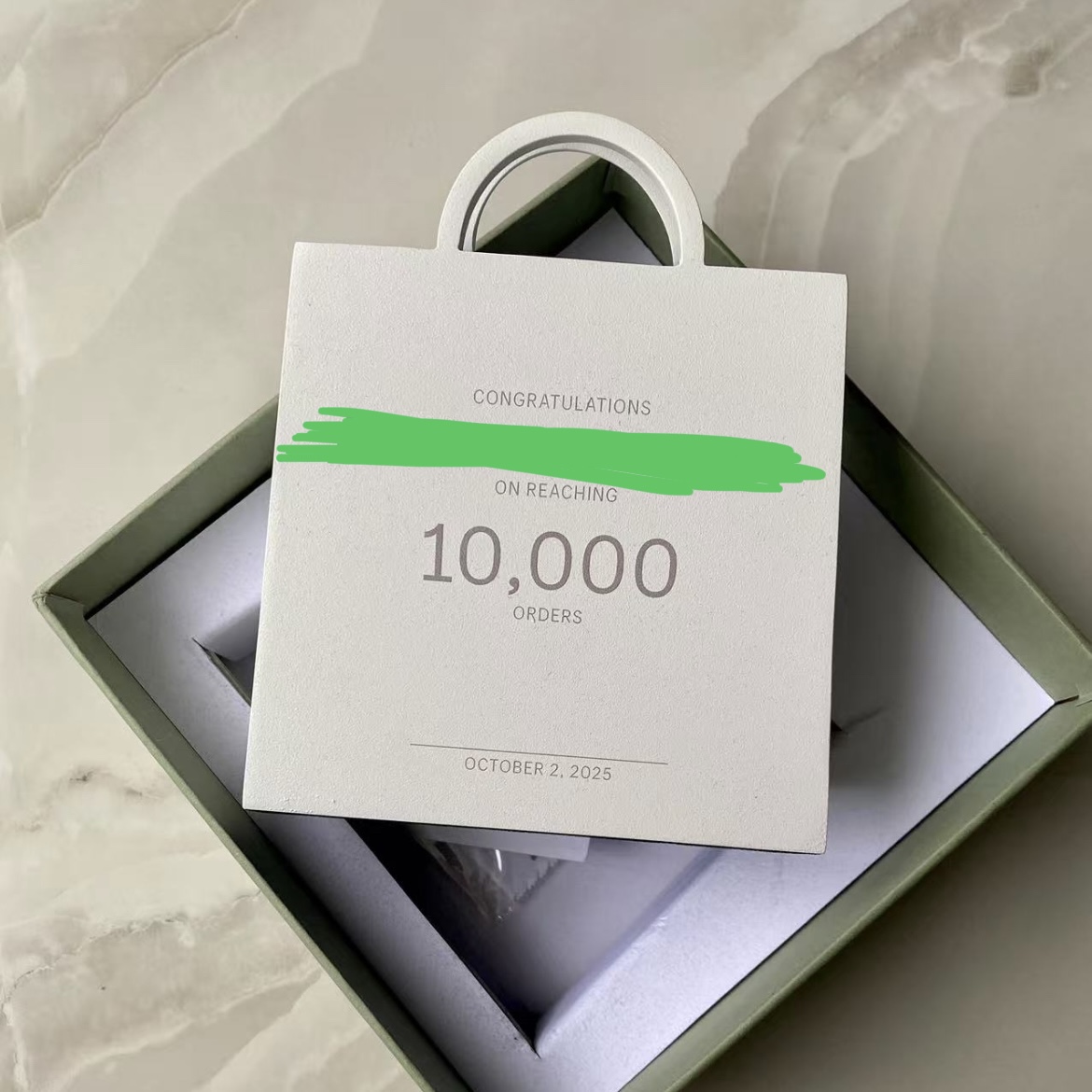
@AnthonyEclipse lol, my parents still think I sell random stuff online. guess I need to hit another $11M+ year for them to get it. you got any tricks to explain ecom?
English

@benradack Cost caps can be a game-changer if you dial them in right. I saw a 20% ROAS boost when I paired them with AI creatives. Curious how you're finding the balance with performance vs. scaling?
English
A few strategies I'm testing that I didn't before.
1. Cost caps for scaling campaigns
They're working again. For a while I thought they missed out on customers, but I'm seeing solid performance now.
Set the cost cap just below your target CPA and let Meta optimize within that range.
2. Organic boosts
Go to "use existing posts" and grab organic content from your IG to run as ads.
Sometimes organic posts have better engagement and feel more authentic than traditional ads.
3. Less variations in each ad set
I'm only testing 2 ads per ad set now instead of 4.
Forces me to focus on the concept, not endless micro-variations.
4. Incremental attribution for higher AOV clients
If your product has a 30+ day purchase window or manual orders, standard attribution breaks.
Incremental attribution filters out conversions that would've happened anyway.
I switched a $3k+ product to this and hit 7 ROAS.
These aren't revolutionary, but they're working right now for me
English
@herrmanndigital love those holiday spikes. ran a campaign last Christmas that brought in 30% more orders in a week. what's working best for you this year?
English

Christmas Day and today looking insanely good from both efficiency and scaling for many DTC brands.
English
@rokhladnik creatives are king, no doubt. switched to AI creatives a few months back, saw NV% jump. faster iterations, better results. what's your go-to for creative testing?
English

Your biggest leverage for increasing NV% isn’t exclusions.
It’s creatives.
English
@mattepstein Impressive jump, Matt. I've seen similar growth pains. Curious, how do you plan to handle scaling fulfillment and customer service with your team approach? Those areas can get tricky when volume spikes.
English
@iamshackelford nice results. reminds me of when I switched layout for one of my brands and saw a similar 60% lift. what's your next test going to focus on?
English
We are almost wrapped on a full blown post purchase test that hopefully will power how we push our program forward next year:
Key Results:
Layout C (simple + strongest savings offer) won with 65% lift over baseline
Layout B (detailed Cannabis Trio page) delivered 42% lift over baseline
Layout A (basic out-of-box page) served as control
Testing Framework:
Start with offer strength (pricing validation)
Optimize page architecture (design/aesthetic)
Expand product mix (LTV growth)
Next Test Hypothesis: Combining Layout B's detailed design with Layout C's aggressive offer could drive an additional ~25% lift
We ran a compelling test in preparation for Black Friday Cyber Monday where we validated a new promotional offer structure. Whether we were testing one-off promotions or more evergreen unique offers, each required building out the complete post-purchase workflow—something I had been deeply involved in since we first launched this capability.
We used @Aftersell by Rokt for this testing, which proved to be a solid platform to build with. Here's what we learned through their tool, and potentially something worth considering for your brand's infrastructure.
We tested three different layout variations.
Layout A used their simple out-of-the-box landing page.
Layout B featured a much more detailed landing page showcasing our Cannabis Trio.
Layout C kept the simplicity but introduced our most generous "savings" positioning.
The results were clear: Layout B outperformed our baseline (Layout A) by 42%, which validated that more detailed pages tended to outperform simpler ones.
However, Layout C delivered even stronger results, outperforming the original by 65%. This confirmed that offer strength could trump page complexity.
The key insight was that while detailed pages improved performance, the most powerful driver was offer strength itself. Our hypothesis for the next iteration was that combining a custom, detailed landing page (similar to Layout B's approach) with the aggressive offer positioning (Layout C's strength) could potentially deliver an additional ~25% lift on top of what we had already achieved.
This revealed a testing sequence framework worth following: first, validate that you had a strong enough offer from a pricing perspective. Second, optimize your page architecture and aesthetic once the offer was proven. Third, introduce additional products to expand lifetime value. This framework provided a structured approach for building out campaigns heading into the holiday season.
- @Aftersell put together an incredible document on other tests that might be worth checking out if you’re just setting up your upsell program OR needing to revamp an existing one:
lnkd.in/gqgj-X64
#aftersellpartner

English
@IstvanicMarin lol that's one way to do it. I used to over-segment too, but found consolidating into CBOs with BID ROAS gave more control and better results. sometimes less is more with FB
English

> One guy had over 50 campaigns
In each campaign, only 1 ad set
In each ad set, only 1 ad
ALWAYS
Talk about not trusting FB to properly distribute the budget...
English
Uncover the wild side of WEIRD Facebook ad account audits with me!
After auditing over 100 audits this & past year, I've captured 18 of the most bizarre ones.
You are gonna launch ot this, I promise.
[UPDATED VERSION]
Check them now:

English
@IstvanicMarin lol, been there. it's like pouring fuel on a fire and wondering why it's burning down the house. always check the basics first. how's he planning to fix it now?
English
> One guy told me that his ASC is crushing
When I checked the % cap for existing buyers, it wasn't even set
And ASC had ROAS for existing customers over 10, and for new customers under 1
Imagine his facial expression when I explained to him why that's not a good thing
English
@IstvanicMarin lol, that's a classic. had a friend who thought more accounts = better scaling. once we streamlined into a CBO setup, results skyrocketed. structure > quantity every time.
English
> One girl had 6 ad accounts, in total spending 4k
When I asked why, she said that her media buyer told her he couldn't scale differently, that he needed even more ad accounts to scale
Do I need to mention that all of those accounts could be part of just 3-4 campaigns...
English
@IstvanicMarin lol, been there. the smallest oversight can cost big. caught a bid strategy error once that flipped a -$6k month to +$33k. what's the most common mistake you see?
English
If you want someone to check your ad account to make sure you are not making dumb mistakes like this, shoot me a DM.
English
@JesperHensgens not surprised. niche platforms with buyer intent can def outshine the big ones. curious if you're leveraging email for post-purchase upsells too?
English

How I keep pulling $10K–$30K days while everyone else cries about Facebook ads 💀
No TikTok.
No Meta.
No creatives.
I use the platform with REAL buyer intent.
That switch alone made me $2M+ this year 🤯
I made a brandnew case study about it.
You want the video?
Like + retweet, comment “VIDEO” & I’ll send it to you!

English
@daviefogarty founders can't escape the paradox. the quiet room is where the magic happens, but also the toughest place to stay in. how do you balance deep work with the constant noise?
English

"All of humanity's problems stem from man's inability to sit quietly in a room alone."
This is a quote I think about constantly.
Short-form content is training our brains to never sit with hard problems.
If you’re a founder, you get put in a paradox.
You need to spend hours on TikTok and Instagram doing "competitor research," but that also actively destroys your ability to think deeply about problems that actually matter.
I personally don't have any social media on my phone; everything I do is done on a desktop, and I only check Twitter and Instagram after 4-5 pm because spiking your dopamine early makes everything else feel miserable.
When your dopamine is elevated from scrolling, boring strategic work becomes impossible.
On top of that, short-form content changed how we create.
Ten years ago, half a second too long in an ad wouldn't destroy the video. Now it does.
Every frame counts, and everything needs to be fast, or it won't work.
This is dopamine editing because we’re creating chemical responses.
But if you can fight all of this, and just learn to sit with a problem for 10 minutes without reaching for your phone.
You instantly get a massive competitive advantage.

English
@daviefogarty Spot on. AI can be the secret sauce, but it's the results that sell. We used AI for creatives but kept it under wraps until the conversions spoke for themselves.
English
If you’re building an offer with AI, remove any AI messaging from your website/marketing completely.
And when you’re pitching your first customer, don't lead with "We do xyz with AI."
Everyone assumes they will get slop.
Create the work first as your lead magnet, target businesses relentlessly, and send them the finished piece immediately.
"I guarantee I can create whatever you need in XYZ area at 50% off. Here's the first piece."
This could work for Facebook creatives, SEO blog posts, email sequences, customer service macros, Airbnb listings, product page copy, hook libraries for TikToks, and content briefs.
Just mention AI is streamlined, but positioned as "Way higher quality at low prices" without making AI the hero.
People still associate AI with slop so just let your output do the talking.
English
@avcanthony_ True, but the balance is crucial. Too much agitation can lead to paralysis by analysis. Have you experimented with using success stories alongside this approach?
English
We have to step back and understand why we're trying to paint the worst-case scenario for our audience.
The reason why we're trying to agitate their pain and show them the worst-case scenario is because bringing up the worst-case scenario should make taking action feel urgent and necessary.
However, it's not important that in your copy you are being a doomer or that you're dwelling on the progression of the disease.
All that matters is that you're accurate in what your customers are actually worried about.
So just mention in your copy
Problem > What happens if they don't take action > What that means for them
Also, fearmongering doesn't lead to high CPMs. High CPMs come from creating poor quality ad content.
Typically, it's a larger result of your image than your actual copy, because my copy has tons of fearmongering and I'm getting $30 to $40 CPMs.
English