Lusi Zhang retweetledi
Lusi Zhang
688 posts

Lusi Zhang
@LusizzZZ
张路斯 | PharmD/PGY1/PhD @UMN_Pharmacy | Everything psychiatry💥 | Omics/PGx/EHR/Epi research @UMN_ECP Bishop Lab 🧠🧬💊| She/Her | A cool girl 🤸🏻♀️
Xi'an 🇨🇳 | Twin Cities 🇺🇸 Katılım Eylül 2019
449 Takip Edilen233 Takipçiler
Lusi Zhang retweetledi

Aging clocks may be shaped by neurosyndemics, multiple interacting physical and social real-world environments jointly influencing brain health. Out in Nature Medicine (nature.com/articles/s4159…), we assessed 18,701 participants from 34 countries, showing that the combined aggregate-level exposome (73 physical, social, and political factors measured at country-level) predicts multimodal brain aging far better than isolated exposures (up to 15-fold more variance). Moving beyond single risks, we provide evidence that synergistic, nonlinear exposome burden accelerates brain clocks across health and disease, with physical exposures linking more strongly to structural brain aging and social exposures to functional brain aging. Exposome burden increased the risk of accelerated brain aging by 3.3–9.1-fold, in some cases exceeding the effects associated with dementia, and these findings held in out-of-sample, longitudinal, individual-level variation, and sensitivity analyses. Thus, the pace at which the brain ages may be shaped by syndemic environmental and societal conditions, calling for much more intersectoral policies. Congrats @AgustinaLegaz Sebastian Moguilner @HernHdezL & all coauthors. 1/5👇 @GBHI_Fellows

English
Lusi Zhang retweetledi

Nature research paper: Biological insights into schizophrenia from ancestrally diverse populations
go.nature.com/4baVp9y
English

🧠🧬 Excited to share our latest publication in the American Journal of Psychiatry on how polygenic predispositions interact with anticholinergic burden to impact cognition and brain structure in psychosis spectrum disorders.
psychiatryonline.org/doi/10.1176/ap…
English
Lusi Zhang retweetledi

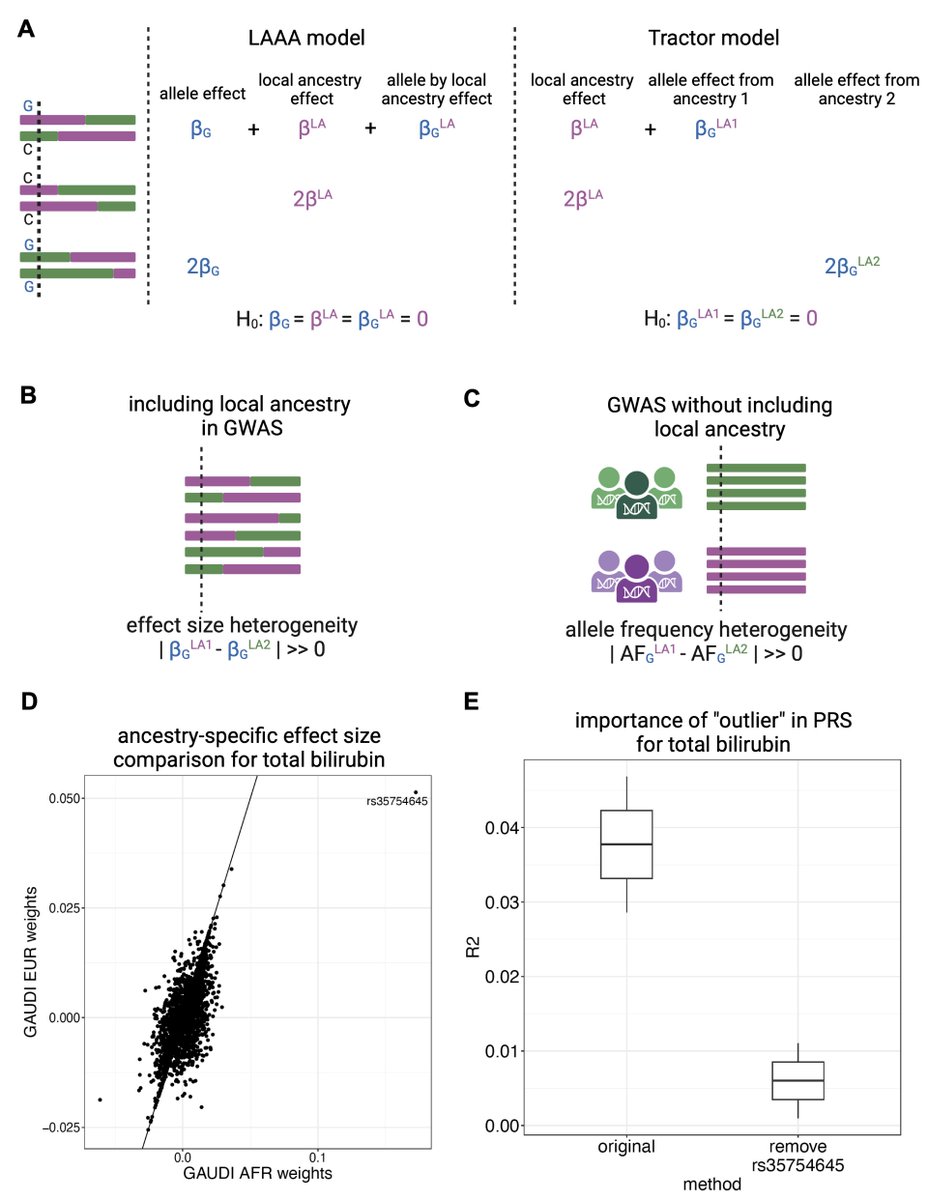
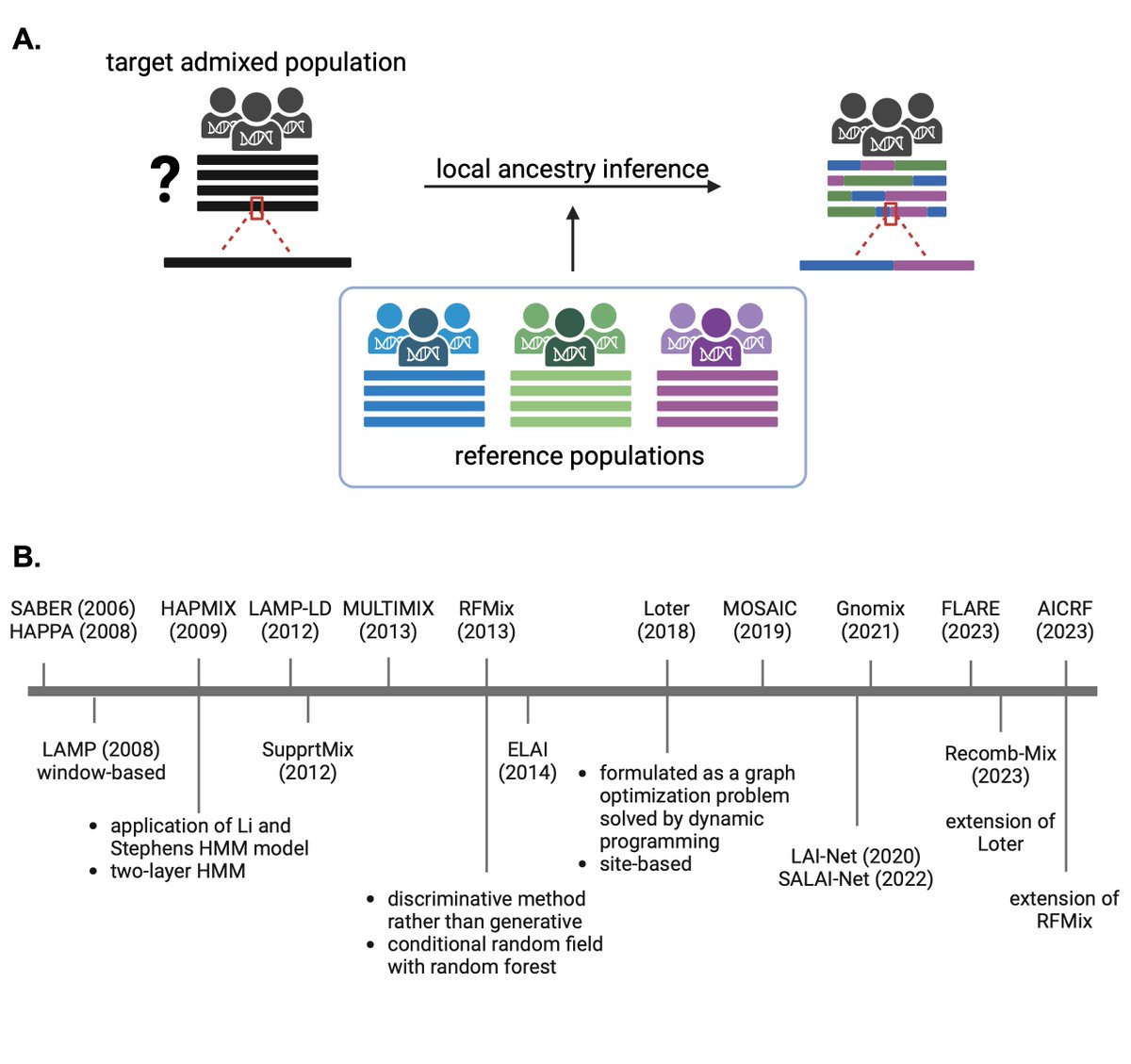
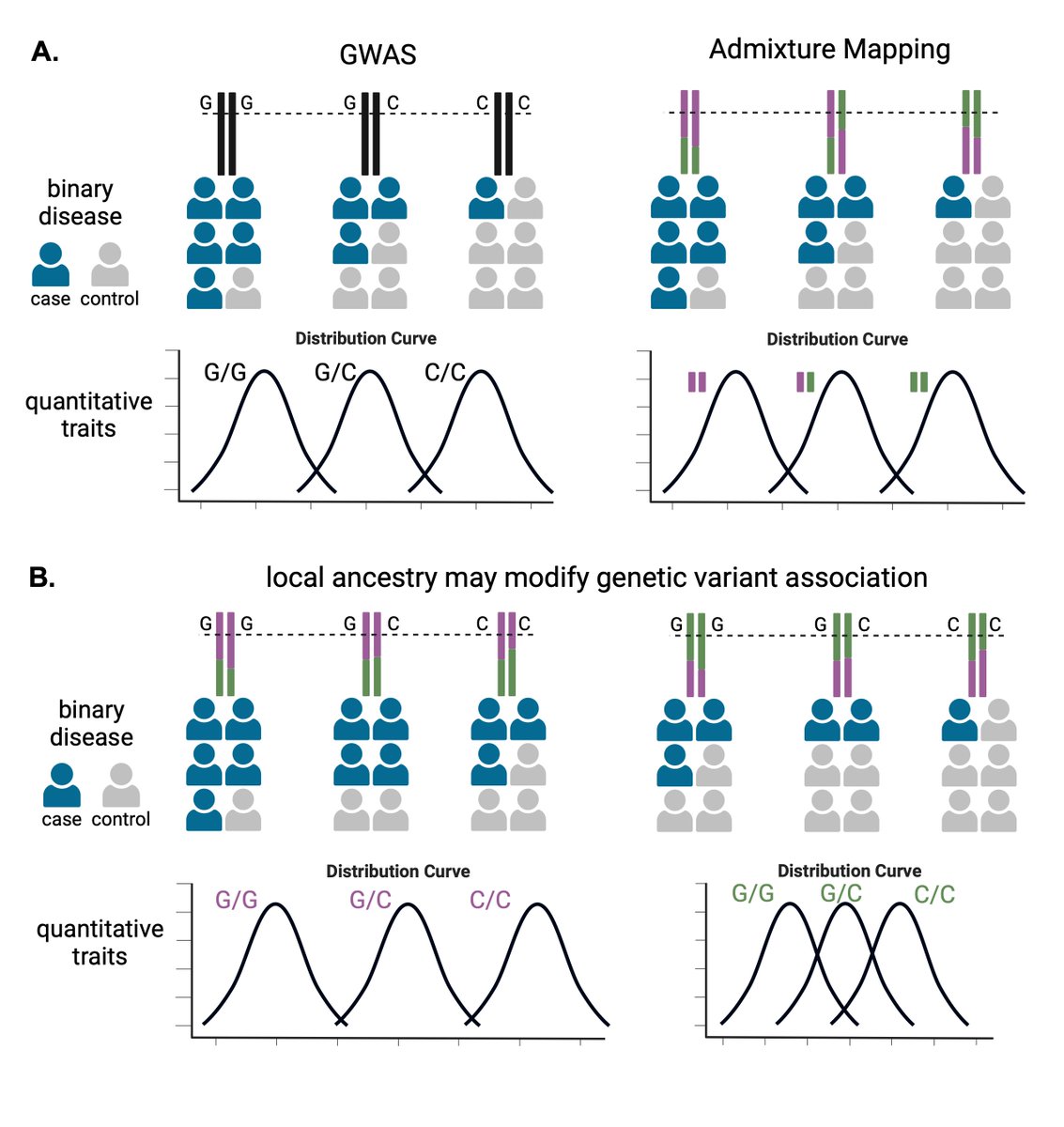
A new Review in @AJHGNews provides an overview of methods for inferring local ancestry & discusses their application to different types of genetic analyses: cell.com/ajhg/abstract/…
#ASHG #HumanGenetics #GeneticsDiscoveries @yunliunc


English
Lusi Zhang retweetledi

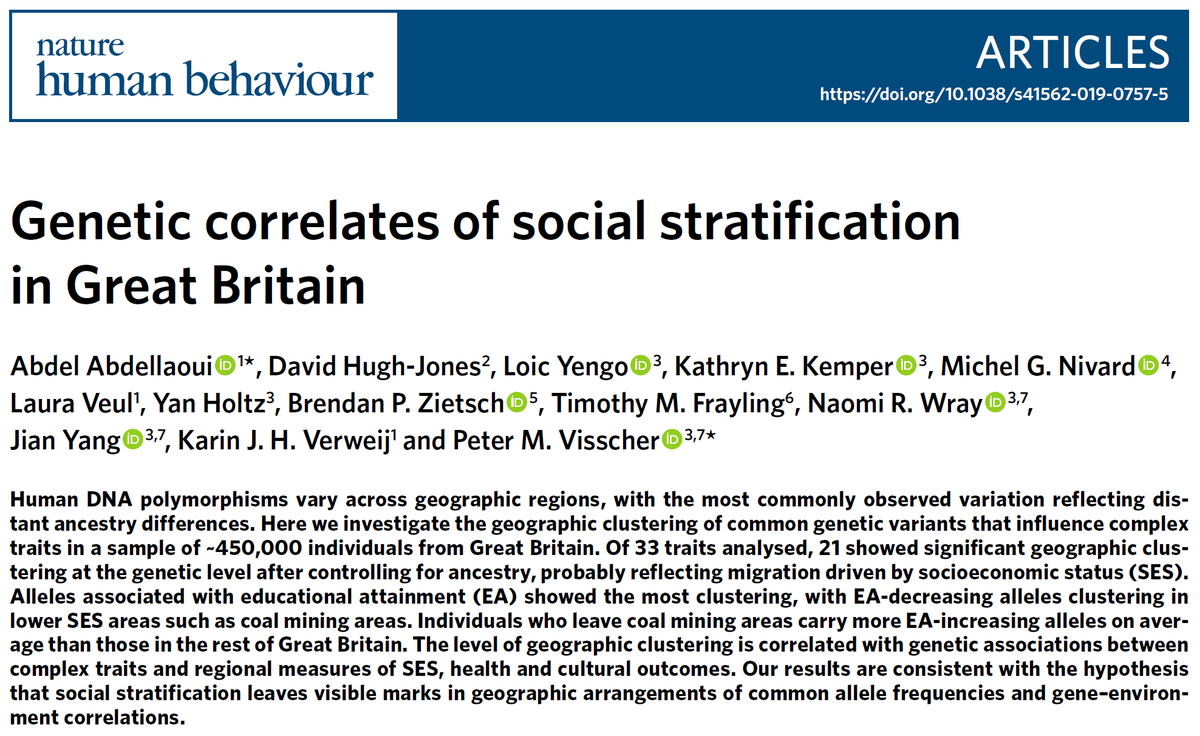
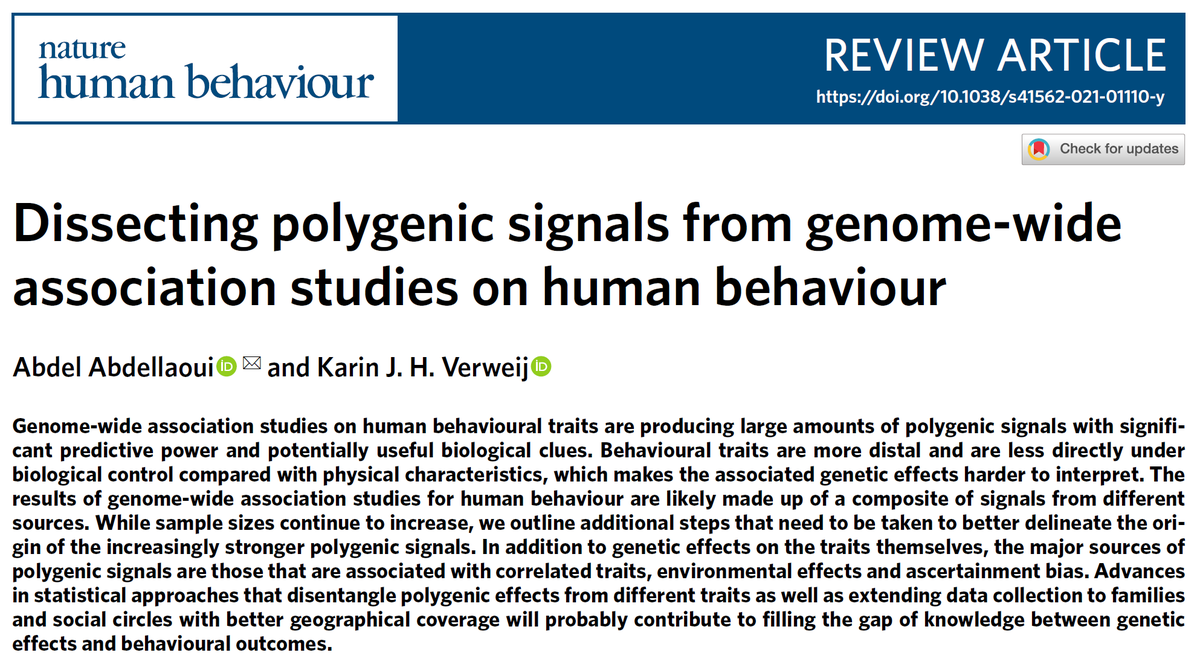
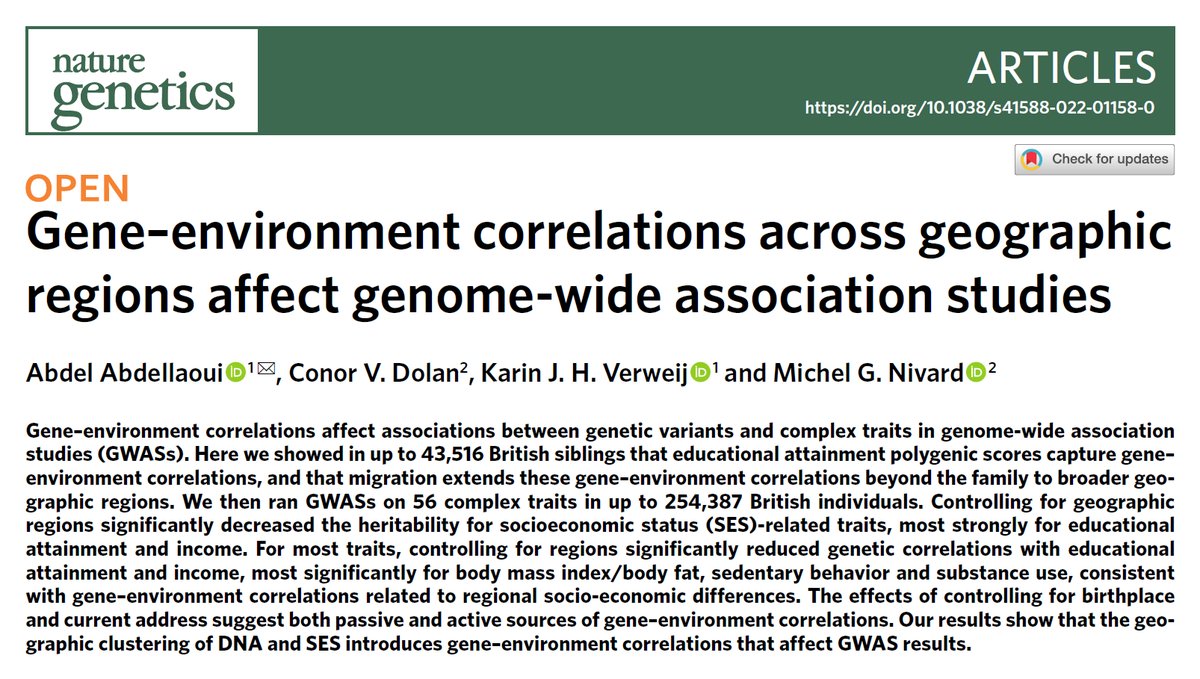
Did you get a chance to read the thread on our new @NatureHumBehav paper on SES yet?
If not, don't worry, I have something better for you!
Check out this comic by the amazing @Lizah_Aart
The complete comic here: communities.springernature.com/posts/are-we-b…
You can also scroll this thread 👇🏾

Abdel Abdellaoui@dr_appie
In every civilization, people end up sorted into levels of socio-economic status (SES). We explore the history, present, and future of scientific research on the complicated relationship between SES and DNA in @NatureHumBehav 💰🧬🎓 Link: rdcu.be/efacK Thread below 👇🏽
English
Lusi Zhang retweetledi

APA applauds the FDA announcement that the Clozapine REMS program is no longer necessary to access the lifesaving medication. For more information ow.ly/1rBY50V6mbR
English
Lusi Zhang retweetledi

Wow! Peter Visscher and colleagues have published a provocative paper in Nature speculating that "polygenic gene editing" of embryos might prove effective in reducing disease risk, should the technology advance enough to become safe in the future.
The authors argue that for polygenic diseases like type 2 diabetes or schizophrenia, theoretically, editing only a handful of variants might produce dramatic reduction in the disease prevalence among the edited embryos. And this approach will prove more effective than embryo screening. Of course, the authors have acknowledged that this is speculative and discussed all the challenges and ethical issues associated with embryo gene editing.
Further, Nature has thoughtfully published a well-balanced News and Views titled "Human embryo editing against disease is unsafe and unproven — despite rosy predictions" by experts in this topic (@ShaiCarmi @WiringTheBrain and @HankGreelyLSJU) arguing that though theoretically possible the idea might never work.
Visscher et al. Nature
nature.com/articles/s4158…

English
Lusi Zhang retweetledi

This isn’t the first time I’ve seen this strange idea that students in China aren’t told that cheating is wrong. This is complete nonsense—e.g. cheating was punished severely at my college in China to the degree that one rising star in senior year was denied a degree for the first instance of plagiarism, and another was also denied their degree for jokingly snatching his friend’s test when they were turning them in.
Zhiyu Zoey Chen@ZhiyuChen4
I'm shocked to see racism happening in academia again, at the best AI conference @NeurIPSConf. Targeting specific ethnic groups to describe misconduct is inappropriate and unacceptable. @NeurIPSConf must take a stand. We call on Rosalind Picard @MIT @medialab to retract and apologize for her statement.

English
Lusi Zhang retweetledi

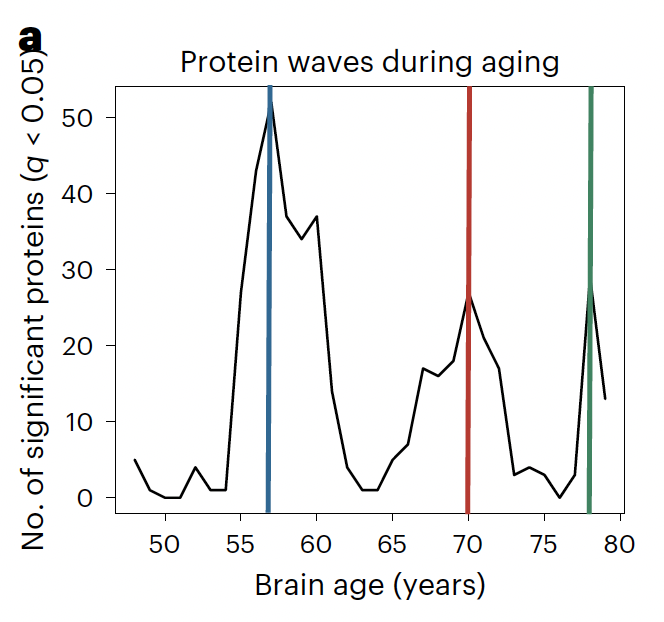
Plasma proteins and brain aging.
New @NatureAging
Assessment of ~3,000 proteins in ~11, 000 @uk_biobank participants w/ over 11,000 MRI phenotypes
1. Brain aging is non-linear, with protein waves at ages 57, 70 and 78

English
Lusi Zhang retweetledi

The University of Minnesota College of Pharmacy offers a PGY1 program on pharmaceutical care in ambulatory care settings. It's structure allows residents to select a host site that best aligns with their learning preferences and career goals. Learn more: ow.ly/ULaf50TY3yb

English
Lusi Zhang retweetledi

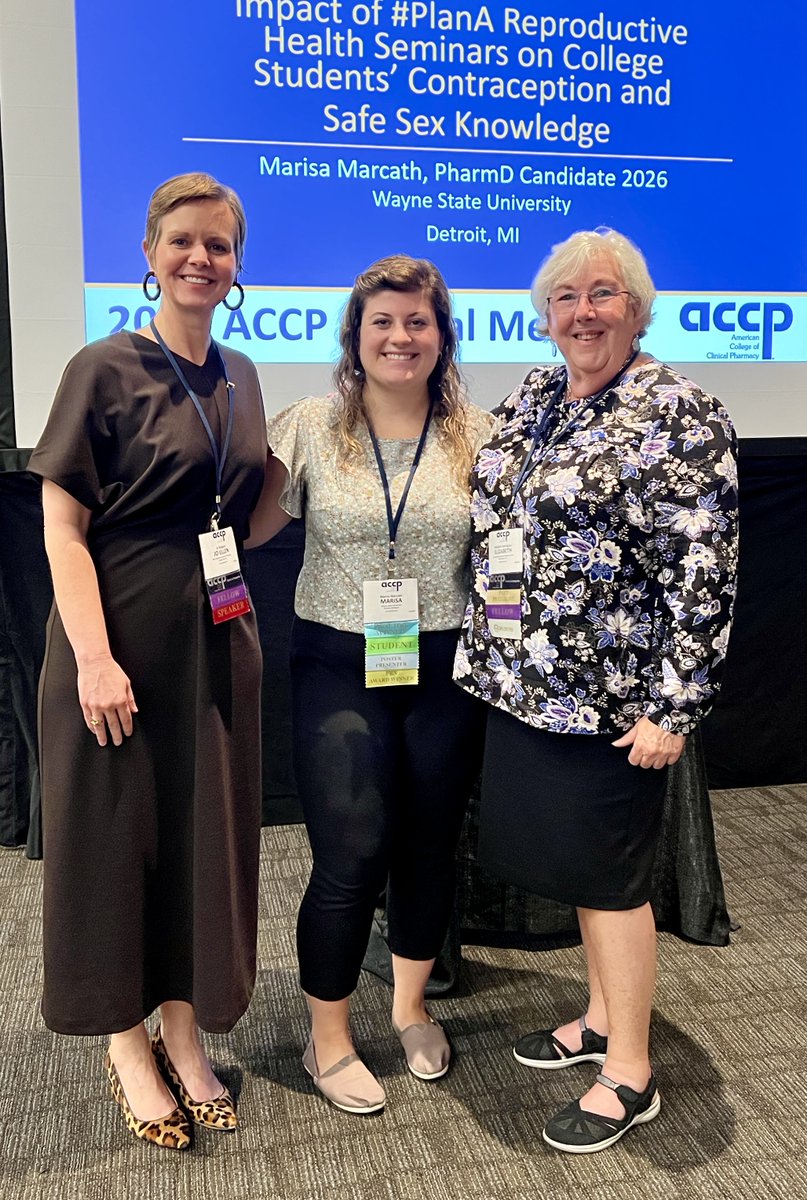
The November Experts in Training newsletter is live! In this month's issue, take a closer look at the Perioperative Care PRN, learn about the University of Minnesota's PGY1 program, and hear from residents who attended this year's ACCP Annual Meeting! ow.ly/ZRZP50TY3Z9

English
Lusi Zhang retweetledi